
There’s a version of the sustainability story in America that sounds encouraging: cities planting urban forests, pledging net-zero by 2050, rolling out electric bus fleets, and composting millions of pounds of food waste each week. That version is real. It’s just incomplete.
Cities from the United States are noticeably absent from global lists of truly sustainable urban centers, a gap linked to significant challenges driven by political instability and fragmented climate policies at the federal level, which is hampering progress on sustainability initiatives across many U.S. cities. The cities below are genuinely trying. Some are doing impressive work. Yet in every case, the gap between stated ambition and measurable progress remains wide.
New York City – Big Laws, Bigger Buildings Problem
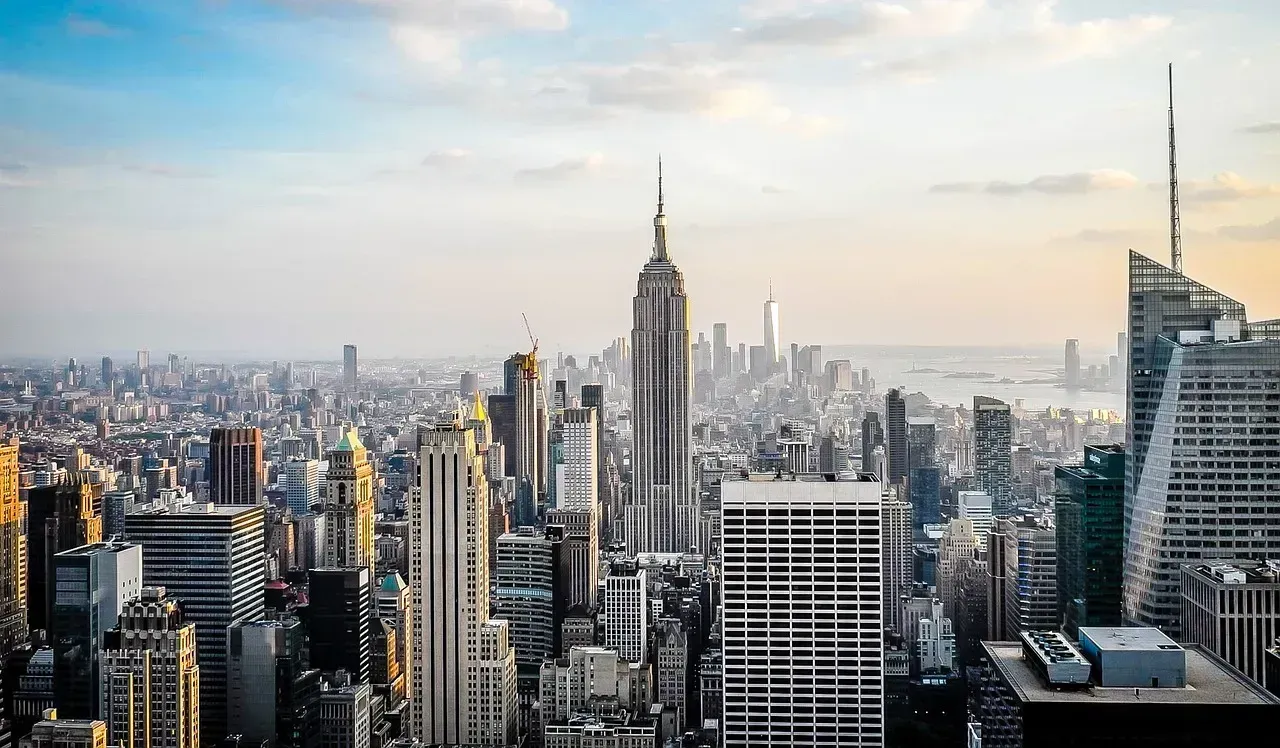
In New York City, buildings represent roughly seventy percent of climate emissions, which spurred the passage of Local Law 97 in 2019 as a direct countermeasure to the first U.S. withdrawal from the Paris Climate Accords. The law places carbon caps on buildings of 25,000 square feet or more, with limits increasing through 2050 to achieve net-zero emissions. It was a bold, nationally recognized move.
At the beginning of 2025, NYC launched its congestion pricing program to discourage traffic in dense Manhattan, and in 2024 became the first U.S. city to include climate issues directly in the city budget, with a Green Economy Action Plan anticipating 400,000 green-collar jobs by 2040. Still, the scale of the task is daunting. Early estimates show that only about eight percent of covered properties were required to take action for the 2024 LL97 compliance period, with that figure expected to rise to roughly half by 2030. The hard reckoning is only just beginning.
Los Angeles – Green New Deal, Old Infrastructure
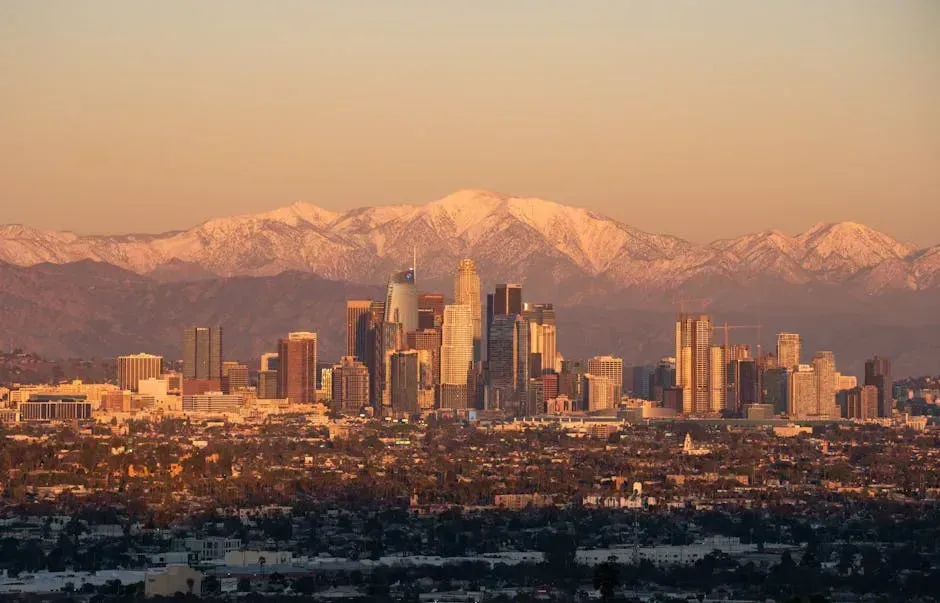
Los Angeles has adopted one of the most ambitious municipal climate frameworks in the country through the L.A. Green New Deal, and the Los Angeles Department of Water and Power reports steady growth in renewable energy across its electricity portfolio alongside aggressive electrification goals. On paper, the city has rarely looked greener.
The physical reality is harder. Climate disasters have cost the U.S. economy an estimated 6.6 trillion dollars over the past twelve years, with nearly a trillion dollars in damages in the last year alone, and these disasters are now occurring at nearly three times their historical rate. Between December 2024 and April 2025, Los Angeles experienced a credit rating downgrade, compounding the financial strain already created by the city’s devastating wildfires. Rebuilding and decarbonizing at the same time is a challenge no city has fully solved.
Seattle – Cleanest Grid in the Country, But Equity Gaps Remain
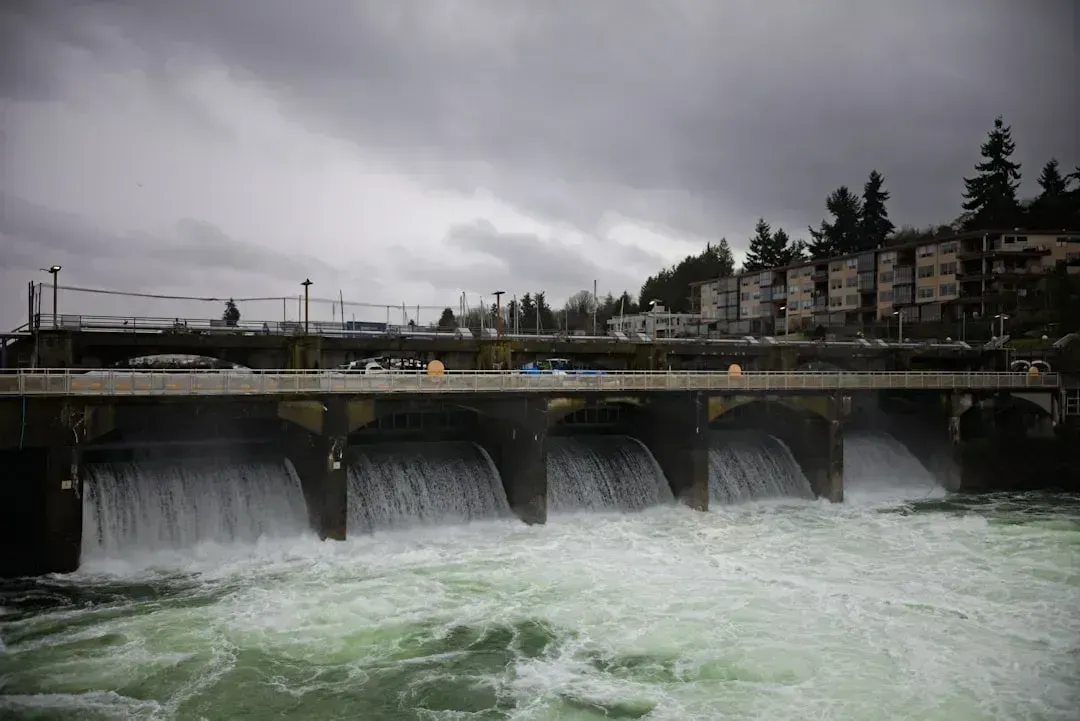
Seattle’s sustainability advantage begins with electricity: more than ninety percent of the city’s power comes from hydropower, making it one of the cleanest urban grids in the country. The city was also an early adopter of plastic bans and curbside composting, and EPA data shows Seattle diverts around sixty percent of its waste from landfills, roughly double the national average. Those are genuine achievements worth noting.
Seattle’s 2025 initiative to halve emissions by 2030 includes investments in clean energy, electric buses, and updated green building codes. Even so, sustainability gains without housing policy alignment can worsen affordability, making equity the defining challenge of the next decade. A city can have the cleanest electricity in America and still leave its most vulnerable residents behind if green development prices them out of their neighborhoods.
Chicago – Economic Strength, Environmental Lag
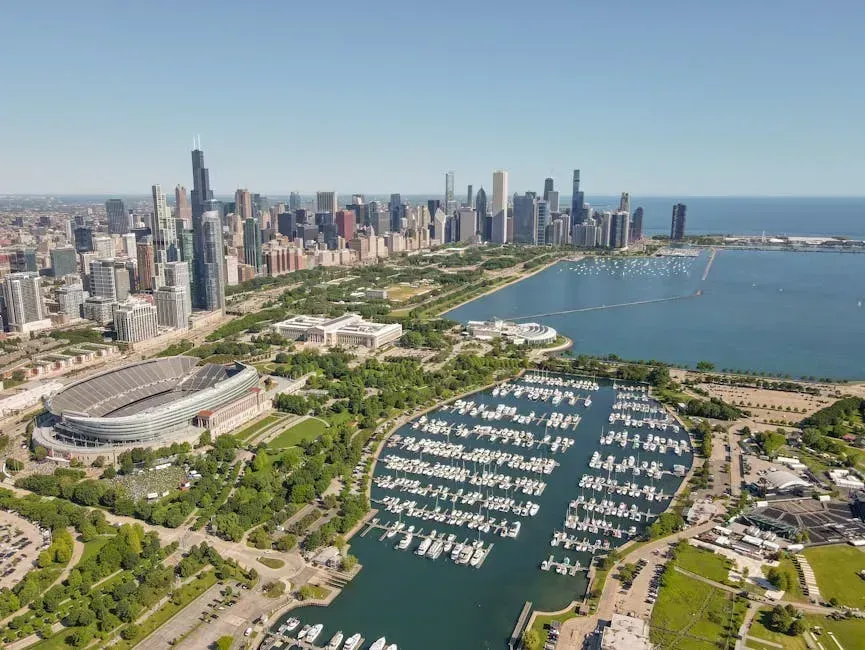
Chicago is among the North American cities that dominate measures of economic output, yet its overall sustainability ranking exposes a concerning disconnect: strong business performance has not translated to rising wages and living standards for all residents. The city has made real investments in green infrastructure, but the scorecard on emissions reduction remains mixed.
In a five-month span from December 2024 to April 2025, Chicago experienced a credit rating downgrade, squeezing the budget headroom that sustainability programs depend on. Most major U.S. cities that have signed on to climate pledges are failing to meet their goals or haven’t even started to track local progress, according to a survey by the Brookings Institution. Chicago fits that pattern more than city officials would likely admit publicly.
San Francisco – A Pioneer Falling Short of Its Own Goals
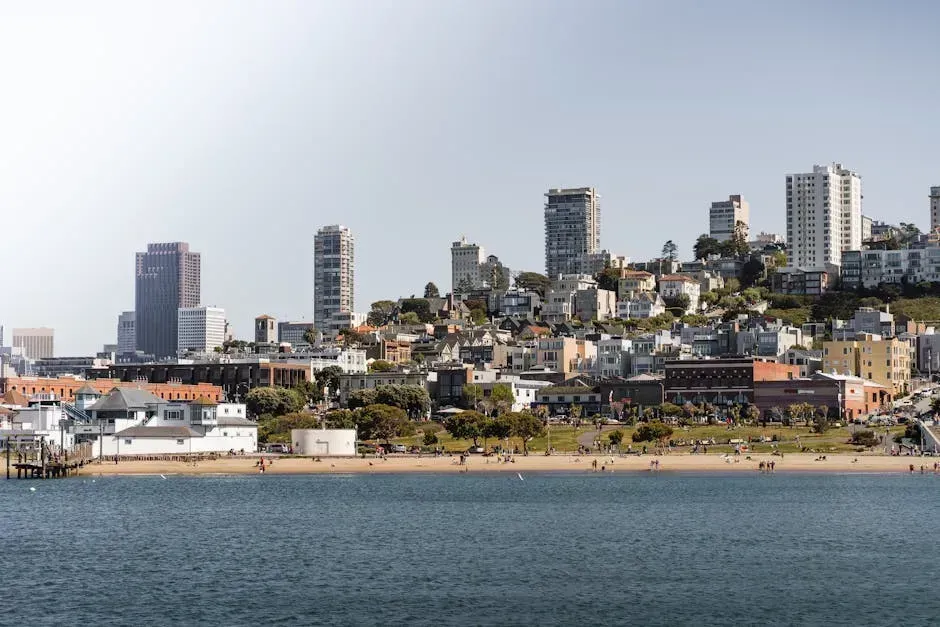
San Francisco is widely recognized for its mandatory recycling and composting system, which has helped achieve one of the highest landfill diversion rates in North America, and census data shows that over forty percent of commuters use public transit, walking, cycling, or carpooling. Combined with compact land use, this significantly reduces transportation emissions. The city has long been a national model for urban environmentalism.
Yet its consumption-based emissions tell a more complicated story. Despite San Francisco’s progress toward reducing its geographic emissions by twenty-six percent between 1990 and 2015, its total and per-household consumption-based emissions fell by only two percent and seventeen percent, respectively. The city also faces intersecting challenges of housing shortages, climate change, and biodiversity loss, and a 2025 credit downgrade has strained the public finances needed to close those gaps.
Houston – Climate Disasters Outpacing Investment
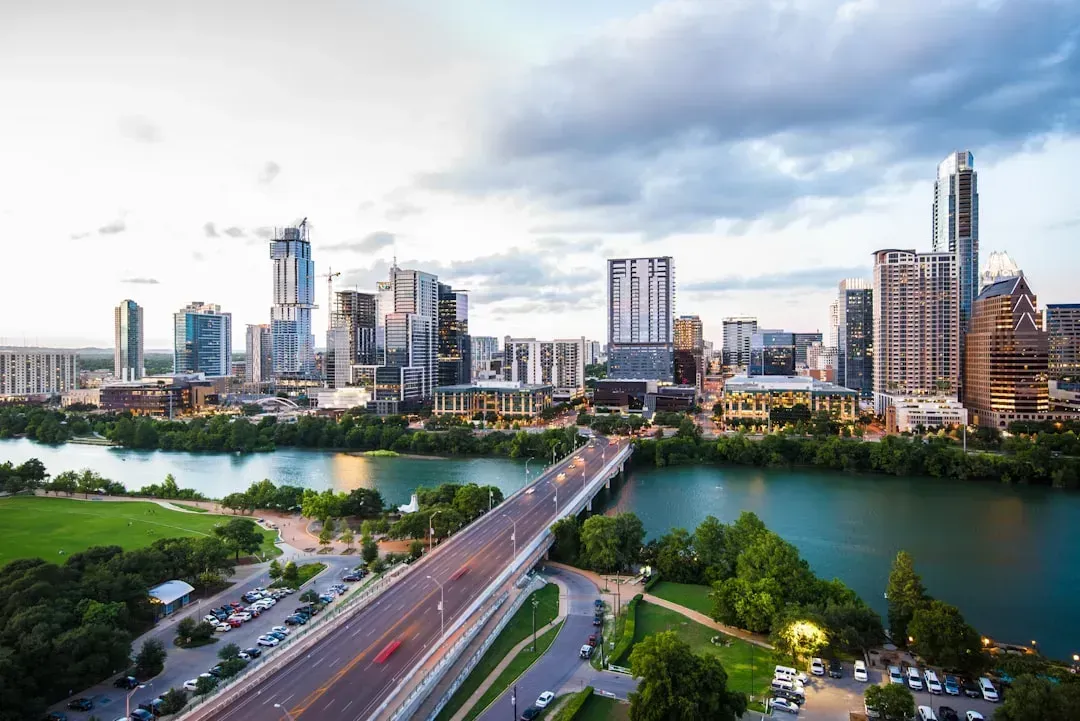
Houston’s drainage system was overwhelmed during Hurricane Beryl in 2024, resulting in roughly three billion dollars in damages and a month-long recovery period. The city has been investing in green infrastructure, but the pace of climate impacts is clearly outrunning the pace of adaptation. Cooling centers in Texas reached capacity multiple times in 2024, and Houston logged its highest-ever nighttime temperatures, denying residents relief even after sunset.
Houston’s city controller has warned that the city’s shrinking reserves risk a credit downgrade, and the city has long relied on one-time money such as pandemic aid or disaster relief to pay for ongoing expenses. Projections from the Houston finance department show the city is expected to face deficits in the hundreds of millions of dollars over the next five years. Sustaining long-term green investment under those fiscal pressures is genuinely difficult, and Houston’s situation illustrates a structural problem many Sun Belt cities now share.
The through-line across all six cities is the same one researchers keep identifying: among the cities fully engaged in climate action campaigns, two-thirds are falling behind the emissions targets they set for themselves. Pledges are not the problem. Implementation, financing, and political continuity are. One analysis found that 124 cities need over 62 billion dollars for climate projects but have only 22 billion dollars available, creating a funding gap of more than 40 billion dollars. Until that structural gap closes, even the most ambitious American city will be running in place.

