
Winter has a way of catching people off guard, even those who’ve lived through dozens of cold seasons. The roads get icy, the temperatures drop overnight, and ordinary routines suddenly carry real consequences. Yet year after year, the same avoidable errors show up – in driveways, on highways, inside homes, and on sidewalks.
Some of these mistakes feel minor in the moment. Most aren’t. Winter storms create a higher risk of car accidents, hypothermia, frostbite, carbon monoxide poisoning, and heart attacks from overexertion – and many of those incidents trace back to choices that could easily have gone differently. Here’s a look at the eleven that keep coming back, season after season.
1. Wearing One Thick Layer Instead of Multiple Thin Ones

Wearing a single thick coat instead of multiple layers traps moisture against the skin and accelerates body heat loss. It’s a surprisingly common approach – people assume bulk equals warmth, but what actually matters is how you manage moisture and air circulation. The science of layering is straightforward once you understand it.
Wearing at least three layers of loose fitting clothing provides better insulation. An inner layer of wool, silk or synthetic (polypropylene) works best to keep moisture away from the body. Wool, silk, or polypropylene will hold more body heat than cotton, which absorbs sweat and stays wet against your skin. Once that base layer is damp, warmth drains fast regardless of how many coats you pile on top.
2. Trusting Four-Wheel Drive Too Much on Ice
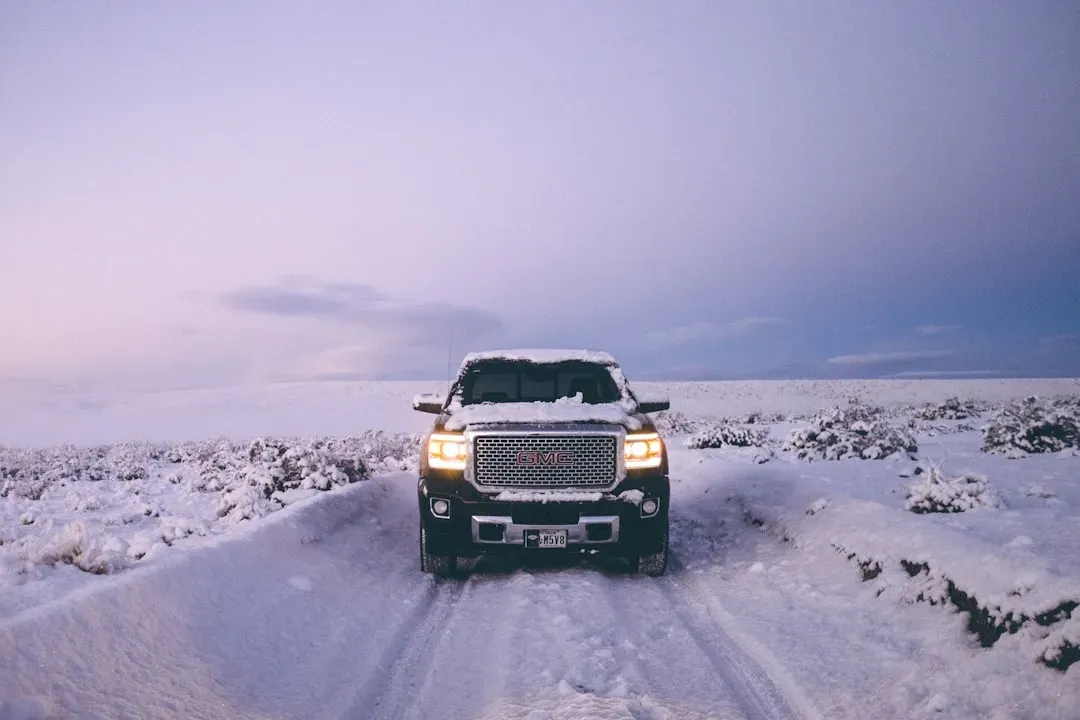
Snow and ice drastically reduce tire traction and multiply the distance required to bring a vehicle to a complete stop. Four wheel drive systems help a vehicle accelerate in slippery conditions but offer absolutely no advantage when attempting to brake. Drivers who overestimate their vehicle capabilities often lose control and slide off the roadway or into oncoming traffic.
This is one of the most persistent misconceptions on winter roads. The Federal Highway Administration states that speeding contributes to roughly seven out of ten winter crashes, and a 2024 NHTSA report highlights that nearly half of drivers fail to reduce speed during winter conditions. The extra confidence that four-wheel drive provides on acceleration can, and often does, translate into a false sense of total control – right up until braking becomes necessary.
3. Ignoring Black Ice
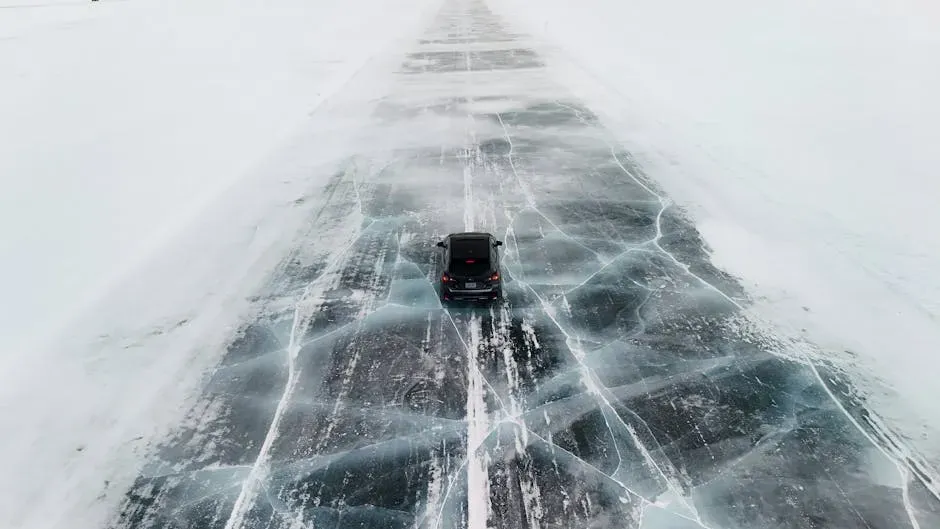
Black ice is a thin, transparent layer of ice that forms on the road, making it almost invisible to drivers. It forms when water freezes on the pavement and becomes difficult to detect, especially when roads are wet and temperatures hover just around freezing. The name itself is a bit of a misnomer – the name “black ice” doesn’t refer to the color of the ice itself but rather the fact that it often forms on dark asphalt roads, making it blend into the road surface.
Above-ground surfaces like bridges and overpasses are frequent spots for black ice to develop, as the cold air that circulates underneath them reduces the temperature more quickly. This is why you will see warning signs about icy conditions on the roads near these areas. If you happen to be driving in the early morning on a cloudy day or at night, be diligent about looking for areas of the road that appear glossy and shiny. Those patches are easy to miss until it’s too late.
4. Not Clearing Snow Off the Entire Vehicle
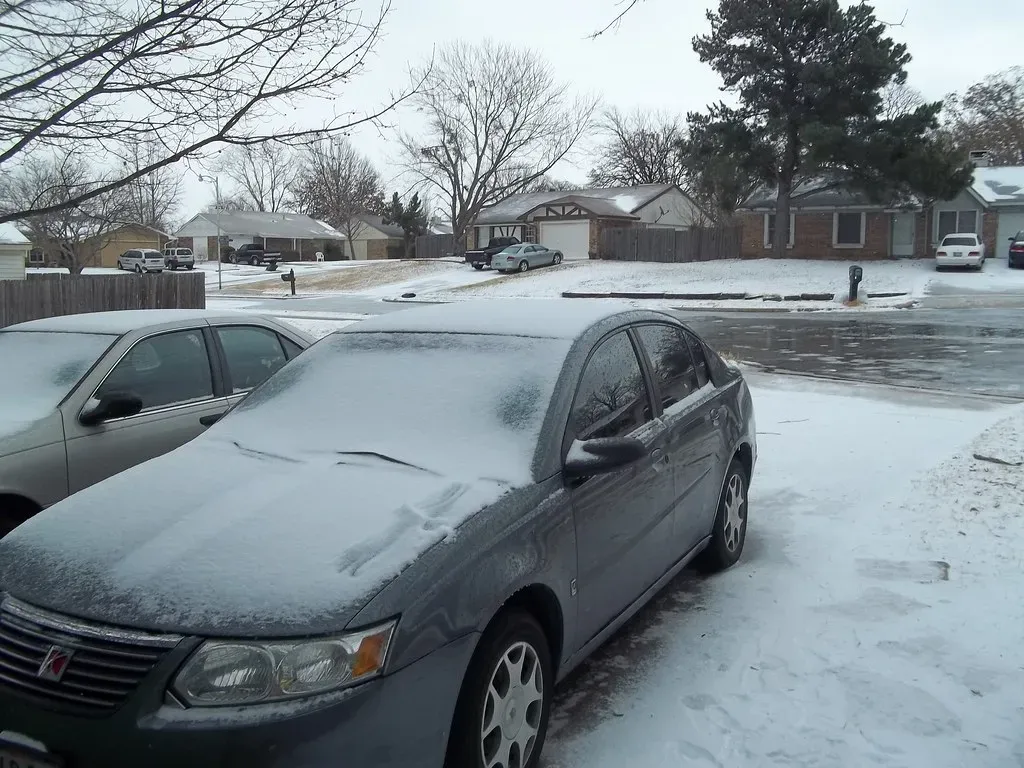
Many people make the mistake of leaving ice and snow on their cars before they set out. They know that they need to clear off the windshield and windows, but they quit once they have decent visibility. This presents several problems. If you only remove the snow without thinning out the ice, you’re not going to be able to see as well as you need to.
The snow on the top of your vehicle is just as dangerous as the snow on your windshield and windows. It can be dangerous for you and the people around you. If you come to a sudden stop, some of that snow can slip down onto your windshield, blocking your visibility. More likely, it will slip back onto the car behind you. Snow could block their visibility, and any chunks of ice can damage their car.
5. Skipping Winter Tires
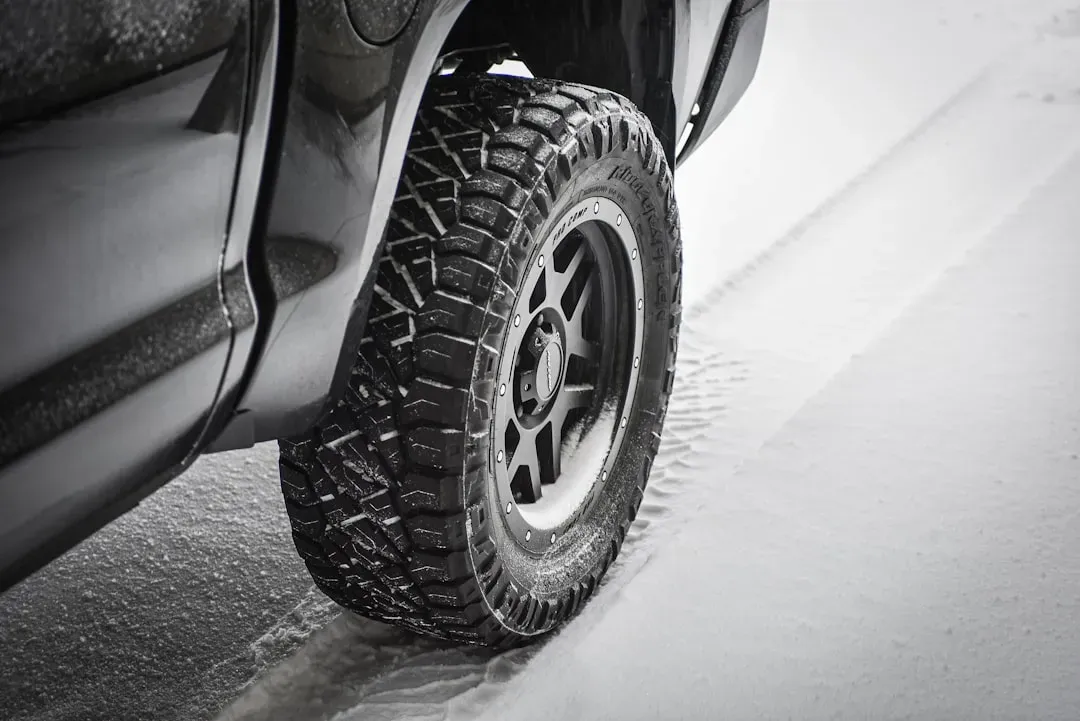
While regular all-season tires can work in light winter conditions, winter tires are designed to handle black ice, snow, and slush much better. Winter tires are made of special rubber compounds that stay flexible at low temperatures, providing better traction on icy or snowy roads. Many drivers assume their all-season tires are sufficient, but that assumption quietly raises risk every time temperatures drop below freezing.
Consumer Reports testing found that winter tires outperform all-season tires by roughly a third on icy roads due to their cold-resistant rubber compounds and deeper treads. Michelin states that winter tires can reduce stopping distances by around a quarter compared to all-season tires. Meanwhile, states with mandatory winter tire laws have seen a notable reduction in winter-related crashes. The numbers make a compelling case.
6. Forgetting to Check Tire Pressure in the Cold
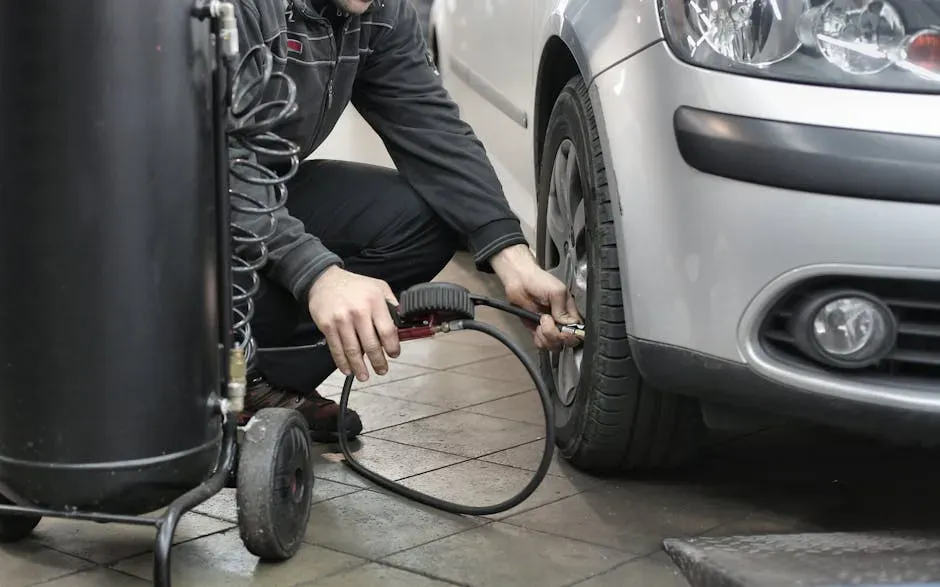
Cold air compresses, which means tire pressure can drop significantly when the temperature plummets. For every 10-degree drop in temperature, tires can lose about 1 PSI. Checking tire pressure regularly, ideally once a week, ensures tires are inflated to the manufacturer’s recommended level. Most people check tire pressure in summer – and then forget about it entirely until spring comes back around.
Underinflated tires reduce traction precisely when you need it most. Replacing tires with all-weather or snow tires as necessary is part of properly preparing a vehicle for winter, but even the best tires underperform when the pressure is too low. A quick weekly check takes less than two minutes and can make a real difference on slick roads.
7. Neglecting to Stay Hydrated in Cold Weather
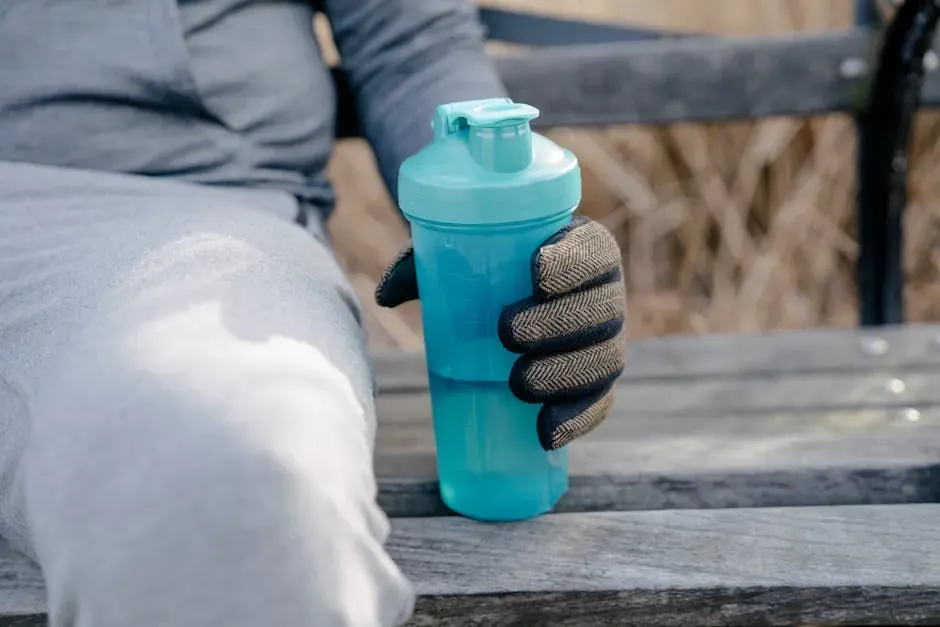
Cold weather suppresses the natural thirst mechanism and causes people to consume far less water than they actually need. Breathing cold dry air strips significant moisture from the lungs with every exhalation and accelerates overall dehydration. The physical exertion of walking through deep snow also burns massive amounts of energy and increases fluid loss through sweat.
Dehydration in winter is underreported and genuinely underestimated. Because you don’t feel as thirsty in the cold as you do during a summer run, the problem sneaks up on you. Wet clothing chills the body quickly, and excess sweating will cause the body to lose more heat, so removing extra layers whenever you feel too warm is important. Staying hydrated supports body temperature regulation – something that matters a great deal when the thermometer drops.
8. Running a Generator Indoors or in the Garage

Plummeting winter temperatures mean that many people are turning up the heat and unintentionally putting themselves at risk of carbon monoxide poisoning. Every year, more than 50,000 people visit emergency rooms because of accidental CO poisoning, and about 430 of these visits will be fatal. A significant share of those incidents involve generators used during power outages.
Several common heating methods produce dangerous carbon monoxide levels. Generators should never be used indoors, and should be kept at least 20 feet from the home and never run in garages, even with doors open. Carbon monoxide is a colorless, odorless, poisonous gas produced by burning fossil fuels. Because CO can come from so many sources, it can easily build up indoors and poison people and animals. It’s one of the most preventable winter emergencies there is.
9. Leaving Pipes Unprotected During a Freeze
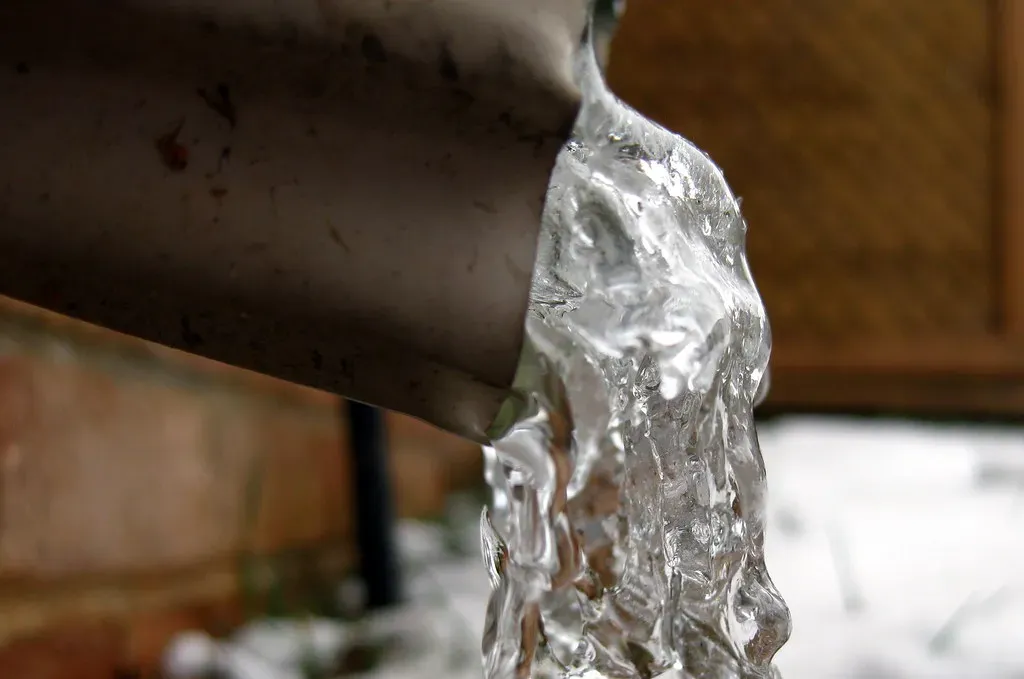
Insulating exposed pipes using foam sleeves or heat tape, especially in unheated areas, is critical. During a deep freeze, opening cabinet doors under sinks to allow warm air to circulate helps, as does allowing faucets to drip slightly during extreme cold to prevent pressure buildup. These simple steps get skipped constantly, often until the moment a pipe bursts and the damage is done.
Homes in the South are often more susceptible to freeze damage than northern homes because they’re built for heat, not intense cold, leaving vulnerable, uninsulated pipes in attics and crawl spaces that can burst during unexpected freezes. If a pipe is suspected to be frozen, shutting off the main water supply immediately and warming the pipe slowly – for example, by using a hair dryer – is the right approach. Never use an open flame, experts caution.
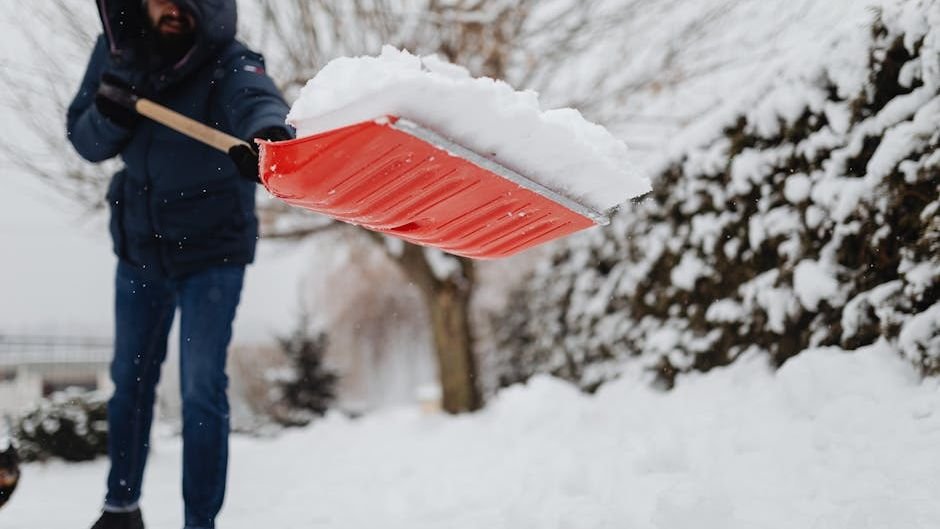
10. Shoveling Snow Without Considering Heart Risk
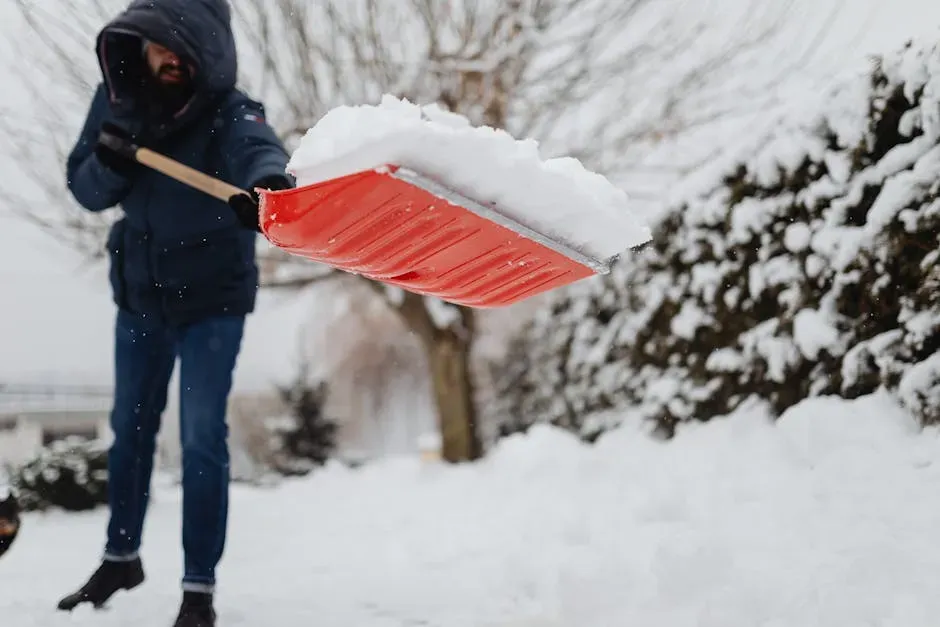
Cold weather can increase heart rate and blood pressure. It can make blood clot more easily and constrict arteries, which decreases blood supply. This is true even in healthy people. Individuals over the age of 40 or who are relatively inactive should be particularly careful. Many people treat snow shoveling as a quick chore rather than the intense physical exertion it actually is.
Workers and homeowners should warm up before the activity, scoop small amounts of snow at a time and where possible, push the snow instead of lifting it. The use of proper lifting technique is necessary to avoid back and other injuries when shoveling snow: keep the back straight, lift with the legs, and do not turn or twist the body. If you have heart disease or high blood pressure, follow a doctor’s advice about shoveling snow or performing other hard work in the cold. If you have to do heavy outdoor chores, dress warmly and work slowly to avoid excess sweating. The body is already working hard just to stay warm, so overdoing it compounds the strain.
11. Waiting Until a Storm Warning to Stock Up on Supplies
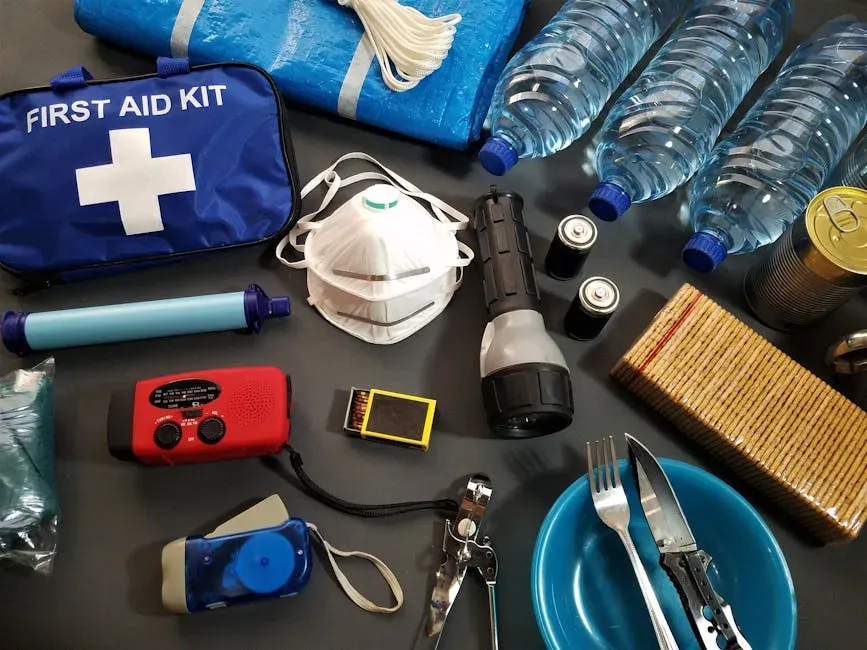
Being safe in dangerous winter weather means not only taking the appropriate steps during the storm, but also having the right supplies beforehand. If you wait to stock up on supplies until a watch or warning is issued, you run the risk of the supplies being out of stock or the store being closed. Fall is an excellent opportunity to check the winter supplies in your home and vehicle and stock up on anything running low.
Making an emergency kit to keep in your car is essential. It should include water, snacks, a first-aid kit, blankets, a flashlight, extra batteries, a portable cell phone charger, and emergency flares. Gathering supplies in case you need to stay home for several days without power, keeping each person’s specific needs in mind including medication, remembering pets, and having extra batteries for radios and flashlights – all of it takes preparation done well before the first flakes fall. By the time the forecast turns severe, the window for easy preparation has already closed.
Winter weather doesn’t have to be dangerous to catch people off guard – mild cold snaps cause just as many problems when basic precautions get skipped. Most of the mistakes on this list aren’t about ignorance. They’re about habits that feel fine until one particular day when they’re not. Preparation done quietly in advance, before conditions demand it, is what separates a manageable winter from a genuinely difficult one.

- 6 Things Schools Got Wrong About the Water Cycle - May 9, 2026
- 11 Winter Weather Mistakes People Keep Making - May 9, 2026
- Where the World’s Most Important Climate Discoveries of the 1970s Happened - May 8, 2026
