

Most of us recycle with good intentions. We sort, rinse when we remember, and try to keep pace with rules that seem to quietly shift every few years. The problem is that good intentions don’t always line up with what recycling facilities can actually handle, and the gap between the two creates a surprisingly costly mess.
Studies show that roughly one quarter of what ends up in recycling bins doesn’t belong there at all. When non-recyclable materials are mixed in with recyclables, they can contaminate entire batches, rendering them unusable and increasing processing costs – which not only disrupts the recycling system but also contributes to unnecessary waste in landfills. These 13 items are among the most common offenders.
1. Plastic Bags and Film
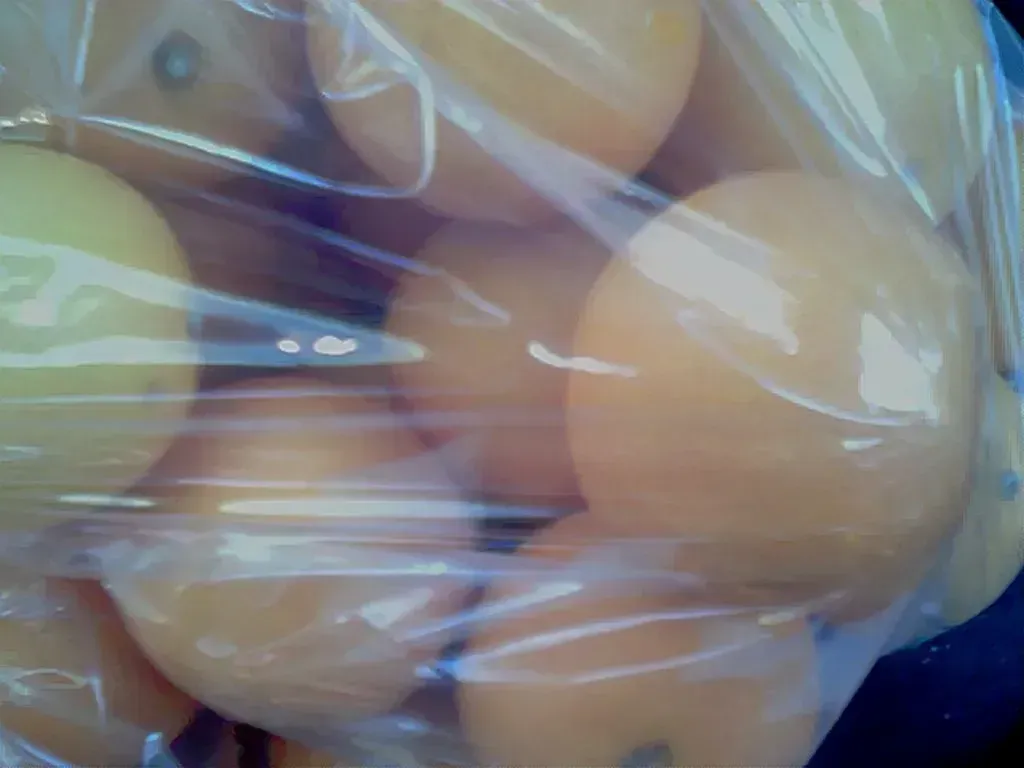
Plastic bags, shrink wrap, and other forms of plastic film are often cited by material recovery facility operators as the number one contaminant in the recycling stream. When plastic bags or film enter a single-stream system, they wrap around sorting equipment and bring operations to a halt while crews cut them out by hand. It’s a time-consuming, expensive process that happens more often than most people realize.
Across the U.S., only about 2% of these materials are actually recycled, mostly through store drop-off programs that accept clean, dry plastic film. Many grocery stores and retail locations offer collection programs specifically for plastic bags and film, where items are kept clean and dry and sent directly to specialized recyclers with the equipment to process them.
2. Greasy Pizza Boxes
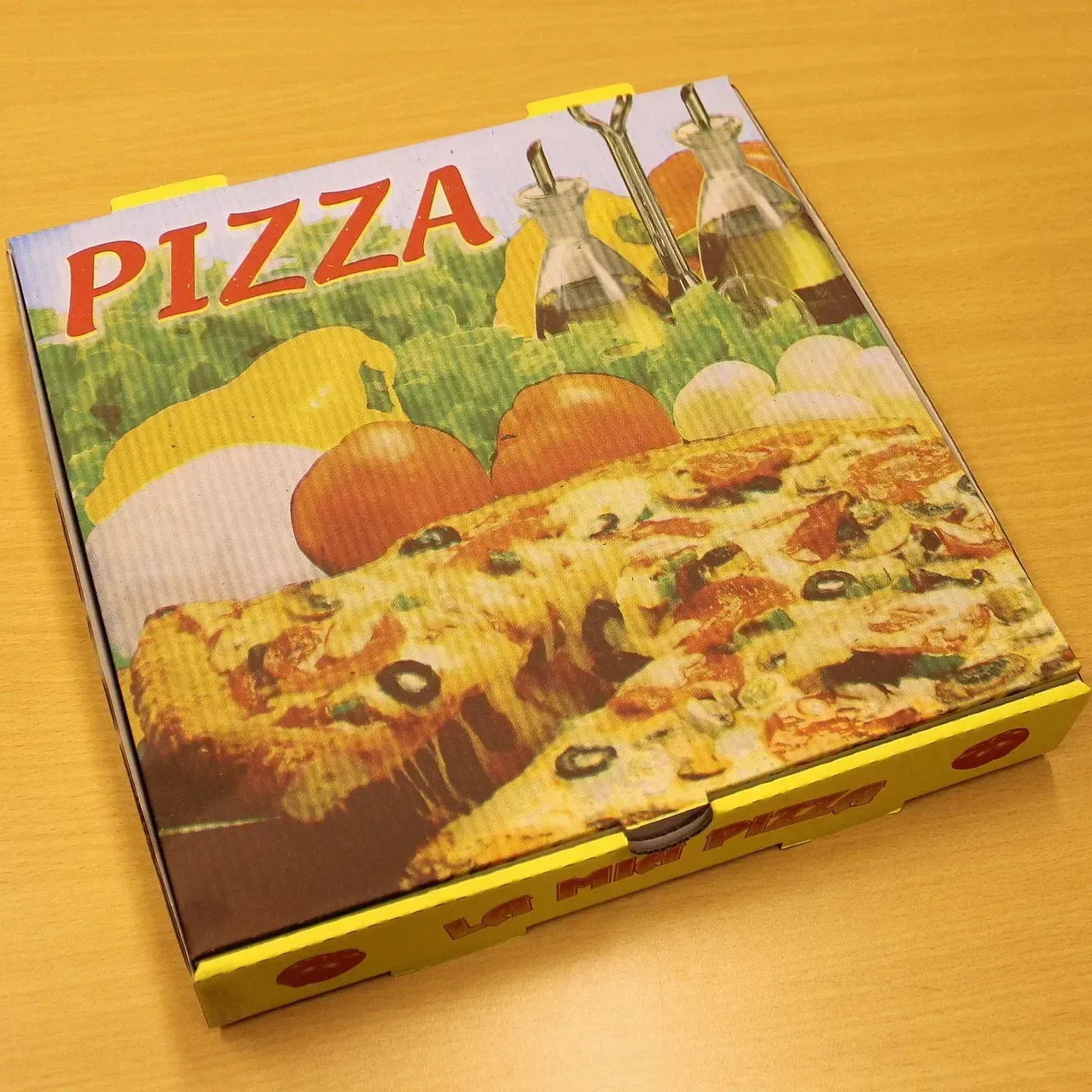
When grease or liquids soak into paper and cardboard, they cause mold and bacteria to grow, breaking down the paper fibers and rendering them useless for making new paper products. A single greasy pizza box can ruin an entire bale of otherwise clean paper. The cardboard itself isn’t the problem – the contamination is.
While clean cardboard is recyclable, grease-soaked cardboard is not. Similarly, peanut butter jars, yogurt cups, and takeout containers need to be reasonably clean before being recycled. The practical fix is straightforward: tear off and recycle any uncontaminated parts of the box, and dispose of the soiled sections appropriately – or compost them if you have that option.
3. Disposable Coffee Cups
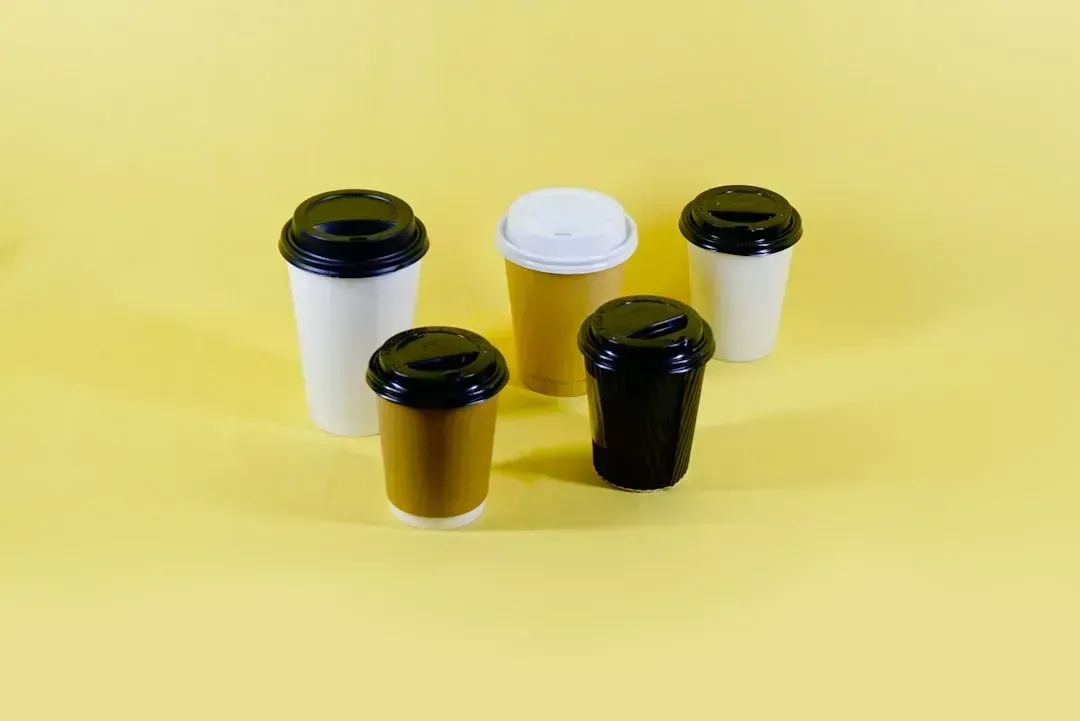
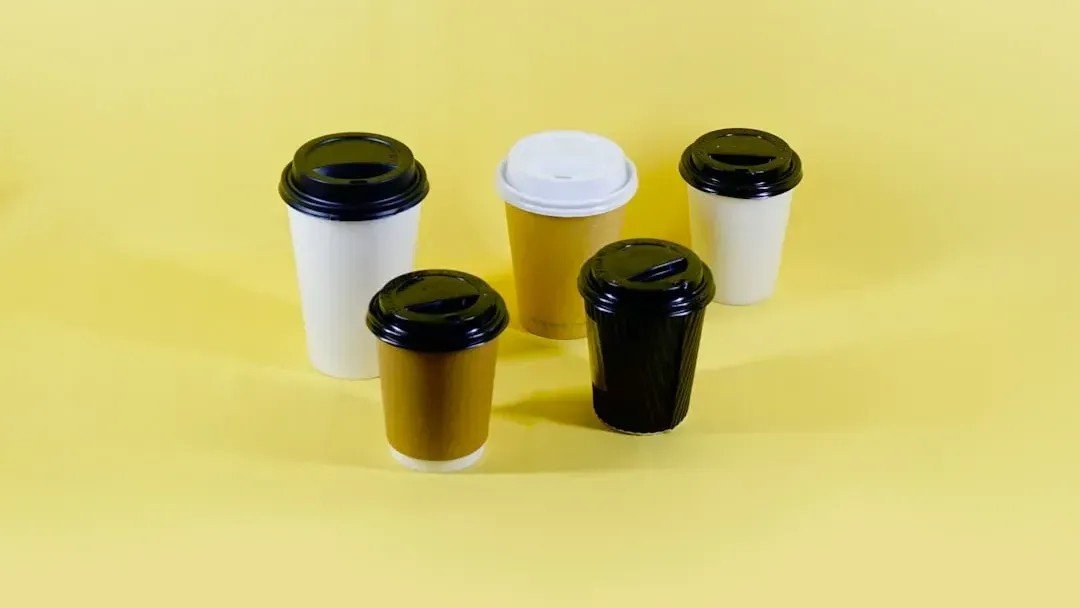
Many disposable coffee cups are lined with a thin layer of plastic to prevent leaks, rendering them unsuitable for standard recycling processes. This plastic-paper combination requires specialized equipment that most curbside programs simply don’t have. Most people assume a paper cup is paper, full stop. It’s not.
As of 2024, only about 13% of communities in the U.S. accepted paper hot cups in their recycling programs, according to The Recycling Partnership. Coffee cups with plastic linings are often labeled recyclable but can’t be processed effectively by most facilities. Unless your local program explicitly includes them, they belong in the trash.
4. Shredded Paper
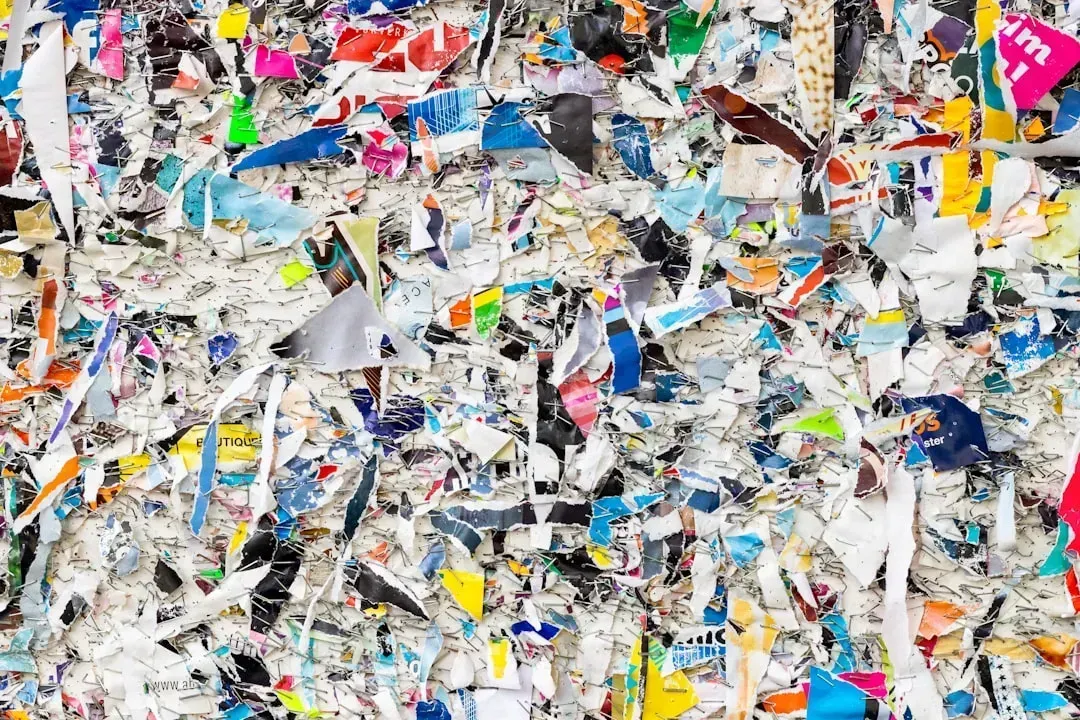
Shredded paper’s reduced size poses real challenges for recycling facilities. The small fragments can clog machinery and are often too fine to be sorted effectively, which leads to disposal in landfills. Most people assume that shredded paper is still paper, and therefore recyclable. The logic makes sense, but the reality at sorting facilities is different.
Loose shredded paper is typically not accepted curbside, but shredded paper contained in a paper bag may be accepted – you’d place the sealed bag directly into the blue bin. Check with your local program first, since policies vary. When in doubt, composting shredded paper is often a better option than trying to recycle it loose.
5. Thermal Paper Receipts
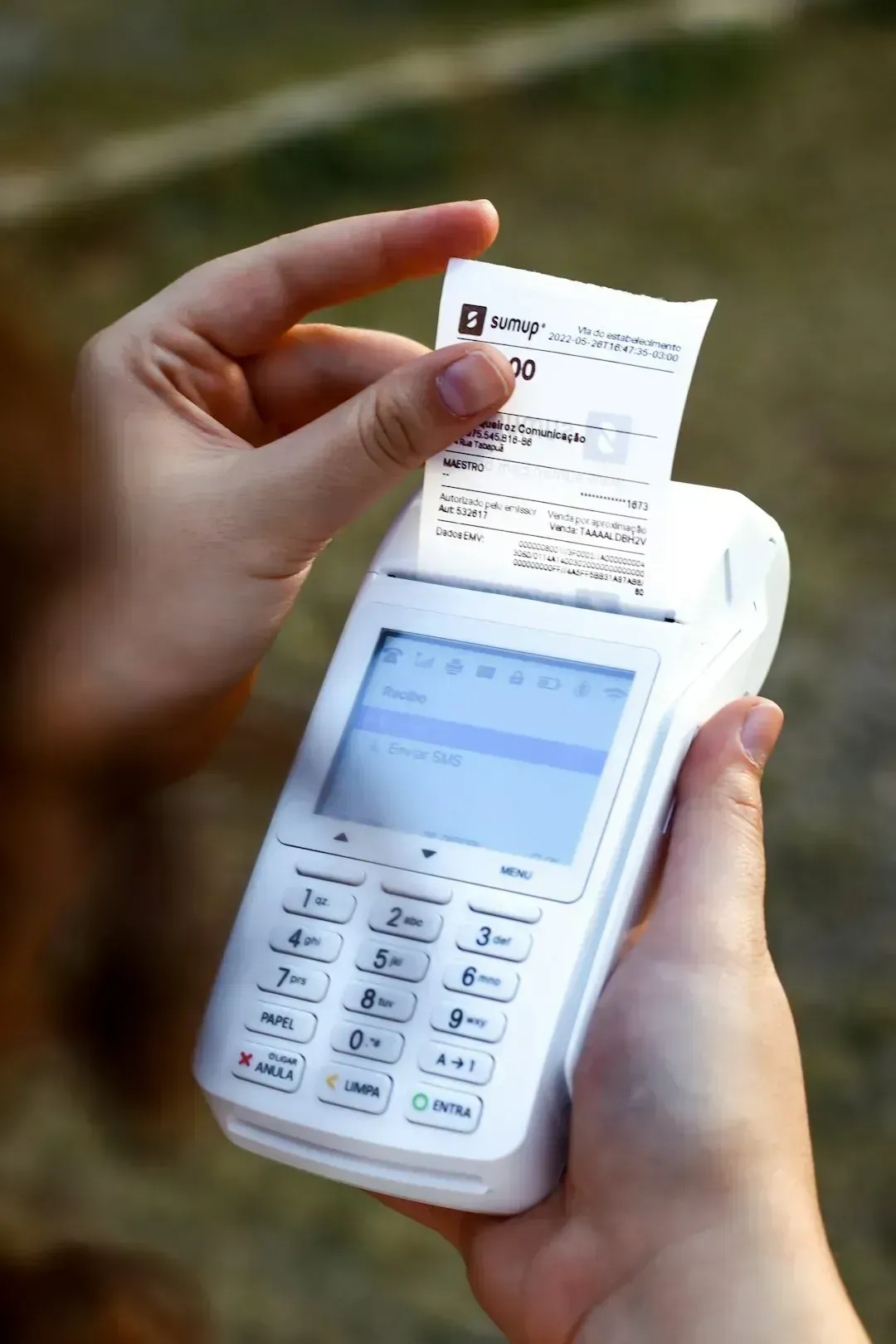
Almost all receipts are made from thermal paper which contains BPA. This cannot be recycled and can contaminate the whole batch if it enters the paper recycling process. BPA also resists decomposition, making receipts unsuitable for composting. That small slip of paper from the grocery checkout is more chemically complex than it looks.
The simplest solution is to opt for digital or emailed receipts wherever possible. It’s better to ask for no receipt whenever possible, or for an email receipt where this is available. Receipts may feel trivial in volume, but they accumulate fast, and even a small handful can cause problems for a paper recycling batch.
6. Styrofoam (Expanded Polystyrene)
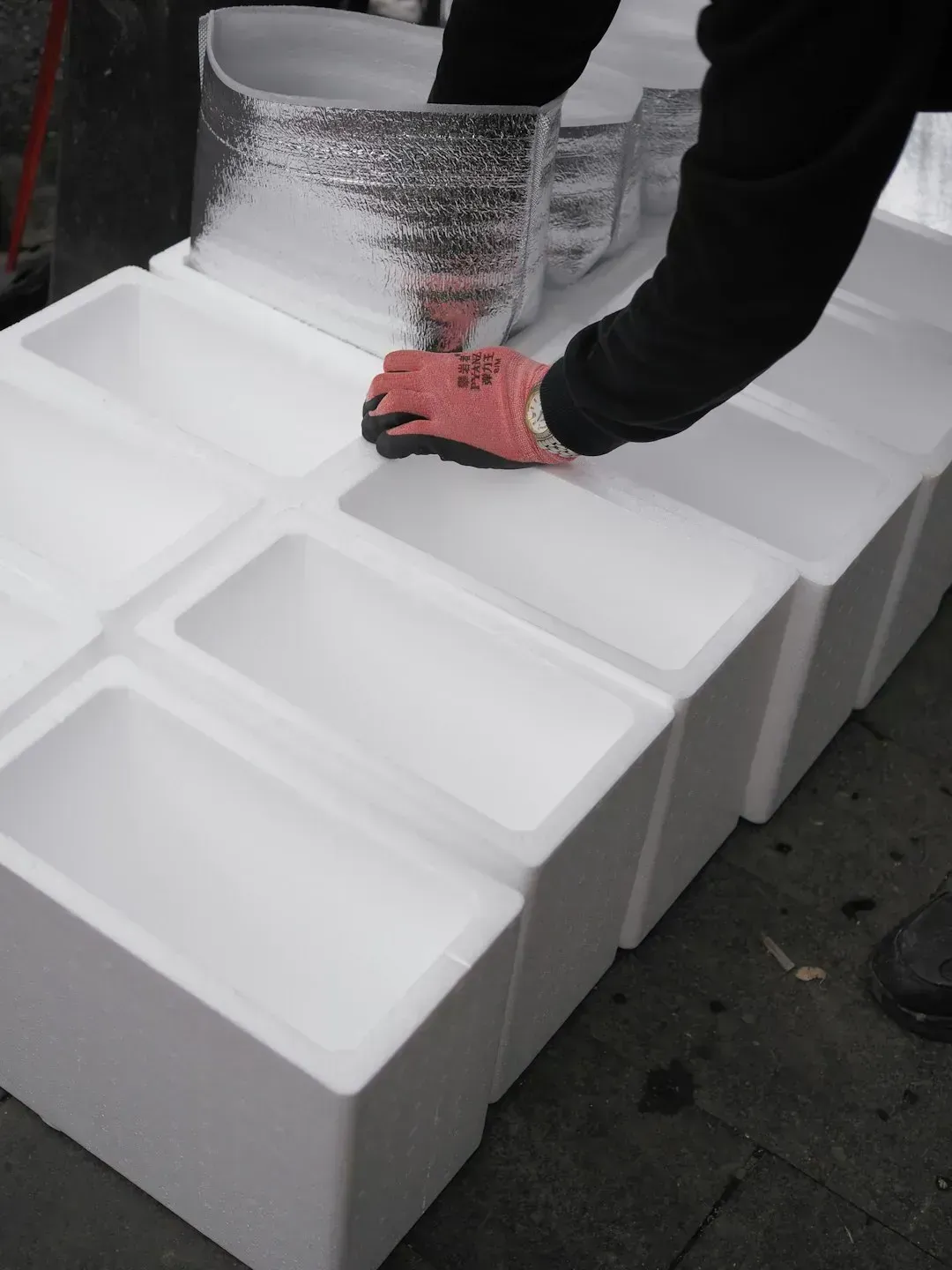
The EPA states that expanded polystyrene is difficult to recycle due to its low density and contamination from food and drink residues. The agency highlights that EPS often ends up in landfills or the environment, where it breaks into microplastics, posing significant risks to marine and terrestrial ecosystems.
Even when polystyrene foam is clean, sending it to facilities that can’t process or separate the materials can contaminate entire batches of otherwise recyclable waste. Sometimes, even when plants can recycle polystyrene foam, they don’t, because the material is more expensive to process than other recyclables. These items should go into the trash, since they can easily break into tiny pieces that harm wildlife.
7. Batteries
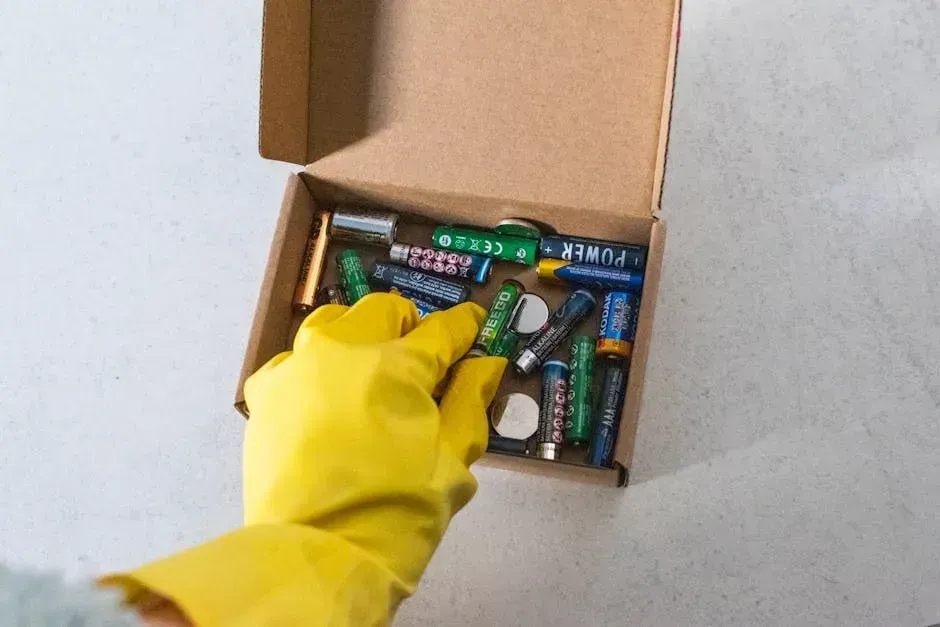
Batteries contain heavy metals like lead, cadmium, and mercury, which can contaminate groundwater if sent to landfills. Putting them in a recycling bin creates a different kind of hazard altogether. Items like lithium batteries can cause fires or explosions at sorting facilities, which puts workers at real risk and can shut down an entire processing line.
For items like batteries that don’t belong in curbside bins, many municipalities offer dedicated drop-off programs or can be reached through hotlines like 1-800-RECYCLE for guidance. Hardware stores, electronics retailers, and municipal collection events are the right channels. Batteries are genuinely recyclable – they just need to go somewhere else.
8. Wire Hangers

Wire hangers are what the industry calls “tanglers” – items that wrap around rotating equipment at material recovery facilities, bringing the entire sorting line to a grinding halt and requiring costly and dangerous manual removal. The same applies to garden hoses, electrical cords, and string lights. Anything long and flexible is a problem for sorting machinery.
Wire hangers are actually made of steel, which is recyclable, but not through your curbside bin. Many dry cleaners accept them back, and some scrap metal facilities will take them. As a general rule of thumb, if an item seems like it could get tangled, it shouldn’t be placed in a standard recycling bin.
9. Ceramics, Drinking Glasses, and Pyrex

Broken glass, drinking glasses, and ceramics have different melting points than recyclable container glass and can contaminate glass recycling streams. This catches a lot of people off guard, because a broken mug or a cracked baking dish looks like glass. The category matters more than the material in this case.
Most waste facilities cannot melt ceramics, Pyrex, or mirrors. Broken plates, ceramics, Pyrex, and mirrors should go into the trash because they contaminate the glass stream at recycling facilities. If your ceramic dishes, Pyrex, and mirrors are still reusable, the better option is to donate them to a local charity or donation center.
10. Paper Towels, Napkins, and Tissues
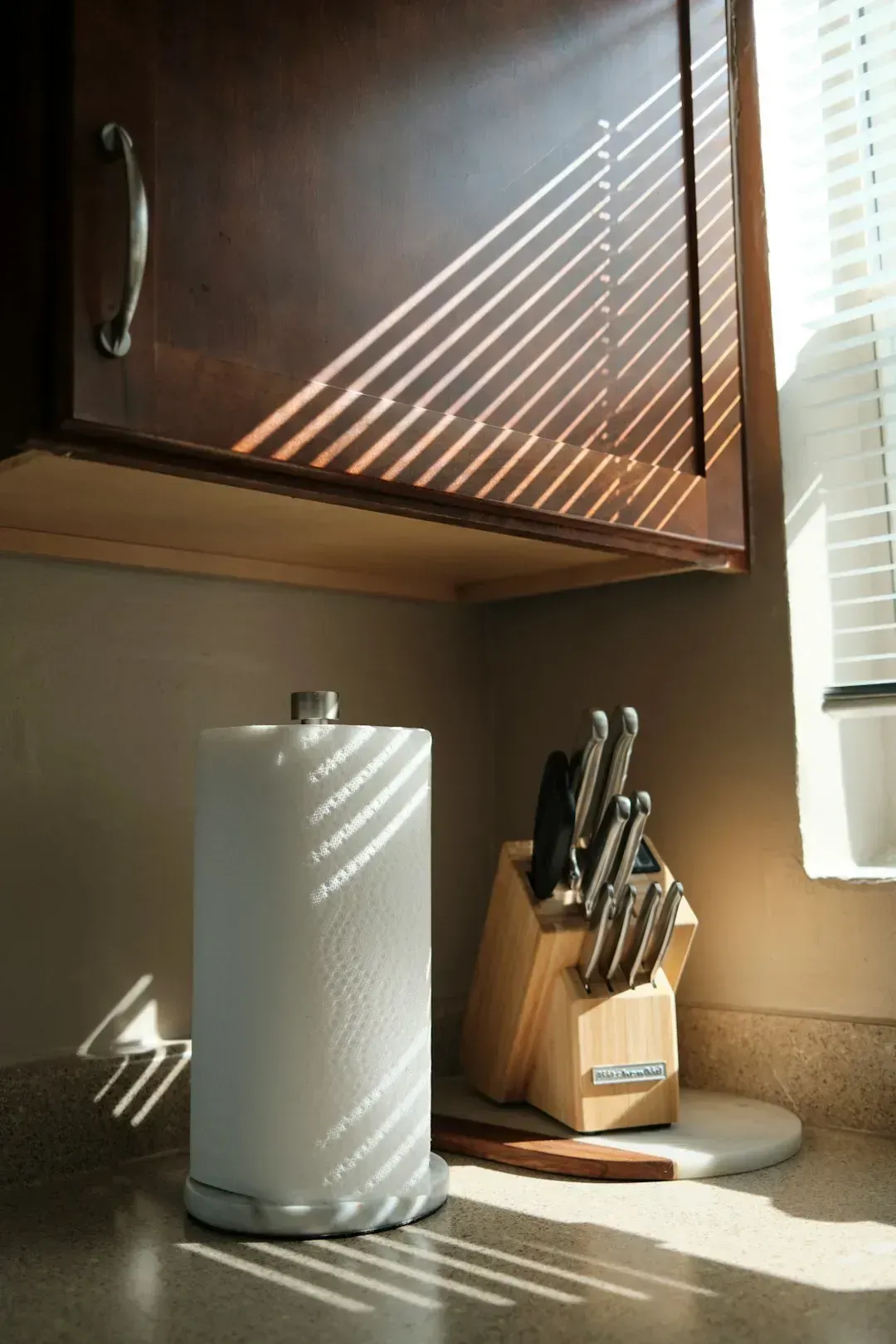
Paper towels, tissues, and paper plates cannot be recycled because they are typically contaminated with food, grease, and other liquids. Furthermore, since most tissue paper is already made from recycled paper, it can’t be recycled again, as the paper fibers are too short and result in low-quality pulp.
This one surprises many people, since these items are clearly made of paper. The issue is two-fold: they’re almost always soiled by the time they’re thrown away, and the fiber quality simply isn’t there to begin with. These items should be placed in the regular rubbish bin. Composting food-soiled paper napkins is a reasonable alternative where composting programs are available.
11. Black Plastic Packaging
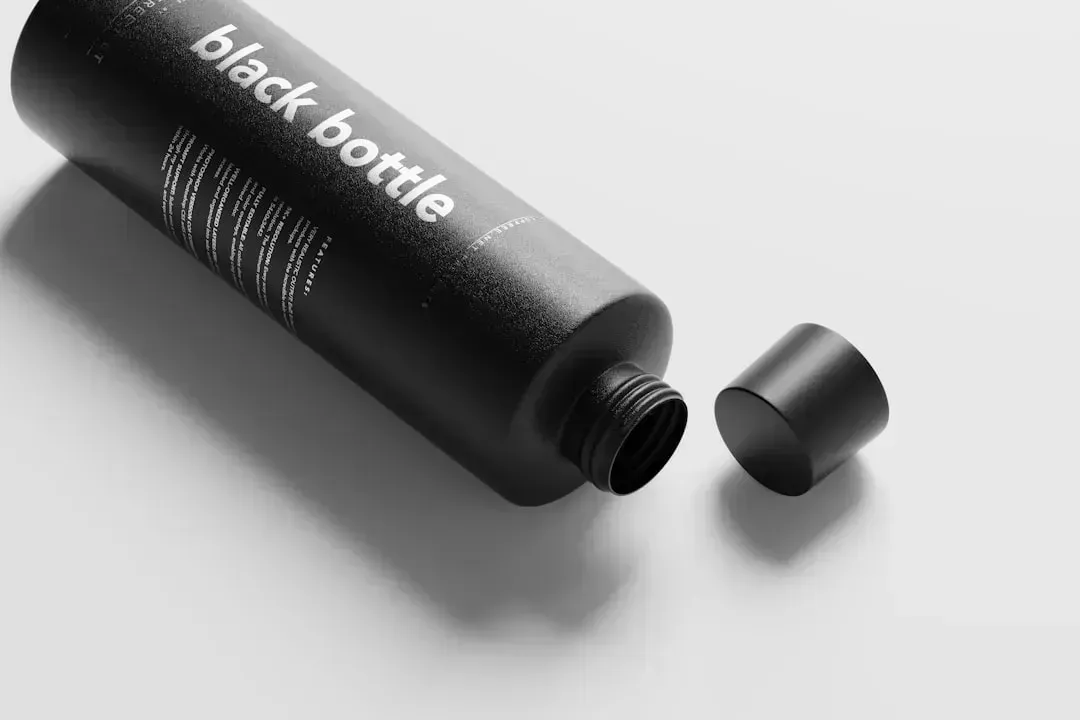
Most black plastic packaging cannot be identified by the optical sorting systems used in plastic recycling plants, which means it is usually sent to landfill or incinerated. The carbon black pigment used to color this type of plastic absorbs infrared light, making it effectively invisible to the near-infrared sensors that sorting machines rely on.
Black plastic trays used in ready meals, takeaway containers, and some grocery packaging are the most common culprits. The plastic itself might technically be a recyclable resin type, but the color renders it unsortable in practice. Black bin bags cannot be recycled either, so placing recycling inside them risks having the entire bag discarded. Always use the containers or bags provided by your local recycling service instead.
12. Electronics and E-Waste
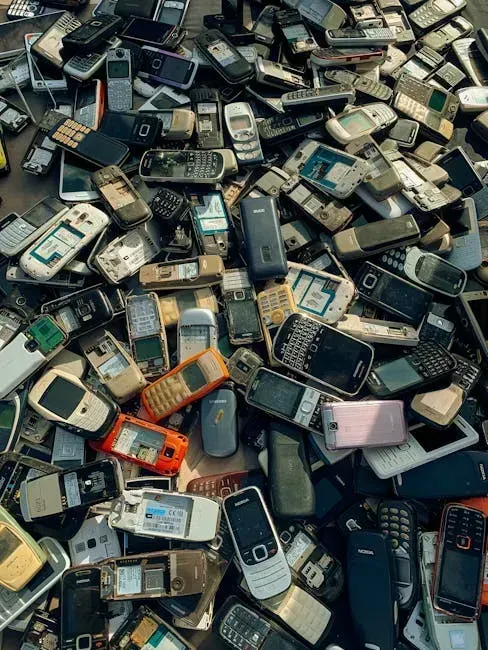
Electronics contain hazardous materials like lead and mercury that require specialized processing. Placing a phone, tablet, or cable in your curbside bin does nothing useful and can actively cause harm. A record 62 million metric tonnes of e-waste were generated globally in 2022, the highest level ever recorded at that time, and improper disposal is a growing part of the problem.
Computers, smartphones, tablets, and other devices contain valuable resources like gold, silver, copper, and rare earth metals that can be recovered through proper recycling. Dedicated e-waste drop-off programs, manufacturer take-back schemes, and certified recyclers are the right options. The U.S. Geological Survey indicates that recycling one million laptops saves energy equivalent to the electricity used by more than 3,500 U.S. homes in a year.
13. Compostable Packaging Labeled “Compostable”

Compostable items can contaminate your recycling. The processes of composting and recycling are very different, so you can’t recycle food waste or compostable serviceware through a standard recycling stream. The confusion here is understandable – an item stamped with a green leaf logo and the word “compostable” looks recyclable to most people. It isn’t.
Items that are designed to be composted cannot be recycled. Compostable cutlery, cups, and similar items need to be kept out of recycling bins entirely. They’re designed to break down under specific industrial composting conditions, not to be melted or pulped. Unless your community has a curbside composting program that accepts certified compostable serviceware, these items belong in the landfill bin, not the recycling one.
Recycling well is genuinely harder than it looks, partly because the rules differ by city, and partly because packaging design rarely makes things obvious. The clearest takeaway from this list is that when you’re not sure, it’s actually better to put an item in the trash than to toss it in the recycling bin on hope alone. Non-recyclable items can contaminate a whole load of recyclables, causing them all to be thrown out. A small act of restraint at the bin can protect everything else inside it.
