

- The “Climate Safe” List: 11 American Cities Experts Say May Thrive in the Future - May 12, 2026
- The 7 American Cities Quietly Positioning Themselves to Win the Climate Lottery - May 12, 2026
- El Niño Could Supercharge Pacific Hurricane Season, Raising Risks for California, Hawaii, and Mexico - May 11, 2026
Most conversations about climate change in America center on the places that are losing: coastlines swallowing themselves, insurance markets collapsing, entire neighborhoods recalculating their futures. Columbia University noted in late 2024 that roughly 3.2 million U.S. residents had moved in the previous 20 years as a direct result of flood risks, with as many as 3 million leaving their homes annually to escape other climate-related conditions. It’s a story of retreat.
Yet a quieter story is unfolding in parallel. Certain cities, many of them unglamorous and off the typical migration radar, have been stacking the deck in their favor. They’re investing in infrastructure, rewriting energy codes, and building the kind of institutional muscle that makes a community actually livable when things get harder. These aren’t perfect places. They’re just thinking further ahead than most.
Madison, Wisconsin: The Midwestern Overachiever
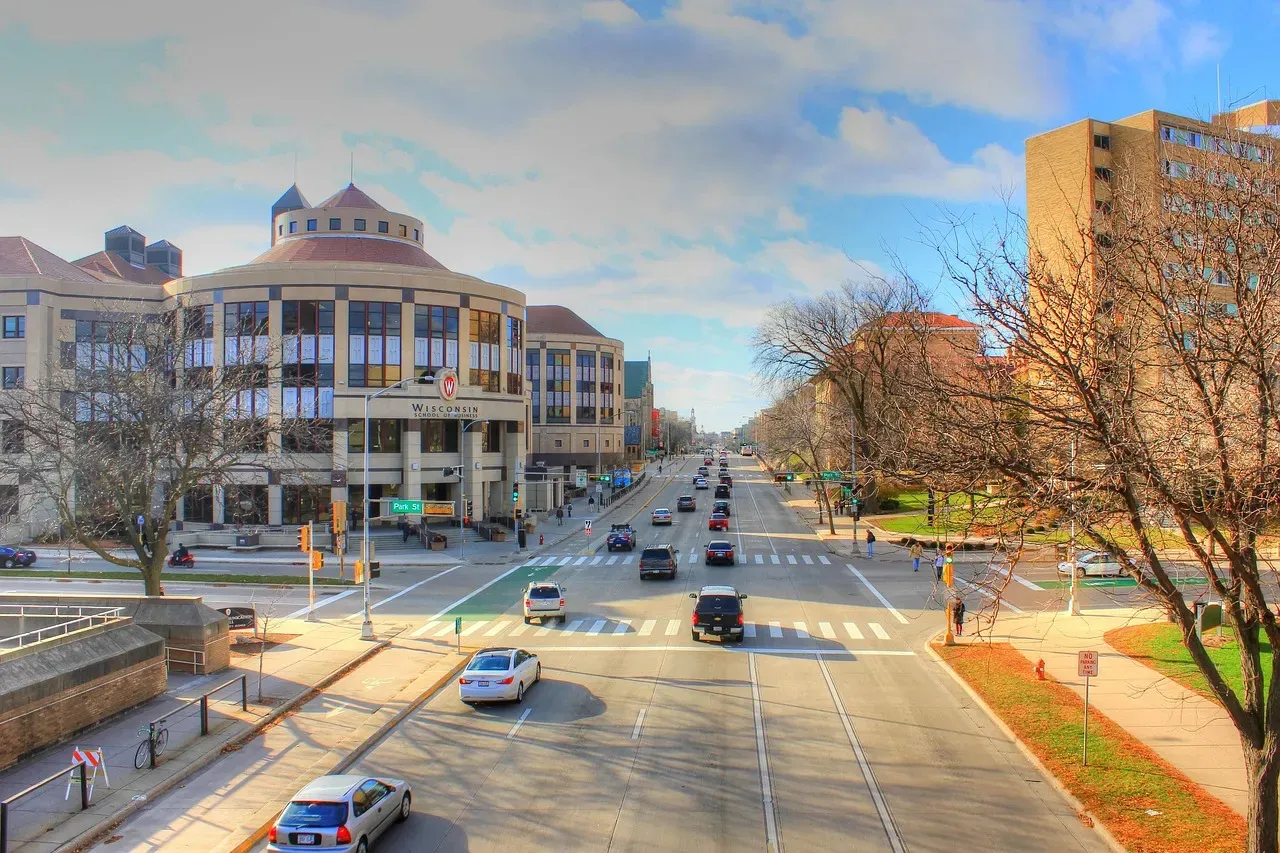
Madison has set the ambitious goal of reaching 100% renewable energy and net zero carbon emissions for city operations by 2030 and community-wide by 2050. That’s a real deadline, not a distant aspiration. In June 2024, Madison was selected as the top performing midsize metro area for sustainability, ranking 21st out of 75 cities nationwide in the American Council for an Energy-Efficient Economy’s City Clean Energy Scorecard.
The city’s Building Energy Savings Program was recognized in the Catalyst category for climate leadership. In 2023, Madison became the first city in Wisconsin to adopt an ordinance aimed at improving energy efficiency in existing buildings, partnering with large commercial building owners to improve energy performance through benchmarking and tune-ups. Once fully implemented, the program is expected to reduce emissions by as much as 91,000 tons of CO₂ each year. Madison is also collaborating with researchers at the University of Wisconsin to map extreme heat and urban heat islands, while updating its stormwater ordinance and upgrading infrastructure to better handle large rain events.
Portland, Maine: The Coastal City That’s Actually Thinking About Coasts
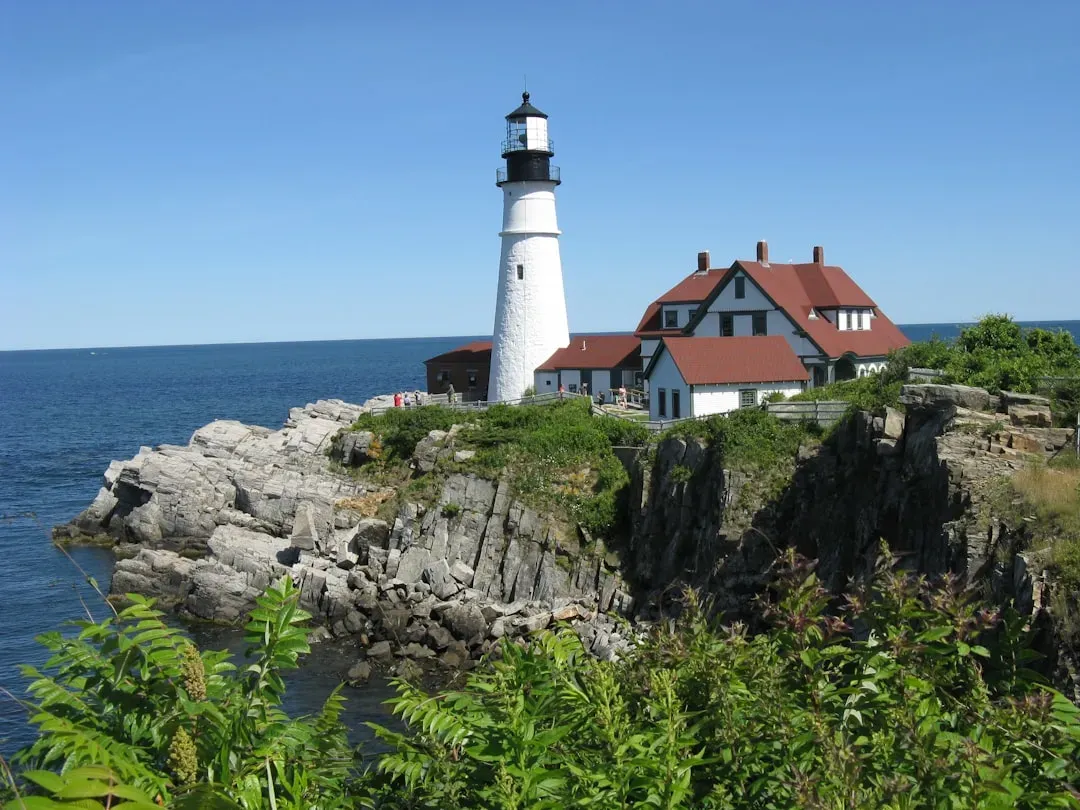
Climate experts have chosen Portland, Maine as a highly resilient city. It’s one of the few coastal cities that qualifies for high resilience to natural disasters caused by climate change, and it’s better positioned geographically to cope with the effects of rising seas. Its hilly topography, northern latitude, and lower baseline temperatures give it natural advantages that southern coastal cities simply don’t have.
The City of Portland has committed to reducing community-wide greenhouse gas emissions 80% by 2050 and transitioning to 100% clean energy for municipal operations by 2040. Portland partnered with the city of South Portland to develop a regional vision for reducing greenhouse gas emissions and improving community resiliency, with both cities adopting aggressive goals to transition municipal operations to 100% clean renewable energy by 2040 and reduce community-wide greenhouse gas emissions 80% by 2050. The regional collaboration alone sets it apart from cities going it alone.
Raleigh, North Carolina: The Sun Belt Exception
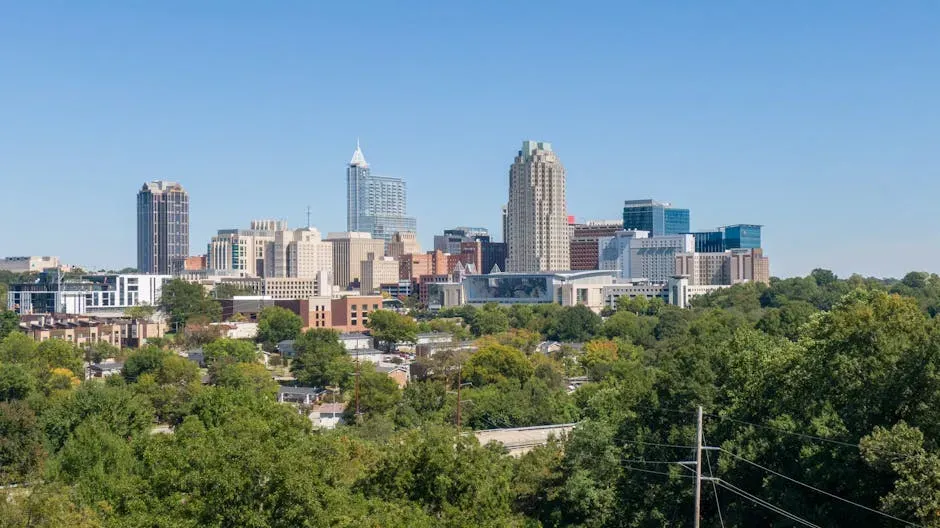
Raleigh is a particularly well-positioned community that benefits from an inland position protecting residents from future threats of sea level rise and annual hurricane risks. It created a new Climate Council in 2024 to streamline the community’s environmental actions, targeting normal functions like waste production as important points of focus in reducing the city’s overall environmental impact. For a Sun Belt city, that geography matters more than most people realize.
Through its Community Climate Action Plan, Raleigh has three main objectives: reducing greenhouse gas emissions to meet a community-wide goal of an 80 percent reduction by 2050, building community resilience to the impacts of climate change including flooding and extreme heat, and fostering social advancement, community health, and environmental justice across the Raleigh community. Raleigh’s overall climate action plan won the Sustainable Communities Award in 2024, signaling the importance of these elements in its long-term planning.
Portland, Oregon: Serious Money Behind Serious Goals
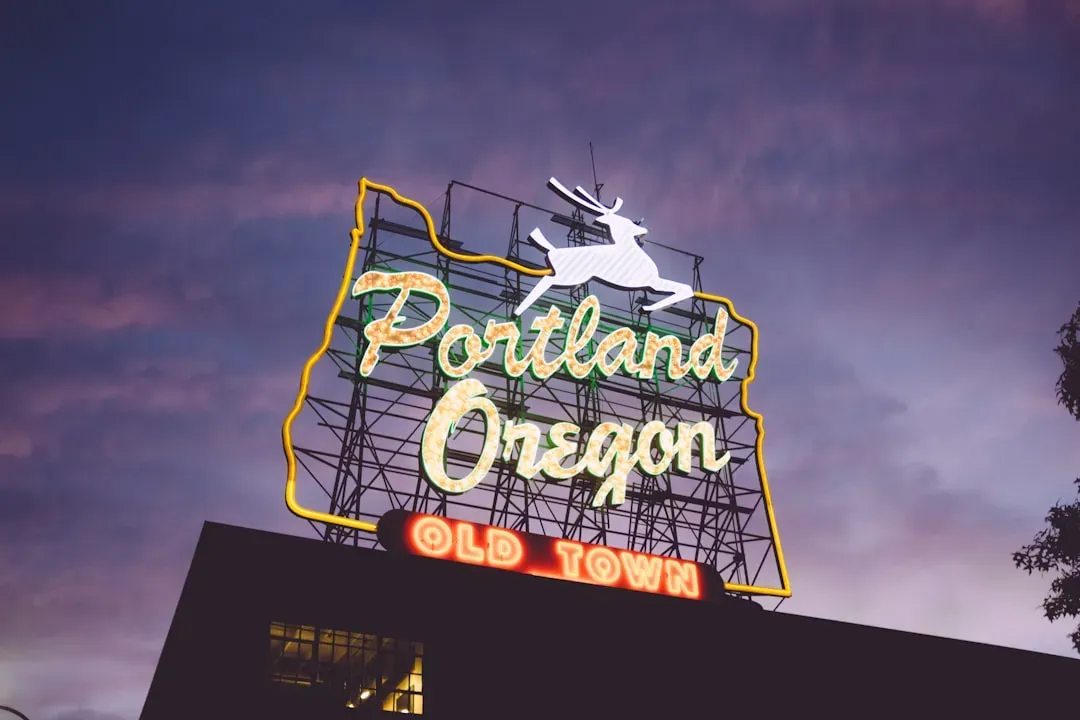
In December 2024, Portland’s Climate Investment Plan was amended to include additional unexpected funds, enabling the Portland Clean Energy Community Benefits Fund to invest $1.6 billion to drive down carbon pollution and increase community resilience and prosperity, starting with Portlanders most vulnerable to the impacts of a changing climate. That’s not a rounding error; it’s a structural commitment. Portland’s Climate Emergency Workplan serves as a framework for actions that must be taken to ensure the city reaches 50% carbon reduction by 2030 and 100% reduction by 2050 from 1990 levels.
Since City Council adopted the Climate Emergency Workplan in August 2022, multiple city bureaus have worked to advance its 47 priority actions, with the 2025 progress report detailing gains made and gaps remaining to achieve collective decarbonization and community resilience goals. Through the Climate Investment Plan, Portland invests in community-led projects that reduce carbon emissions, create economic opportunity, and help make the city more resilient, including energy-efficient upgrades to make apartment buildings safer during extreme heat and large-scale tree planting.
Spokane, Washington: Affordable and Better Prepared Than You’d Think
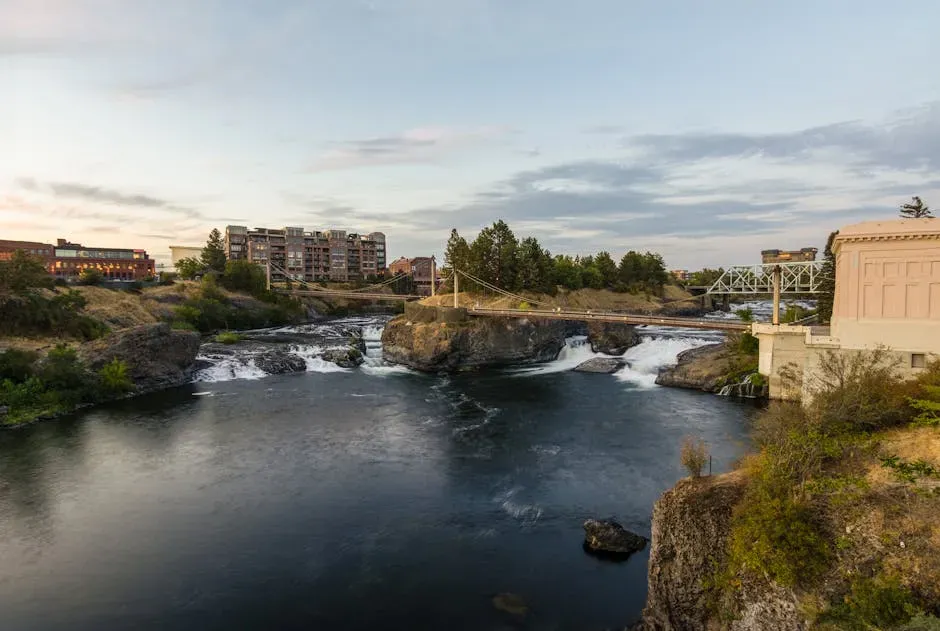
Seattle, Portland, and Spokane lead the pack as the top three cities ready for climate change adaptation in the Pacific Northwest. Spokane’s inclusion in that group still surprises people, but it earns its place. Spokane’s climate resilience and greenhouse gas reduction strategies are required to be part of its Comprehensive Plan, with a climate action plan built around four main goals: reducing emissions and vehicle miles traveled, promoting community preparedness, making environmental justice a priority, and reaching out to communities most at risk. These goals align with Washington state’s targets to cut emissions by 95% below 1990 levels by 2050.
Spokane’s cost-of-living index dropped to 99.1 in the first quarter of 2024, falling below the national average of 100, an improvement from 101 in early 2023. That matters because affordability and climate resilience rarely show up in the same city at the same time. The city’s below-average living costs help attract businesses and retain talented workers, giving Spokane the economic base to actually fund the transition it’s planning.
Pittsburgh, Pennsylvania: The Rust Belt Reframe
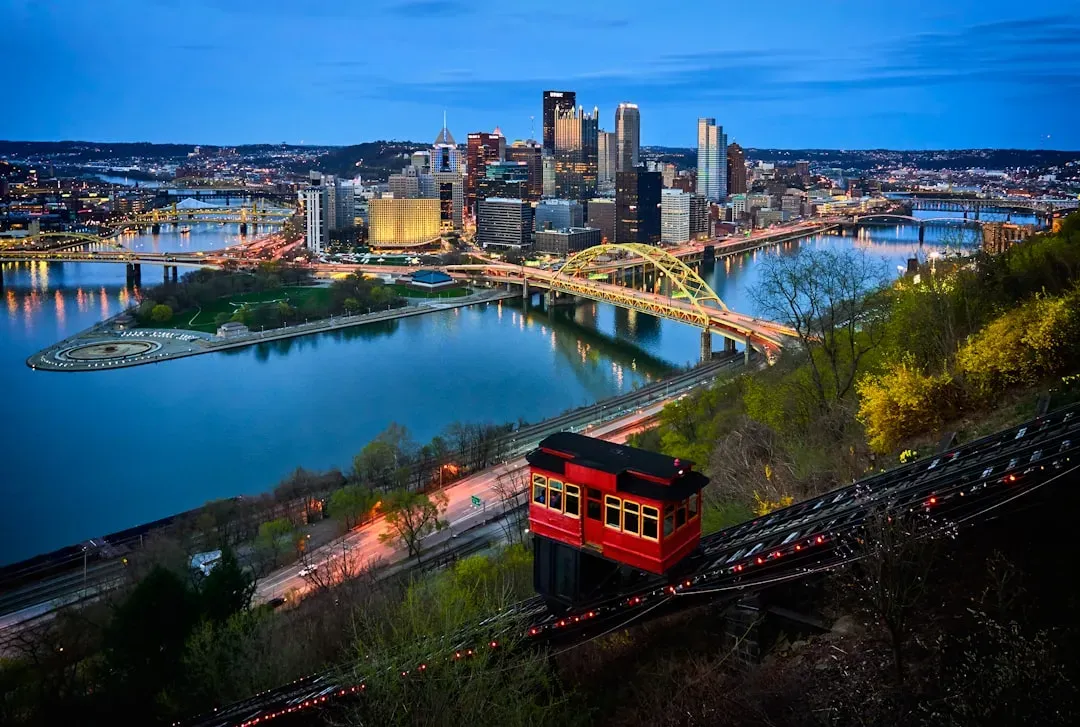
According to climate experts, Pittsburgh is not expected to heat up as much as many other U.S. cities. The local government has plans focused on preventing climate-driven disasters, including targets to reduce emissions by 50% by 2030. The city is also safe from hurricane impacts and is unlikely to experience serious drought. For a post-industrial city that spent decades cleaning up its own pollution, those baseline advantages are a quiet form of accumulated luck.
Pittsburgh’s Climate Action Plan lays out strategies to reduce greenhouse gas emissions within city limits and within city operations, directly lessening the city’s contribution to global climate change. Its proximity to the Great Lakes and the Ohio River watershed gives it freshwater access that much of the country will increasingly envy. Water security, not just heat tolerance, is shaping up to be a decisive factor in which cities thrive in the coming decades.
Philadelphia, Pennsylvania: Turning Stormwater Into a Strategy
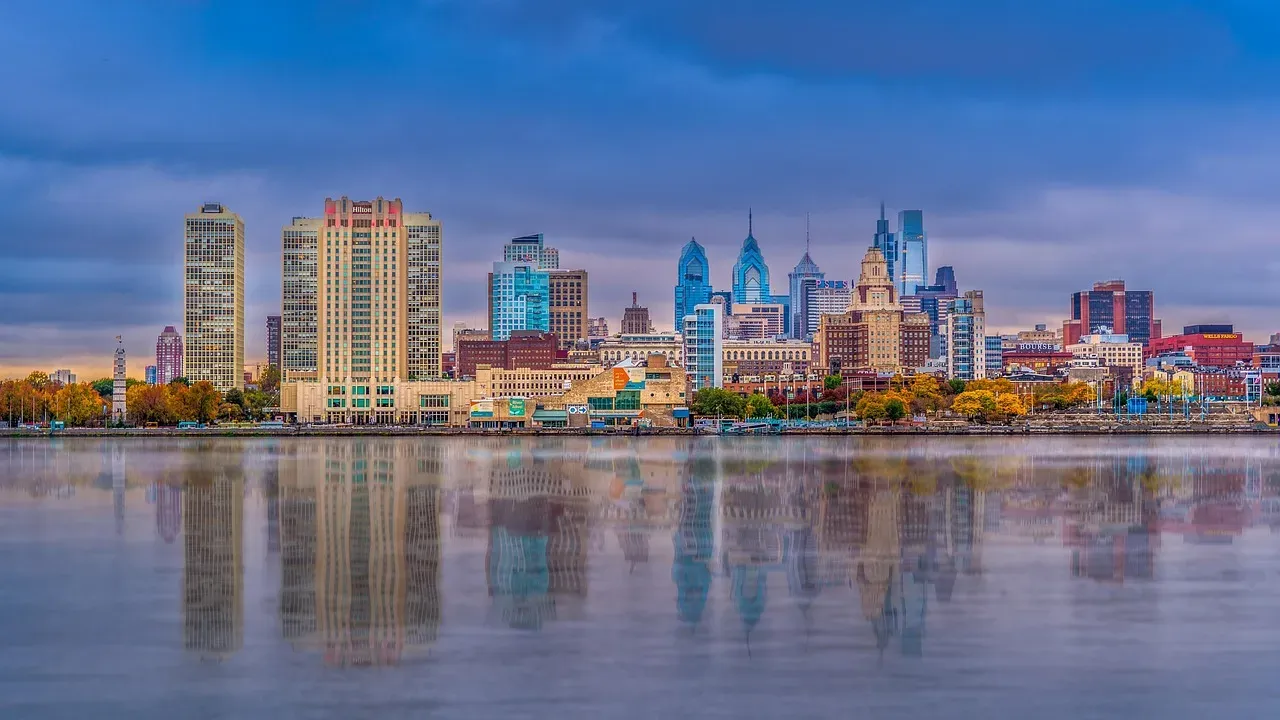
Philadelphia shows how flood resilience solutions can turn climate vulnerabilities into asset growth. Through its 25-year Green City, Clean Waters programme, running through 2036, the city has already installed rain gardens, bioswales, and permeable pavements that divert 3 billion gallons of stormwater annually, cool nearby streets, and filter pollutants. It’s a long-term infrastructure bet that most cities haven’t had the patience to make.
The programme is on track to reduce pollution entering the Delaware and Schuylkill Rivers, Philadelphia’s primary drinking water sources, by more than 2 billion gallons annually, directly cutting waterborne health risks. Philadelphia’s model shows health resilience can pay dual dividends by curbing climate-health crises while boosting local economies. In a landscape where the United States experienced 14 major weather events causing more than $101 billion in damages in just the first half of 2025, cities that invest in prevention rather than recovery are writing a very different kind of story.
