
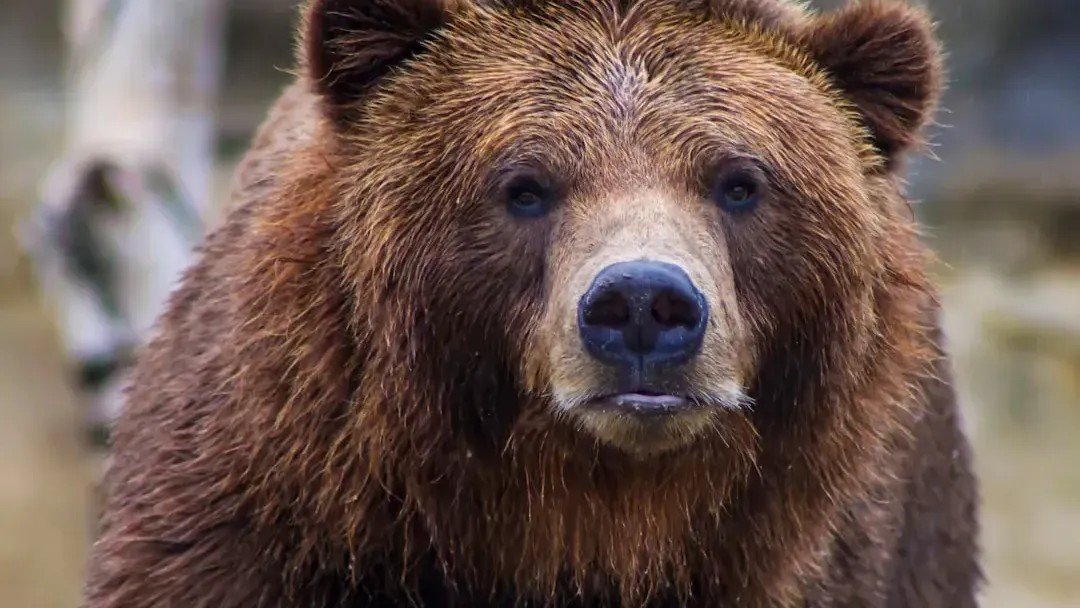
A hiker lost his life in what officials have confirmed as the first fatal bear attack inside Glacier National Park in nearly three decades. The incident unfolded in early May 2026 and has left the outdoor community reflecting on the unpredictable nature of wilderness travel.
Park rangers discovered the body of 33-year-old Anthony Pollio off the Mount Brown Trail with injuries consistent with a bear encounter. This marks a somber milestone for a park that sees thousands of visitors each year yet rarely experiences such tragic outcomes.
The Details of the Incident
Anthony Pollio went missing on May 3 while hiking alone toward the Mount Brown Fire Lookout. Search teams located his remains several days later in a densely wooded area roughly 50 feet from the main trail.
Officials described the attack as a likely surprise encounter rather than a predatory one. The trail was immediately closed to allow investigators to assess the scene and ensure public safety.
Identifying the Victim
Anthony Pollio hailed from Davie, Florida, and was known among friends as an experienced outdoorsman who spent much of his free time exploring remote areas. He had shared plans for the hike with others before setting out that morning.
His family expressed deep sorrow upon learning the news, noting his lifelong passion for nature. Park staff worked closely with them during the identification process and subsequent investigation.
Historical Context of Bear Fatalities
The last fatal bear attack in Glacier National Park occurred in 1998 in the Two Medicine Valley, where a solo hiker named Craig Dahl lost his life. That incident prompted wildlife officials to remove the involved bears from the area.
Since then, the park has recorded only non-fatal injuries, with the most recent one happening in August 2025 near Lake Janet. These rare events underscore how infrequently bears and humans clash in deadly ways within the park boundaries.
Glacier’s Thriving Bear Population
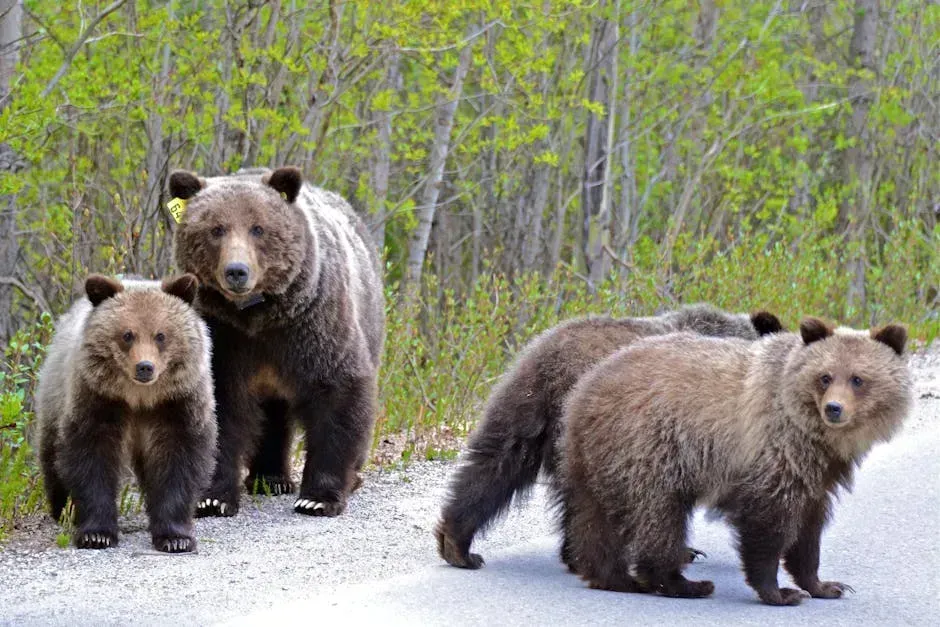
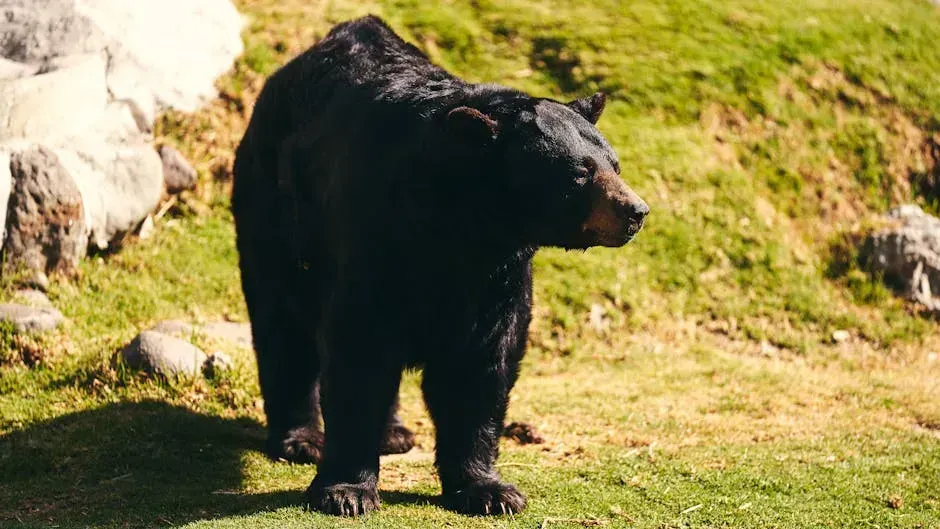
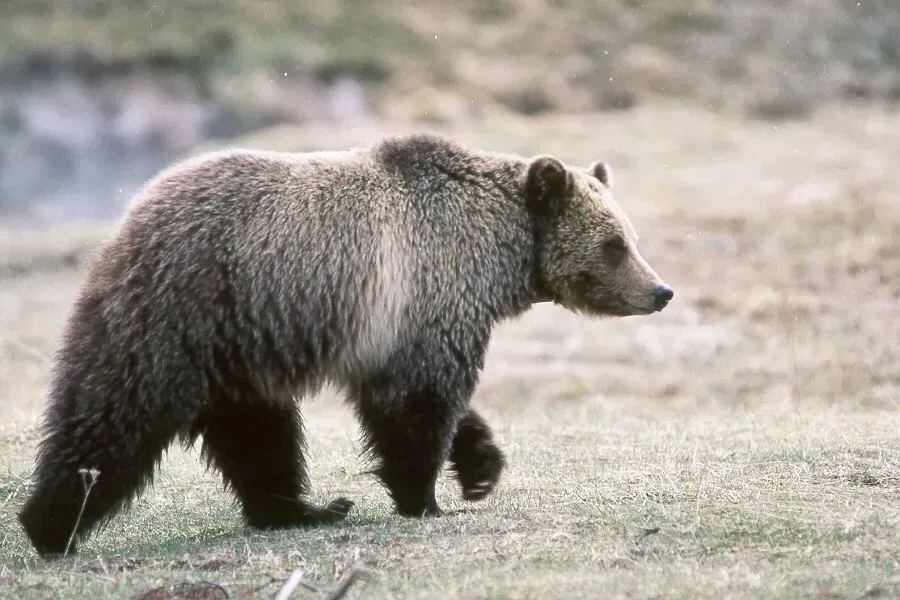
Glacier National Park supports roughly 1,000 bears, including both grizzlies and black bears, across its vast one-million-acre landscape. The animals roam freely through diverse habitats that attract hikers and wildlife enthusiasts alike.
Park biologists monitor populations closely and emphasize that most encounters end without incident when visitors follow basic precautions. The presence of bears remains a defining feature of the park’s wild character.
Park Officials’ Swift Response
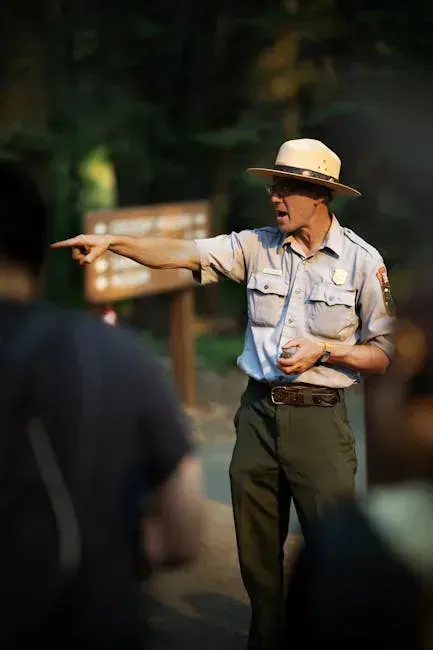
Upon confirming the fatality, rangers closed the Sperry Trail and surrounding areas to prevent further risk. Investigators collected evidence and worked with wildlife experts to determine the best course of action.
The National Park Service issued statements reassuring visitors that the park remains open while specific trails undergo temporary restrictions. Coordination with local law enforcement helped manage the situation efficiently.
Impact on Current Visitors
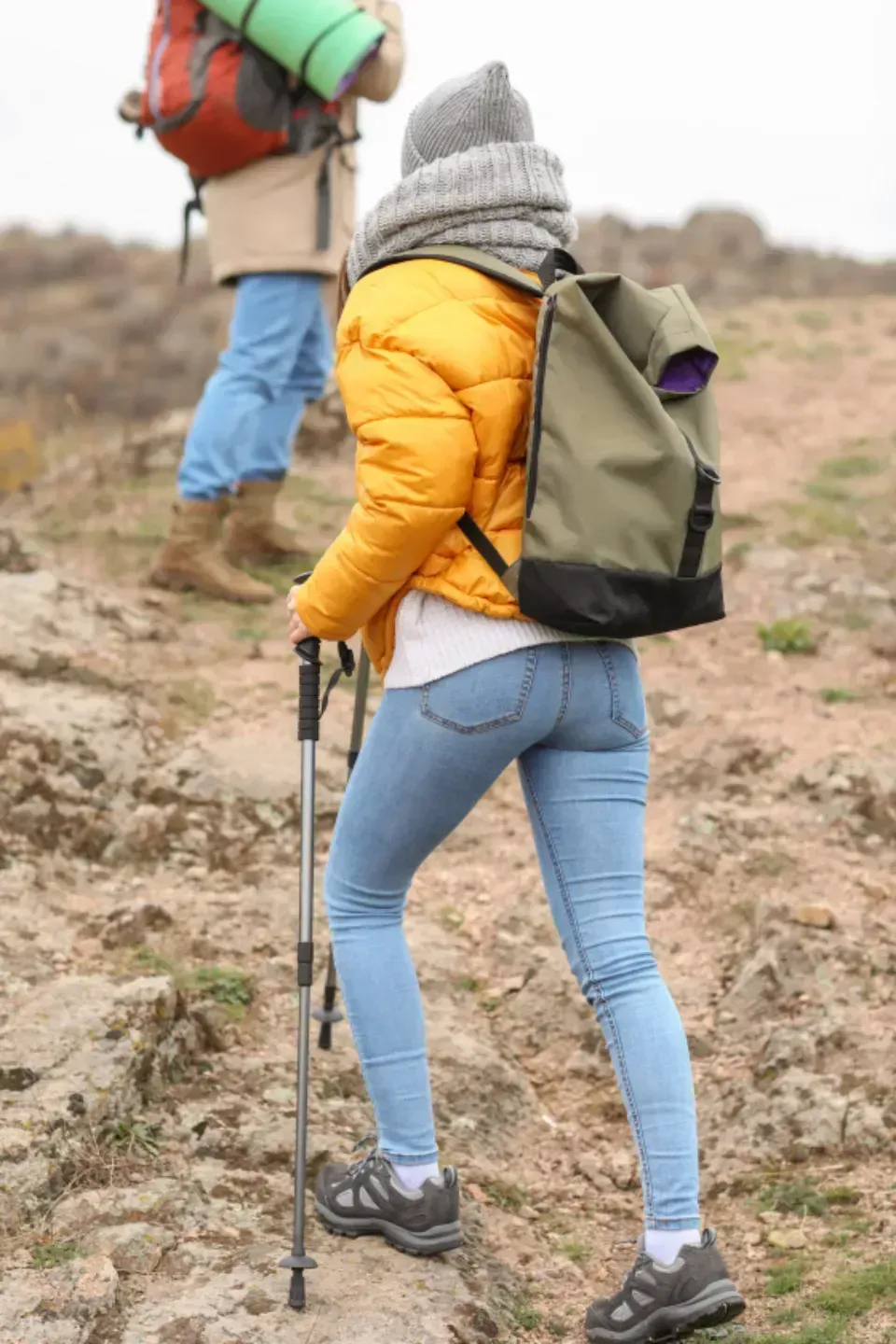
Many hikers already in the park expressed shock at the news yet continued their trips with heightened awareness. One visitor noted that the tragedy did not deter her plans to explore the interior despite the somber update.
Trail closures affected a small number of routes near Mount Brown, but alternative paths remained accessible. Park staff increased patrols and posted additional signage to remind everyone of bear safety guidelines.
Broader Lessons for Wilderness Travel
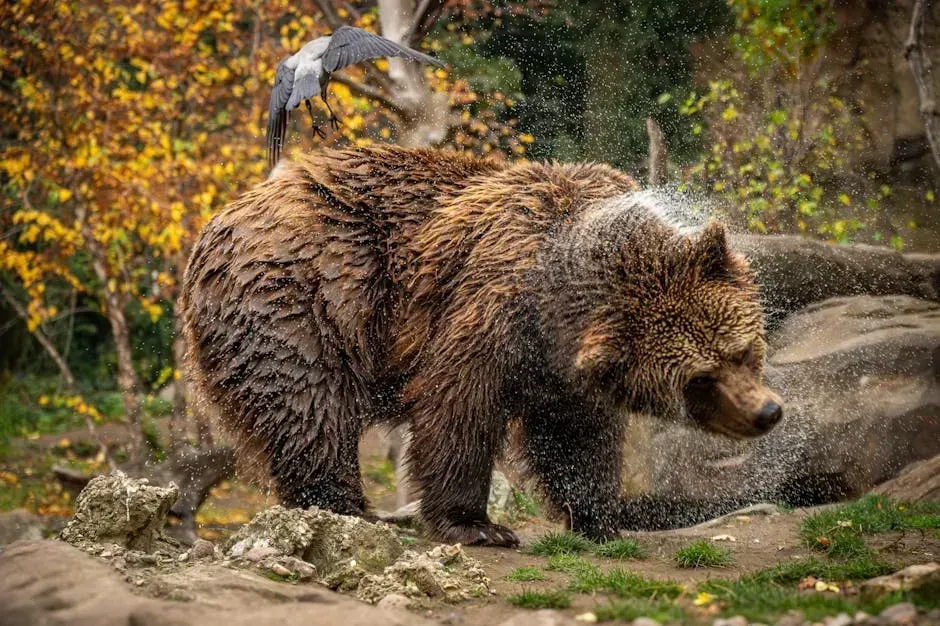
This event serves as a reminder that even seasoned hikers can face unexpected dangers in bear country. Experts stress carrying bear spray, making noise on trails, and traveling in groups as effective deterrents.
National parks across the country review such incidents to refine education programs and emergency protocols. The focus stays on coexistence rather than fear, allowing people to enjoy these protected spaces responsibly.
Conclusion: Honoring the Wild
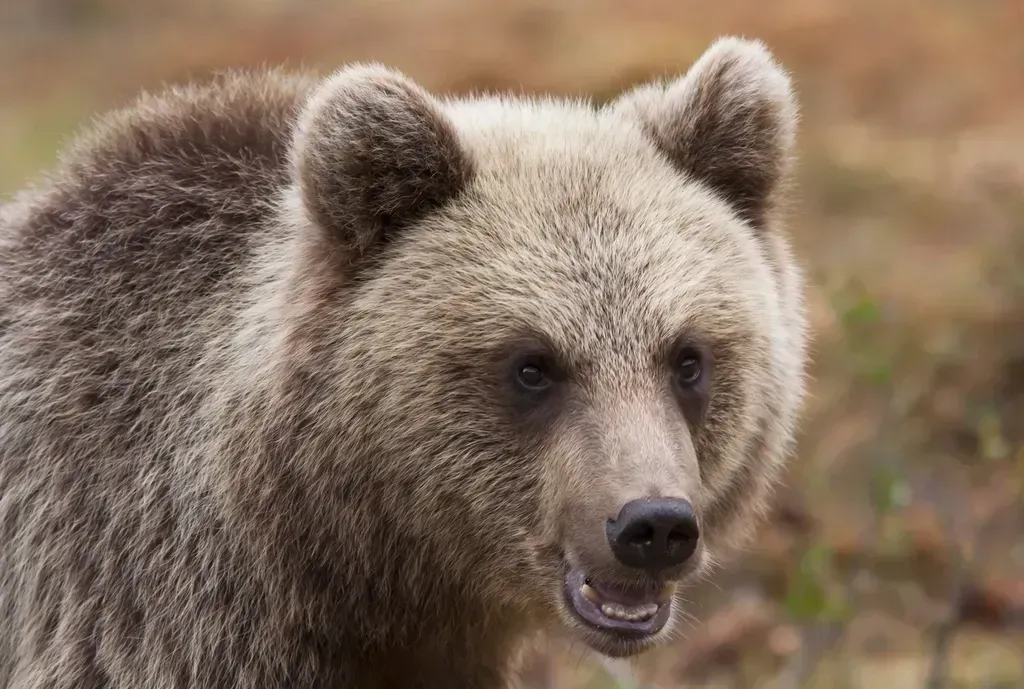
While rare, fatal bear attacks highlight the raw power of nature that draws so many to places like Glacier. Visitors are encouraged to respect wildlife and prepare thoroughly before venturing out.
In the end, the park’s beauty endures, inviting future generations to explore with care and appreciation for the delicate balance between humans and the wild.

