
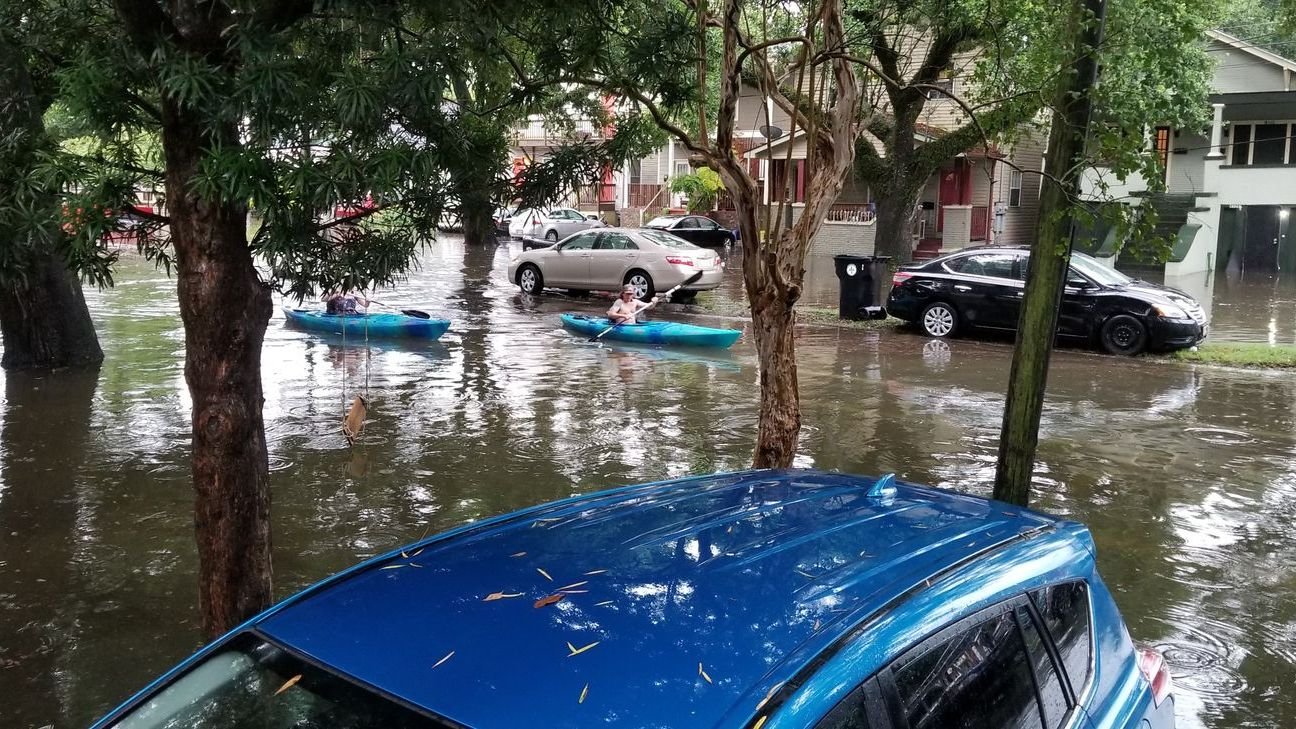

Every year, hundreds of thousands of Americans pack up their lives and head toward sunnier skies, cheaper housing, and a slower pace. The pitch is easy to love: warm weather, affordable square footage, outdoor recreation, and the feeling that life could just be a little better somewhere else. Americans are increasingly flocking to disaster-prone areas, a trend that picked up speed during the pandemic as people sought to take advantage of remote work and shift their residences in search of more affordable housing or a new lifestyle.
The problem is that the same features drawing people in – coastal access, river views, mountain scenery, desert warmth – often come with serious natural disaster risks that only become obvious once you’re already settled in. People may be unaware of these hazards when they move to an area, but they become obvious after disaster strikes. These are ten cities where that realization has hit hardest.
1. Tampa, Florida
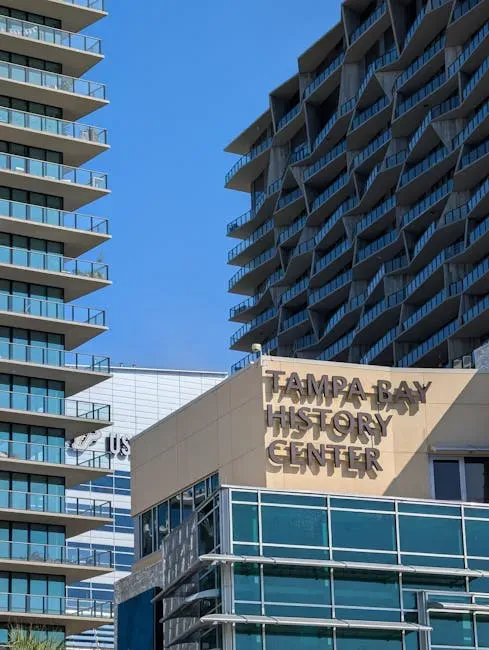
The Tampa metro region has grown by roughly 39 percent since 2000, adding more than a million residents during that time. The appeal is understandable: relatively affordable housing compared to Miami, a vibrant food scene, and easy beach access. For years, Tampa rode one of the most impressive population surges in the Sun Belt.
The Tampa Bay area has long been cited by experts as one of the U.S. metro areas most at risk for a catastrophic hurricane. The region juts into the Gulf of Mexico and has shallow bay waters that could amplify storm surge. Remarkably, Tampa had not had a direct hit by a major hurricane in a century – a lucky streak that many feared could end at any time. That streak cracked in 2024, when Hurricanes Helene and Milton struck in rapid succession. The two destructive storms tore through Gulf Coast counties in Florida in fall 2024, causing tens of billions of dollars in damage. The storms also caused residents to leave, according to population estimates released by the U.S. Census Bureau. Pinellas County lost almost 12,000 residents, the second most in the country.
2. Cape Coral and Fort Myers, Florida
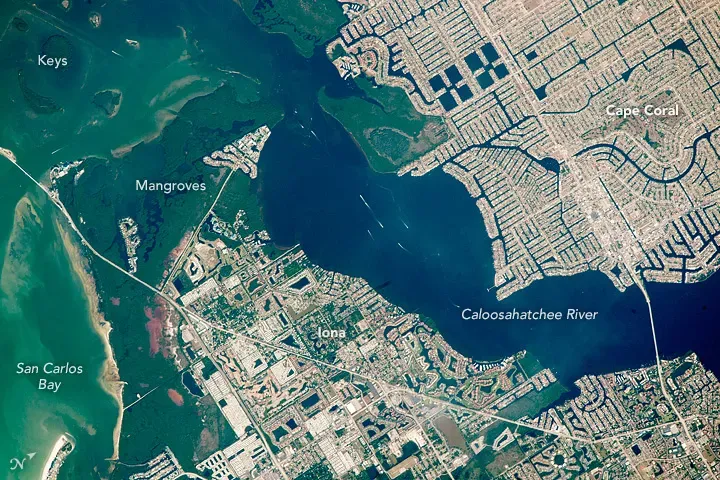
The city of Cape Coral has more than 200,000 residents near Fort Myers and sits on the coast, though there are no beaches. What it does have is 400 miles of canals giving many homes direct boat access to the Gulf of Mexico. That canal-laced lifestyle drew enormous interest during the pandemic boom years, with transplants from New Jersey, Ohio, and beyond chasing a waterfront dream at a fraction of the price they’d pay elsewhere.
More than a year and a half after Hurricane Ian’s high winds and flooding caused more than $117 billion in damage, the fallout continued. Housing costs and insurance spiked, prompting many to put their homes up for sale. A study by the research group First Street found that Cape Coral has more properties at risk of flooding than any other city in Florida. FEMA subsequently moved to pull the city’s flood insurance discount, a decision that threatened to raise rates even further for residents already stretched thin by post-Ian costs.
3. Miami, Florida
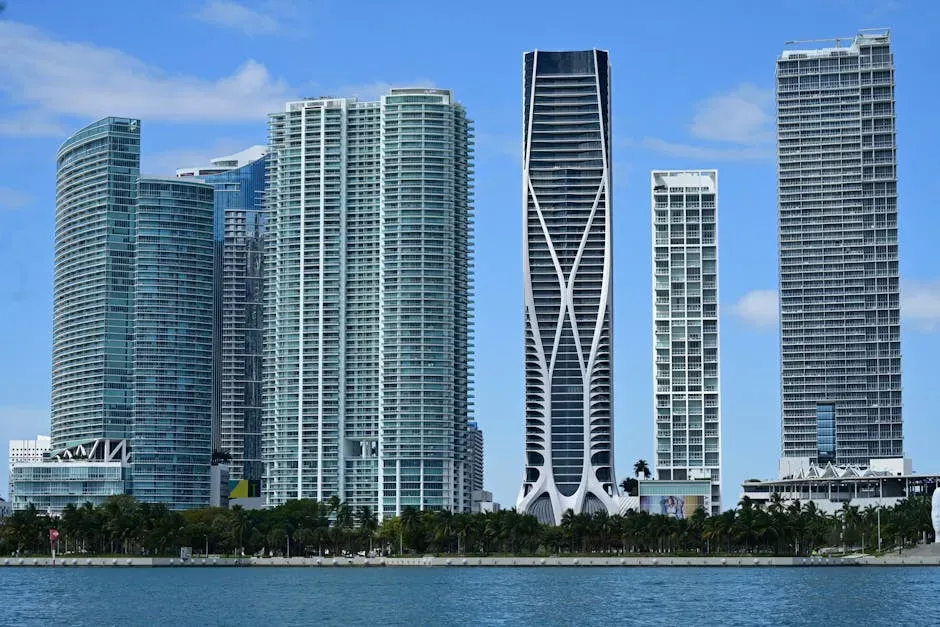
As a result of low elevation and its extensive coastline, Florida is highly vulnerable to sea-level rise, hurricanes, and coastal erosion – especially in cities like Miami. Despite that, Miami remained one of the most sought-after relocation destinations through the early 2020s, drawing remote workers, investors, and retirees who were mesmerized by the skyline, the nightlife, and a state with no income tax. For a while, the math seemed to add up.
Florida homeowners have already shouldered a 45 percent increase in insurance rates from 2017 to 2022, according to a recent report from the Florida Policy Project. The average annual premium for a Florida homeowner is $5,500 – about 140 percent higher than the typical U.S. homeowner’s cost of $2,285. Florida, along with California, is in the middle of a housing-insurance crisis. Many homeowners have seen their premiums skyrocket, and some have lost coverage altogether because intensifying natural disaster risk has prompted many insurers to stop doing business in the two states. For many Miami transplants, the financial reality crept up well before the next storm did.
4. New Orleans, Louisiana
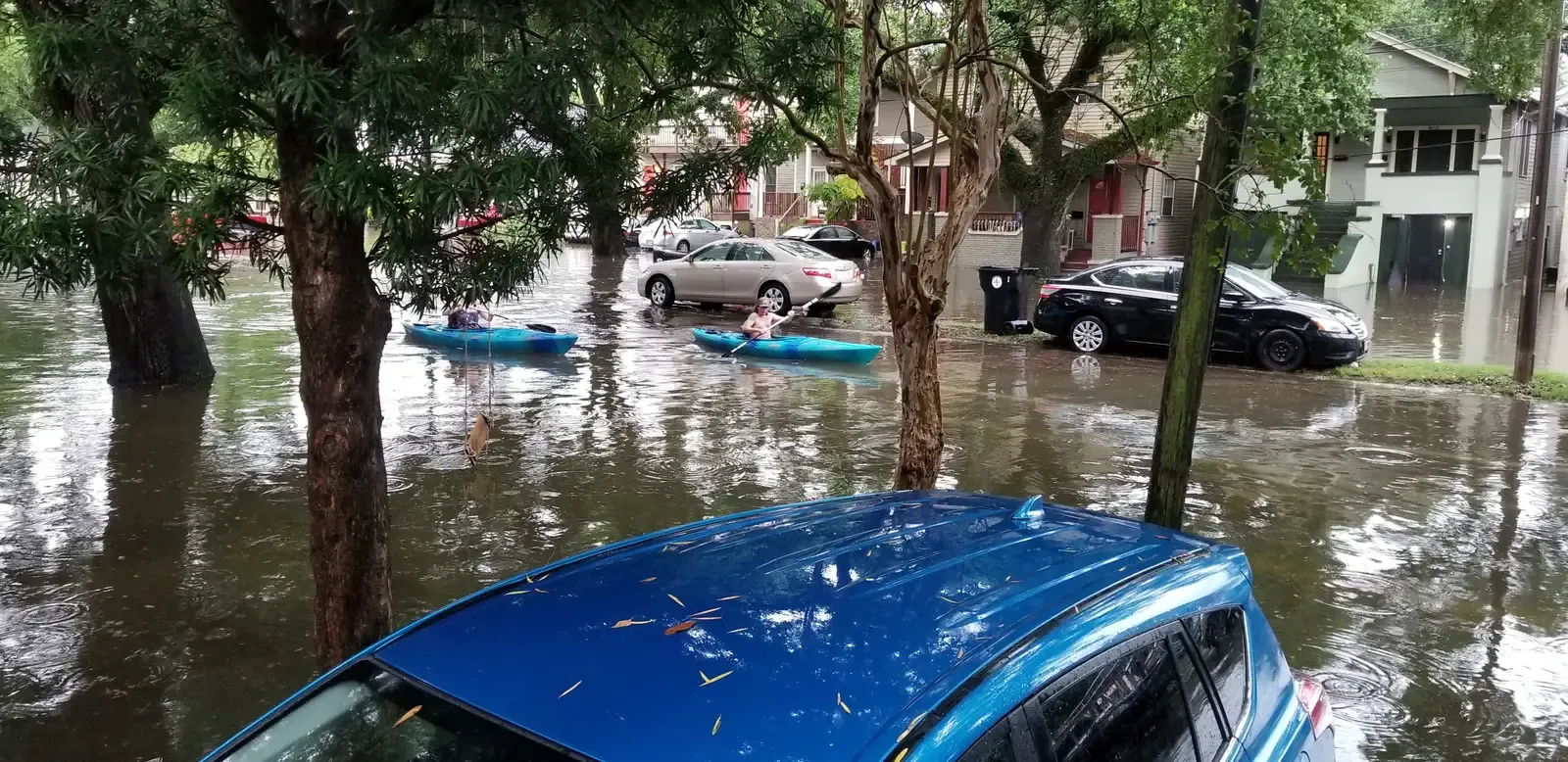
New Orleans carries a magnetic cultural pull unlike almost any other American city. The food, the music, the architecture, and the history have drawn new residents for generations. New Orleans is either at sea level or sinking, facing increasingly destructive hurricanes. Even the ground beneath is porous or subsiding, making engineering solutions difficult. The city’s charm is real, but so is its structural vulnerability.
After Hurricane Katrina in 2005, there were pronounced out-migrations observed in New Orleans. Yet the city rebuilt and repopulated – only to face more flooding in subsequent years. People are flat-out abandoning specific places that have become synonymous with catastrophe, such as disaster-prone Houston and coastal Louisiana. Many who moved to New Orleans for a fresh start found the combination of flood risk, insurance costs, and recurring storm damage to be a harder reality than the tourist-friendly surface of the city ever suggested.
5. Houston, Texas
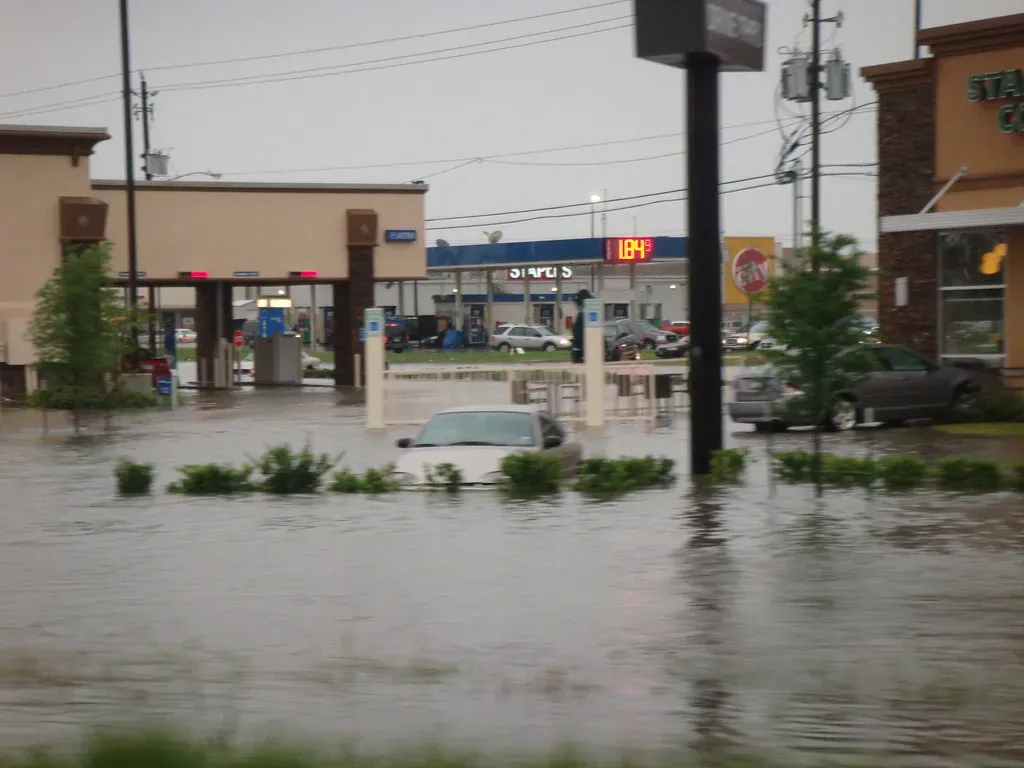
Houston is one of the fastest-growing cities in the country, fueled by a strong job market, low taxes, and relatively affordable housing by major-metro standards. Hillsborough County, Florida had the most federally declared disaster events, while Montgomery County, Texas – home to a major Houston suburb – had 36. In each of these counties, tropical storms were the cause of the disasters. That history rarely makes the real estate brochure.
Since 2017, there have been four U.S. hurricane landfalls where multiple heat-related deaths occurred during a heat wave that followed massive post-storm power outages. Hurricane Beryl in 2024 caused 14 deaths in Houston from that combination of storm damage and ensuing extreme heat. Flooding events like Harvey in 2017 and Beryl in 2024 have left entire neighborhoods underwater repeatedly. For newer residents who chose Houston for opportunity and affordability, these back-to-back disasters often arrive as a genuinely shocking wake-up call.
6. Los Angeles, California
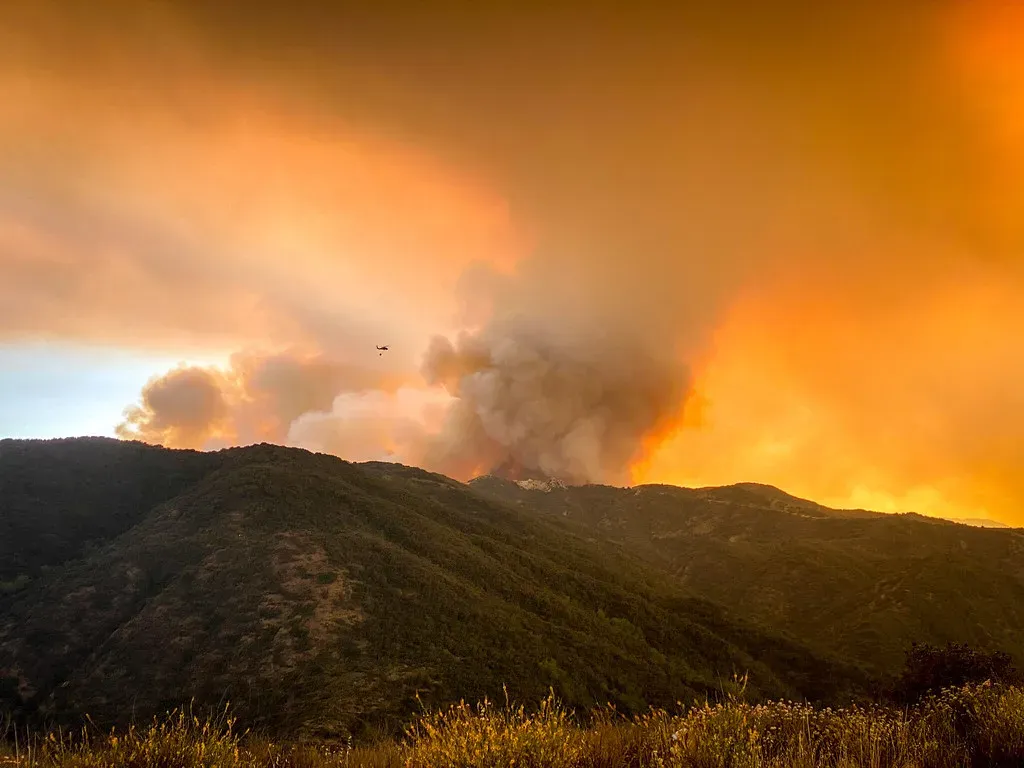
Los Angeles has been losing residents for years, but the scale of the loss accelerated sharply after the January 2025 wildfires. Two massive fires burned for 24 days in January 2025, destroying approximately 40,000 acres, displacing over 100,000 residents, and taking the lives of nearly 30 individuals. Even so, the city continues to attract new arrivals drawn to the entertainment industry, tech scene, and famously agreeable climate.
Florida, along with California, is in the middle of a housing-insurance crisis. Many homeowners have seen their premiums skyrocket, and some have lost coverage altogether because intensifying natural disaster risk has prompted many insurers to stop doing business in the two states. The growing risk of wildfires has made parts of California essentially uninsurable, according to a 2023 First Street analysis. For new LA homeowners who arrived just before a fire season, the inability to secure affordable coverage has turned their dream home into a significant financial liability almost overnight.
7. Asheville, North Carolina
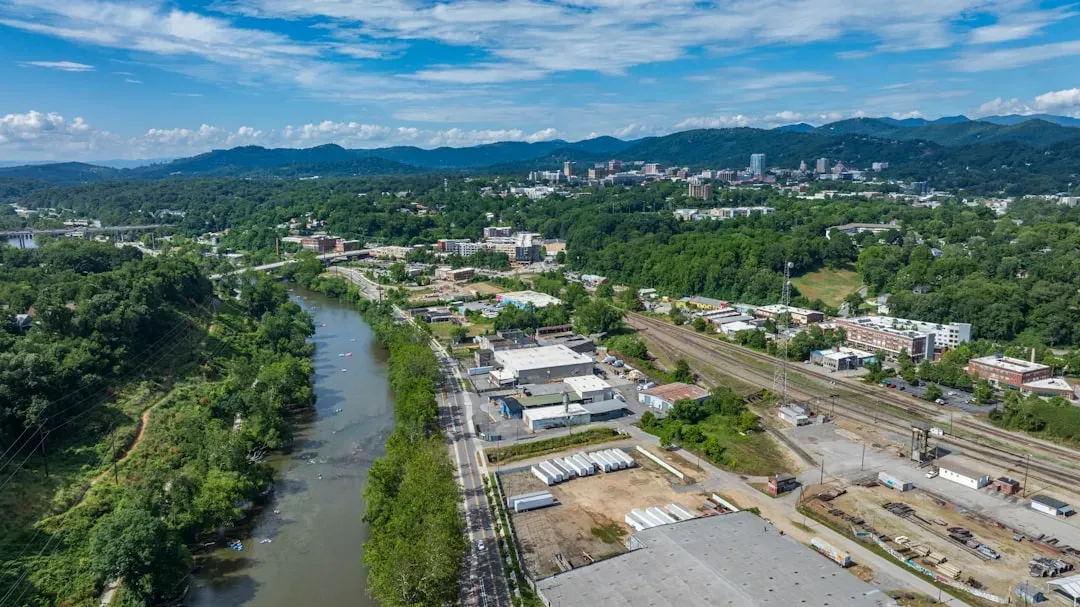
Asheville earned a reputation as a near-perfect relocation destination for remote workers and retirees alike – a mountain city with a thriving arts scene, cool summers, and a fraction of the cost of major coastal metros. The population of Asheville increased by 13 percent since 2000, according to data from the Federal Reserve Bank of St. Louis. The region attracted new residents during the past few decades by appealing to retirees, remote workers and other professionals pursuing Asheville’s highly rated quality of life. Many people moved there specifically believing they were escaping climate risk.
The post-Hurricane Helene images of Asheville remain vivid: miles of washed-out roads, cars rendered undrivable, and overflowing sanitation systems. The hurricane catastrophically damaged the city’s municipal water system, leaving many residents without running water. Raging floodwaters swept away buildings and bridges, and landslides severed access to major roads, effectively isolating the area. In Buncombe County, which is home to Asheville, more than 2,000 residents left in the months after the remnants of Helene destroyed homes and cut off power and communications to mountain towns.
8. Nashville, Tennessee
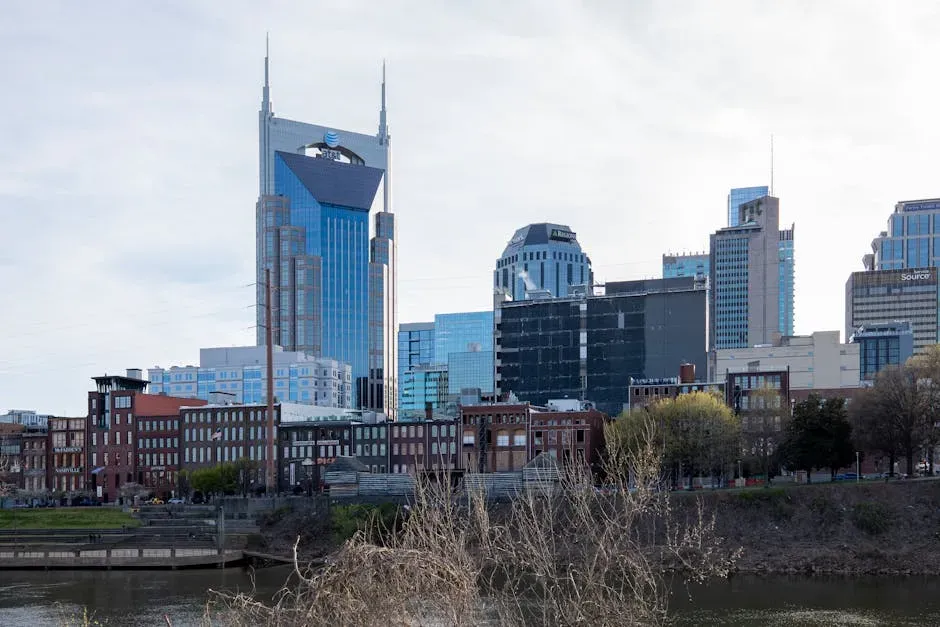
Of the 50 most-populous U.S. metros, Nashville ranks among the cities Americans most want to move to, and the numbers back that up. The city has absorbed transplants from coastal metros at a remarkable pace, offering live music, a booming economy, and comparatively reasonable housing. It’s consistently topped desirability rankings, and many have arrived with high hopes and a U-Haul.
The catch is that Nashville sits in a region increasingly battered by severe weather. The Midwest, Great Plains, and Southeastern regions saw the most action and worst damages in recent years, yet heavily affected states like Tennessee are home to several of the top-ranking cities on popular move-to lists. Tornadoes, severe flooding events – including the catastrophic 2010 flood that submerged much of downtown – and increasingly powerful thunderstorm systems have rattled newer residents who had no frame of reference for the region’s weather severity. The mismatch between expectation and reality tends to show up fast.
9. Phoenix, Arizona
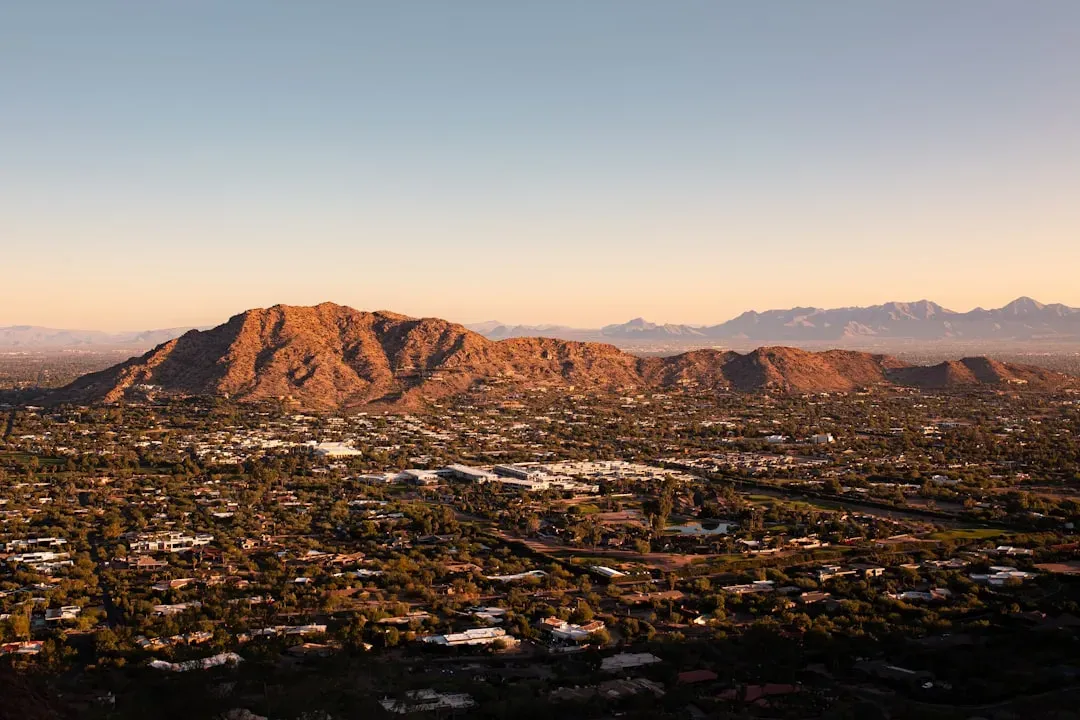
Phoenix has been one of the fastest-growing metros in the country for years. Data shows an uptick in people moving to southern Nevada and parts of Arizona, both of which are struggling with dwindling groundwater and the Colorado River water crisis. For many arrivals, the heat is the headline risk – but it takes living through a Phoenix summer to fully understand what that means in practice.
Although there are states which are more protected from natural disasters than others, the reality is that climate change continues to create sporadic weather patterns. People moving to states such as Arizona require competing for living space, with 256,000 people moving to Arizona alone in 2024. States with sudden population increases will have to figure out new ways to effectively ration depleting sparse resources such as water in areas that already face shortages. Phoenix also contends with extreme dust storms called haboobs and flash flooding during monsoon season – hazards that catch newcomers genuinely off guard after months of dry, clear skies.
10. Charlotte, North Carolina
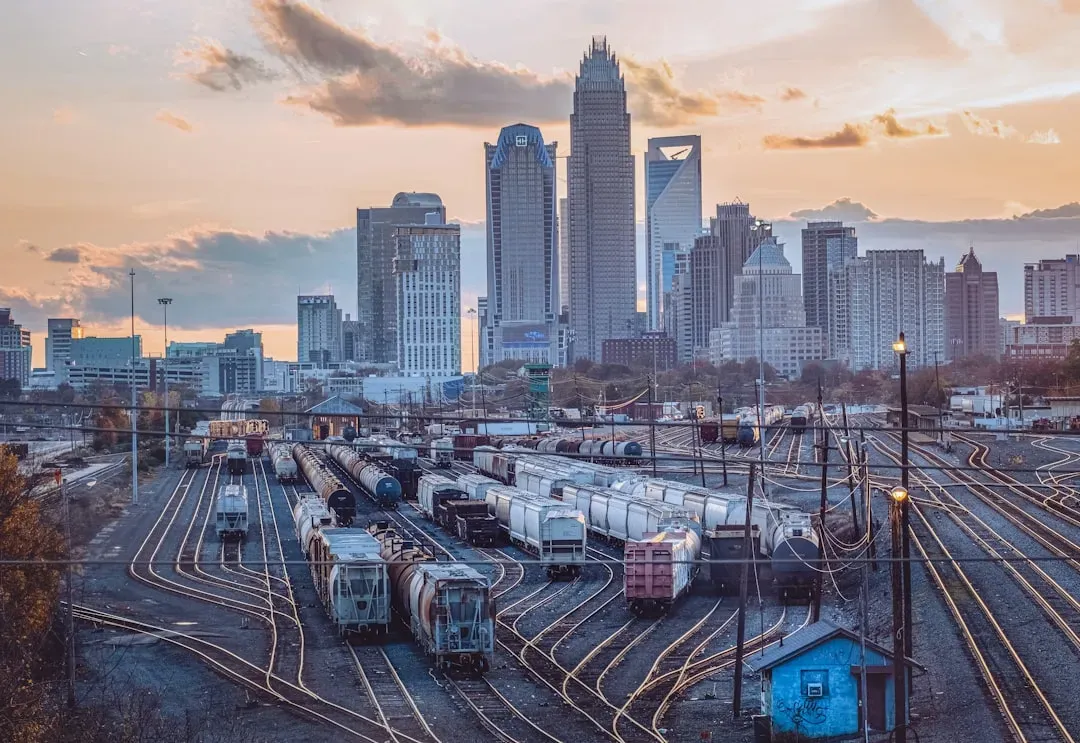
Charlotte has been one of the most consistently popular relocation targets in the Southeast, drawing workers from the financial sector, young families priced out of the Northeast, and retirees seeking mild weather and affordable neighborhoods. North Carolina continues to draw new residents with its lower cost of living, job opportunities, access to outdoor activities, and Southern hospitality. The Tarheel State has five out of the top 20 cities people are moving to in 2025, taking first place among the most moved-to states.
All three states – Florida, North Carolina, and South Carolina – were impacted by Hurricane Helene in 2024, which brought widespread flooding and damaging winds. Charlotte, though inland, received punishing rainfall from Helene that flooded neighborhoods and knocked out infrastructure in ways that residents had not seen before. Disasters like Hurricane Helene affect counties that had few disasters in the past and are still listed as low risk on long-term indexes. That gap between official risk classification and lived experience is precisely what makes cities like Charlotte such a difficult case – the danger arrived before the warning labels did.
Across all ten of these cities, the underlying pattern is the same. The rise of remote work created a new version of the American dream, where millions of people realized they could move to sunnier, cheaper places. Unfortunately, many who made the trip found a nightmare waiting when they arrived: climate change and its accompanying threat of home-destroying natural disasters. In 2024, there were 27 weather and climate disasters that resulted in at least $1 billion in damages. Because of losses like these, the cost of home insurance is skyrocketing in high-risk areas. Since 2019, average premiums have jumped roughly a third, with even sharper increases in disaster-prone states like Florida and California.
The desire to start fresh somewhere new is deeply human. What’s changing is the cost of getting that calculation wrong – and how quickly nature tends to present the bill.
