


- Why Bull Sharks Thrive in Murky, Stormy Waters - May 29, 2026
- The Overlooked Downsides of Massive Solar Farm Expansion - May 29, 2026
- Why These 8 Once-Predictable U.S. Weather Patterns Are Rapidly Changing - May 29, 2026
Clean air is getting harder to come by. As of 2025, a staggering 130 out of 143 countries and territories exceeded the WHO annual average PM2.5 guideline value. That leaves only a small handful of nations where residents can breathe without the constant burden of particulate matter circulating in their lungs.
The 2025 IQAir World Air Quality Report provides a comprehensive overview of air quality across the globe, presenting PM2.5 air quality data sourced from 9,446 cities spanning 143 countries, regions, and territories. The countries on this list are the ones that beat the odds, combining geography, policy, and genuine environmental commitment to protect the air their populations breathe every day.
1. Iceland
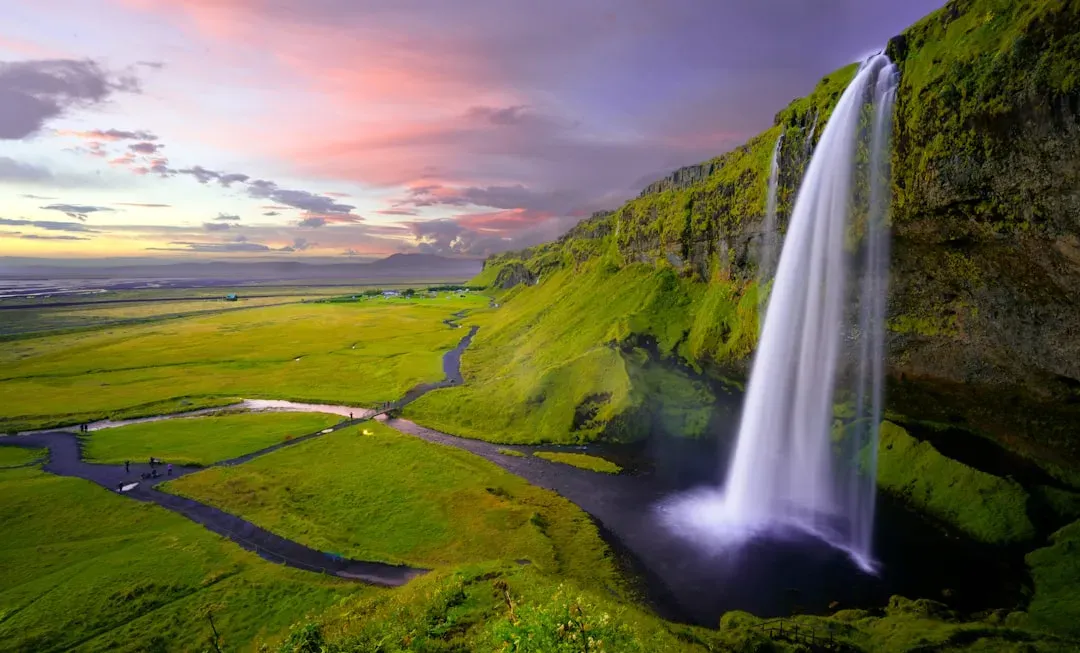
Iceland recorded a PM2.5 concentration of just 3.7 µg/m³ in 2025, placing it among the very cleanest nations on Earth. For years, the country of roughly 380,000 inhabitants has generated 100% of its electricity from renewable energies, with renewable sources accounting for over 82% of total energy consumption. That level of energy purity has direct consequences for air quality.
In Europe, Iceland is one of only three countries that met the WHO annual PM2.5 guideline of 5 micrograms per cubic metre in 2025. Its volcanic landscape, persistent Atlantic winds, and near-total absence of fossil fuel combustion for heating create an atmospheric environment that most countries can only aspire to. The geothermal energy infrastructure that powers Icelandic homes essentially eliminates the coal and gas burning that chokes cities elsewhere.
2. French Polynesia
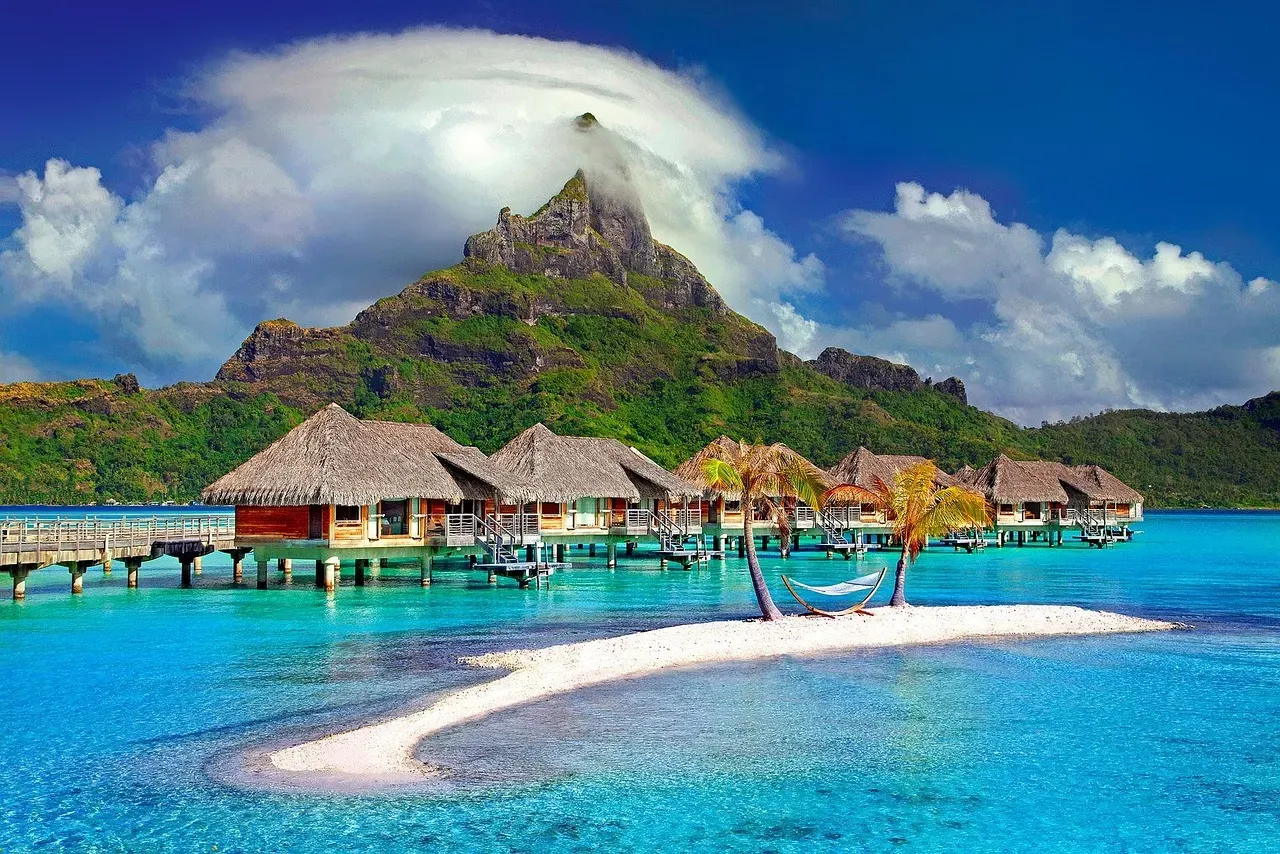
French Polynesia was among just thirteen countries and territories globally that met the WHO annual average PM2.5 guideline in 2025. Spread across millions of square kilometres of the South Pacific, this French territory benefits from extraordinary geographic isolation. The surrounding ocean acts as a natural buffer against industrial pollution sources.
French Polynesia enjoys pristine air quality thanks to its remote location and minimal industrial activity. With no heavy manufacturing sector and a population concentrated on a relatively small number of islands, the sources of particulate pollution are genuinely few. Tourism drives much of the economy, which in turn creates financial incentives to maintain the kind of pristine environment visitors travel halfway around the world to experience.
3. Puerto Rico
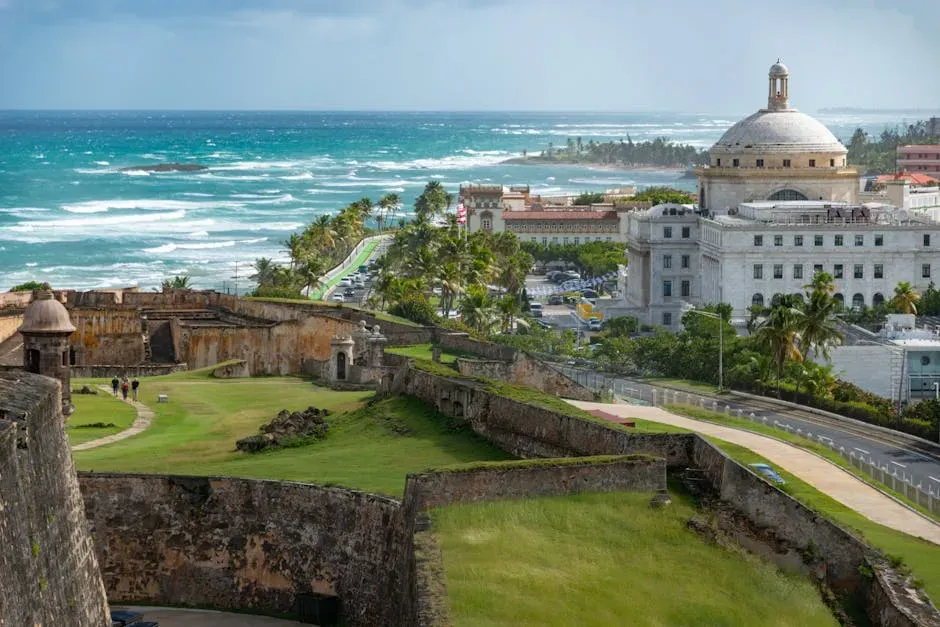
Puerto Rico recorded a PM2.5 concentration of just 2.4 µg/m³ in 2025, making it one of the lowest readings anywhere in the Western Hemisphere. Mayaguez, Puerto Rico was the cleanest metropolitan area of 2024, with an annual average PM2.5 concentration of 1.1 µg/m³. That kind of consistency across multiple years is no accident.
The island’s position in the Caribbean, combined with persistent trade winds that sweep in from the open Atlantic, naturally flushes pollutants out before they accumulate. Puerto Rico has also made significant investments in solar energy in the years following Hurricane Maria, gradually reducing its reliance on diesel power generation. The combination of favorable geography and shifting energy policy has kept its air among the cleanest recorded anywhere.
4. U.S. Virgin Islands
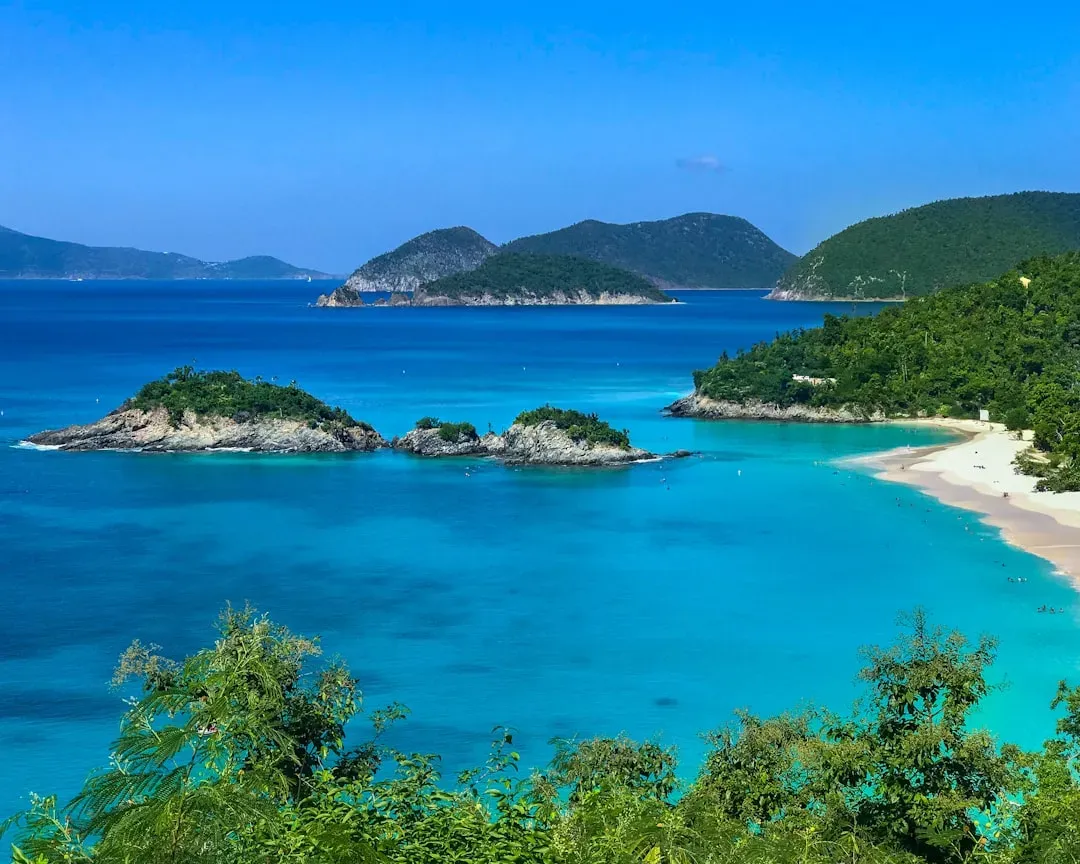
The U.S. Virgin Islands recorded a PM2.5 concentration of 2.5 µg/m³ in 2025, placing it just above Puerto Rico in the regional rankings but still comfortably within the WHO safe threshold. The U.S. Virgin Islands were among the select group of countries and territories globally that remained within safe air quality limits in 2025. For a small island cluster, that’s a meaningful achievement.
The low population density across the islands is a major factor. With no significant heavy industry and limited vehicular traffic relative to the land area, fine particle emissions simply don’t build up. The prevailing Caribbean trade winds provide consistent atmospheric ventilation, preventing the kind of stagnant air conditions that allow pollutants to concentrate over populated areas.
5. Barbados
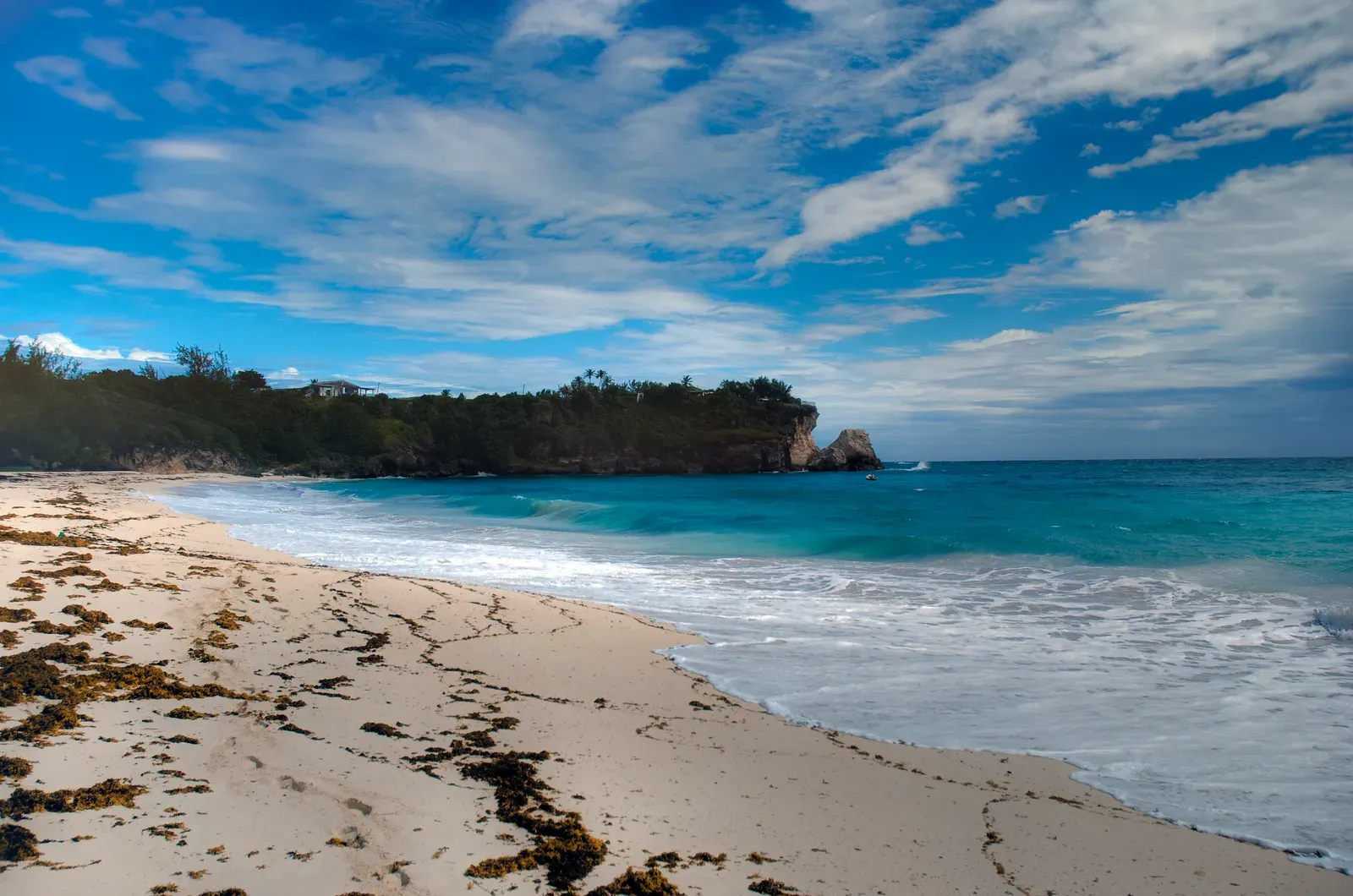
Barbados posted a PM2.5 concentration of 2.6 µg/m³ in 2025, a figure that reflects the island’s clean atmospheric conditions. Barbados was one of only seven countries that met the WHO annual average PM2.5 guideline of 5 µg/m³ in 2024 as well, showing genuine year-on-year consistency in air quality performance.
Barbados has committed to an ambitious renewable energy transition, aiming to achieve 100% renewable electricity in the coming years. The island receives strong, consistent Atlantic winds that disperse any local emissions efficiently. Its government has also placed meaningful restrictions on vehicle emissions and industrial burning, and those policies show up directly in the PM2.5 data.
6. New Caledonia
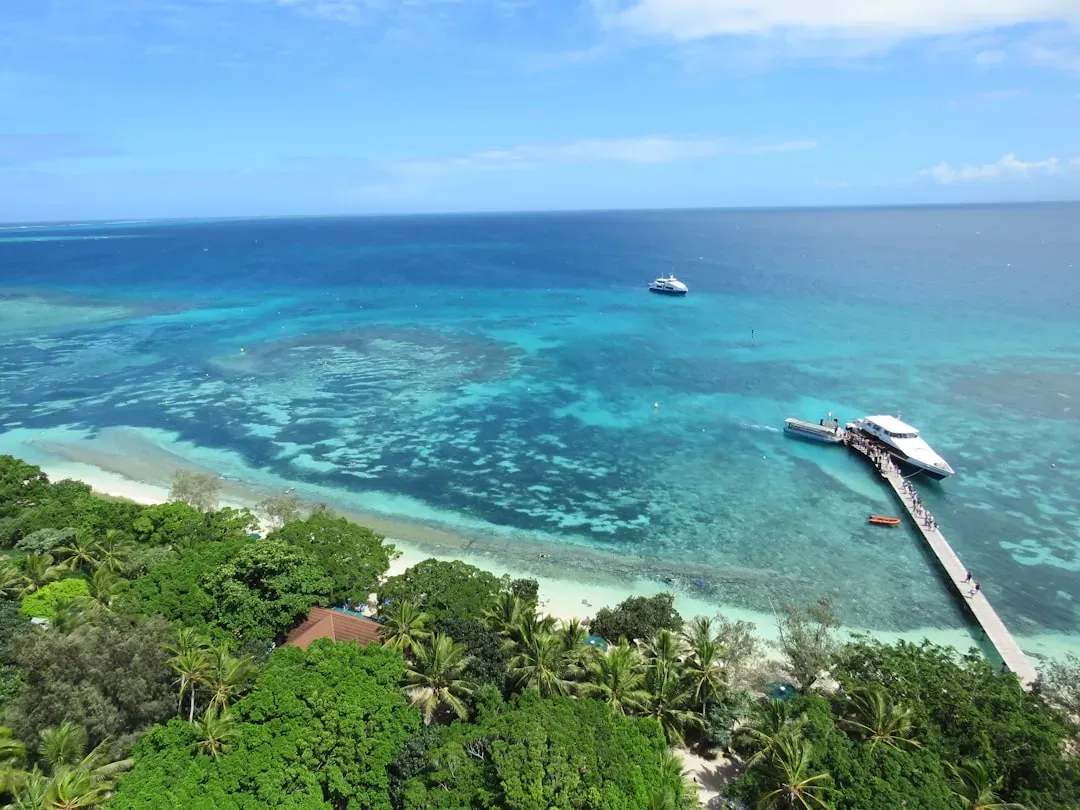
New Caledonia was among the countries and territories that remained within WHO safe air quality limits in 2025. This French special collectivity in the southwest Pacific is flanked by coral reefs and open ocean in every direction, providing a natural isolation that limits exposure to transboundary air pollution. The surrounding waters act as a vast clean air reservoir.
New Caledonia does have a significant nickel mining industry, which introduces some localized pollution concerns. However, the overall land mass is large relative to its population of around 270,000, and prevailing winds consistently carry any localized emissions away from major inhabited areas. The result is a national air quality picture that remains well within safe limits despite some industrial activity.
7. Bermuda
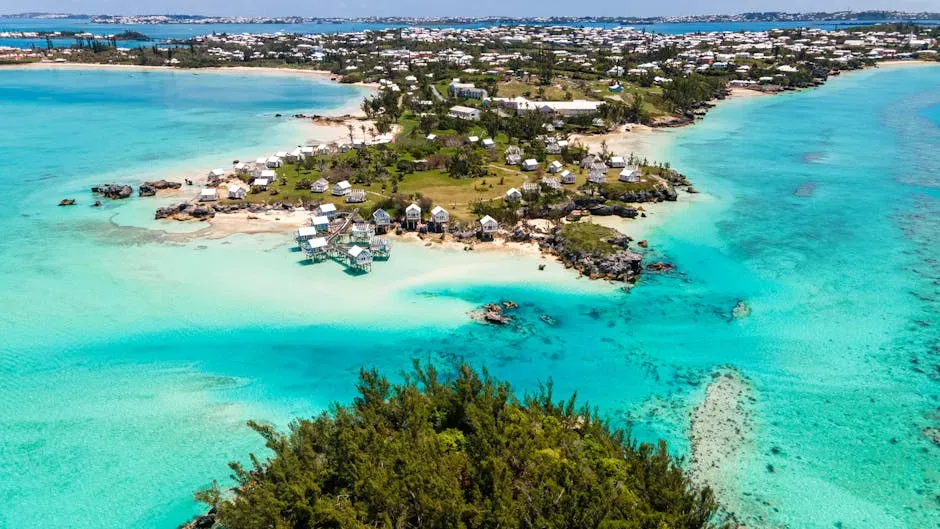
Bermuda recorded a PM2.5 concentration of 3.8 µg/m³ in 2025. Bermuda is among the small group of islands that consistently appear in global clean air rankings alongside Iceland and New Zealand. Its mid-Atlantic position, far removed from any continental landmass, naturally limits its exposure to industrial pollution plumes.
The island is small enough that private vehicle use is restricted, with regulations limiting households to a single car. That policy has had a real impact on urban air quality over decades. Bermuda is also surrounded by some of the clearest ocean water in the Atlantic, and the same clean maritime air that fills those skies is what residents and visitors breathe every day.
8. Réunion
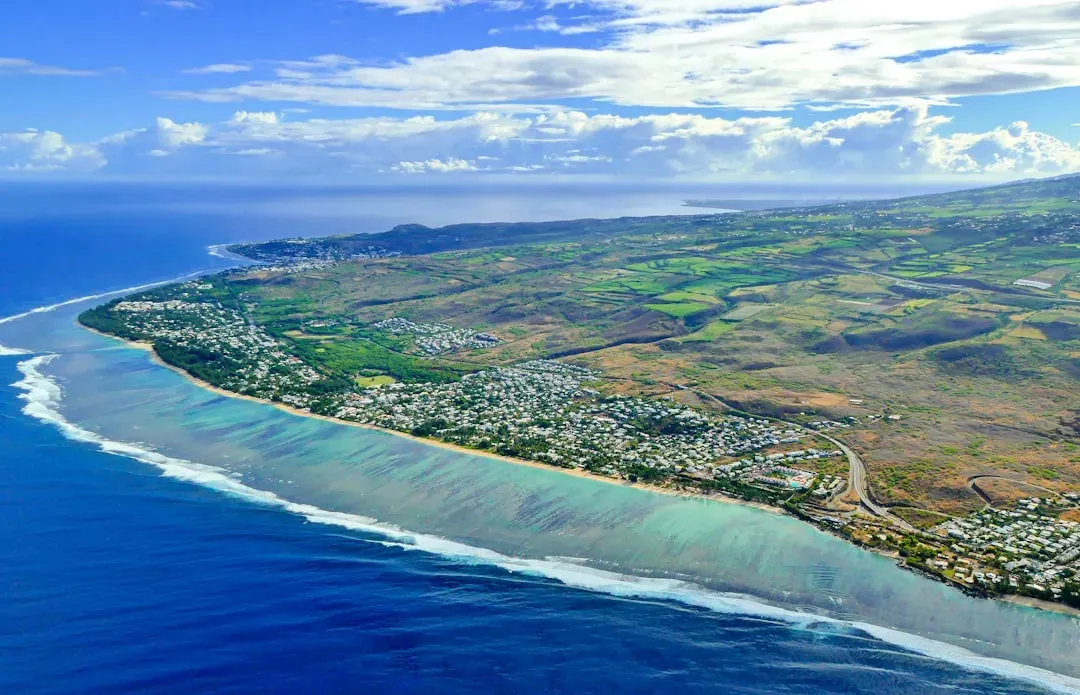
Réunion was among the thirteen countries and territories that met the WHO annual average PM2.5 guideline in 2025. This French island in the Indian Ocean, located east of Madagascar, benefits from the same oceanographic isolation that protects other remote island territories. Its clean air record is one of the more surprising entries on this list given its volcanic terrain.
Réunion has invested heavily in renewable energy, with hydroelectric and geothermal sources making up a growing share of electricity generation. The island’s rugged topography and consistent trade winds also prevent pollution from lingering. While volcanic activity can occasionally push natural particulates into the atmosphere, these events are episodic and the annual average remains firmly within safe limits.
9. Andorra
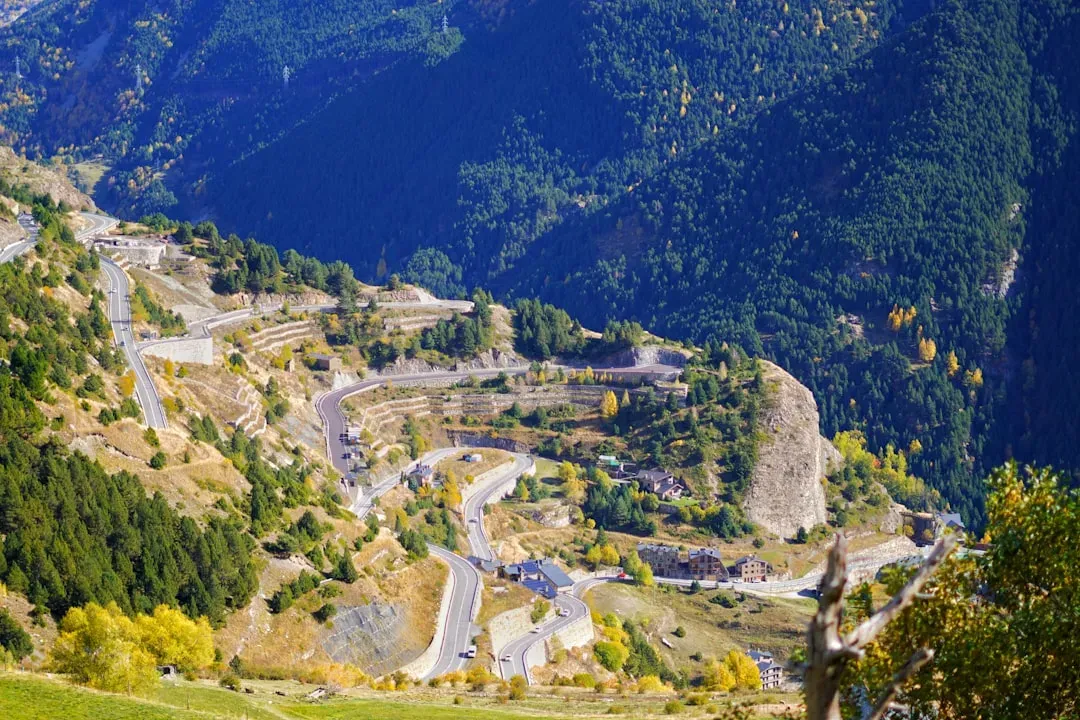
Andorra is one of only three European countries that met the WHO annual PM2.5 guideline of 5 micrograms per cubic metre in 2025. Andorra recorded a PM2.5 concentration of 4.3 µg/m³ in 2025. Tucked into the eastern Pyrenees between France and Spain, this microstate sits at high altitude where thinner, cleaner mountain air dominates.
Andorra has no heavy industry. Its economy revolves primarily around tourism, retail, and financial services, none of which produce the kind of industrial emissions that drive poor air quality in larger economies. The mountainous topography also helps, as prevailing winds sweep across the landscape at elevation and prevent the type of valley inversions that trap pollution in lowland cities across the rest of Europe.
10. Australia
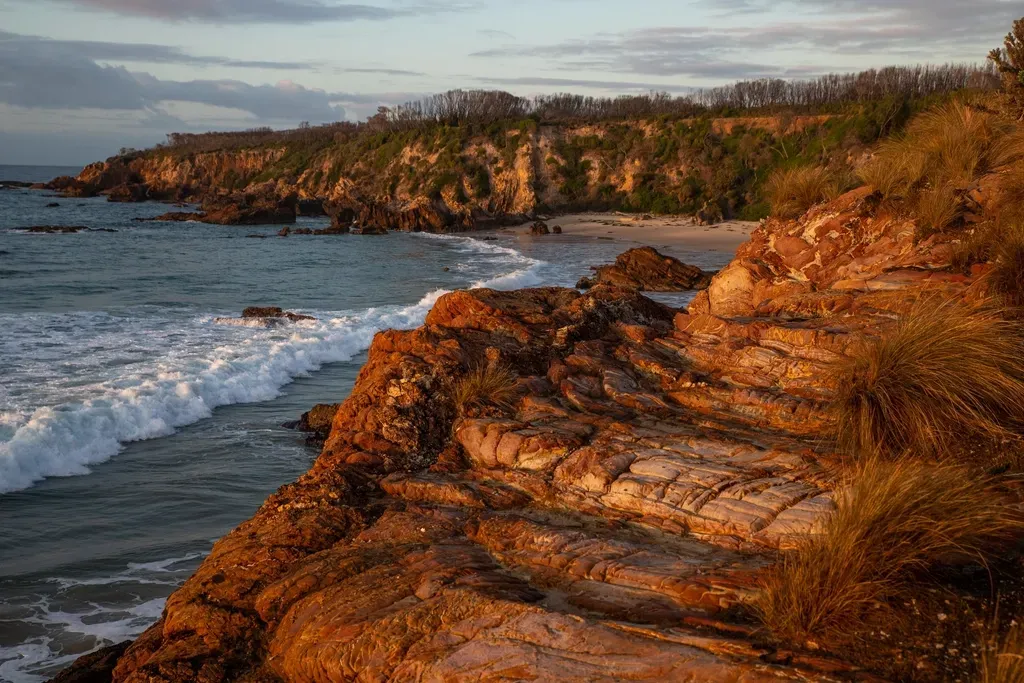
Australia was one of just seven countries that met the WHO annual average PM2.5 guideline in 2024. Oceania remained one of the world’s cleanest regions, with 61% of cities meeting the WHO guideline in 2025. Australia consistently performs as the standout large nation in the global clean air rankings, a notable achievement given its population of over 26 million.
Australia’s coastal population distribution supports clean air, with widespread solar panel adoption reducing reliance on gas. Australia benefits from strong environmental regulations, renewable energy usage, and low population density. The vast, sparsely populated interior essentially acts as a natural buffer, and the continent’s position far from major industrial regions in Asia limits transboundary pollution exposure significantly.
11. Grenada
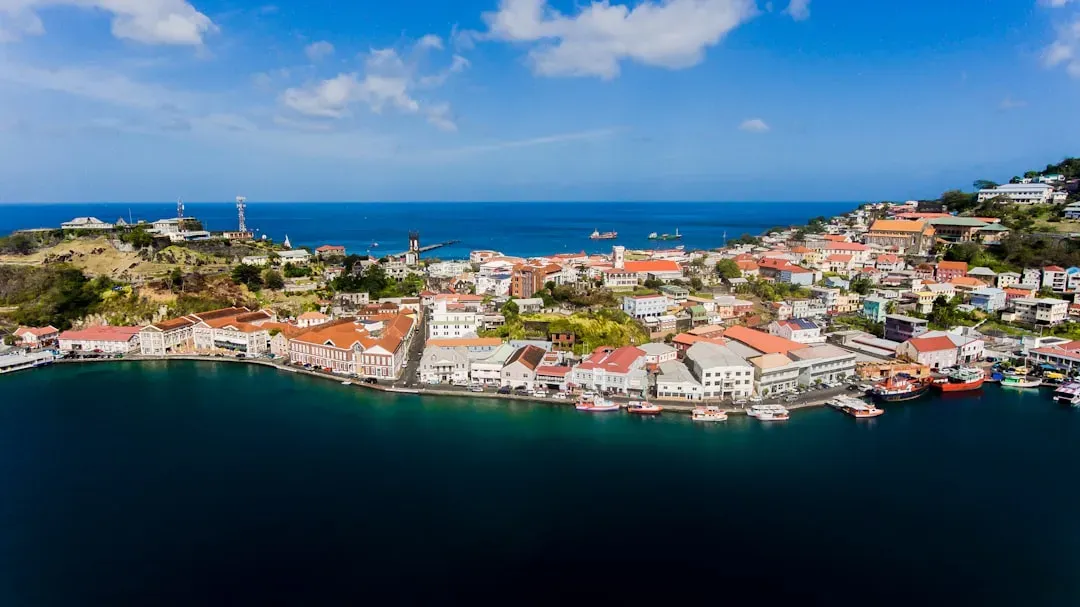
Grenada records a PM2.5 index of just 3.8 micrograms per cubic metre. The country has a low level of industrial activity and motorization, as well as a small population density, which reduces the amount of emissions. Known as the Spice Isle, Grenada’s economy is built around agriculture and tourism rather than manufacturing, and that economic structure has a direct bearing on its atmospheric conditions.
Grenada met the WHO annual average PM2.5 guideline in 2024 as well, demonstrating sustained performance rather than a single good year. The island is surrounded by the clean waters of the southeastern Caribbean, and consistent onshore trade winds carry pristine maritime air across the entire landmass. Environmental regulation here is modest by European standards, yet the combination of scale, geography, and economic structure naturally keeps the air clean.
12. Panama
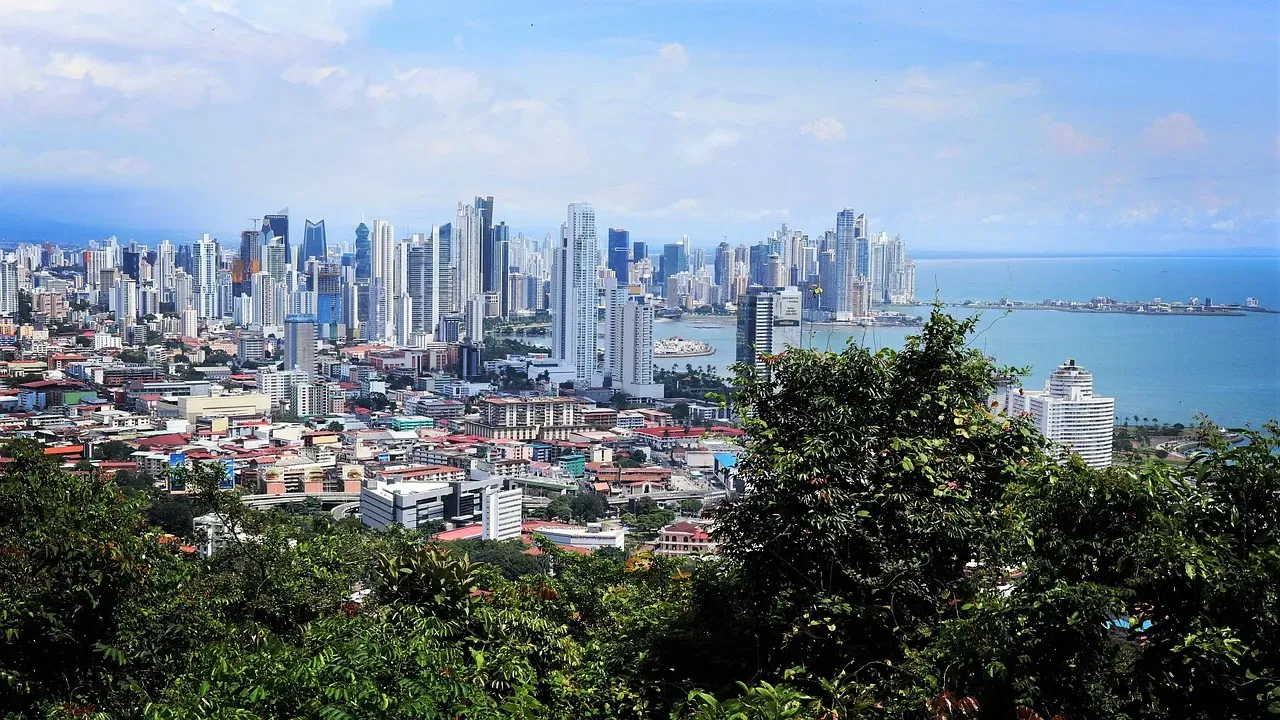
Panama was among the select countries that remained within WHO safe air quality limits in 2025. This is a notable distinction for a mainland Central American country, as most continental nations in the region struggle with vehicle emissions and agricultural burning. Panama’s relatively low population density outside of Panama City works strongly in its favor.
The country’s extensive tropical forest cover, particularly within the Canal watershed, plays an active role in filtering air. Large protected forest areas surrounding the Canal Zone have been preserved for water security reasons but deliver meaningful air quality co-benefits. Panama’s geography, straddling two oceans at a narrow isthmus, also means prevailing winds from both the Pacific and Caribbean consistently refresh its atmospheric conditions.
13. Estonia
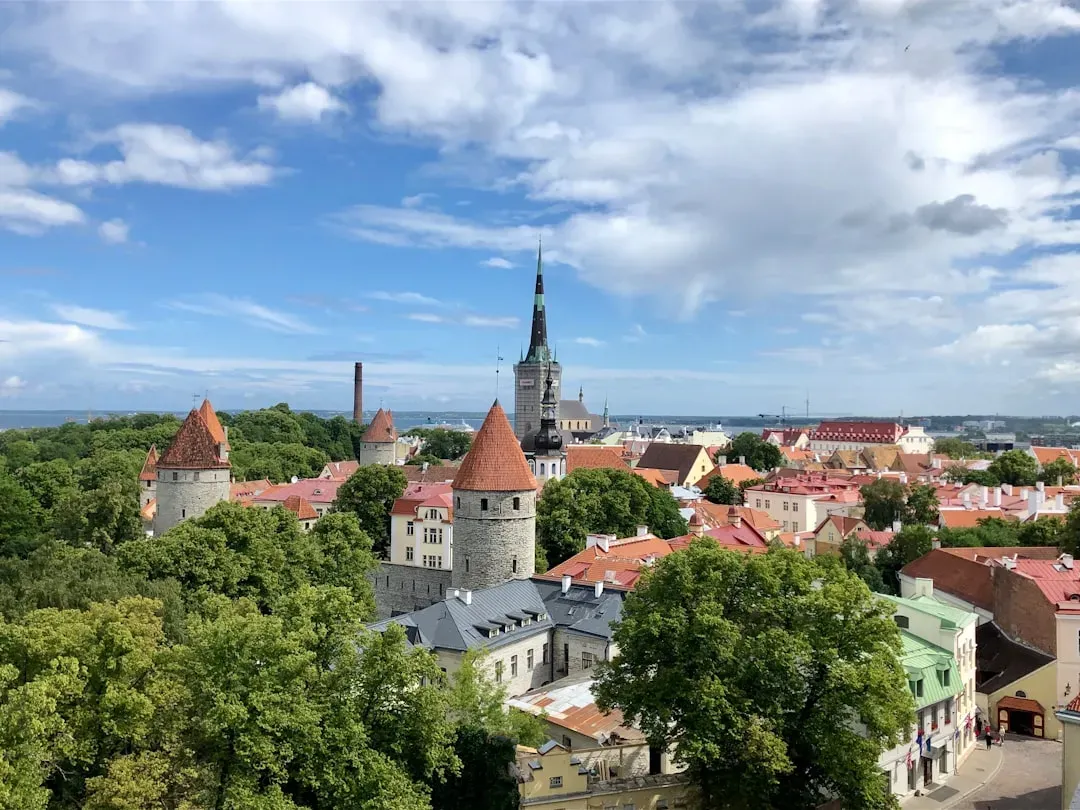
Estonia is one of only three European countries that met the WHO annual PM2.5 guideline of 5 micrograms per cubic metre in 2025. Estonia has transitioned from heavy industry to cleaner energy, including wind power and reduced peat use, while waste-to-energy facilities operate under strict emissions controls. For a country that once relied heavily on oil shale for electricity, this transformation is remarkable.
Estonia, a country which up to 30 years ago depended entirely on fossil fuels, now produces a significant share of its electricity from renewable energies, with the aim of reaching 100% by 2030, and emissions have fallen by 57% since 1990. The country’s extensive boreal forests also help. Estonia is one of the most forested countries in Europe proportionally, and those forests act as passive air filters year-round.
14. Finland
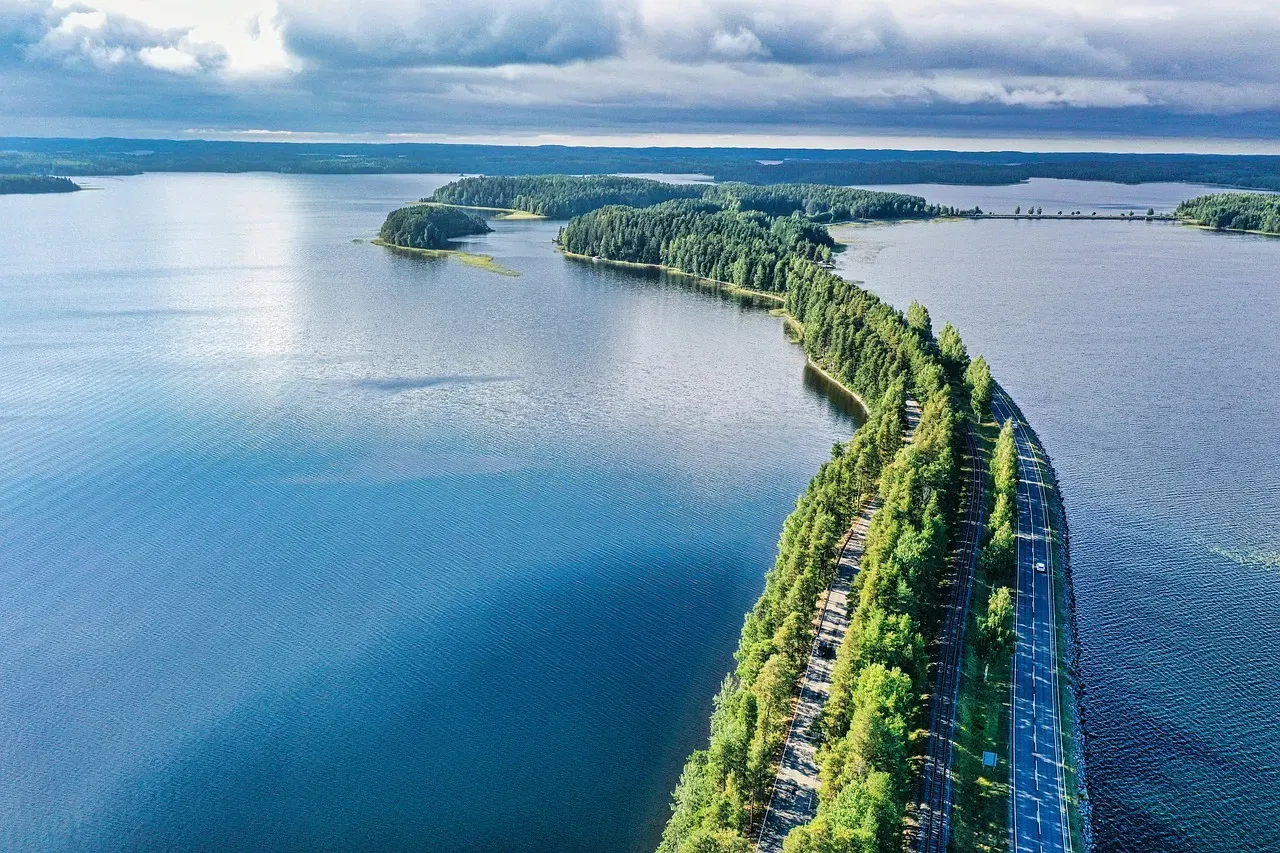
Finland, celebrated for its forests, lakes, and high quality of life, ranked among the least polluted countries in the world, with an average AQI of 25 in 2025. Finland’s boreal forests filter air naturally, and the country operates biomass-powered plants alongside strict waste management laws. The sheer scale of Finland’s forest coverage, covering roughly three quarters of the country’s total land area, makes it one of the most naturally air-purifying environments on the planet.
Finland stands out for its adoption of urban mobility strategies, including clean energies in public transport and the promotion of walking and cycling, with Helsinki serving as an exceptional example of this approach. Finland’s environmental policies are consistently ranked among the world’s most stringent, and the country has long committed to phasing out coal from energy production. The results show up clearly in the annual air quality data.
15. New Zealand
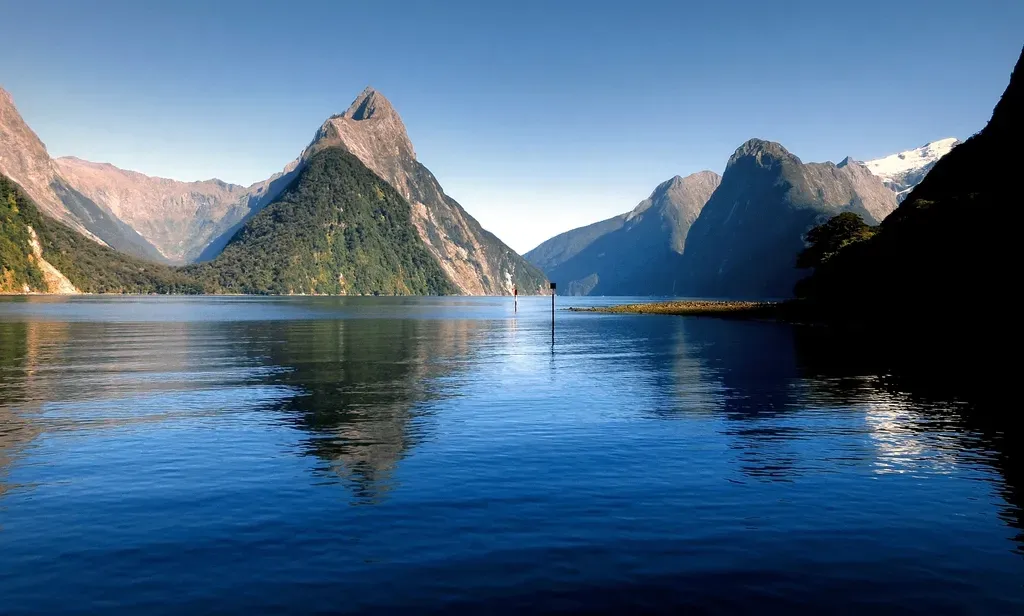
New Zealand, famous for its dramatic landscapes and outdoor lifestyle, remains a global leader in clean air. Hydroelectric and geothermal energy sources keep emissions low, and national parks enforce bans on single-use plastics. New Zealand’s isolation in the southwest Pacific means that even the air blowing in from beyond its borders tends to be some of the cleanest on Earth.
New Zealand met the WHO annual average PM2.5 guideline in 2024. The country has historically struggled with residential wood burning in winter, particularly in the South Island, but national efforts to phase out older wood burners and incentivize cleaner heating have made a measurable difference. New Zealand benefits from strong environmental regulations, renewable energy usage, and low population density, a combination that is difficult to replicate in more densely populated or heavily industrialized nations.
What these 15 nations share is not simply luck of geography, though that helps. Most of them have made deliberate choices: investing in renewable energy, protecting natural landscapes, limiting industrial emissions, and in several cases, building entire economic models that don’t depend on heavy manufacturing. Clean air, it turns out, is rarely an accident. It tends to be the downstream result of decisions made decades earlier, showing up quietly in the data long after the policy choices have been forgotten.
