
1. Andorra: The Mountain Microstate That Disasters Forget
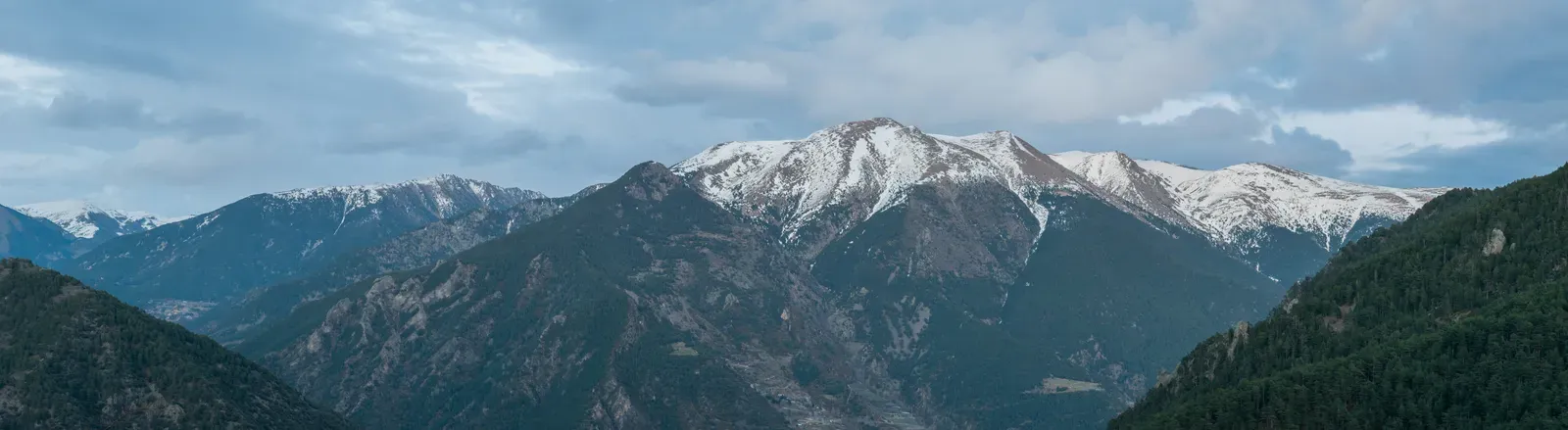
Located on the Iberian Peninsula, the Principality of Andorra is a landlocked country nestled in the Pyrenees. Similar to Monaco, it is a haven of wealth thanks to its strong banking sector and low taxes, which ensures a strong economy and high-quality services throughout the nation. The country has no record of damaging earthquakes and is miles from open water, making any kind of disaster a rare occurrence, reflected in its World Risk Index score of 0.22, with excellent results in exposure, coping abilities, and susceptibility.
Andorra has a very low exposure score of 0.02 to hazards, combined with low vulnerability of 4.07, which comes from minimal susceptibility and coping deficiencies, supported by strong regional adaptive measures. Its location helps the country minimize risks from large-scale floods and earthquakes, though the mountainous terrain does make it somewhat vulnerable to landslides and avalanches. Even those risks remain manageable given the small population of fewer than 80,000 people and the nation’s well-organized emergency systems.
2. Monaco: Tiny Territory, Remarkable Resilience
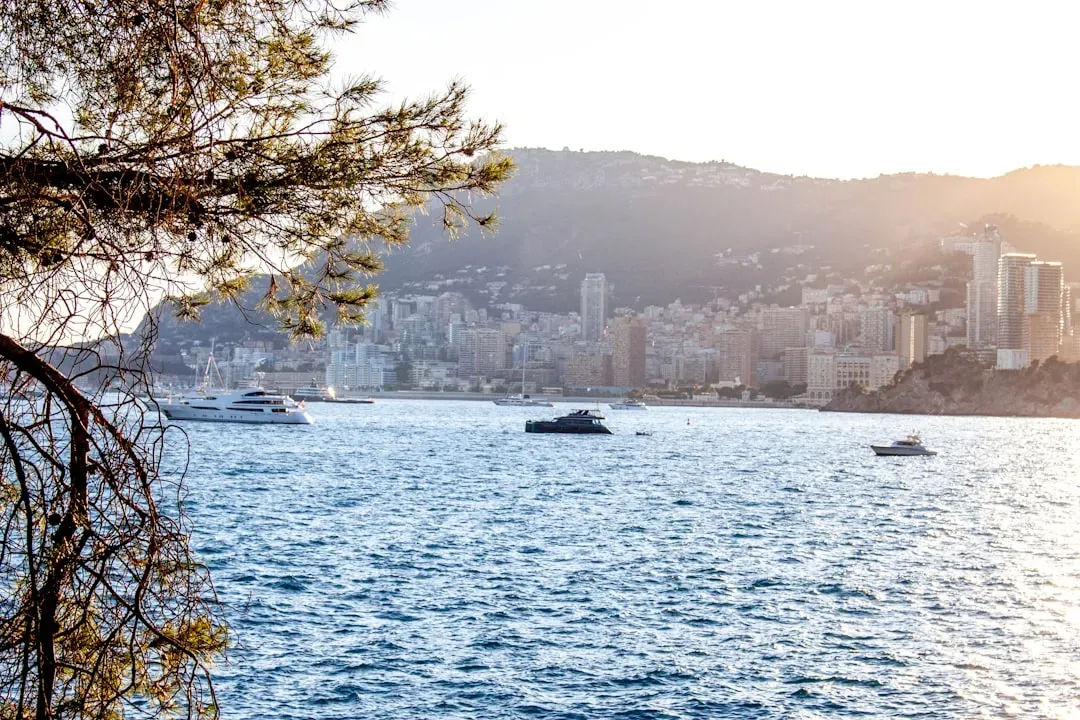
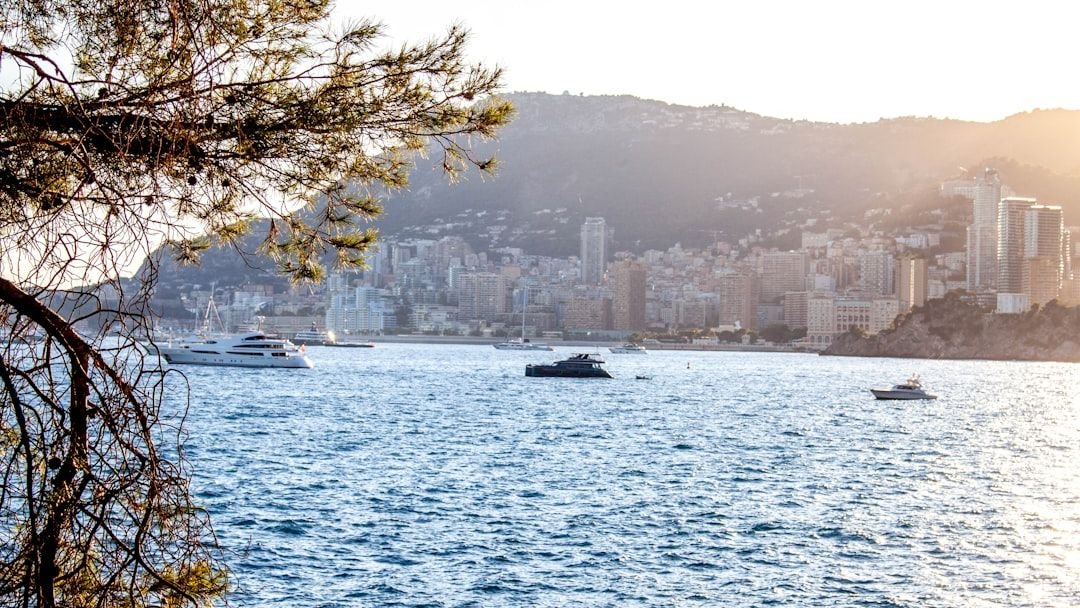
Monaco is a coastal microstate in Europe considered to be the safest country in the world in recent editions of the index, with the lowest exposure of 0.02 and vulnerability of 1.55 globally, along with very low susceptibility, coping deficiencies, and adaptive gaps. All metrics from the 2025 report indicate a strong level of urban resilience and minimal hazard threats. Located on the French Riviera with a coastline of less than 2.5 miles, Monaco is not located near tectonic plate boundaries or volcanoes, which reduces geological risk. It lies along the Mediterranean Sea, separated from major oceans by Italy, Spain, France, and northern Africa, which keeps the chance of tsunamis and floods very low.
The country’s strong economy and immense wealth drive its resilience. Often recognized as one of the world’s most expensive places, it has the highest number of millionaires and billionaires per capita in the world, and this abundant wealth translates to high-quality services from education to transportation. Monaco would also have support from France, which manages the defense and safety of the microstate. It is genuinely hard to imagine a more protected urban environment.
3. Qatar: Shielded by Geography and Wealth
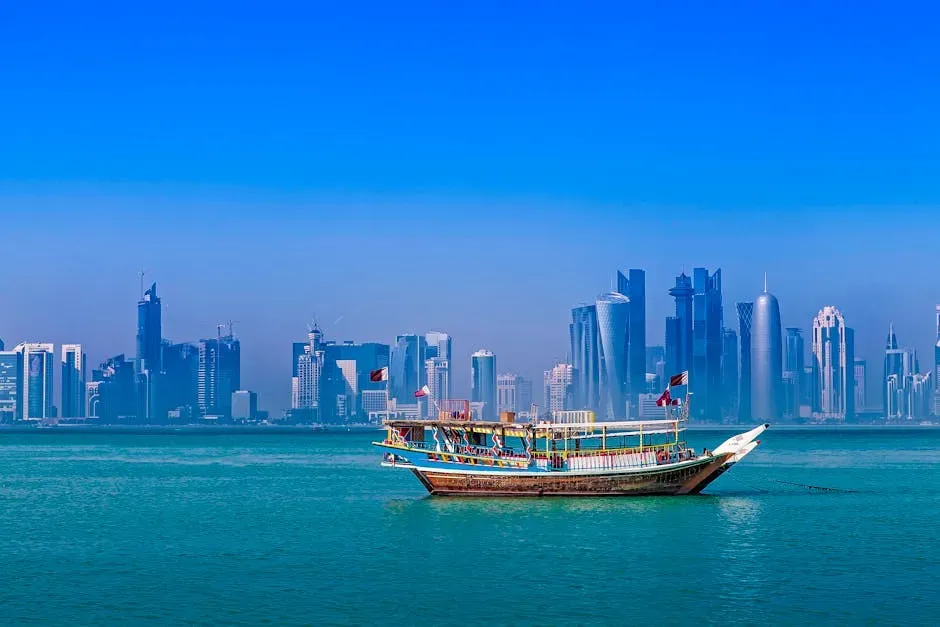
Qatar is considered one of the safest countries in the world in terms of natural disaster danger because its geographical position is protected from tropical cyclones. It is also far from fault lines, which makes it essentially free from the risk of earthquakes or dangerous volcanic activity. With its sheltered position inside the Persian Gulf, Qatar is protected from tropical cyclones, and there are no earthquakes or volcanoes because it sits far from any fault lines. Most of the terrain consists of barren plains and sand dunes, and with no forests, there is no risk of uncontrollable wildfires.
According to the World Risk Index, Qatar has consistently scored among the very lowest for disaster risk globally, with exceptionally low results for both its exposure and vulnerability indicators. As a wealthy, industrialized nation, Qatar also has well-developed infrastructure that would allow the country to recover quickly if a catastrophe ever did occur. The combination of fortunate geography and concentrated financial resources makes it nearly uniquely safe.
4. Malta: Mediterranean Calm in a Seismic Neighborhood
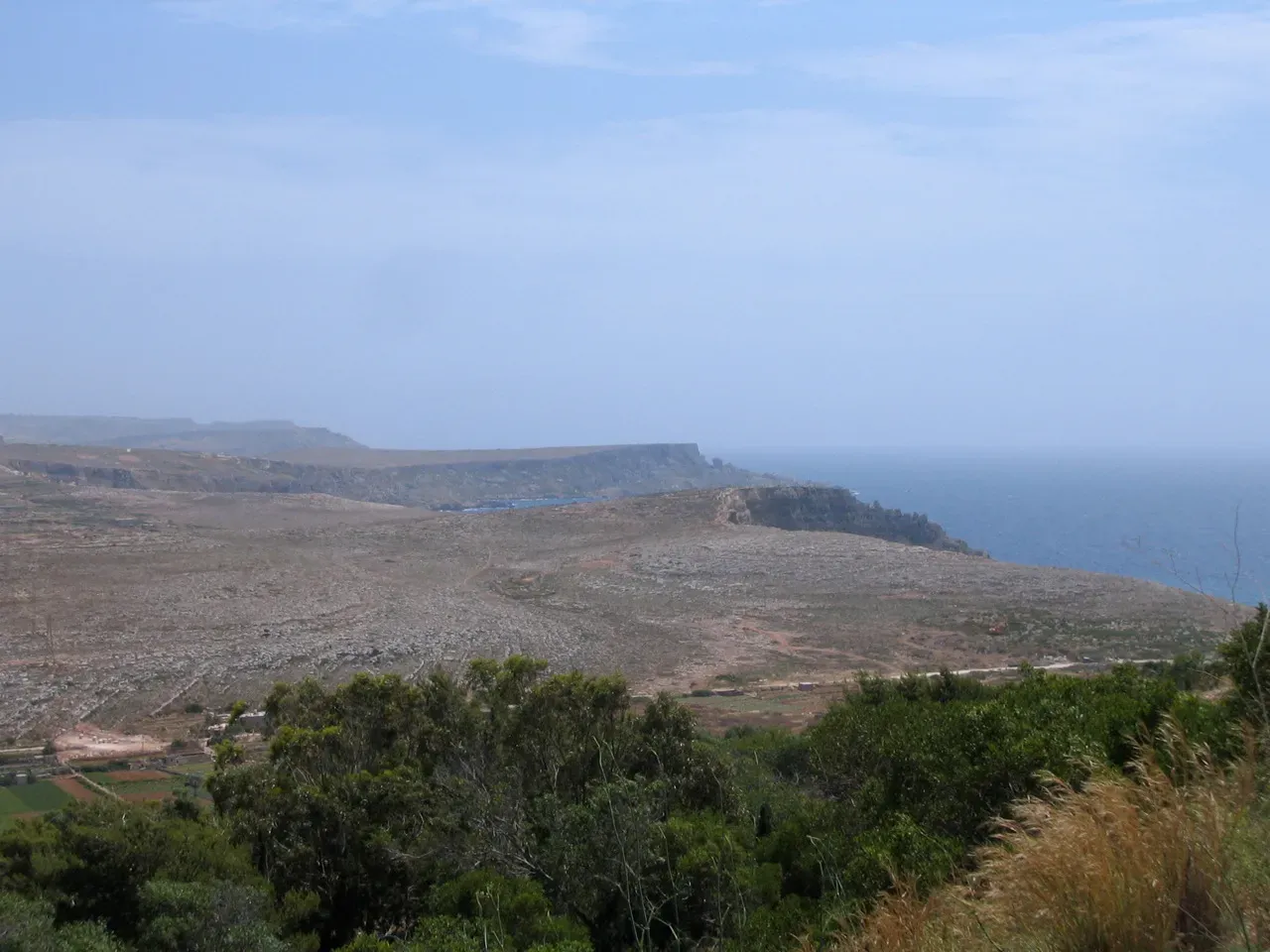
This island nation located south of Sicily in the Mediterranean Sea is often ranked as one of the least likely countries to experience natural disasters. Unlike Qatar, Malta is quite close to the fault line of the European plate, but earthquakes are very rare here, with only seven recorded in the last 500 years. While the country lies in a significant seismic zone along the Maltese Archipelago, there is little to no history of damaging earthquakes, and in terms of water-related disasters, Malta can defend itself effectively due to its strong infrastructure.
Malta, like the rest of the Mediterranean region, does not get hurricanes, and the last time the island experienced a major tornado was in the 1550s. Malta also has well-prepared infrastructure to deal with natural disasters should they arise. For a small island in a busy oceanic region, that record speaks for itself. The climate is mild, storms are weak, and serious geological events remain extraordinarily rare.
5. Saudi Arabia: Desert Terrain as a Natural Buffer
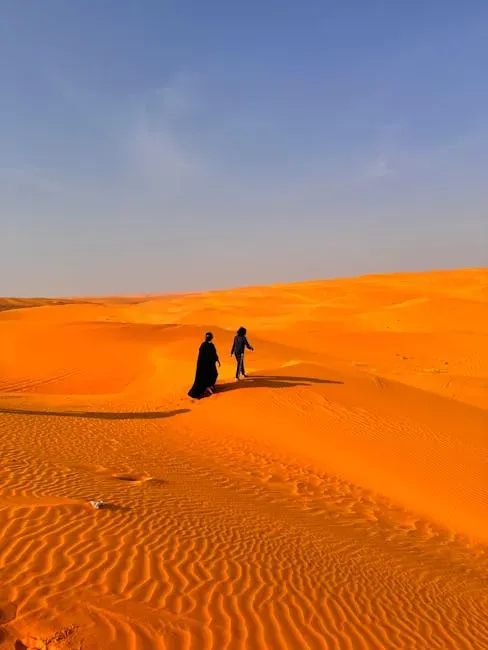
Saudi Arabia holds an overall World Risk Index score of only 1.04, a result driven by its low exposure and vulnerability metrics. Saudi Arabia shares many of the same geographic advantages that keep Qatar safe. It only rarely experiences earthquakes or dangerous weather conditions such as flash floods or dust storms, and as one of the world’s wealthiest countries, it has well-developed infrastructure to keep citizens safe in the event of a disaster.
Saudi Arabia shows a relatively strong performance in the susceptibility category of the World Risk Index, meaning populations there are less likely to suffer serious harm even when extreme natural events do occur. The vast arid interior, combined with its distance from major storm-generating ocean systems, means the kingdom faces remarkably little environmental volatility. Flash floods in seasonal valleys and occasional sandstorms are the main hazards, but neither poses a systemic threat at national scale.
6. The Philippines: The World’s Highest-Risk Country
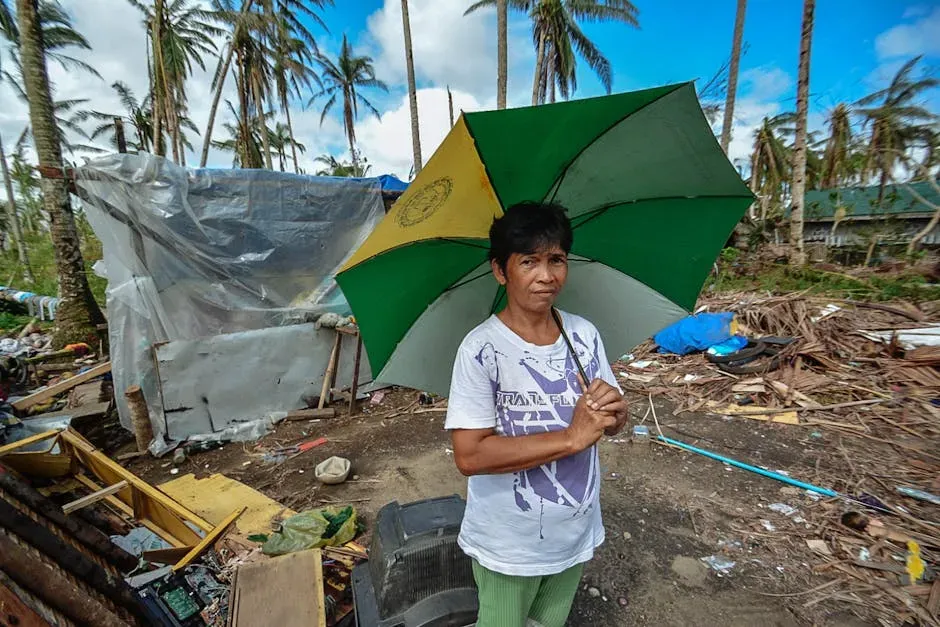
The Philippines is prone to natural disasters due to being located on the Circum-Pacific belt, otherwise known as the Pacific Ring of Fire, where most earthquakes and volcanic eruptions take place along the ring. According to the World Risk Index 2025, the Philippines ranked as the country with the highest risk rate, with a score of 46.56. Natural hazards include the infamous typhoon belt, which typically brings five to six cyclonic storms yearly. Active volcanoes, landslides, tsunamis, and destructive earthquakes compound this threat further.
The Philippines, a nation known for its high geographic fragmentation and high susceptibility to weather-related extremes, is again at the top of the World Risk Index in the 2025 edition. In February 2024, a landslide following heavy rainfall in Maco, Davao de Oro, killed at least 100 people and affected roughly 7,000 more. Events like that are not outliers for the Philippines. They are part of a near-constant cycle of disaster response that strains communities and government resources year after year.
7. Indonesia: Sitting on Three Tectonic Plates
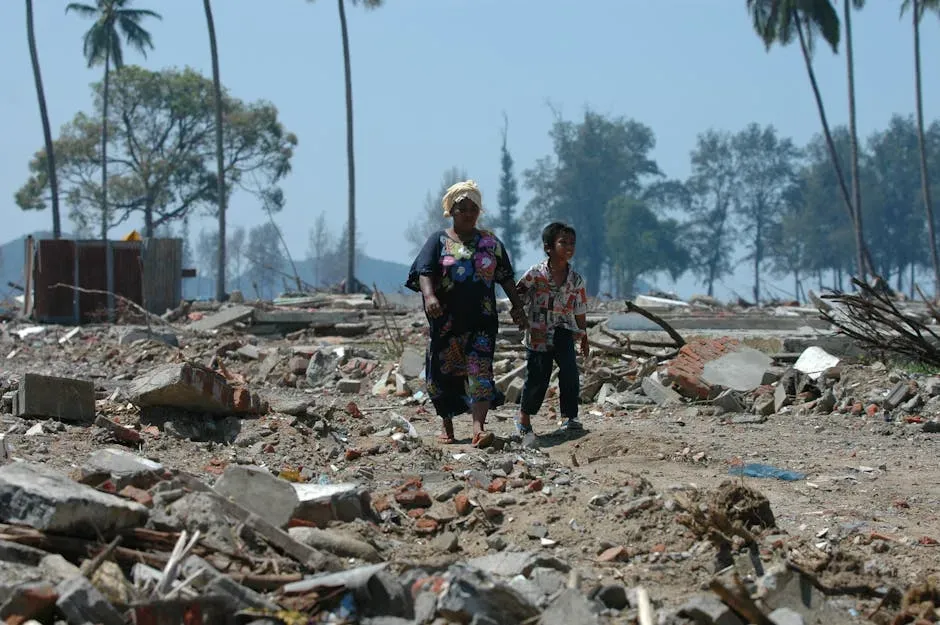
Indonesia has an even greater susceptibility to earthquakes than the Philippines due to being situated on three tectonic plates. The country’s risk index rating is among the highest in the world. Natural disaster risks include occasional flooding, volcanoes, earthquakes, and severe droughts, and Indonesia has the most volcanoes of all countries on earth. The monsoon season usually occurs between November and March, causing floods and landslides across Indonesia’s archipelago, which consists of over 17,000 islands.
In March 2024, floods and landslides on Indonesia’s island of Sumatra affected up to 15,500 children and 40,000 families, killing at least 263 people. The World Risk Report 2025 highlights how the risks of flooding disasters are increasing further as climate change and human-driven changes in land use alter natural systems. Indonesia’s combination of geological instability, extreme weather, and rapid development in flood-prone areas is pushing its risk profile in the wrong direction.
8. India: Where Vulnerability Meets Scale
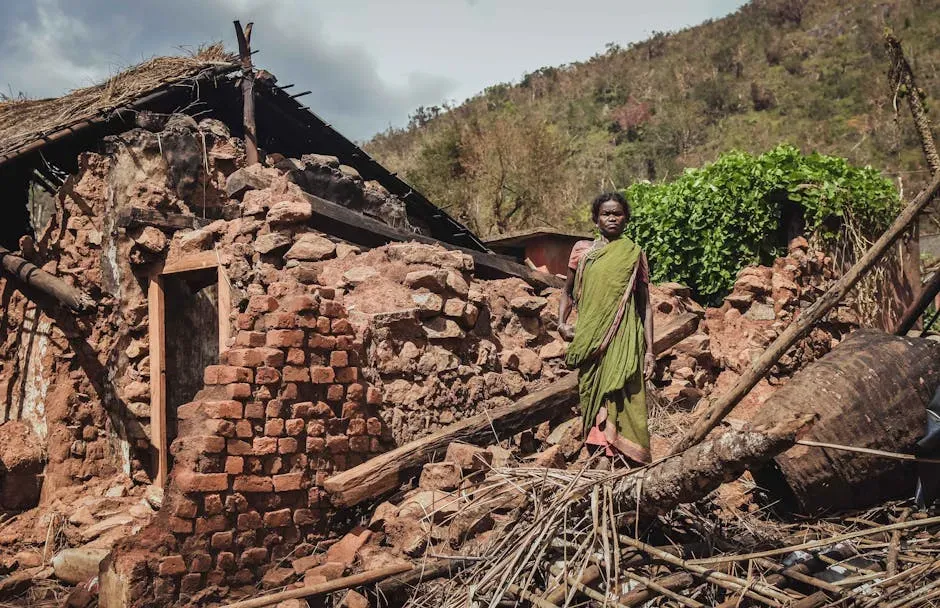
Twenty-seven of India’s 29 states are constantly exposed to floods, cyclones, droughts, earthquakes, and landslides. India’s susceptibility to natural disasters can be attributed to diverse topographic features including earthquake-induced landslides in the Himalayas, flooding-prone plains in the mainland, and tsunami waves caused by tectonic movements in coastal regions, as well as tropical cyclones that occur in both May to June and October to November.
The World Risk Report 2025 confirms that the Philippines, India, and Indonesia have the highest overall disaster risk globally. Since the century began, natural disasters have become more frequent, with every single year since 2013 recording more than 400 events. India’s combination of enormous population, geographic diversity, and regions with limited adaptive infrastructure means the human cost of each disaster tends to be far larger than in wealthier, better-prepared nations.
A World of Widening Gaps
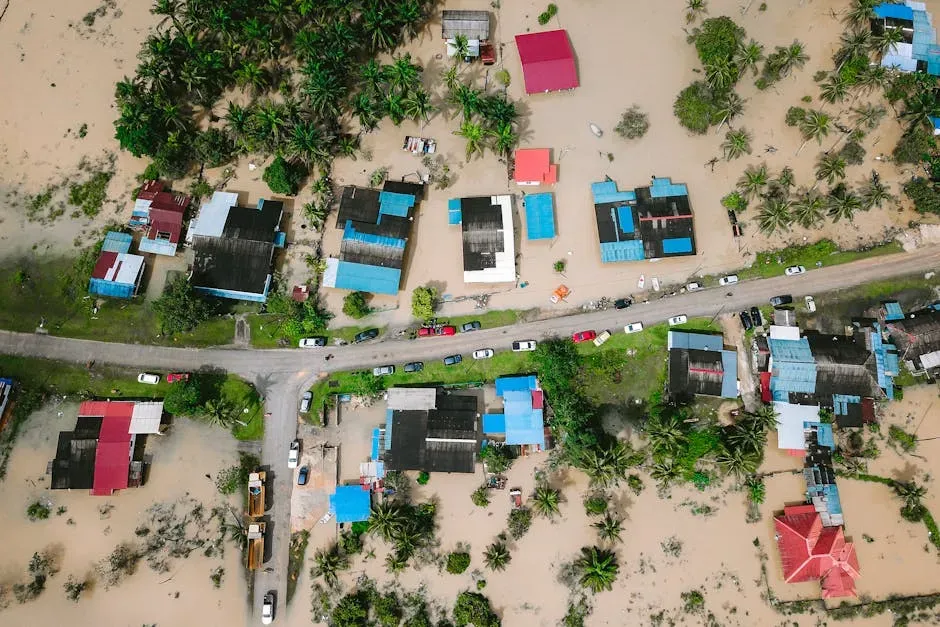
In 2025, risk hotspots remain concentrated in Asia and the Americas. Meanwhile, Africa continues to show the highest levels of vulnerability worldwide, with almost 80 percent of the continent classified as high or very high-risk areas. The frequency of natural disasters is reportedly increasing overall. Currently, around 400 natural disasters occur each year, impacting roughly 200 million people, which is nearly double the number that took place just 20 years ago.
Climate-related events are more common than geophysical ones, accounting for almost 80 percent of all natural disasters, and the upward trend can be mostly associated with climate change and its escalating impact. The World Risk Index is a statistical model that provides an assessment of the latent risk of 193 countries, built on the understanding that disaster risks are not solely shaped by natural events but that social factors, political conditions, and economic structures are equally responsible for whether disasters actually occur. Geography still matters enormously, but increasingly it is a country’s capacity to prepare, respond, and rebuild that determines how severe a disaster truly becomes.

