


- The Real Cost of Ignoring Flood Risk: 7 Numbers That Will Change How You Think About It - July 22, 2026
- The Midwest vs. the Northeast: Which Region Will Take In More Climate Migrants? - July 22, 2026
- The Fastest-Warming State in America Is Not Where You’d Expect – Here’s Where It Actually Is - July 22, 2026
Spending six months aboard the International Space Station means learning to live in a place where every ordinary task becomes an exercise in problem-solving. Water floats in perfect spheres. Crumbs drift toward air vents. Even getting dressed requires a little strategy when your arms tend to float sideways instead of hanging at your sides. Life in microgravity demands that astronauts rethink almost everything they learned growing up on Earth.
The term “zero gravity” is actually a bit misleading. Gravity exists everywhere in the universe. What astronauts experience aboard the ISS isn’t the absence of gravity but rather microgravity. The station orbits Earth at about 400 kilometers above the surface and is constantly falling toward our planet. Because it moves forward at roughly 28,000 kilometers per hour, it never hits the ground – it just keeps falling around Earth. That continuous free-fall creates the sensation of weightlessness.
The Sleeping Quarters: Smaller Than a Phone Booth
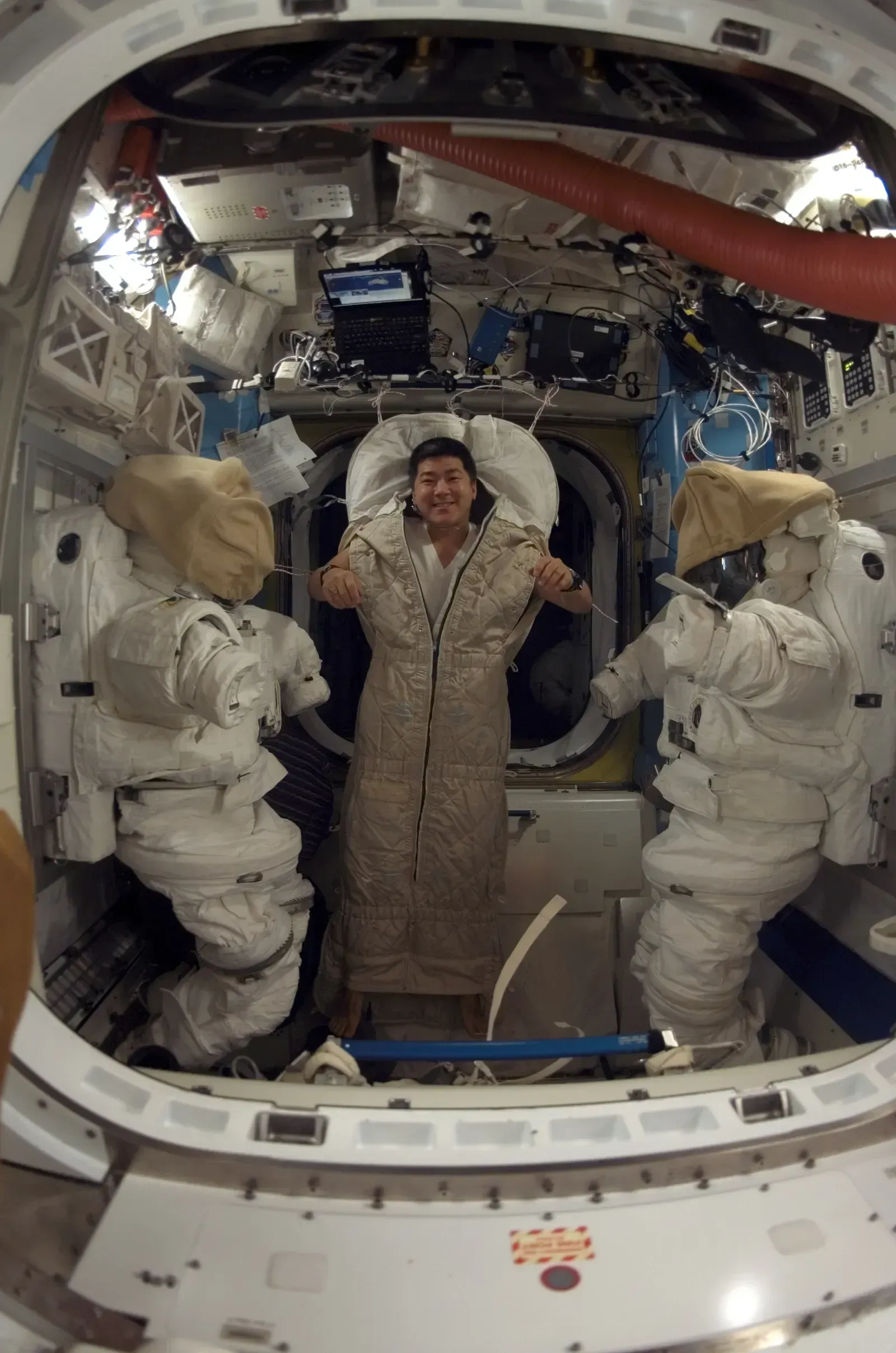
On the ISS, astronauts sleep in quarters roughly the size of a phone booth, cocooning themselves in a sleeping bag tethered to a wall. Personal sleeping areas are specifically designed so each astronaut has a private space. Each one is padded to reduce noise and sunlight, and sleeping bags are tethered with bungee cords to keep astronauts secured – most sleep in an upright position.
Good ventilation near sleeping areas is essential. In the weightless environment of space, astronauts expel carbon dioxide that could form a bubble around their heads. They sleep near an air vent to avoid this potential lack of oxygen to the brain. Even though astronauts are allotted about 8.5 hours for sleep every day, many have reported needing only about six hours to feel fully rested. Some specialists believe this is because the body tires less quickly in weightlessness, since the muscles don’t have to work as hard as on Earth.
Disrupted Body Clocks and the 16-Sunrise Problem

On the ISS, the sun rises and sets every 90 minutes due to the station’s orbital speed. Astronauts experience 16 sunrises and sunsets daily, which can deeply confuse their internal body clocks. Human beings have been conditioned by millions of years of evolution to a 24-hour daily cycle, and so-called circadian rhythms of waking and sleeping are hard-wired into our brains and bodies. Astronauts work and sleep to fixed schedules that match these ancient rhythms. Any other arrangement would soon have crews living in a state of permanent jet lag.
To manage this, astronauts follow precise schedules with regular sleep and wake periods to regulate their circadian rhythms, and special lamps on the ISS adjust the intensity and color of light to simulate Earth’s day-night cycle. Astronauts also wear earplugs to combat the constant noise of machinery and face masks to block out bright light.
Eating in Space: Straws, Pouches, and a Dulled Sense of Taste
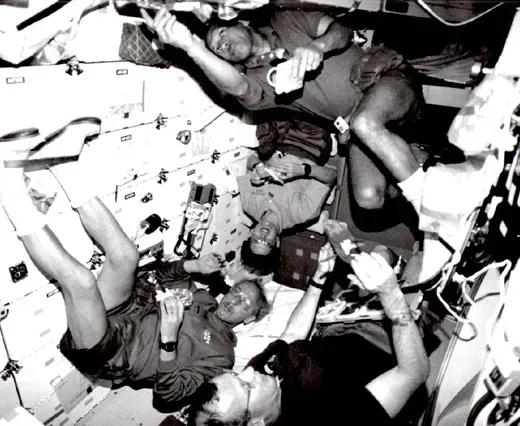
In microgravity, liquids form floating spheres and food crumbs can become a hazard if they get into ventilation systems. That’s why astronauts eat specially prepared meals that minimize mess. Food comes in vacuum-sealed pouches, and drinks are sipped through straws attached to bags to prevent spills. The menu of space food on the ISS consists of more than 300 different items. Most space food keeps well and is often kept in plastic containers. Some can be prepared by adding cold or hot water, and some can be heated in an oven. There are also items ready to eat as is, such as nuts, breads, and fruits.
Prolonged microgravity dulls the tastebuds, so spicy food is usually a crew favorite. Astronauts select roughly a fifth of their food items and beverages, while the remaining portion comes from a shared, standard set of foods. Resupply vehicles arrive several times a year, bringing some fresh fruits and vegetables and semi-shelf-stable specialty items. Astronauts report that these deliveries provide profound psychological benefits.
Staying Fit Against Bone and Muscle Loss
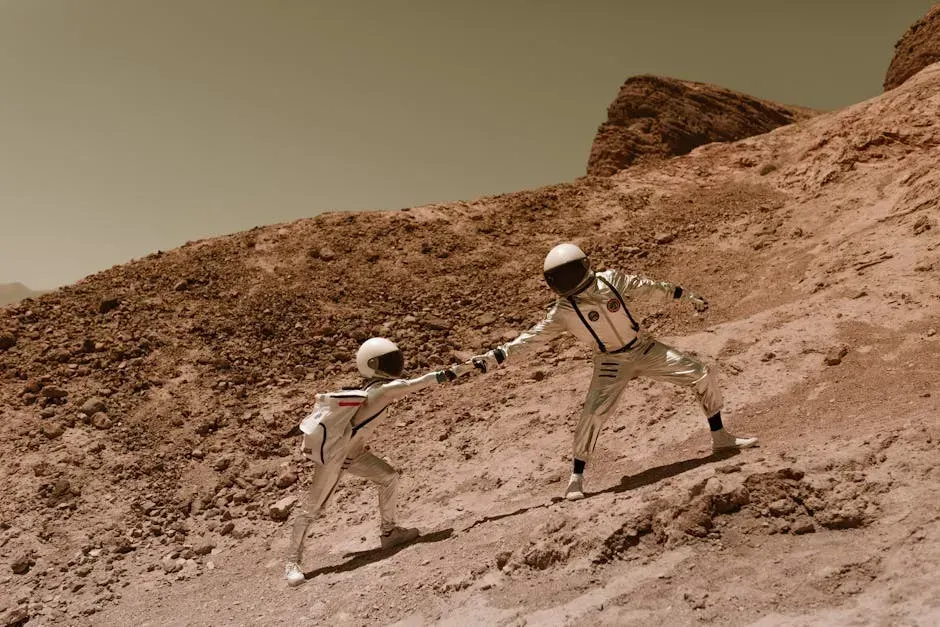
Without Earth’s gravity, both bone and muscle atrophy, becoming smaller and weaker. Scientists realized early on that exercise is a critical part of maintaining healthy bones and muscles in space, just as it is on Earth. To maintain their strength and endurance, crew members are scheduled for two and a half hours of daily exercise to support muscle, bone, aerobic, and sensorimotor health. Current equipment onboard includes the ARED, which mimics weightlifting; a treadmill called T2; and the CEVIS cycling machine for cardiovascular exercise.
Despite a rigorous exercise regime, astronauts lose an average of about one percent of their bone density per month in space. The ISS has both a treadmill and an exercise bike, and astronauts have to strap themselves down to the exercise machines – unrestrained, their own efforts would make them float away. The body in microgravity is essentially on a slow, passive vacation from the effort of simply standing upright, which makes deliberate exercise all the more important.
Hygiene Without Running Water
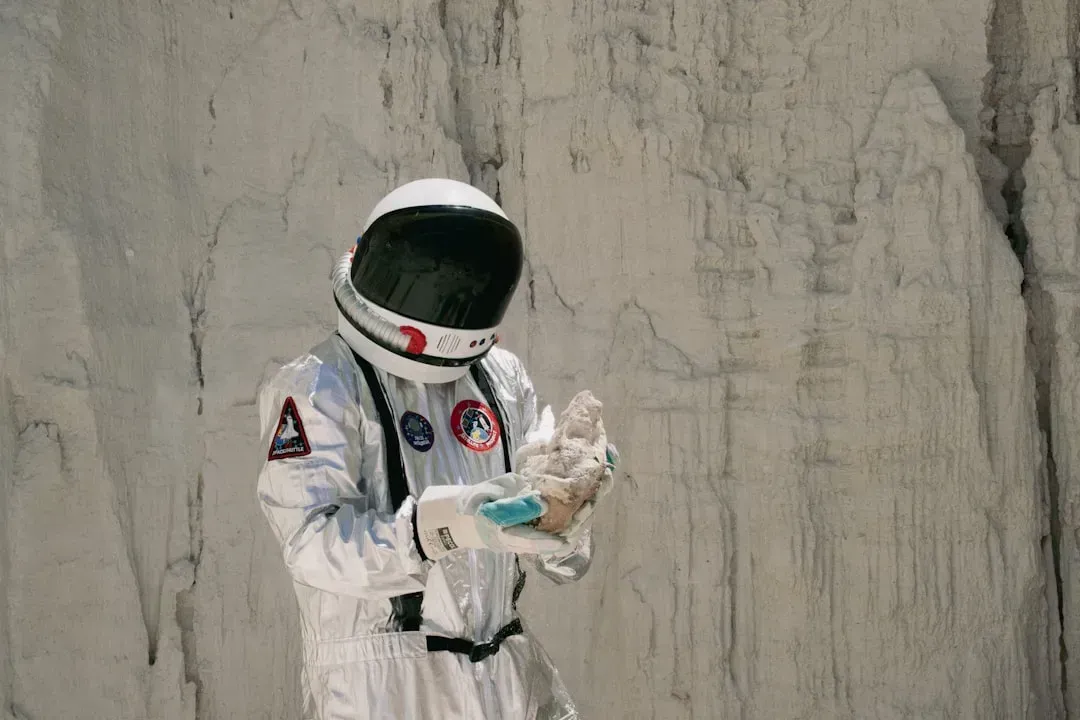
Astronauts living and working in space have the same hygiene needs as people on Earth. They wash their hair, brush their teeth, shave, and go to the bathroom. They wear disposable clothes, replacing them roughly every three days, because there are no washing machines in space. Astronauts wash with wet towels, as there is no shower on the ISS.
Astronauts maintain their hygiene using specially designed tools to accommodate the absence of gravity, such as no-rinse shampoo and body wipes. To brush their teeth, they use a small amount of water and swallow the toothpaste after brushing. For male crew members, wet shaving remains a laborious task. Surface tension generally keeps water and shaving cream stuck to the face, while cream and stubble stick to the razor blade until wiped on a towel, which is then rolled up to prevent deposits from escaping.
Using the Toilet in Microgravity
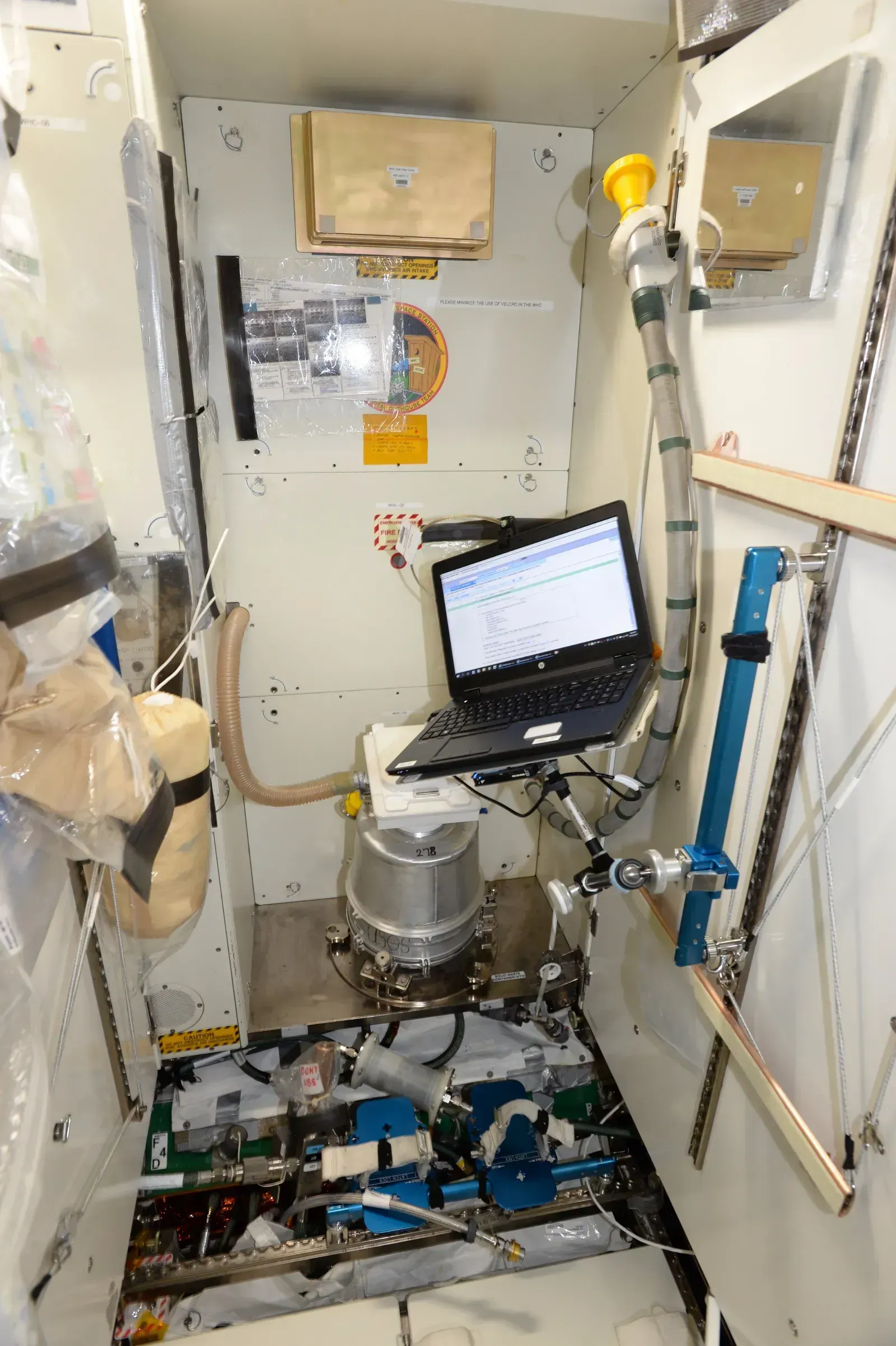
Because of microgravity, the space station toilet is more complex than what people use on Earth. Astronauts have to position themselves on the toilet seat using leg restraints. The toilet basically works like a vacuum cleaner, with fans that suck air and waste into the commode. Each astronaut has a personal urinal funnel that must be attached to the hose’s adapter. Fans then suck air and urine through the funnel and the hose into a wastewater tank.
To minimize resupply needs, the ISS life-support systems are designed to recycle as much as possible. Wastewater from urine and moisture condensed from the air is either purified and reused directly, or broken down by electrolysis to provide fresh oxygen. Carbon dioxide scrubbers chemically remove that toxic gas from the air. It’s a closed-loop system that makes efficiency not just a preference but an absolute necessity.
The Noise, the Movement, and the “Simian Hunch”
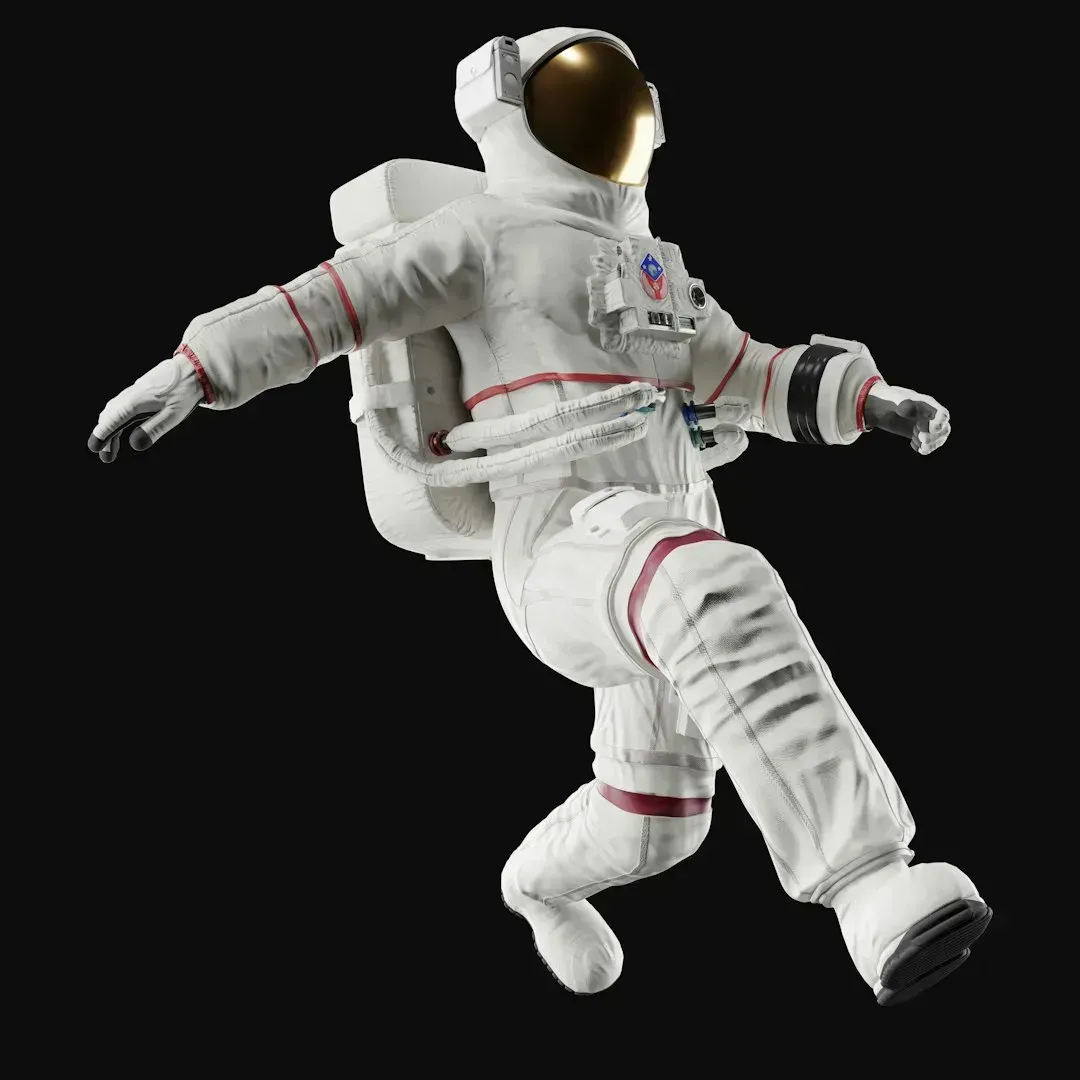
Along with other station equipment, fans and air filters make for a noisy environment – some astronauts have compared duty on a space station to living inside a giant vacuum cleaner. Most eventually acclimatize to the noise, just as people on Earth get used to living on a main road. The background sound of these systems dedicated to keeping them alive actually seems reassuring.
Once stirred in the morning, astronauts tend to adopt a fetus-like posture as they move weightlessly about the station. Sometimes referred to unflatteringly as the “simian hunch,” it seems to be the natural human attitude in microgravity. Generally, days in orbit are busy, and when heavy equipment has to be moved, they can be exhausting. Just because a crate of scientific gear is weightless doesn’t mean it has lost its mass. Astronauts have to pull and push against inertia, often working in strange positions for which human muscles are not well adapted.
Mental Health, Leisure, and Staying Connected to Earth
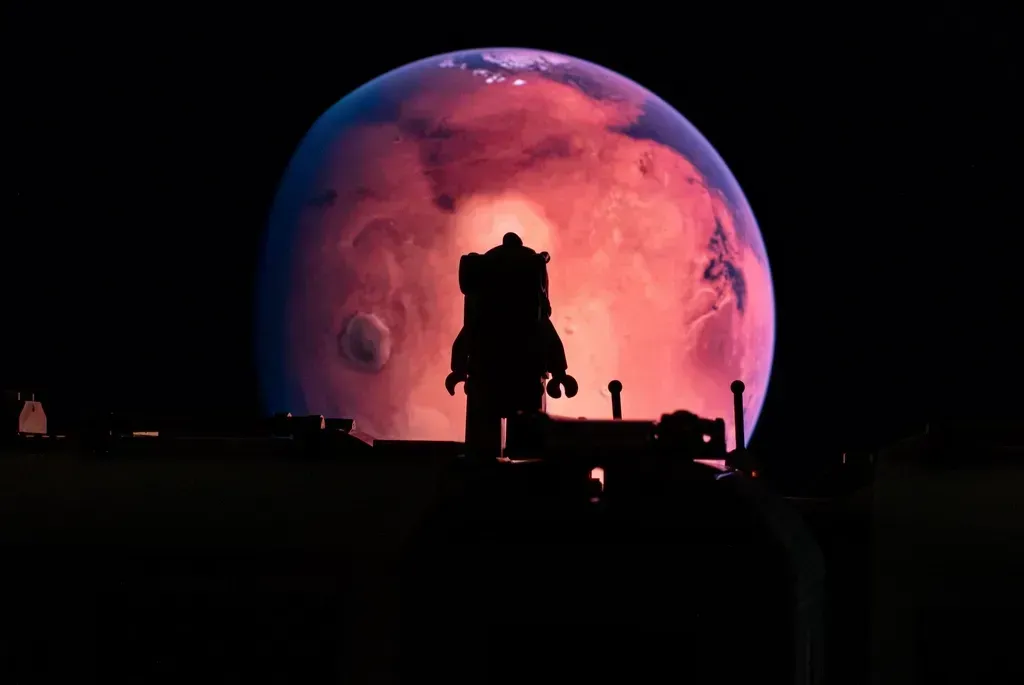
Astronauts spend months away from their families in a confined space, leading to feelings of loneliness and homesickness. The ISS orbits Earth every 90 minutes, and these repeated sunrises disrupt circadian rhythms, making sleep difficult. Taken together, the psychological demands of the mission are real and ongoing. Food actually plays a critical social and psychological role during an astronaut’s stay on the ISS. Crew members have the opportunity to supplement standard menu choices with personal favorites, which provide comfort while away from home.
Staying in contact with family and mission control is a vital part of living in space. Astronauts use email, calls, and video to connect with their families, which is important for their mental well-being during long missions. They have weekly video calls, often on weekends, to participate in family events remotely. Many astronauts also describe a profound shift in perspective when they see Earth from space, realizing how small and fragile the planet is, which leads to a deep sense of interconnectedness and environmental awareness.
The Science and the Work Day
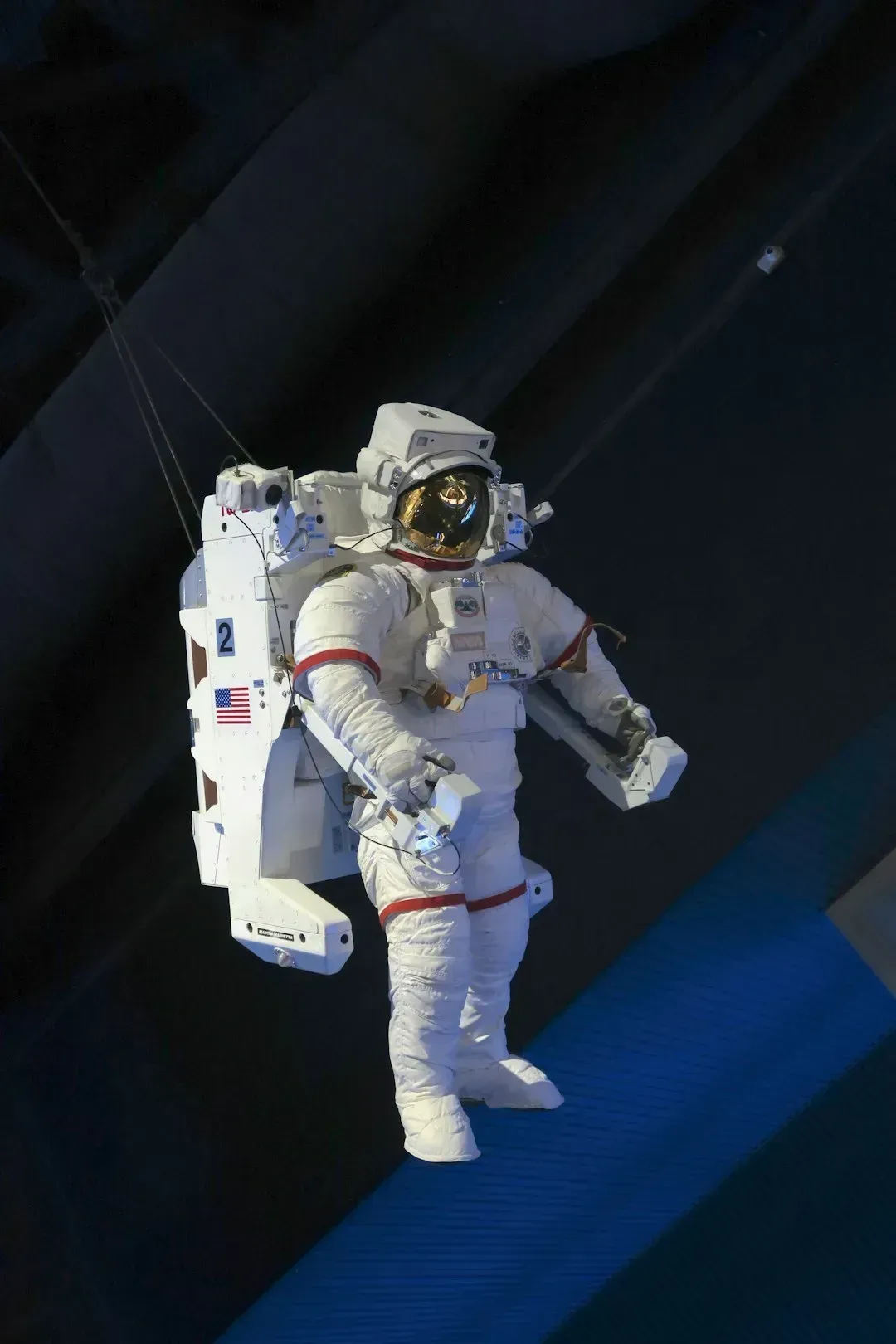
The bulk of an astronaut’s day is dedicated to scientific research, maintenance of the ISS, and exercise. After eating, astronauts settle down to the assigned tasks of the day, either supervising experiments or performing routine maintenance on station equipment. It takes a complex array of machinery to keep people alive and well in orbit. Mission Control also monitors the ISS from the ground and sends instructions via email or voice message each day about any work that may need to be done. If a task calls for it, an astronaut may have to suit up and conduct a spacewalk.
A key part of an astronaut’s job is performing maintenance on space stations and their systems. They also conduct scientific experiments and monitor how the human body reacts to the space environment to help improve conditions for future missions. NASA’s nutritional biochemistry dietitians and scientists determine the nutrients each astronaut requires while in space. The team tracks what each crew member eats through a tablet-based tracking program, which each astronaut completes daily. The data is sent to dietitians weekly to monitor dietary intake.
