

- How Astronauts Eat, Sleep, and Live in Zero Gravity - May 19, 2026
- The Mysterious Origins of the Moon - May 19, 2026
- Astronomers Find Impossible Atmosphere Around Mysterious Solar System Object - May 19, 2026
A Violent Beginning: The Case for a Giant Impact
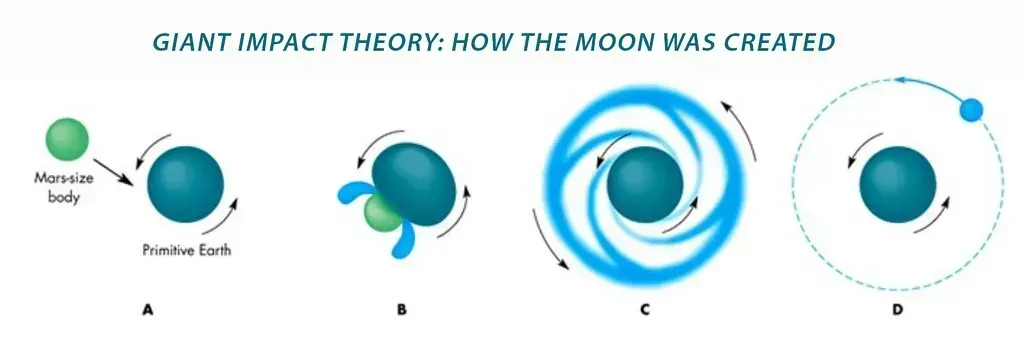
The origin of the Moon is usually explained by a Mars-sized body, known as Theia, striking Earth, creating a debris ring that eventually collected into a single natural satellite, the Moon. This is the so-called Giant Impact Hypothesis, and it remains the dominant framework in planetary science today. The scale of the event it proposes is almost incomprehensible.
The hypothesis suggests that the proto-Earth collided with a Mars-sized co-orbital protoplanet likely from the L4 or L5 Lagrange points of Earth’s orbit approximately 4.5 billion years ago in the early Hadean eon, about 20 to 100 million years after the Solar System formed, and some of the ejected debris from the impact event later re-accreted to form the Moon. The energy released in such a collision would have been staggering. The energy of such a giant impact is predicted to have heated Earth to produce a global magma ocean, and evidence of the resultant planetary differentiation of the heavier material sinking into Earth’s mantle has been documented.
Who Was Theia? The Mystery of the Impactor
A massive object named Theia, after the mythological Greek Titan who was the mother of Selene, goddess of the Moon, smashed into Earth, flinging material into space that became the Moon. The name is fitting. The hypothesis requires a collision between a proto-Earth about 90% of the diameter of present Earth, and another body the diameter of Mars, half of the terrestrial diameter and a tenth of its mass.
The origins of the giant impact theory date back to 1946, when Daly first proposed the idea of the Moon’s formation resulting from a giant impact, though this concept initially did not garner much attention. A resurgence in interest occurred in 1974, when Hartmann and Davis revisited the idea at an astronomical seminar. It took years of growing computer modeling capability and rock sample analysis before the idea really took hold. The giant-impact hypothesis is currently the favored hypothesis for lunar formation among astronomers.
The Isotope Crisis: When the Rocks Don’t Quite Add Up
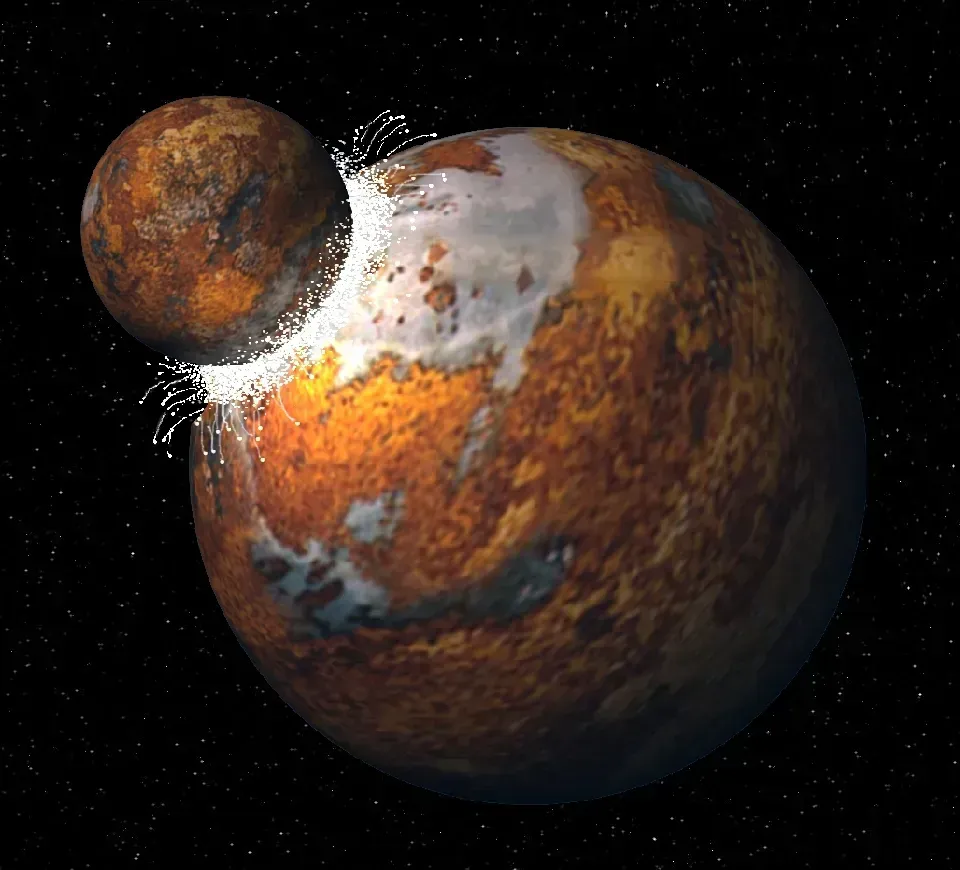
According to the canonical impact model, an impactor about the size of Mars collided with Earth, leading to the formation of a debris disk primarily composed of material from the impactor, within which the Moon subsequently formed. However, the canonical impact model faces an important challenge in accounting for the remarkably similar isotopic anomalies across various isotope systems observed in both Earth and the Moon, referred to as the “isotope crisis.” This has become one of the sharpest thorns in the side of the standard theory.
Surprisingly, the Apollo lunar samples carried an isotopic signature identical to Earth rocks, but different from other Solar System bodies. Because most of the material that went into orbit to form the Moon was thought to come from Theia, this observation was unexpected. In 2007, researchers from Caltech showed that the likelihood of Theia having an identical isotopic signature as the Earth is very small, less than one percent chance. This mismatch has driven a wave of new competing models.
Earth’s Mantle as the Moon’s True Parent?
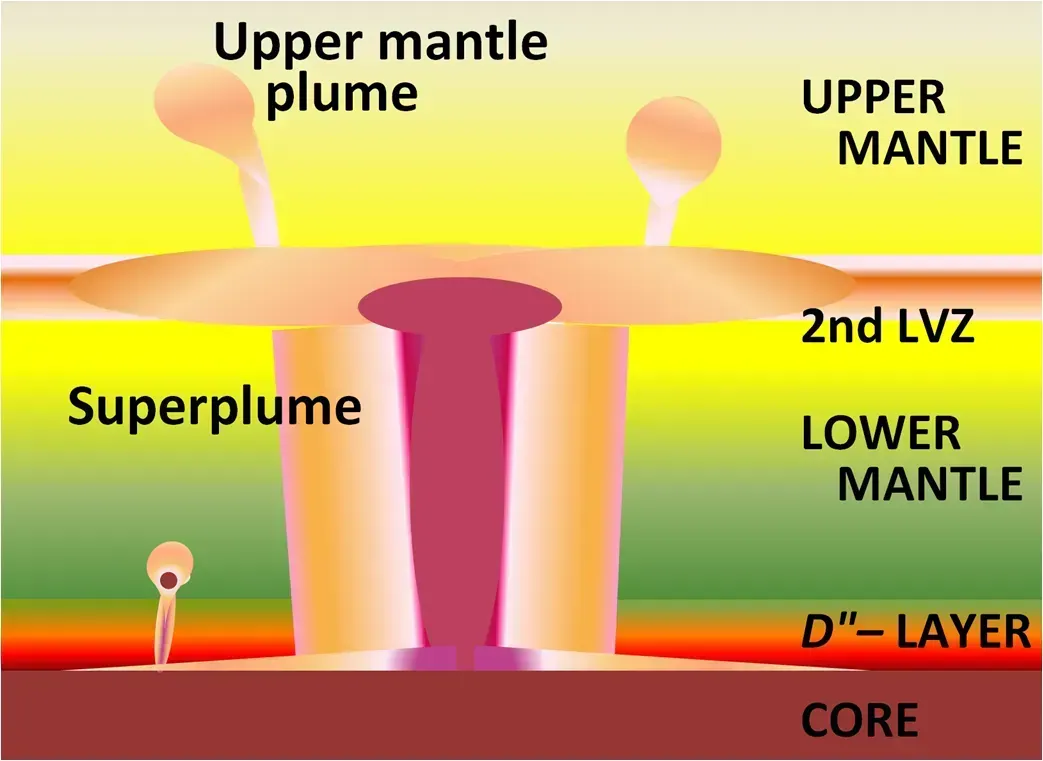
A research team from the University of Göttingen and the Max Planck Institute for Solar System Research made a significant discovery about the and the presence of water on Earth. Previously, scientists believed the Moon formed after a massive collision between early Earth and the protoplanet Theia. However, new findings suggest that the Moon was primarily created from material ejected from Earth’s mantle, with minimal contribution from Theia. This 2024 study, published in the Proceedings of the National Academy of Sciences, reshuffled some longstanding assumptions.
The researchers analyzed oxygen isotopes from 14 samples from the Moon and carried out 191 measurements on minerals from Earth. Isotopes are varieties of the same element that differ only in the weight of their nucleus. The team used an improved version of laser fluorination, a method in which oxygen is released from rock using a laser. The new measurements show a very high similarity between samples taken from both Earth and the Moon of an isotope called oxygen-17. The results point toward Theia playing a far smaller role in the Moon’s chemistry than previously thought.
Could the Moon Have Formed in Hours?
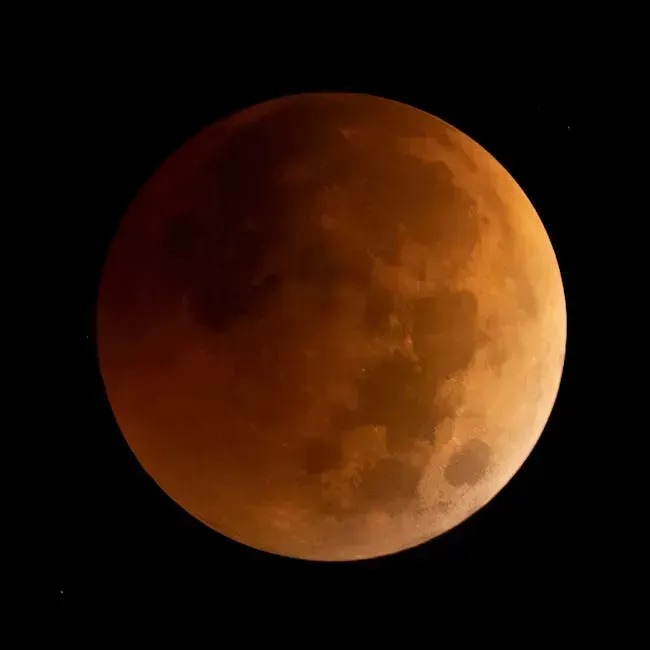
Most theories claim the Moon formed out of the debris of this collision, coalescing in orbit over months or years. A new simulation puts forth a different theory: the Moon may have formed immediately, in a matter of hours, when material from the Earth and Theia was launched directly into orbit after the impact. This is a dramatic departure from conventional thinking, and the simulation behind it was unusually detailed.
The simulations used in this research are some of the most detailed of their kind, operating at the highest resolution of any simulation run to study the Moon’s origins or other giant impacts. This extra computational power showed that lower-resolution simulations can miss out on important aspects of these kinds of collisions, allowing researchers to see new behaviors emerge in a way previous studies just couldn’t see. This scenario can put the Moon into a wide orbit with an interior that isn’t fully molten, potentially explaining properties like the Moon’s tilted orbit and thin crust, making it one of the most enticing explanations for the Moon’s origins yet.
The Synestia Model: A Moon Born Inside a Cloud of Vaporized Rock
There have been other theories proposed to explain the similarities in composition between Earth and the Moon, such as the synestia model, where the Moon is formed inside a swirl of vaporized rock from the collision, but these arguably struggle to explain the Moon’s current orbit. The synestia concept imagines the post-impact Earth not as a solid planet with a debris ring, but as a huge, doughnut-shaped cloud of vaporized silicate rock.
Evidence for nearly identical abundances and ratios of refractory lithophile elements in the Earth’s and Moon’s silicate portions calls for a new generation of Moon-formation testing. This marked consistency is a predicted outcome of the high-energy giant-impact model, which involves thorough chemical and isotopic mixing in a synestia. However, whether the canonical giant-impact model can produce such a notable similarity remains unclear. The debate between these models remains genuinely open.
Multiple Asteroid Impacts: An Alternative Worth Considering
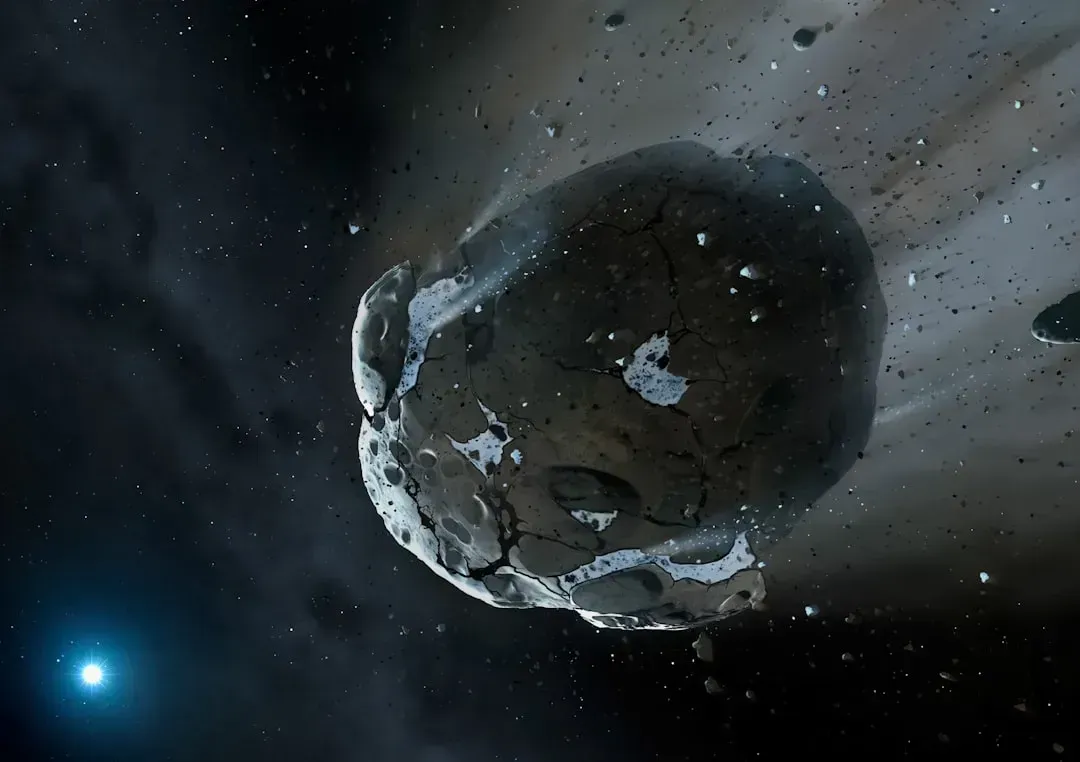
In 2004, Russian astrophysicist Nikolai Gorkavyi proposed a novel model titled the multiple large asteroid impacts model. The main idea suggests that the Moon was formed as a result of a violent rain of large asteroids, ranging from 1 to 100 kilometers in size, that repeatedly hammered the fledgling Earth over millions of years. Such a series of smaller impacts, which were probably more common in the early Solar System, could blast enough rocky Earth debris into orbit to form a protosatellite disk, which later forms into a small moonlet. As repeated impacts created more balls of debris, the moonlets could merge over time into one large moon.
This model gained support from a notable group of researchers, including a team at the Weizmann Institute of Science in 2017. One of its strengths is that it naturally explains why the Moon’s composition mirrors Earth’s so closely. If the Moon is built primarily from blasted-off chunks of Earth, there is no need to invoke an unusually Earth-like Theia. Other proposed scenarios include captured body, fission, formed together through accretion or a synestia, planetesimal collisions, and various collision theories.
The Lunar Magma Ocean: A World of Molten Rock
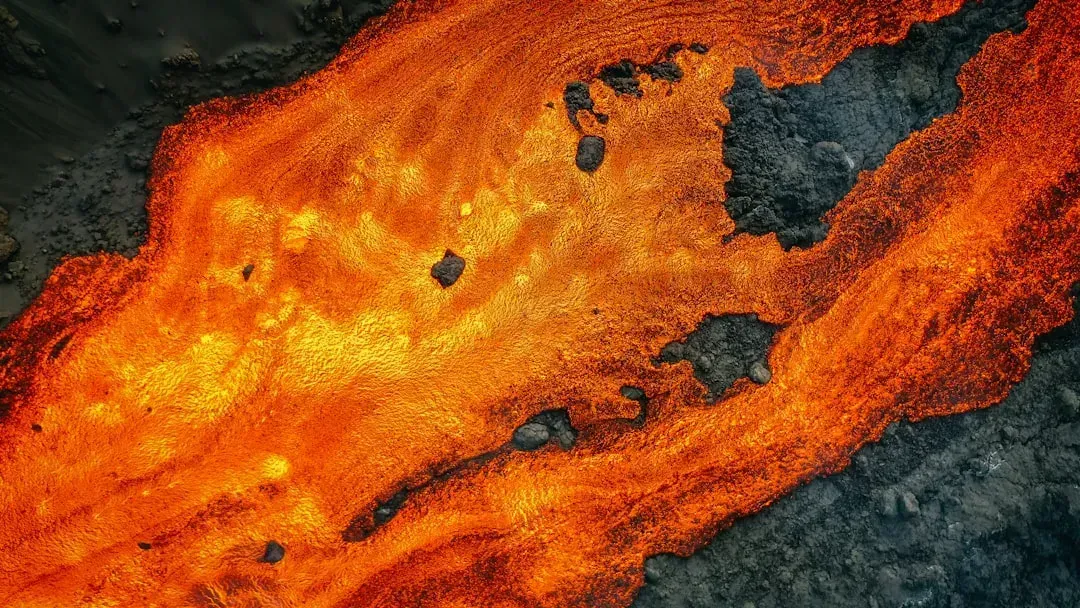
The Lunar Magma Ocean is the layer of molten rock that is theorized to have been present on the surface of the Moon. The LMO was likely present from the time of the Moon’s formation, about 4.5 or 4.4 billion years ago, to tens or hundreds of millions of years after that time. The LMO was a thermodynamic consequence of the Moon’s relatively rapid formation in the aftermath of a giant impact between the proto-Earth and another planetary body.
The low thermal conductivity of the lunar crust combined with heat extraction by partial melting of deep cumulates undergoing convection results in an LMO solidification time scale of 150 to 200 million years. Combining this result with a crystallization model of the LMO and with the ages and isotopic compositions of lunar samples indicates that the Moon formed 4.425 plus or minus 0.025 billion years ago. As the magma ocean slowly cooled, lunar rocks primarily made of plagioclase, called anorthosite, formed and floated towards the surface, making its primordial crust. The remaining dregs of melt situated between the mantle and the anorthositic crust solidified to form what is known as the urKREEP layer, enriched in potassium, rare-earth elements, and phosphorus.
The Moon’s Slow Drift Away From Earth
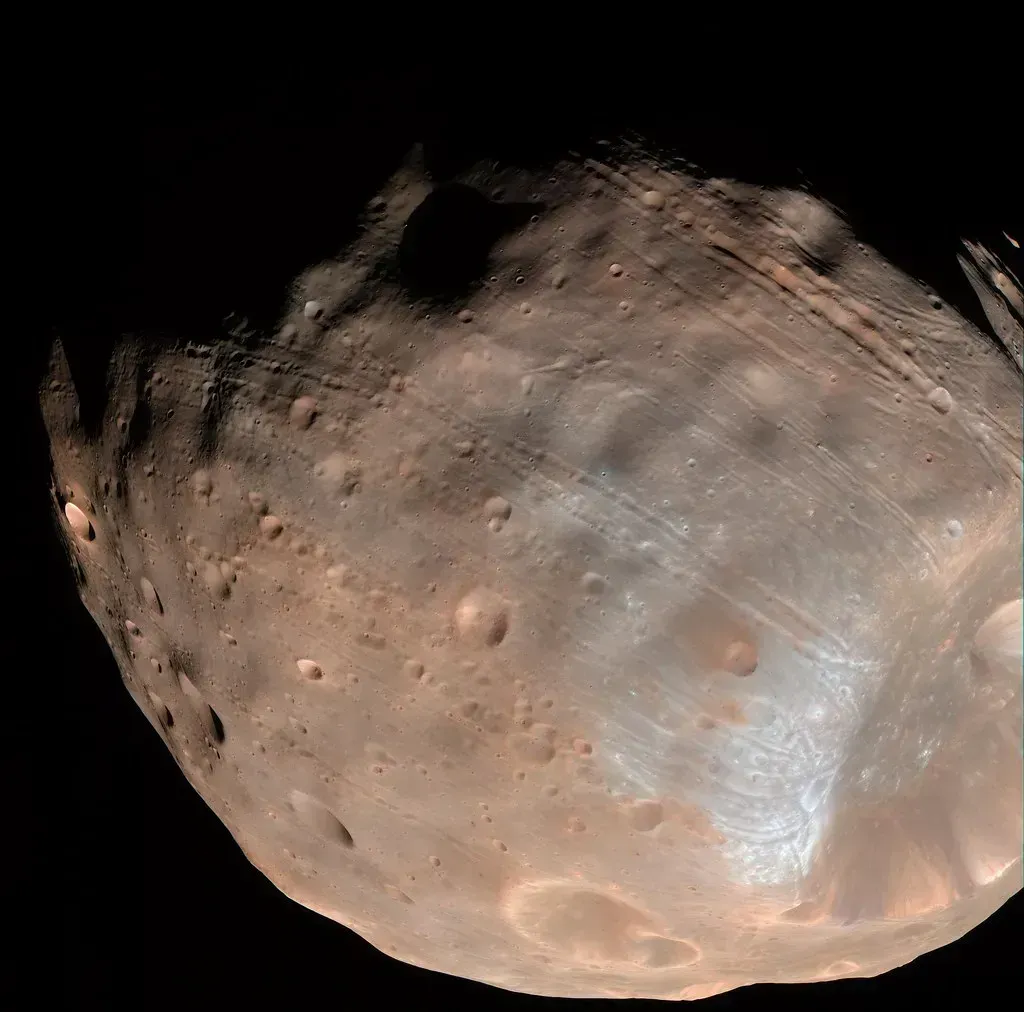
Surface reflectors placed on the Moon during Apollo show that the Moon moves away from Earth at the rate of about an inch and a half per year. This indicates that the Moon initially formed much closer to our planet, and therefore that the early Earth’s spin rate was much higher than it is today. The mechanism behind this slow retreat is tidal friction.
Friction with the ocean beds drags the tidal bulges eastward out of a direct Earth-Moon line, and since these bulges contain a lot of mass, their gravity pulls the Moon forward in its orbit. The increase in speed enlarges the Moon’s orbit. The day has been getting longer and longer by about 0.0016 seconds each century. Over billions of years, this has meaningfully reshaped the Earth-Moon relationship, and the Moon has helped stabilise Earth’s orbit and reduced polar motion, which has aided in producing our planet’s relatively stable climate.
What Future Missions Hope to Uncover
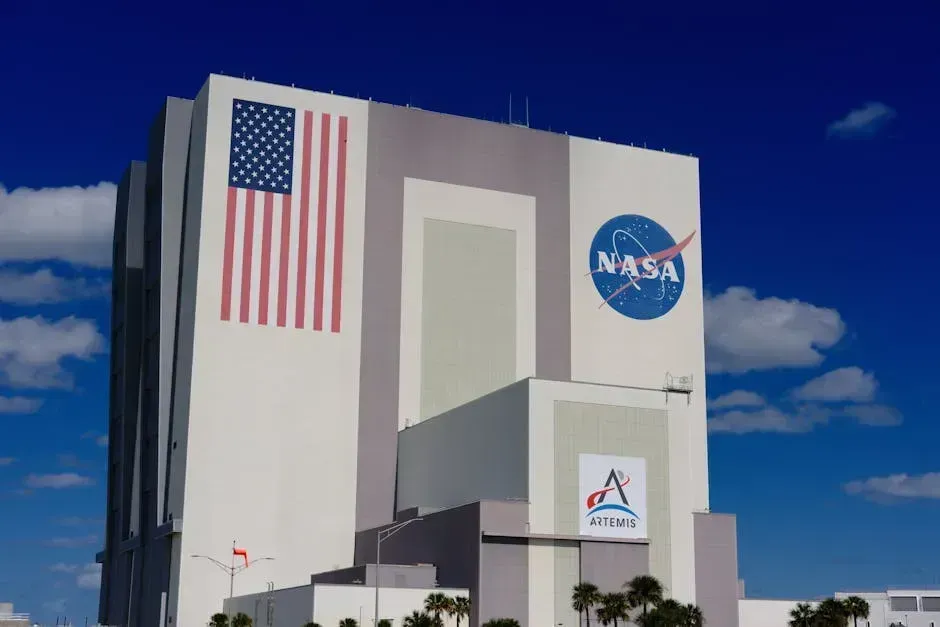
Getting closer to confirming which of these theories is correct will require analysis of future lunar samples brought back to Earth for study from NASA’s future Artemis missions. As scientists gain access to samples from other parts of the Moon and from deeper beneath the Moon’s surface, they will be able to compare how real-world data matches up to these simulated scenarios, and what they indicate about how the Moon has evolved over its billions of years of history.
The search for exploitable water ice is a high priority on NASA’s Artemis agenda as the agency seeks to establish a sustainable human presence on the Moon. Lunar water ice is believed to reside within permanently shadowed regions, or PSRs, contained within super-chilly cold traps, where gases can freeze to their solid form. NASA continues to target early 2028 for the first Artemis lunar landing. The samples those missions collect may finally close some of the most stubborn gaps in the Moon’s origin story, or they may open entirely new ones.
