

Most homeowners think about what happens inside their house when a storm rolls in. Fewer stop to think about what’s happening in the backyard first. That’s where a lot of the real risk quietly builds, season after season, often going unnoticed until the damage is already done.
In 2024 alone, the U.S. experienced 27 confirmed weather-related disasters with losses exceeding one billion dollars each, twice the annual average of similar disasters for the previous four decades. Yet in 2025, only roughly a third of homeowners reported taking proactive steps like trimming trees or reinforcing windows to reduce storm damage, down from 39 percent the year prior. The gap between rising risk and actual preparation is wide, and your backyard is often where that gap shows up most clearly.
1. Ignoring Yard Grading That Slopes Toward the House
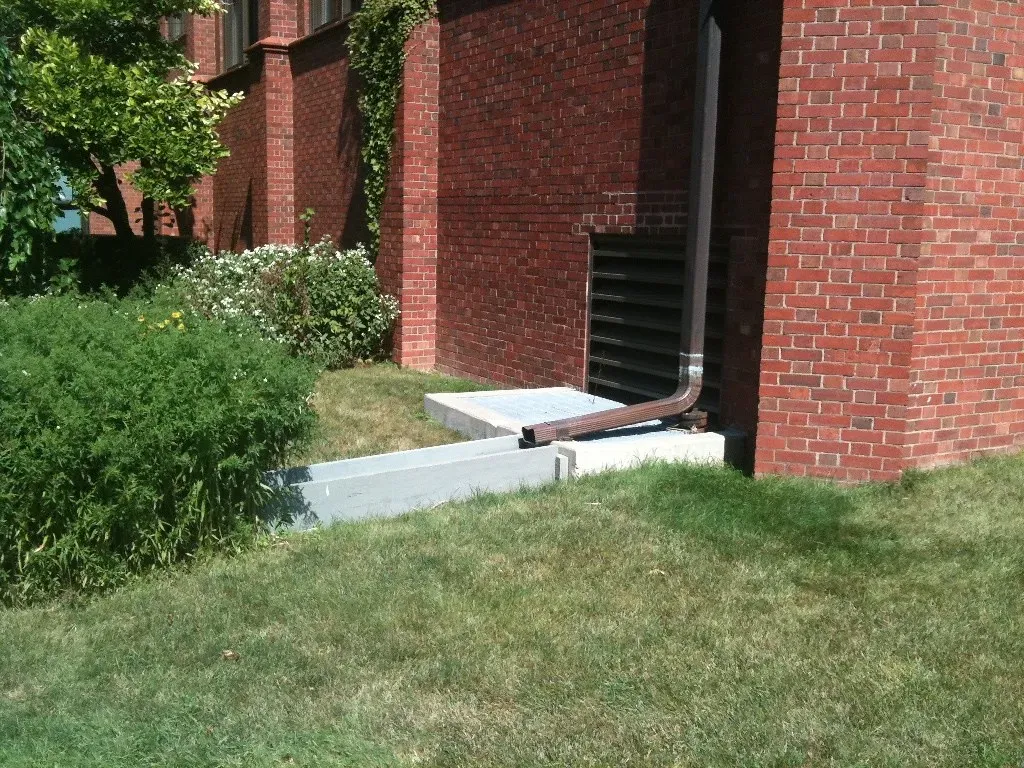
If your yard slopes toward your home, water can pool at the foundation rather than draining away. It sounds like a minor landscaping issue, but the consequences run deep. When water isn’t properly directed away from your home, it can saturate soil, increase pressure on foundation walls, and lead to cracks, basement moisture, and long-term structural issues.
According to the U.S. Department of Energy’s Building America Solution Center, just a few inches of rain on a typical suburban lot can generate nearly 10,000 gallons of water runoff. That volume has to go somewhere. Poor drainage can quietly redirect rainwater toward the foundation, increasing soil pressure and moisture buildup over time, and this often leads to cracking, settlement, and long-term structural stress that’s expensive to correct later.
2. Leaving Trees Untrimmed Near the Roof
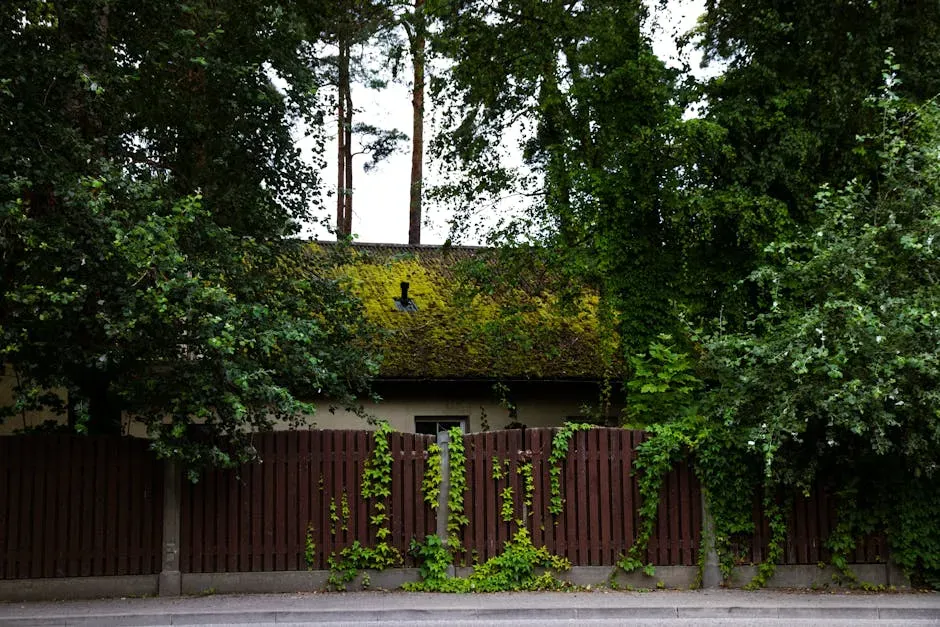
The National Storm Damage Center reports that trees damaged by severe weather cause more than one billion dollars in property damage in the United States each year. A big part of that figure traces back to routine neglect. Many times tree limbs are simply too close to the roof. Although these branches may be healthy, they still pose a serious threat. Just one branch blowing in the wind and continually rubbing a roof will soon damage the shingles’ protective outer layer, and when the top layer of the roof is compromised, leaks can occur.
Tree canopies can become overgrown and overly dense without consistent pruning. These types of canopies will catch a lot of wind, potentially leading to the tree toppling over when a strong storm picks up. Roofing contractors recommend trimming all branches that come within six feet of your roof. It’s one of the most straightforward preventive steps a homeowner can take before storm season.
3. Not Cleaning Gutters Before Storm Season
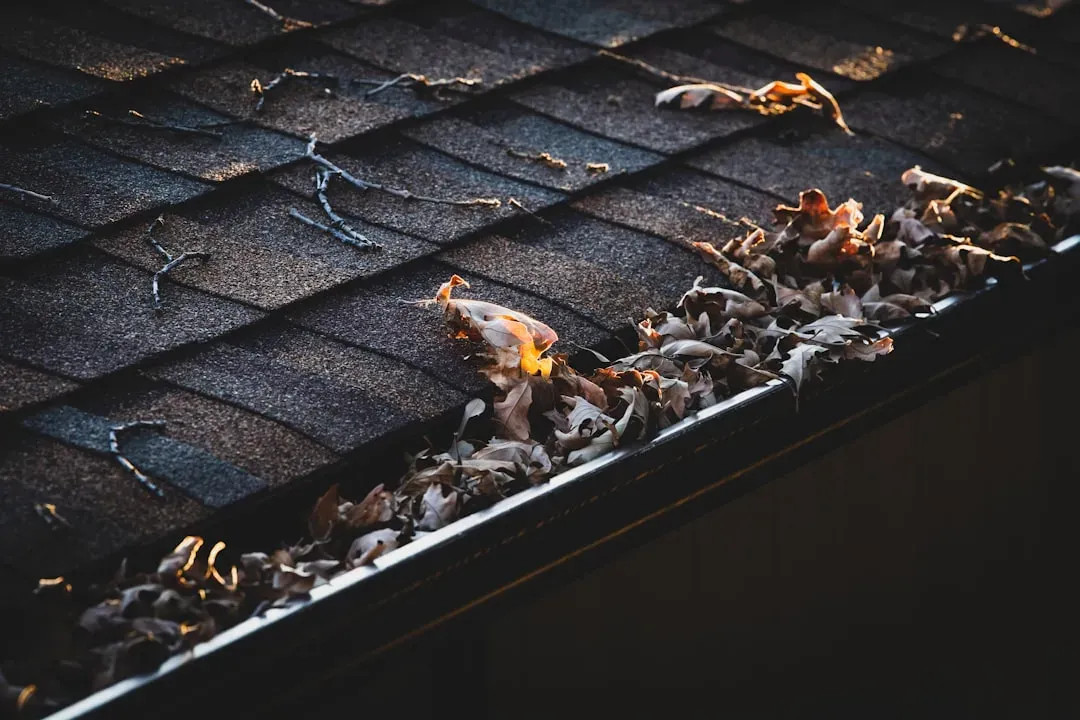
Gutters blocked by leaves or debris allow water to spill over and saturate the soil near the foundation. That’s the starting point for a chain reaction that touches the roof, the walls, and the basement all at once. In cold climates, standing water in gutters freezes overnight and melts during the day, creating ice dams that push melting snow up under the shingles instead of off the roof.
Clogged gutters trap melted snow, which refreezes and adds weight to your roofline. Cleaning your gutters before winter, installing leaf guards, and ensuring downspouts drain at least five feet from the foundation are all effective protective steps. If damage stems from lack of maintenance or clogged gutters, your insurer will likely deny the claim, since insurance only covers sudden and accidental damage, not long-term neglect. That makes regular gutter cleaning a financial decision as much as a maintenance one.
4. Leaving Patio Furniture Unsecured Before a Storm
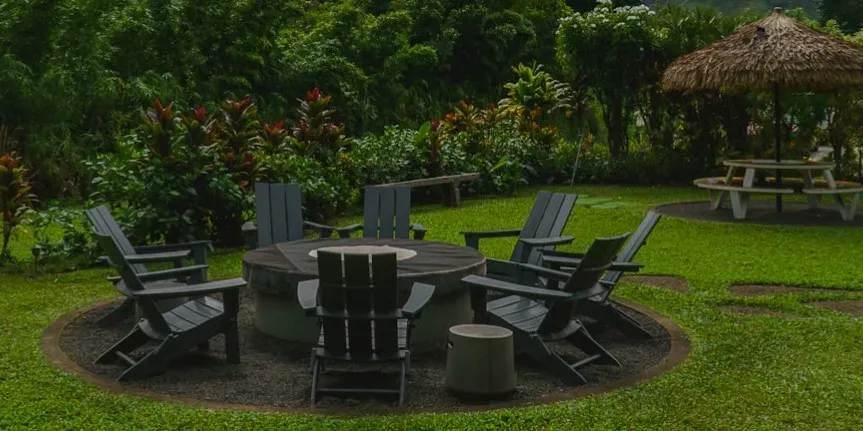
Grills, picnic tables, and lawn furniture can become projectiles in high wind scenarios. This is one of those risks that seems obvious in hindsight but rarely gets addressed before a storm warning. Strong winds can transform ordinary outdoor objects into dangerous projectiles. Tree branches hanging over the roof can break during storms, causing impact damage, and loose outdoor furniture, equipment, or debris can also strike roofing surfaces.
Wind gusts over 50 mph can lift roofing materials, rip off siding, and detach gutters and downspouts. When unsecured furniture gets added to that equation, the damage potential multiplies. If a strong storm, tornado, or hurricane is in the forecast, you should secure outdoor equipment and items that can get blown in wind, and bring in outdoor furniture. It takes twenty minutes and can prevent thousands of dollars in repairs.
5. Allowing Water to Pool Near the Foundation After Rain
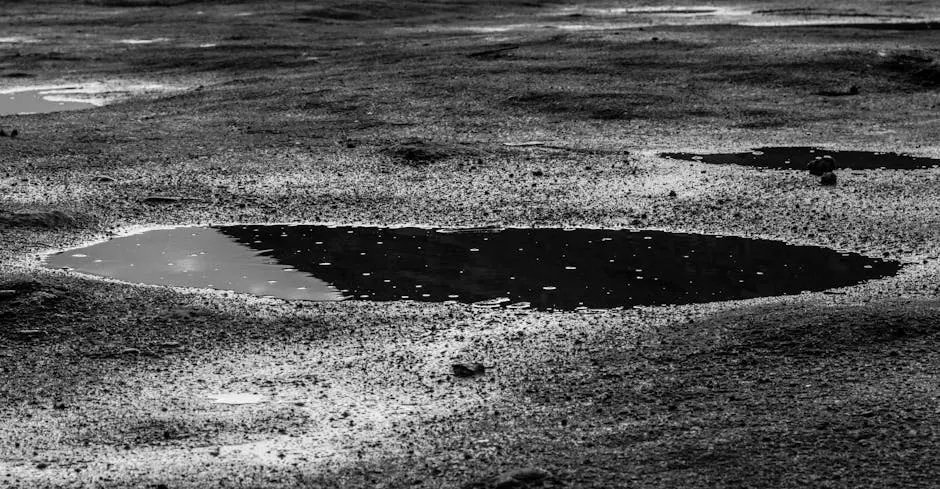
Standing water and saturated soil next to a foundation are among the fastest ways to cause cracks, leaks, and structural movement. Most homeowners see a puddle in the yard after heavy rain and assume it will simply dry out. Sometimes it does. Often, though, it’s silently doing damage. Repeated wet and dry cycles in clay or loam soils around a home’s footings lead to expansion, shrinkage, and foundation stress.
Water that cannot drain away collects along footings and basement walls, saturating the surrounding soil. This saturated soil loses its strength, exerts more pressure on concrete, and can wash out the support beneath slabs and stem walls. After a typical 20 to 30 minute rainstorm, take a walk around your home. What you’re looking for is simple: puddles against the foundation that remain for hours after the rain stops. This water pooling is more than a nuisance; it’s actively working against your foundation’s stability.
6. Skipping Post-Storm Roof Inspections
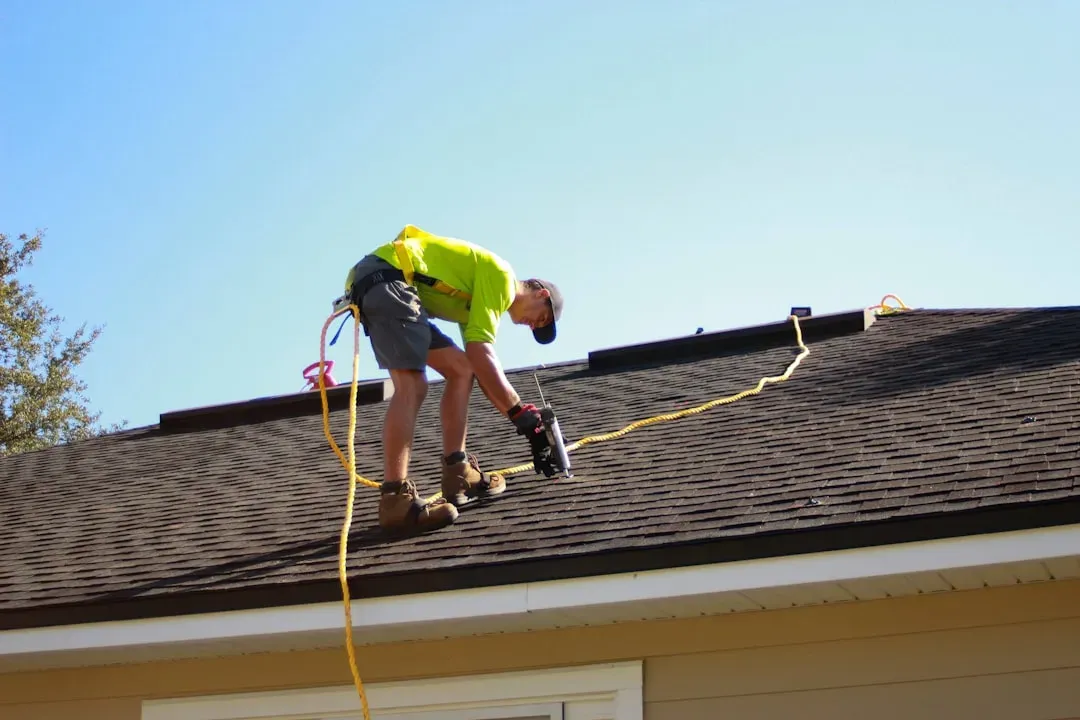
Roof damage often begins small and hidden, but worsens rapidly with each new storm. A loose shingle or small crack after one event becomes a serious breach by the next. Wind and hail account for approximately 34 percent of homeowners insurance claims, making them the most common causes of property damage.
After severe weather events, homeowners should look for missing, loose, or cracked shingles, lifted shingles, dents on metal surfaces such as vents and gutters, or granules collecting in gutter systems. If rain enters due to poor maintenance or old shingles, it may not be covered by insurance. Over time, undetected water intrusion from rain can cause rot and mold, which is almost always excluded from coverage unless it’s the result of a sudden storm-related leak. Catching it early is the only reliable way to stay ahead of both the damage and the coverage questions.
7. Planting Trees Too Close to the House

Leaves from trees that are too close to the roof can clog the gutter system, allowing rainwater to accumulate and cause leaks in the attic or other moisture damage. That’s only part of the problem. The root systems of large, mature trees planted too close to a foundation can also destabilize soil, create pathways for water intrusion, and even crack concrete over time.
Entire trees can fall during storms, especially if they are unhealthy or have compromised root systems. Regular trimming can help identify these issues early. A tree care professional can assess the health of your trees and recommend necessary actions, such as pruning or, in some cases, removal, to mitigate risks. The national average cost for storm damage repairs is around $12,400, with expenses ranging from just under $3,000 to more than $22,000 depending on the severity and location of the damage. Proper tree placement is a decision that compounds in value over years.
8. Ignoring Ice Dams on the Roof and Eaves
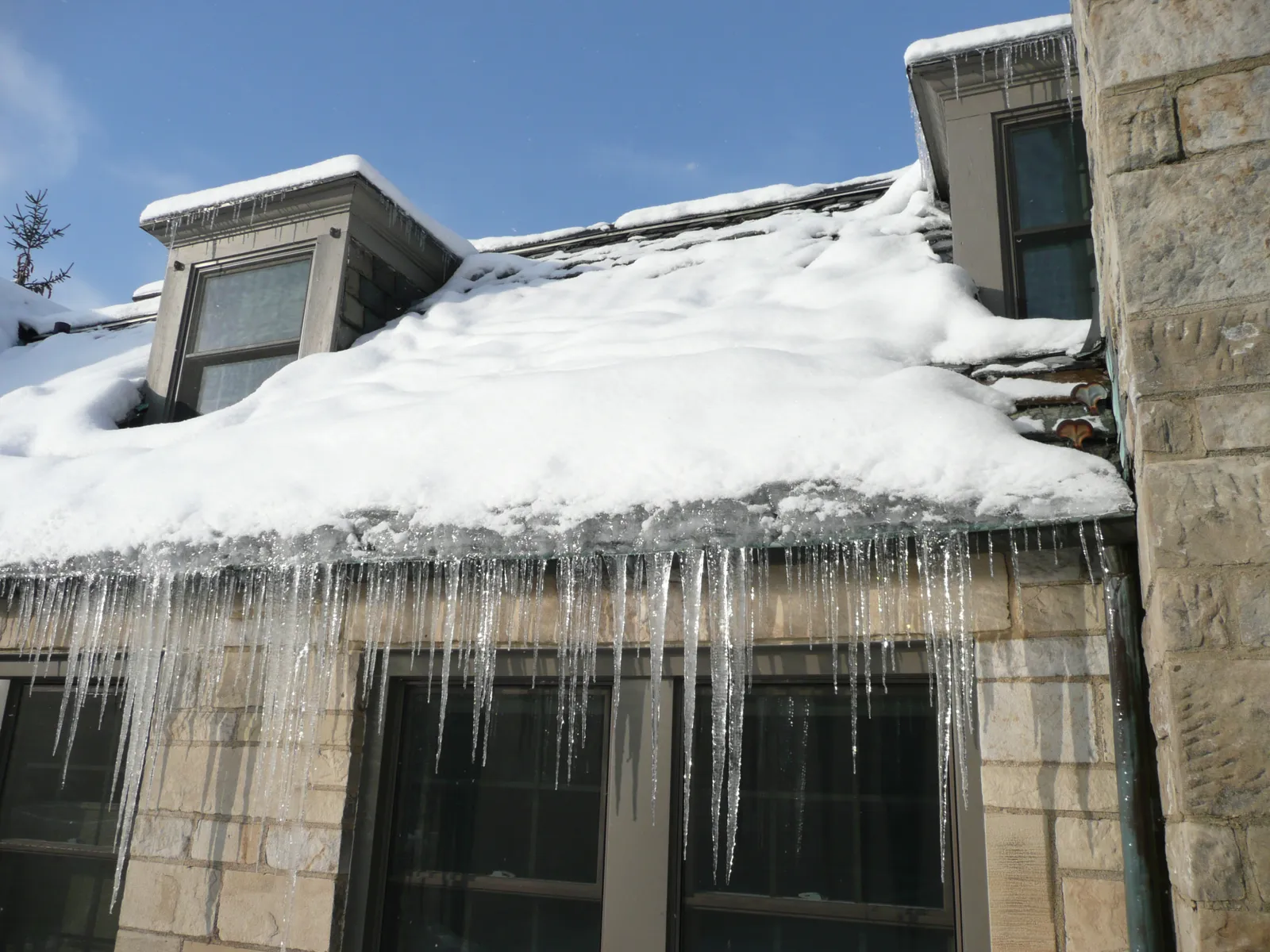
Ice dams form when heat from inside the house warms the roof enough to melt snow, which then runs down to the colder eaves and refreezes. That ridge of ice blocks water from draining off the roof, and trapped water can back up under shingles and leak into the attic or walls. Many homeowners in colder climates mistake icicles for a seasonal aesthetic. They’re actually a warning sign.
As water builds up on the roof with nowhere to go, it can leak into the interior of your property, damaging walls, ceilings, floors, insulation, and more. Ice dams don’t appear overnight. They form slowly from poor insulation, uneven roof temperatures, and neglected maintenance. Clogged gutters trap meltwater, which freezes and adds weight to the roofline. Regular gutter cleaning and leaf guards can significantly reduce the risk. Addressing the root causes before winter begins is far less costly than dealing with interior water damage afterward.
9. Installing Impermeable Hardscaping Without Proper Drainage

Hardscaping features such as patios, driveways, and sidewalks can cause drainage issues if not installed correctly. Impermeable surfaces like concrete and asphalt prevent water from being absorbed into the ground, causing runoff. If hardscaping is installed without a proper slope or drainage system, water can pool in unwanted areas, contributing to erosion and damage to surrounding landscaping. Poorly designed hardscape features can direct water toward your foundation, increasing the risk of basement flooding.
Poor drainage can induce soil erosion around your home’s foundation and lead to siding damage, landscape degradation, and other severe issues. The erosion process degrades the lawn and surrounding areas, making them less suitable for absorbing or properly channeling water, worsening the situation over time. Permeable pavers, proper grading, and channel drains are all viable fixes, but they need to be part of the design from the start, not afterthoughts.
10. Failing to Flood-Proof Low-Lying Areas of the Yard
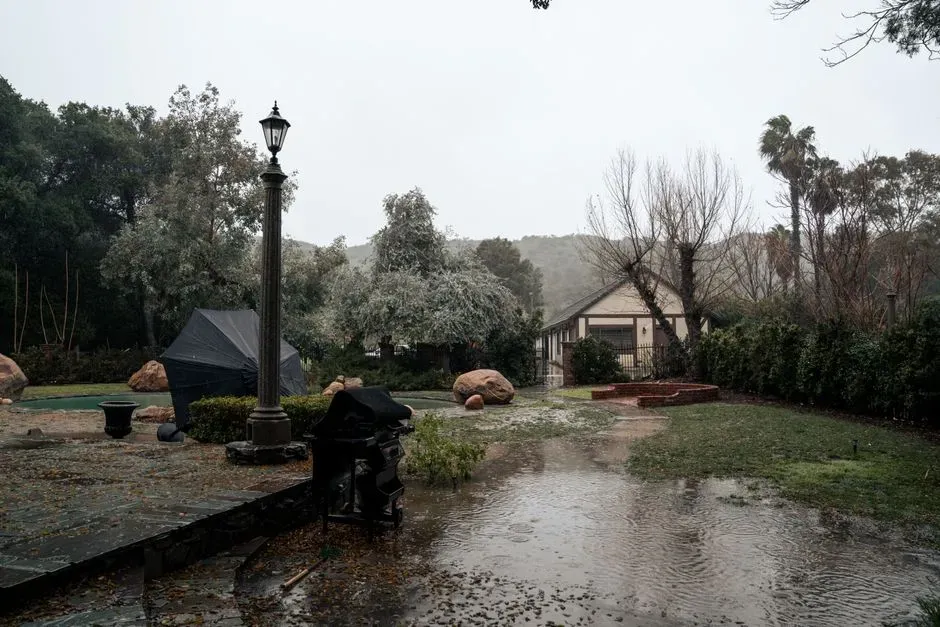
Nearly half of homeowners haven’t explored tools like FEMA flood maps, and roughly a fifth are unaware they even exist. This is alarming, given that over 53 million Americans live in flood-risk zones. A yard that fills with water during heavy rain isn’t just an inconvenience. It’s a slow-moving threat to your home’s structure, especially if low areas sit close to the house or against the foundation.
According to survey data, nearly half of homeowners spent more than $5,000 on surprise fixes in 2024, up from roughly a third in 2023. Many of those costs traced directly back to water-related problems that were both predictable and preventable. Ensuring proper landscape grading, creating a gentle slope away from your home to guide water flow, and installing rain gardens filled with water-loving plants that absorb and filter runoff are effective strategies for managing these low-lying problem spots.
The backyard rarely gets the same attention as the roof or the basement when it comes to weather prep, but in many cases it’s the first place a problem begins. Grading, trees, gutters, hardscaping, and loose furniture all interact with rain, wind, and ice in ways that ripple back to the structure of the house itself. Catching these mistakes early, before a major storm, is almost always cheaper than fixing what comes after.

- 8 Surprising Changes the Human Body Goes Through After Just a Few Days in Space - November 16, 2026
- Crows Remembering Human Faces for Decades – 6 Bird Behaviors Far Smarter Than We Knew - November 15, 2026
- 8 Things Astronauts Do on Their First Day in Orbit That Rookies Find Strange - November 15, 2026
