
Most of us move through a typical day without stopping to count the disposable items we pick up, use for a few minutes, and throw away. A plastic fork here, a coffee cup lid there. They feel negligible in the moment. Multiplied by billions of people doing the same thing every single day, they add up to one of the most persistent environmental crises on the planet.
More than 430 million tonnes of virgin plastic are produced each year, with roughly sixty percent of it going into single-use items. The OECD found that a staggering 91 percent of plastic isn’t recycled at all, with the vast majority ending up in landfills, incinerators, or the open environment. These are not abstract numbers. They are the cumulative result of everyday habits that most people have never seriously reconsidered. Here are eleven items worth rethinking.
1. Plastic Straws
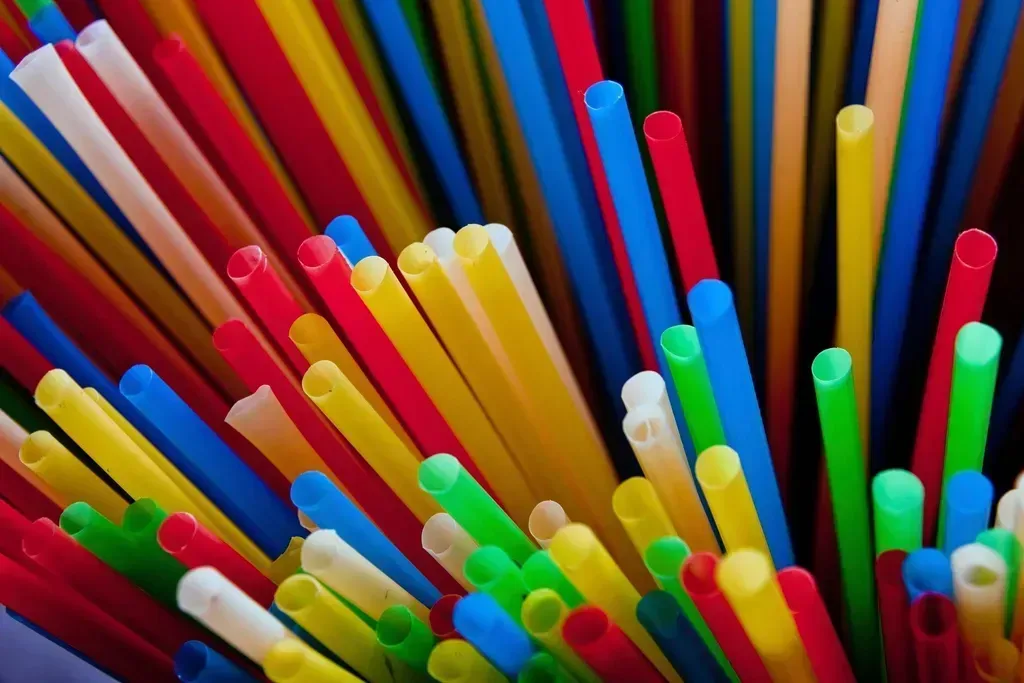
Five hundred million straws are used each day by people in the United States alone. Plastic straws rank among the top ten contributors to plastic marine debris across the globe, and because they are small and lightweight, they easily end up as litter, clogging gutters and polluting waterways, streets, parks, and oceans where they may persist for hundreds to thousands of years. The sheer scale of that daily use is difficult to visualize, but the environmental footprint is very real.
Plastic straws are not recyclable, so those that are thrown away will end up in landfills or incinerators where they release chemicals into the air and soil. Plastic straws also harm humans through chemical exposure, including BPA and PFAS, as well as microplastic consumption. Reusable metal, bamboo, or glass straws are widely available and cost very little over time. For most people, the swap requires almost no adjustment at all.
2. Disposable Coffee Cups

An estimated 16 billion disposable coffee cups are used each year globally, and these single-use cups, along with lids, sleeves, and stir sticks, are often made with hard-to-recycle materials like Styrofoam, polyethylene, or polypropylene that are sent straight to the landfill. That figure is striking when you consider that most of those cups are in someone’s hand for less than thirty minutes.
Research using life cycle assessment methodology found that the UK’s annual carbon footprint from paper cup consumption alone equates to roughly the same emissions as manufacturing over eleven thousand mid-size passenger cars, and that globally, the environmental footprint of paper cups is comparable to that of one and a half million average European inhabitants. Switching to reusable cups could achieve a threefold reduction in carbon emissions at scale. Carrying your own cup is one of the simplest behavioral changes available.
3. Single-Use Plastic Water Bottles
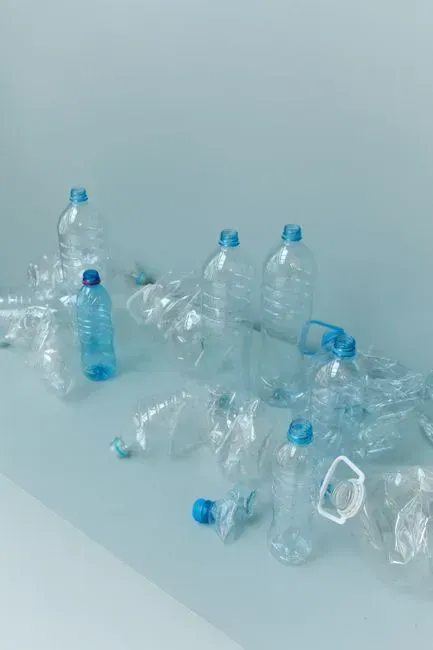
PET, the material used in most plastic water and soft drink bottles, is highly recyclable in theory, but as consumption spreads worldwide, attempts to collect and recycle the bottles are falling behind, allowing them to pollute the oceans at increasing rates. The irony is that bottled water often travels thousands of miles to reach a consumer who could access clean tap water for a fraction of the cost.
Making just one simple change, like resolving to avoid bottled water whenever possible, can spare the environment of hundreds of plastic bottles each year for a single person. Over 100,000 marine mammals and a million seabirds die annually due to plastic pollution, and plastic bottles are among the most consistently found items in ocean cleanups. A durable reusable bottle pays for itself after a handful of uses and produces no waste whatsoever.
4. Plastic Shopping Bags
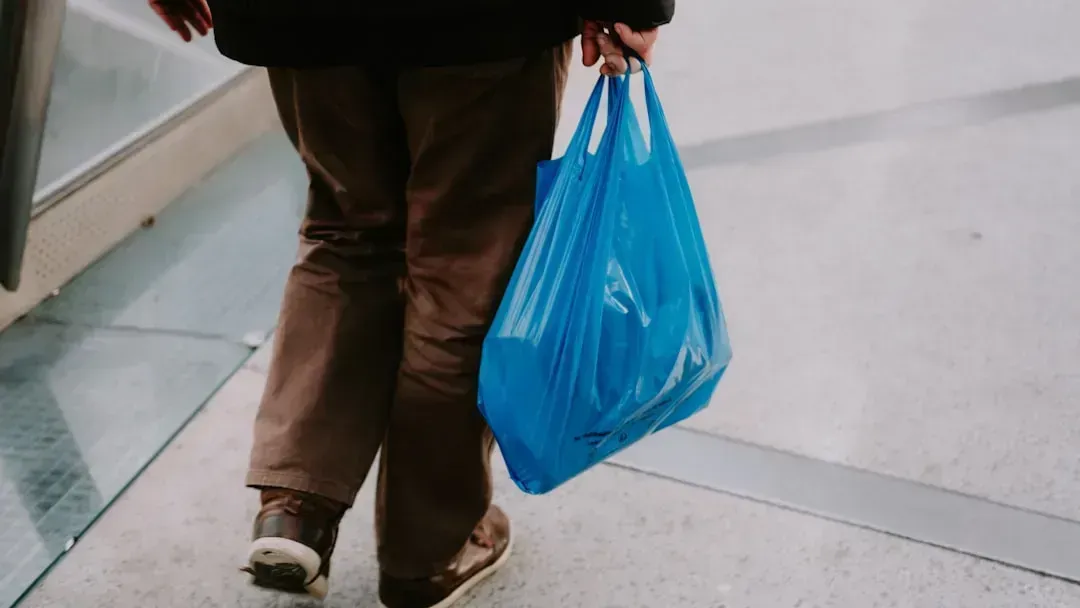
Single-use plastics, especially small items like bags and cutlery, aren’t easy to recycle because they fall into the crevices of recycling machinery, and many recycling centers won’t even accept them. An estimated one third of all plastic packaging ends up in the environment, and more than half is landfilled or incinerated. Thin plastic bags are among the most visible symbols of this pattern worldwide.
Over sixty countries have now banned or taxed plastic bags to discourage their use, and Kenya, for instance, has seen an eighty percent drop in plastic bags since its 2017 ban. The reusable tote bag is not new technology. It has existed for decades. The only thing standing between most consumers and zero plastic bag usage is the habit of remembering to bring one along.
5. Plastic Cutlery
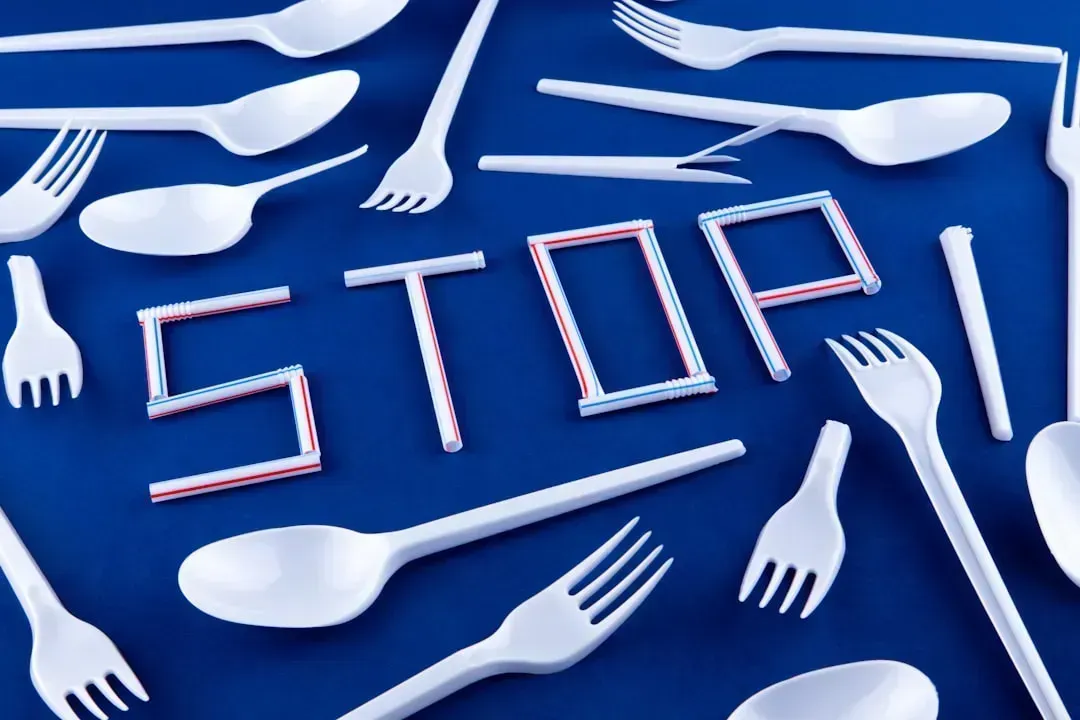
Restaurants generate roughly three-quarters of all disposable packaging in the US, including plastic cutlery, and use more than 36 billion disposable utensils annually. These forks, knives, and spoons are used for minutes but can persist in the environment for centuries. Single-use plastic cutlery has become easily disposable, leading to plastic pollution and environmental degradation, with common examples including straws, forks, spoons, and knives.
The EU Single-Use Plastics Directive, which went into effect in July 2021, outlawed common disposable plastic goods like straws and cutlery that can be swapped out for more environmentally friendly options. Bamboo sets and compact stainless steel utensil kits are now sold everywhere and fit easily into a bag or pocket. There is no technical barrier to eliminating this category of waste entirely from daily life.
6. Disposable Razors
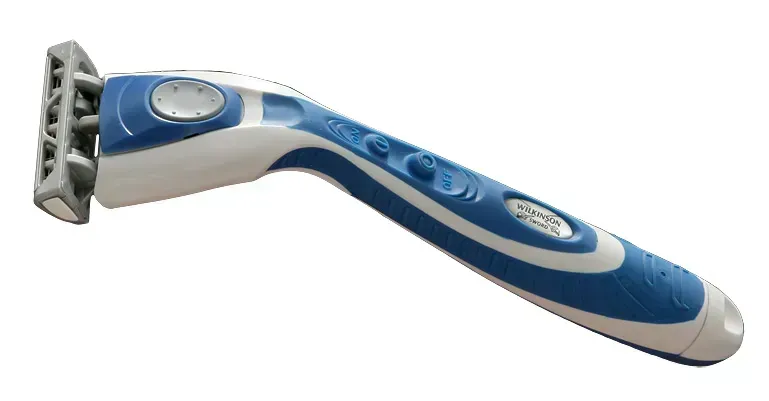
The disposable razor is one of those items that people rarely think twice about, yet billions are discarded globally each year. They are made from a combination of plastic and metal that is nearly impossible to separate and recycle, meaning practically every one that gets thrown away ends up in a landfill. A refillable razor eliminates the need for disposable plastic cartridges, cutting costs while also reducing plastic waste.
Safety razors with replaceable metal blades have been used for well over a century and produce a fraction of the waste. A single safety razor can last for decades, and the replaceable blades are both inexpensive and often recyclable through specialist collection programs. The long-term financial savings are substantial, and the environmental math is not remotely close.
7. Single-Use Food Packaging and Takeaway Containers

The food sector is the largest user of single-use packaging, consuming up to thirty-five percent of global packaging production, and approximately ninety-five percent of food packaging goes to waste after a single use. That is a staggering proportion. Globally, packaging waste accounts for nearly 141 million tonnes of plastic waste each year, making it the largest source of plastic pollution.
To-go food containers may have a recycling symbol on them but are hard and costly to recycle, frequently ending up dumped, burned, or littered, while plastic utensils, straws, cups, and lids have no good destination and end up costing considerable amounts to landfill or clean up from streets. Choosing restaurants that use compostable or reusable containers, or simply eating in rather than ordering out, can make a measurable difference at the household level.
8. Plastic Cotton Swabs
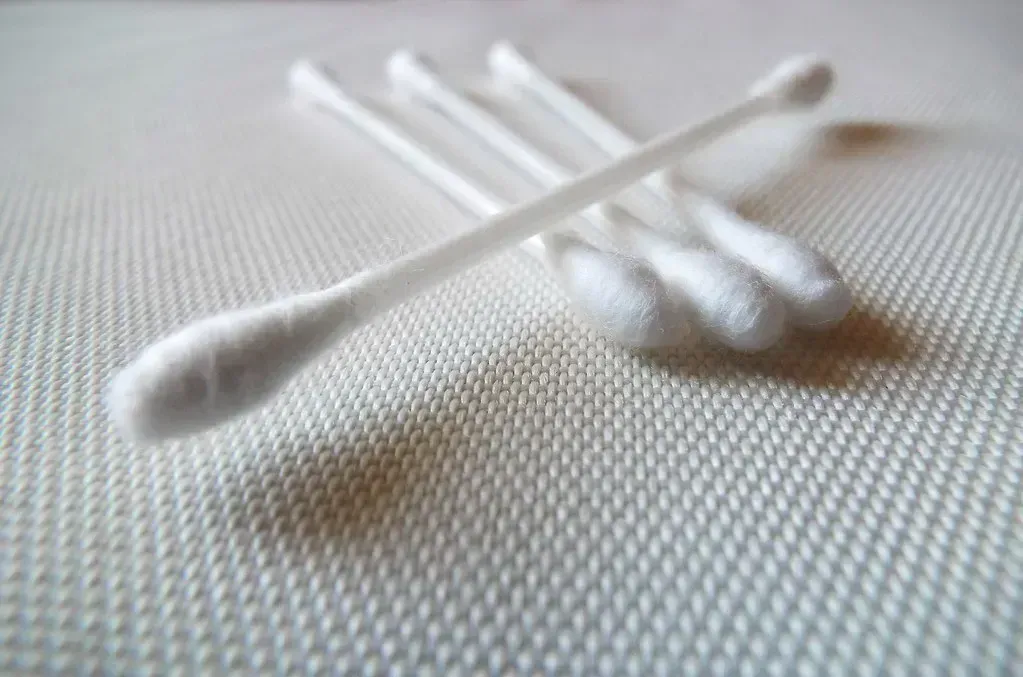
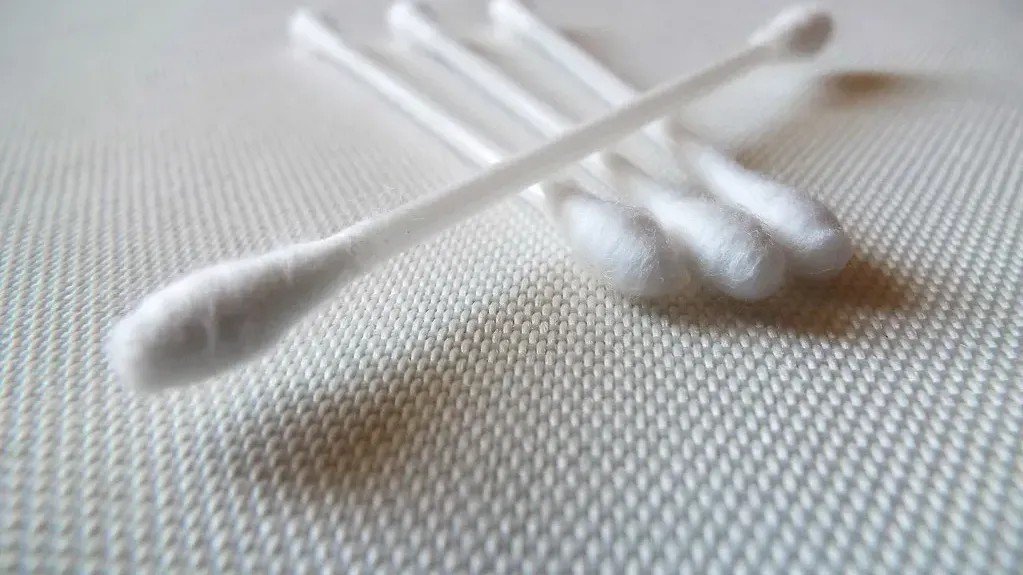
Common examples of single-use plastics targeted by regulators include disposable cutlery, takeaway containers, plastic straws, cotton bud sticks, and drink bottles. Cotton swabs with plastic stems are a particular problem because they are small enough to pass through wastewater filtration systems, ending up in rivers and on beaches at alarming rates. They have been found in the stomachs of seabirds and fish.
Paper-stemmed cotton swabs are now the standard in many parts of Europe following regulatory bans on plastic versions, and they perform identically for all practical purposes. The switch costs nothing extra and eliminates a product that serves no function a paper alternative cannot handle equally well. This is one of the clearest cases where the sustainable option is genuinely the better product.
9. Wet Wipes
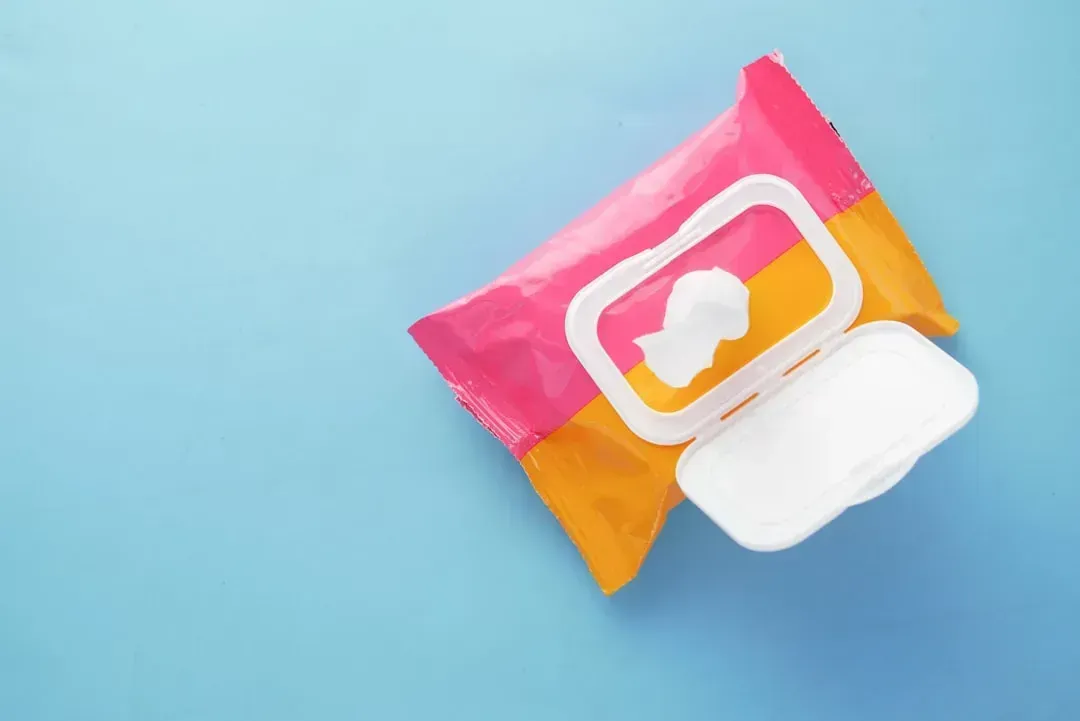
Wet wipes are one of the most underappreciated contributors to environmental waste. Most contain plastic fibers, which means they do not biodegrade in any meaningful timeframe. Microplastics are tiny plastic particles that come from the breaking down of larger plastic waste, and these particles are difficult to remove from the environment and nearly impossible to eliminate once present. Wipes flushed down toilets are a leading cause of sewer blockages globally.
Despite “flushable” labeling on many products, independent research has consistently shown that most wet wipes do not break down adequately in sewage systems. The alternatives, including washable cloth wipes and plain water with a reusable cloth, are both cheaper and more effective for most applications. Switching away from single-use wipes is particularly easy for people who use them primarily in domestic settings.
10. Disposable Plastic Lighters
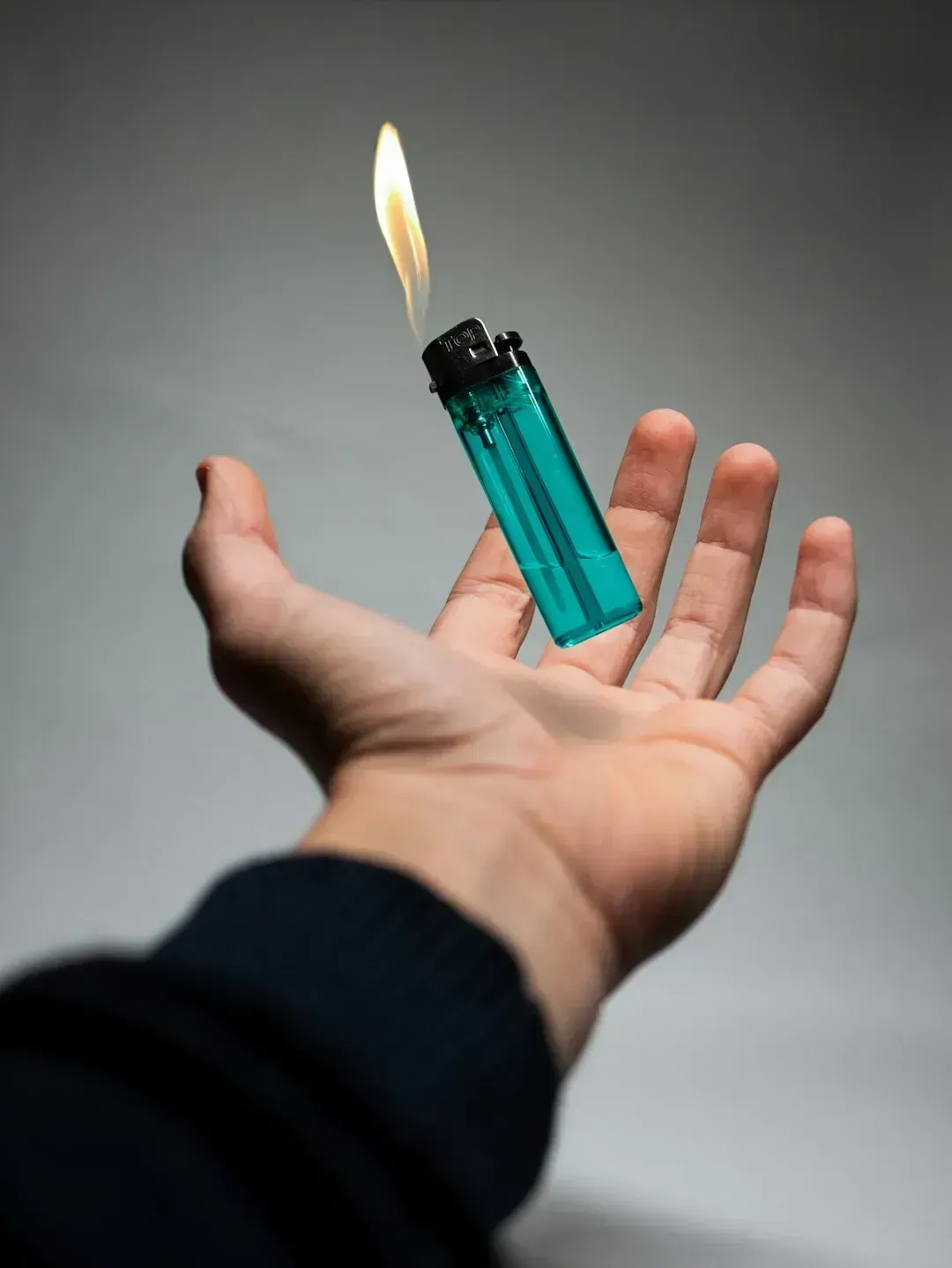
A disposable lighter is typically made of plastic and butane, and while it is small, its environmental cost accumulates quickly given the scale of global consumption. Most plastic lighters cannot be recycled due to residual fuel and mixed materials, and they consistently turn up in beach and ocean cleanup data. Plastics are designed to resist natural decay, and recycling processes are limited, meaning nearly all the plastic ever produced still exists in one form or another.
Refillable metal lighters have been available for generations and can be refilled almost indefinitely. The upfront cost is slightly higher, but a single refillable lighter can replace dozens of disposable ones over its lifetime. For anyone who regularly uses a lighter, this is a straightforward switch with no meaningful trade-off in convenience or performance.
11. Single-Use Paper Towels

Paper towels are often overlooked in conversations about single-use waste because they feel more natural than plastic. In reality, the production of paper towels requires significant amounts of water, energy, and virgin wood pulp. There have been more than a thousand “huge” leaks of the potent greenhouse gas methane from landfill waste dumps since 2019, and organic material like paper towels contributes directly to that problem when it decomposes in landfills without access to oxygen.
Reusable dishcloths are ultra-absorbent, last for months, and can replace up to seventeen rolls of paper towels each. Beyond environmental benefits, reusable products also save money in the long run, and while they might cost a little more upfront, high-quality reusables pay for themselves over time. Cloth rags made from old cotton clothing achieve the same result with virtually zero cost at all.
The scale of single-use waste is genuinely enormous. With municipal waste set to rise by two thirds and its costs to almost double within a generation, only a drastic reduction in waste generation will secure a liveable and affordable future, according to UNEP. The eleven items above are not a complete list. They are a starting point, and for most people, several of them can be eliminated from daily life this week without any noticeable loss in comfort or convenience. The real cost of single-use items is rarely visible at the point of purchase. It shows up later, in landfills, in oceans, and in the chemistry of the natural world.

- The Shoreline Sucked Dry in Seconds – 5 Tsunami Signals Beachgoers Mistake for Low Tide - November 14, 2026
- 9 Dark-Sky Destinations Around the World Where the Stars Look Unreal - November 14, 2026
- The Fault Line That Never Slips – 7 Locked Seismic Zones Overdue for a Massive Release - November 14, 2026
