

Most of us take air for granted. You step outside, breathe in, and move on with your day. Yet for hundreds of millions of people around the world, that simple act carries genuine health risk. The air they breathe on a typical morning contains concentrations of fine particles that are ten, fifteen, even eighteen times above what the World Health Organization considers safe.
IQAir’s 2024 World Air Quality Report drew on data from more than 40,000 air quality monitoring stations across 8,954 locations in 138 countries, territories, and regions. The headline finding was stark: only about one in six global cities met the WHO air pollution guideline, while the vast majority of monitored countries exceeded it. What follows is a region-by-region look at where the problem is most severe.
Chad: The Most Polluted Country on the Planet
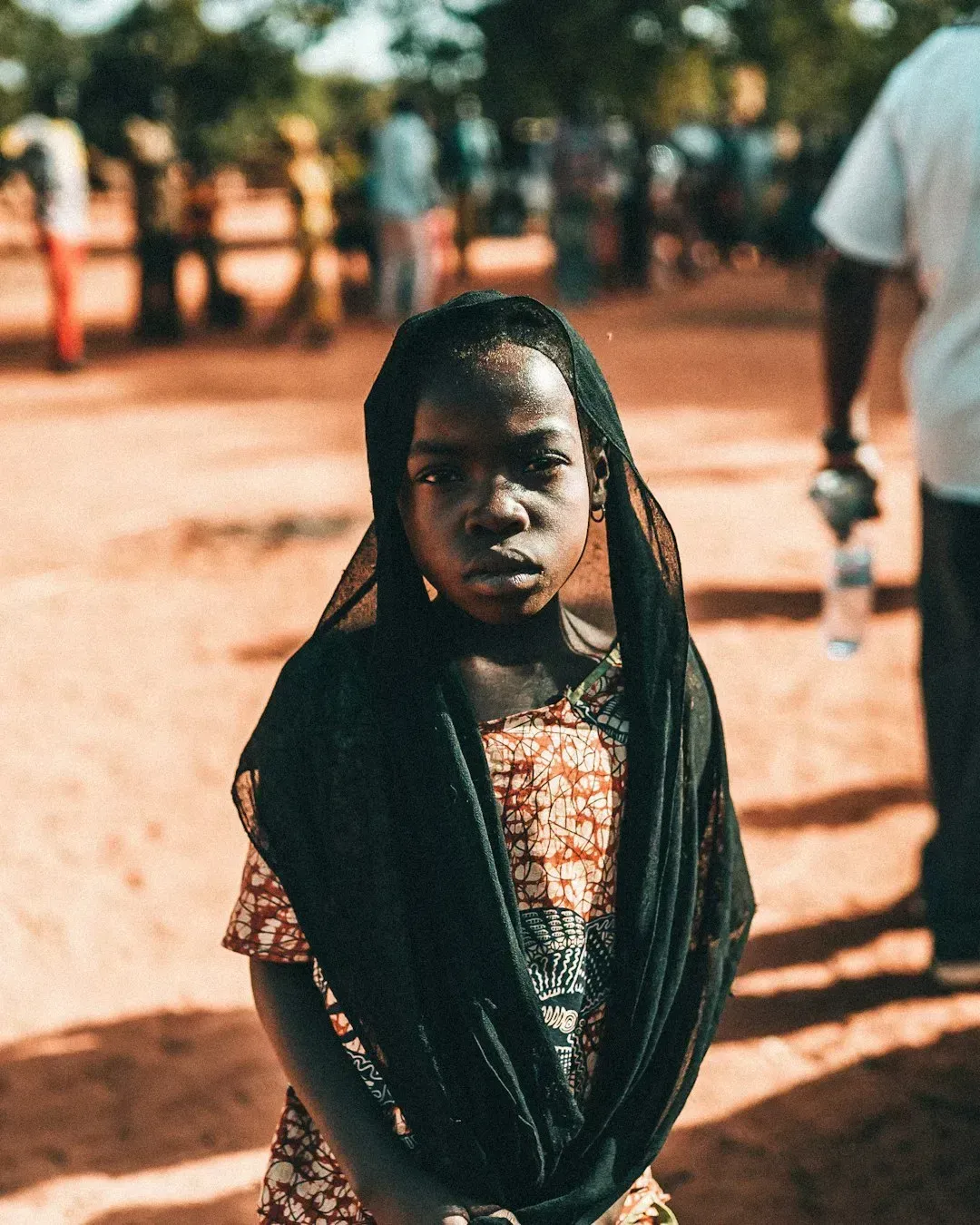
Chad recorded an average PM2.5 concentration of 91.8 micrograms per cubic metre in 2024, more than 18 times higher than the WHO annual guideline. Data concerns had excluded Chad from IQAir’s 2023 list, but the country was also ranked the most polluted nation in 2022, plagued by Sahara dust and uncontrolled crop burning.
In Africa as a whole, the scarcity of real-time, publicly accessible air quality monitoring data is so severe that there is only one monitoring station for every 3.7 million people. This means Chad’s true pollution burden could be even worse than the numbers suggest, with wide rural areas going entirely unmeasured.
Bangladesh: Choking Cities and Dense Urban Smog
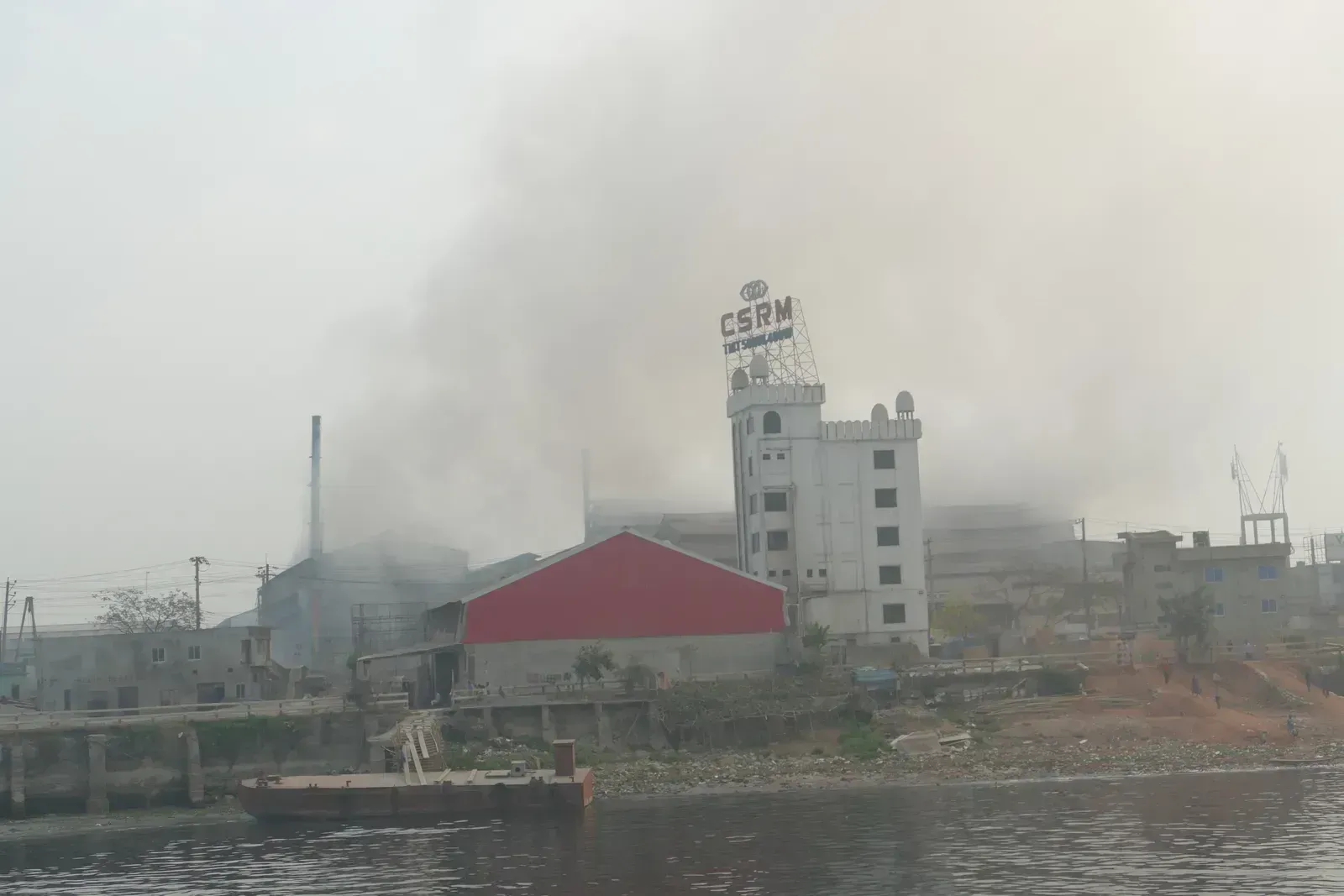
Bangladesh recorded an average PM2.5 level of 78.0 micrograms per cubic metre in 2024, more than 15 times higher than the WHO annual guideline. The country’s air quality remained consistently unhealthy, with dense urbanisation, brick kilns, vehicular emissions, construction dust, and transboundary pollution all contributing to elevated particle levels.
Seasonal improvements during the monsoon were insufficient to offset extreme pollution episodes during winter, keeping the national average at the threshold of severe health concern. The capital Dhaka, one of the world’s most densely packed cities, sits at the centre of this crisis, where industrial output and vehicle traffic feed a near-permanent haze.
Pakistan: Where Lahore Became the World’s Most Polluted City

Pakistan recorded a PM2.5 average of 73.7 micrograms per cubic metre in 2024, more than 14 times higher than the WHO annual guideline. In Lahore specifically, the air quality index ranged from unhealthy to hazardous between mid-October and mid-November 2024, peaking at an unprecedented AQI of 2061 on November 14, far exceeding safe limits.
When the AQI reached 1,165 and kept climbing for most of November, it was more than 120 times the UN-recommended safe level, and NASA confirmed that the smog was visible from space. Lahore met WHO air quality standards for PM2.5 on only seven days over the past five years, and in November 2024 alone, roughly 70,000 respiratory-related cases were reported in hospitals.
The Democratic Republic of Congo: Africa’s Hidden Air Emergency
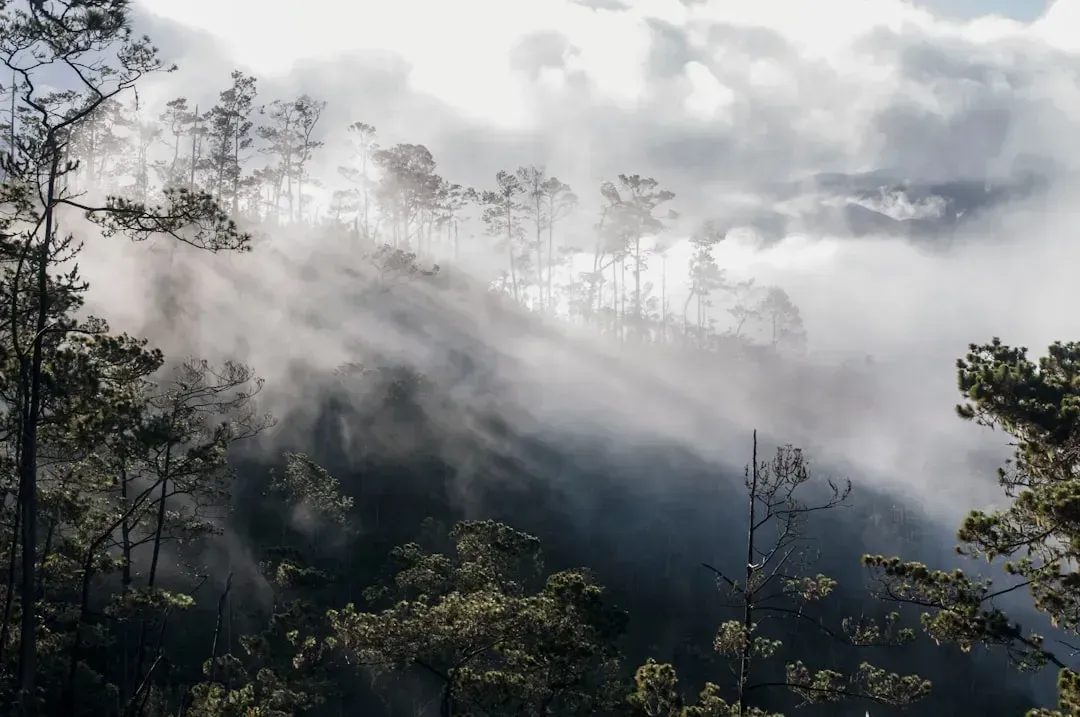
Kinshasa, the capital and largest city of the DRC, recorded an average annual PM2.5 concentration of 58.2 micrograms per cubic metre in 2024, a sharp increase from just 15.5 micrograms per cubic metre in 2023, making the DRC the second most polluted country in Africa after Chad. Known air pollution sources include indoor cooking with wood and charcoal, forest fires, and regional agricultural and industrial activities.
Both Chad and the DRC lack comprehensive air quality monitoring, and while some monitoring exists in the DRC, far more consistently operating stations are needed to capture the full scale of poor air quality affecting millions across the vast country. The DRC’s situation is a reminder that Africa’s pollution crisis is likely significantly underreported.
India: The Country With the Most Polluted Cities on Earth
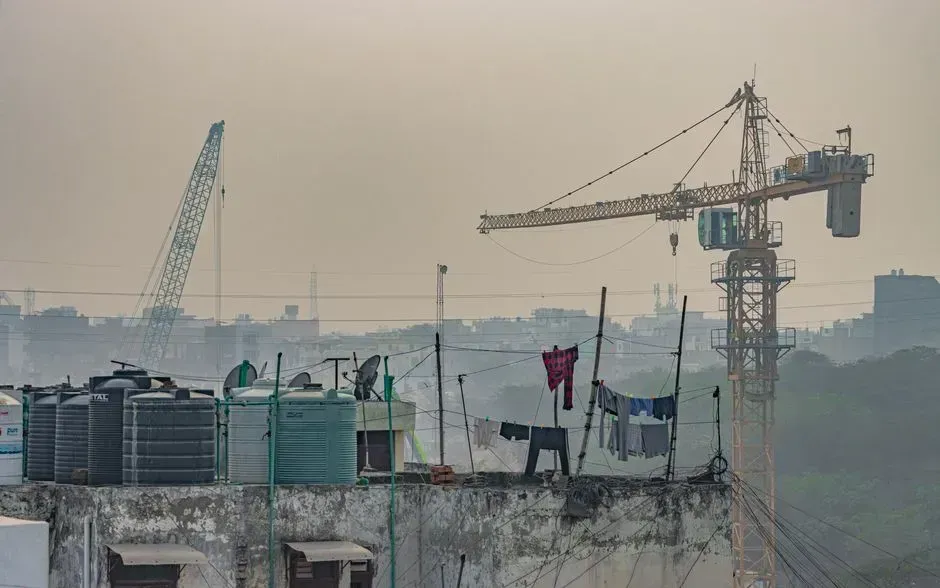
Seventy-four of the world’s 100 most polluted cities and towns are in India, a slight improvement from 83 the previous year. Levels of PM2.5 declined roughly seven percent across the nation, averaging around 50 micrograms per cubic metre, still ten times the WHO safe guideline. Byrnihat, in the country’s northeast, was the single most polluted metropolitan area of 2024, with an annual average PM2.5 concentration of 128.2 micrograms per cubic metre.
The pollution in cities like Delhi is fueled by regional crop burning, vehicle emissions, coal power plants, and landfill fires. In October 2024, India’s Supreme Court reaffirmed clean air as a fundamental right, ordering central and state governments to strengthen pollution control. The legal pressure reflects how deeply the crisis has embedded itself into Indian public life.
Northern India and the Indo-Gangetic Plain: A Regional Smog Belt
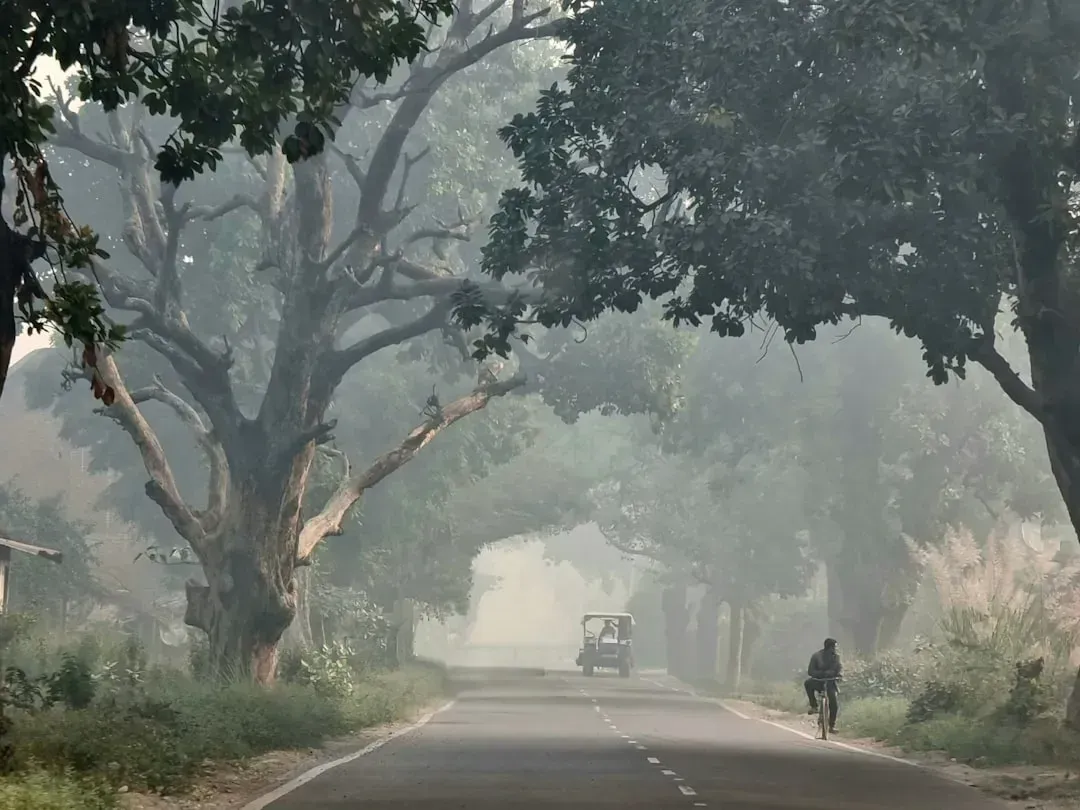
The region of Central and South Asia was home to the top seven most polluted cities in the world in 2024, with India alone accounting for six of the nine most polluted global cities. The Indo-Gangetic Plain, stretching from Pakistan’s Punjab through northern India and into Bangladesh, functions as a natural trap for pollutants. Mountain ranges to the north block airflow, allowing particulate matter to accumulate for weeks at a time.
Cities in India and Pakistan, as well as Bangladesh and Nepal, share common sources of pollution including industrial emissions, agricultural burning, vehicle pollution, and dust, yet despite years of evidence of transboundary pollution, regional cooperation has been underwhelming. The entire northern subcontinent operates as a single, interconnected pollution zone with no regard for national borders.
Nepal and Tajikistan: Smaller Nations, Serious Exposure
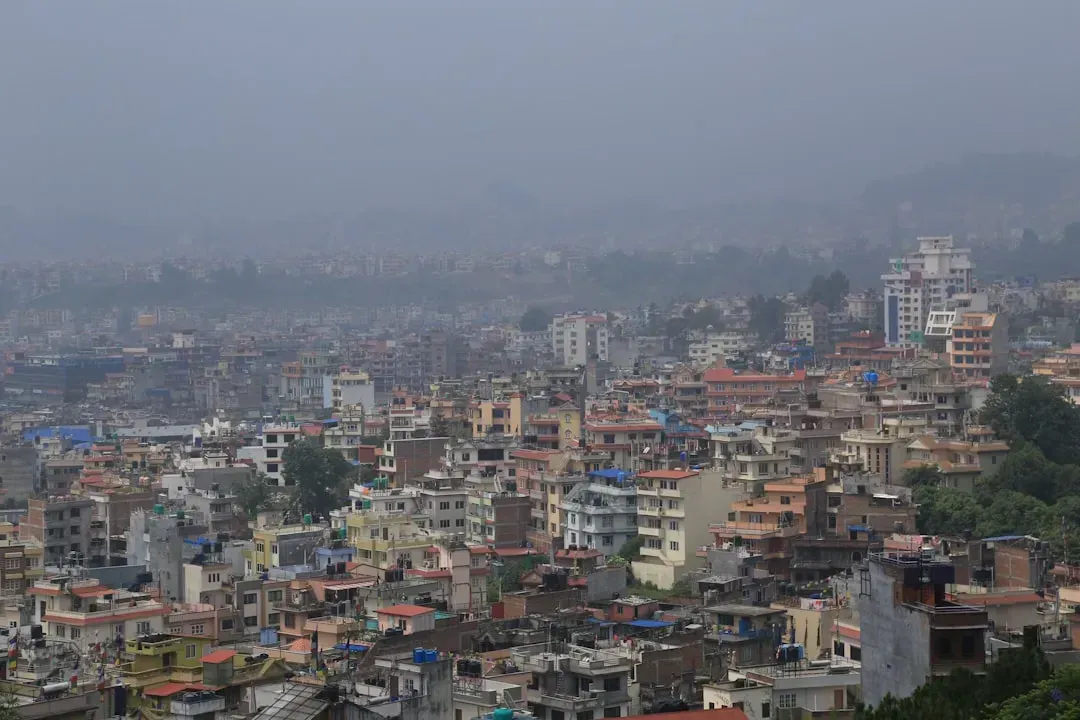
Tajikistan and Nepal follow India in the global pollution rankings, occupying the sixth and seventh positions. Nepal recorded moderate to unhealthy air quality, especially in urban valleys where vehicular emissions, biomass burning, construction dust, and topographical trapping of pollutants significantly affected air circulation.
Tajikistan’s elevated pollution levels were influenced by urban emissions, industrial sources, limited pollution control infrastructure, and regional dust transport. Both countries share a challenge common across Central and South Asia: geography actively works against them, with mountain valleys and basin topography trapping polluted air close to the ground for extended periods.
The Middle East: Dust, Oil, and Urban Growth
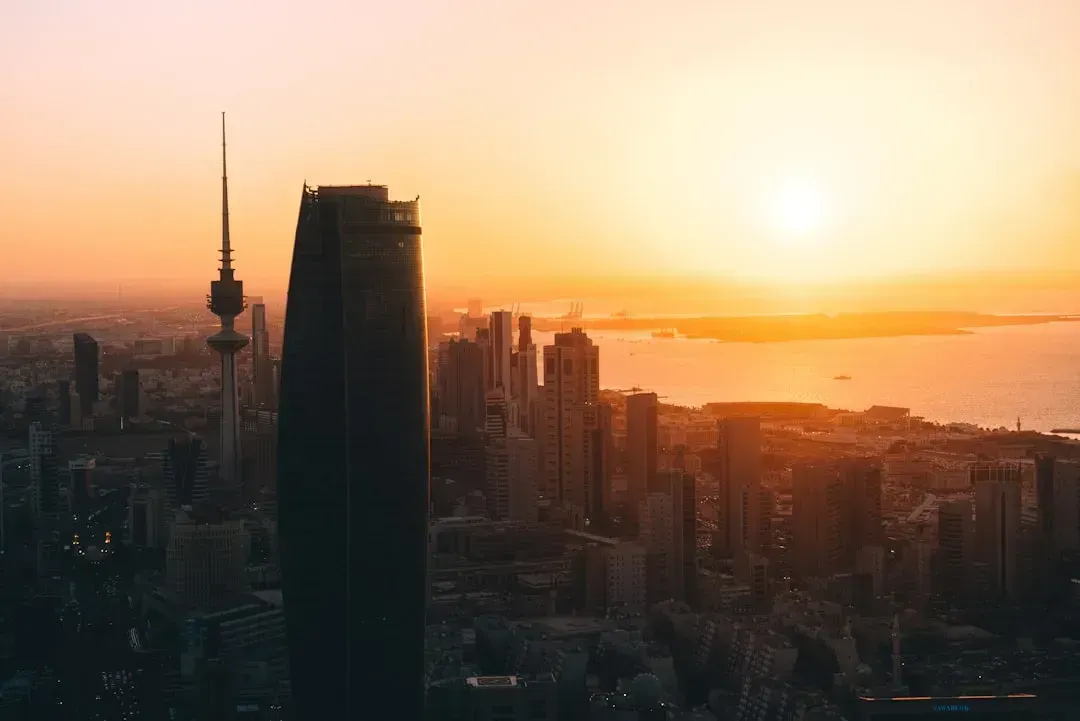
Bahrain recorded unhealthy air quality throughout much of 2024, largely influenced by industrial emissions, oil-related activities, traffic density, and regional dust events. Limited urban dispersion due to climatic conditions further intensified pollution levels, resulting in one of the highest average air quality index values in the Middle East. Kuwait’s air pollution was shaped by desert dust storms, oil and gas operations, and urban traffic, and while not reaching the extreme levels seen in South Asia, prolonged particulate exposure placed Kuwait among the most polluted countries globally during dry and windy periods.
The UAE experienced moderate to unhealthy air quality across several urban regions, with construction activity, vehicular emissions, industrial operations, and frequent dust events as primary contributors. Although air quality management infrastructure there is relatively advanced, environmental and climatic factors continued to push average pollution levels above healthy limits. The entire Gulf region faces a structural difficulty: natural desert dust is largely outside any government’s control.
Sub-Saharan Africa: Under-Monitored and Under-Reported
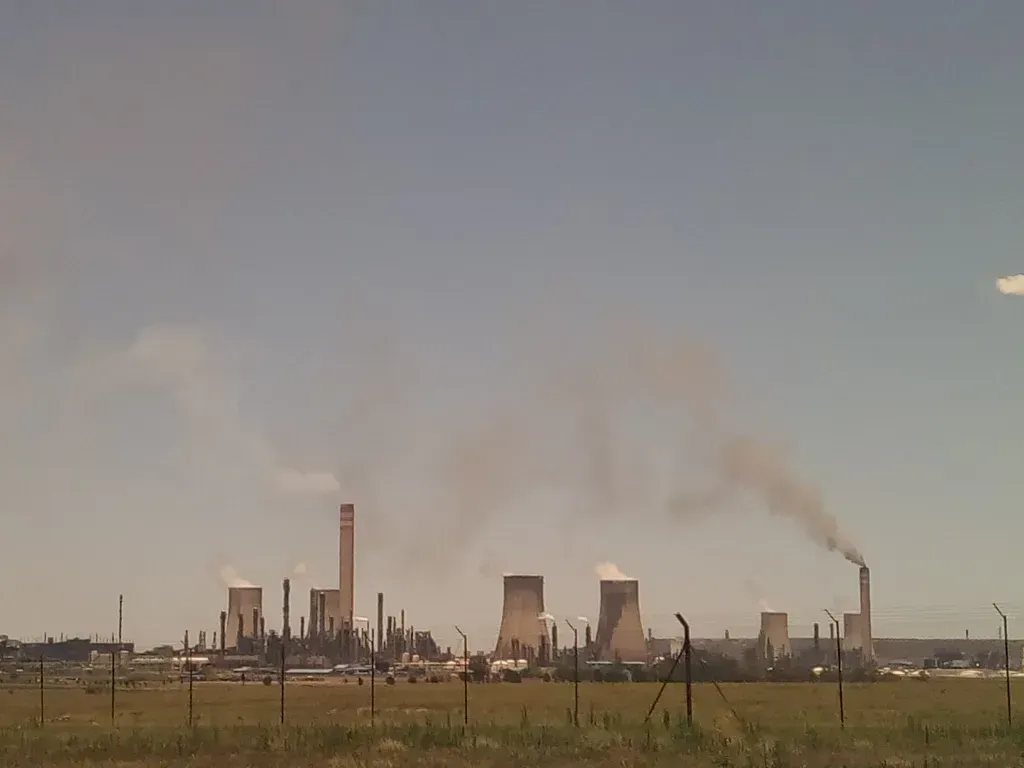
Only 24 out of 54 African countries or territories reported air quality data in 2024. The last three positions in the top ten most polluted countries globally were occupied by African nations, specifically Uganda, Rwanda, and Burundi. The continent’s pollution burden is almost certainly far larger than what current monitoring can capture.
The US State Department deleted 17 years of data from its government air quality monitoring site, including readings collected in Chad, which had been a valuable source of reliable real-time information in resource-strapped African countries. That data loss is more than an administrative inconvenience. It leaves health authorities, policymakers, and communities with less information precisely where the pollution burden is highest and monitoring is thinnest.
Southeast Asia: Transboundary Haze and Forest Fires
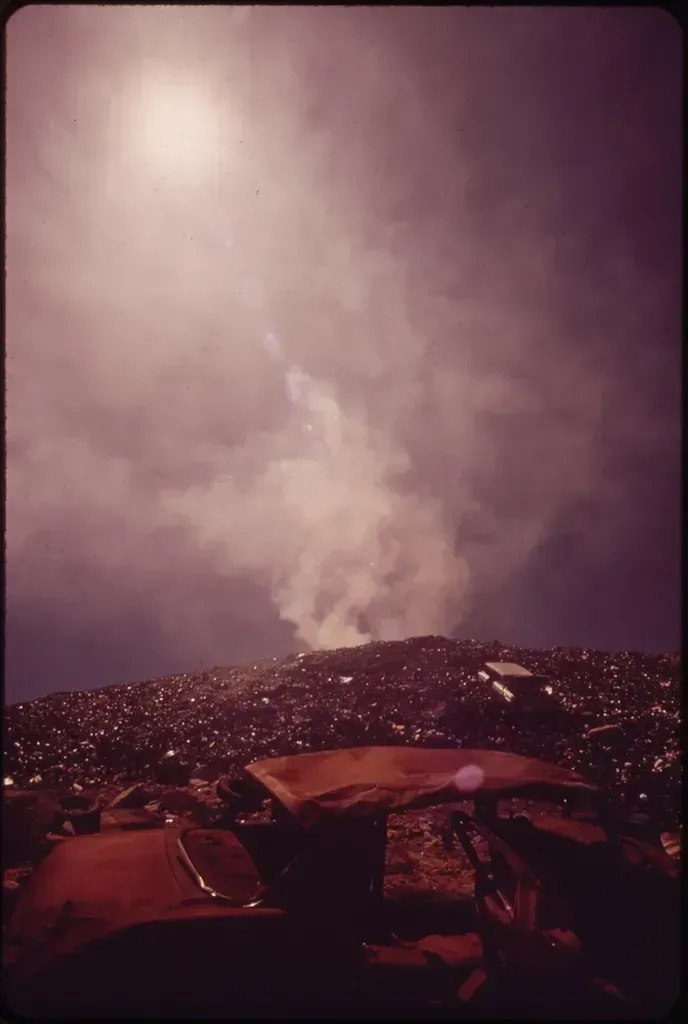
PM2.5 concentrations decreased in every country in Southeast Asia in 2024, though transboundary haze and lingering El Niño conditions remain major factors. The Association of Southeast Asian Nations reached an agreement on transboundary haze pollution, with ten countries pledging to work together to monitor and curb pollution from large forest fires, a common occurrence during dry seasons, though the initiative has had limited success so far.
The haze that blankets countries like Indonesia, Malaysia, and Thailand during fire season is not purely a domestic problem. Smoke from agricultural burning and deforestation drifts across borders, affecting tens of millions of people who had no hand in starting the fires. The regional nature of the problem makes unilateral national solutions essentially ineffective.
Latin America: Wildfires Pushing the Numbers
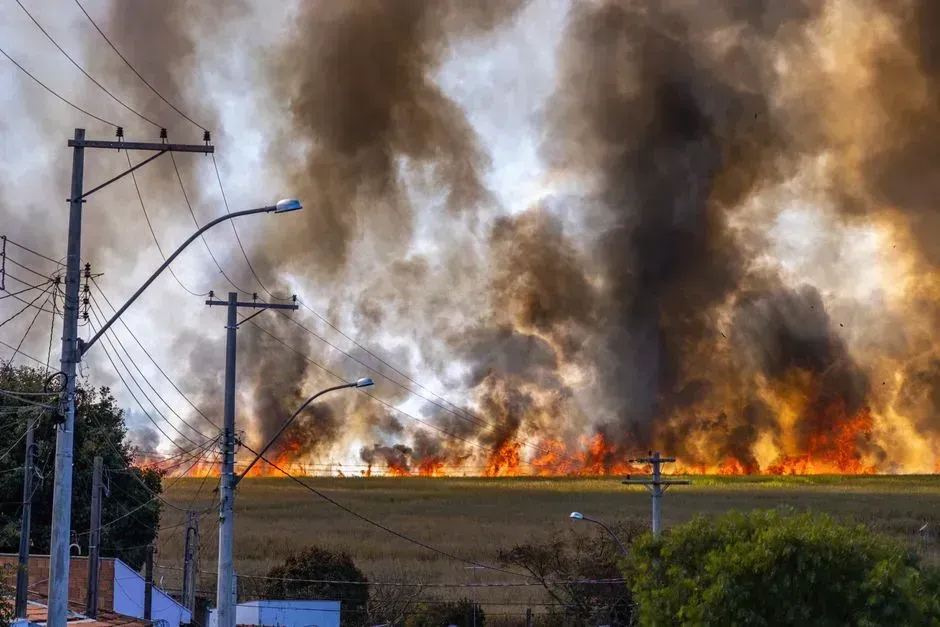
Wildfires in the Amazon rainforest impacted vast areas of Latin America in 2024, with PM2.5 levels in some cities across Brazil’s Rondônia and Acre states quadrupling in September. The Amazon fires are not purely natural events. Agricultural expansion, land clearing, and drought conditions intensified by climate change have all contributed to fire seasons that grow more destructive year by year.
While Latin America as a whole doesn’t dominate global pollution rankings the way South Asia does, episodic wildfire smoke creates short-term exposure spikes that rival anything recorded in chronically polluted cities. The difference is that South Asia’s crisis is year-round, while the Amazon’s tends to be seasonal. Both cause measurable harm to public health.
China: Progress Made, Distance Still to Travel
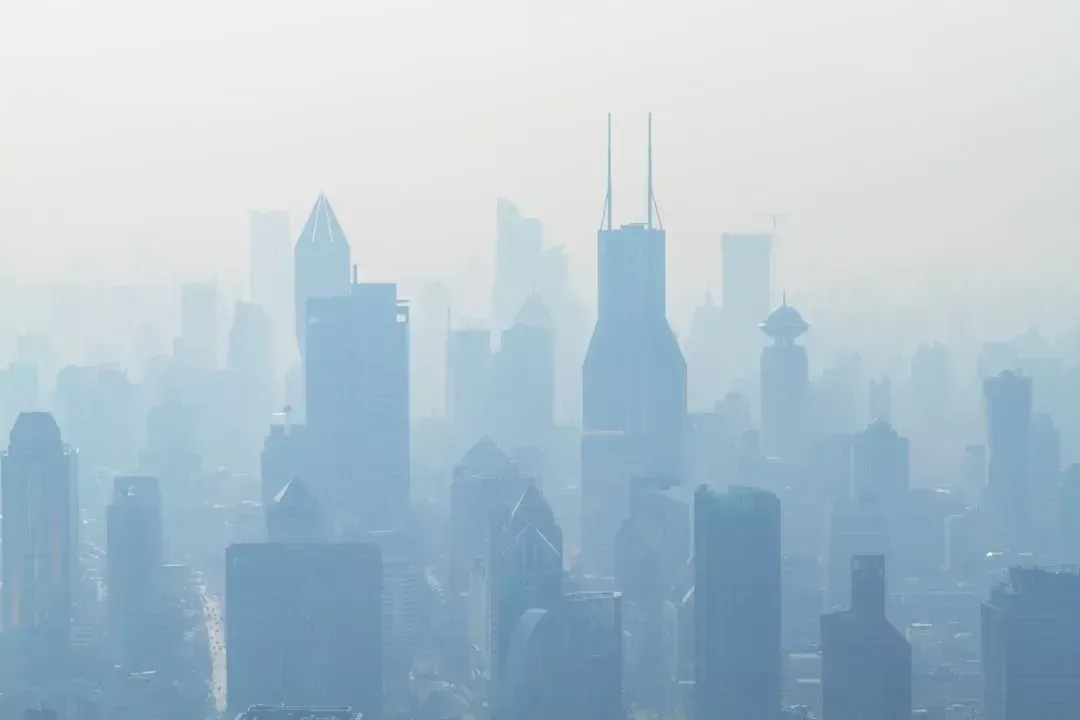
Pollution levels declined in over 320 Chinese cities in 2024, including major hubs such as Beijing, Shanghai, Chengdu, Guangzhou, and Shenzhen, though levels rose in almost 130 other cities. Chinese officials have set goals to lower the national annual average PM2.5 concentration to below 28 micrograms per cubic metre by 2027 and below 25 by 2035, with special attention given to the Beijing-Tianjin-Hebei region.
Cities like Beijing and Seoul have successfully improved their air quality through stricter regulations on pollution from vehicles, power plants, and industry. China’s trajectory is genuinely instructive. Sustained political will, coordinated enforcement, and investment in monitoring infrastructure have moved the needle significantly since Beijing’s most notoriously polluted years. Yet the job is far from finished, and the remaining gains are harder to achieve than the first wave of reforms.
Across all of these regions, the through line is the same: an estimated 8.1 million deaths globally were linked to air pollution in 2021, making it the second leading cause of death worldwide. The geography of pollution is not random. It follows the contours of industrial development, energy policy, urban planning decisions, and the absence of enforcement. That means it can, with genuine effort, be changed.

- The Shoreline Sucked Dry in Seconds – 5 Tsunami Signals Beachgoers Mistake for Low Tide - November 14, 2026
- 9 Dark-Sky Destinations Around the World Where the Stars Look Unreal - November 14, 2026
- The Fault Line That Never Slips – 7 Locked Seismic Zones Overdue for a Massive Release - November 14, 2026
