
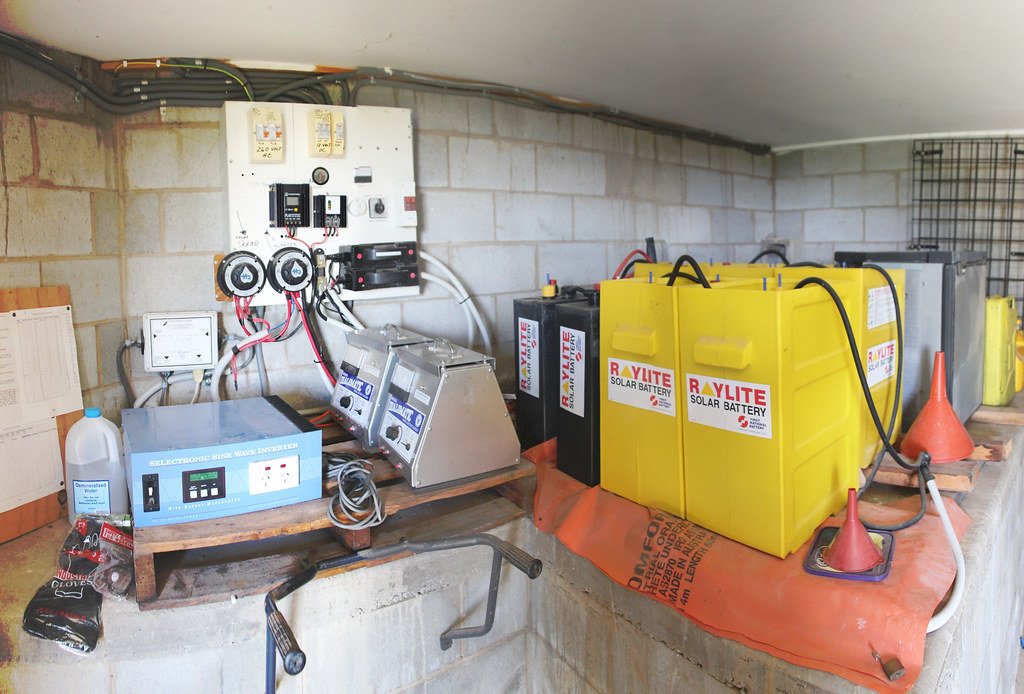

1. Distribution transformers and substation capacity
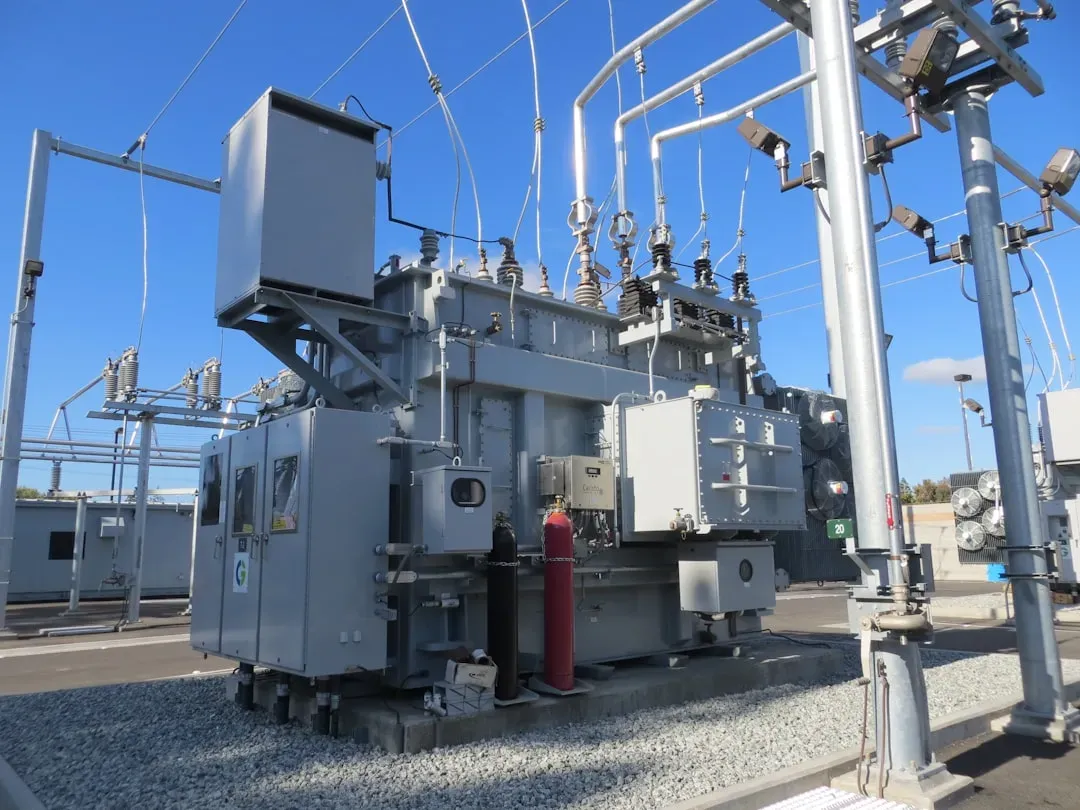
The most immediate bottleneck for EV charging sits much closer to home than most drivers realize. It’s the neighborhood transformer, the metal box on a utility pole or pad that steps down voltage for a cluster of houses. A 2024 study analyzing more than 5,000 feeders in California found that 50% will experience overload conditions by 2035 and 67% by 2045 under projected EV adoption scenarios.
That single state’s numbers hint at the scale of the challenge nationwide. Researchers estimated that distribution system capacity upgrades totaling 25 gigawatts will be required by 2045, at costs ranging from $6-20 billion. Add too many home chargers to one local circuit and the transformer serving that block simply wasn’t sized for it, which means utilities have to swap in bigger equipment street by street, not just at the power plant level.
2. Smart meters and dynamic load management

Hardware alone won’t solve the problem if every EV owner plugs in at six in the evening. That’s why utilities and researchers increasingly point to smart metering and automated load management as a near-term fix that buys time before physical upgrades catch up. As EV charging sites scale in number and power, grid capacity, transformer sizing, voltage drop, and thermal limits become primary electrical-distribution constraints, and load balancing is complex, as simultaneous fast charging can create peak loads that strain infrastructure.
Dynamic load management systems adjust charging speed in real time across many chargers to keep demand within safe limits. In commercial settings, this approach has already proven itself. With a smart charging algorithm in place, the total load could be constrained, enforcing a transformer capacity limit without sacrificing much energy delivered. That kind of software layer is cheaper than pouring new concrete for a bigger transformer, at least for a while.
3. Faster grid interconnection and permitting reform
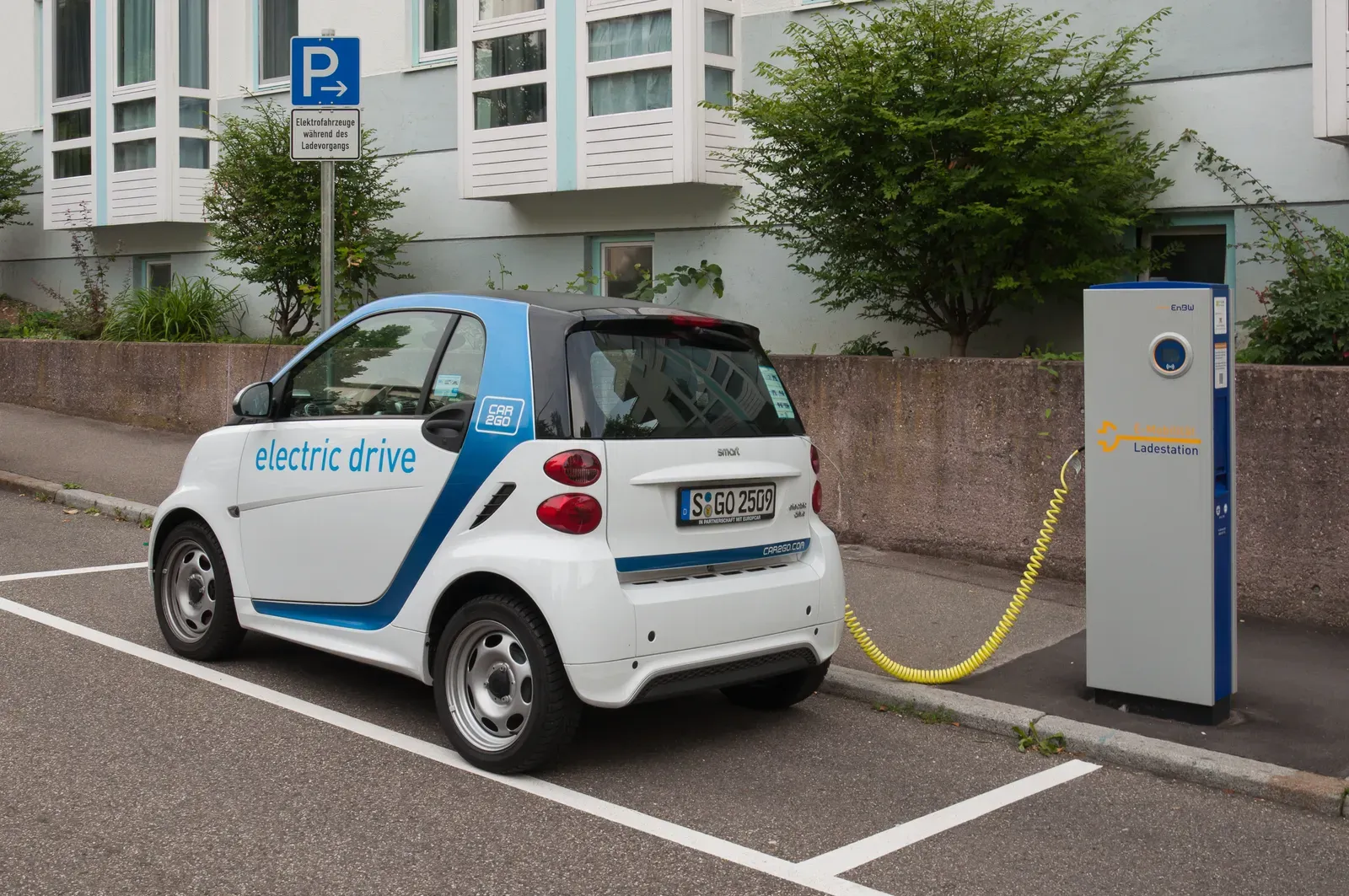
Even when the technology and the money are ready, getting a new charging station actually connected to the grid can take an absurdly long time. A recent evaluation in some of the highest EV-adoption utility territories found that the median time from application to utility activation exceeded 950 days, nearly three years just to get the permit and flip the switch.
DC fast chargers face even longer waits than home chargers. Industry reporting notes that Level 2 chargers face interconnection processes ranging from one day to six months, while DC fast chargers require six months to two years to connect to the grid, and high-powered chargers serving commercial fleets can take up to two years from application to energization. Analysts at Atlas Public Policy have argued this isn’t a minor paperwork nuisance either. New analysis shows mitigating delays in EV charging projects could save nearly $90 billion. Streamlining these processes, through standardized timelines and flexible interconnection tariffs, is now viewed as just as important as the physical wires themselves.
4. Transmission and generation capacity for bulk power
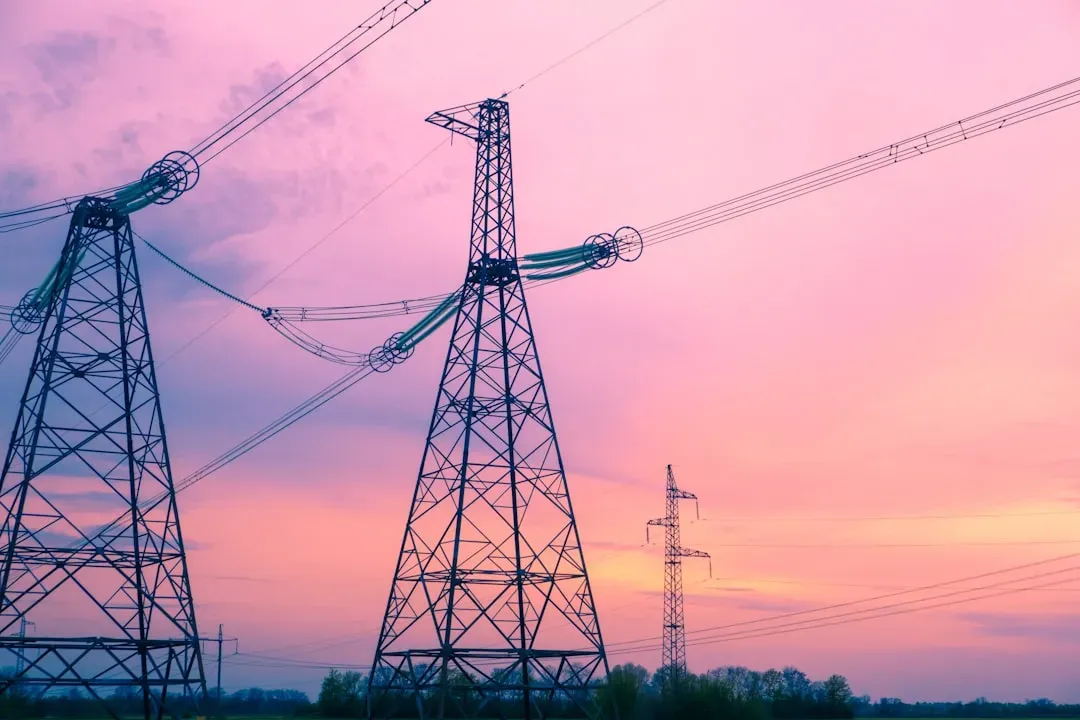
Zoom out from the neighborhood level and there’s a bigger supply question looming. Even a modest, steady rise in EV ownership adds up to a meaningful new source of electricity demand across the whole system. One recent industry analysis noted that there are currently around 5 million EVs on US roadways, representing 2% of the total passenger vehicle fleet, with EVs representing 9.7% of new vehicle sales in 2024, and even if that sales mix stayed flat, the number of EVs in use would still rise at roughly a 15% compound annual growth rate through 2030, reaching 22 million.
That growth doesn’t happen in isolation. The same analysis pointed out that rising electricity demand overall is largely due to building electrification, data centers, industrial demand, and electric vehicle adoption together, not EVs alone. Utilities have to plan transmission lines and generation additions years in advance, which means decisions made right now will determine whether the grid has enough bulk power on tap when EV numbers climb later this decade.
5. Grid-scale battery storage and renewable integration
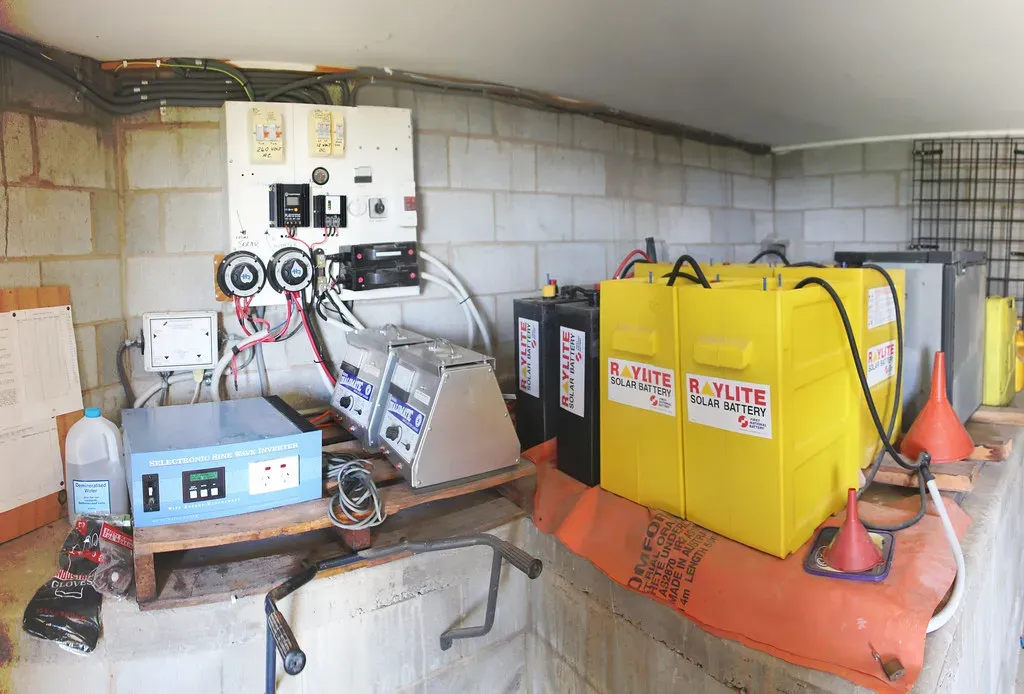
Batteries sitting at the substation level, rather than inside individual cars, are turning into one of the more practical tools for handling EV-driven demand spikes without rebuilding entire circuits. These systems can soak up cheap power when the grid is quiet and release it during the evening crunch when everyone gets home and plugs in. According to recent tracking of the sector, in the first nine months of 2025, a total of 49.4 gigawatts and 136.5 gigawatt-hours of grid-scale battery storage came online, representing a 36% increase in gigawatt-hours compared to the same period in 2024.
This storage buildout also plays a role beyond just EVs, smoothing out the swings that come from adding more wind and solar to the mix. As one industry guide put it, deploying storage as a non-wire alternative lets utilities handle demand spikes locally without new infrastructure, enabling peak shaving and letting operators profit from energy arbitrage. For fast-charging hubs specifically, on-site battery buffers are already cutting the wait for a full utility upgrade from over a year down to a few months in some pilot deployments, according to industry accounts of recent battery-integrated charger projects.
6. Vehicle-to-grid infrastructure and bidirectional charging

The most forward-looking upgrade on this list flips the whole relationship between cars and the grid. Vehicle-to-grid, or V2G, technology lets an EV battery send power back out when the system needs it, turning parked cars into a distributed storage network. As one energy engineer involved in recent research on the topic explained, V2G is a promising technology to handle many issues in the power system, especially as more renewable energy is integrated, and as renewables grow there will be imbalances of different timescales that EVs could help address through energy storage coordination.
But researchers are careful to note that V2G is a complement, not a substitute, for physical grid upgrades. A joint study from the University of Michigan, National University of Singapore, and Chinese University of Hong Kong found that V2G charging cannot completely offset the increased demands on the grid from EV adoption, so the grid should be upgraded first, with V2G charging added later, targeting long-term demand expectations to reduce total costs. The reasoning comes down to asset lifespans. As the same research team observed, major grid assets, such as transformers, last for decades, while V2G chargers have a limited lifetime and can be scaled up as EV adoption grows.
None of these six upgrades work in isolation. Bigger transformers matter little without smarter software to manage the load flowing through them, and grid-scale batteries only pay off if interconnection queues don’t strangle the projects before they’re built. What comes through clearly in the research is a sequencing problem as much as a technology one: the wires, substations, and permitting systems built for a pre-EV world need attention now, while the flashier tools like vehicle-to-grid charging are best treated as a second wave layered on top once the foundation is solid. Utilities, regulators, and automakers are all circling the same set of fixes, and the pace at which they get built out will likely shape how smoothly EV adoption moves from its current steady climb into something closer to the mainstream.