

- The Compostable Cup Left Intact for Years – 5 Backyard Composting Failures - November 15, 2026
- Fast-Fashion “Conscious” Lines Under Scrutiny – 5 Red Flags in Eco-Clothing - November 15, 2026
- Space Engineers Explain 5 Quiet Changes Making Rocket Launches Safer Than Ever - November 15, 2026
1. California
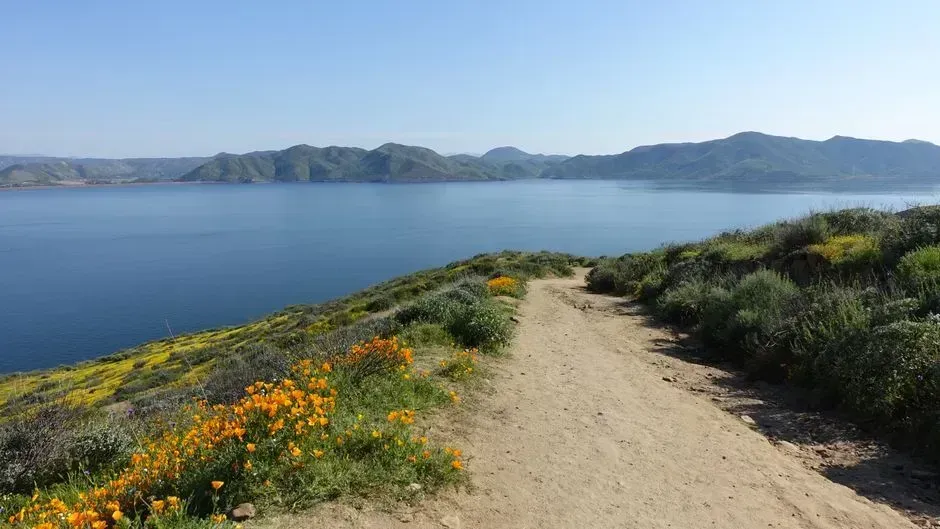
California has spent the past few years quietly rewriting the rules around water use, and it is no longer just about emergency drought orders. California’s “Making Conservation a California Way of Life” legislation, enacted through Senate Bill 606 and Assembly Bill 1668 in 2018, creates permanent water efficiency standards that apply regardless of whether the state is in a drought. The framework phases out decorative turf at commercial and public properties and prohibits specific forms of water waste statewide.
The State Water Resources Control Board adopted the final implementing regulation on July 3, 2024, which took effect January 1, 2025. Utilities that miss their targets are not the only ones feeling pressure, since the Metropolitan Water District of Southern California, which imports Colorado River water serving nearly 19 million people, approved consecutive wholesale rate increases for 2025 and 2026. For everyday Californians, that translates into higher bills, restricted sprinkler schedules, and a slow but steady shift toward drought-tolerant landscaping as the new normal.
2. Arizona
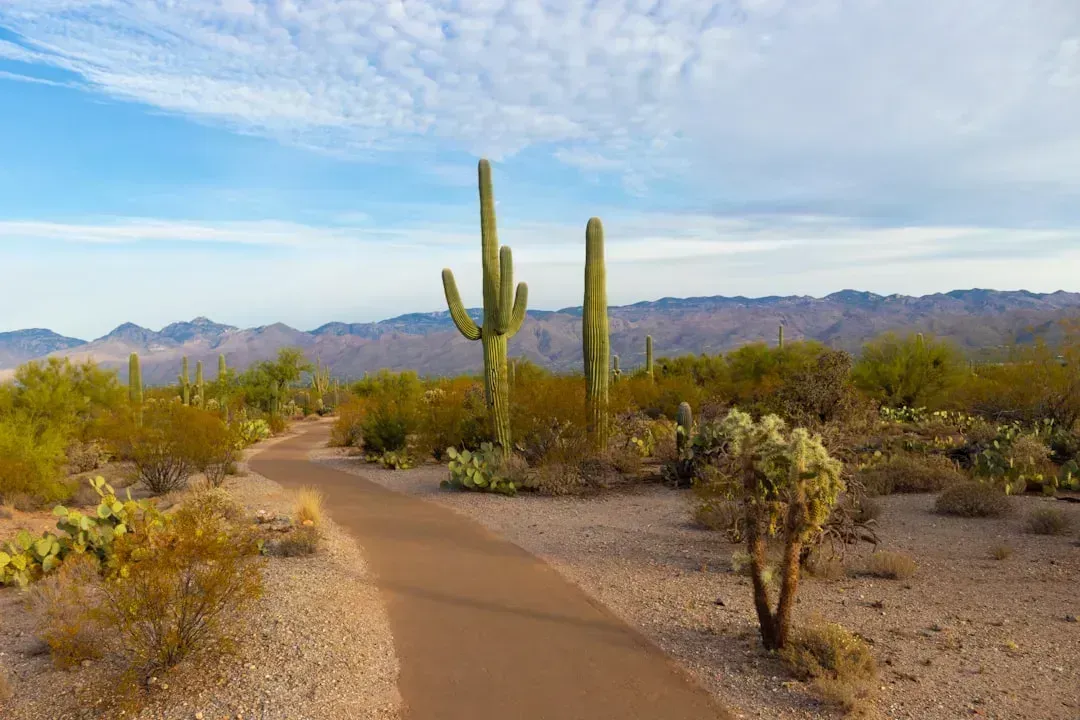
Few states feel the squeeze of the Colorado River quite like Arizona does. Arizona will again go without 18% of its total Colorado River allocation heading into 2026, continuing a pattern of cuts that has now stretched into its fifth consecutive year. That is not a one-time inconvenience; it is a structural reality reshaping how cities, farms, and tribes plan their water budgets.
The pressure is only intensifying. Nevada, Arizona and California will be required to cut their use of Colorado River water by about 20% over the next two years, with deeper reductions still possible under a new federal framework released in the summer of 2026. Arizona officials have pushed back hard, warning that the scale of these reductions “would devastate Arizona’s water users and its economy,” which gives a sense of just how central conservation has become to daily political and economic life in the state.
3. Nevada
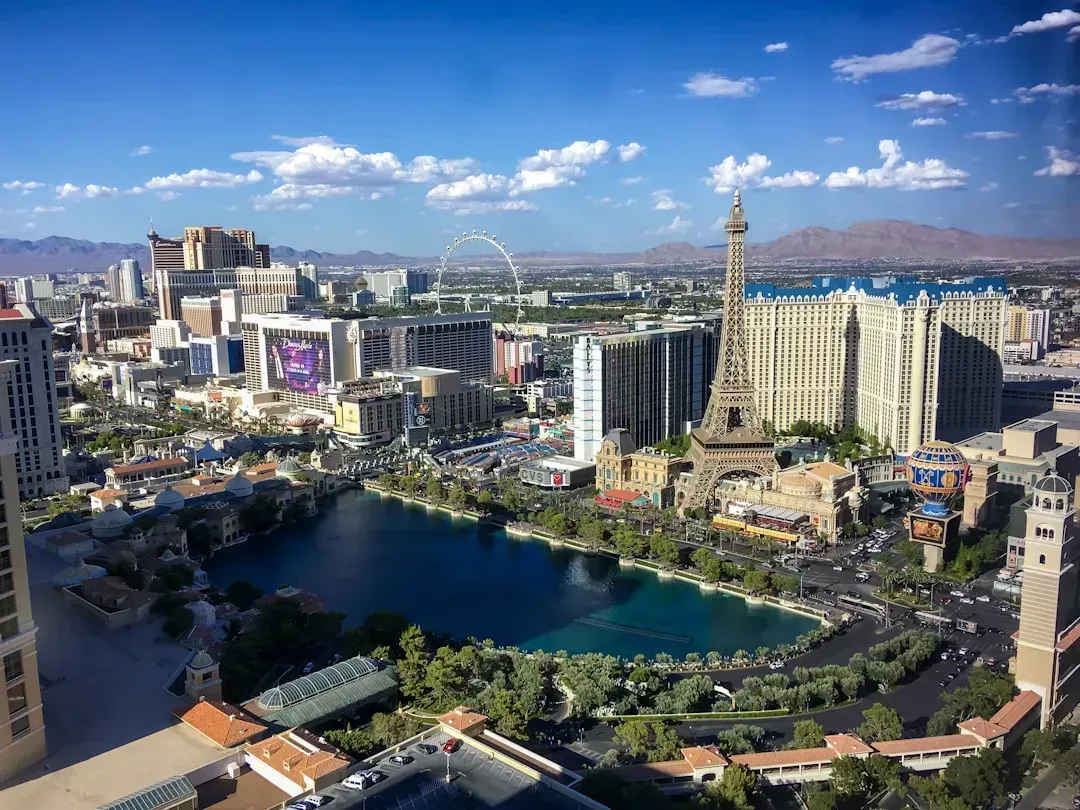
Nevada draws far less from the Colorado River than its neighbors, but it has also built conservation into its identity more thoroughly than most. Nevada’s overall allocation from the river is small relative to Arizona and California, and the state has typically used less than its full share because of conservation efforts and water recycling. That head start does not mean the cuts are painless, though.
The numbers tell their own story. Nevada had 279,000 acre-feet available from the river in 2024, a 7% cut from the prior year, even as its full annual allocation runs closer to 300,000 acre-feet. Southern Nevada’s consumptive use came to about 212,000 acre-feet that year. Las Vegas in particular has leaned on aggressive turf-removal incentives and strict watering schedules for years, so residents there are largely used to thinking about water use as a routine calculation rather than an afterthought.
4. Colorado
Denver offers one of the clearest snapshots of conservation becoming an everyday habit rather than an emergency measure. Denver Water customers are required to follow mandatory watering restrictions of two assigned days per week, though if it rains, residents can skip one or even two of their days. That kind of rule, once temporary, now shows up on utility bills and lawn-care calendars every single year.
Conditions this year have made the point even sharper. On March 25, 2026, the Denver Board of Water Commissioners declared a Stage 1 drought, seeking a 20% reduction in water use to preserve water levels and avoid even stricter mandatory restrictions later this summer. The board went a step further by approving temporary drought pricing, starting with May water use and reflected in June bills, to signal the premium value of water during droughts and help incentivize customers to save water, a move that puts a literal price tag on the idea of everyday conservation.
5. Washington
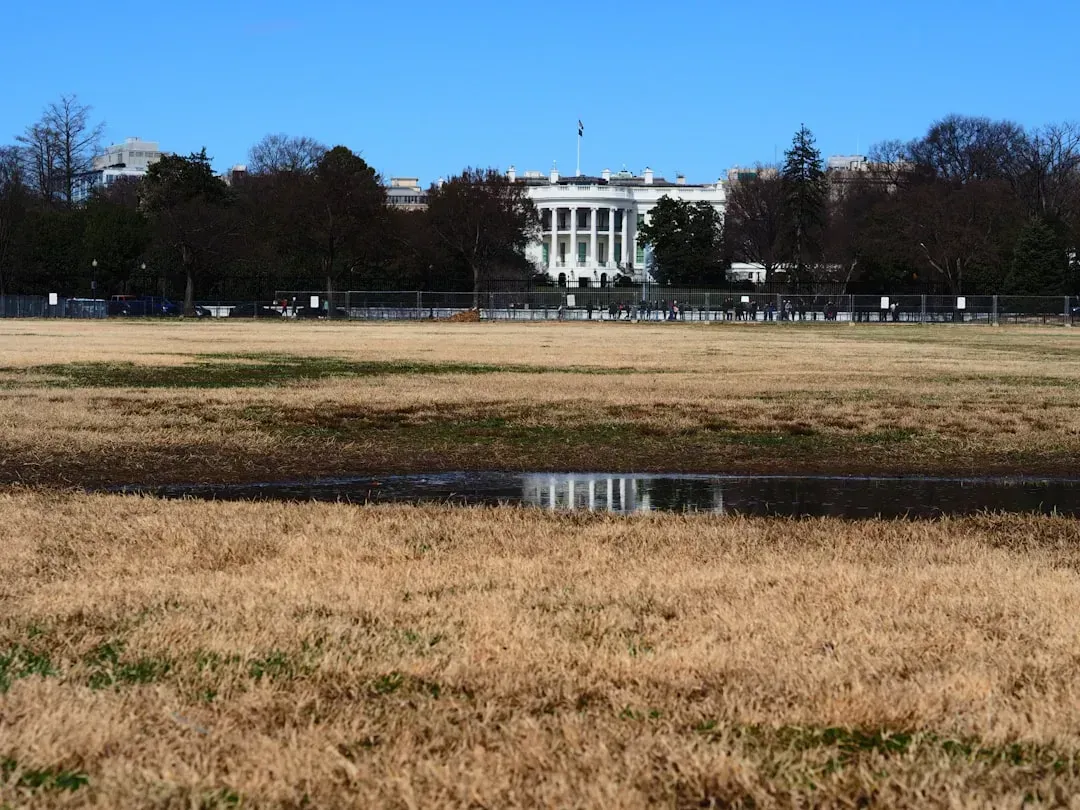
Washington rarely comes to mind when people picture drought, but 2026 has forced a reconsideration. On April 8, 2026, Ecology issued a drought declaration for all watersheds in the state due to low snowpack and multiple years of precipitation deficits, marking the state’s fourth consecutive drought declaration, a record under the current drought framework established in 1989. That streak is notable precisely because Washington is known for rain, not scarcity.
Not every community feels it the same way. The areas served by Seattle, Tacoma, and Everett water utilities planned for drought conditions early in the winter and do not anticipate any impacts for their customers, while other regions of the state face tighter supply. State officials note that customers should check with their local water utilities to understand what conservation measures may be in place, which itself signals a shift toward residents routinely tracking local water status rather than assuming abundance.
6. Georgia
Georgia’s 2026 drought declaration surprised a lot of people simply because of how long it had been since the last one. Georgia EPD declared a statewide Drought Response Level 1 on April 27, 2026, the first formal drought declaration since 2012. By the time the declaration landed, conditions were already severe, with 96% of Georgia’s land area under drought conditions as of March 31, 2026, the highest coverage in several years.
What makes Georgia interesting is that conservation habits there were already partly baked in before this drought even started. The Georgia Water Stewardship Act of 2010 requires all outdoor irrigation to occur only between 4 p.m. and 10 a.m., year-round, statewide, a permanent rule unrelated to drought status. Atlanta’s water utility responded to the new declaration with reminders about fixing leaks and running full loads in dishwashers, and officials cautioned that “while there are currently no mandatory water use restrictions, this declaration is an important reminder that we all play a role in protecting our most vital resource, water”.
7. Florida
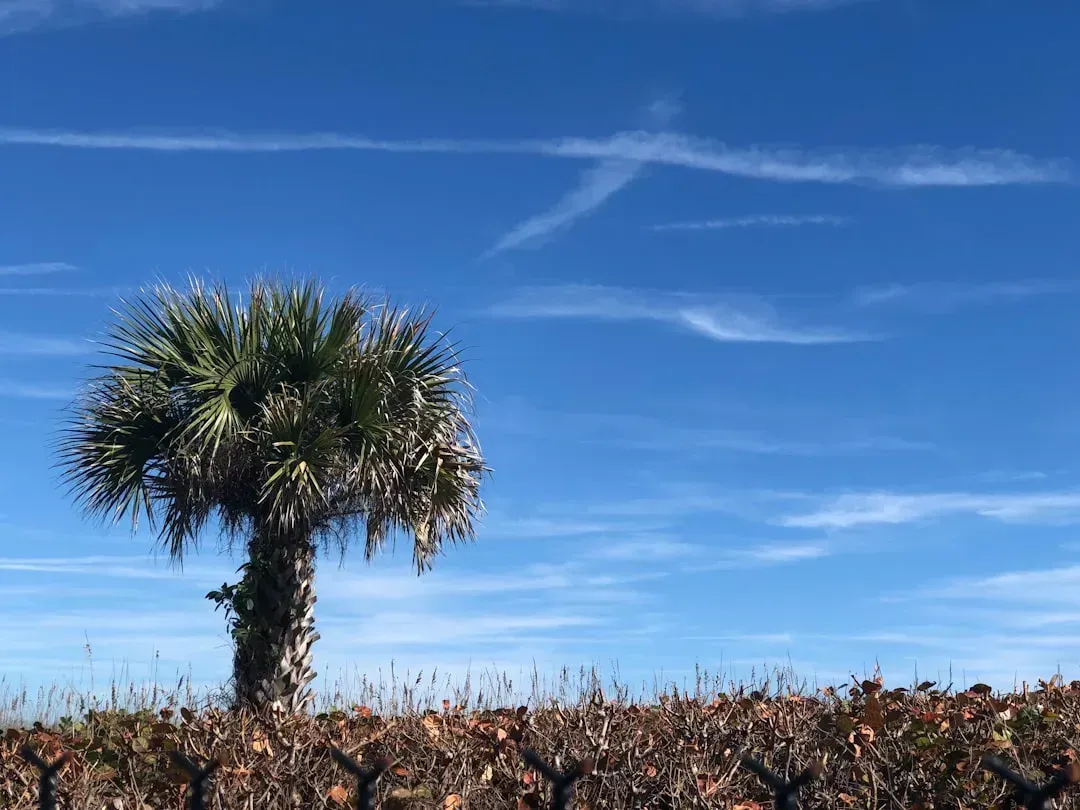
Florida’s water story runs against the state’s rainy reputation, at least in its southwest region. The Southwest Florida Water Management District’s Modified Phase III one-day-per-week water shortage restrictions were extended through October 1, 2026, meaning millions of residents are living under a strict outdoor watering limit for well over a year running. That single-day-a-week rule has become routine for households in the Tampa Bay area and beyond.
The underlying numbers explain why officials are not easing up. The district received below average rainfall during its 2025 rainy season and, at the time the Modified Phase III was declared, had a 13.7-inch regional rainfall deficit compared to the average 12-month total. Beyond the rainfall gap, water levels in the district’s rivers and lakes are continuing to decline and many are severely abnormal, while public water supplies are extremely low, a combination that keeps conservation front and center for residents rather than something they only think about during a hurricane-free summer.
Across these seven states, the pattern looks less like a temporary belt-tightening and more like a genuine recalibration of expectations. Rules that once carried an expiration date, tied to a specific drought emergency, are increasingly written into permanent law or renewed year after year without much fanfare. Whether it is a Colorado homeowner checking an assigned watering day, a Georgia gardener working around a decade-old irrigation window, or a Nevada resident who long ago swapped grass for gravel, the common thread is the same: saving water has quietly moved from an occasional favor to the utility company into something closer to a daily habit.