

- 7 States Where Water Conservation Is Becoming Part of Daily Life - August 20, 2026
- Economists Ranked Every State by Climate-Driven Cost of Living – This One Came in Dead Last - August 20, 2026
- I Asked ChatGPT Which Regions Will See the Worst Wildfire Smoke This Year – Here’s What It Predicted - August 20, 2026
1. Vermont
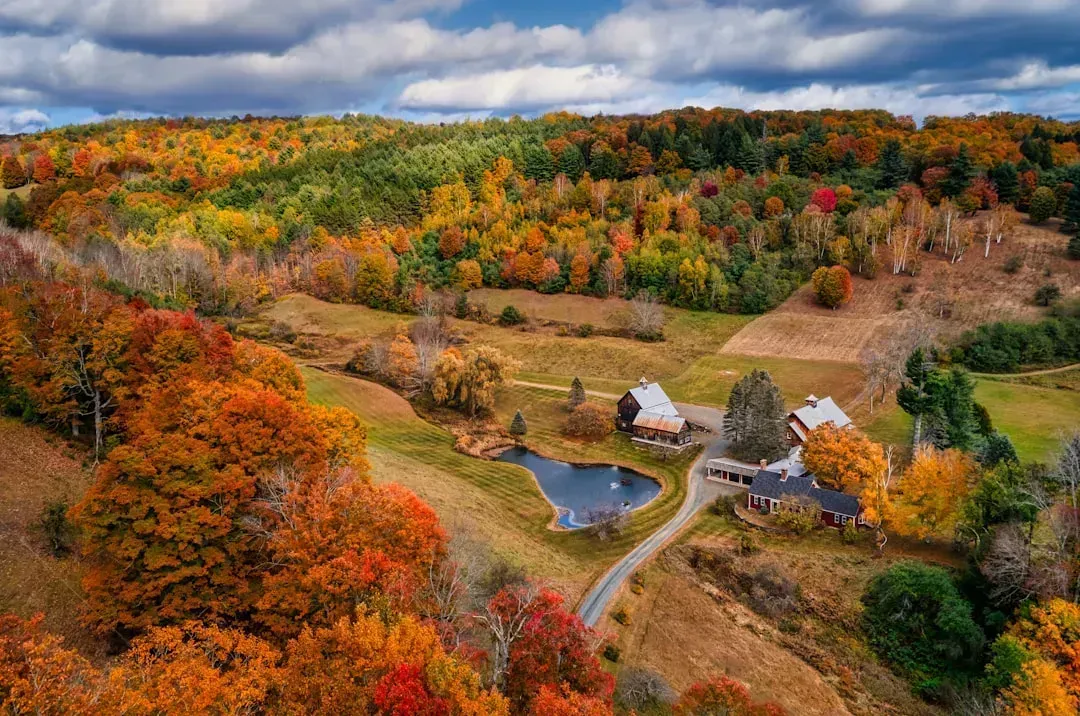
Vermont sits at the top of nearly every climate-safety measure economists track. FEMA’s National Risk Index places every county in Vermont in the “very low” or “relatively low” risk category, something only a few states can claim. That translates directly into household budgets, since insurers rarely need to price in hurricane, wildfire, or major flood exposure the way they do elsewhere.
The numbers back it up. Vermont’s average annual home insurance premium was $1,209 in 2024 and was projected to reach just $1,248 in 2025, among the lowest in the nation. Over the long run, Vermont has also seen far fewer major weather or climate disasters over the past four decades than states like Florida, California, or even nearby Massachusetts, which keeps both premiums and rebuilding costs unusually stable.
2. New Hampshire
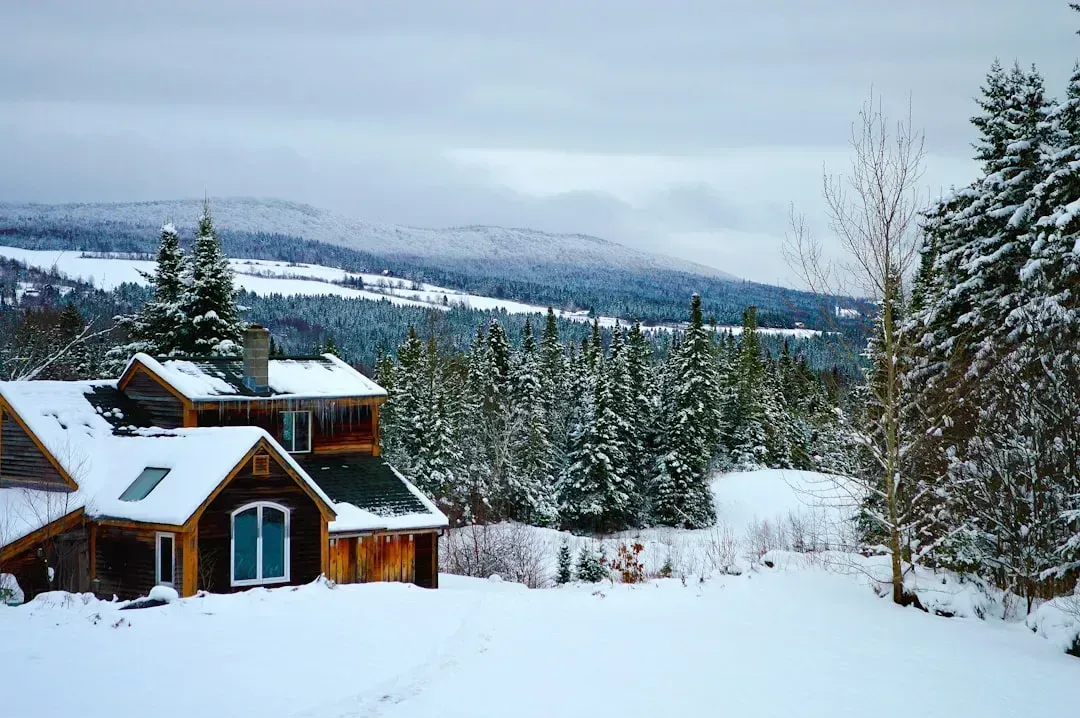
New Hampshire rounds out New England’s reputation as the country’s quiet safe zone. Insurers point to the region’s low disaster frequency and calm legal environment as the reason premiums stay so modest. According to insurance analysts, in Vermont and New Hampshire, low rates reflect the lower risks of natural disaster and low litigation rates, a combination that keeps households from absorbing the kind of surcharges seen in coastal or tornado-prone states.
There is no major hurricane exposure, no wildfire corridor, and no tornado alley cutting through the state. Winters are cold and occasionally harsh, but the infrastructure and building codes have long been designed around that reality, so the climate cost burden stays predictable year after year rather than spiking with each new storm season.
3. Alaska
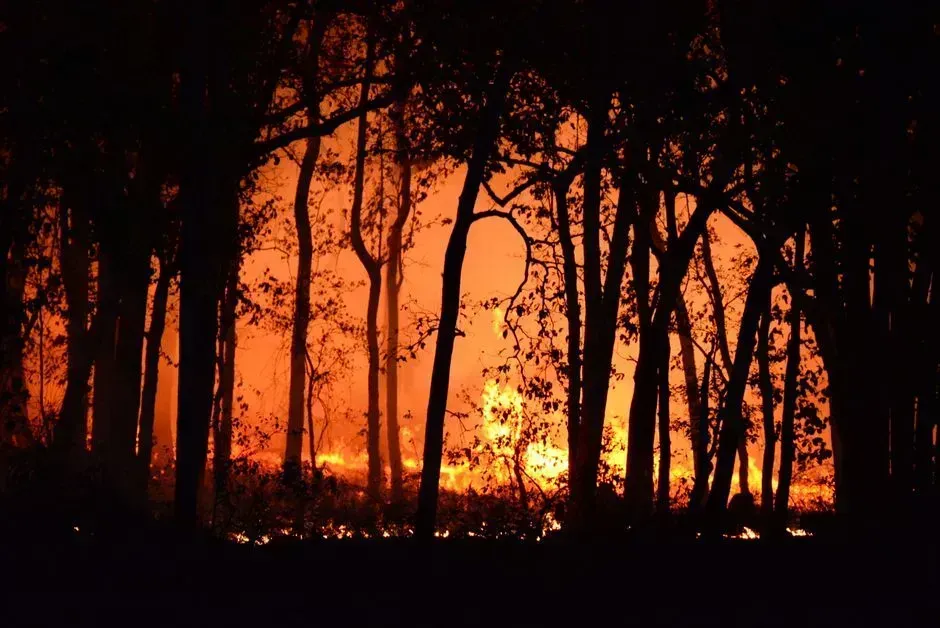
Alaska is a genuinely strange case. Permafrost thaw, coastal erosion, and shifting wildfire seasons are reshaping the state’s long-term infrastructure picture, yet none of that has translated into runaway insurance costs the way it has in the Lower 48’s hurricane and wildfire zones. Alaska’s average annual home insurance premium was $1,470 in 2024 and was projected to rise only modestly to $1,543 in 2025.
Part of the reason is simple geography. Alaska has no hurricane exposure, limited wildfire-urban interface compared to the Lower 48, and a small enough population that insurers have not needed to price in the kind of catastrophic loss scenarios common in the Sun Belt. Long-term climate risk is real here, but it has not yet shown up in monthly bills.
4. Wisconsin
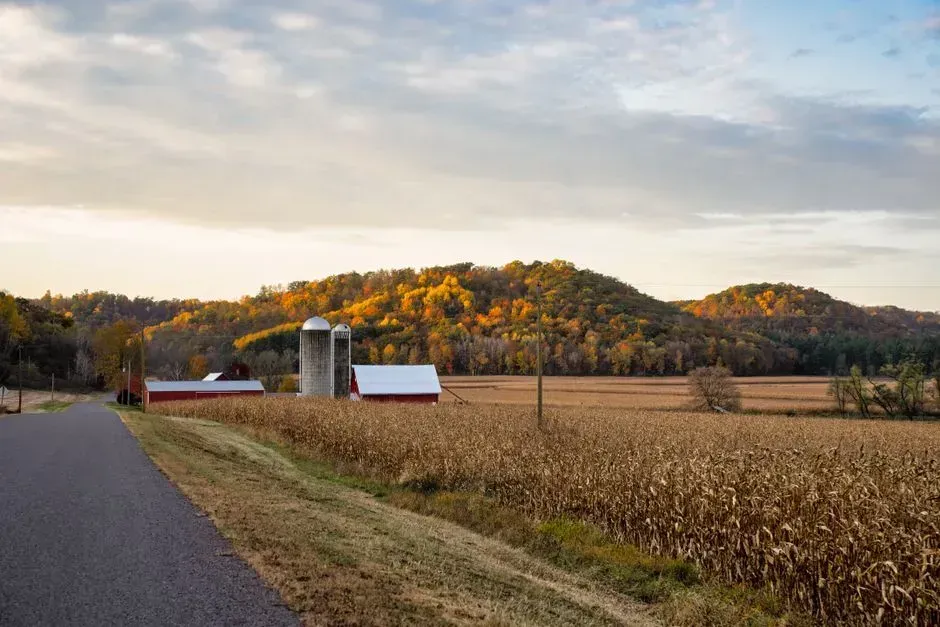
Wisconsin benefits from a climate profile that avoids nearly every major disaster category insurers worry about. It sits outside the core of Tornado Alley, away from hurricane paths, and largely clear of the wildfire corridors reshaping premiums out West. Severe thunderstorms and occasional flooding happen, but they rarely reach the scale of loss seen in states further south.
That stability shows up in a housing market where climate surcharges are a minor line item rather than a defining cost. Regional cost patterns generally hold here too, since the Midwest tends to be less expensive than the coasts, reflecting broad structural factors that have stayed consistent over time, and climate risk simply hasn’t disrupted that pattern.
5. Montana
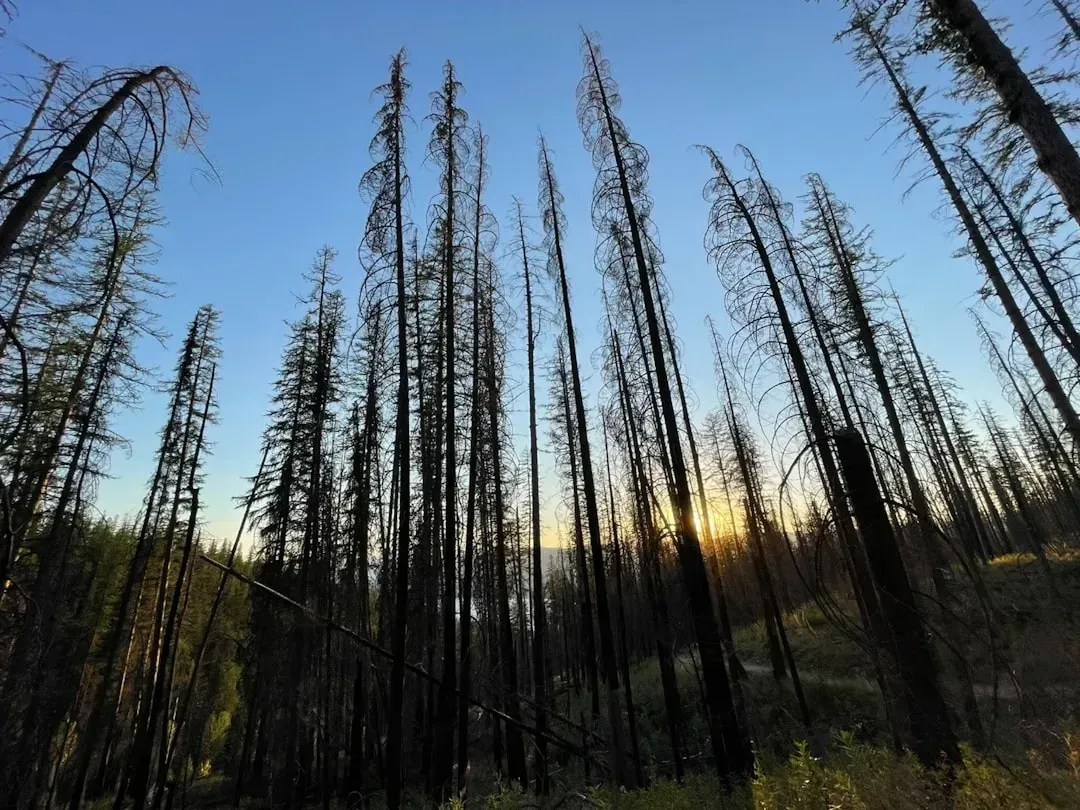
Montana’s wide open spaces come with a genuine wildfire risk, particularly in the western forested counties, but the state’s low population density limits the financial exposure compared to more densely built wildfire zones in California or Colorado. Fewer homes sit directly in the highest-risk fire corridors, which keeps average premiums from spiraling the way they have elsewhere in the Mountain West.
Winters remain harsh, and heating costs run higher than the national average, but that is a predictable seasonal expense rather than a climate-driven insurance crisis. Montana’s overall cost of living stays anchored by its rural character rather than by the kind of catastrophic loss patterns insurers are now pricing into neighboring states.
6. Wyoming

Wyoming shares Montana’s advantage of low population density spread across a large, wildfire-exposed landscape. The risk exists on paper, particularly in dry summer months, but with relatively few structures concentrated in the most fire-prone zones, insurers haven’t needed to raise premiums as aggressively as they have in more densely populated wildfire states.
Severe winter storms and occasional flooding round out the state’s climate risk profile, but neither has produced the kind of repeated, billion-dollar disaster years that drive up costs elsewhere. Wyoming’s cost of living stays comparatively low, and climate factors have so far stayed a background concern rather than a headline expense.
7. Idaho
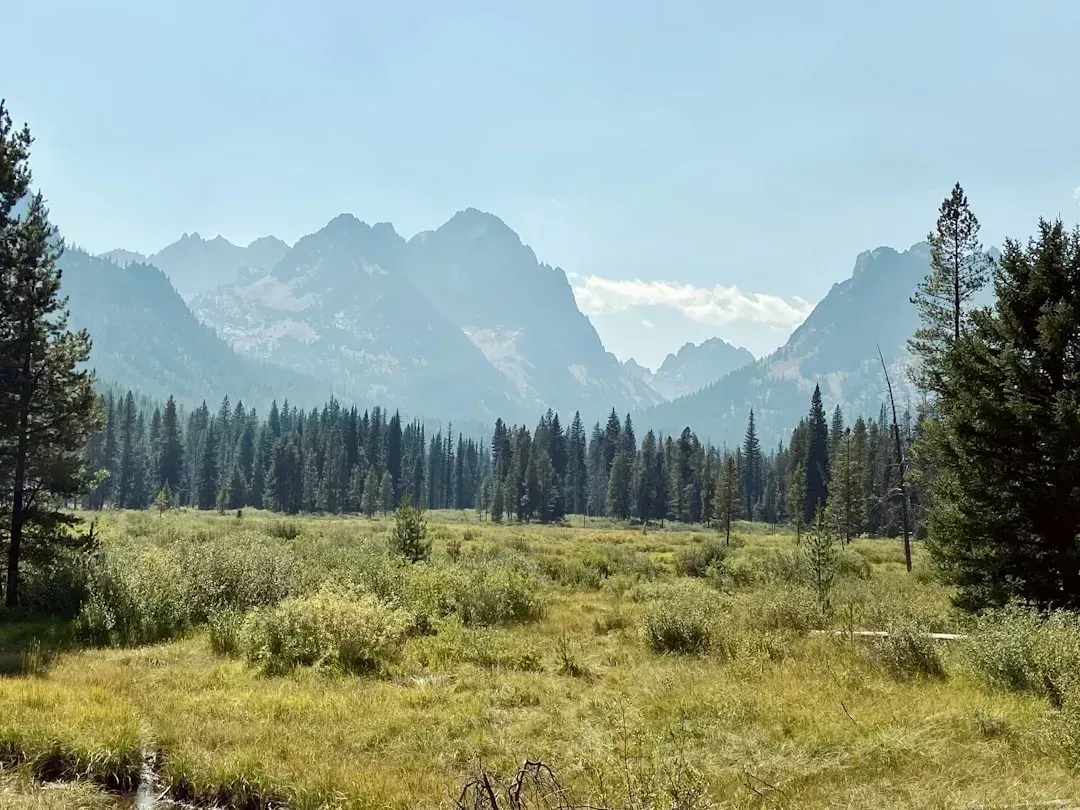
Idaho has become something of a case study in climate-conscious relocation. It has quickly become a favorite destination for remote workers seeking affordability, and WalletHub ranks it the second-best state to live in, citing its low taxes, safety, and steady growth in median household income. Wildfire risk exists in the mountainous regions, but it hasn’t translated into the runaway premiums seen in California or Colorado.
For households weighing both budget and climate exposure, Idaho makes a strong case for remote workers who can live anywhere and want both manageable costs and room to enjoy their surroundings. That combination of affordability and moderate risk keeps it near the top of nearly every state comparison analysts publish.
8. Ohio

Ohio’s climate risk profile is about as unremarkable as it gets, which in this ranking counts as a genuine advantage. The state avoids hurricane exposure entirely, sits on the edge of rather than inside Tornado Alley, and has no wildfire corridor to speak of. Great Lakes proximity brings lake-effect snow, but that’s a manageable seasonal cost rather than a disaster-driven one.
Ohio also ranks among the cheapest states for general cost of living, with an index of 90, placing it among the ten cheapest states in the country. That baseline affordability, paired with low disaster exposure, keeps climate-driven costs from meaningfully denting household budgets.
9. Indiana
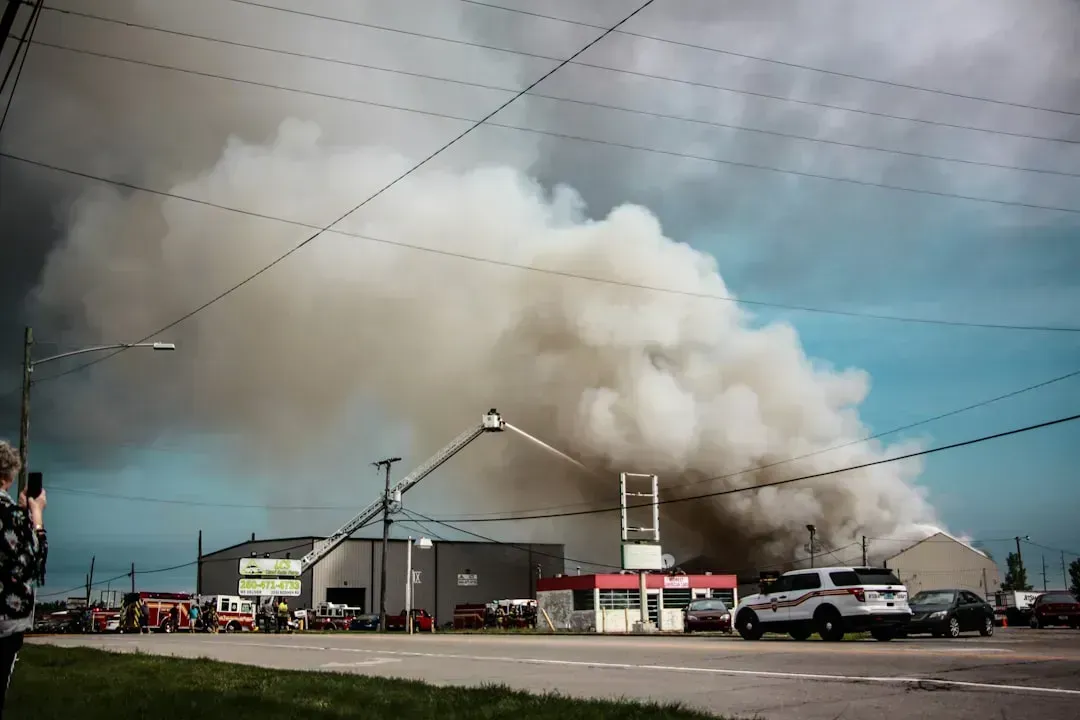
Indiana faces real tornado risk as part of the broader Midwest severe weather corridor, but it has avoided the kind of sustained, sharp premium increases hitting neighboring states like Iowa and Nebraska. Building codes and a relatively stable insurance market have helped keep costs from climbing at the same pace.
Cost of living here also runs low across the board, with Indiana’s index sitting at 90, among the ten cheapest states nationally. Combined with moderate climate exposure, Indiana offers one of the more balanced pictures in the country when it comes to weather-related financial risk.
10. West Virginia
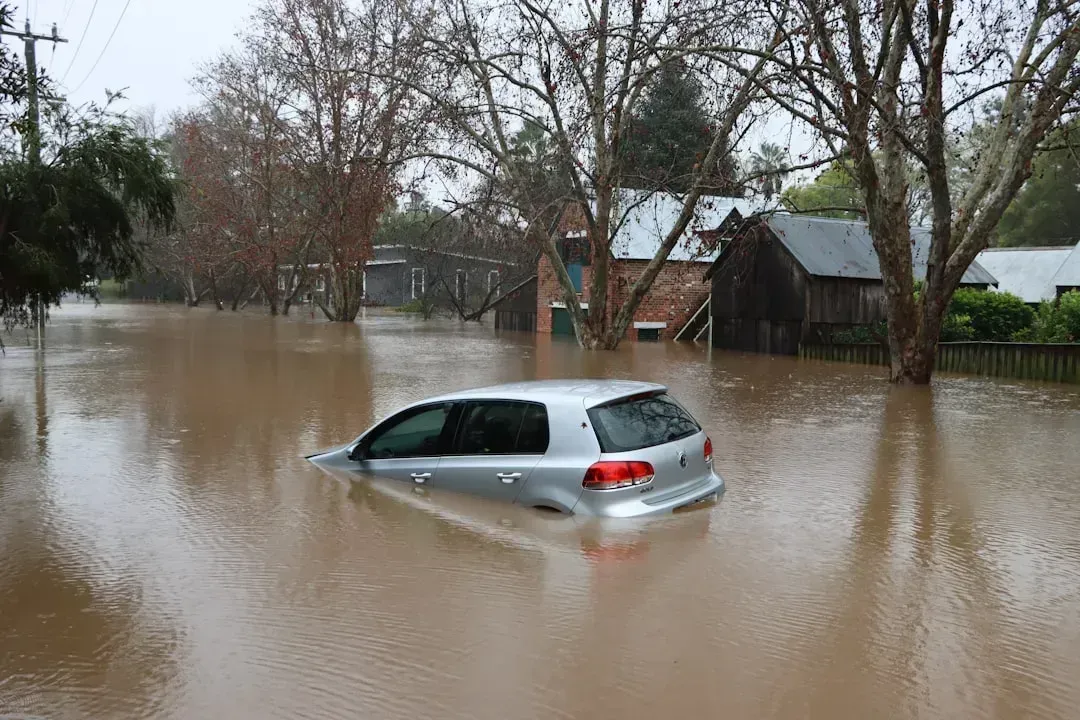
West Virginia’s mountainous terrain brings flash flooding risk in narrow valleys, and that has become a growing concern as storm intensity increases. Even so, the state has avoided the systemic insurance crisis unfolding in hurricane and wildfire states, largely because its overall disaster footprint remains smaller and more localized.
The state also holds one of the lowest general cost of living scores in the country, tied with Mississippi at an index of 83, among the cheapest in the nation. That affordability cushion helps offset the periodic flood-related expenses homeowners in certain counties do face.
11. Kentucky
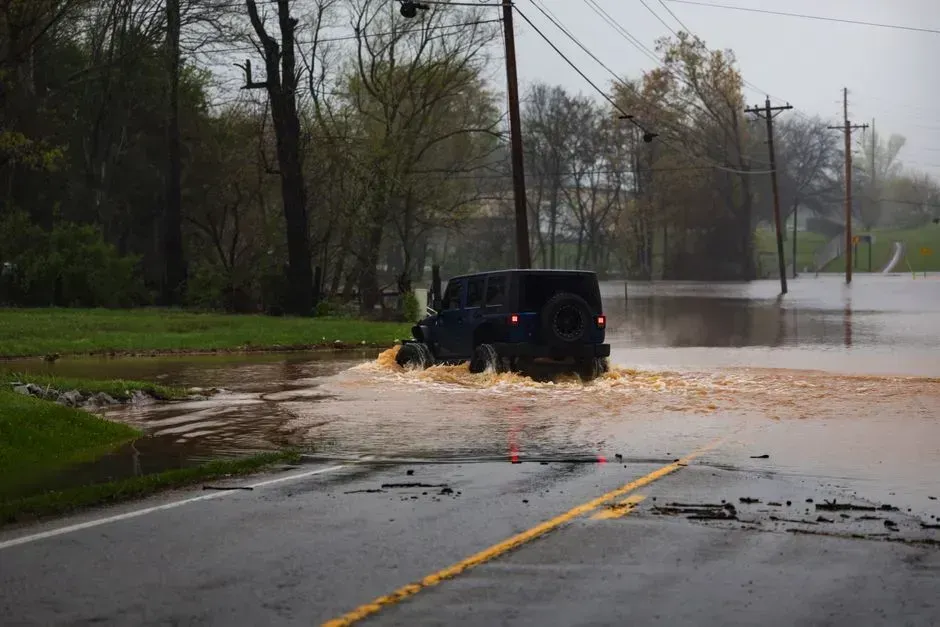
Kentucky has started showing early warning signs that its climate cost profile is shifting. Severe storms and flooding have become more frequent, and insurers have responded accordingly. Kentucky was projected to see a 33% increase in home insurance premiums in 2026, one of the sharpest jumps among all states.
Despite that spike, Kentucky’s overall base costs remain low enough that the increase hasn’t pushed household budgets into crisis territory the way it has in Gulf Coast states. It’s a state to watch, since the trend line is moving in the wrong direction even if the current numbers stay manageable.
12. Pennsylvania
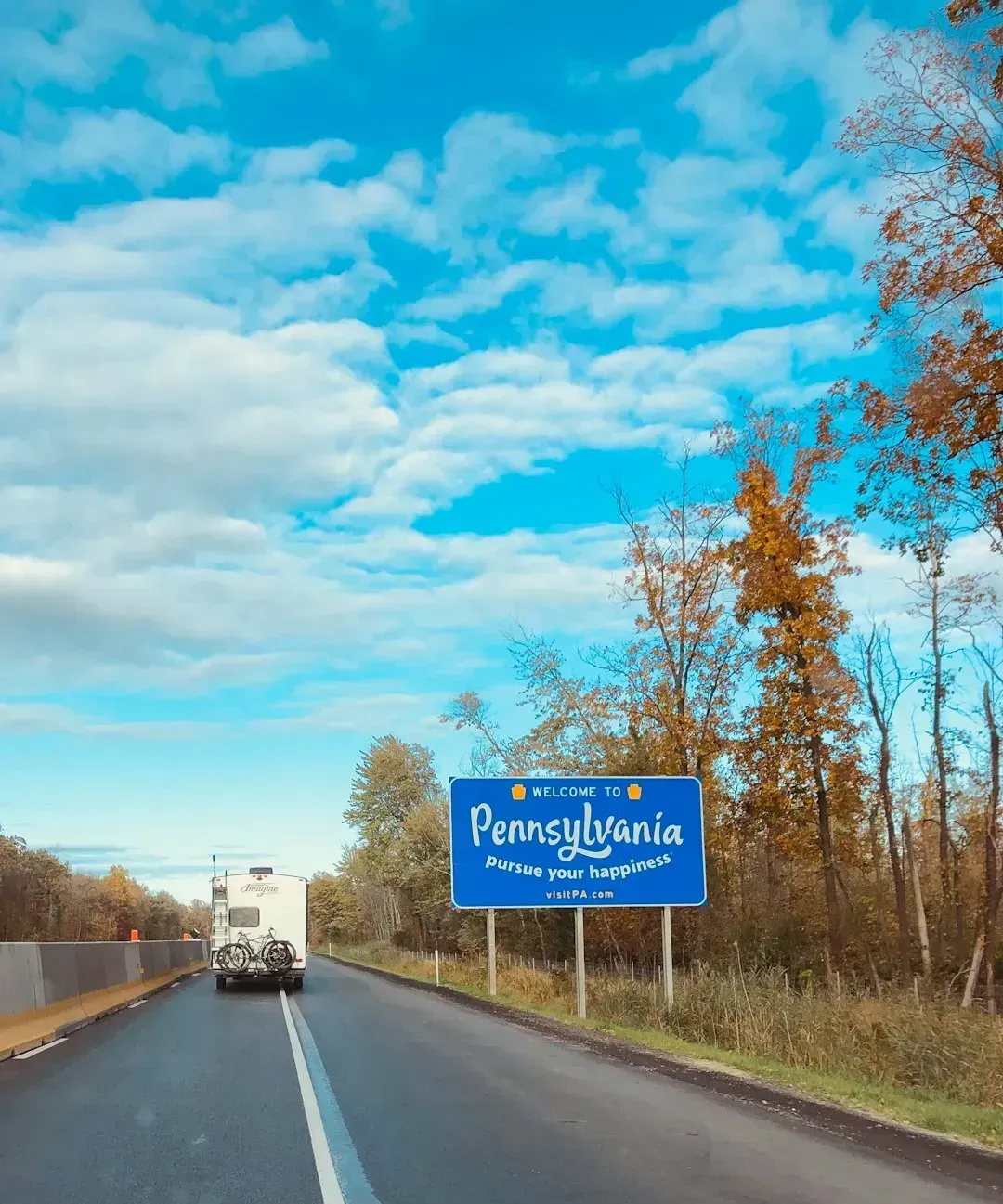
Pennsylvania is an interesting outlier in the hurricane conversation. Despite sitting well inland, it is one of the states where insurers apply hurricane-related deductibles, because storms can travel well past the coast, and states like Pennsylvania are included in hurricane deductible zones for exactly that reason.
That said, Pennsylvania’s overall exposure remains far lower than true coastal states. Flooding along its river valleys and occasional remnants of tropical systems create periodic cost spikes, but the state hasn’t seen the sustained premium climbs affecting the Gulf Coast or the Rockies.
13. Illinois

Illinois sits squarely in the path of severe convective storms, and the claims data reflects it. In a recent quarterly analysis, Texas saw the highest insurance claim volume in the country, with 130% more claims than second-place Illinois, underscoring just how frequently severe weather touches the state.
Tornadoes, hail, and derecho-style windstorms have all driven up claims in recent years. Illinois hasn’t seen premium spikes as dramatic as Minnesota or Iowa, but the underlying weather pattern suggests it may not stay insulated from future rate increases if storm frequency keeps climbing.
14. New York

New York’s climate cost story is less about hurricanes and more about coastal flood exposure around New York City and the Hudson Valley, alongside a broader affordability crisis that dwarfs most climate line items. Housing costs in the state are driven far more by density and demand than by weather risk, though storm surge remains a real concern for low-lying boroughs.
Rents and home prices overwhelm most other cost factors here. The average home price in Manhattan reached $2.9 million in the first quarter of 2026, with average apartment rent in the city closing in on $6,000 a month, a scale of cost that makes climate surcharges almost secondary by comparison.
15. Massachusetts
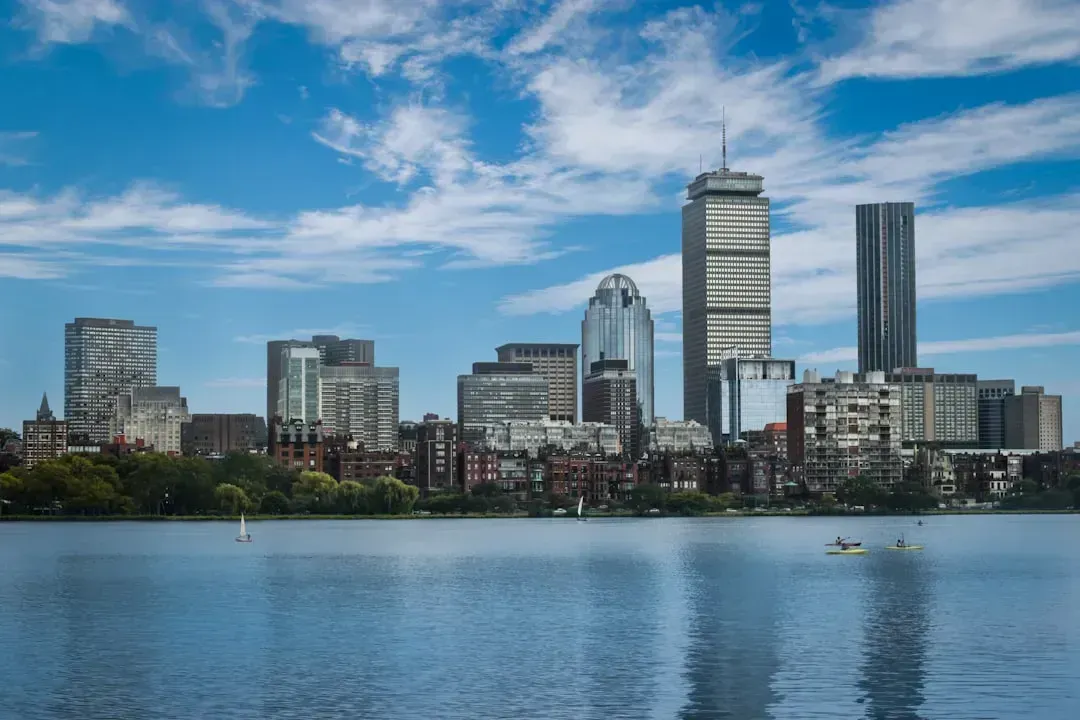
Massachusetts shares New England’s generally favorable climate risk profile, though its coastline does carry some nor’easter and storm surge exposure that inland New England states avoid. Historically, the state has recorded far fewer major climate disasters than Gulf Coast or wildfire states, keeping insurance costs comparatively contained.
Where Massachusetts struggles is overall affordability rather than climate specifically. High housing demand and dense coastal development push costs up independent of weather risk, meaning climate factors play a smaller role here than in states where disaster frequency directly drives premium spikes.
16. Connecticut
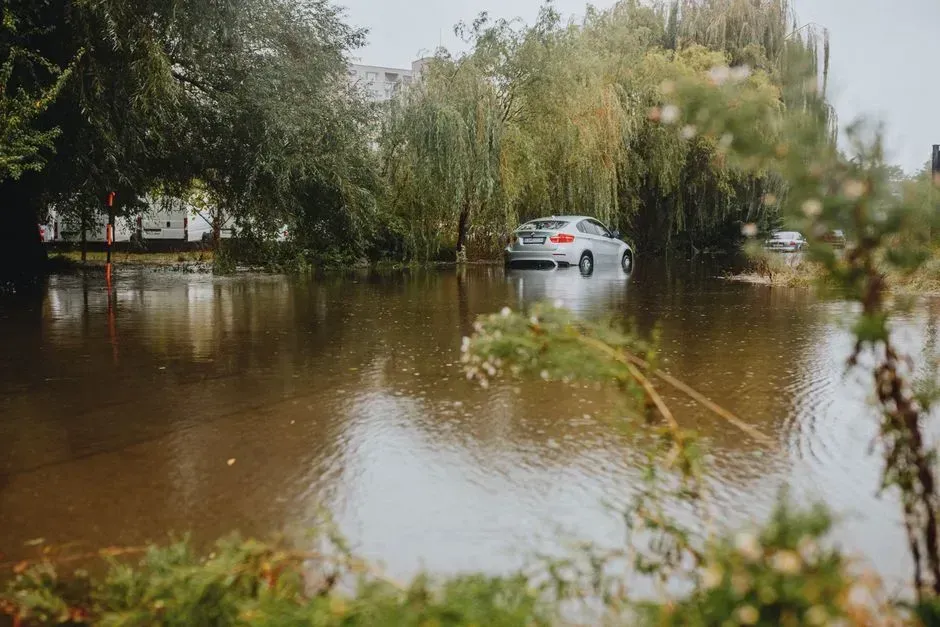
Connecticut’s coastal exposure brings periodic storm surge and flooding concerns, particularly along Long Island Sound, but the state has avoided the kind of repeated catastrophic hurricane landfalls that have battered the Gulf Coast. Insurance costs here track closer to the regional Northeast average than to true high-risk states.
Inland flooding after heavy rain events has become a more frequent concern in recent years, echoing a pattern seen across much of the Northeast. Still, Connecticut’s overall disaster loss history keeps it in the moderate-risk tier rather than pushing it toward the expensive end of the spectrum.
