
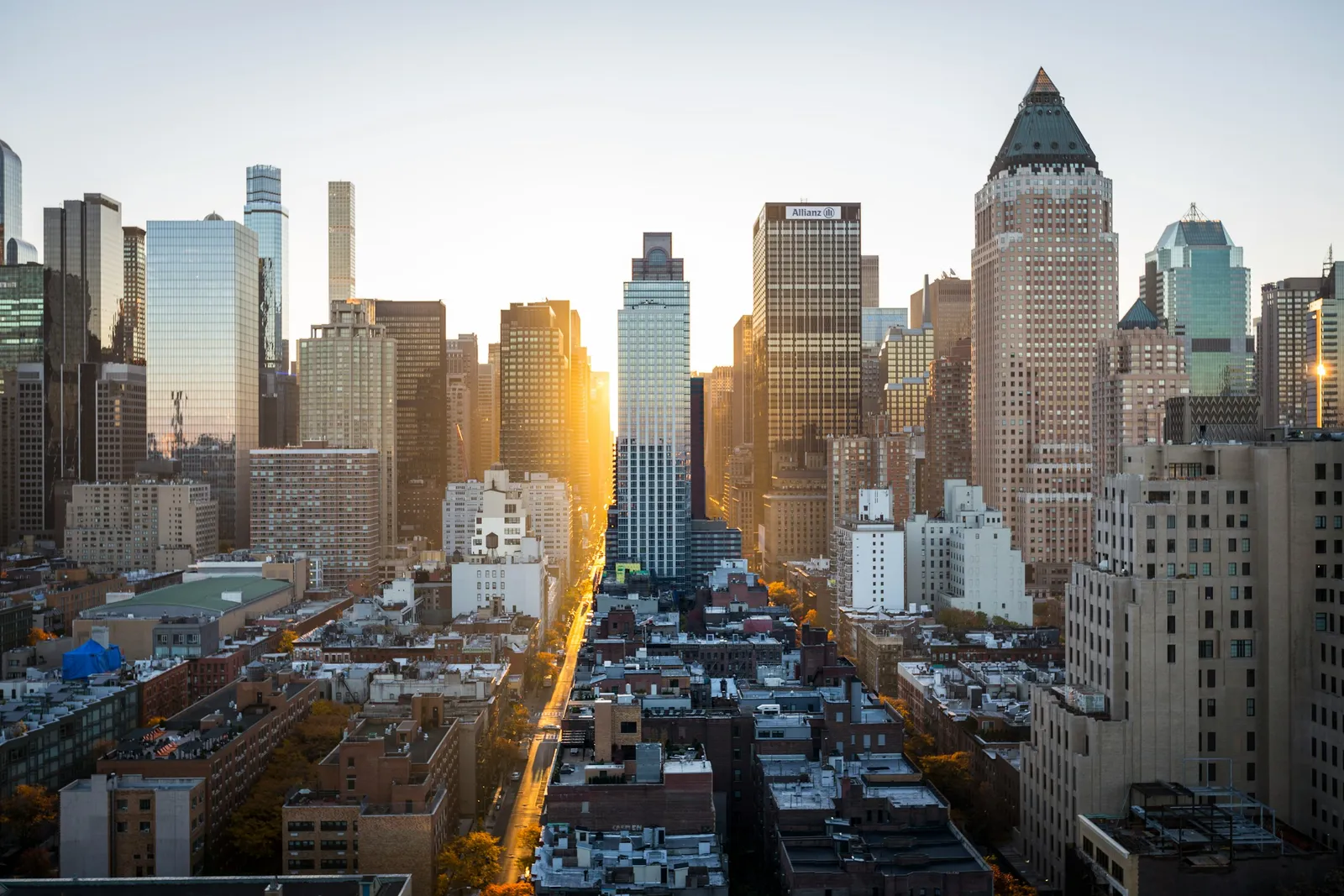
The overlooked role of temperature persistence
Most people assume that a heat wave lingers because it is intense, but researchers have found something more subtle at work. A 2025 study published in Nature Cities used global climate models to separate the intensity of urban heat islands from something called temperature persistence, the tendency for a hot spell to keep repeating itself day after day rather than break. The researchers found that up to 94% of urban-rural differences in hot day occurrence are driven by the mean urban heat island effects normalized by temperature variance, that is, the standardized mean urban heat island effects.
For single hot days, that standardized heat island effect explains almost everything. Once a heat wave stretches across multiple days, though, a second factor takes over. The same study noted that for multi-day heat events, temperature persistence further plays an important role, meaning cities are not just starting hotter, they are getting stuck in a thermal rut that rural areas simply do not experience in the same way.
Concrete and asphalt act like a slow-release battery
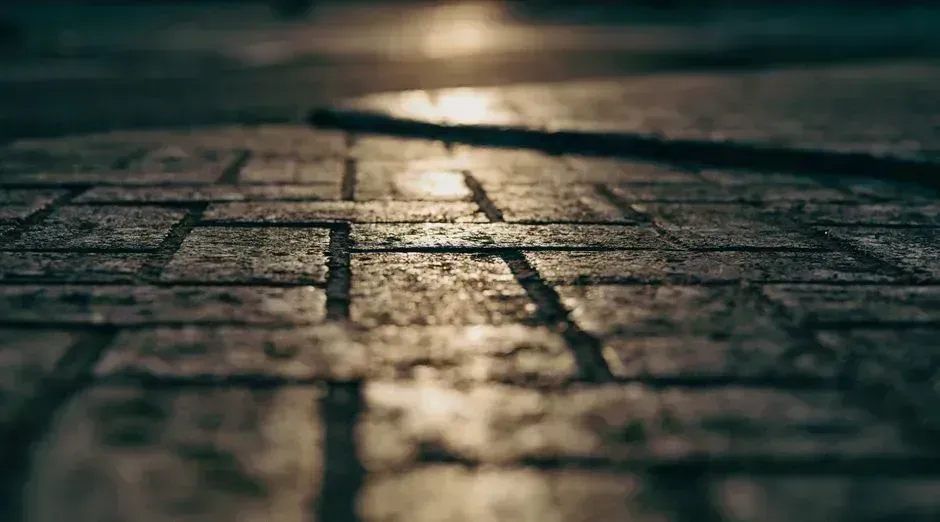
The physical explanation traces back to something engineers have known for decades but climatologists are only now linking directly to multi-day heat persistence. Concrete, asphalt, and brick absorb enormous amounts of solar energy during the day, then release it gradually overnight instead of letting it escape quickly the way soil and vegetation do. As one urban heat resource summarized, pavement and concrete absorb heat from the sun, later to release it at night making urban temperatures remain hot into the night.
Researchers describe this as thermal inertia, and it turns out to be a double-edged sword. A 2024 study in Science Advances found that the consequence of increasing thermal inertia is twofold, an increase in the nighttime minimum temperature and an increase in temperature persistence, with the multiday timescale effect being the key new finding. In plain terms, the same materials that keep a heat wave’s nights warmer also make the entire event last longer than it would in open countryside.
Nights never get a chance to reset

In a natural landscape, nighttime is when the atmosphere resets. Clear skies let heat radiate back into space, temperatures drop, and the next day starts from a cooler baseline. Cities interrupt that reset because their surfaces keep releasing stored heat long after sunset, and the American Meteorological Society notes that even as the surface cools under clear skies and calm winds, the air temperature remains relatively warm due to the heat absorbed during daytime by urban materials.
This matters more than it might seem. When nights stay warm, the human body and the built environment both start the next day already behind. Data from the American Meteorological Society shows that nighttime temperatures can stay much warmer in city environments than in the rural countryside, up to about 4 to 22 degrees Fahrenheit higher for U.S. cities, which compounds day after day during an extended heat event rather than resetting the cycle.
Urban geometry traps air that would otherwise escape
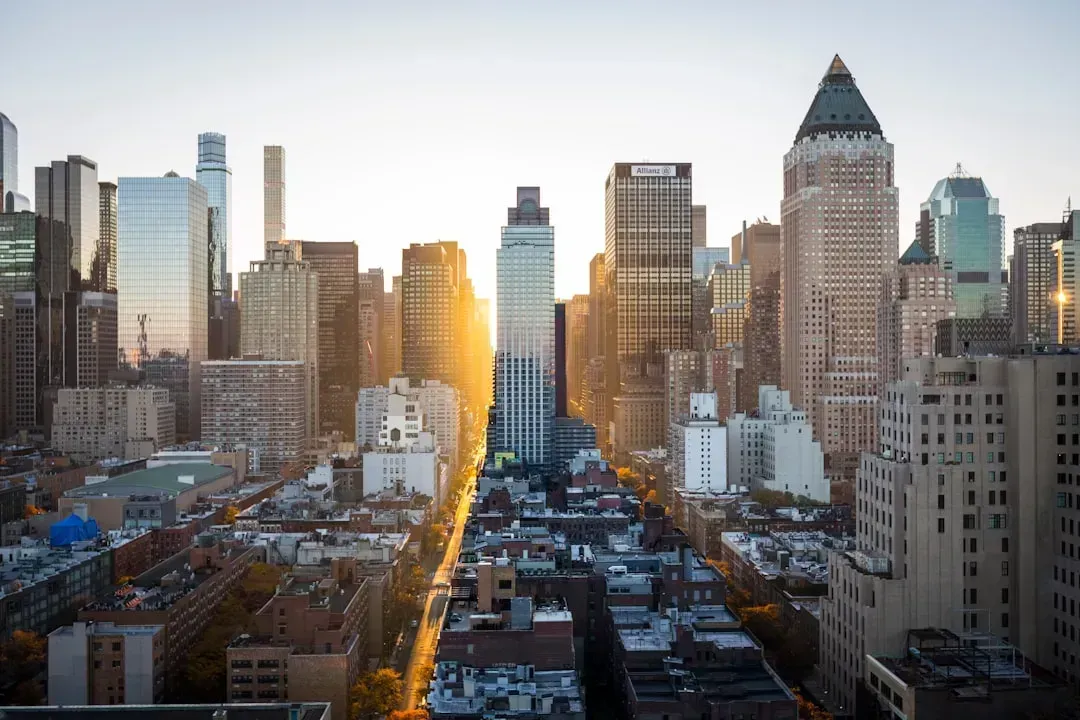
It is not only materials doing the damage. The physical shape of a city, its tall buildings, narrow streets, and tightly packed blocks, creates what researchers call urban canyons that physically block wind from moving through and carrying heat away. The Copernicus Land Monitoring Service explains that narrow streets and urban canyons can trap hot air, causing it to stagnate and intensify the feeling of heat at street level.
This stagnation effect becomes especially pronounced during heat waves, when the broader weather pattern is already calm and windless, since high pressure systems that produce heat waves tend to suppress the very winds that might otherwise ventilate a city. Copernicus researchers also point out that dense clustering of tall buildings can block and redirect natural wind flows, reducing ventilation in city centres, meaning the built environment amplifies a problem that regional weather has already set in motion.
Cities generate their own heat on top of what they trap
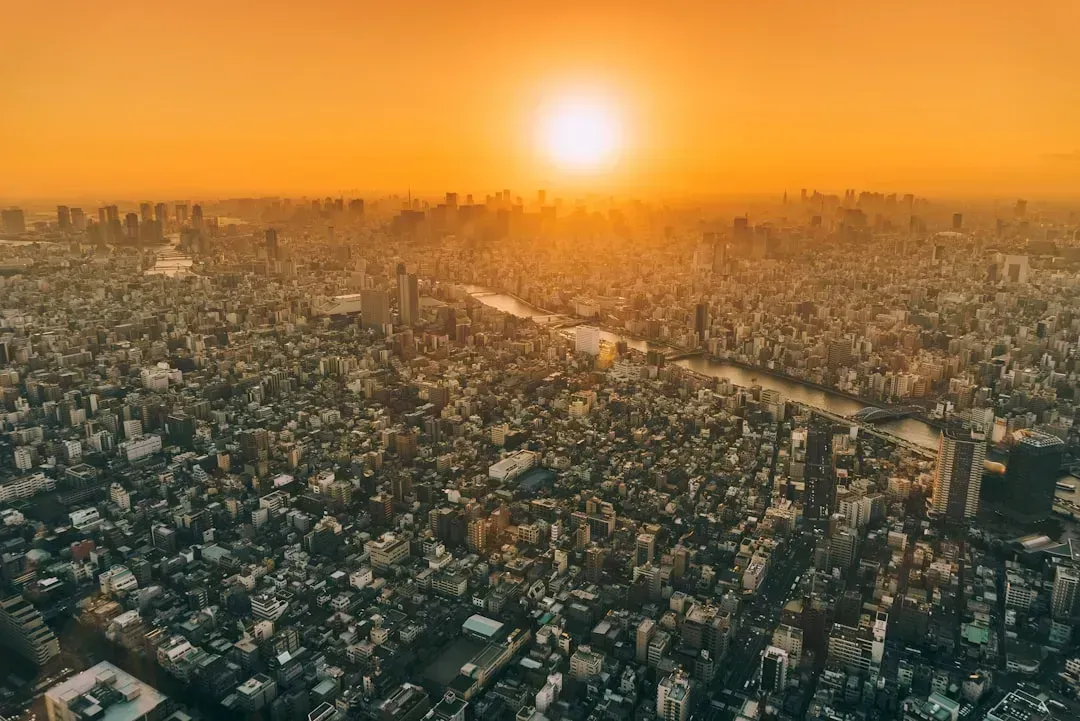
Beyond absorbing and trapping heat, cities actively manufacture more of it. Air conditioners, vehicles, industrial equipment, and even the simple act of millions of people going about their day all release what scientists call anthropogenic heat directly into the urban atmosphere. The Environmental Protection Agency notes that vehicles, air conditioning units, buildings, and industrial facilities all emit heat into the urban environment, and these sources of human generated waste heat can contribute to heat island effects.
During a heat wave, this creates an uncomfortable feedback loop. As temperatures climb, more air conditioners run harder, which pumps more waste heat into the streets outside, which in turn keeps outdoor temperatures elevated even as everyone tries to cool down indoors. It is a self-reinforcing cycle that has no equivalent in a rural field or forest, where there are no engines or compressors adding warmth to the surrounding air.
The loss of green space removes a natural cooling valve
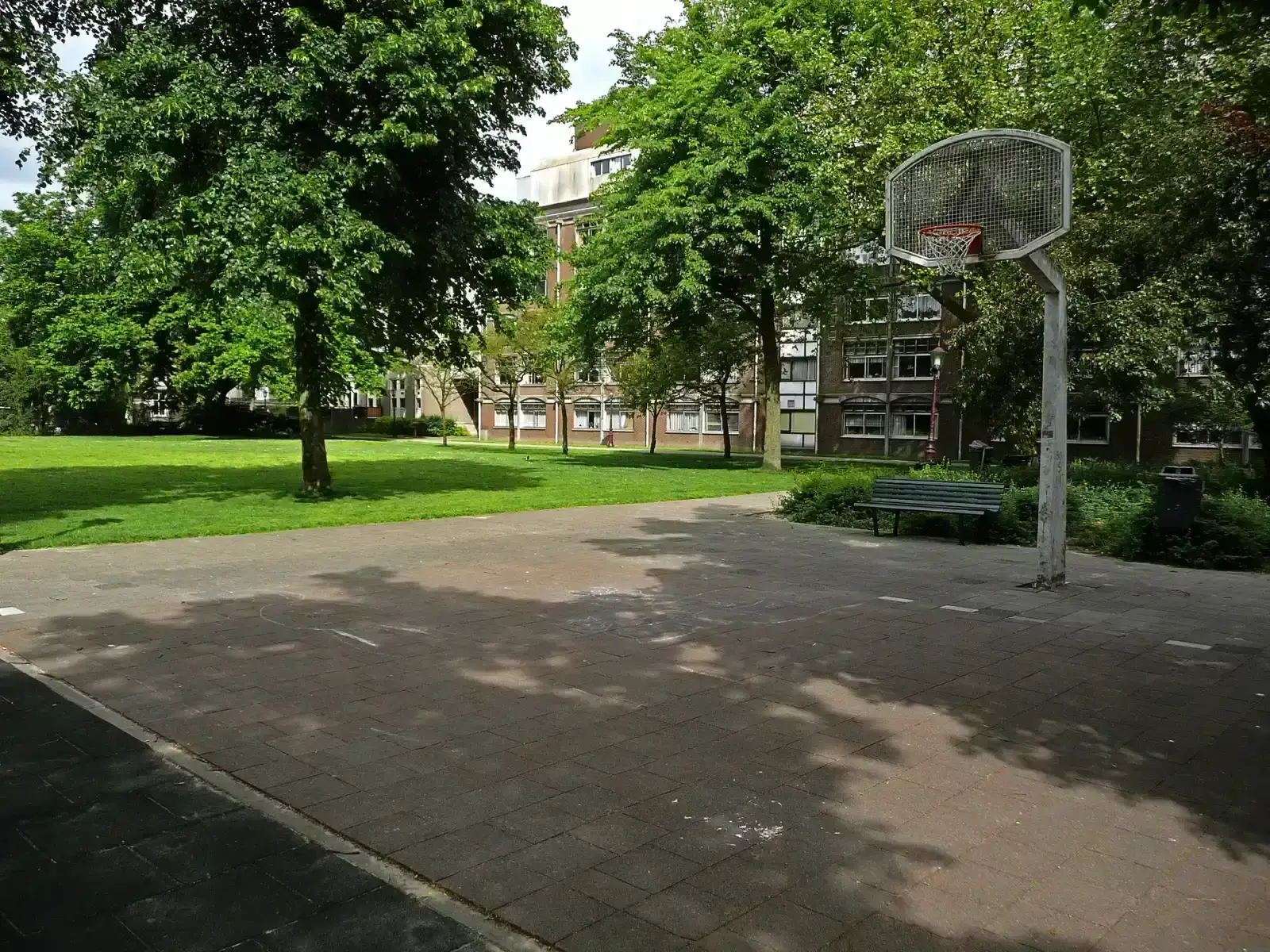
Trees and vegetation do more than provide shade. Through a process called transpiration, plants release moisture into the air that evaporates and actively cools the surrounding environment, functioning almost like a natural air conditioner. Copernicus researchers describe how plants not only provide shade but also release moisture through transpiration, cooling the air around them, and in cities where green spaces are limited, this lack of natural air conditioning exacerbates the heat island effect.
When a city has paved over most of its green space, it loses this cooling valve precisely when it needs it most. During a heat wave, the difference becomes stark since neighborhoods with more tree canopy and parks routinely register measurably cooler conditions than nearby blocks dominated by pavement and rooftops, a pattern that recent high-resolution mapping studies have confirmed at the neighborhood level.
Dense, low-income neighborhoods bear the longest exposure
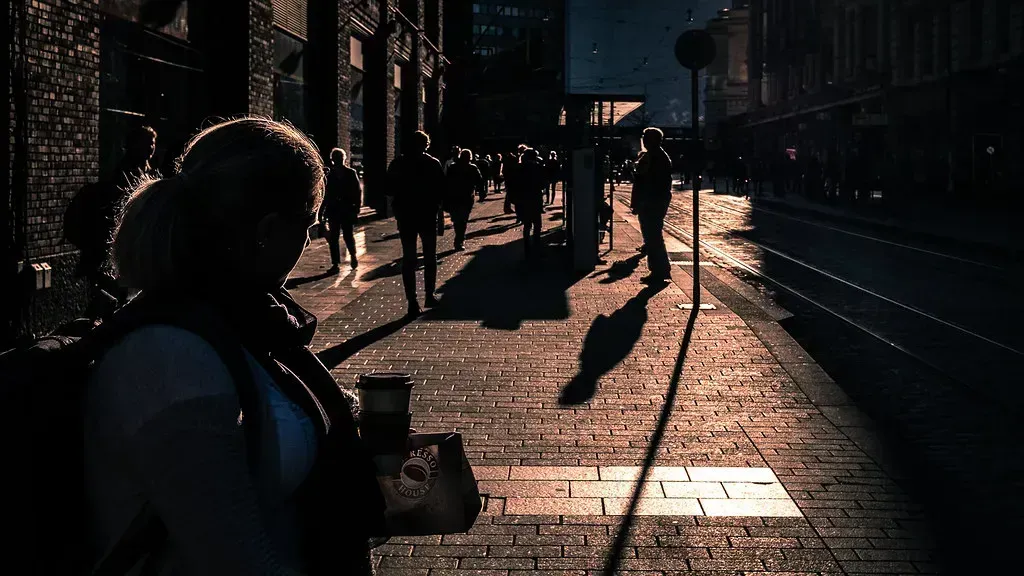
Not every part of a city experiences this prolonged heat equally. A 2025 study highlighted by Phys.org used crowdsourced weather data and advanced modeling to map heat exposure at a much finer resolution than traditional airport-based weather stations allow, and the findings were sobering. The researchers found that densely populated neighborhoods experience higher and more prolonged heat exposure, highlighting increased health risks in these areas.
Part of the problem is measurement itself. The same research pointed out that scientific instruments for measuring urban temperatures are often located at airports rather than in city centers where temperatures are typically higher, meaning these tools often do not adequately capture the urban heat island effect. That gap in data has real consequences, since neighborhoods that appear moderately warm on official records may actually be enduring some of the longest and most dangerous heat exposure in the entire metro area.
Climate change is intensifying an already stubborn pattern
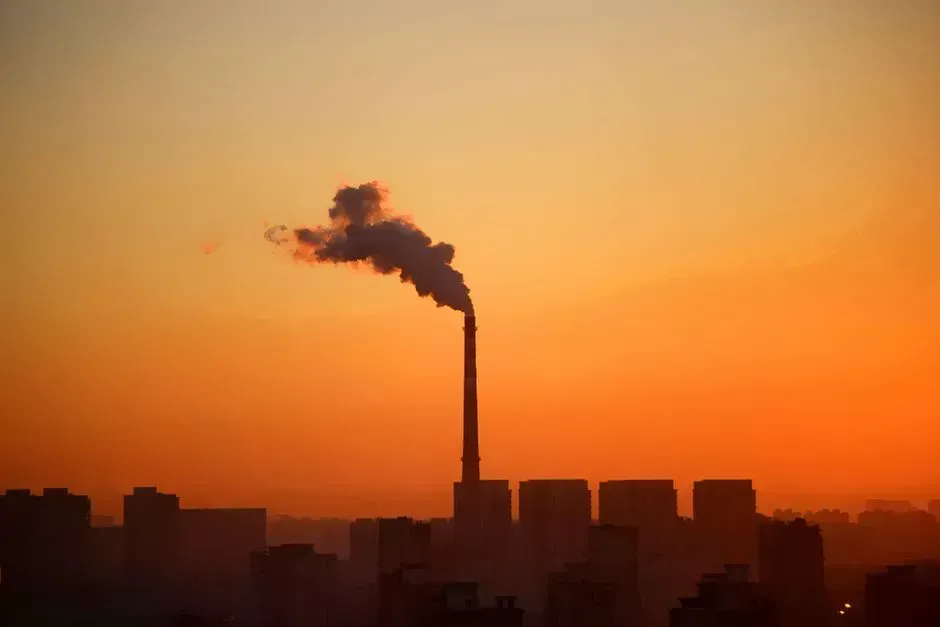
None of this happens in isolation from the broader warming trend. As global temperatures rise, the background conditions that feed into urban heat islands are becoming more extreme, and researchers increasingly describe the interaction as compounding rather than simply additive. One 2025 review noted that the persistent, large-scale urban heat island effect provides a continuous thermal baseline, with a study of 50 major U.S. cities showing an average surface urban heat island intensity of 2.88 degrees Celsius and most cities experiencing a decades-long intensification trend.
When a synoptic-scale heat wave arrives on top of that baseline, the two forces do not simply add together, they multiply each other’s effects. The same research explained that when synoptic-scale heatwaves occur, they interact with these intensified local urban heat islands, compounding thermal stress in metropolitan areas through multi-scale feedbacks, which helps explain why record-breaking heat waves in recent years have felt disproportionately brutal in dense urban cores compared to surrounding suburbs and countryside.
Global data confirms this is a worldwide urban pattern, not a regional fluke

Skeptics might wonder whether this is mainly an American or European phenomenon tied to specific building materials or climates. Global research says otherwise. A comprehensive 2025 dataset built from satellite observations across urban settlements worldwide found that continuing global warming and urbanization have increased the frequency and severity of extreme heat events in cities, spanning a wide range of climate zones and continents.
Separate research out of Africa and Australia backs this up with region-specific evidence. Studies there found that urbanization further intensifies nocturnal heatwaves in cities through the urban heat island effect, while in Oceania, urban overheating results from a combination of local heat islands and secondary circulations such as sea breezes. The mechanisms differ slightly by geography and local wind patterns, but the underlying story, cities holding onto heat longer than their rural surroundings, repeats itself almost everywhere researchers have looked.
What cities can actually do about it
The encouraging part of this research is that the mechanisms driving prolonged urban heat are physical and, to some degree, changeable through design choices. Scientists studying persistent urban heat have specifically pointed toward building materials as a starting point, recommending that cities consider replacing roofs that have exceptionally high thermal inertia such as noninsulated steel or dense concrete roofs with white roofs made of materials with lower thermal inertia.
Other researchers have gone further, developing next-generation materials designed specifically to break this cycle. One recent engineering study introduced a radiative cooling concrete that, according to simulations, could reduce energy use and carbon dioxide emissions by roughly 50% in hot regions and lower urban surface temperatures by up to 10 degrees Celsius during heat waves. Combined with more tree canopy, reflective pavement, and smarter building spacing to restore airflow, these approaches represent a genuine, evidence-based path toward shortening the grip that heat waves have on modern cities.

- 9 Space Discoveries Our Grandparents Never Imagined Would Happen - November 16, 2026
- Scientists Warn: This Cosmic Radiation Risk Could Limit How Far Humans Can Travel - November 16, 2026
- Recyclable Labels That Mean Landfill-Bound – 7 Packaging Tricks Decoded - November 16, 2026
