

- 9 States Where Wildfire Risk Is Expanding Into New Areas - August 30, 2026
- The Windiest City in America Is Not Chicago – Here’s Where It Actually Is - August 30, 2026
- 7 U.S. Cities Where Home Insurance Could Become Unaffordable by 2035 - August 30, 2026
1. Duluth, Minnesota
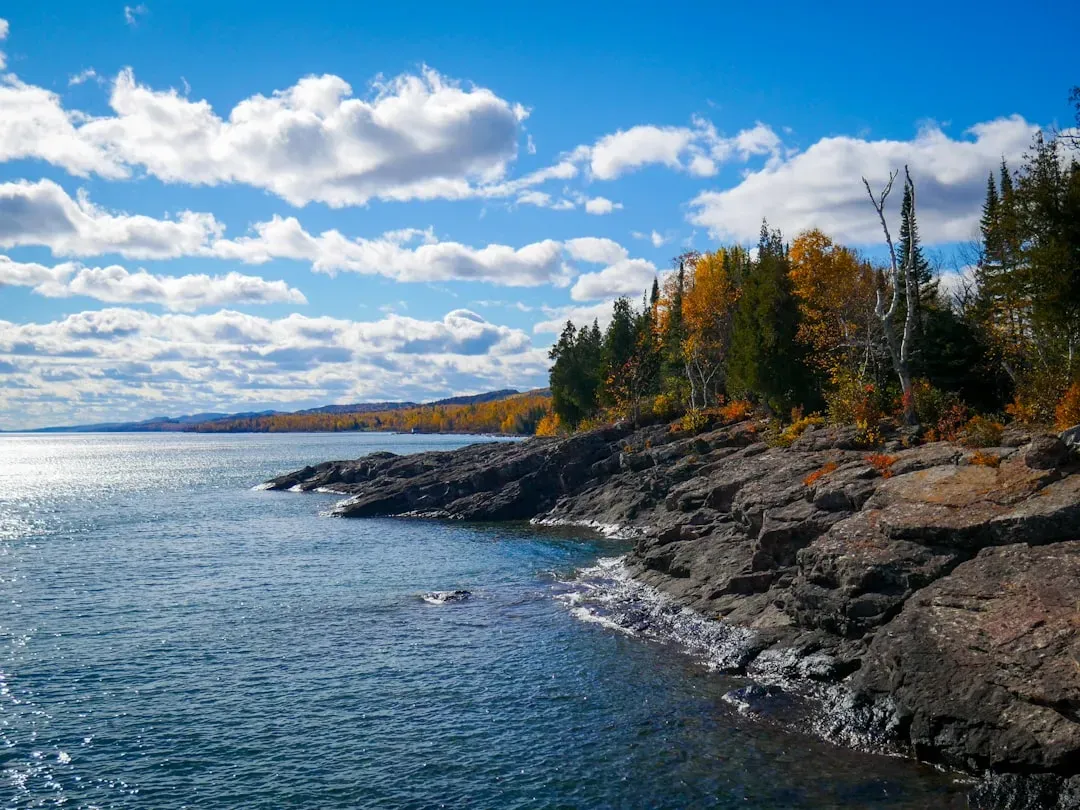
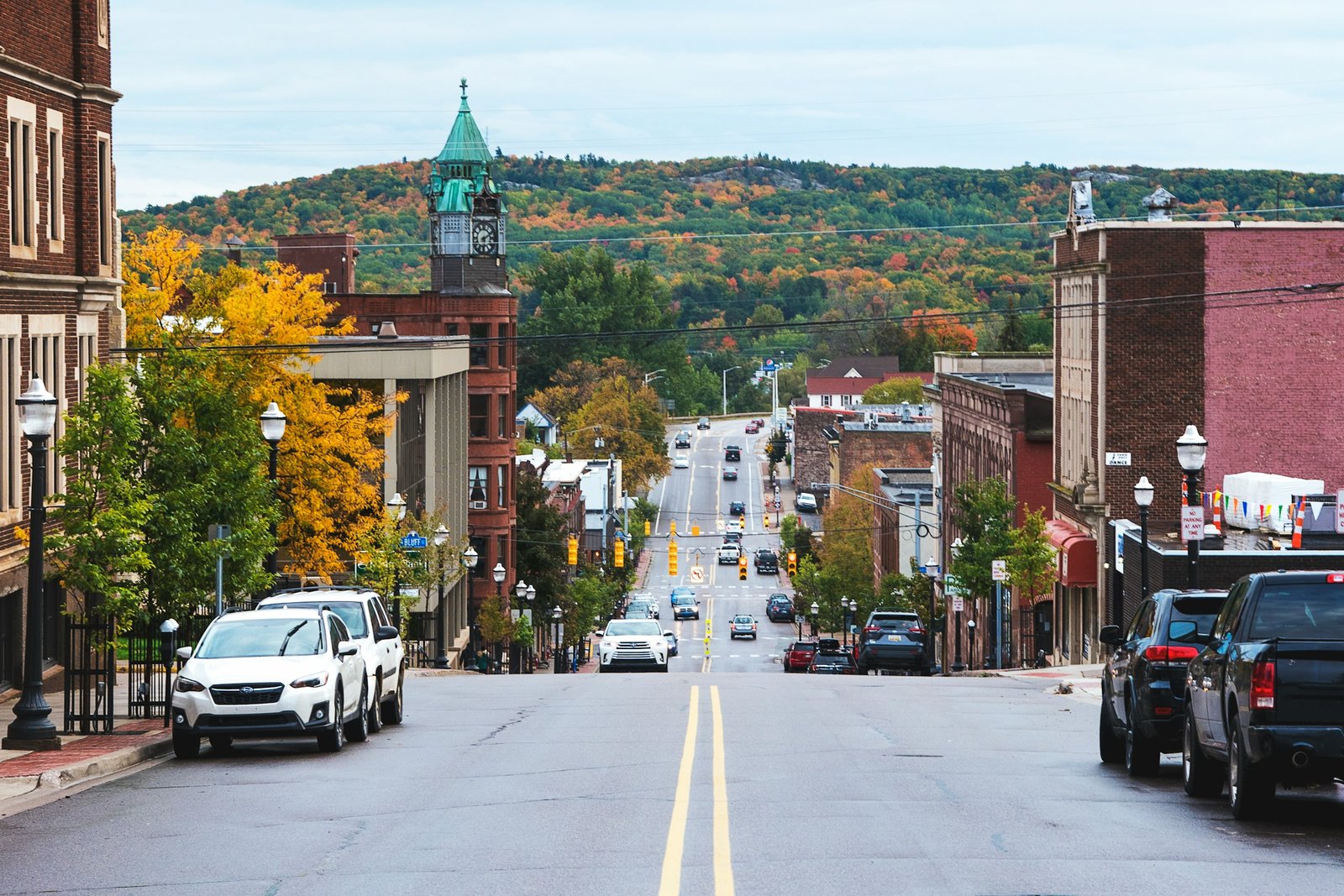
Duluth has been the reference point for this entire conversation since 2019, when a Harvard researcher introduced the slogan “Duluth: The Most Climate-Proof City in America,” suggesting city officials should market Duluth to people relocating from climate-impacted regions, citing Duluth’s cool climate, inland location, and access to fresh water. That framing stuck, and it has shaped how the city talks about itself ever since.
The geography does the heavy lifting. Duluth sits at the western point of Lake Superior, one of the largest freshwater lakes globally, containing about 10% of the world’s accessible freshwater, and since Duluth is in the upper Midwest, it would be protected from sea-level rise. Reporting has also noted real numbers behind the buzz: according to The New York Times, 2,094 new residents per year migrate to Duluth from across the United States due to the development of the climate crisis. Still, researchers are careful to note that the city faces its own weather extremes, including punishing snowmelt floods in recent years.
2. Ann Arbor, Michigan
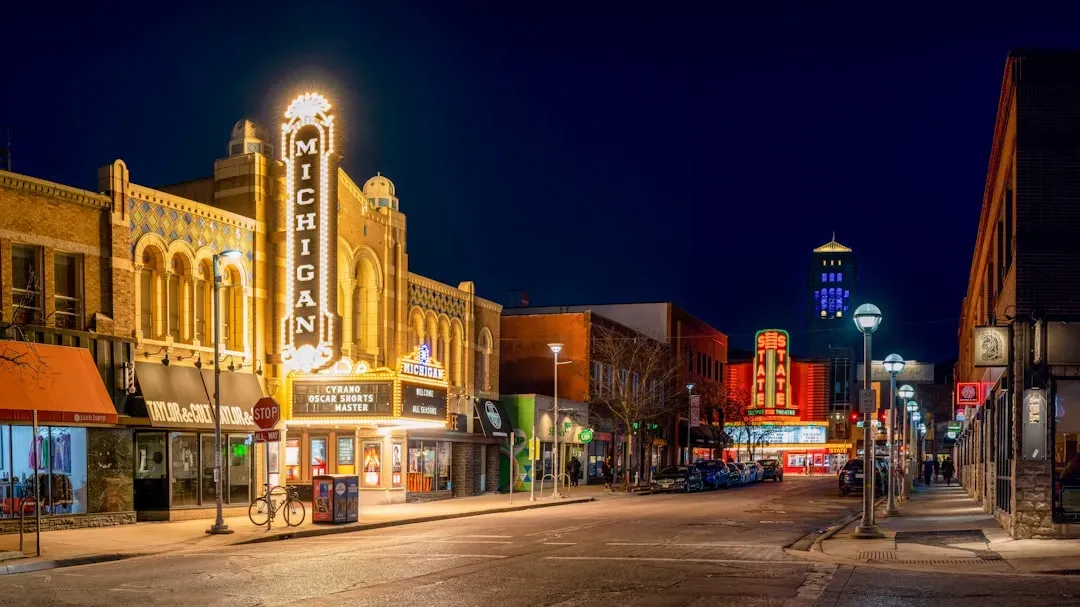
Ann Arbor keeps appearing on nearly every list of Midwest cities considered relatively insulated from the worst climate effects. It is frequently grouped with Duluth and Minneapolis as one of the most cited “havens” in research by national organizations and in news media, older cities in the Great Lakes region, upper Midwest and Northeast, a company that includes Ann Arbor by name.
Part of the appeal is structural rather than scenic. The town has an established university economy, older housing stock built for larger populations decades ago, and a location far enough inland to avoid coastal storm risk entirely. Even so, researchers caution that legacy infrastructure was not built with today’s rainfall intensity in mind, and that aging stormwater systems across the region are already straining under heavier storms.
3. Minneapolis, Minnesota
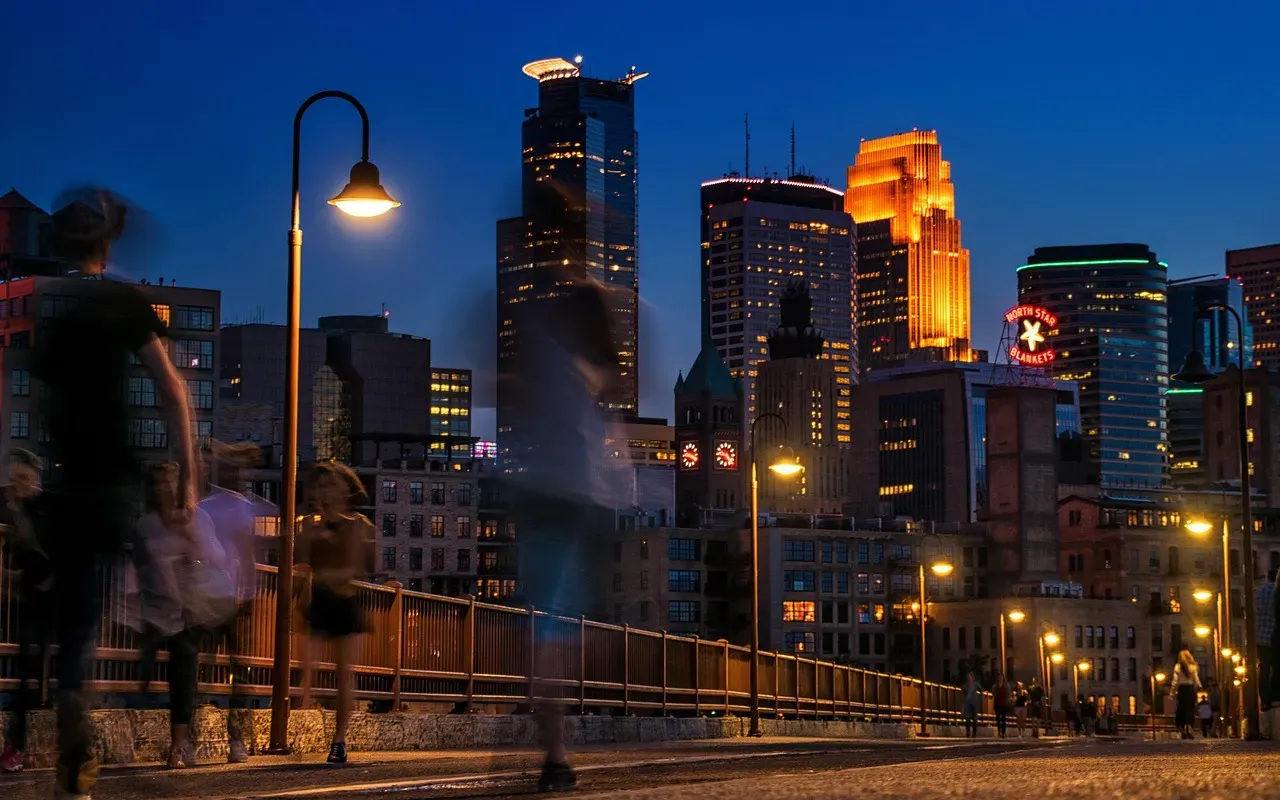
Minneapolis has moved from theoretical climate haven to measurable migration destination in the span of a few years. Recent data shows the shift is not just talk: Minneapolis flipped from net domestic outflow to net inflow in the most recent year, according to Redfin’s analysis of Census data, and Minnesota appeared on United Van Lines’ top 10 inbound list for the first time.
The city also gained ground with movers looking for practical signals rather than climate branding. Minneapolis cracked U-Haul’s top 25 growth metros, also a first. Researchers point to the same underlying logic driving interest across the region, arguing the Midwest benefits because it’s in the middle of the continent, and the Great Lakes are a mitigating force, which stabilizes the climate overall in this part of the country.
4. Traverse City, Michigan
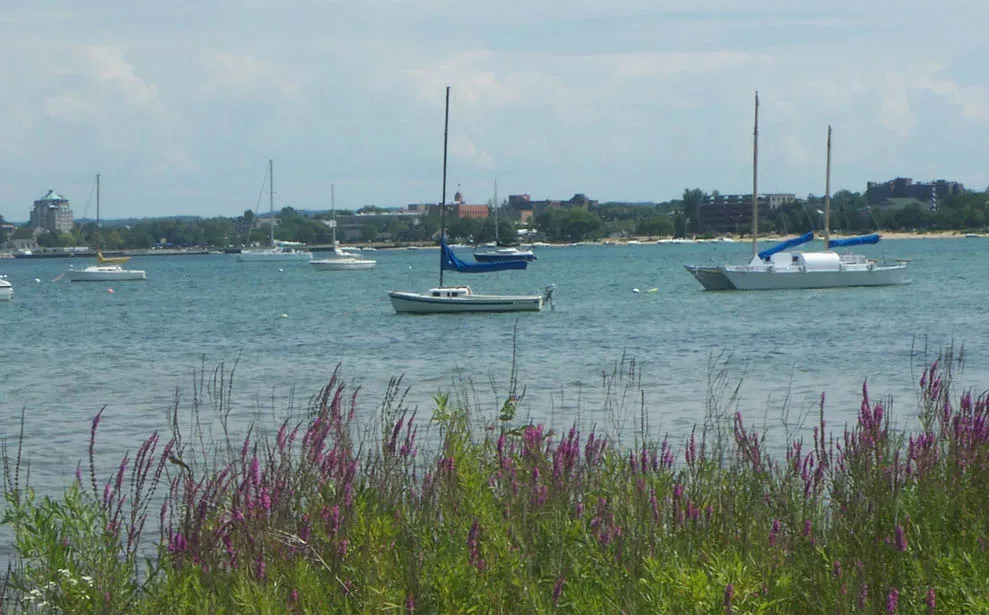
Traverse City is smaller than the other entries on this list, but its transformation has been more visible in real estate terms than almost anywhere else. Buyers are now stating their reasons out loud, not just acting on them quietly. Home buyers are citing climate change as a main driver convincing them to acquire their primary or secondary homes in or near Traverse City.
The bay-front town’s summer climate comparison to Midwestern neighbors is part of its appeal, though researchers frame it in comparative rather than idyllic terms. Traverse City, Alpena, and Marquette, in contrast, will respectively compare to summers in Indiana and Illinois, while cities farther south feel the change more sharply. The tradeoff has been steep housing costs. Local nonprofits have noted that the work-from-home economy amplified an interest in Traverse City that began decades earlier, up-north vacation homes became year-round residences, housing prices hit the roof in the longtime tourist town, and that erratic real estate market led to bidding wars over even modest homes.
5. Marquette, Michigan
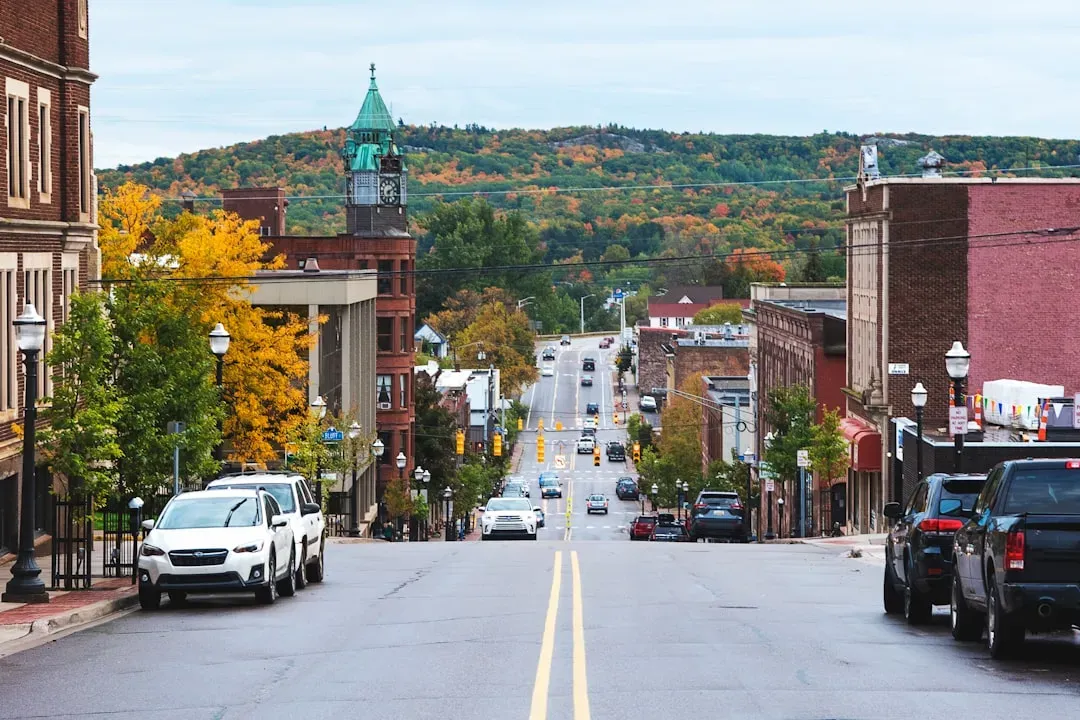
Marquette sits on the shore of Lake Superior in Michigan’s Upper Peninsula, a quieter and colder counterpart to Traverse City. Local reporting describes the appeal plainly: this is an Upper Peninsula city that might seem like a prime destination for those looking to escape the high heat, drought and other worrying impacts of earth’s warming, thanks to mild summers, a lack of hurricanes, and shoreline along Lake Superior.
The city has drawn national attention for taking that reputation seriously rather than just enjoying it. Its efforts are drawing national attention, and the American Association for the Advancement of Science spotlighted Marquette as part of a broader report on how U.S. communities are responding to climate change in the absence of strong federal action. Local research is more cautious about calling it a done deal, though. One geography professor’s analysis concluded it would be premature to conclude that these data support Marquette County becoming a climate haven, though the recent gain in net interstate migration, particularly from Southern and Western states, suggests that some people view it as a potential climate refuge.
6. Rockford, Illinois

Rockford is not typically discussed in climate-specific terms the way Duluth or Marquette are, but it has quietly become one of the most sought-after housing markets in the entire country, and affordability is doing a lot of that work. According to Zillow’s year-end analysis, Rockford, Illinois, is America’s most popular city for home shoppers on Zillow, climbing to No. 1 after ranking second the year before.
The broader pattern matters here too. The Midwest dominates the top 10, as shoppers favor affordable markets over costly coastal metros, and midsize cities have gained traction nationwide, offering shoppers community and access to expanding job hubs. Rockford’s inland location in northern Illinois also places it outside the flood, hurricane, and wildfire zones that are reshaping insurance markets elsewhere in the country, even if that framing rarely appears in its marketing.
7. Grand Rapids, Michigan
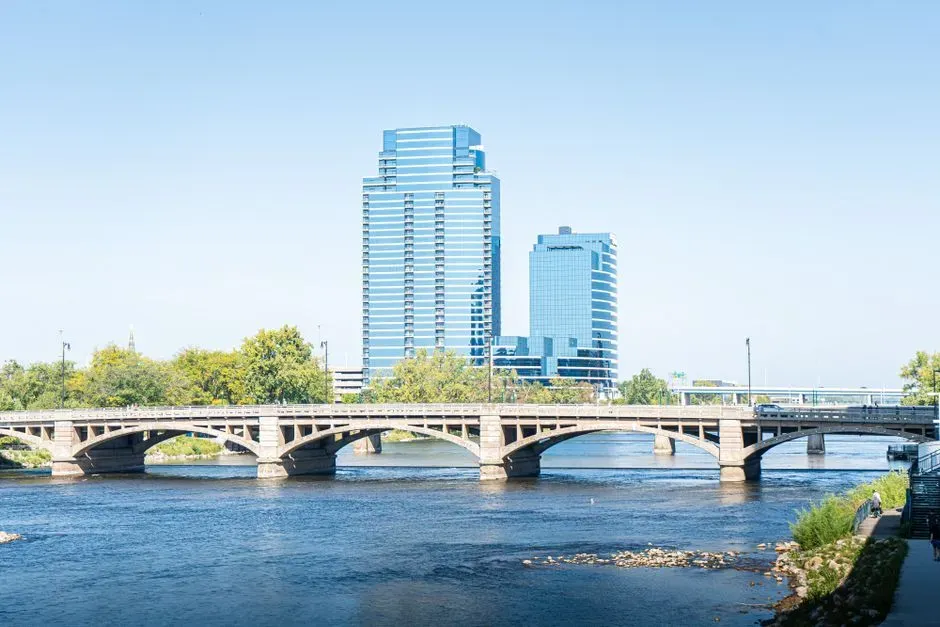
Grand Rapids occupies an interesting middle ground. It shows up in comparative climate modeling as a city that will warm noticeably, with researchers projecting it will eventually feel like Memphis, Tennessee in summer conditions, yet it still ranks among the fastest-moving housing markets in the Midwest.
Demand has outpaced supply consistently in recent years. Market data from late 2025 showed that the average Grand Rapids home goes to pending in around 8 days, with the Zillow data from August 2025 revealing homes in Grand Rapids are selling for 0.8% over the asking price. The city has also taken its climate exposure seriously at the policy level, drafting a climate action plan that has sparked real debate among developers about balancing emissions goals against housing growth, a tension that will likely define how far this quiet boom can go. Taken together, these seven towns tell a more complicated story than a simple escape narrative. Some, like Duluth and Marquette, carry academic pedigree behind their climate haven label but remain uncertain about whether their aging infrastructure and modest housing stock can absorb real growth. Others, like Rockford and Grand Rapids, are being pulled toward the Midwest less by climate anxiety and more by plain affordability, with climate stability as a quiet bonus rather than the headline. What connects all of them is a shift in the data itself. People are searching, moving, and buying in these places at rates that would have seemed unlikely a decade ago, and the reasons, whether climate, cost, or both, are no longer easy to separate.
