

- 9 States Where Wildfire Risk Is Expanding Into New Areas - August 30, 2026
- The Windiest City in America Is Not Chicago – Here’s Where It Actually Is - August 30, 2026
- 7 U.S. Cities Where Home Insurance Could Become Unaffordable by 2035 - August 30, 2026
1. Miami, Florida
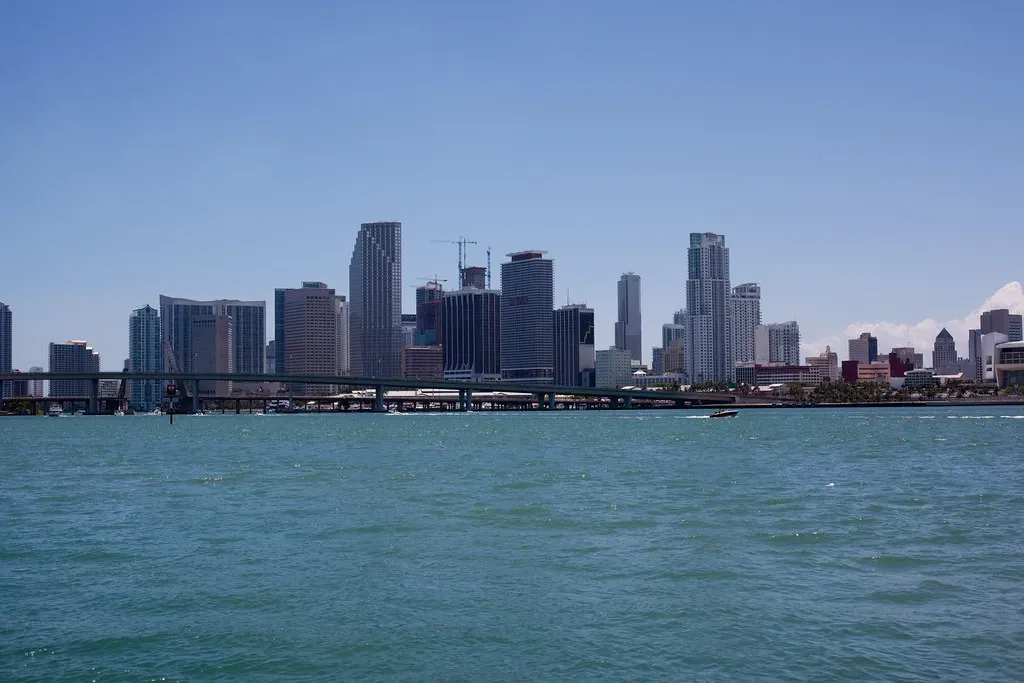
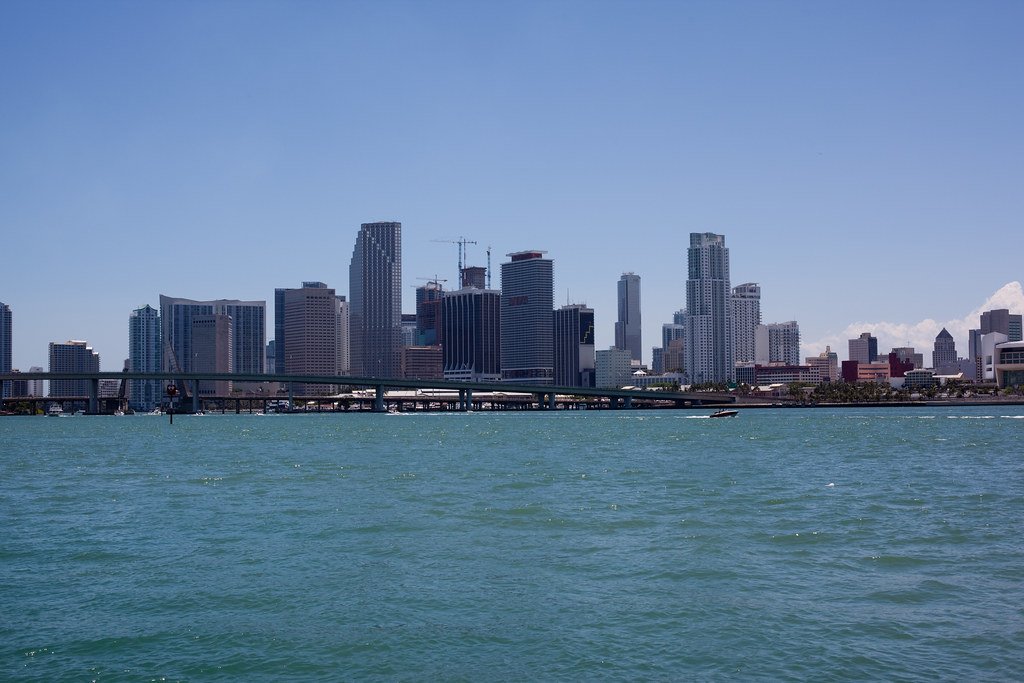
Miami sits at the top of nearly every list measuring future insurance risk, and for good reason. Long-range modeling from First Street projects that Miami will face the highest insurance premium increases from 2025 to 2055, with a projected rise of 322 percent. That’s not a typo. It’s a projection built on the city’s exposure to hurricanes, storm surge, and rising sea levels along one of the most densely built coastlines in the country.
The trend is already visible in current numbers. Miami-Dade homeowners saw premiums explode by 322% in 2024, a jump insurers attributed to recalculated hurricane and flood risk. Even with recent state reforms aimed at stabilizing Florida’s market, Miami’s geography means it will likely remain the most expensive place in the country to insure a home, and possibly the least affordable, well before 2035 arrives.
2. Jacksonville, Florida
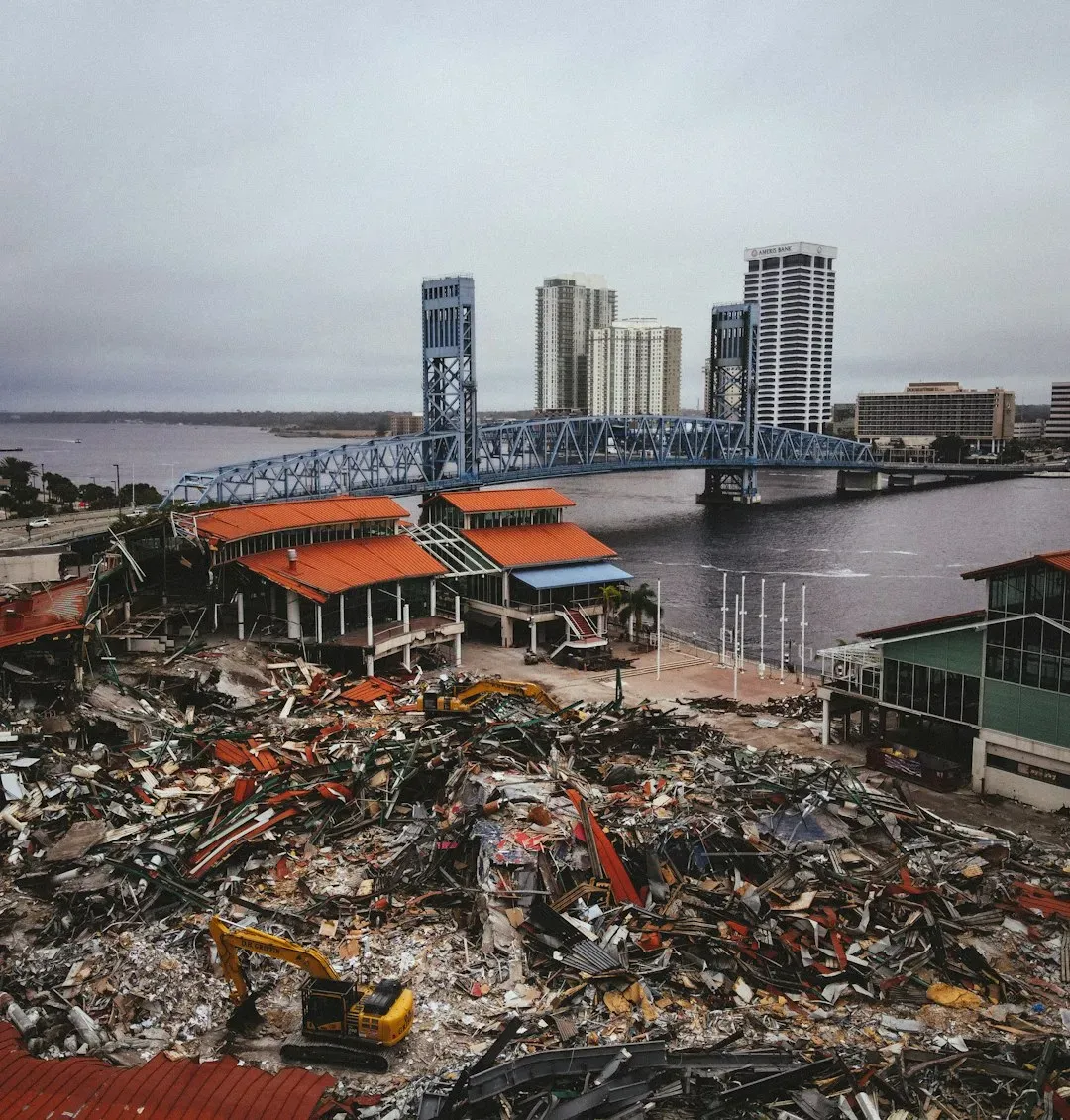
Jacksonville doesn’t get the same headlines as Miami, but its insurance trajectory is arguably just as alarming. First Street’s research places Jacksonville second among major metros, with Jacksonville, Florida facing a projected premium increase of 226 percent through 2055. The city’s position near the Atlantic coast and its exposure to hurricane tracks that have shifted northward in recent years both play a role.
What makes Jacksonville notable is that it was historically considered a lower-risk, more affordable alternative to South Florida. That reputation is fading. As insurers price in emerging hurricane risk across the entire state, cities once seen as safer bets are absorbing rate shocks that used to be reserved for coastal hotspots further south.
3. Tampa, Florida
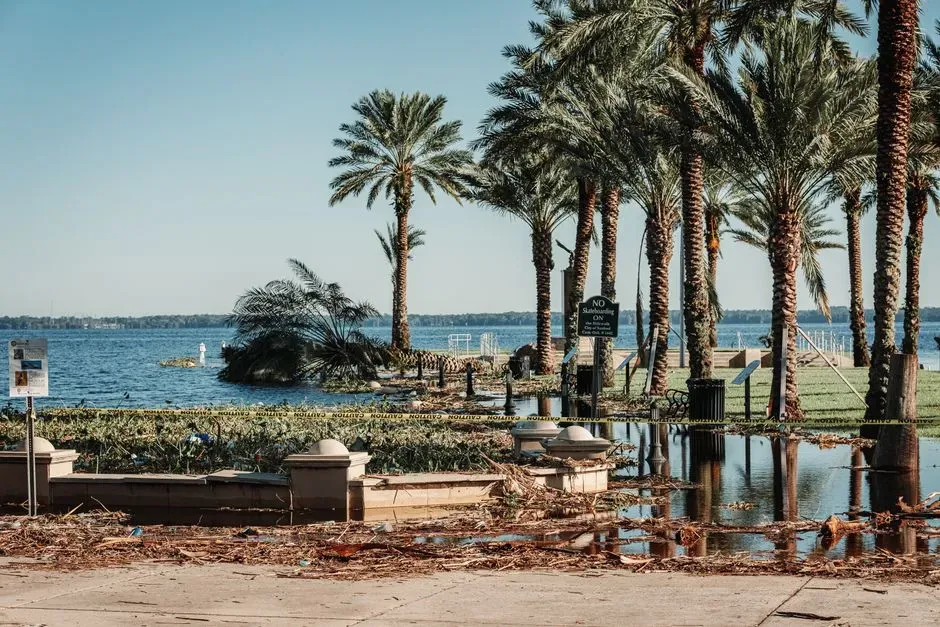
Tampa Bay has long been described by disaster modelers as one of the most vulnerable metro areas in the country to a direct hurricane hit, largely because it hasn’t taken one in decades and has grown enormously in the meantime. First Street’s projections put Tampa’s premium increases at 213 percent between 2025 and 2055, the third highest among major U.S. metros.
The concern with Tampa isn’t just storm frequency, it’s storm severity combined with population density. A shallow bay, low elevation, and a metro area that has added hundreds of thousands of residents create a scenario where a single major storm could trigger a wave of nonrenewals and rate hikes that ripple through the whole housing market. Insurers are already pricing that scenario in, well ahead of any actual disaster.
4. New Orleans, Louisiana
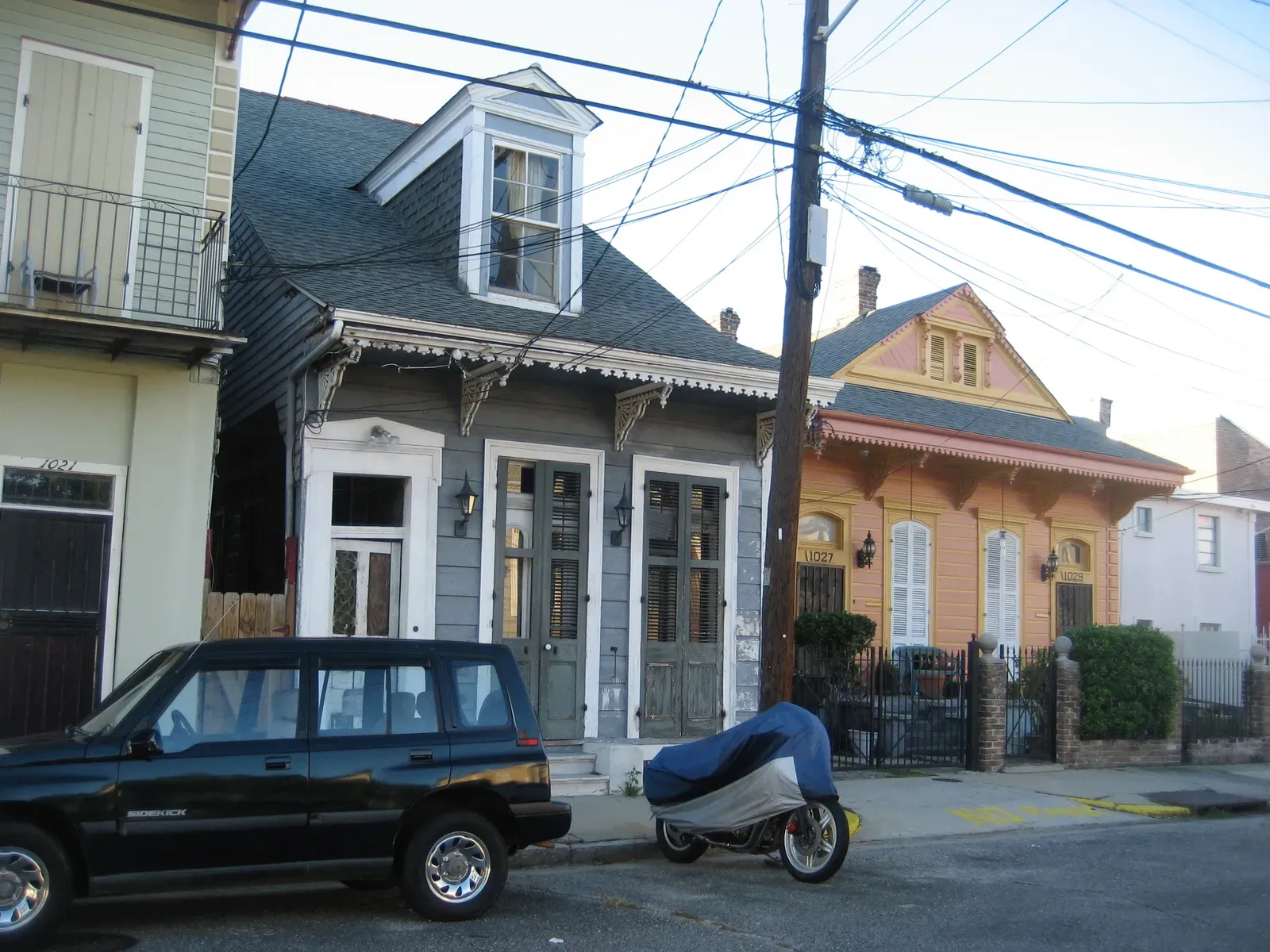
New Orleans has been living with elevated insurance costs for years, and the long-term outlook doesn’t offer much relief. First Street’s analysis lists New Orleans among the five metros facing the steepest premium growth, with a projected 196 percent increase by 2055. Combine that with a housing stock built below sea level in many neighborhoods, and the affordability math gets difficult fast.
Louisiana already illustrates what happens when insurance costs outpace what buyers can absorb. In high-risk states such as Louisiana, 30 to 40 percent of mortgage loans fail because of high home insurance costs. That statistic alone suggests New Orleans isn’t waiting until 2035 to feel the squeeze. It’s already there for a meaningful share of prospective buyers.
5. Sacramento, California
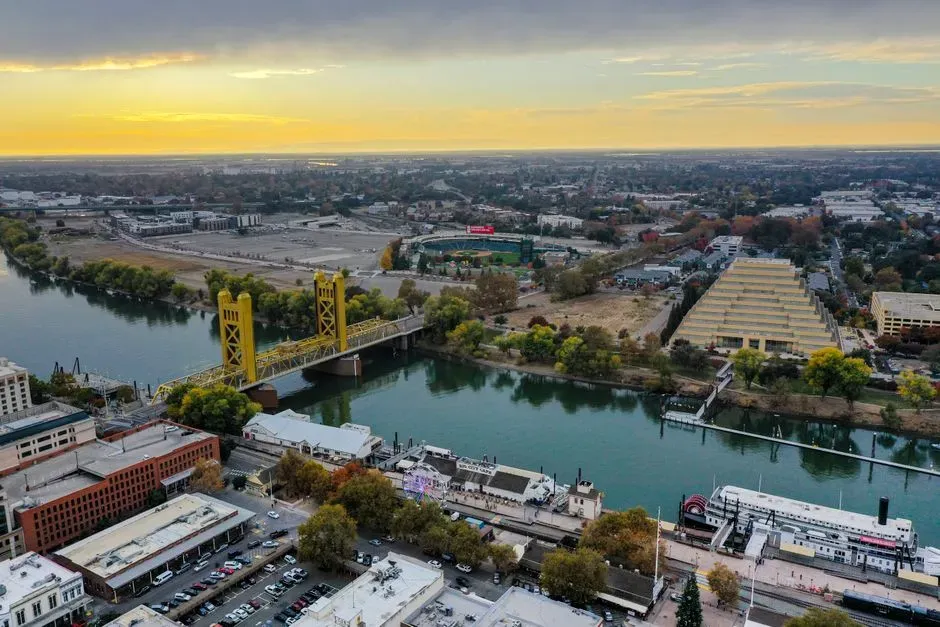
Sacramento’s inclusion on this list surprises people who associate California’s insurance crisis with wildfire zones in the hills above Los Angeles. But First Street’s modeling flags Sacramento as the fifth metro facing major premium growth, projected at 137 percent through 2055. The city sits near expanding wildland-urban interface zones and within a broader state insurance market that’s under severe strain.
California’s regulatory system has kept rates artificially compressed for years, which means when adjustments finally happen, they tend to be sharp. Average California homeowners insurance premiums rose 84% between the end of 2020 and March 2026, while average deductibles climbed from $1,813 to $2,553. Sacramento homeowners, even those outside the most obvious fire corridors, are increasingly caught in that statewide repricing.
6. Los Angeles, California

Los Angeles represents the clearest example of an insurance market breaking down in real time rather than gradually. The January 2025 wildfires accelerated a crisis that had been building for years, as major insurers pulled back from writing new policies across fire-prone neighborhoods. Seven of California’s 12 largest home insurers reduced or halted new underwriting in the state, pushing more homeowners toward the state’s FAIR Plan, which was never designed to be a mainstream option.
The scale of that shift is striking. As of June 2026, the FAIR Plan’s total exposure had reached $768 billion, an 11 percent increase since September 2025 and a 250 percent increase since September 2022. Even wealthy, low-risk-seeming enclaves aren’t exempt; FAIR liability exposure spiked 46 percent between 2024 and 2025 in Calabasas alone. With rates set to climb again later this year, Los Angeles homeowners are looking at a market where basic fire-only coverage is becoming the norm rather than the exception.
7. Houston, Texas
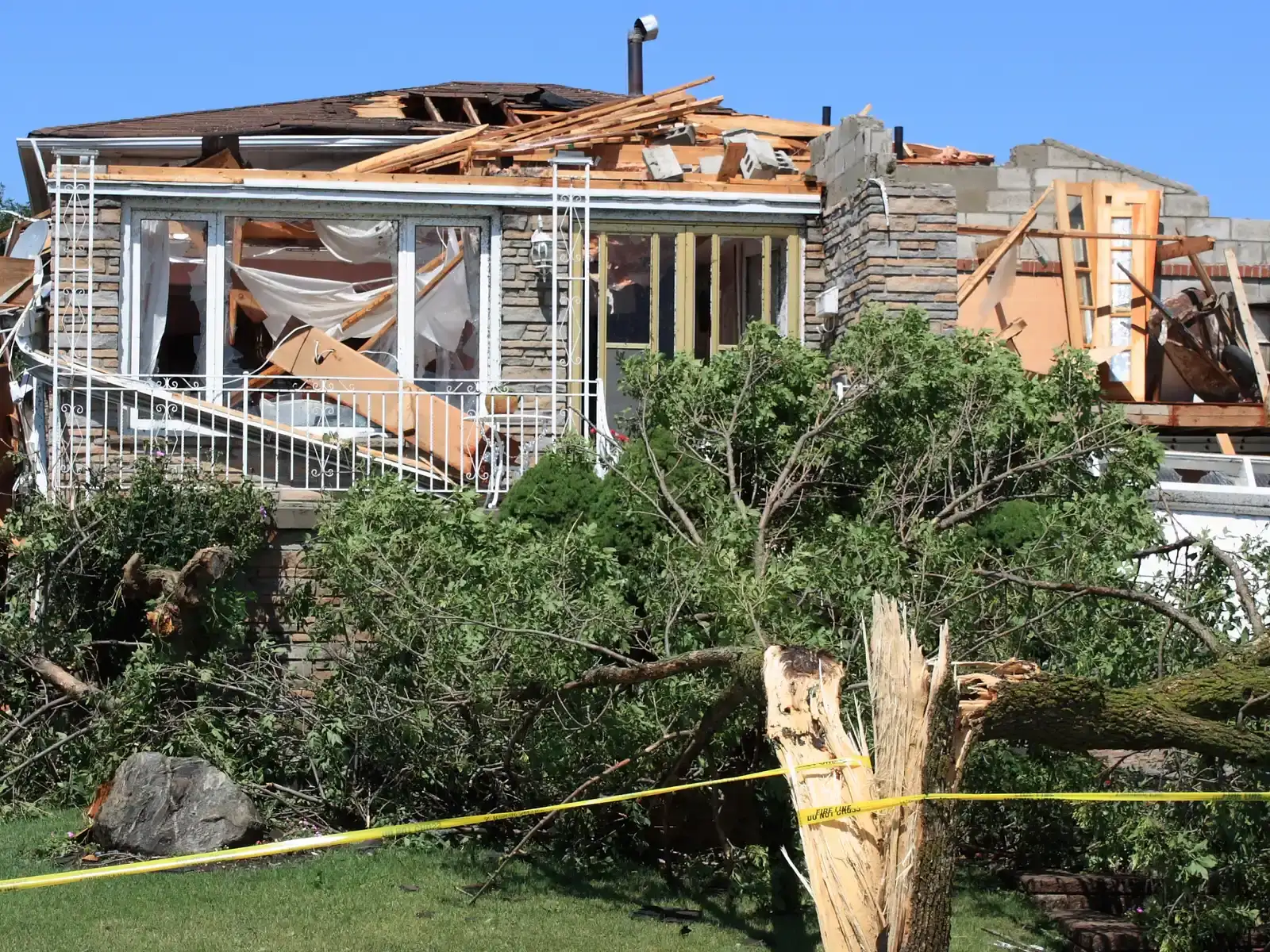
Houston rarely appears in the same conversation as Miami or Los Angeles, but its risk profile is arguably just as layered. According to insurance analysts, Houston is very high risk for eight different types of natural hazards, including two where it has the highest risk score in the nation: tornadoes and hurricanes. That combination of wind, flood, and severe convective storm exposure is unusual even by Gulf Coast standards.
The pricing reflects it. In 2025, some metrics placed Houston’s average annual premium near $6,370, far above the national average of about $2,110. Add in statewide premium increases of more than 55 percent between 2019 and 2024, and Houston’s trajectory looks less like a temporary spike and more like a structural shift in what it costs to insure a home in one of the country’s largest metro areas.
None of this means these cities will become uninsurable overnight, and reforms in states like Florida and California show that policymakers are at least trying to slow the bleeding. Still, the pattern across all seven metros is consistent: rebuilding costs keep climbing, disaster models keep getting recalibrated upward, and insurers keep pulling back from the riskiest ground first. For homeowners in these places, the question by 2035 may not be how much insurance costs, but whether a private policy is available at all.
