

- The Real Reason This Florida Town Keeps Making Every “Most Hurricane-Prone” List - August 30, 2026
- America’s Most Underrated Weather Haven Could Be This Mountain City - August 30, 2026
- 10 U.S. Cities Where Residents Rarely Worry About Hurricanes - August 30, 2026
A small island with an outsized reputation
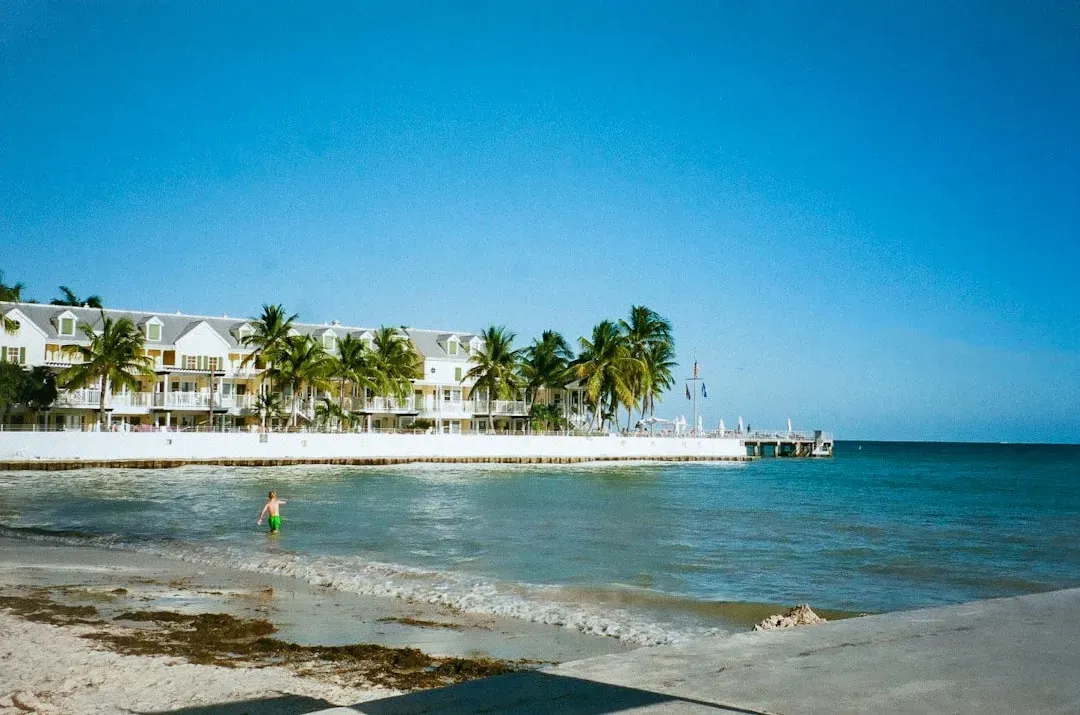
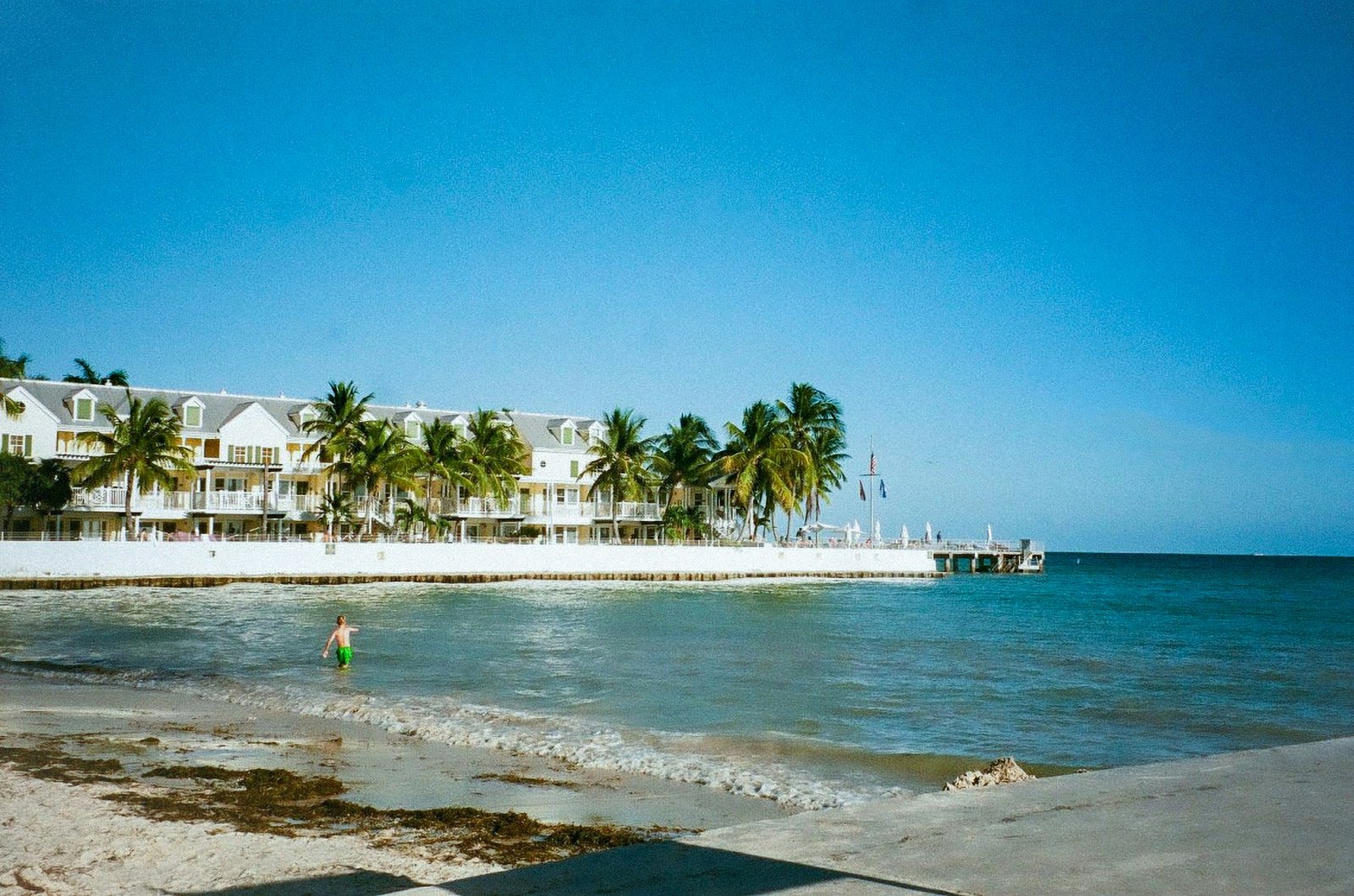
Key West sits at the very tip of the Florida Keys, a narrow chain of islands stretching more than a hundred miles into open water. It’s a town of roughly 25,000 people, but it punches far above its weight in hurricane rankings because of where it happens to be parked on the map. The Florida Keys are an archipelago of about 1,700 islands spanning 113 miles with Key West located at the southern tip.
That location means there’s no landmass to soften an approaching storm before it arrives. Unlike cities tucked behind barrier islands or inland buffers, Key West takes weather systems more or less straight on. It’s a geographic accident of birth, not a design flaw, but the result is the same every June through November.
Water on every side, shelter on none
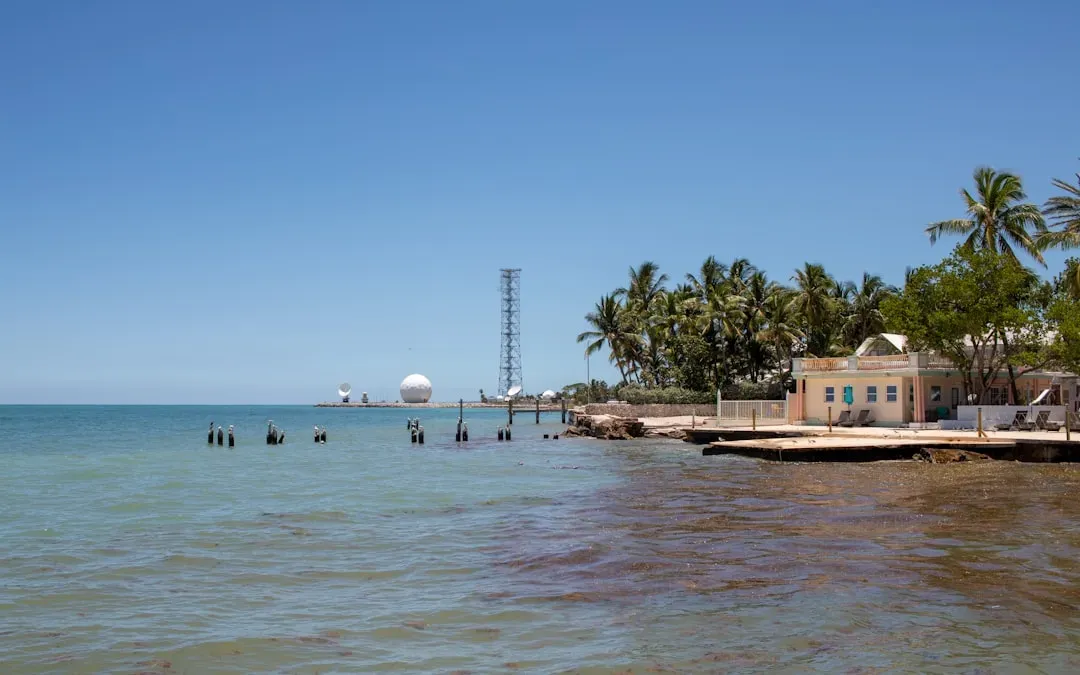
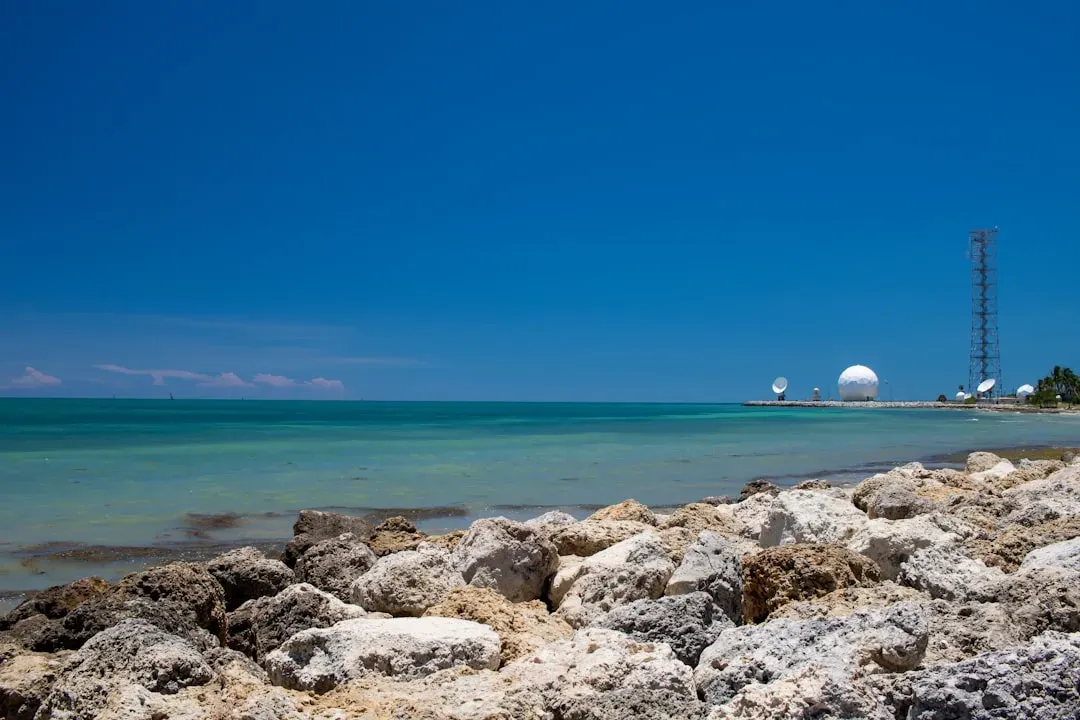
Most coastal towns face the ocean from one direction. Key West doesn’t get that luxury. With the Atlantic Ocean to the south and east and the Gulf of Mexico to the north and west, the coastal town is exposed to all sides to passing hurricanes.
This dual exposure means a storm approaching from almost any angle can find a direct path to the island. There’s no protective curve of coastline, no inland mountain range, no large city acting as a windbreak. It’s open water in every compass direction, which is about as unlucky a setup as a town can have.
The odds that keep showing up in the data
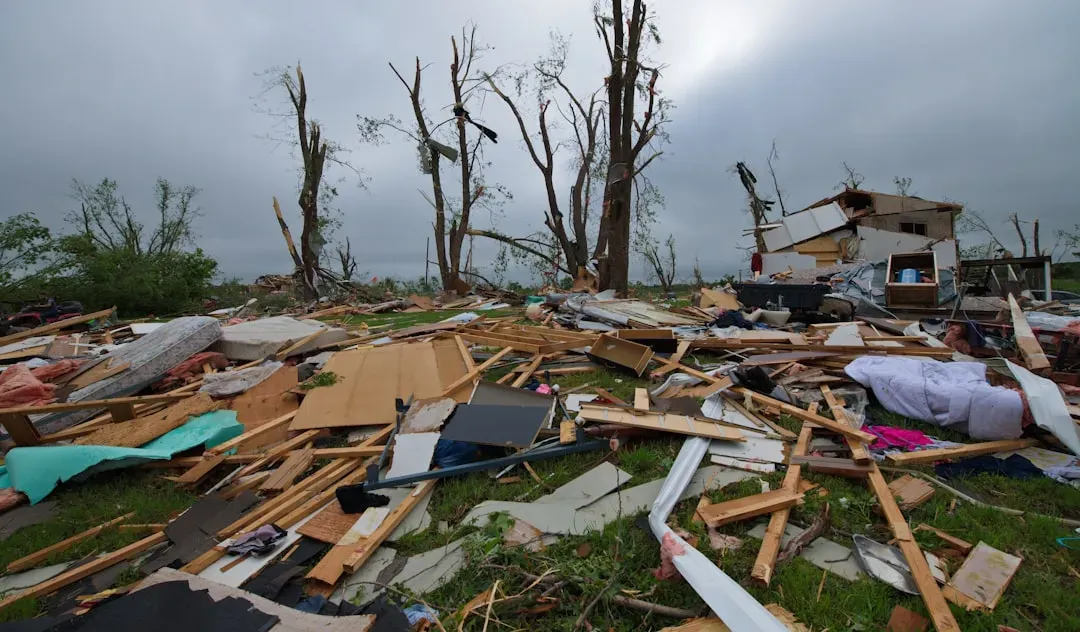
Statisticians who track hurricane frequency have put real numbers behind the town’s reputation. Key West has a 16 percent chance of being impacted by a hurricane during any Atlantic hurricane season, and is directly impacted by a hurricane every 6.04 years, according to Hurricane City.
That works out to a direct hit roughly once every six years on average, which sounds almost routine until you consider how much damage a single storm can do. Compare that to inland Florida cities, some of which go decades between meaningful hurricane impacts, and the gap becomes obvious. Statistically speaking, Key West isn’t unlucky so much as it’s sitting exactly where the numbers say it should expect trouble.
An island that barely clears sea level
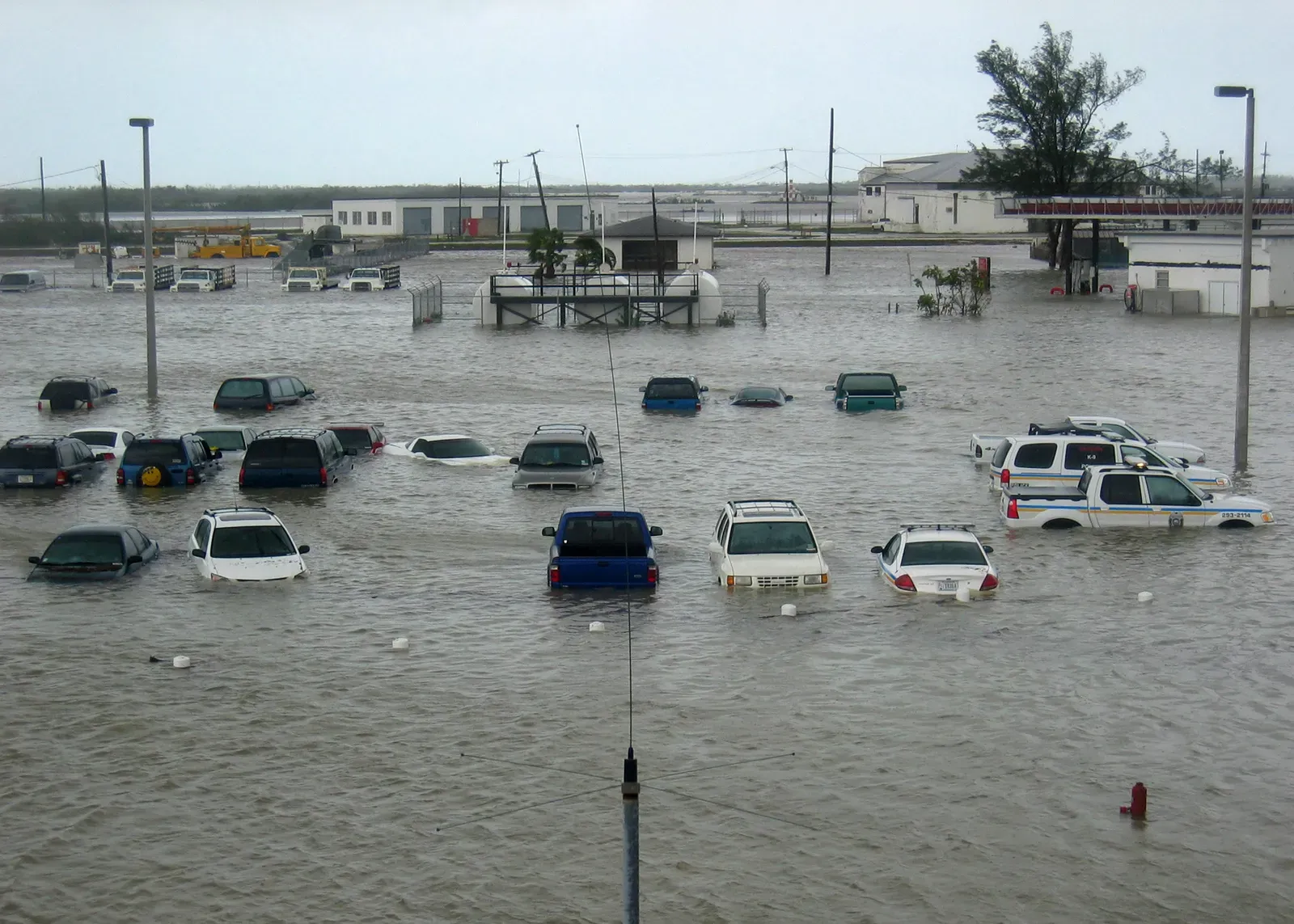
Elevation matters enormously during a hurricane, and Key West doesn’t have much of it to work with. Key West with maximum elevation of 18 feet above sea level makes it susceptible to heavy flooding and storm surge during a hurricane event.
Eighteen feet sounds like a modest number until a storm surge starts pushing water inland. Large portions of the island sit far lower than that peak elevation, meaning even a moderate surge can swamp streets, homes, and the historic districts that draw visitors year round. It’s the kind of vulnerability that doesn’t show up on a postcard but shows up quickly on a flood map.
Wilma left a mark that’s still referenced today
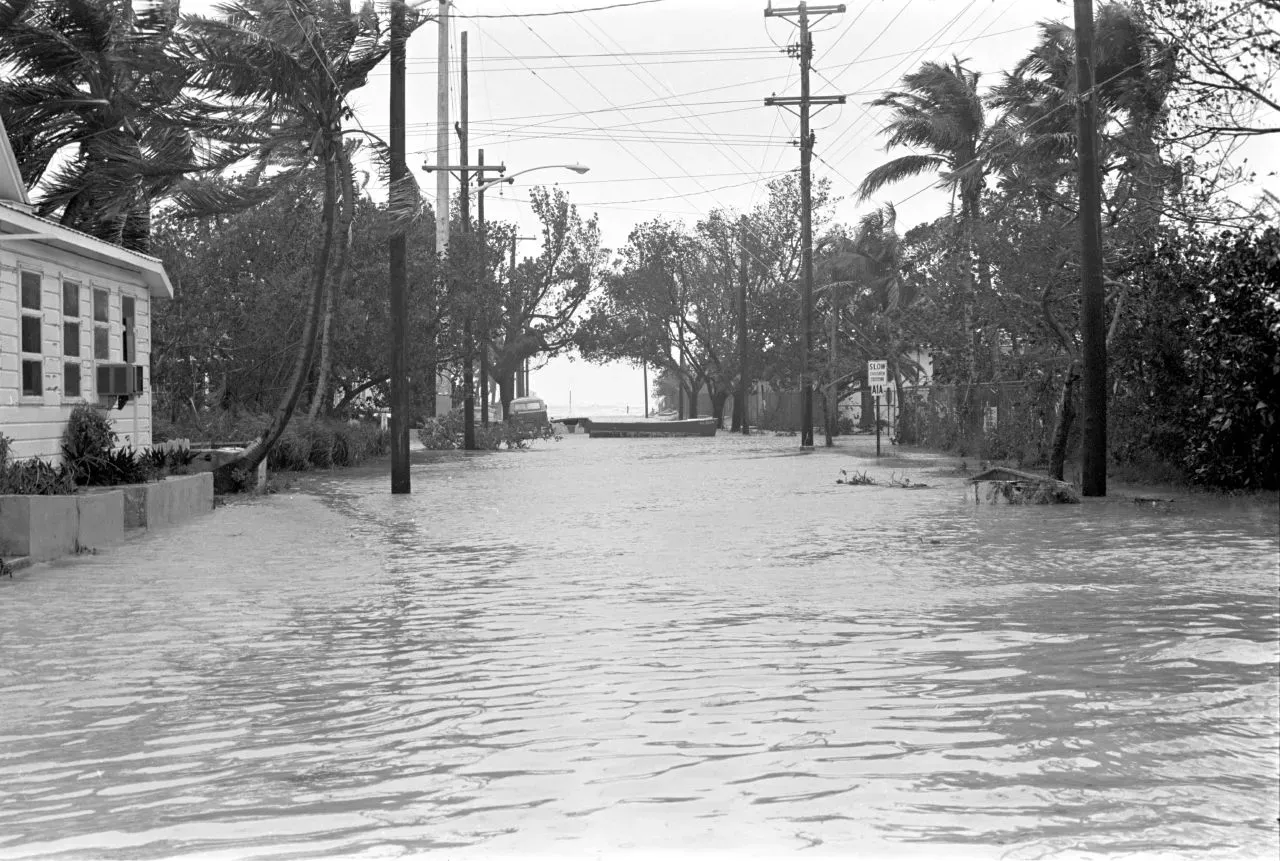
Ask longtime residents about the storm that defines their hurricane memory, and Wilma comes up often. Hurricane Wilma in 2004, regarded as the worst storm to hit the area, passed just west of Key West and produced a storm surge of 8 feet leaving 60-70 percent of the island under water.
What made Wilma notable wasn’t just wind speed, it was how much of the town ended up submerged despite the storm not even making a direct landfall on the island itself. That’s the kind of event that reshapes how a place gets categorized on hurricane-prone lists for years afterward. Separate accounting from Monroe County records also notes that flooding reached a similarly wide share of homes across the Lower Keys during that storm.
Why the rankings methodology matters
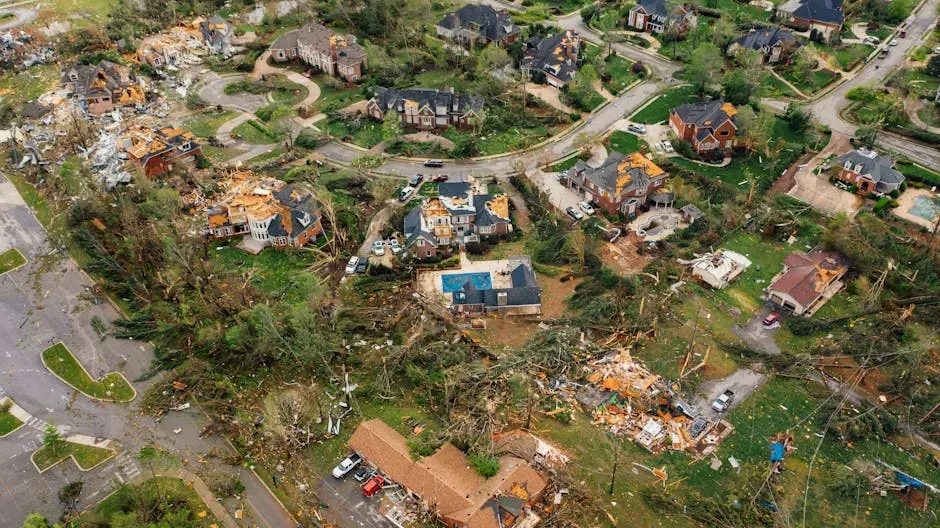
Not every “most hurricane-prone” list is built the same way, and that’s worth understanding before taking any single ranking as gospel. This ranking system is very popular with insurance companies, schools and local government offices, and the ranking list has shown up on company brochures, text books and government hurricane pamphlets with mistakes.
Some rankings count tropical storms and hurricanes together, inflating the perceived frequency of major impacts. Others count only direct hits, which produces a very different picture. Key West tends to rank near the top under nearly every version of the methodology, which is part of why it shows up so consistently across different publications rather than just one outlet’s pet ranking.
Storm surge, not wind, is the bigger worry
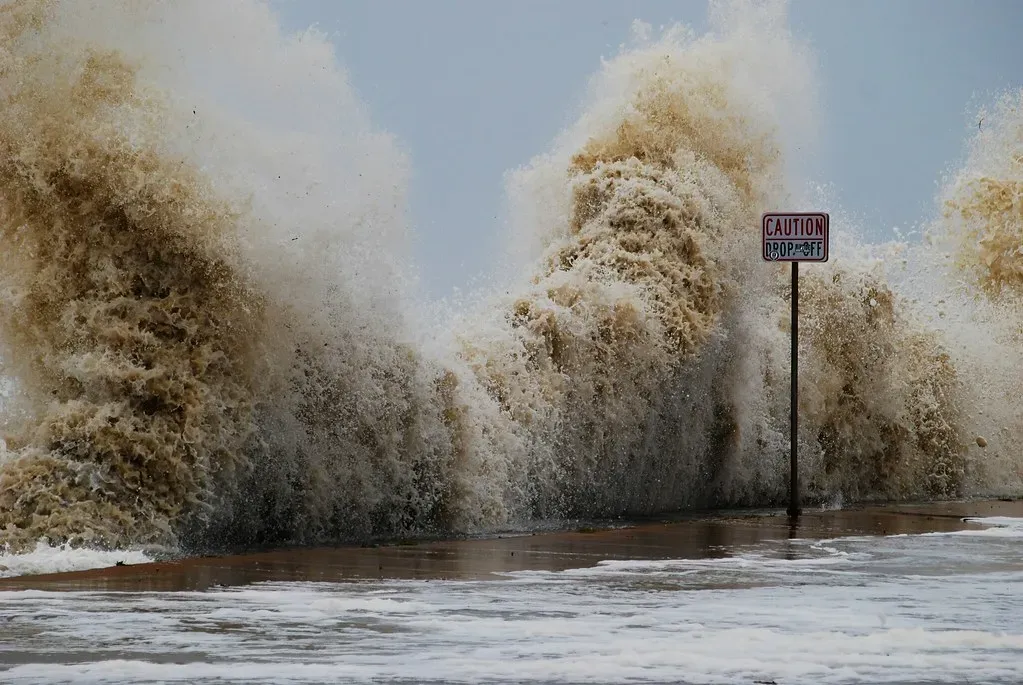
Wind speed gets the headlines, but for a low-lying island town, water is usually the more dangerous element. A Category 2 storm with a large surge can do more damage to Key West’s infrastructure than a compact Category 4 with less water displacement. That distinction matters because it shapes how emergency planners think about evacuation timing and shelter placement.
Local and county hurricane planning documents consistently emphasize flooding and surge risk over wind risk alone for the Lower Keys. It’s a reminder that “hurricane-prone” doesn’t always mean the strongest winds. Sometimes it just means the water has nowhere else to go but into town.
Insurance markets have already priced in the risk
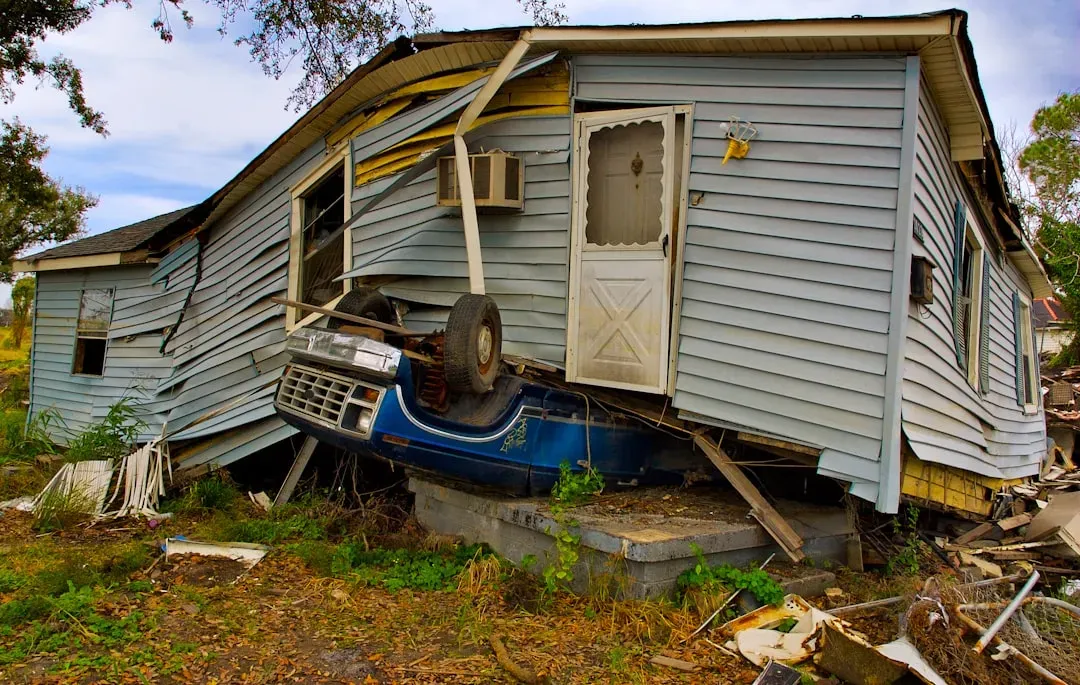
Florida’s property insurance market has been under strain for several years now, and the Keys sit near the top of that pressure point. Premiums in Key West and the surrounding Lower Keys tend to run well above the statewide average, reflecting both the frequency of storm activity and the cost of rebuilding on an island with limited construction access. Insurers don’t need a magazine list to tell them where the risk concentrates; their actuarial tables have been saying it for decades.
This is part of why the same towns keep reappearing on hurricane-prone rankings year after year. The lists published by media outlets are, in many cases, just restating what the insurance industry already knows and charges for. It’s less a discovery than a confirmation.
Building codes have tightened, but geography hasn’t changed
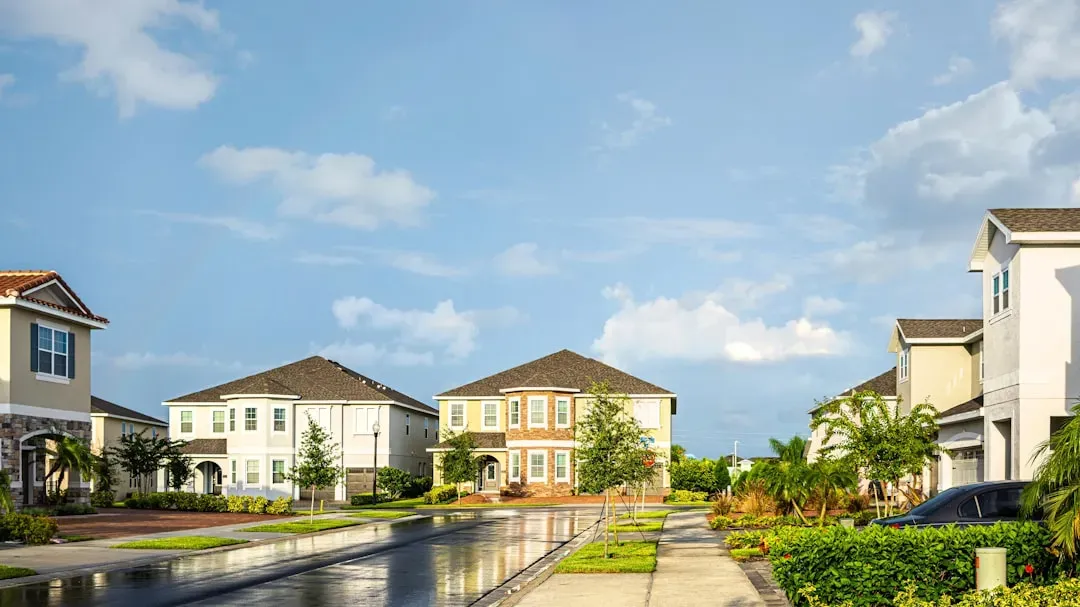
Florida strengthened its building codes significantly after Hurricane Andrew in 1992, and the Keys have some of the strictest wind and flood standards in the state. Newer homes are built on elevated pilings, with impact windows and reinforced roofing designed to withstand higher wind loads. These changes have measurably reduced structural failure rates in recent storms compared to older construction.
Still, no building code can move an island away from open water or raise its natural elevation. The town can build smarter, and it has, but the fundamental exposure that lands it on these lists every year is a matter of location, not construction quality. That’s a distinction worth keeping in mind when reading any ranking that treats “risk” as a single, fixable number.
Why people stay despite the reputation
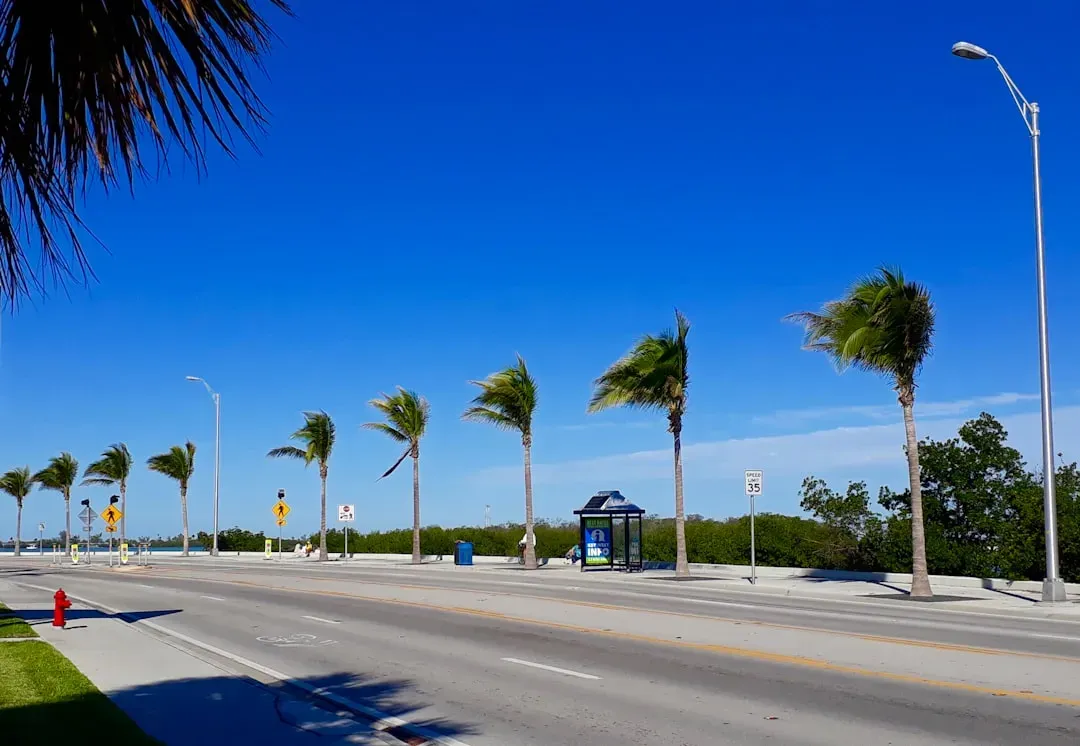
Given all of this, it’s a fair question why Key West remains such a sought-after place to live and visit. Part of the answer is simple: the same openness to the water that creates hurricane risk is also what makes the island so distinctive, with its reef access, boating culture, and views in every direction. People weigh that trade-off differently, and plenty decide the risk is manageable with the right preparation and insurance.
There’s also a practical resignation among longtime residents that comes from living somewhere with a predictable, if serious, seasonal threat. Hurricane season isn’t a mystery to Key West the way it might be to newer coastal developments elsewhere. It’s a known quantity, tracked, planned for, and, for many, accepted as the cost of living somewhere unlike anywhere else in the country.
Final thoughts
Key West’s recurring spot on hurricane-prone lists isn’t a fluke of bad press or an unlucky string of years. It’s the product of low elevation, exposure on every side, and a statistical hit rate that’s been documented for decades. The town’s history with storms like Wilma, combined with how insurers and researchers measure risk, explains why it keeps showing up near the top no matter which organization publishes the ranking.
