

- The 11 Best Countries for Scientific Research, Ranked From Worst to Best - September 18, 2026
- 3 Countries With the Lowest Emissions Per Capita – and 5 With the Highest - September 18, 2026
- 10 Countries Where Off-Grid Living Is Common - September 18, 2026
Across much of the world, being disconnected from a central power grid isn’t a lifestyle choice made for its own sake. It’s simply how things have always worked, shaped by geography, climate, and the sheer cost of running power lines to places where few people live and even fewer can afford the connection fee.
From the Mongolian steppe to the Amazon basin, millions of households generate their own electricity, haul their own water, and manage without the infrastructure that city dwellers rarely think twice about. The following ten countries offer a useful window into what off-grid living actually looks like when it’s not a trend but a daily reality.
1. Mongolia
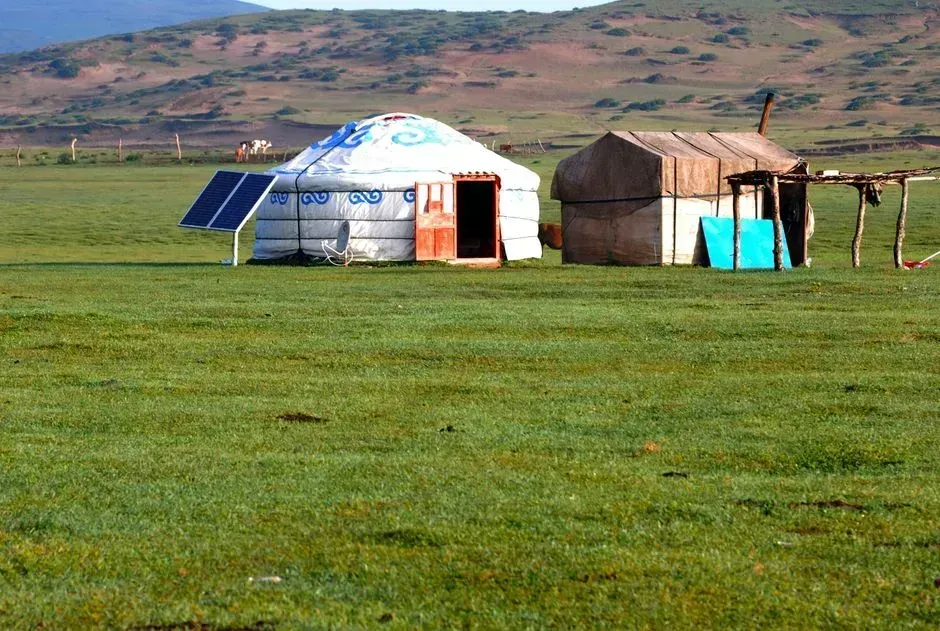
Mongolia might be the clearest example of a country where off-grid life is simply normal life. A quarter of Mongolia’s population is nomadic herders, moving across vast stretches of steppe and desert where stringing power lines would be both impractical and prohibitively expensive. For decades these families relied on candles and batteries, until a government program changed that calculus.
Starting in the early 2000s, the Government of Mongolia began the National 100,000 Solar Ger Electrification Program, which provided over half a million nomadic herders with access to electricity through portable solar home systems. The World Bank backed the effort through what became known as REAP, and by the completion of these programs, over 100,000 solar home systems had been distributed, providing more than 70% of nomadic herders with access to electricity for their yurts, out of roughly 140,000 herding households living in remote areas. Even now, in 2026, solar panels strapped to the roof of a ger are a common sight, powering lights, phones, and small televisions without a single wire connecting to a national grid.
2. Nepal
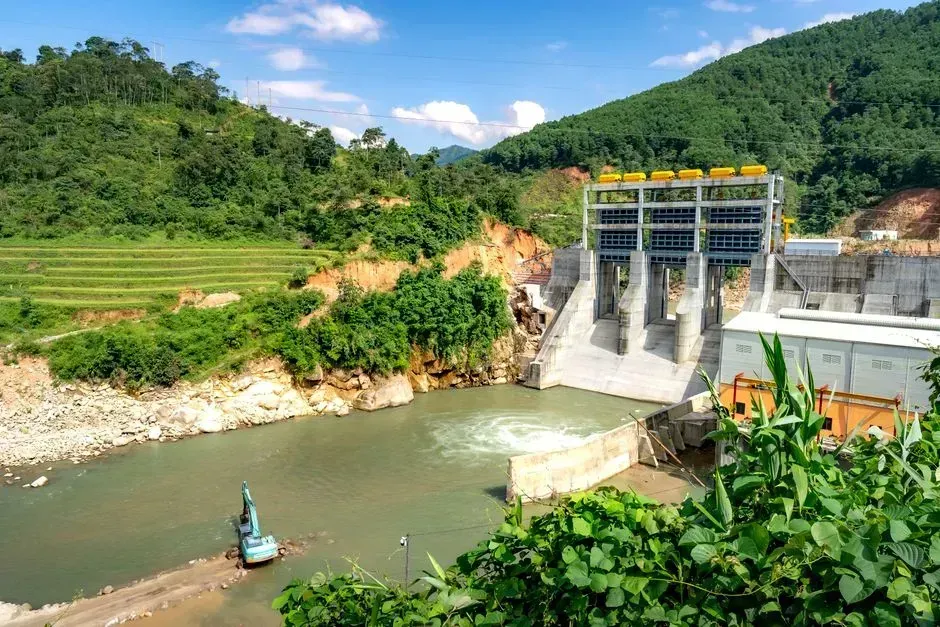
Nepal’s mountainous terrain makes grid extension a genuinely difficult engineering problem in many districts. Steep slopes, scattered settlements, and a lack of road access mean that running cables to some villages simply isn’t cost-effective, which is why the country leaned so heavily into decentralized power instead.
With more than 6,000 rivers and tributaries and 300 days of sunshine a year, Nepal has been driving rural electrification through off-grid renewables, specifically with small-scale hydropower and solar home systems, and with 81 percent of the population living in rural areas, off-grid solutions are an important part of the national strategy. A dedicated agency, the Alternative Energy Promotion Centre, formed in 1996, promotes off-grid renewables by offering subsidies, support for agricultural and commercial activities produced with renewables, and technical assistance to ensure the quality of renewable systems. Micro-hydro turbines fed by mountain streams remain a practical, low-cost answer where the grid simply doesn’t reach.
3. Bhutan
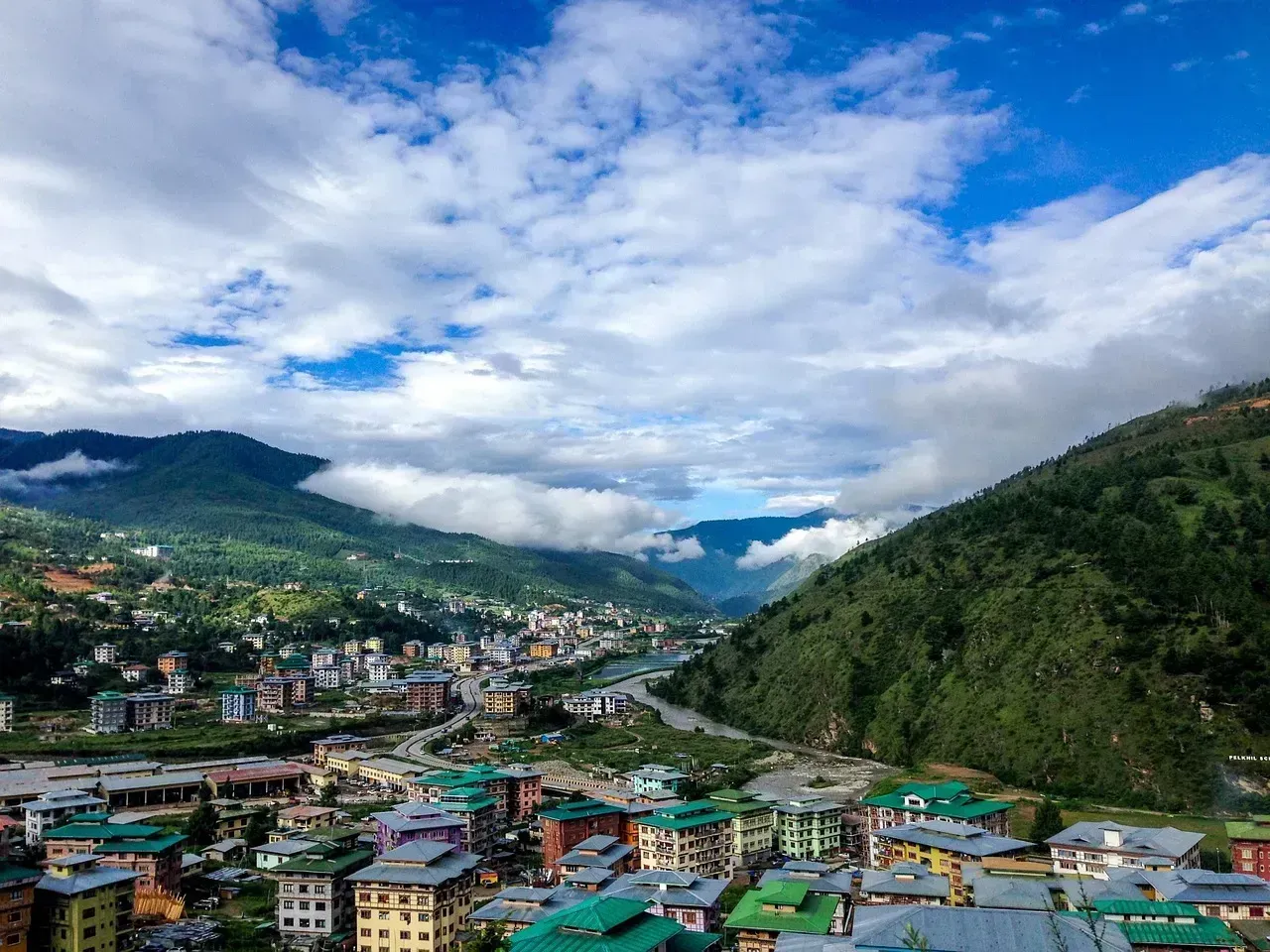
Bhutan shares Nepal’s rugged Himalayan geography, and its government has taken a similarly pragmatic approach to electrification. Rather than treating off-grid power as a stopgap, planners in Bhutan have folded small-scale renewables into the national strategy for reaching villages tucked into remote valleys.
From mountain villages in Afghanistan and Bhutan to settlements perched on steep slopes in Nepal, small-scale solar and hydropower are bringing electricity to more and more communities, technologies that are particularly successful at reaching remote areas. Notably, Afghanistan, Nepal and Bhutan are the three countries with the greatest increases in national electricity access rates from 2006 to 2016, according to World Bank figures, a sign of how effective these decentralized solutions have been where grid extension alone wasn’t feasible.
4. Afghanistan
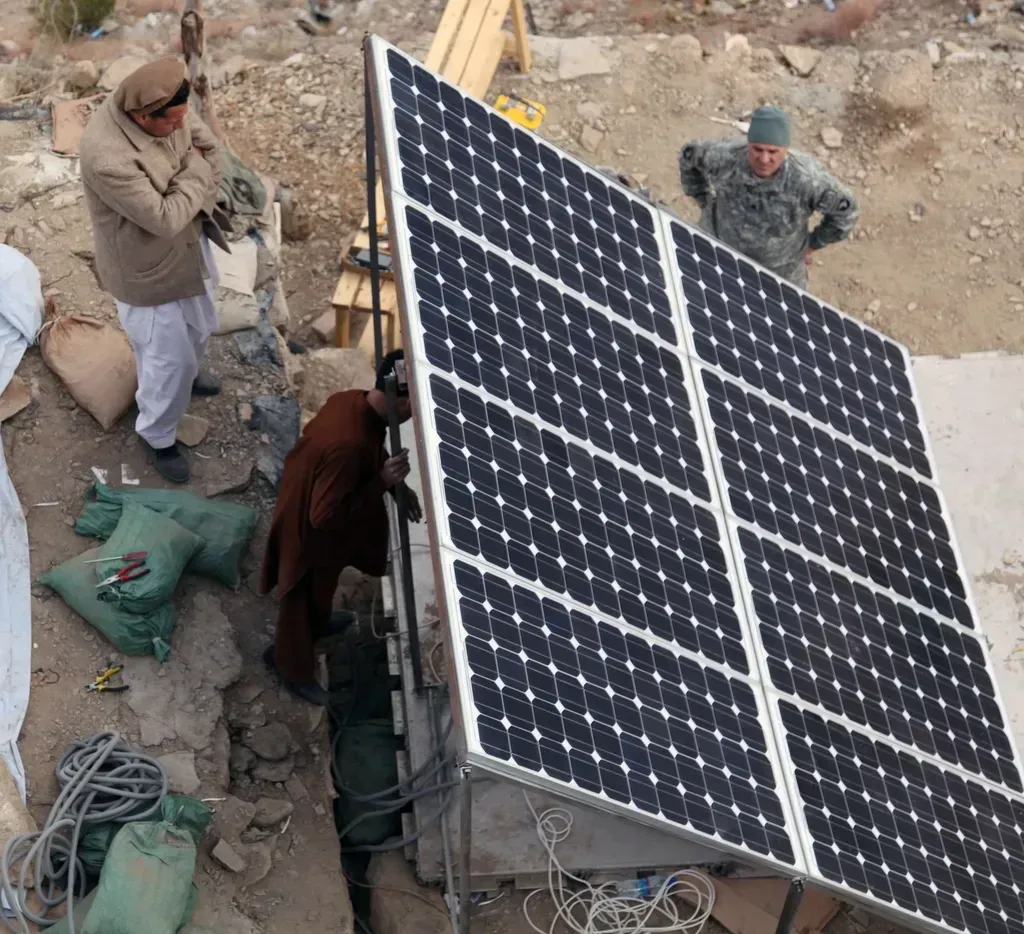
Afghanistan’s terrain and decades of instability have made large-scale grid infrastructure difficult to build and even harder to maintain. In many provinces, mountain villages have gone without reliable centralized power for generations, leaving small-scale solar and micro-hydro systems as the only realistic option.
As noted above, Afghanistan ranks among the countries that saw the sharpest gains in electricity access largely through off-grid means rather than traditional grid extension. Local solar kits and community-run hydro turbines have allowed some villages to skip the grid entirely, jumping straight to distributed renewable power instead of waiting for infrastructure that may never arrive.
5. Kenya
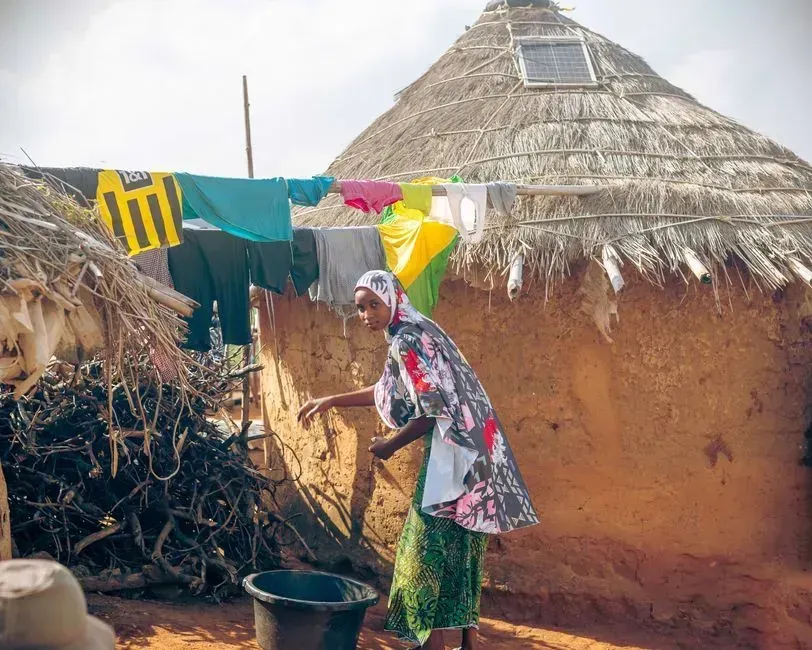
Kenya illustrates a broader pattern seen across much of Sub-Saharan Africa, where the line between “on-grid” and “off-grid” is often blurrier than official statistics suggest. By 2013, Kenya’s Rural Electrification Authority announced that 90 percent of the country’s public facilities had been electrified, yet estimates of the national household electrification rate remained just between 18 and 26 percent, a gap that highlights how many homes remain unconnected even in areas technically near power lines.
This has fueled rapid growth in solar home systems and small pay-as-you-go solar kits, which Kenyan households increasingly use for lighting and phone charging without ever connecting to the national utility. Policy makers, non-governmental organizations, and donors often assume that the majority of the unelectrified are off grid, or too far away to realistically connect to a national electricity network, though the reality on the ground is often more about affordability than distance.
6. Nigeria
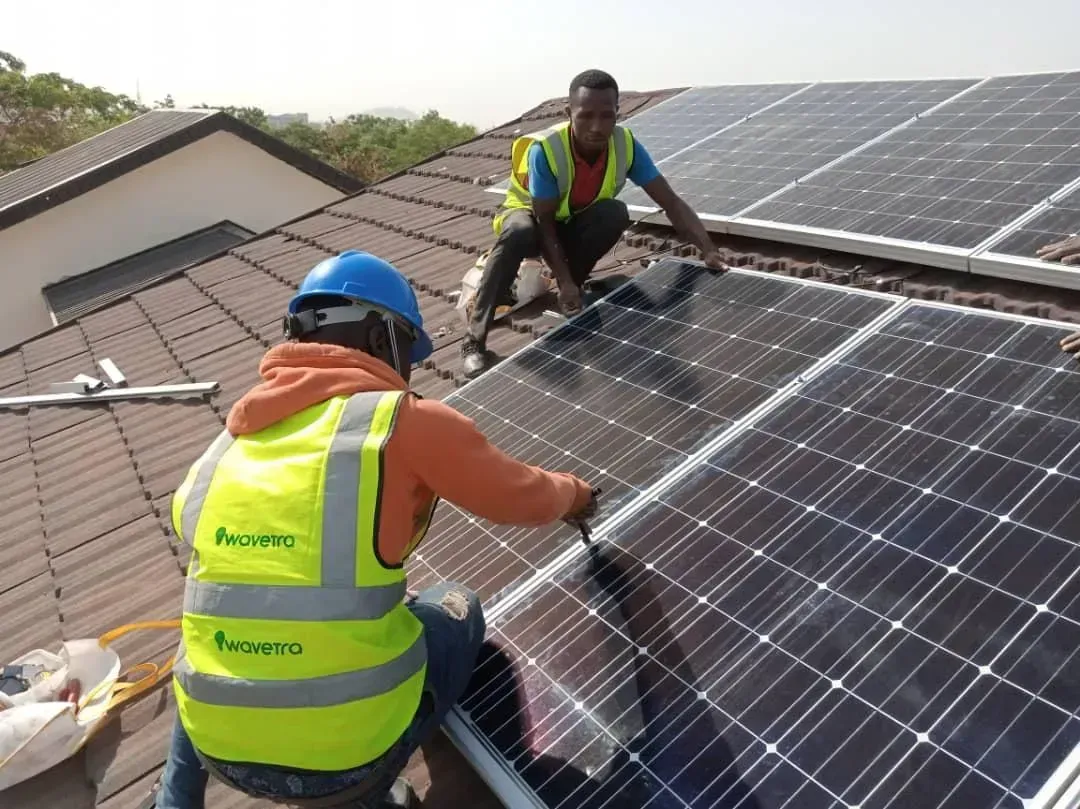
Nigeria’s grid struggles are well documented, and they’ve pushed a huge share of the population toward self-generated power out of necessity rather than preference. For several years, Nigeria has struggled with inadequate national grid coverage and poor electricity supply, with a power industry built around fossil-fuel power plants that constitute about 84 percent of total installed capacity.
In response, solar mini-grids have expanded rapidly in rural communities that the national grid has effectively bypassed. A study of one such project in Gbamu Gbamu village found that a solar hybrid mini-grid had a measurable socio-economic impact on local entrepreneurs, based on a survey of 83 micro- and small-enterprises. These localized systems have become a genuine substitute for grid power across large parts of rural Nigeria, not just an emergency backup.
7. Democratic Republic of the Congo
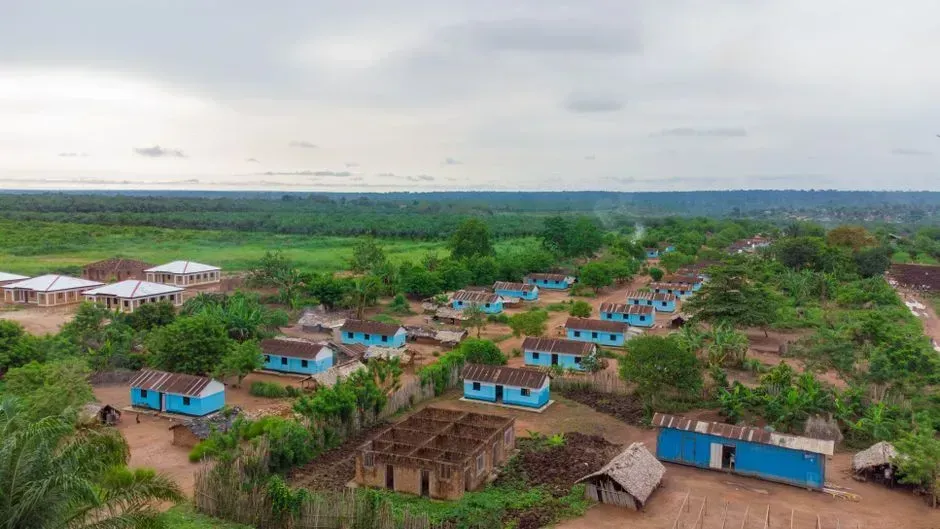
The Democratic Republic of the Congo is one of the largest countries in Africa by land area, and its dense forests, poor road networks, and vast distances between settlements make conventional grid extension almost impossible in many regions. Off-grid solar and small hydro installations have become the default rather than the exception for millions of rural residents.
This mirrors the wider regional pattern, where nearly 600 million people, or 70 percent of the population in Sub-Saharan Africa, live without electricity, a region that contains nearly half of the unelectrified households in the world. Congolese households in remote provinces often rely on diesel generators, small solar panels, or river-fed micro-hydro setups, cobbling together power from whatever local resource happens to be available.
8. Ethiopia
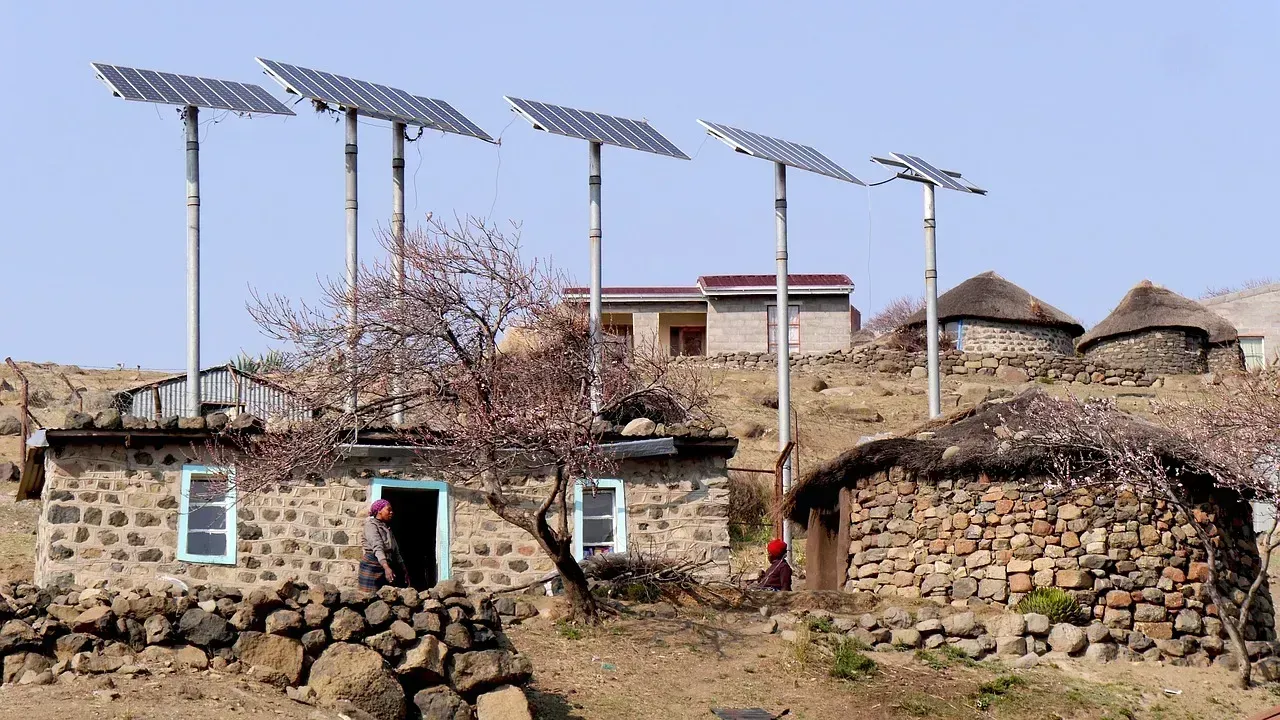
Ethiopia’s highlands and dispersed rural population create similar challenges to those seen in Nepal and Bhutan, just on a larger scale. Villages perched at high altitude, far from paved roads, often find it far cheaper to install a standalone solar system than to wait for a grid connection that may take years to arrive, if it comes at all.
The country fits within the broader South Asian and African trend where Sub-Saharan Africa sees about 70 percent of the population lacking access to electricity, with 85 percent of those living in rural areas. Ethiopia has increasingly turned to solar mini-grids and household solar kits as a practical middle step, giving families basic lighting and phone charging capability without the enormous cost of full grid buildout.
9. Peru
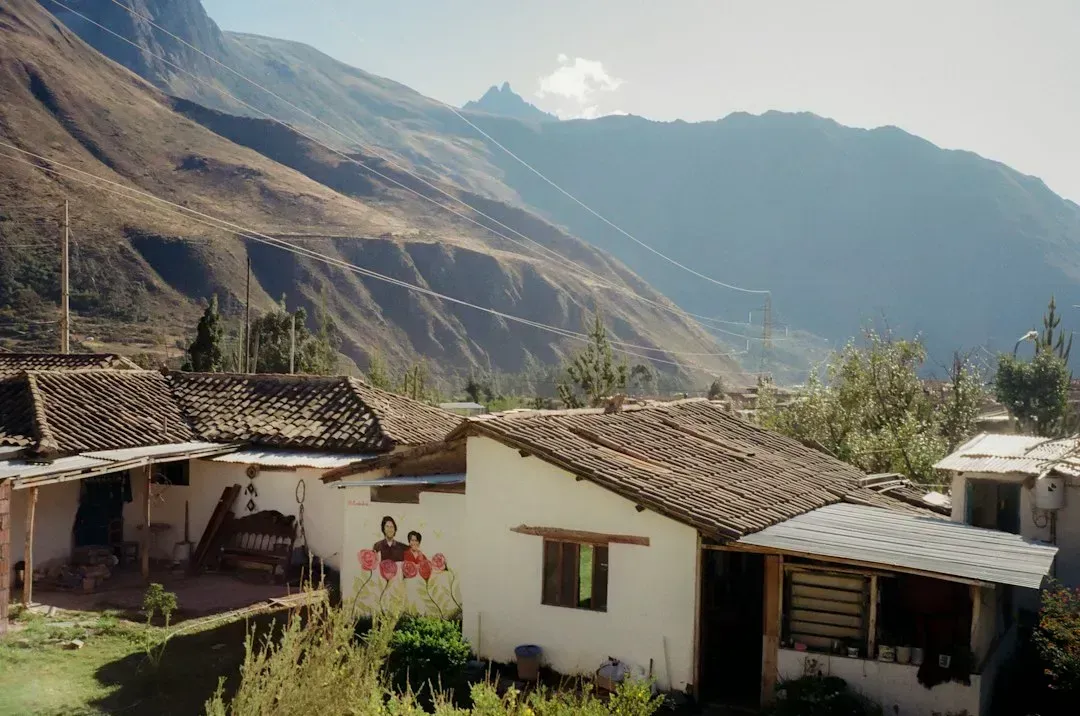
Peru’s geography ranges from Andean peaks to Amazonian lowlands, and both extremes present serious obstacles for centralized power distribution. Communities scattered across high mountain passes or deep in the rainforest are often physically cut off from the national grid by terrain that makes construction and maintenance costs balloon.
Rural electrification efforts in Peru have long incorporated off-grid solar and micro-hydro projects specifically because grid extension in these regions is not economically viable. Isolated Amazonian communities in particular have adopted small-scale solar systems as a practical way to get basic lighting and communication access without depending on a connection that would require running lines through dense, largely roadless jungle.
10. Papua New Guinea
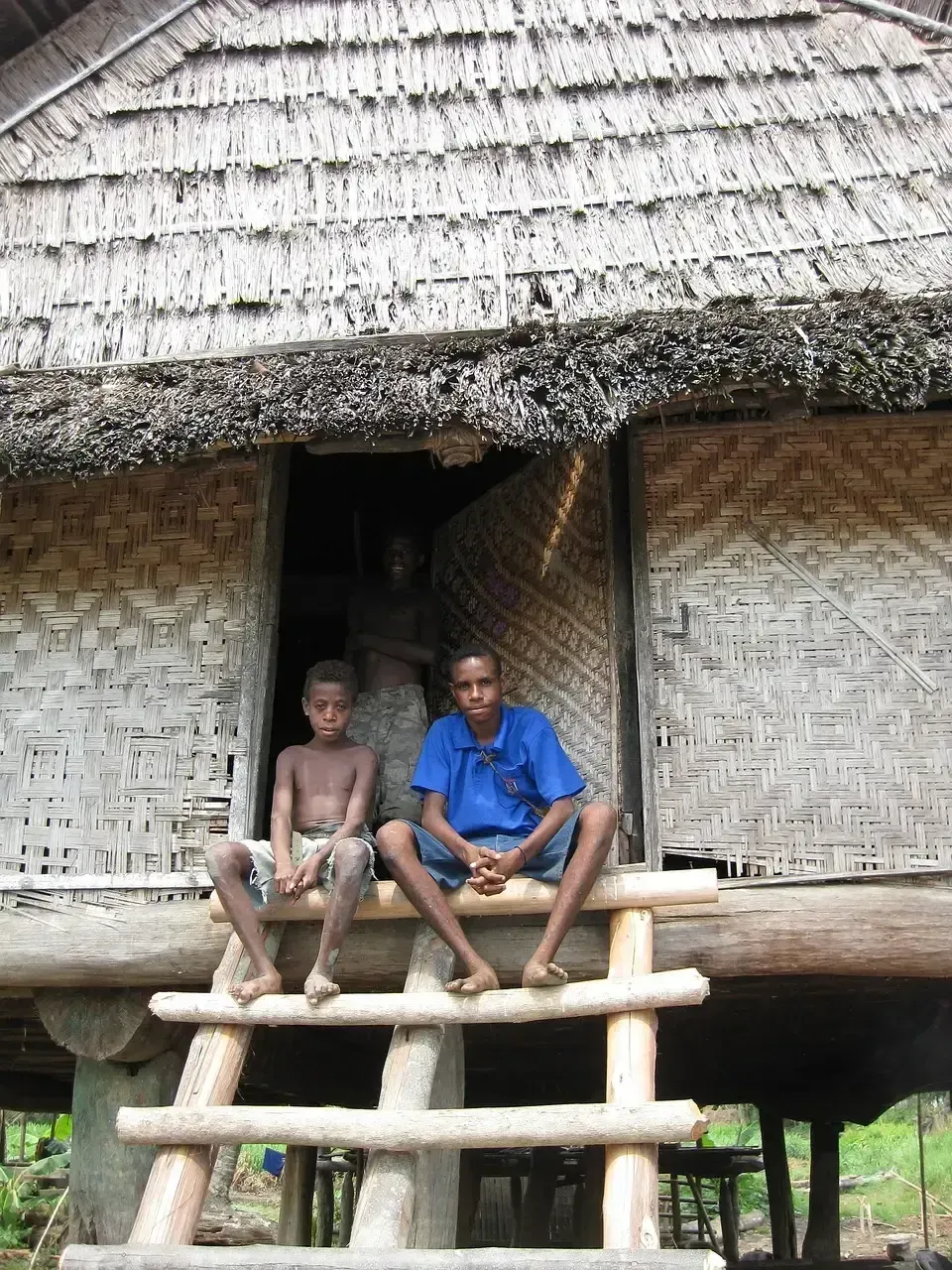
Papua New Guinea presents one of the more extreme cases of geographic isolation shaping energy access. Its mountainous interior, coupled with hundreds of scattered islands, means a huge share of the population lives in communities that are simply too remote and too costly to connect to any centralized grid.
As a result, off-grid solar and small hydro systems have become the primary source of electricity for many rural and island communities rather than a backup option. This pattern lines up with the broader global reality that around 1.1 billion people do not have access to electricity, with the vast majority of those lacking modern energy access living in rural and remote areas of developing countries. Papua New Guinea’s terrain simply makes that global challenge more visible and more persistent than in most places.
What ties these ten countries together isn’t a shared culture or a shared climate, but a shared set of hard geographic and economic realities. Mountains, deserts, dense forests, and scattered islands all make grid extension expensive in ways that flat, densely populated regions rarely experience.
In each case, off-grid solar, micro-hydro, and small-scale renewables haven’t been a niche lifestyle choice but a practical response to circumstances that left few other options. As solar technology keeps getting cheaper and more durable, it’s likely that off-grid living will remain not just common but essential in these places for years to come.
