
Most people picture vaccination as a story that starts with Edward Jenner and a jar of cowpox in 1796. That’s a fair starting point for the word “vaccine” itself, but the idea behind it, deliberately exposing the body to a weakened threat so it can build defenses, is much older than most textbooks let on.
Long before syringes, refrigerated vials, or clinical trials, people across China, India, Africa, and the Ottoman Empire were already experimenting with ways to outsmart smallpox. Some of these methods were crude and risky by modern standards. Others were surprisingly sophisticated for their time, and they quietly laid the groundwork for everything that came after.
1. A pharaoh’s mummy carries the oldest physical clue
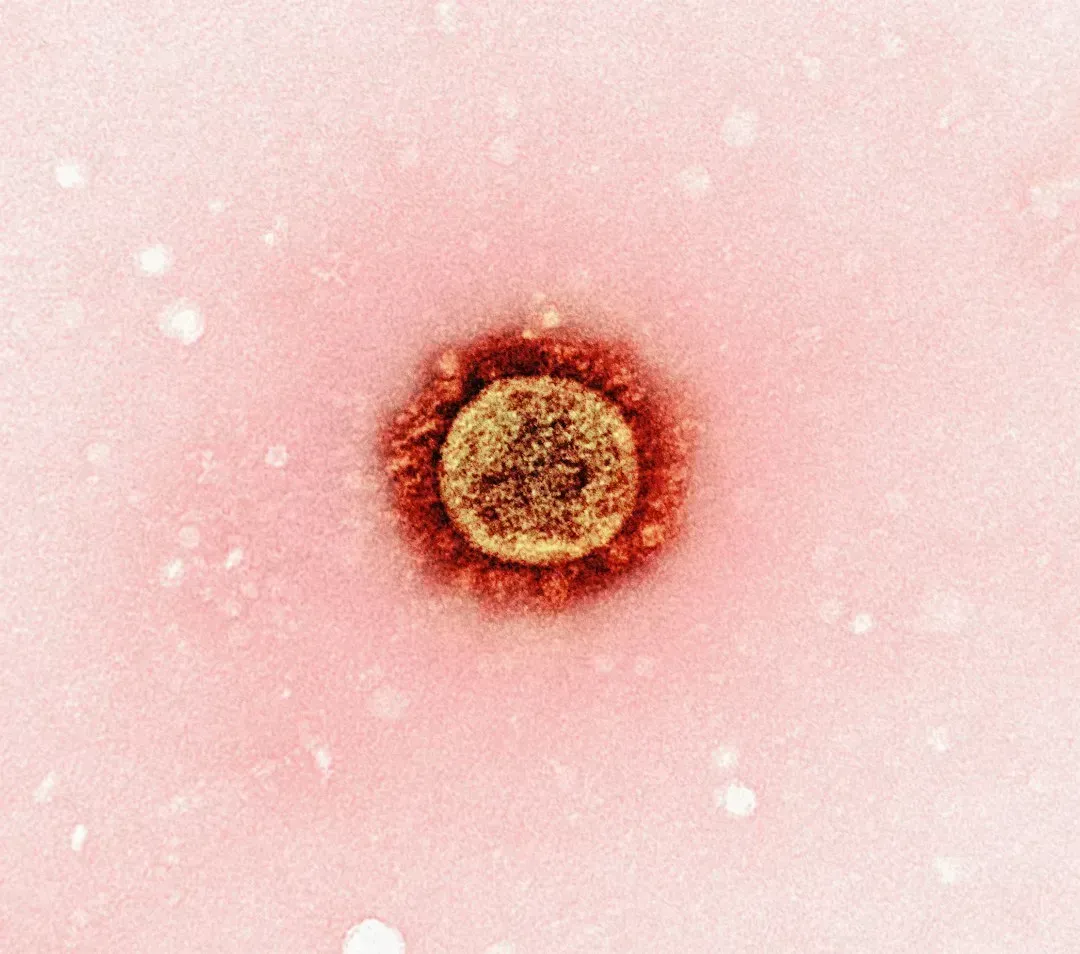
The mummified remains of Ramses V, who died around 1145 BC, show pockmark scarring that researchers have long associated with smallpox. Clinical evidence of the disease can be found in the mummy of Ramses V, dating from 1145 BC, though it is believed that smallpox emerged in human populations thousands of years ago. Other researchers point to similar skin lesions on Egyptian mummies dating even earlier, suggesting the disease traveled with early farming communities in northeastern Africa.
These findings don’t show any attempt at prevention, just proof that humans and this virus have been locked in a fight for millennia. The first reliable records of the disease come from China in AD 5, but skin lesions thought to be the result of smallpox appear on Egyptian mummies from 1570-1085 BC, suggesting the disease likely appeared with early farming settlements in northeastern Africa. The scale of that struggle explains why so many independent cultures eventually landed on similar defensive tricks.
2. Ancient Greeks noticed survivors didn’t get sick twice
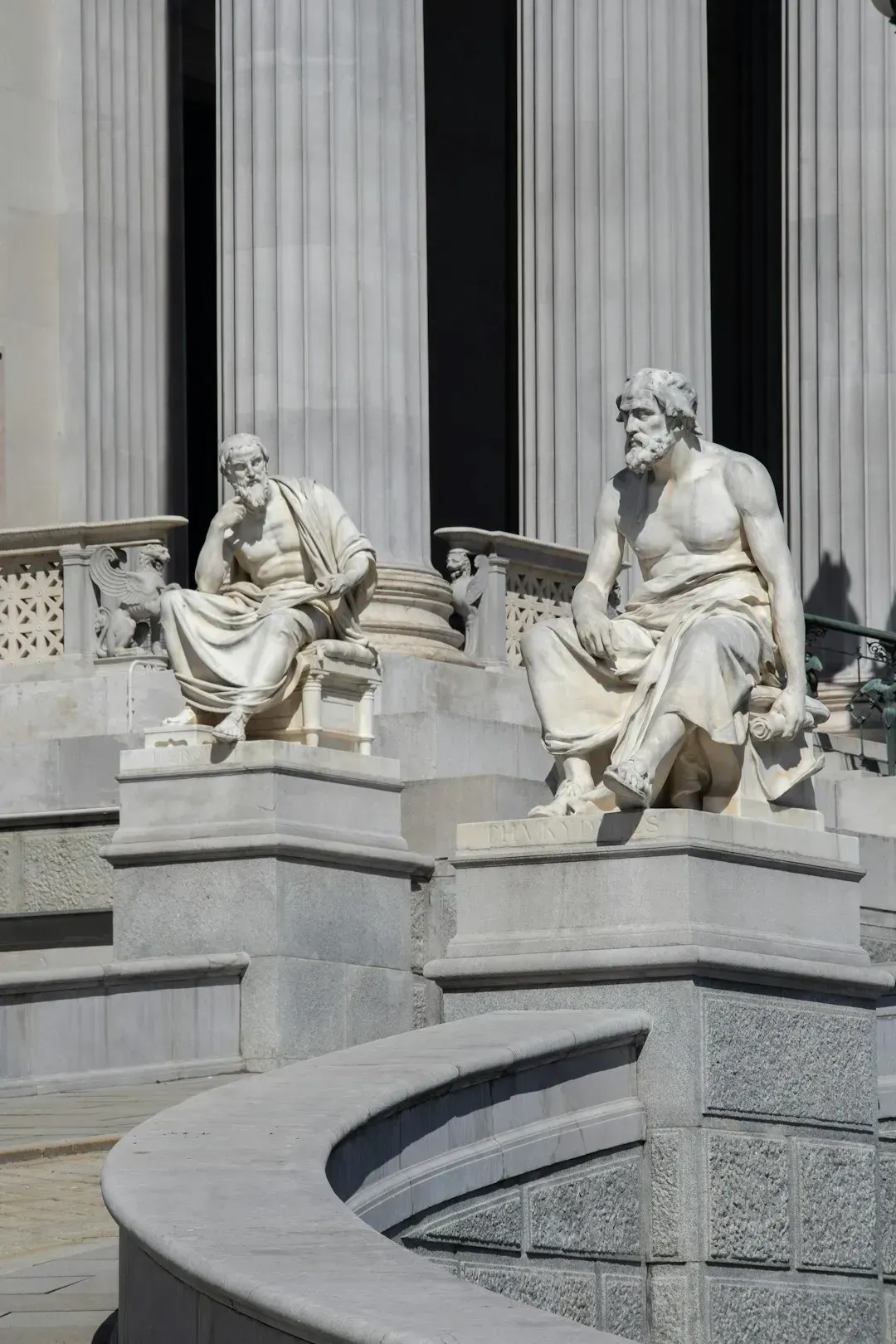
During the Plague of Athens around 430 BC, the historian Thucydides observed something that modern immunologists would recognize instantly. People who had survived the disease once seemed protected from catching it again, and they were the ones who ended up nursing the sick because they had nothing left to fear.
This wasn’t inoculation in any technical sense. Nobody deliberately infected a healthy person to trigger that protection. Still, it stands as one of the earliest written records of humans grasping the basic logic that would eventually justify variolation and, centuries later, vaccination itself.
3. Chinese physicians were blowing smallpox scabs up noses by the 1500s

Chinese medical writing describes a method called insufflation, where dried and ground smallpox scabs were blown into a person’s nostril using a pipe. Written accounts from the mid-1500s describe a form of variolation used in China known as insufflation, where smallpox scabs were dried, ground and blown into the nostril using a pipe. The practice likely existed in oral tradition well before it was ever written down.
The earliest confirmed text describing this comes from the Ming dynasty. It is believed that the variolation method was introduced from India to China in the 11th century, and Douzhen Xinfa, published in 1549, is believed to be the oldest record of the variolation method in China. By the Qing dynasty a region near Huangshan City had become known as a center for the practice, with specialist doctors closely guarding their techniques.
4. An emperor’s family became living proof it worked
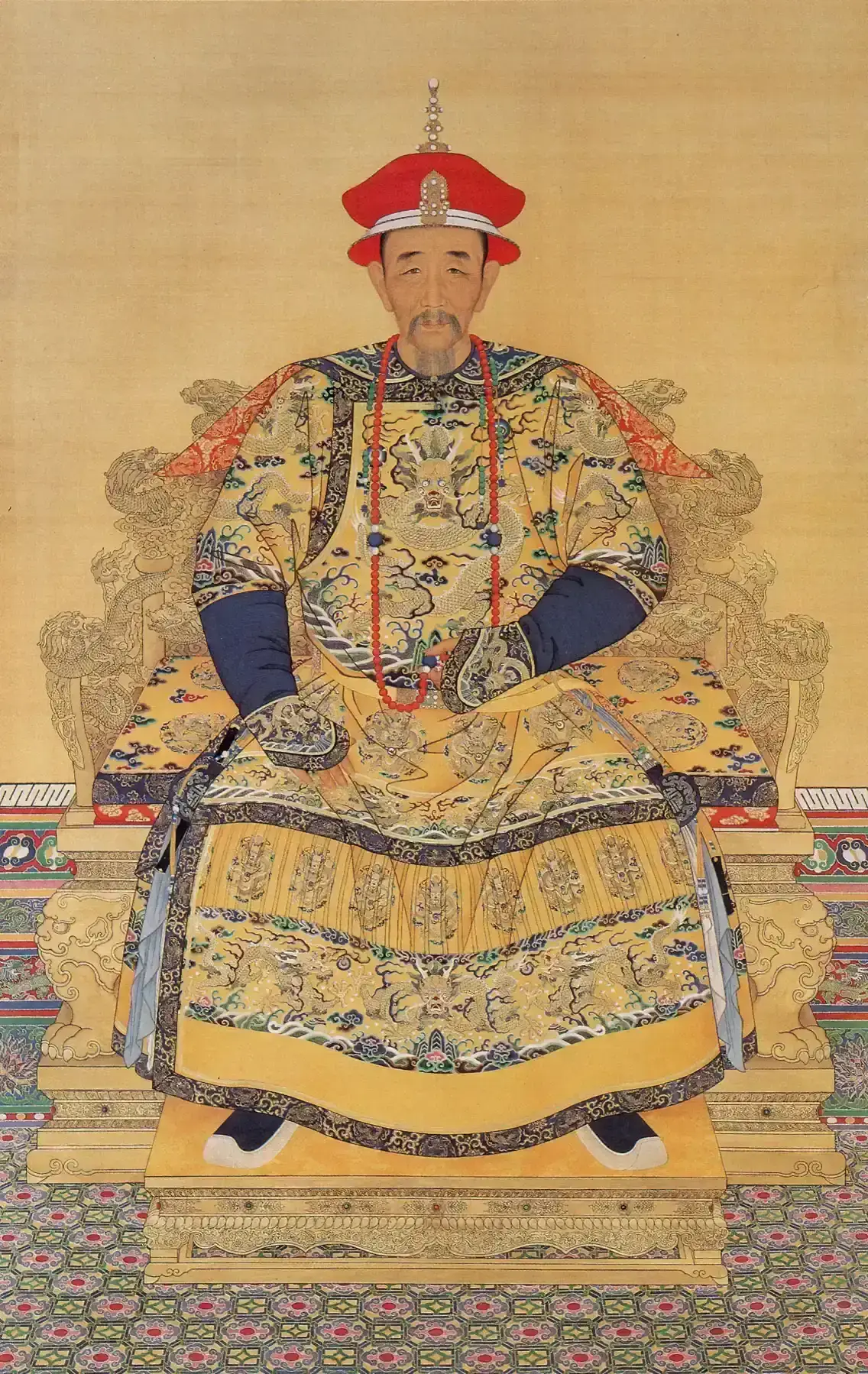
The Kangxi Emperor, who ruled Qing China in the late 1600s and early 1700s, lost his father to smallpox and personally survived the disease as a child. That experience pushed him to champion variolation not as folk medicine but as state policy, applying it across his own household and the Mongolian banners under his rule.
In his own words, preserved in historical accounts, he described using the method on his children and descendants and watching them pass through smallpox safely. The Forty-nine Banners of the Mongolians and even the Chiefs of the Kalka people made use of inoculation and all of them were perfectly healed, and the courage which he summoned up to insist on its practice saved the lives and health of millions of men. This royal endorsement mattered because it moved variolation out of secretive family practice and into something closer to public health policy.
5. India developed its own parallel tradition
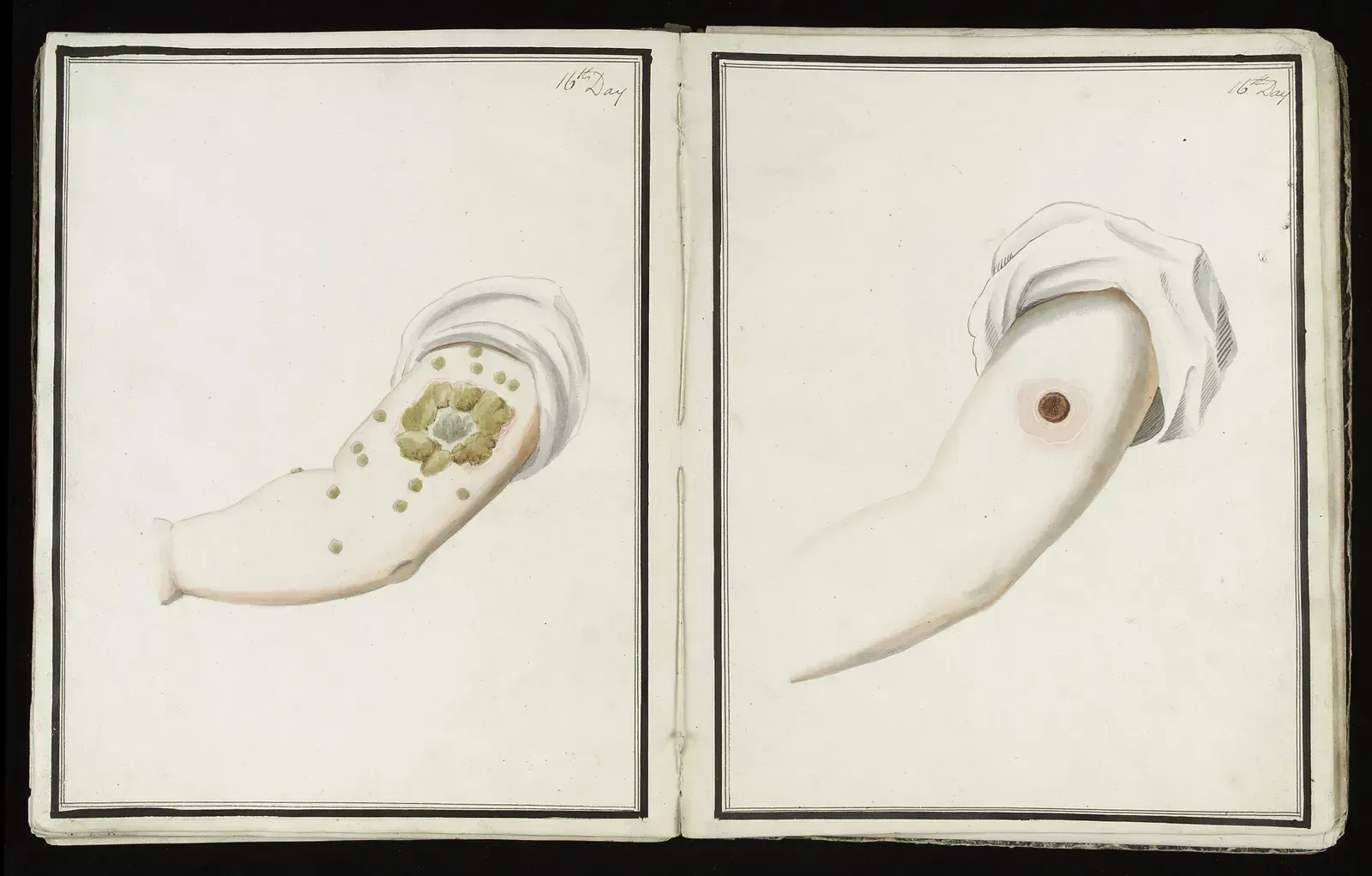
While China leaned on nasal insufflation, practitioners on the Indian subcontinent used a skin based method that more closely resembled what would later spread through the Middle East and Europe. In India, similar practices were carried out through inoculation, using a lancet or needle to transfer material from smallpox pustules to the skin of healthy children, and accounts from the 18th century suggest this technique dates back hundreds of years.
Historians still debate exactly where variolation began first, China or India, and some think it may have emerged independently in both places around the same period. What’s clear is that this wasn’t a single invention traveling outward from one source. It looks more like several cultures separately arriving at a similar insight about controlled exposure.
6. Circassian traders and Ottoman households refined the method
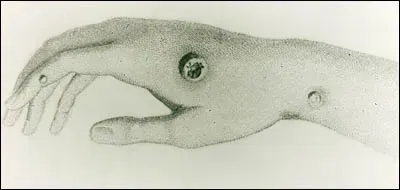
By the early 1700s, variolation was well established in the Ottoman Empire, often practiced within households rather than by formal physicians. The Turkish inoculation method involved injecting pus collected from smallpox patients into small wounds made on the skin of the person to be vaccinated.
The practice caught the attention of Lady Mary Wortley Montagu, wife of the British ambassador to Constantinople, who had survived smallpox herself and lost a brother to it. Variolation was introduced in Europe by Lady Mary Wortley Montagu 300 years ago in 1721, after she had observed the practice in the Ottoman Empire, where her husband was stationed as ambassador to Turkey. She had her own son inoculated there before bringing the idea home to Britain, where it slowly gained aristocratic and then royal backing.
7. An enslaved man in Boston changed American medicine
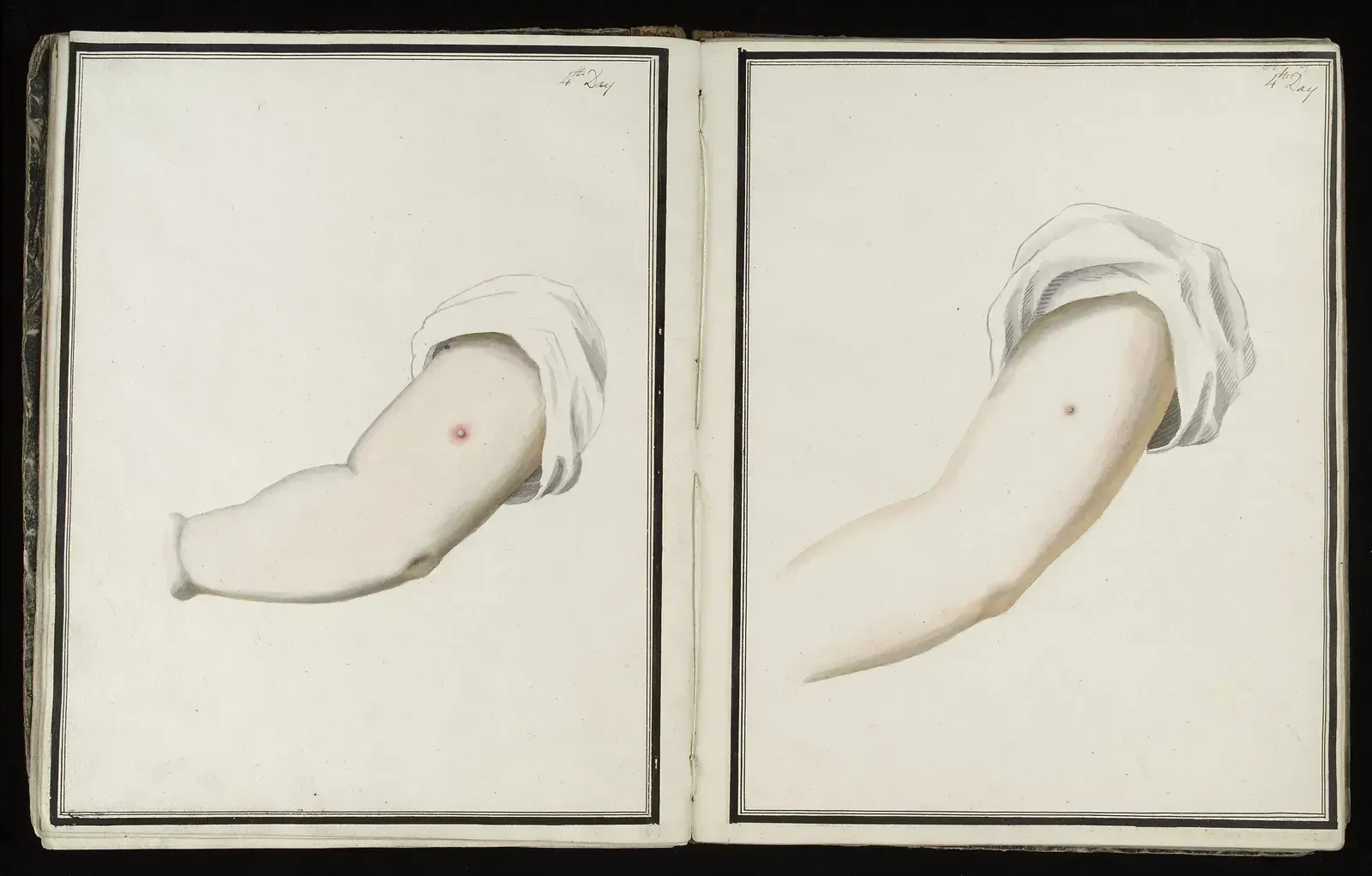
Variolation reached colonial America through a far less celebrated route, carried by enslaved Africans who had experienced the practice firsthand. Onesimus, a slave who was a servant to the Reverend Cotton Mather of Boston, had been variolated in Africa as a child, and the practice of variolation migrated from Africa to colonial America through the slave trade.
When smallpox tore through Boston in 1721, killing roughly a seventh of the population, Onesimus’s account convinced Mather to push for inoculation despite fierce public resistance. Only one physician, Zabdiel Boylston, was willing to test it, and the results spoke for themselves. Among those inoculated, only 6 patients died, compared to 844 deaths among 5,889 non-inoculated smallpox patients, making the overall success of the inoculation process clear.
8. Benjamin Franklin turned survival into a statistic
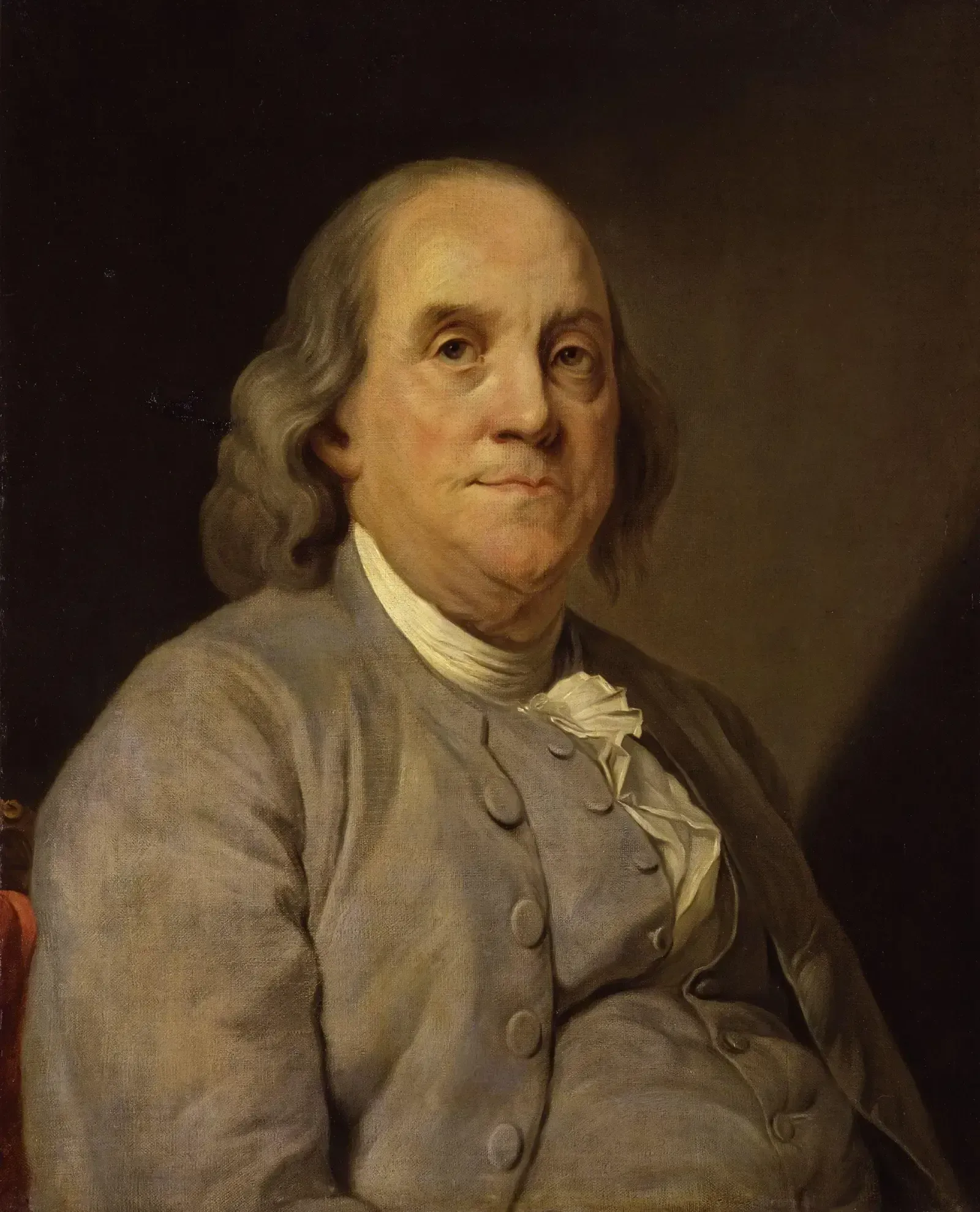
Decades before modern epidemiology existed as a formal discipline, Benjamin Franklin helped make the case for inoculation using something novel at the time: numbers. In a document written in 1759, Benjamin Franklin included numbers on the death rates of those who were inoculated, and the numbers gave even more proof that the risk of death was lower in those who were inoculated, cementing the practice in Europe and North America.
Franklin had personal reasons to care. He had lost a young son to smallpox and reportedly regretted not having him inoculated beforehand, a loss that pushed him to advocate publicly for the procedure. His straightforward comparison of death rates among the inoculated versus the naturally infected was, in its own modest way, an early piece of public health data journalism.
9. Jenner’s leap from human pus to cowpox
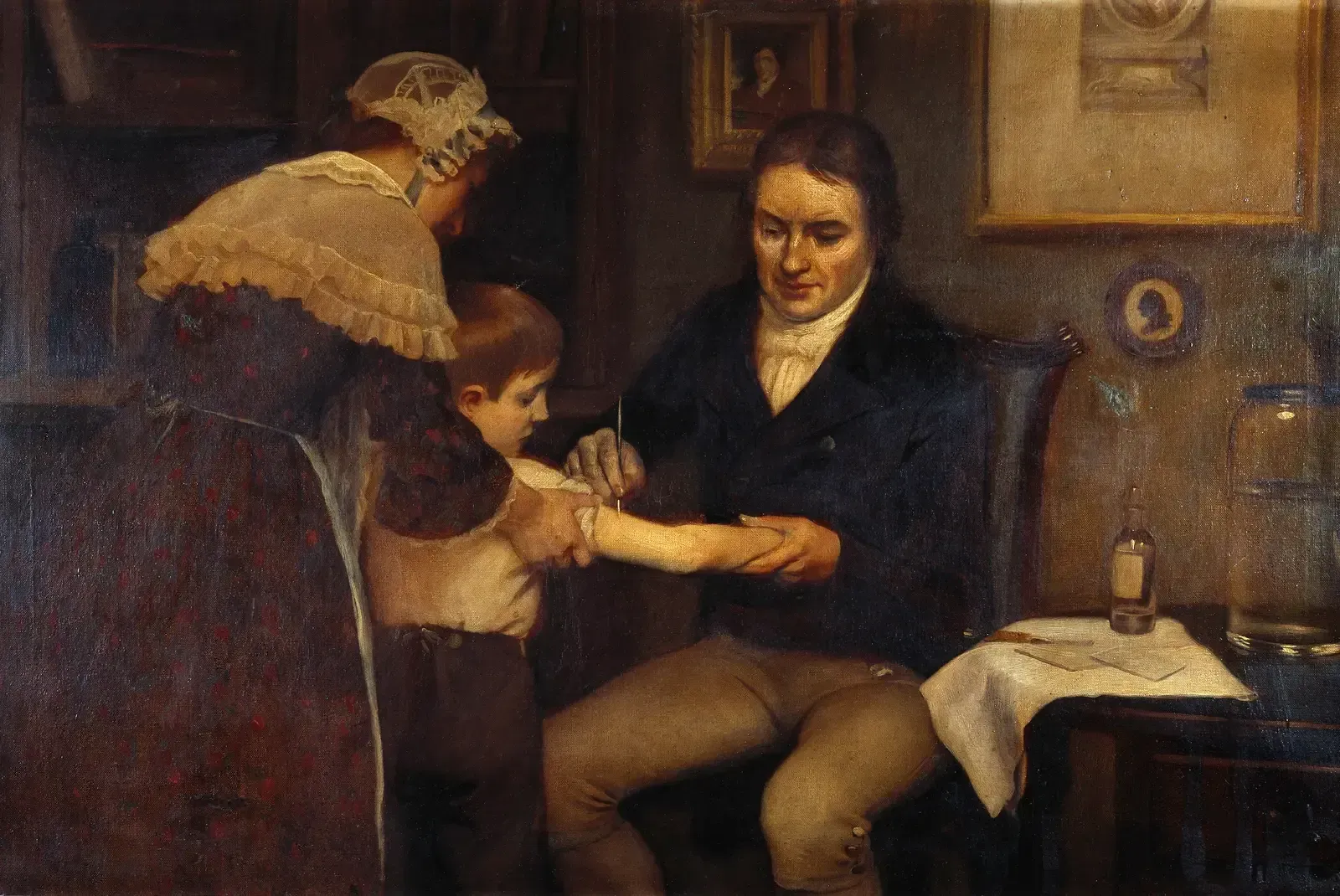
Edward Jenner’s contribution wasn’t inventing the concept of inoculation. It was replacing risky human smallpox material with something safer, cowpox, a related but much milder virus that dairy workers seemed naturally protected by.
His famous 1796 test involved a farm boy named James Phipps. The most famous of his subjects was James Phipps, who, at the age of 8, was inoculated with cowpox taken from an infected nursemaid, Sarah Nelmes, on May 14, 1796. The word vaccine itself comes from this experiment, borrowed from the Latin word for cow, and despite vocal opposition, the success of his inoculation was clear, and within 10 years of its inception, large scale vaccination was being practiced throughout the world.
What this history actually tells us
None of these nine moments involve a lone genius stumbling onto a brand new idea in isolation. They show something closer to a slow, uneven relay race, with knowledge passing from Chinese physicians to Ottoman households, from enslaved Africans to Puritan ministers, from aristocratic travelers to printers with a grudge against their own uncle.
Jenner gets credit for the word vaccine and for the safer cowpox method that eventually replaced variolation everywhere. But the underlying instinct, that a small controlled exposure could train the body against a much larger threat, had already been tested, refined, and argued over on at least three continents long before he ever touched a lancet.

- Farmers First: The 7 Countries With the Most Climate-Resilient Agriculture - September 21, 2026
- The 3 States Investing the Most in Renewable Energy Infrastructure This Decade - September 21, 2026
- The 10 Poorest Countries Facing the Harshest Climate Impacts (And Why) - September 21, 2026
