

For decades, sea level rise was framed as a distant threat, something future generations would need to worry about. That framing no longer holds up. According to a recent United Nations report, sea-level rise is no longer a distant threat but an unfolding global crisis, with profound impacts on coastal communities, economies, and infrastructure, and the phenomenon is accelerating at an unprecedented rate in human history. Right now, roughly one in ten people on the planet lives in a coastal zone that is already exposed to serious flooding risk.
From tiny Pacific atolls losing their land to sprawling Asian megacities sinking under their own weight, the countries below are not waiting for a hypothetical future. Their residents are packing up, relocating inland, or applying for visas to leave altogether. This is a gallery of where that displacement is happening right now.
1. Tuvalu
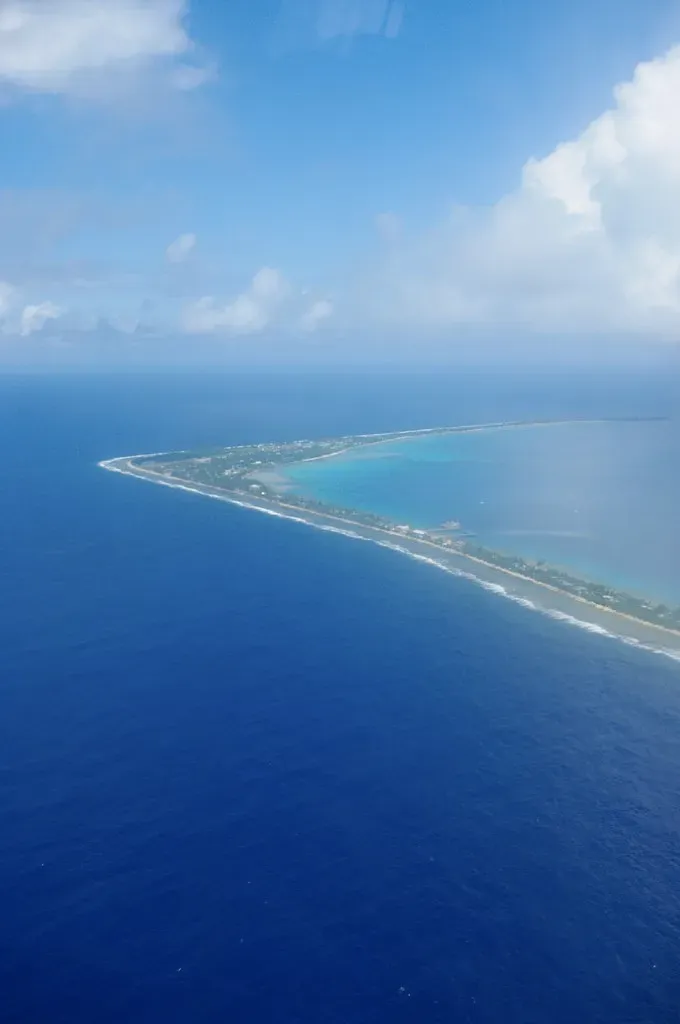
Tuvalu has become the most cited example of a nation racing against the ocean. Located in the South Pacific between Australia and Hawaii, Tuvalu consists of nine coral atolls with an average elevation of just six feet above sea level. Satellite data referenced by NASA shows that sea levels around Tuvalu are already nearly 6 inches higher than they were 30 years ago.
The response has been unprecedented. The Pacific Engagement Visa, part of a treaty between Australia and Tuvalu, is the world’s first climate migration agreement, offering Tuvaluan citizens the opportunity to permanently move to Australia to escape the imminent threat of flooding back home. The demand has been overwhelming: more than 5,000 residents, nearly half the country’s total population, have applied for the first round of the visa lottery.
2. Kiribati
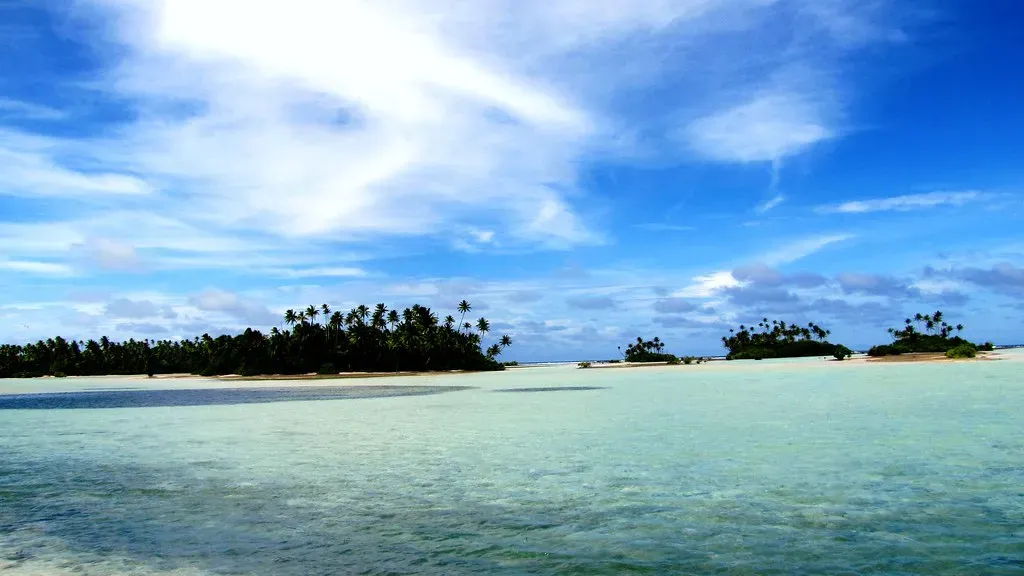
Kiribati sits barely above the waterline, and its government has been planning for the worst for well over a decade. With over 116,000 inhabitants across its three archipelagos, Kiribati has a much larger population than Tuvalu and thus requires a different approach, and in 2012 the country purchased 22 square kilometres of land in nearby Fiji. That land, on Fiji’s second-largest island, was intended partly as an eventual home for displaced citizens.
Life on the ground has already changed. Surveys of the region found that 70% of households in Kiribati and Tuvalu would migrate if climate change worsened conditions on their islands, and both nations report that they are already experiencing daily impacts from droughts and sea level rise. Some of the country’s outlying islets have already vanished beneath the waves entirely.
3. Marshall Islands
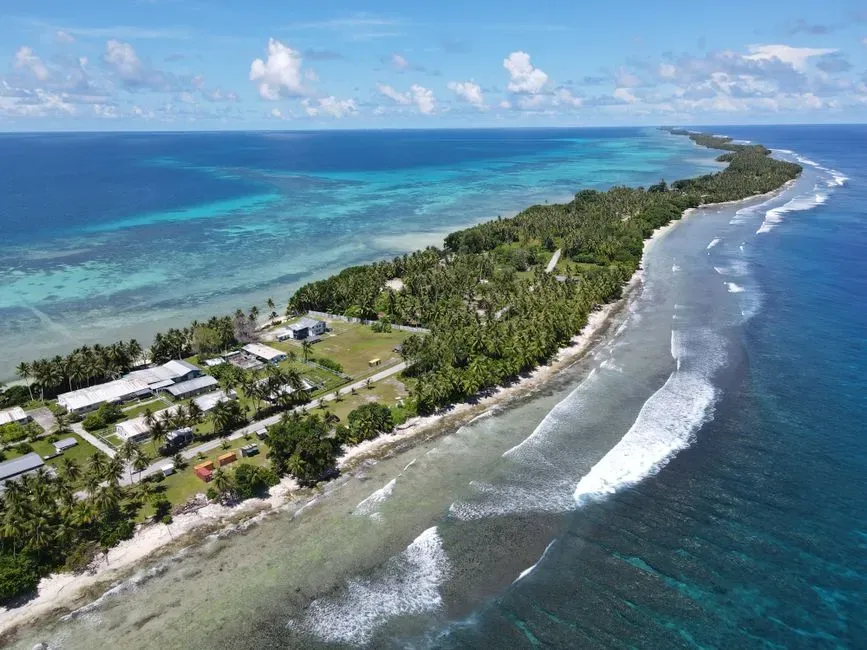
The Marshall Islands is another low-lying atoll nation where the ocean has stopped being an abstract worry. Coverage of the region notes that in regions like the Marshall Islands and Solomon Islands, the effects are no longer theoretical, as coastal erosion and rising waters have already led to the disappearance of smaller islands and the flooding of previously habitable land.
The government has responded with legal groundwork rather than just adaptation projects. In 2016, the Marshall Islands passed new legislation repealing its 1984 Maritime Zones Declaration Act in an effort to lock in its maritime boundaries regardless of how much land physically disappears. That move reflects a grim acceptance that some communities will need to relocate internally or abroad as the outer islands become unlivable.
4. Solomon Islands
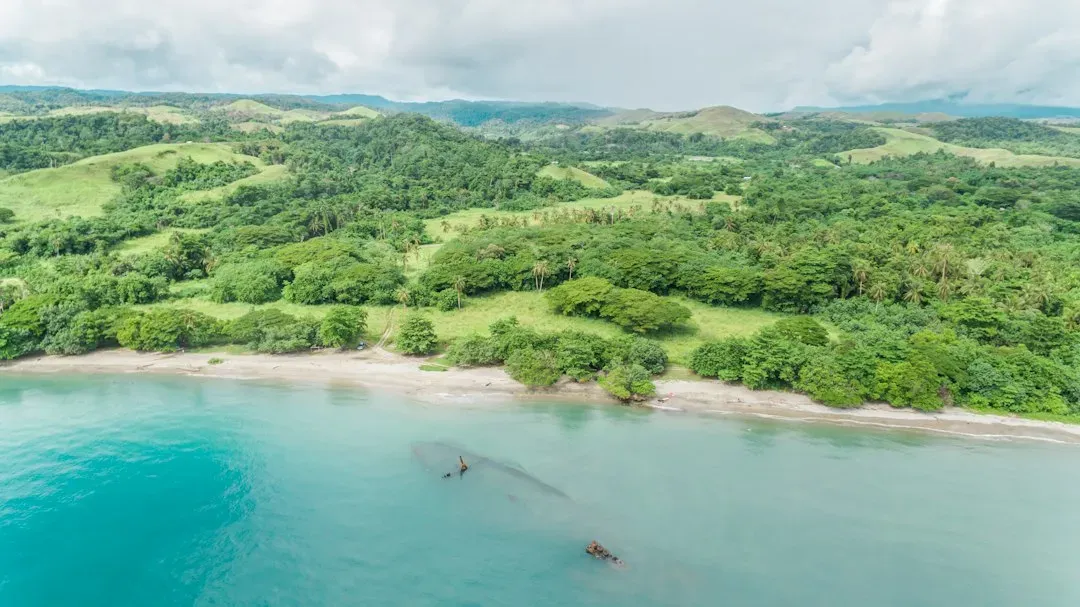
The Solomon Islands has already lost inhabited land to the sea, not just uninhabited sandbars. Reporting on the region confirms that coastal erosion there has led to the disappearance of smaller islands and the flooding of areas people once called home, placing entire villages in the position of needing to move to higher ground on larger islands nearby.
Communities in low-lying coastal villages across the archipelago have already begun shifting settlements inland as shorelines retreat. Unlike a single dramatic disaster, this displacement has unfolded gradually, village by village, as king tides and storm surges chip away at the coastline year after year.
5. Papua New Guinea (Carteret Islands)
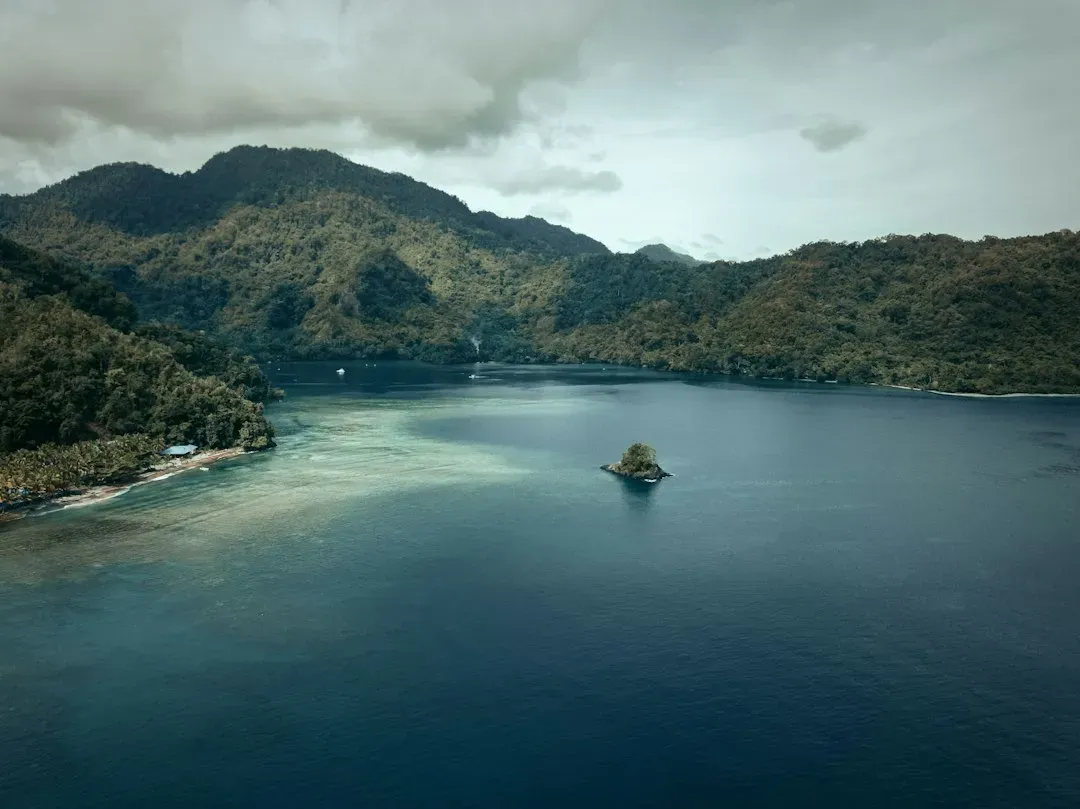
The Carteret Islands, a remote atoll chain belonging to Papua New Guinea, are frequently described as home to some of the world’s first documented climate refugees. The Carteret Islands are facing intense environmental degradation, coastal erosion and food and water insecurity due to anthropogenic climate change and tectonic activity, and since 1994 the islanders of the seven atolls, lying only 1.2 metres above sea level, have already lost about 50 per cent of their land.
The scale of the relocation effort is sobering for such a small population. The Carteret Islands are a three-hour boat ride from the much larger island of Bougainville, and for the roughly 2,500 Carteret islanders who have lived a life of fishing and small-scale agriculture, plans are now under way to make that trip permanent. A local NGO called Tulele Peisa has led much of the resettlement work, though funding shortfalls have slowed the process for years.
6. Fiji
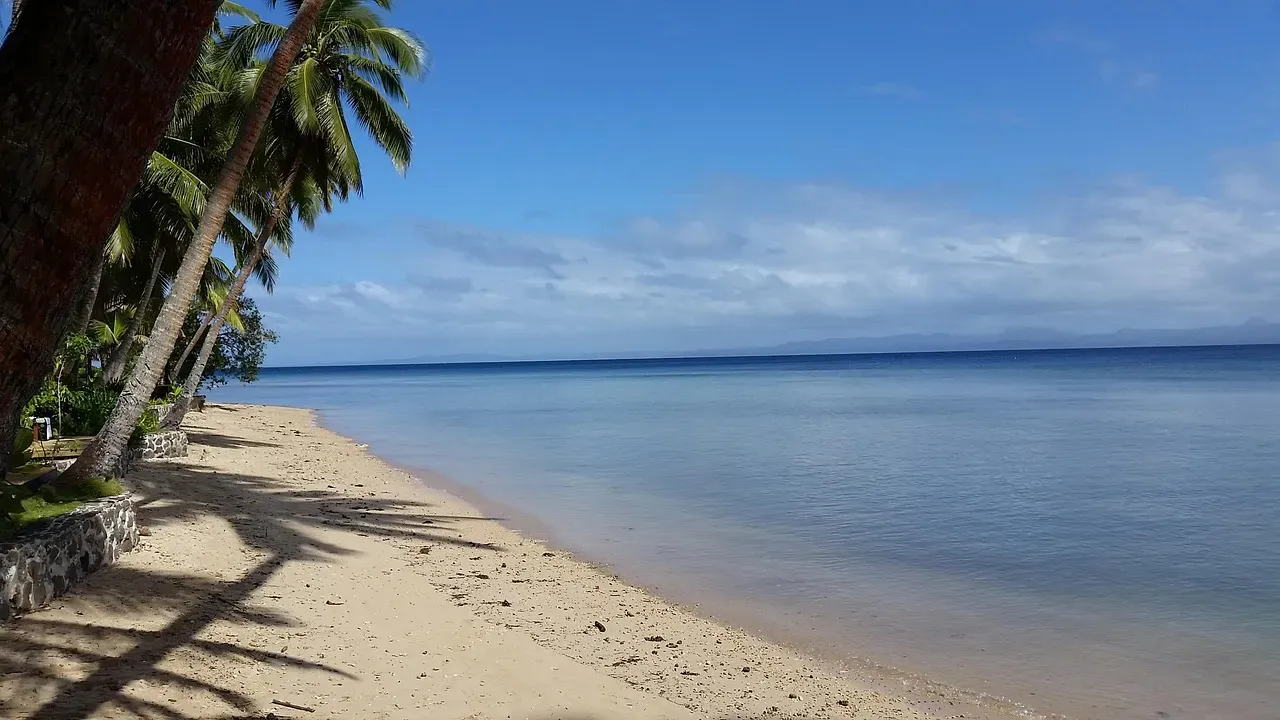
Fiji occupies an unusual dual role in this story. It is both a destination offering land to displaced Kiribati citizens and a nation dealing with its own vulnerable coastal villages. Several low-lying communities on Fiji’s main islands have already undergone government-supported relocation to higher ground after repeated flooding made their original sites unsafe.
Fiji has also become a diplomatic hub for the broader Pacific climate migration conversation. Tuvalu, Palau, and Fiji have hosted events ahead of COP so global audiences can hear directly from the Pacific on the impacts of climate change for the region. That visibility hasn’t stopped the physical reality on the ground, where villages continue to weigh the costs of staying against the costs of moving.
7. Bangladesh
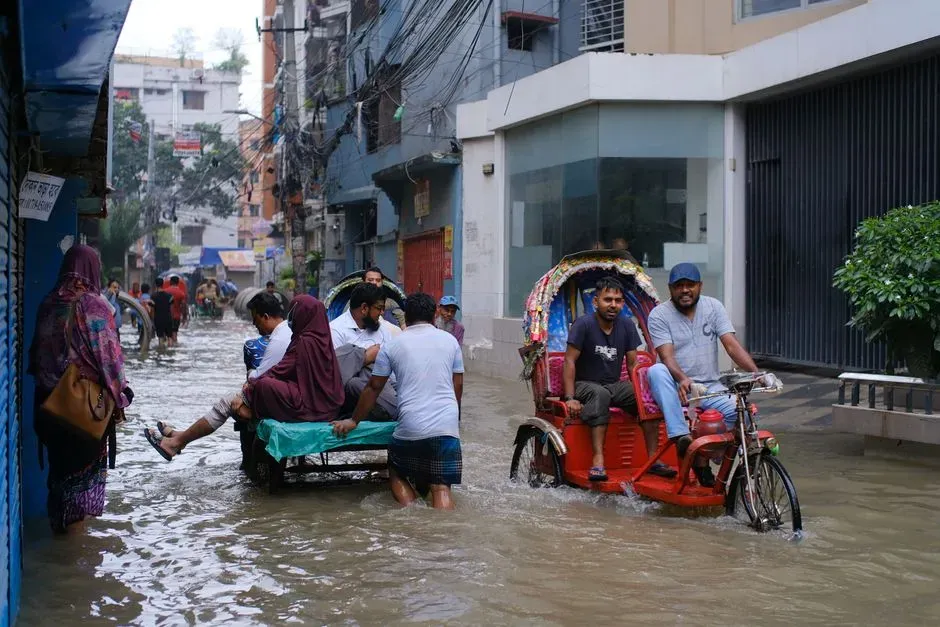
Bangladesh combines geography and population density in a way that makes it uniquely exposed. Much of the country sits on a low-lying delta, and reports warn that countries such as Bangladesh could lose significant portions of land, potentially displacing millions of people. Coastal residents in the Sundarbans region are already dealing with the consequences directly.
Recent UN analysis singles out the country’s capital as a flashpoint. The report highlights Dhaka in Bangladesh, alongside Mumbai and Kolkata in India, as cities in low-lying South Asian deltas where sea-level rise is contributing to a growing risk of displacement, with more than 14 million people in these areas at immediate risk of losing their homes to permanent inundation. Salinity intrusion into farmland and groundwater has already forced many rural families toward cities in search of work.
8. India

India’s coastal megacities are grappling with a problem that combines sea level rise with sinking land, a combination that makes the threat far more immediate than global averages suggest. The same UN report that flagged Dhaka also names two major Indian cities as high-risk zones. In South Asia, the report highlights the growing risks faced by low-lying coastal areas, including cities such as Mumbai and Kolkata, where sea-level rise, combined with land subsidence, is intensifying the threat of flooding and displacement.
Longer-range projections make the scale of the challenge clear. Older UN estimates cited in academic reviews suggested that tens of millions of Indians, concentrated primarily in Mumbai and Kolkata, could be affected by rising seas within a few decades, and current monitoring suggests those coastal populations are already seeing more frequent flooding events than in previous decades.
9. Indonesia
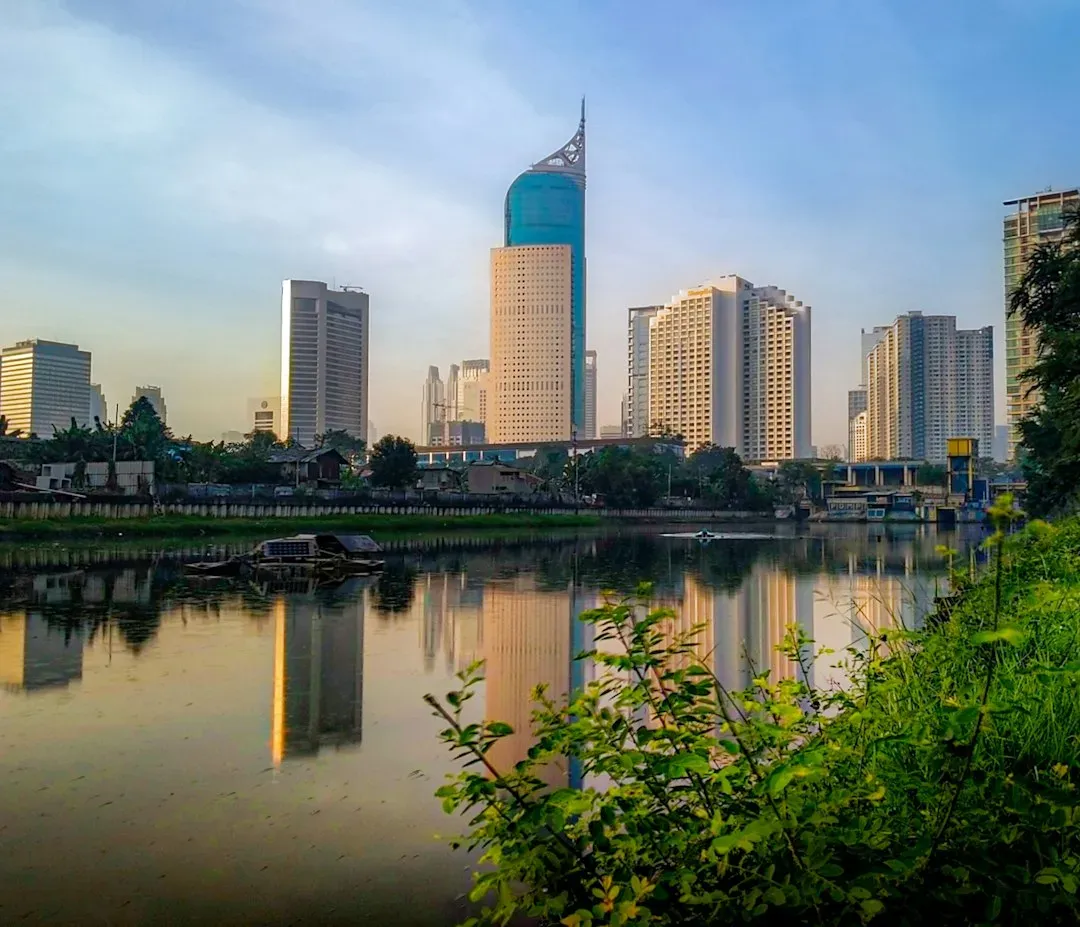
Indonesia is losing physical territory at a pace that is hard to overstate. According to the country’s own Ministry of Marine Affairs and Fisheries, approximately 24 islands have been lost to sea-level rise between 2005 and 2007 alone. Jakarta, the nation’s most populous city, faces an even more urgent crisis driven by a mix of rising seas and unchecked groundwater extraction.
The sinking has been so severe that the city is causing the city to sink between 2.9 and 6.7 inches a year, prompting authorities to begin construction on a massive seawall project years ago. The severity of Jakarta’s subsidence problem was actually a major factor behind Indonesia’s decision to build an entirely new capital city, Nusantara, on the island of Borneo, effectively relocating the seat of government away from a metropolis that engineers no longer trust to remain above water long term.
10. Philippines
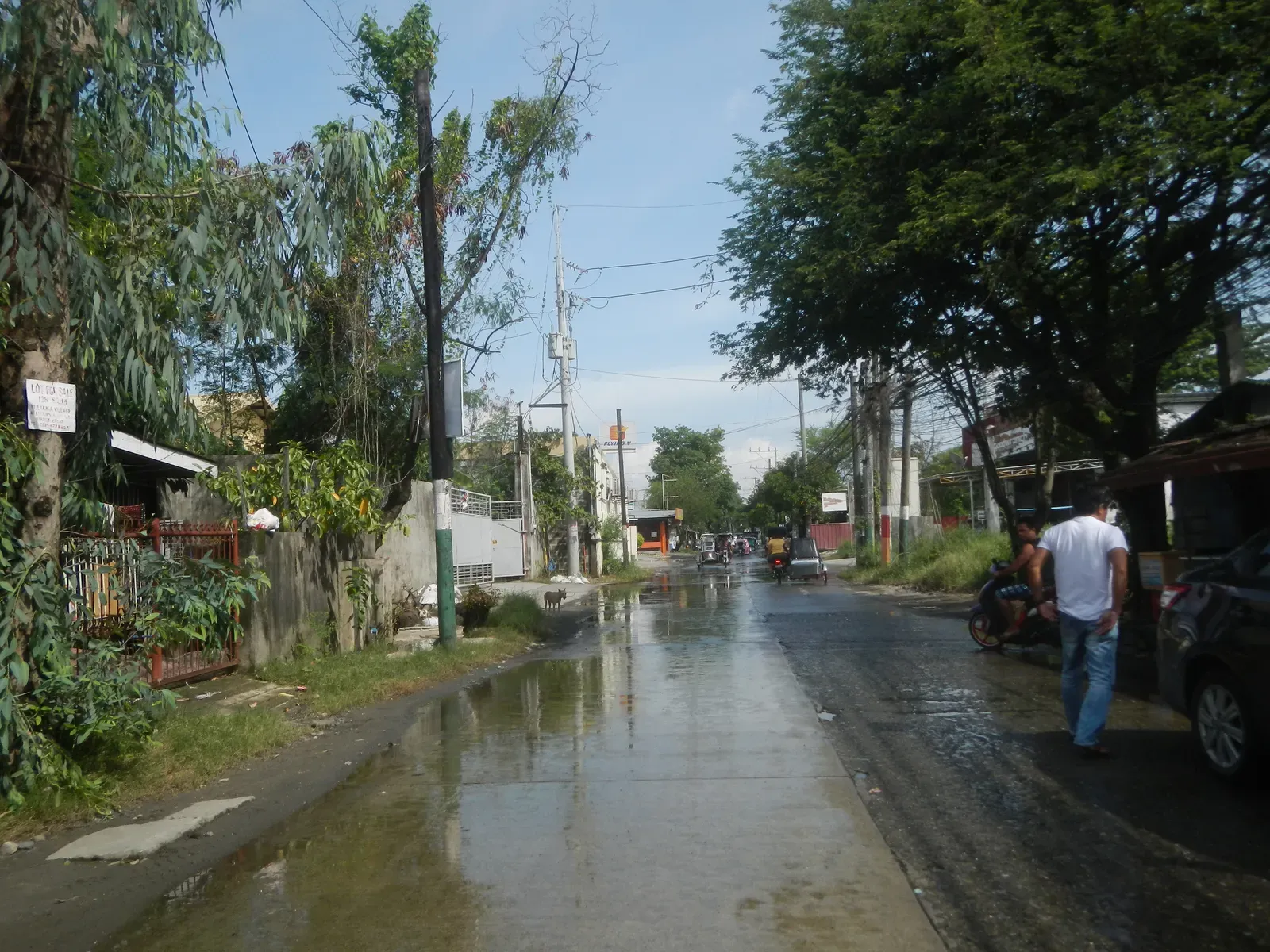
Manila’s exposure to sea level rise is compounded by geography that leaves it few good options. The capital of the Philippines, one of the most disaster-prone countries in the world, sits partly beneath sea level due to intense groundwater pumping, and despite being hit by roughly 20 typhoons a year on average, the city’s poor drainage system struggles to keep pace with heavy rainfall.
The consequences have already arrived rather than looming somewhere in the future. Researchers tracking the region note that sea level rise has already led to the displacement of millions of people across the archipelago, with coastal barangays repeatedly rebuilt and abandoned as flooding becomes a routine rather than exceptional event.
11. Thailand
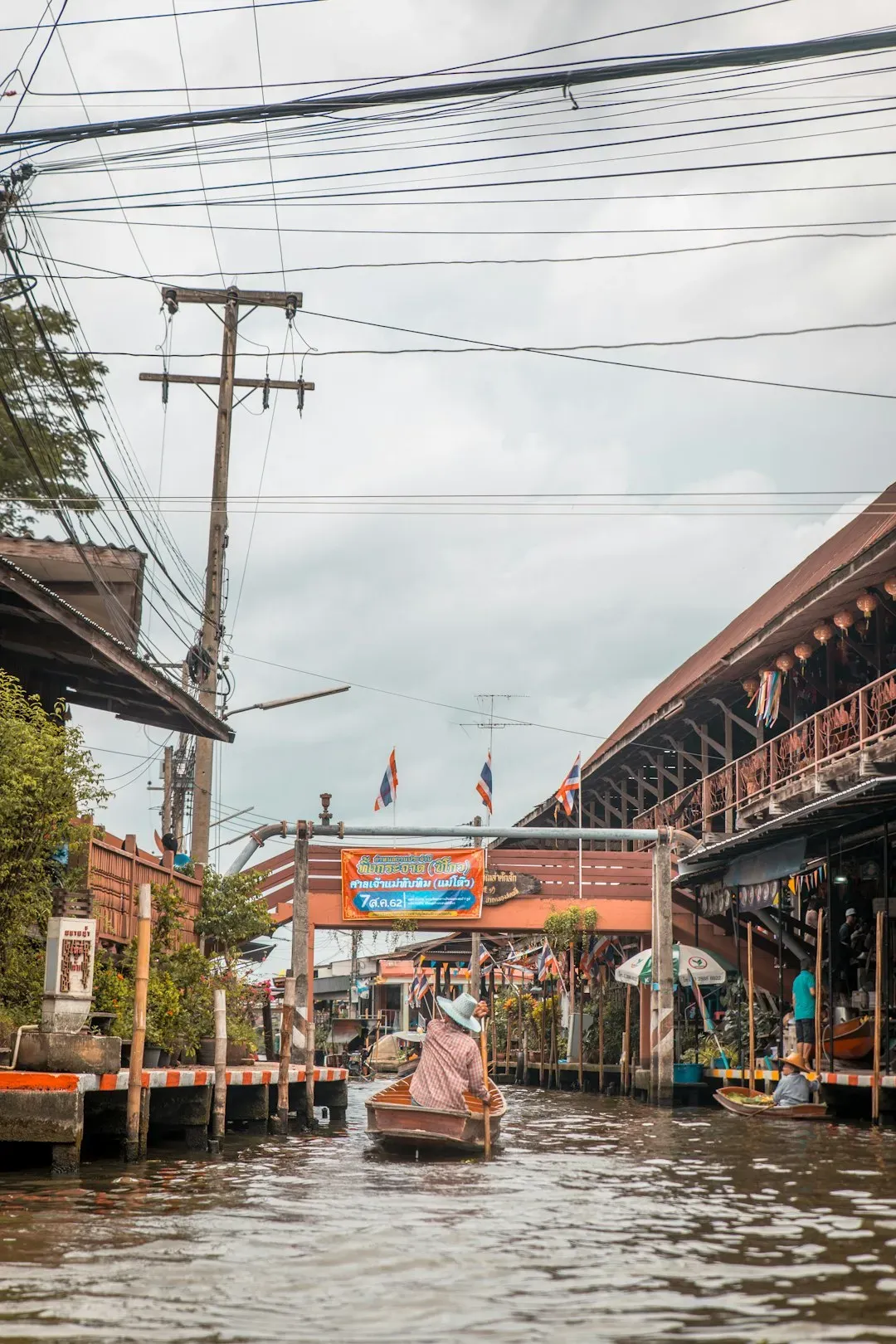
Bangkok faces one of the more dramatic long-term displacement scenarios of any capital city in the world, driven by a mix of subsidence and rising seas. Analysis of the situation notes that Thailand is 5 feet above sea level and is sinking at a rate of 0.8 inches every year, a pace that compounds every year without any sign of slowing.
The scale of the eventual displacement, according to Thai government researchers, would be staggering. A 2015 report from Thailand’s National Reform Council estimates that the city could be completely submerged by 2100 due to sinking land and rising sea levels, which would cause the displacement of 14 million residents. Neighborhoods along the Chao Phraya River already flood regularly during monsoon season, and some residents have already begun relocating to higher districts further from the water.
12. Vietnam
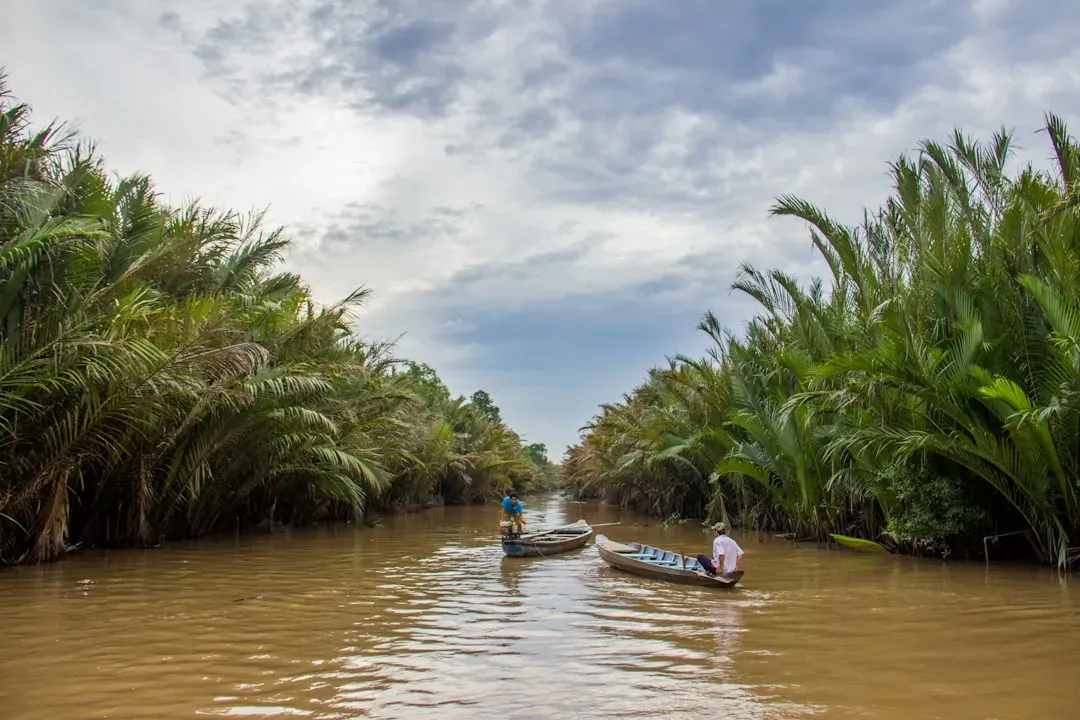
Vietnam’s Mekong Delta is one of the most agriculturally important regions in Southeast Asia, and it also happens to be extraordinarily exposed to rising seas. Climate researchers have found that Vietnam is among a handful of countries where a quarter of the population is at risk from rising seas, a proportion far higher than most nations face.
Saltwater intrusion into the Delta’s rice paddies has already pushed farming families to abandon land that has supported generations of the same communities. As the region’s drinking water and cropland grow increasingly saline, migration toward Ho Chi Minh City and other urban centers has accelerated, turning what was once seasonal displacement into a more permanent shift away from the coast.
Taken together, these twelve cases show that climate displacement isn’t a single event happening in one place. It’s a slow, uneven unraveling that looks different in a Pacific atoll than it does in a sinking megacity of twenty million people. Some governments, like Tuvalu’s and Kiribati’s, have turned to formal migration agreements and land purchases abroad. Others, like the Carteret Islanders, have had to organize their own relocation with little outside help. Still others, like Jakarta and Bangkok, are watching their largest cities slowly become unlivable in real time.
What connects all twelve is a simple, uncomfortable fact: the debate over whether sea level rise will cause displacement is already over. The only question left is how many more people will need to move, and how prepared the world will be when they do.

- The Dark Side of Fast Fashion: Why Textile Waste Is Piling Up in the Atacama Desert - September 21, 2026
- 8 Space Missions Many Think Were American – But Weren’t - September 20, 2026
- 7 Inventions Commonly Believed to Be American – Despite Being Discovered Elsewhere - September 20, 2026
