
Not every sunny country makes for a smart solar bet, and not every solar bet requires blazing sunshine. What actually decides whether a solar dollar, euro, or rupee stretches further comes down to a mix of factors: electricity prices, financing costs, land availability, grid readiness, and how quickly local policy is moving. In 2026, that mix looks different than it did just a couple of years ago, especially with incentive shifts in the United States and Europe reshaping where the smartest capital is flowing.
This ranking looks at the countries where solar money currently goes furthest, based on payback timelines, government support, resource quality, and the pace of new project development. Some entries will feel familiar. Others might surprise you.
1. United Arab Emirates
The UAE sits at the very top for a simple reason: nowhere else combines rock-bottom generation costs with this level of project scale. At Al Dhafra in Abu Dhabi, the solar tariff reached approximately $0.0132 per kilowatt-hour. That is not a typo. It is one of the lowest solar electricity prices ever recorded anywhere on the planet.
Dubai has followed a similar path. Dubai’s Mohammed bin Rashid Al Maktoum Solar Park had approximately 3.86 GW commissioned by early 2026 and is targeting more than 8 GW by 2030, with total planned investment exceeding AED 50 billion. Nationally, the UAE’s renewable energy capacity rose to roughly 7.91 GW by the end of 2025, with solar PV accounting for about 95 percent of total renewable capacity. For large-scale investors, the payback math here is almost unmatched, with some sources citing breakeven periods as short as two and a half years for the region.
2. Saudi Arabia
Saudi Arabia has quietly become one of the fastest-growing solar markets on earth. Its renewable energy market size in 2026 is estimated at 15.06 gigawatts, growing from 10.90 gigawatts in 2025, with 2031 projections showing 75.68 gigawatts at a 38.12 percent compound annual growth rate. Few countries anywhere are expanding this quickly.
What makes the Kingdom especially attractive for investors is cost. Cost-competitive solar tariffs averaging USD 0.018 per kilowatt-hour, giga-project electricity needs, and rapidly growing green-hydrogen demand collectively reinforce long-term growth prospects. Separately, Saudi Arabia has significantly expanded renewable energy capacity, reached approximately 64 gigawatts in total installed projects by April 2026. Combine that scale with Vision 2030’s institutional backing, and Saudi solar looks less like a bet and more like a sure thing for patient capital.
3. India
India remains one of the clearest cases where sunshine and economics line up perfectly. Both countries have excellent solar irradiation, with India averaging 5 to 5.5 peak sun hours daily, meaning panels produce more electricity per day. Layer on rising electricity tariffs and comparatively low installation costs, and the payback period compresses fast.
The scale of national ambition backs this up. As of October 2025, non-fossil energy capacity had surpassed 259 GW, making up more than 50 percent of the country’s total installed power capacity, with solar capacity now standing at about 124 to 129 GW. India is also home to some of the world’s most ambitious individual projects, including the Khavda Renewable Energy Park in Gujarat, one of the world’s largest renewable developments, targeting 30 GW across approximately 538 square kilometers. Government policy adds another layer of confidence, with a Project Development Cell established to attract and facilitate investments and standard bidding guidelines implemented for competitive tariff-based power purchase processes.
4. Pakistan
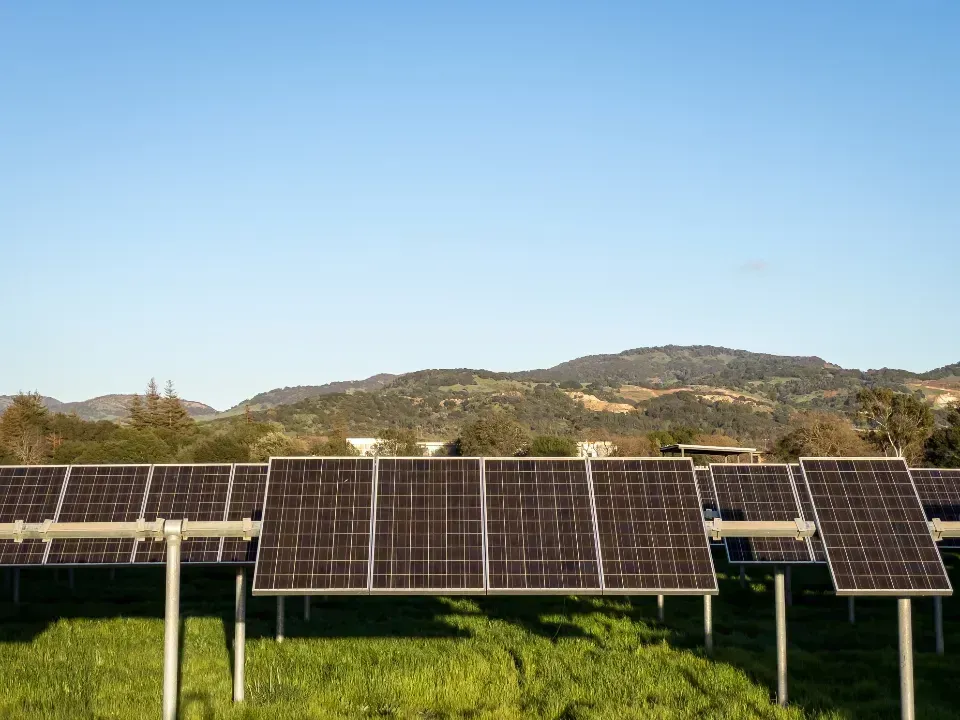
Pakistan rarely tops headline solar rankings, but on pure investment efficiency, it punches well above its profile. For high-sunshine, high-electricity-cost regions like South Asia and the Middle East, the solar panel payback period can be as short as 3 to 5 years, delivering an outstanding solar investment return. That combination of expensive grid electricity and abundant sun is exactly the formula that makes solar pay off quickly.
The underlying drivers are straightforward. The solar panel payback period in Pakistan and India is dramatically shorter than in Europe or North America, primarily because of higher electricity tariffs, more daily sunlight, and lower installation costs. Pakistan averages 5 to 6 peak sun hours daily, meaning panels produce more electricity per day. For homeowners and businesses tired of unreliable grid supply and rising tariffs, rooftop solar has become less of a lifestyle choice and more of a financial necessity.
5. Chile
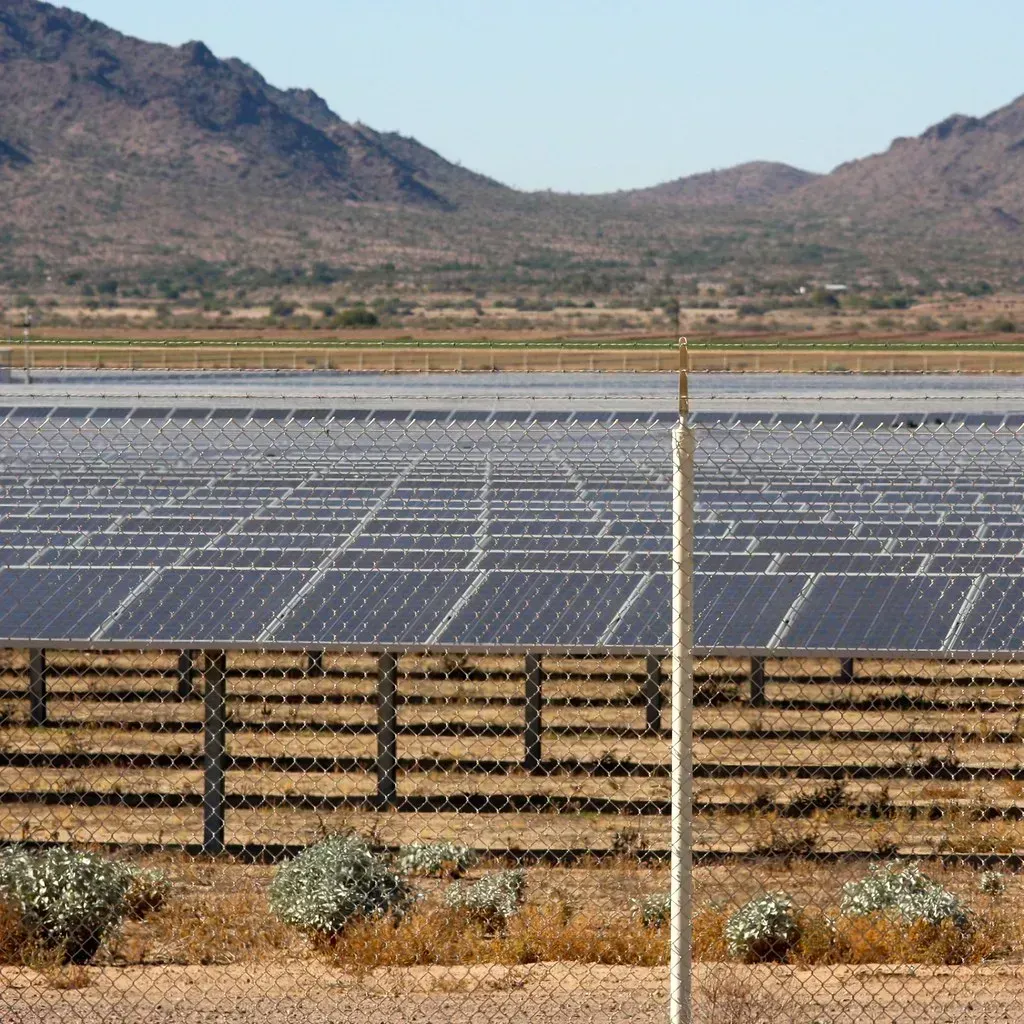
Chile’s Atacama Desert offers some of the strongest solar resources anywhere on the planet, and international capital has noticed. As the Atacama Desert has the highest solar irradiation in the world, and Chile has always had problems obtaining energy, since the country basically does not produce oil, gas, and coal, renewable energy is seen as the solution for the country’s shortcomings in the energy field. That resource advantage translates directly into lower generation costs per installed watt.
Investors are paying close attention in 2026. Brazil, Chile, and Argentina are capturing the bulk of attention from leading international renewable energy players planning their Latin American strategies, with these three markets standing out as core hubs for distributed generation and mid-scale solar PV projects. Chile is also home to newer hybrid structures, including the Gabriela solar-plus-storage project in Chile, which uses a 15-year hybrid power purchase agreement. That kind of long-duration contracting gives investors the predictable cash flow they increasingly demand.
6. Brazil
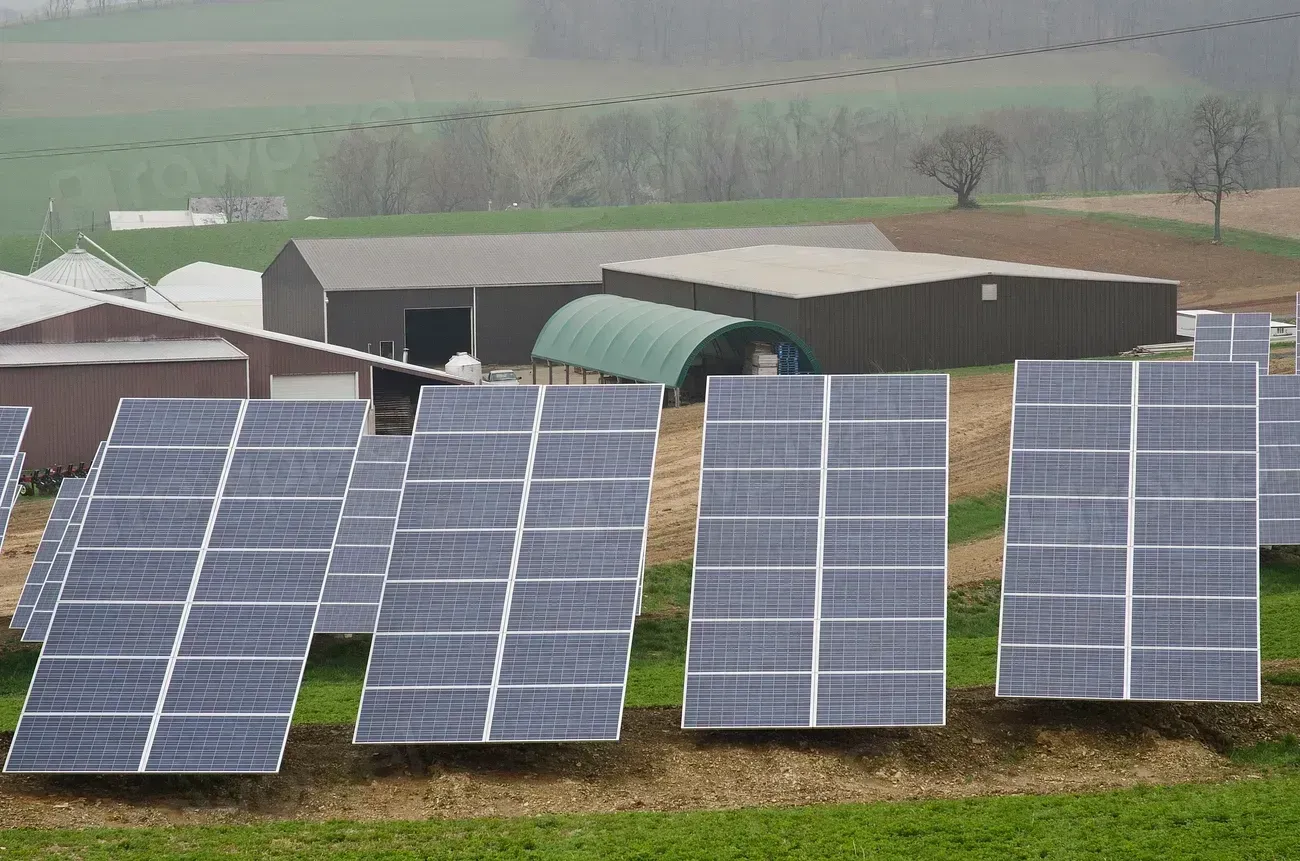
Brazil is Latin America’s biggest energy market, and its solar sector is expanding at a pace few countries can match. The Brazil Solar Energy Market, worth 75.87 gigawatts in 2026, is growing at a CAGR of 13.07 percent to reach 140.25 gigawatts by 2031. Commercial and industrial demand is an especially strong driver, with commercial-and-industrial systems forecast to rise 16.42 percent per year on the back of corporate power purchase agreements.
Brazil is not without friction, though. In June 2026, Atlas Renewable Energy froze about USD 1 billion of renewable investment in Brazil amid reported high curtailment levels, highlighting how grid constraints can override project economics even after development milestones are met. Regulatory tightening has added to the caution, with Brazilian authorities revoked authorizations for 150 MW of Elera Renováveis solar projects in March 2026. Still, the country’s resource base is enormous, particularly in Bahia, Piauí, and Rio Grande do Norte, which dominate utility development thanks to superior irradiance and land availability. For investors willing to navigate the transmission bottlenecks, the underlying fundamentals remain compelling.
7. China
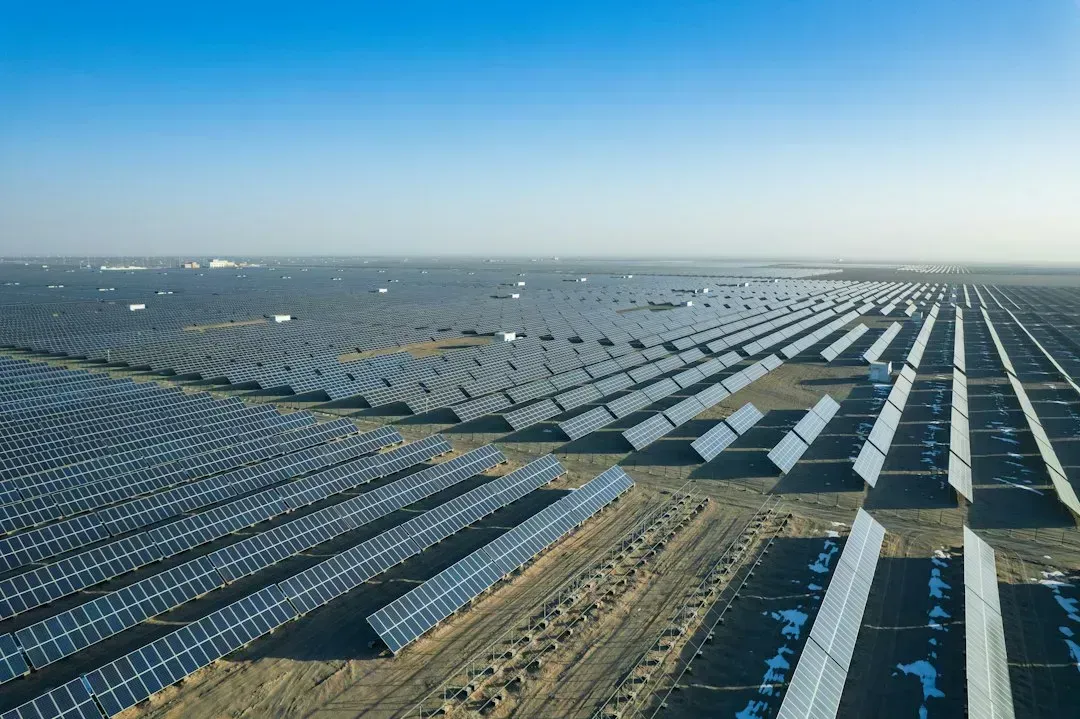
China’s scale alone makes it impossible to leave off this list, even though the country’s domestic returns look different from those in emerging markets. As of 2023, China has the largest solar energy capacity in the world at 609,921 megawatts, contributing approximately 3 percent to the country’s total electricity production. That kind of installed base drives down equipment costs for the entire world, which indirectly benefits investors everywhere else on this list.
China’s ambitions keep climbing. Its goal to reach 600 GW of solar power by 2030 is ambitious, though analysts don’t see it as unrealistic, and energy think tank Ember said China could hit this target as early as 2026. On the project side, China’s Midong Solar Project in Xinjiang is one of the largest individual photovoltaic projects globally, with 3.5 GW of installed capacity. That project reportedly cost approximately $2.13 billion, translating into roughly $0.61 million per megawatt. Costs at that scale are hard for any other market to replicate, which is exactly why China still anchors global solar economics even as growth shifts elsewhere.
8. Spain
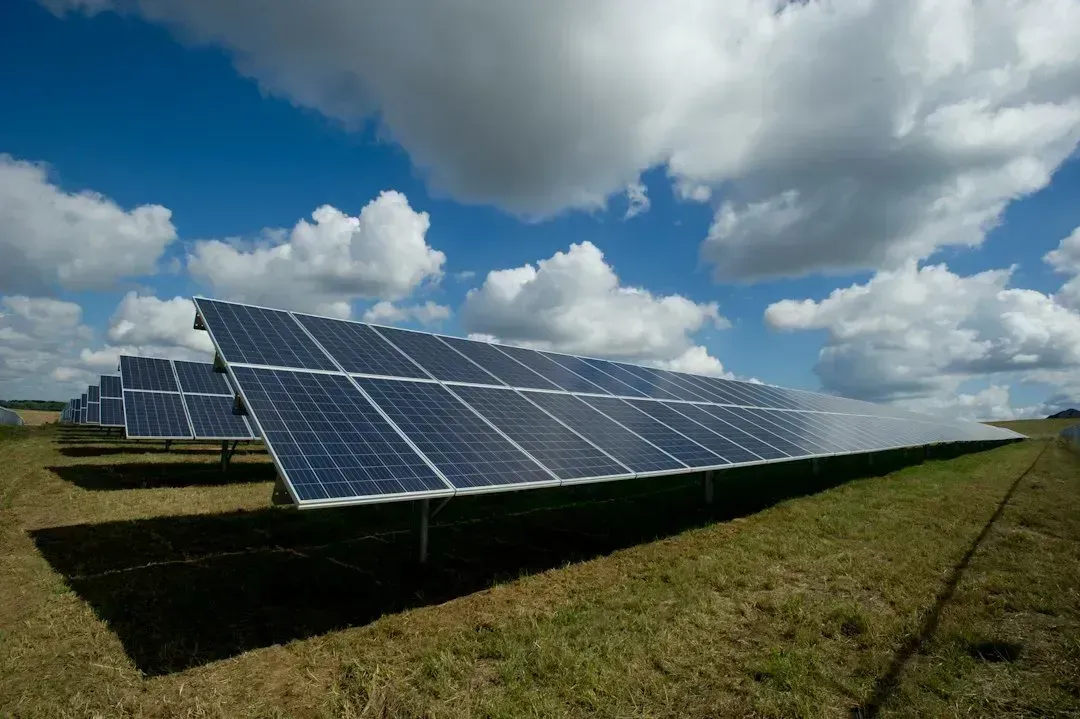
Spain has become one of Europe’s more efficient solar markets, largely because it pairs strong irradiance with reasonably fast payback timelines. Solar payback periods in Spain for 2026 run 5 to 8 years, among the shortest in Western Europe. That places it well ahead of northern neighbors dealing with weaker sun and higher installation costs.
Spain’s advantage comes down to fundamentals rather than generous subsidies. Strong solar resource across most of the country reduces the number of panels needed to hit a given output, which lowers upfront costs relative to production. Combined with rising European electricity prices in recent years, that resource edge has kept Spain firmly in the upper tier for solar investment efficiency across the continent. It is not the flashiest market on this list, but it is one of the more dependable ones.
9. Italy
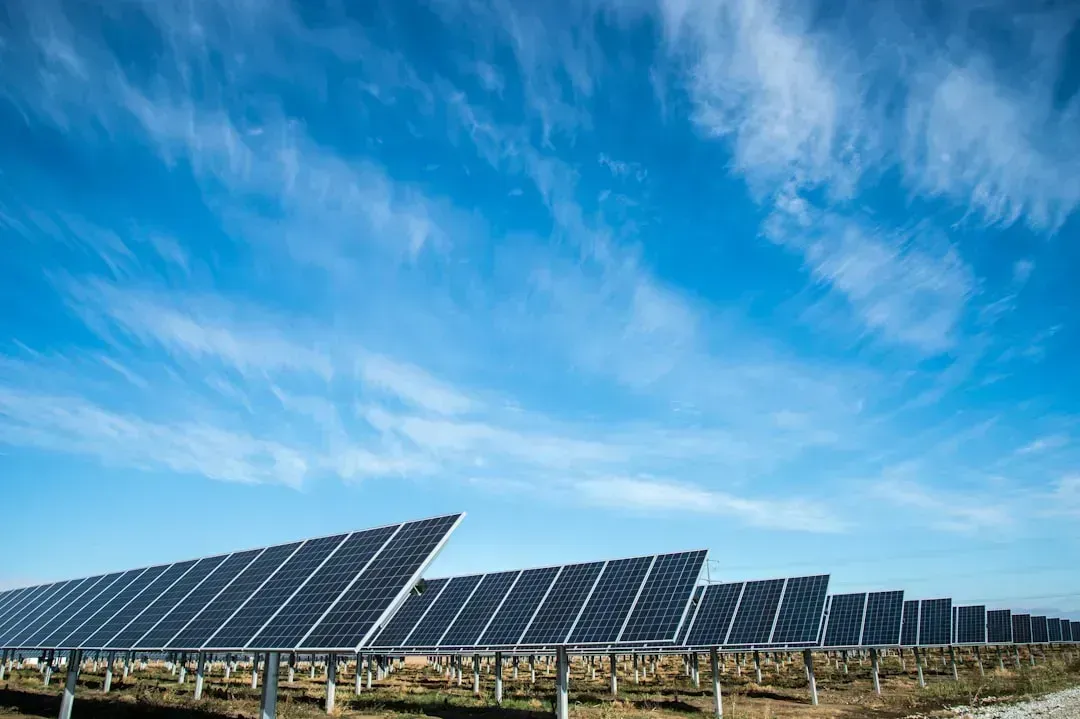
Italy occupies a similar tier to Spain, with slightly more policy complexity but comparable underlying economics. Solar payback periods in Italy for 2026 also run 5 to 8 years, matching Spain among Europe’s fastest-recovering markets. Recent momentum has reinforced that position, with reporting showing Italy adding significant solar capacity in early 2026, while utility-scale additions remained an important part of the market.
What sets Italy apart is how the market rewards preparation. The best opportunities often depend on property type, project timing, equipment selection, and whether the system is part of a broader energy-efficiency upgrade, and Italy belongs near the top tier because it combines solar resource, policy attention, and market growth. It is not necessarily the simplest country for a first-time investor to navigate, but for those willing to do the homework, the returns compare favorably with almost anywhere else in Western Europe.
10. Australia
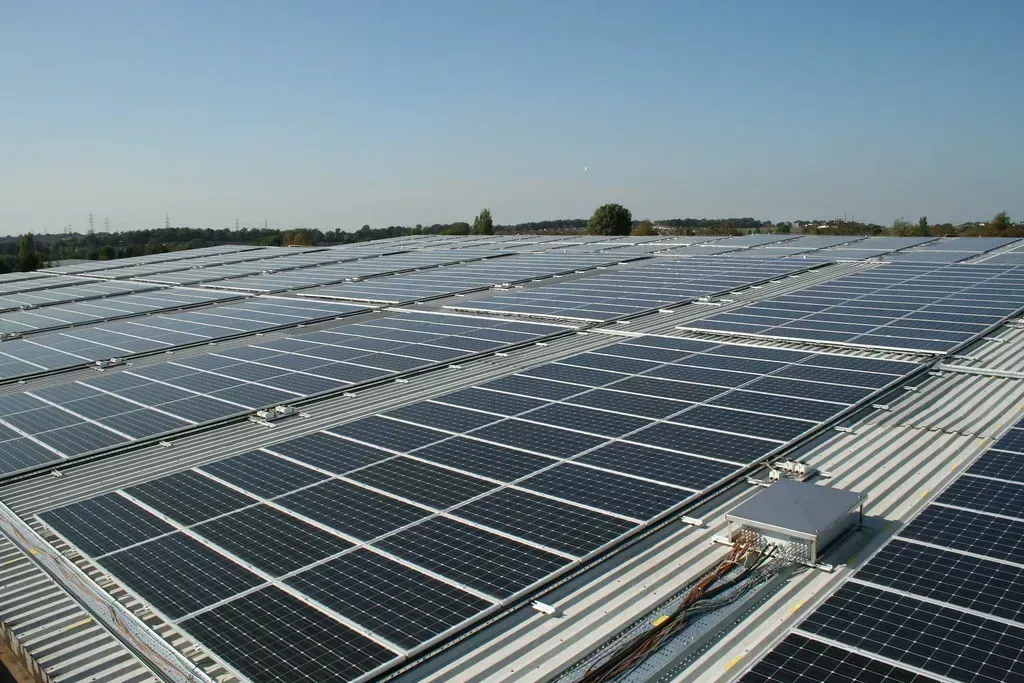
Australia rounds out the list, and it earns its place through sheer consistency rather than any single standout project. Solar payback periods in Australia for 2026 run 3 to 5 years, among the fastest of any developed economy tracked. That is a remarkable number for a country with a mature electricity market and strong consumer protections.
High retail electricity prices are the main driver behind that speed. High-tariff markets like Germany and Australia tend to recover costs fastest, while lower-tariff or subsidy-light markets stretch the timeline longer. Australia’s abundant sunshine across most populated regions only adds to the equation, giving rooftop systems strong output almost year round. For everyday homeowners as much as commercial investors, few developed markets offer a faster route back to positive returns. Solar investment in 2026 no longer follows the old playbook of simply chasing the sunniest map coordinates. Grid readiness, electricity pricing, financing structures, and government follow-through now matter just as much as peak sun hours. The countries on this list earned their spots by getting several of those variables right at once, not just one. For investors and homeowners weighing where to put money next, the lesson holds steady across every entry here: sunshine helps, but it is never the whole story.

- 12 Countries Where Rising Sea Levels Are Already Displacing Residents - September 19, 2026
- Think Vaccines Are Modern? These 9 Discoveries Disagree - September 19, 2026
- Top 10 Countries Where Solar Investment Will Go Further in 2026 (Ranked) - September 19, 2026
