


- The 6 Types of Thunderstorms, Ranked by Severity - September 24, 2026
- The 6 Closest Stars to Our Solar System, Ranked - September 24, 2026
- 12 Things You Can Reuse Around the House Before Throwing Them Away - September 23, 2026
Choosing where to live involves plenty of practical factors, but weather rarely gets the attention it deserves until a hurricane shreds a roofline or a tornado siren wakes you up at 2 a.m. Some American cities have simply drawn a better hand geographically, sitting far from hurricane paths, tornado corridors, and the kind of violent thunderstorm systems that make insurance premiums spike and news anchors nervous. Others sit squarely in the crosshairs of nature’s most destructive weather machinery, and no amount of preparation fully erases that risk.
This gallery-style rundown looks at six cities known for calm, predictable weather patterns, along with three places where residents have learned to keep a weather radio charged and a storm plan ready. The goal isn’t to say any of these cities are bad places to live, plenty of people thrive in tornado alley and along the Gulf Coast, but rather to give a clear-eyed look at how geography quietly shapes daily life and long-term risk.
San Diego, California: The Gold Standard of Calm

San Diego shows up on nearly every list of America’s mildest, least stormy cities, and the numbers back it up. San Diego stands out as enjoying the least stormy weather of all California cities, averaging just five days a year with either thunderstorms or major rainstorms and never seeing snowstorms. That kind of consistency is rare anywhere in the country, let alone in a major metro area with over a million residents.
What makes San Diego so unusually calm comes down to its coastal position and the cooling influence of the Pacific Ocean. Thunderstorms least often show up over San Francisco and San Diego, which average just three days a year of thunder and lightning displays. Add in a climate where summer temperatures rarely feel oppressive, and it’s easy to see why so many people consider San Diego close to weather perfection.
San Francisco, California: Fog Over Fury

San Francisco takes a different approach to calm weather, trading sunshine for a marine layer that blankets the city in fog for much of the year. Even so, the tradeoff pays off when it comes to disaster risk. San Francisco ranks as the top-rated U.S. city when it comes to a low risk of natural disasters, with its downtown area having virtually no risk of storms or flooding threats.
The city shares San Diego’s distinction of rarely experiencing thunderstorms, a rarity for a coastal urban center. San Francisco and San Diego average just three days a year of thunder and lightning displays. Earthquakes remain San Francisco’s well-known Achilles’ heel, but on the pure weather front, few American cities offer this level of stability.
Sacramento, California: Inland Stability
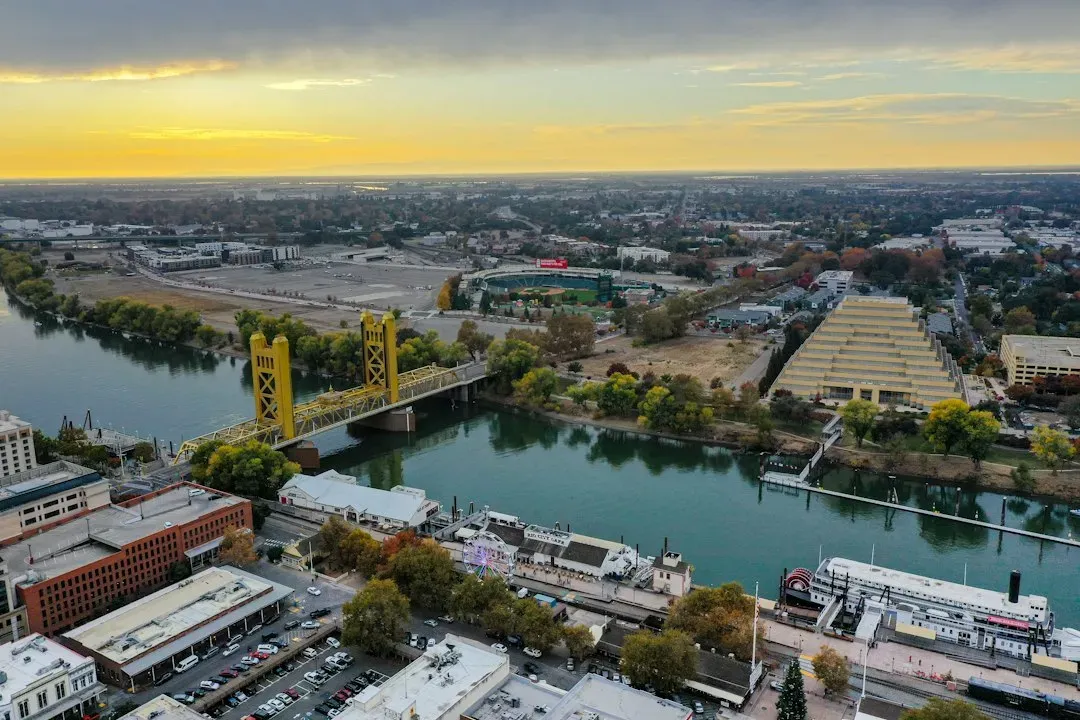
Sacramento doesn’t get the same postcard reputation as its coastal California cousins, but it earns its spot on this list through sheer consistency. Besides San Diego, other California cities that have an exceptionally low frequency of bad storms are Los Angeles and Sacramento. The Central Valley location shields it from the more dramatic coastal storm systems while still avoiding the severe convective weather that plagues the middle of the country.
Sacramento also benefits from being far removed from hurricane zones and tornado corridors entirely. Its biggest weather headline in most years involves periodic dry spells and heat, not storm damage. For anyone prioritizing predictability over drama, Sacramento’s inland position offers a quieter alternative to the more famous California coastal cities.
Las Vegas, Nevada: Desert Predictability
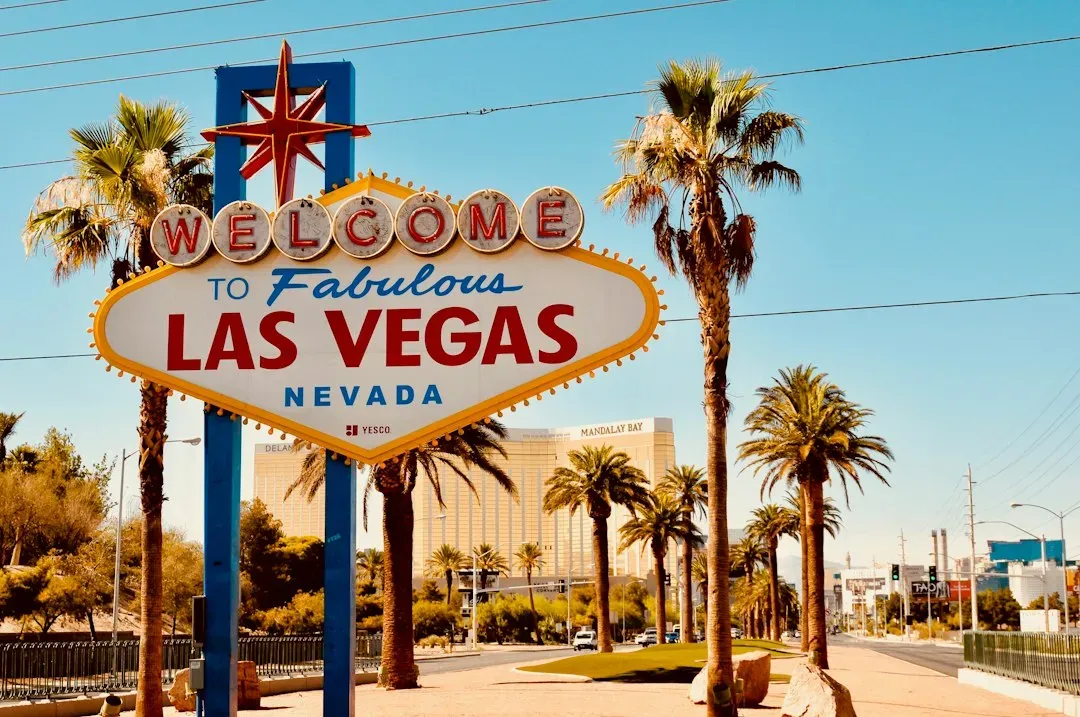
Las Vegas built its reputation on excess in nearly every category except weather volatility. Las Vegas rates high among American cities that seldom have storms, and is the city least likely to see heavy rain. The desert climate that makes summer afternoons brutal also means residents rarely deal with flash thunderstorms, hail, or the kind of severe weather warnings that punctuate life in the Midwest.
Snow is essentially a non-event in Las Vegas, and hurricanes are a geographic impossibility given its inland desert location. The tradeoff, of course, is extreme summer heat, but from a pure storm-avoidance standpoint, Las Vegas ranks among the calmest major metros in the country.
Grand Rapids, Michigan: The Great Lakes Buffer

Grand Rapids offers a different kind of calm, one rooted in the protective geography of the Great Lakes region. Western Michigan’s second-largest city benefits from the state’s peninsula geography, with Lake Michigan moderating temperatures and blocking many severe weather systems, while earthquake, wildfire, and hurricane risks remain negligible. That combination of low hurricane, wildfire, and earthquake exposure is unusual for a metro area of its size.
Tornadoes aren’t entirely absent from Michigan’s weather picture, but they’re far less frequent and severe than what states farther south and west experience. While Michigan isn’t completely immune to tornadoes, they’re infrequent and tend to be less severe than those in Tornado Alley. For residents willing to trade a few brutal winter weeks for year-round storm safety, Grand Rapids makes a compelling case.
Syracuse, New York: Distance as Defense
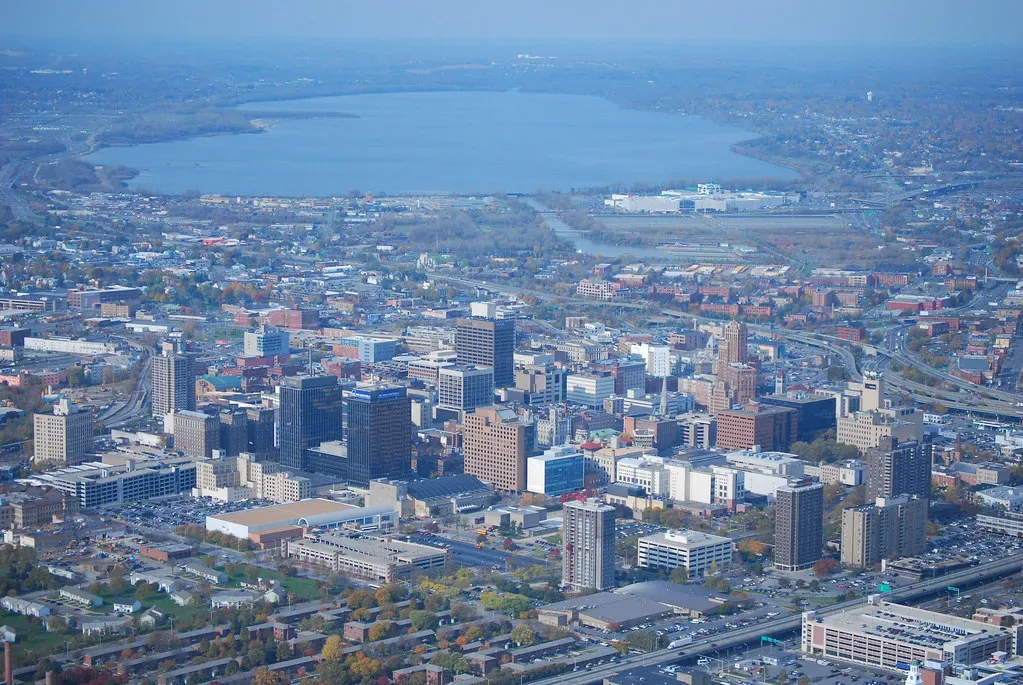
Syracuse rounds out this list by leaning almost entirely on geography for its safety profile. Syracuse tops disaster-risk rankings thanks to its distance from coastlines, fault lines, and wildfire zones, sitting in central New York’s rolling hills far from hurricane storm surge paths and major seismic zones. That inland, elevated position removes several entire categories of weather risk from the equation.
Winters here are genuinely harsh, with lake-effect snow piling up regularly, but that’s a manageable and predictable challenge rather than a sudden catastrophic one. Winters are harsh, but snow is a manageable risk compared to floods and wildfires, and the city’s overall risk profile includes very low earthquake, wildfire, hurricane, and tornado exposure. Syracuse proves that calm weather doesn’t always mean warm weather, sometimes it just means predictable weather.
Oklahoma City, Oklahoma: Ground Zero for Tornadoes
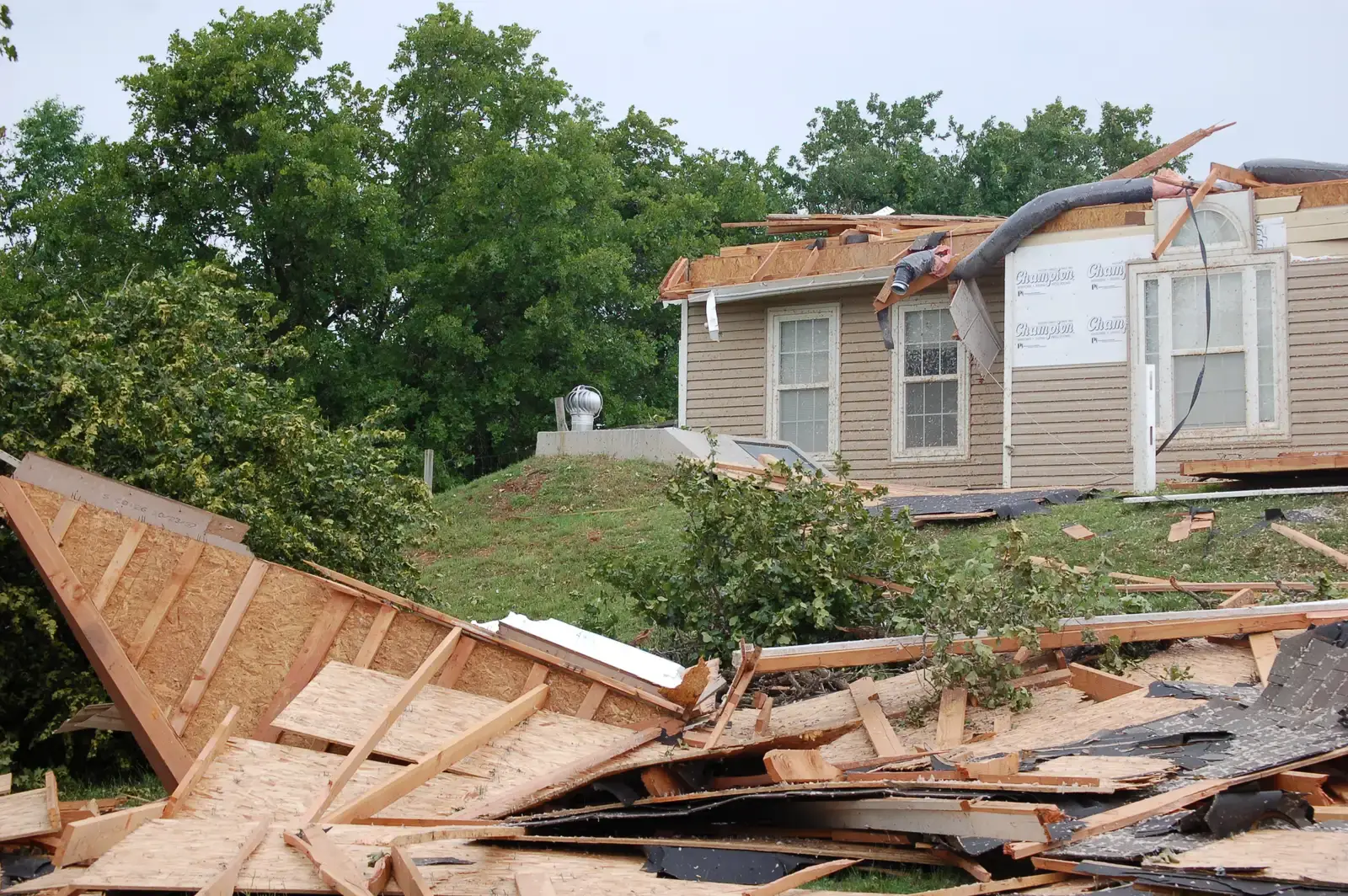
On the opposite end of the spectrum sits Oklahoma City, a metro area that has become almost synonymous with tornado risk in the American consciousness. Oklahoma City faces the highest combined frequency and population exposure of any US city, and the OKC metro has been struck by violent tornadoes rated EF4 to EF5 more times than any other US city. That combination of frequency and intensity is what separates Oklahoma City from cities that merely see occasional severe weather.
The risk has become so ingrained in daily life that it shapes building codes and real estate values across the region. New construction codes in Oklahoma City and Moore require storm shelters or safe rooms in new construction since 2014. Statewide, the numbers stay staggering, with Oklahoma recording dozens of violent tornadoes over recent decades, cementing its place at the heart of what meteorologists still call Tornado Alley, even as that zone shifts eastward.
Miami, Florida: The Nation’s Top Hurricane Target
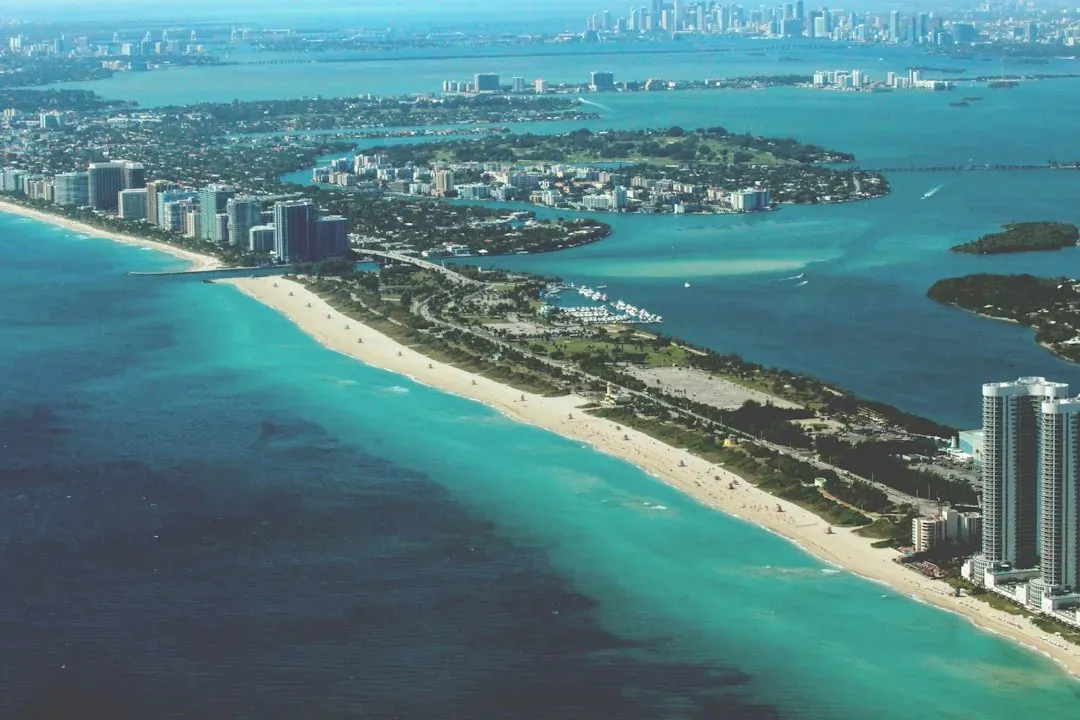
Miami consistently ranks as the American city most vulnerable to hurricane impacts, and the statistics leave little room for debate. Miami takes the number one spot among hurricane-vulnerable cities with a 16 percent chance of experiencing the impacts of a hurricane in any given year. That means, roughly speaking, Miami residents face meaningful hurricane exposure almost every single year without fail.
Geography compounds the danger in ways that are hard to engineer around. With the Atlantic Ocean to the east and a maximum elevation of 42 feet above sea level, Miami’s geography makes it highly vulnerable to hurricanes, and a majority of the population resides within 20 miles of the coastline, increasing the risk of high property damage. Add rising sea levels and warming Gulf waters into the mix, and Miami’s hurricane exposure looks unlikely to ease anytime soon.
New Orleans, Louisiana: Below Sea Level and Sinking
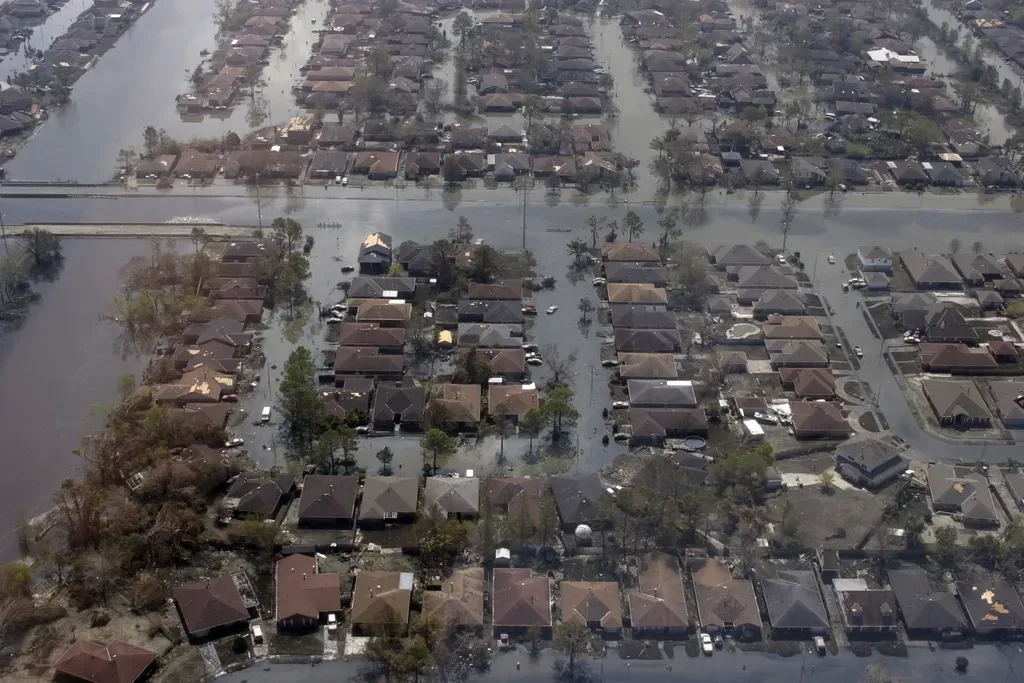
New Orleans carries a hurricane risk profile nearly as severe as Miami’s, complicated further by its unusual elevation problems. The Big Easy has an 11 percent chance of experiencing hurricane impact in an average year, and a hurricane makes landfall within 50 miles of New Orleans about once every seven to 11 years. Given the city’s population and low-lying layout, even a moderate hurricane can translate into catastrophic flooding.
The core issue is elevation, and it’s getting worse rather than better over time. More than 50 percent of the city lives below sea level, and the rapid sinking of marshy coastal land in southeastern Louisiana leaves New Orleans highly vulnerable to storm surge during a major hurricane. Improved levees since Hurricane Katrina have helped, but the underlying geography that makes New Orleans so vulnerable hasn’t changed, and in some ways continues to worsen as coastal land subsides.
What This Means for Anyone House Hunting

The gap between the calmest and stormiest cities on this list isn’t subtle. Recent tornado data shows just how active severe weather has been nationally, with a total of 1,558 tornadoes reported in the U.S. in 2025, compared to 2024’s preliminary number of 1,910 and the 15-year historical average of 1,392. That volatility isn’t spread evenly across the map, and cities like San Diego or Syracuse sit in an entirely different risk category than Oklahoma City or Miami.
None of this means storm-prone cities should be avoided altogether, millions of people build full, happy lives in Miami, New Orleans, and Oklahoma City every year, often with strong community ties that outweigh the weather trade-offs. Still, for anyone weighing a relocation primarily around long-term climate stability, insurance costs, and storm exposure, geography tells a pretty clear story. The calmest cities aren’t necessarily the most exciting ones, but for many people, boring weather is exactly the point.
