

Ask someone what the most extreme weather state is, and they’ll probably guess Florida for hurricanes or Arizona for heat. But the real contest for temperature extremes isn’t about who gets the hottest or the coldest. It’s about which states manage to do both, sometimes within the same week, or even the same day.
The states on this list share a few things in common: high elevation, distance from moderating ocean air, and a habit of sitting right in the path of both arctic cold fronts and summer heat domes. The numbers below, drawn from NOAA’s official state records, show just how far the mercury can travel in a single location over the decades.
Montana
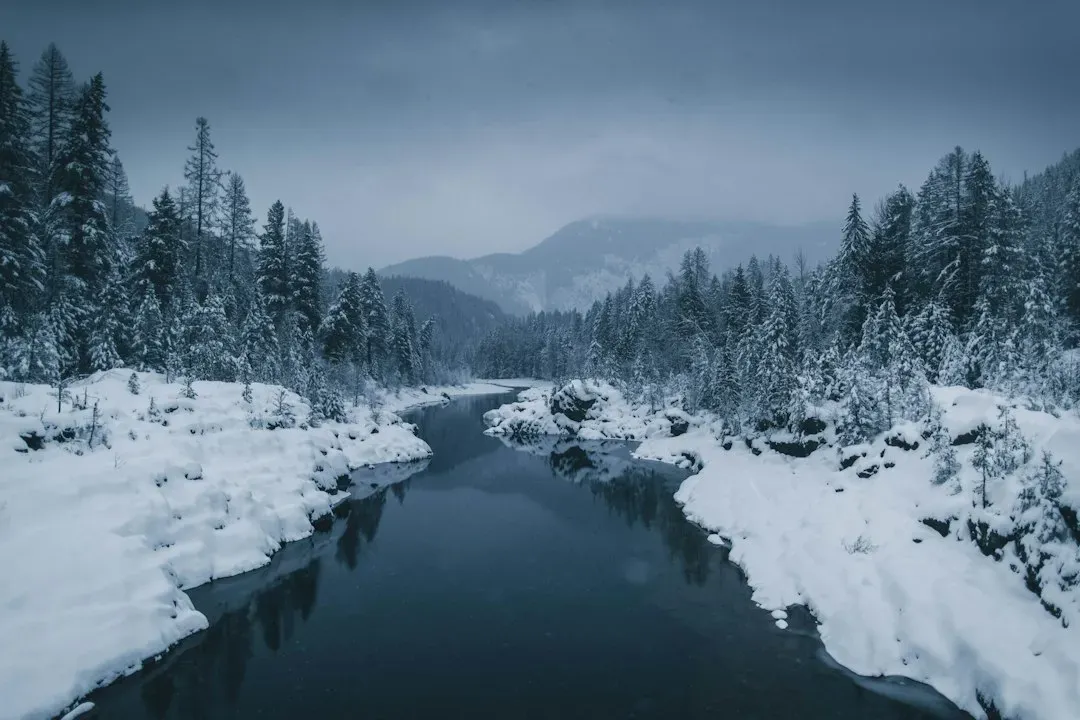
Montana holds the title for the single widest temperature range of any U.S. state. When the −70 °F reading at Rogers Pass is combined with the 117 °F readings at Glendive and Medicine Lake, Montana ends up with an official temperature range of about 187 degrees Fahrenheit, one of the most extreme state temperature ranges in the United States. That cold reading at Rogers Pass, set on January 20, 1954, is not just a state record. The coldest temperature ever recorded in Montana was about 69.7 degrees below zero at Rogers Pass, north of Helena, which is also the official cold temperature record for the lower 48 states.
Montana’s reputation for wild swings doesn’t stop at the seasonal extremes. The greatest temperature change in 24 hours occurred at Loma on January 14 to 15, 1972, when the temperature rose 103 degrees, from −54 °F to 49 °F, a world record for a 24-hour temperature change. The culprit was a Chinook wind, a warm downslope gust that can turn a frozen morning into a spring afternoon in a matter of hours, and Montana’s position east of the Rockies makes it a magnet for exactly that kind of atmospheric whiplash.
Utah
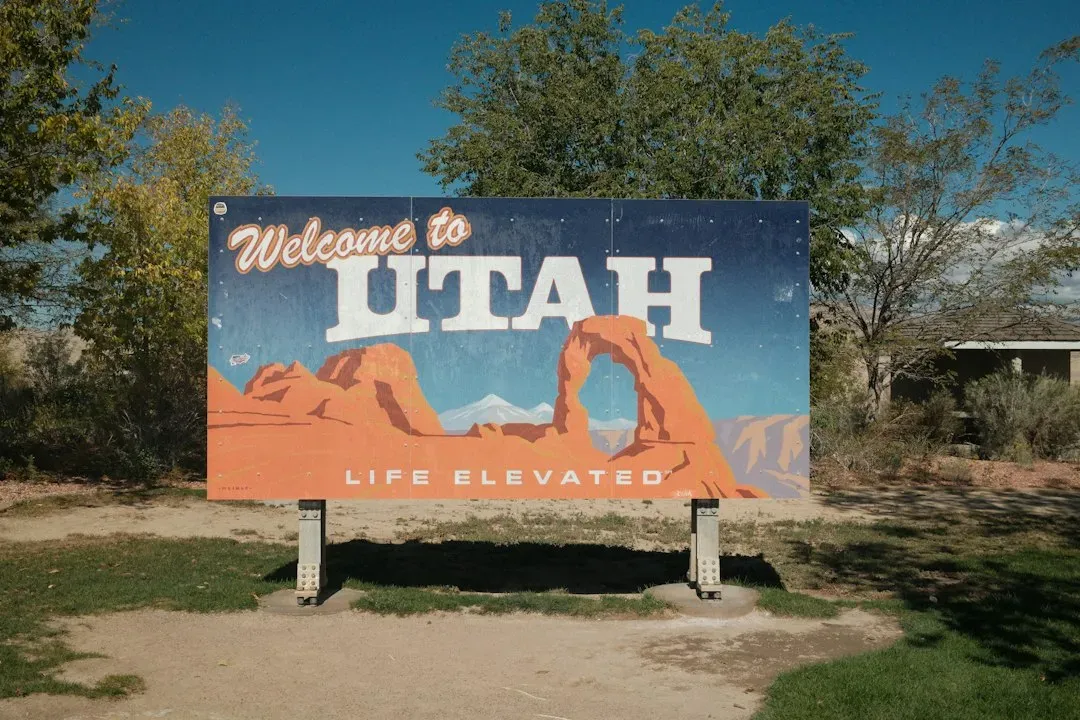
Utah rarely gets mentioned in the same breath as Montana or Alaska for extreme weather, yet its official range comes remarkably close. The state’s record low of minus 69 degrees Fahrenheit was set at Peter Sinks, a natural cold air trap in the Bear River Mountains sitting above eight thousand feet in elevation. That single location behaves almost like a bowl, letting dense cold air pool overnight with nowhere to escape.
On the other end of the scale, Utah’s deserts near St. George have pushed the thermometer to 117 degrees Fahrenheit during summer heat waves, a reading tied for one of the highest ever recorded in the Mountain West. Put the two extremes together and Utah’s swing lands around 186 degrees, just a single degree behind Montana. Few states illustrate the contrast between alpine cold traps and low desert heat as sharply as Utah does within its own borders.
North Dakota
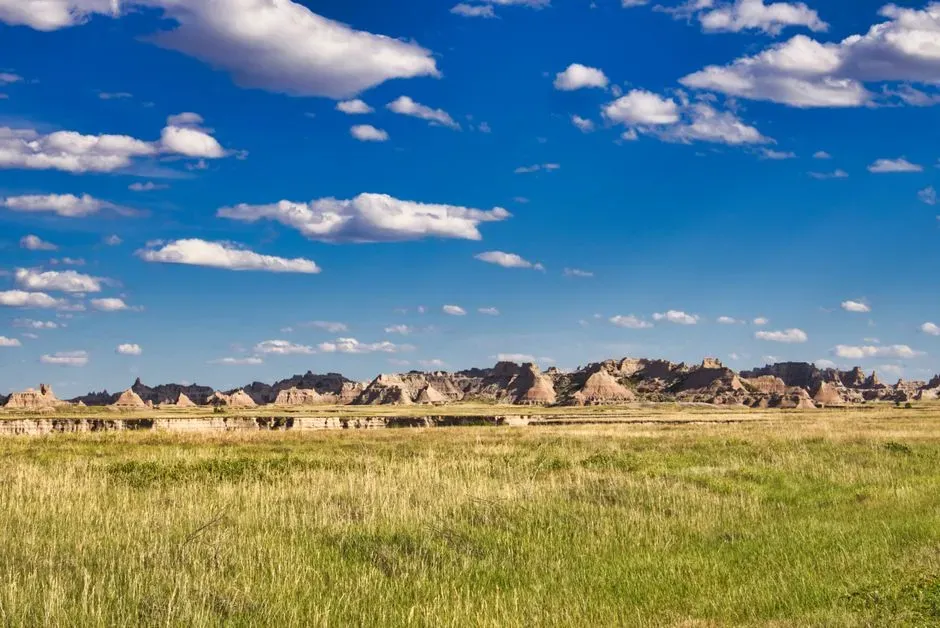
North Dakota’s extremes come from its position on the open northern Plains, where nothing much stands between the state and the Canadian Arctic. On July 6, 1936, Steele, North Dakota hit 121 degrees Fahrenheit, the highest temperature ever recorded in the state, occurring just five months after the record low of minus 60 degrees Fahrenheit was set in the state. Having the hottest and coldest readings occur within the same calendar year says a lot about how volatile the state’s weather can be.
North Dakota shares its minus 60 degree low with Minnesota and South Dakota, a mark tied to the flat, open terrain of the northern Plains that offers zero wind protection against cold air masses arriving from the Canadian Arctic with minimal modification. Combined with that 121-degree high from the 1936 heat wave, North Dakota’s total range sits around 181 degrees. It’s a stark reminder that flat land, far from any ocean, tends to swing harder in both directions than coastal terrain ever does.
South Dakota
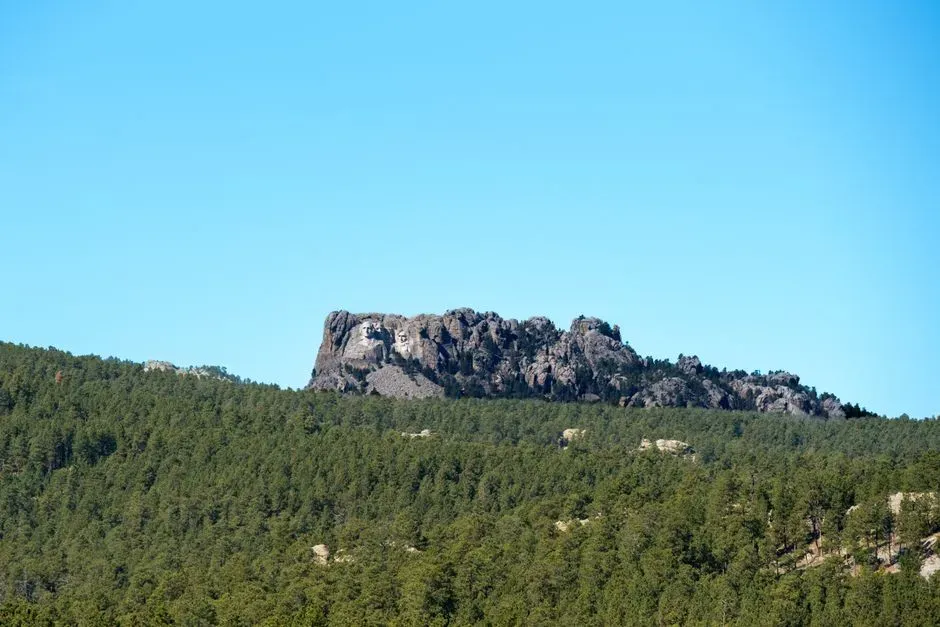
South Dakota’s numbers read almost like a mirror of its northern neighbor. The state’s record high of 120 degrees Fahrenheit was set at Fort Pierre on July 15, 2006, while its record low of minus 60 degrees Fahrenheit came at Rochford on December 22, 1989, giving the state a difference of 180 degrees. That’s a remarkably modern high temperature record compared to most other states, many of which still point back to the Dust Bowl years of the 1930s.
The Black Hills region, home to Rochford, adds another layer to South Dakota’s story. Rapid City and the surrounding hills sit close enough to the Rockies to catch Chinook-style wind events, similar to what drives Montana’s dramatic swings. Meanwhile the eastern plains behave more like a classic continental climate, baking in summer and freezing hard in winter, which is exactly the kind of geographic split that produces a 180-degree range.
Alaska
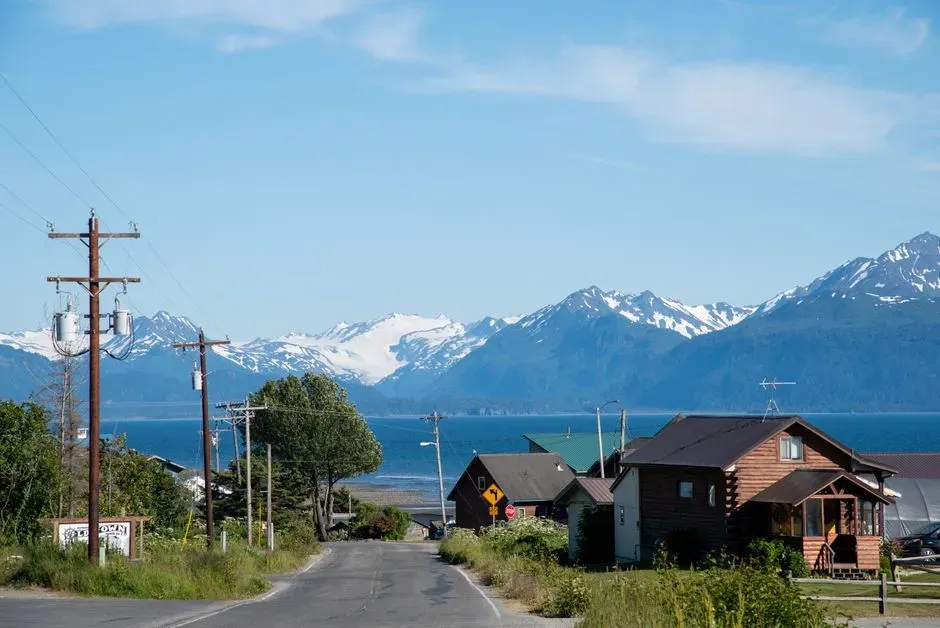
Alaska might seem like an odd fit on a list focused on heat, given its reputation for endless winter. Yet the state’s official range tells a more complicated story. Alaska’s record high of 100 degrees Fahrenheit was set at Fort Yukon on June 27, 1915, while its record low of minus 80 degrees Fahrenheit came at Prospect Creek on January 23, 1971, a difference of 180 degrees.
That Prospect Creek reading, recorded north of Fairbanks, stands as Alaska’s all-time U.S. record for cold. What makes Alaska’s swing so unusual is the source of its heat. Fort Yukon sits well north of the Arctic Circle, and its summer highs come from long daylight hours rather than any tropical air mass, proof that even a subarctic location can occasionally feel like a summer day almost anywhere else in the country.
Wyoming
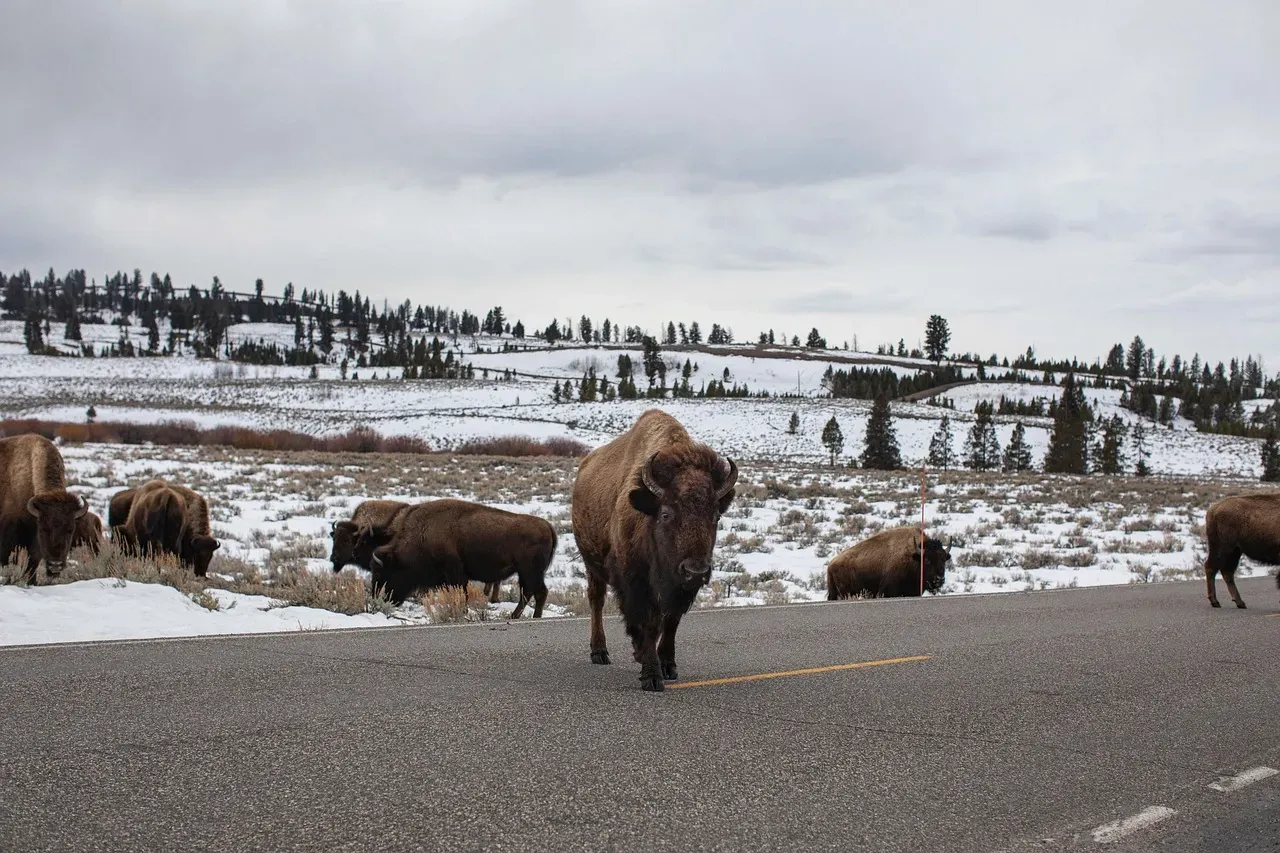
Wyoming rounds out the list with a swing that owes just as much to elevation as it does to latitude. The state’s average elevation is higher than any other besides Colorado, and that height brings cooler summers and brutally cold winters even at relatively moderate latitudes. Record lows in the state have reached minus 66 degrees Fahrenheit, a mark set in the Yellowstone region where cold air settles into mountain basins much like it does at Utah’s Peter Sinks.
Summer heat in Wyoming’s lower basins, meanwhile, has climbed into the mid-110s on the hottest recorded days, particularly in the Bighorn Basin near Basin and Worland, where dry air and low elevation compared to the surrounding mountains let temperatures spike. Wyoming’s elevation generally keeps the climate cool, and it’s rare for temperatures in the state to exceed 100 degrees, though wintertime is typified by a rapidly fluctuating climate and consistent snow. That combination of a mostly mild summer punctuated by rare heat spikes, paired with routinely brutal winter cold, gives Wyoming a total range right around 180 degrees, closing out a group of states where geography, not coincidence, drives the extremes.

- Living Longer or Shorter? 11 Countries Where Climate Change Is Reshaping Life Expectancy - September 26, 2026
- The 8 U.S. States Most and Least Affected by Extreme Heat - September 26, 2026
- 8 Ways Farming Has Adapted to Shifting Weather Patterns - September 26, 2026
