
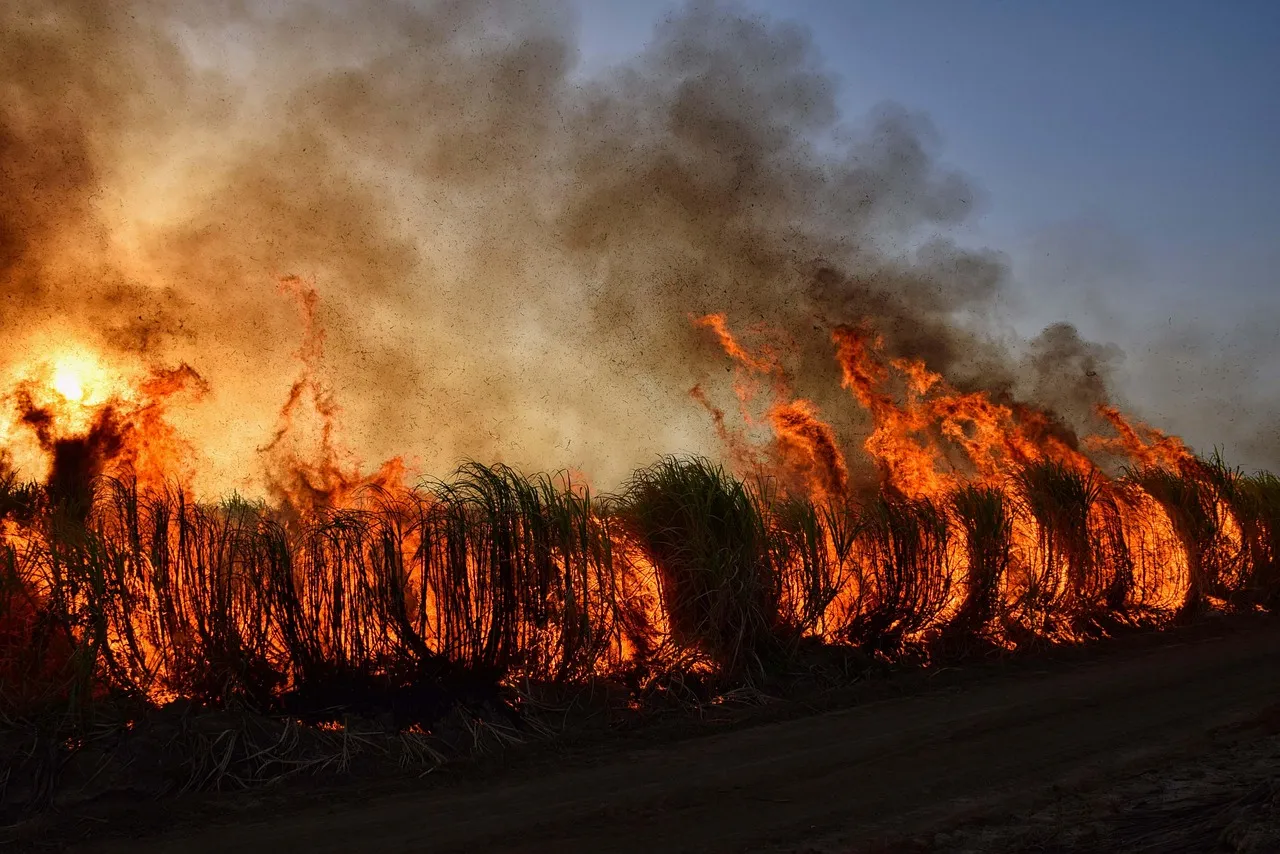
1. Rising temperatures are drying out the landscape
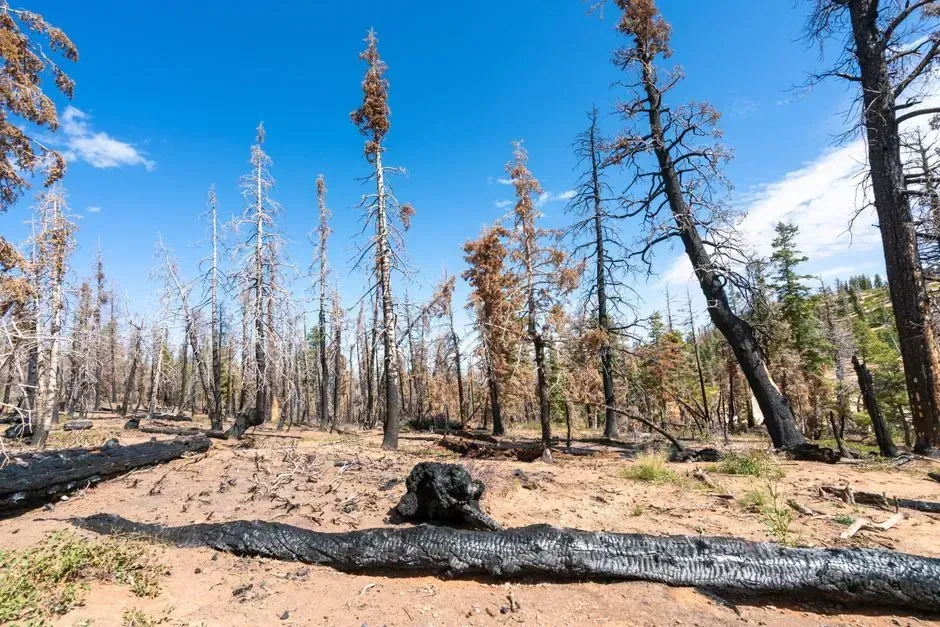
Heat is the most direct driver behind the West’s changing fire behavior. A 2021 study supported by NOAA concluded that climate change has been the main driver of the increase in fire weather in the western United States. That matters because hotter air pulls more moisture out of soil, grasses, and trees, leaving behind fuel that ignites more easily and burns faster once it catches.
The scale of the effect is striking when researchers model it. For much of the U.S. West, projections show that an average annual 1 degree Celsius temperature increase would increase the median burned area per year by as much as 600 percent in some types of forests. That kind of nonlinear jump helps explain why even modest long-term warming trends have translated into dramatically larger fire seasons rather than a gradual, proportional increase.
2. Earlier snowmelt is stealing time from the wet season
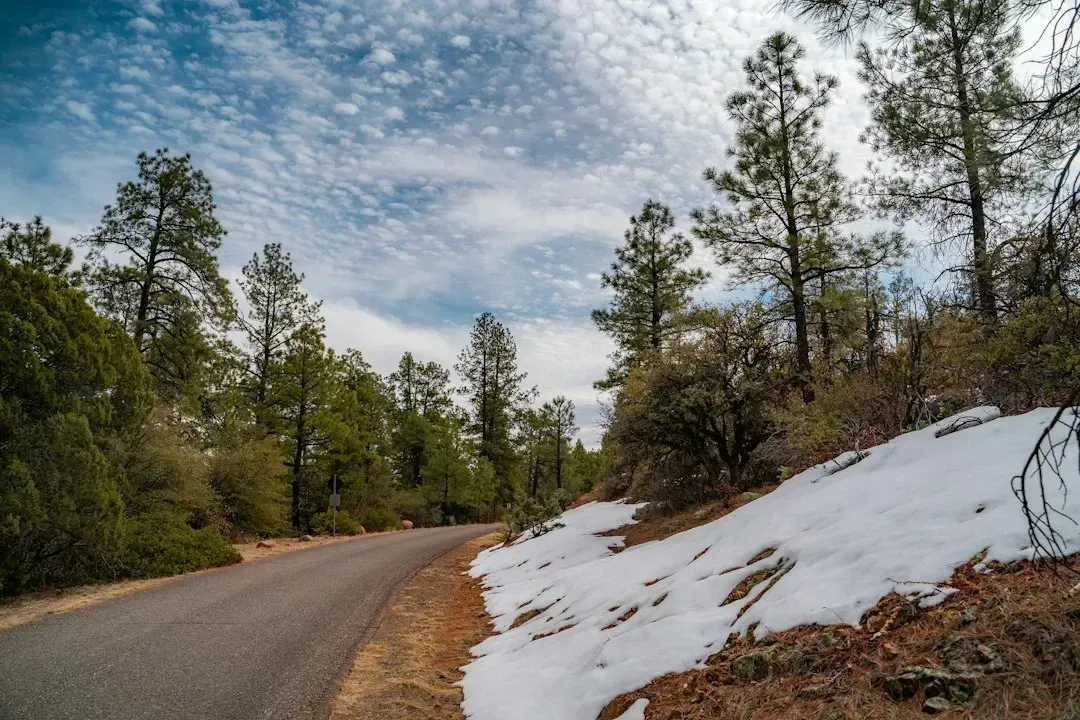
Snowpack has traditionally acted like a slow-release reservoir, keeping mountain vegetation damp well into early summer. That buffer is shrinking. Snow is melting earlier in the spring, leading to soil and forests that are drier and stay dry longer. This leads to wildfires that can burn hotter and spread faster.
The mechanism is fairly straightforward once you see it laid out. The earlier onset of snowmelt increases the length of the fire season and reduces fuel moisture, which makes large portions of the landscape flammable for longer periods of time. Colorado’s 2026 fire season offered a real-world example of this, since the state had one of its lowest snowpacks on record during the 2025-26 North American winter due to warm and dry conditions, particularly in the western part of the state, leaving Colorado more vulnerable to wildfires than usual.
3. Persistent drought is stripping moisture from fuels
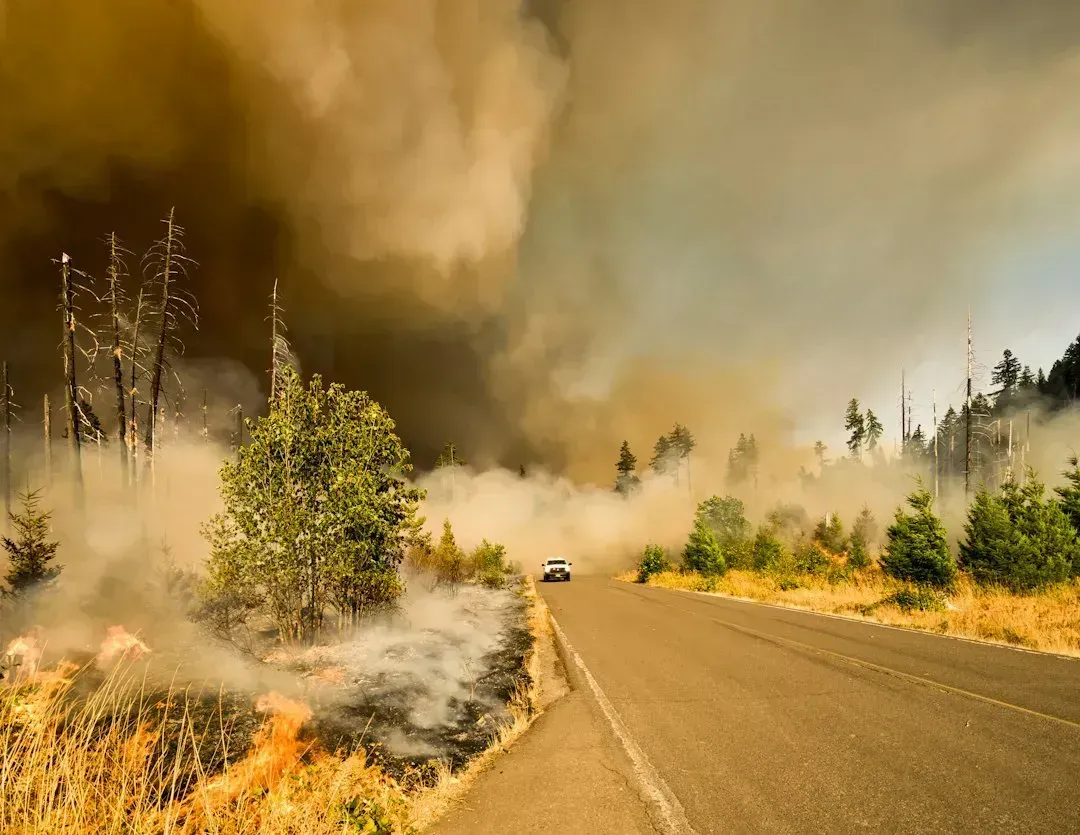
Drought and fire have always been linked, but the frequency and intensity of western droughts has climbed noticeably. In 2024, 48 of 50 US states faced drought conditions, the highest proportion ever recorded in the country, while wildfires scorched over 8.9 million acres nationwide. That is not a one-off statistic either; it fits a broader pattern researchers have tracked for years.
The numbers tying drought directly to fire activity are hard to ignore. Data shows that fire frequency increased by 40 percent in the western US during severe droughts. By mid-2025, conditions had grown severe enough that the U.S. Drought Monitor reported nearly 45% of the western United States was under severe to exceptional drought conditions, with California and Nevada among the hardest-hit states.
4. Fire seasons themselves have stretched much longer
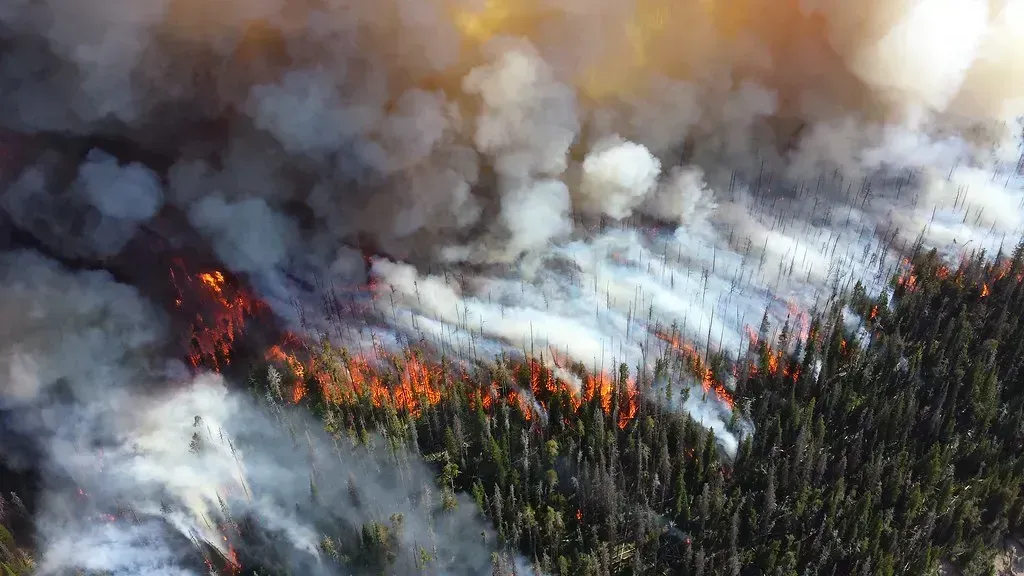
It used to make sense to talk about a defined “fire season” running roughly from late spring through fall. That framing is breaking down. The average wildfire season in the Western US is now 105 days longer, burns six times as many acres, and sees three times as many large fires, according to Climate Central.
Other research puts a slightly different number on the trend but points the same direction. The average length of fire season has increased across the western US by 2.8 months, and by 3.6 months in the southwest. Meteorologists now describe the change less as a shifted calendar and more as a dissolving boundary, since the result is a fire season that doesn’t have a clear beginning or end anymore, becoming instead a prolonged period of elevated risk.
5. Decades of fire suppression left forests overloaded with fuel
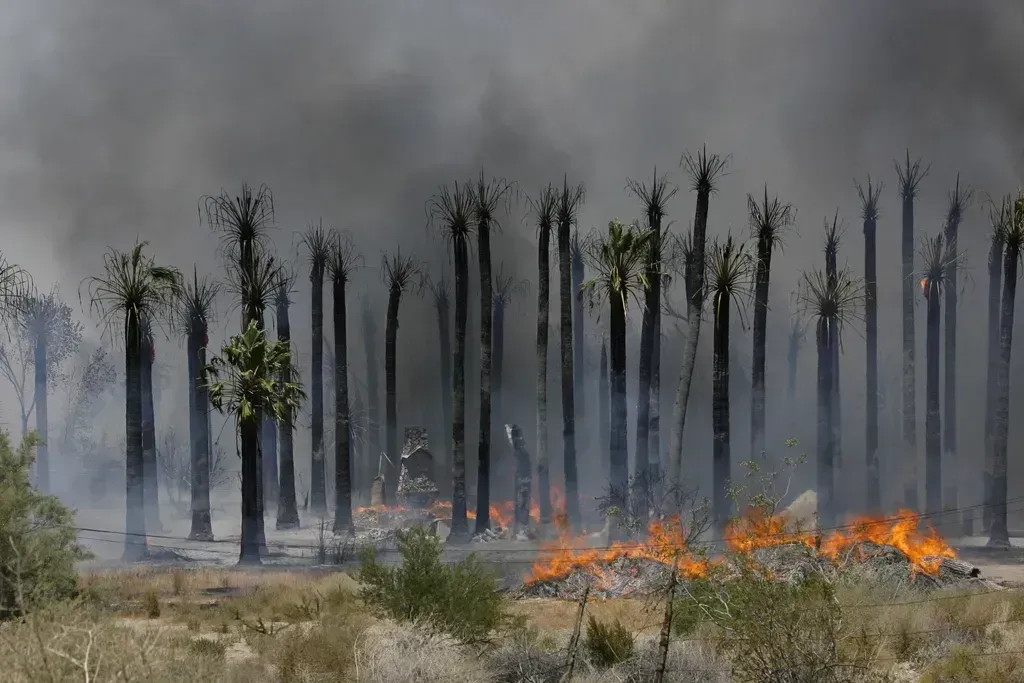
Climate is only part of the story. Land management choices made over the past century have quietly built up a fuel problem that is now colliding with hotter, drier weather. More than a century of aggressive fire suppression and an even longer period of settler colonial repression of Indigenous burning practices have led to forests that are too dense, too uniform in their species, and without the resistance to fire they once had.
This history matters because western forests were never meant to go decades without burning. Historical fire regimes were a mix of human and lightning-ignited fires that no longer operate at the time and spatial scales they did historically, and in many areas this has resulted in increased fuel loads. The result is forests primed to burn hotter and more destructively than they would have under natural, more frequent low-intensity fire cycles.
6. More people are living directly in fire-prone areas
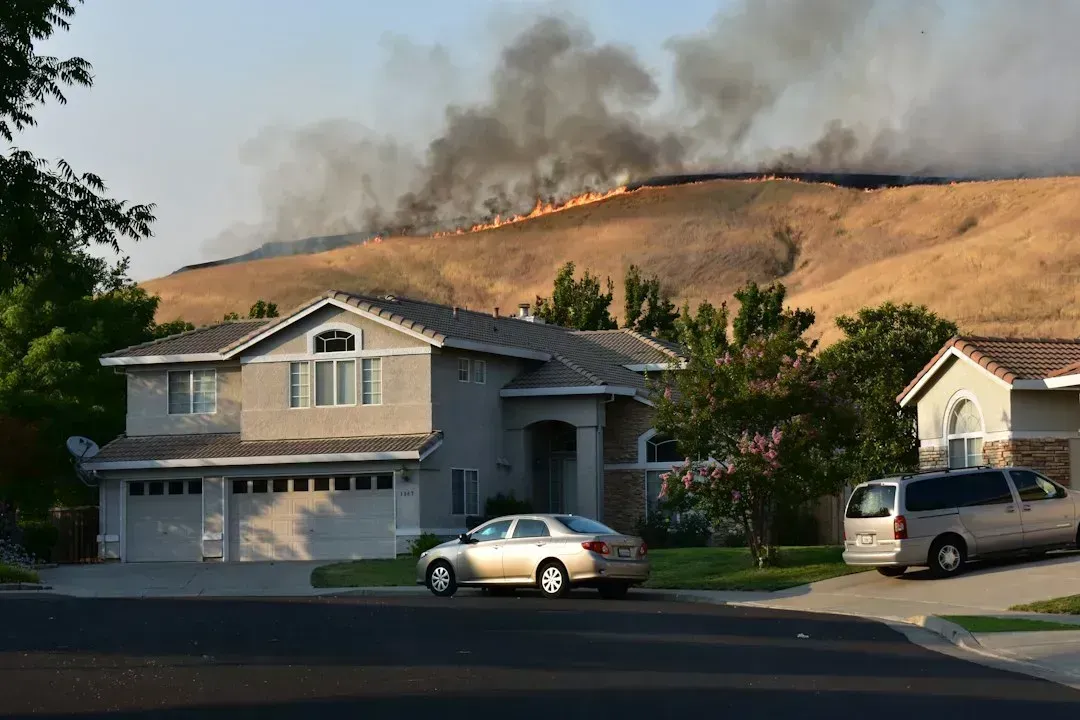
The human factor extends beyond ignition sources into where people actually choose to live. Population growth into the wildland-urban interface has put more homes, and more potential ignition sources, directly in fire country. A lack of affordable housing across the region and the desire for proximity to beautiful, natural places has led to large increases in the number of people living in wildfire-prone areas.
That proximity carries real consequences for ignition rates. More than 80 percent of U.S. wildfires are started by people, whether by accident, negligence, or intent. Once vegetation is already primed by heat and drought, the odds that any stray spark, from a campfire, a power line, or a vehicle, turns into a large fire go up considerably.
Taken together, these six factors do not operate in isolation. A hotter atmosphere dries out fuel faster, drought compounds that effect, shrinking snowpack removes the natural reset button forests used to get each spring, and all of it plays out across landscapes that are both overloaded with vegetation and more densely populated than ever before. The West’s fire seasons are not simply getting worse by chance. They are the product of physical trends and human decisions reinforcing one another, year after year.
- 9 Space Discoveries Our Grandparents Never Imagined Would Happen - November 16, 2026
- Scientists Warn: This Cosmic Radiation Risk Could Limit How Far Humans Can Travel - November 16, 2026
- Recyclable Labels That Mean Landfill-Bound – 7 Packaging Tricks Decoded - November 16, 2026
