

- The Planet Where It Rains Liquid Glass – 7 Alien Worlds Defying Known Physics - November 14, 2026
- Stars Consuming Entire Worlds – 6 Planetary Systems Swallowing Their Own Worlds - November 14, 2026
- The Ground Liquefies Like Water – 6 Silent Fault Lines Geologists Watch Closely - November 14, 2026
1. The eclipse of June 15, 743 BC
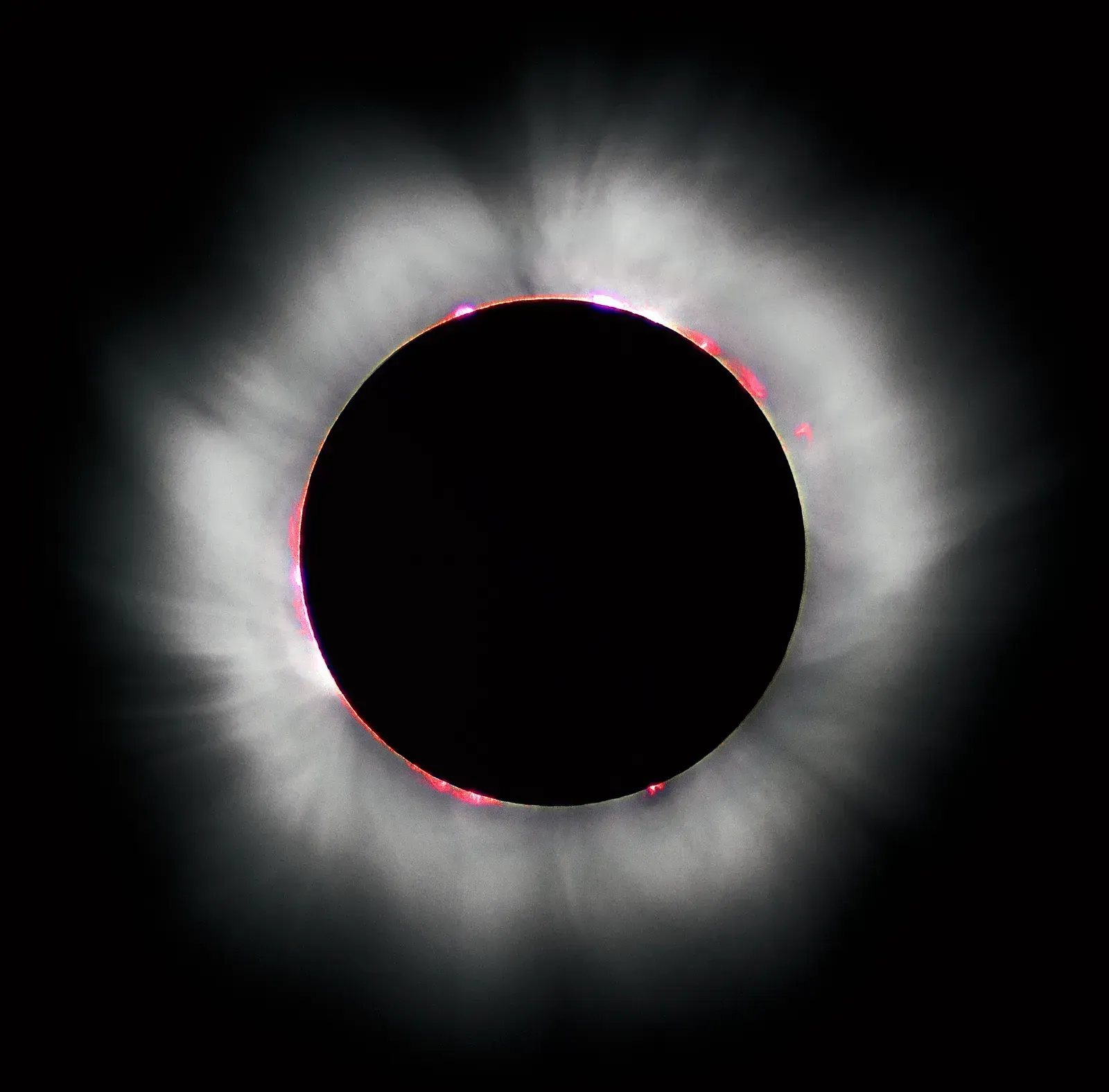
The longest total solar eclipse took place on June 15, 743 BC, with totality lasting an extraordinary 7 minutes 27.54 seconds. The event passed over the Indian Ocean near the coast of Kenya and Somalia, far from any major population centers of the era. Modern astronomers have calculated this date and duration using precise orbital mechanics rather than any surviving eyewitness account.
According to NASA’s long-term eclipse catalog, the longest solar eclipse of the last 6,000 years took place approximately 3,500 years ago and passed through parts of Central Africa. This 743 BC event has held its title for nearly three millennia, and it is expected to remain the record holder among historical eclipses until it is finally surpassed by a future eclipse still centuries away. No known civilization left a written record of this particular eclipse, since it occurred mostly over open ocean.
2. The eclipse of June 20, 1955
The longest total solar eclipse of the modern era before the space age occurred on June 20, 1955, with totality reaching a maximum duration of 7 minutes 7.74 seconds, making it the longest total solar eclipse since the 11th century, and until the 22nd century. The path swept across the Indian Ocean and the Seychelles before continuing toward Southeast Asia. Guinness World Records lists this event as clocking in at roughly seven minutes and eight seconds.
Unfortunately, much of the path over the Philippines region was hampered by weather. Although it was clouded out along most of its track, the 1955 eclipse still stands as one of the longest ever measured with modern astronomical precision. Its length is largely explained by the fact that greatest eclipse occurred very close to the equator, where the Earth’s rotational speed helped extend the shadow’s dwell time on the ground.
3. The eclipse of July 1, 1098
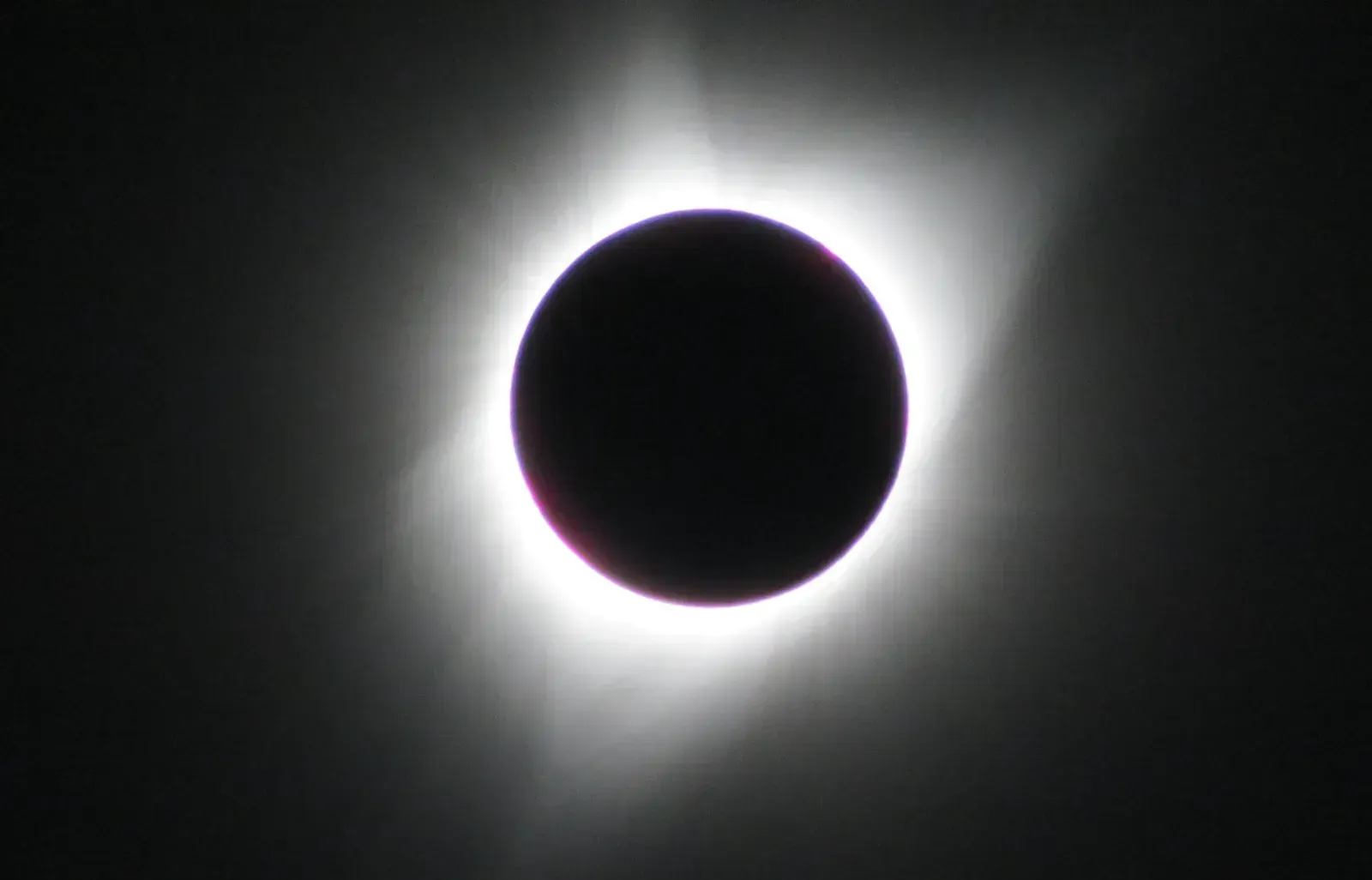
Nearly nine centuries before the modern era, the eclipse of July 1, 1098, produced totality lasting 7 minutes and 5.34 seconds. This made it, at the time, the longest total solar eclipse since antiquity, a record that would stand for hundreds of years afterward. Like other exceptionally long eclipses, its path likely tracked close to the equatorial belt where the geometry favors extended totality.
Historical records from the medieval period rarely include precise timing details, so this duration comes from retrospective astronomical calculation rather than contemporary written accounts. Still, the fact that this eclipse held the duration record for roughly 850 years, until it was finally topped in the 20th century, underscores just how rare eclipses of this length truly are. Only a small number of eclipses across recorded human history have ever crossed the seven-minute threshold.
4. The eclipse of June 8, 1937
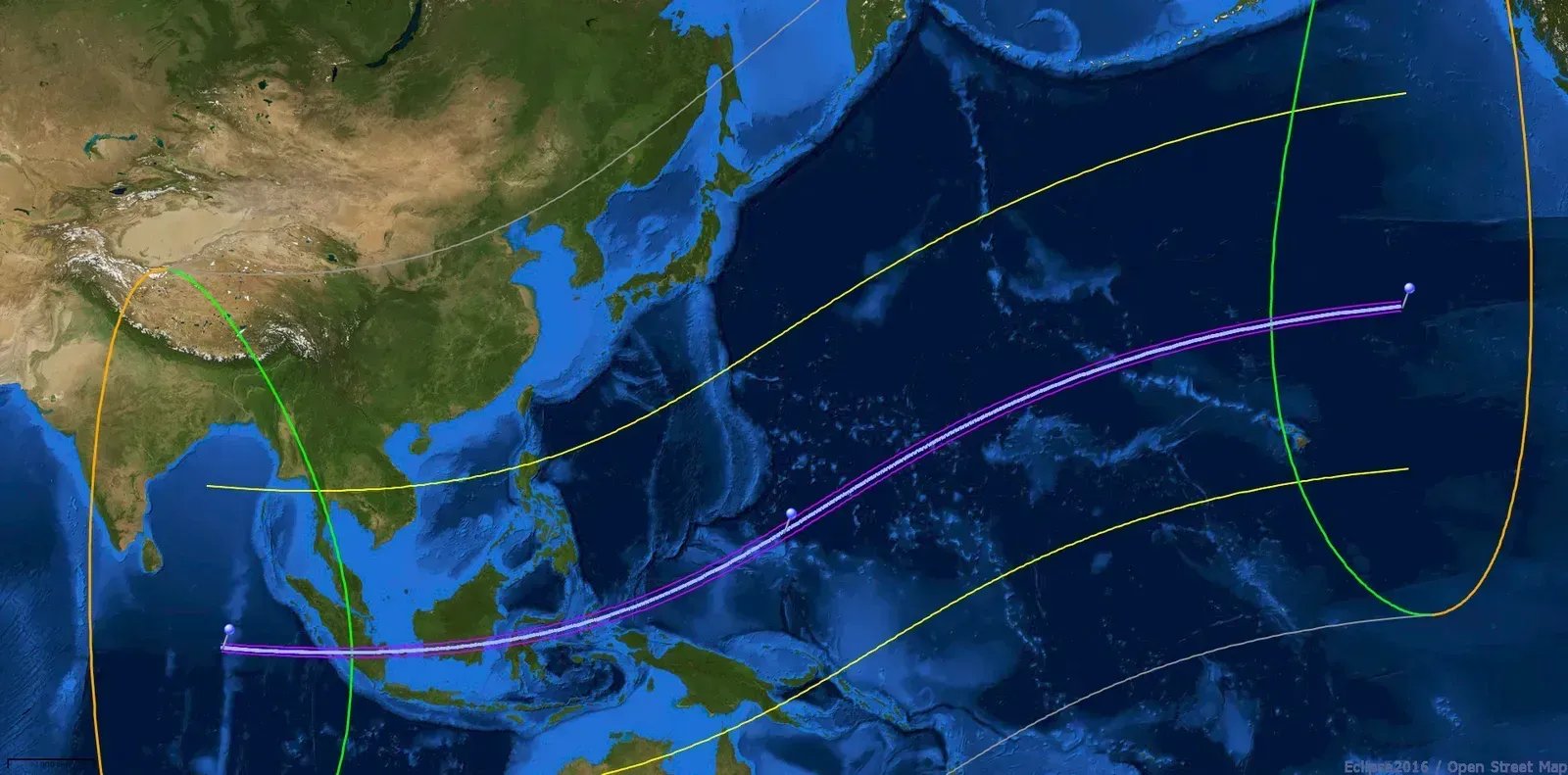
The eclipse of June 8, 1937, reached a maximum totality of 7 minutes and 4.06 seconds, making it the longest total solar eclipse since July 1, 1098. This eclipse’s path swept across the Pacific Ocean, passing near several remote islands before continuing on its track. It briefly held the title of longest eclipse in nearly 850 years, until it was surpassed less than two decades later by the 1955 event.
What makes the 1937 eclipse notable is how it fits into a broader pattern. It belongs to the same Saros series, numbered 136, that has repeatedly produced some of history’s longest eclipses. It produced the six longest total solar eclipses of the 20th century, three of them over seven minutes long, a remarkable concentration of record-length events from a single recurring eclipse family.
5. The eclipse of June 30, 1973
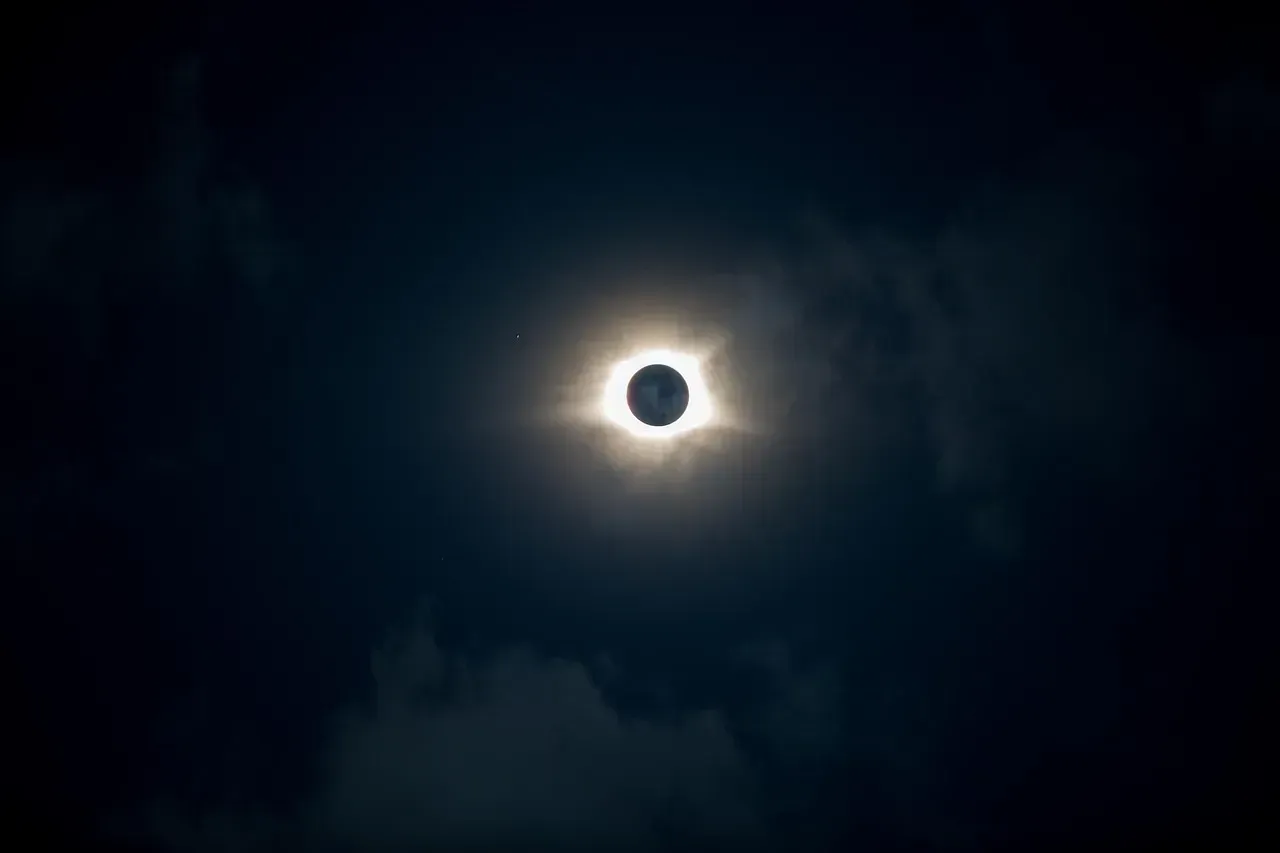
The eclipse of June 30, 1973, reached a natural totality of 7 minutes and 3.55 seconds, making it the last total solar eclipse that exceeds 7 minutes in this series. Its path crossed the Sahara Desert, passing near where Algeria, Mali, and Niger meet, offering ground observers one of the longest ordinary views of totality in the 20th century. Weather and remote desert terrain made it a challenging but scientifically valuable eclipse to study.
This eclipse is best remembered not for its natural duration but for an extraordinary feat of engineering that extended the experience far beyond what nature intended. A team of scientists boarded the supersonic Concorde 001 prototype and chased the moon’s shadow across the sky at more than twice the speed of sound. By matching the shadow’s movement, the flight allowed them to extend totality to more than 74 minutes, nearly 10 times longer than is possible when viewing a total solar eclipse from a stationary location. That remains the longest continuous observation of a total solar eclipse by any human beings, though it required a supersonic jet rather than pure celestial alignment to achieve it.
Looking ahead to future records
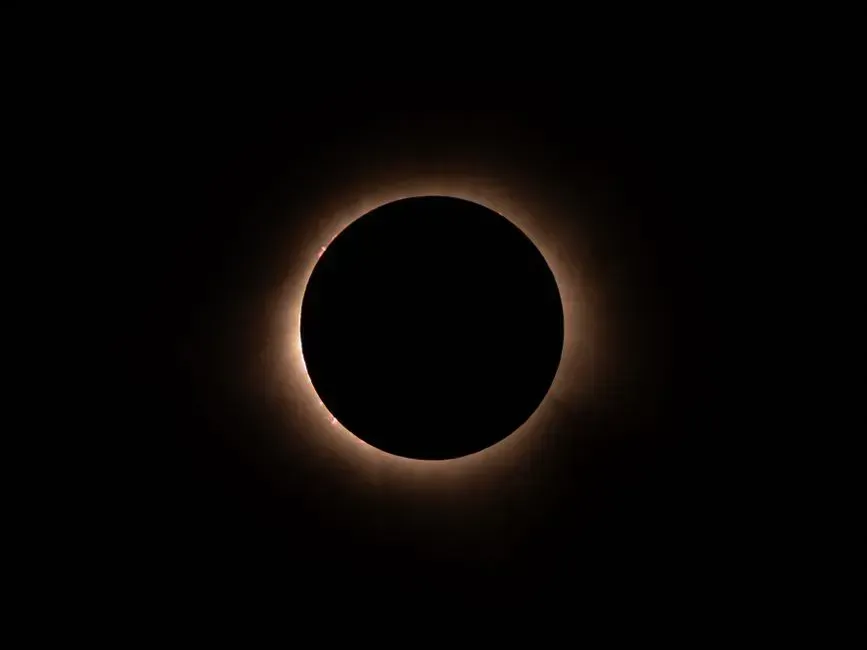
None of today’s eclipses come close to challenging this historical list, and none will for a long time. The next eclipse expected to significantly threaten these marks is over a century and a half away. The solar eclipse of July 16, 2186, will have a maximum duration of 7 minutes and 29.22 seconds, which would finally surpass the ancient 743 BC record by a fraction of a second.
Until then, modern total solar eclipses remain comparatively brief affairs. Typically, total solar eclipses last less than 3.75 minutes, which puts the achievements of 1955, 1937, 1098, and 743 BC into sharper perspective. Even the eclipse crossing North America in 2024, one of the longer eclipses of recent memory, only reached totality of a little over four minutes at its longest point, nowhere near the exceptional durations on this list.
