


- The Planet Where It Rains Liquid Glass – 7 Alien Worlds Defying Known Physics - November 14, 2026
- Stars Consuming Entire Worlds – 6 Planetary Systems Swallowing Their Own Worlds - November 14, 2026
- The Ground Liquefies Like Water – 6 Silent Fault Lines Geologists Watch Closely - November 14, 2026
8. Mercury, the smallest world in the family
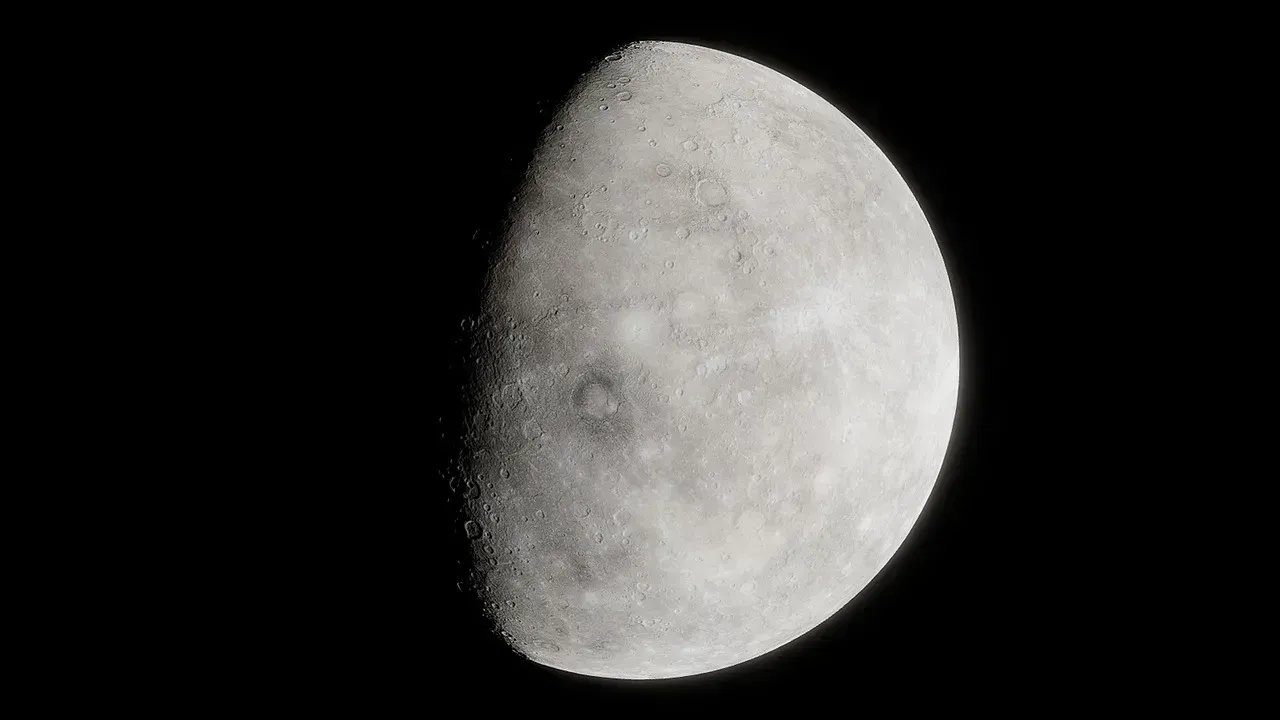
Mercury sits at the bottom of the list with a diameter of roughly 3,032 miles (4,879 kilometers), making it barely larger than some of the solar system’s biggest moons. It’s smaller than Jupiter’s moon Ganymede and Saturn’s moon Titan, a fact that often catches people off guard. Despite its tiny size, Mercury is dense and rocky, with a massive iron core that takes up a huge share of its interior.
Being closest to the sun hasn’t done Mercury any favors in terms of bulk. Its weak gravity and lack of atmosphere mean it has never held onto much material, leaving it cratered and airless. Spacecraft like NASA’s MESSENGER mission mapped its surface in detail, confirming just how compact and battered this little world truly is.
7. Mars, the red planet that’s smaller than it looks
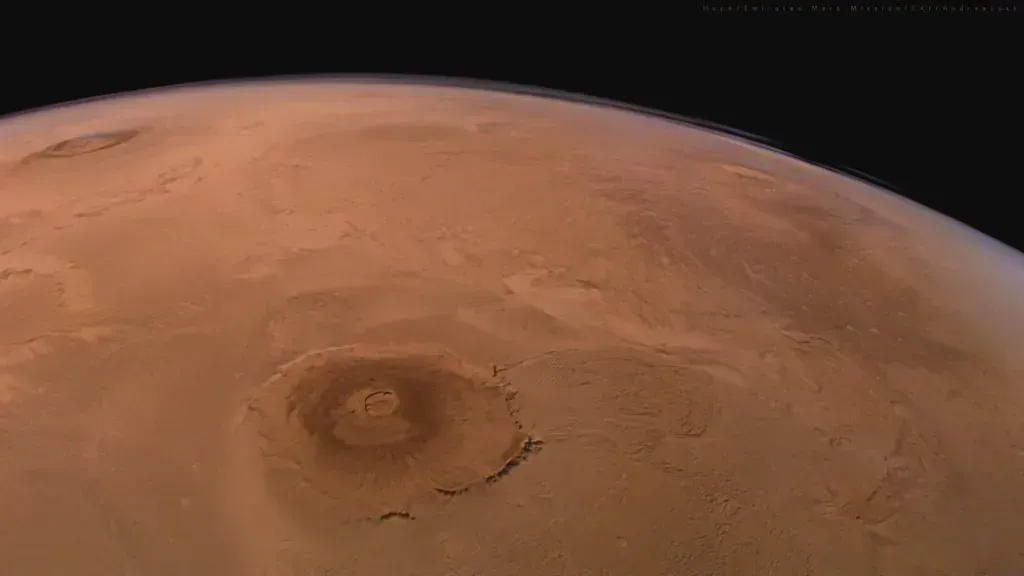
Mars often gets outsized attention in popular culture, but in reality it’s only about half the diameter of Earth, measuring roughly 4,220 miles (6,779 kilometers) across. It’s the second smallest planet, edging out Mercury but falling well short of Venus or Earth. Its thin atmosphere and lower gravity, about a third of Earth’s, are direct results of its modest size.
Mars still manages to host some genuinely massive features despite its small stature, including Olympus Mons, the largest volcano in the solar system. That contrast between a small planet and enormous surface structures is part of what makes Mars such a compelling target for ongoing exploration. Current missions from NASA, ESA, and China continue studying its surface and subsurface ice with an eye toward eventual human exploration.
6. Venus, Earth’s near twin in size
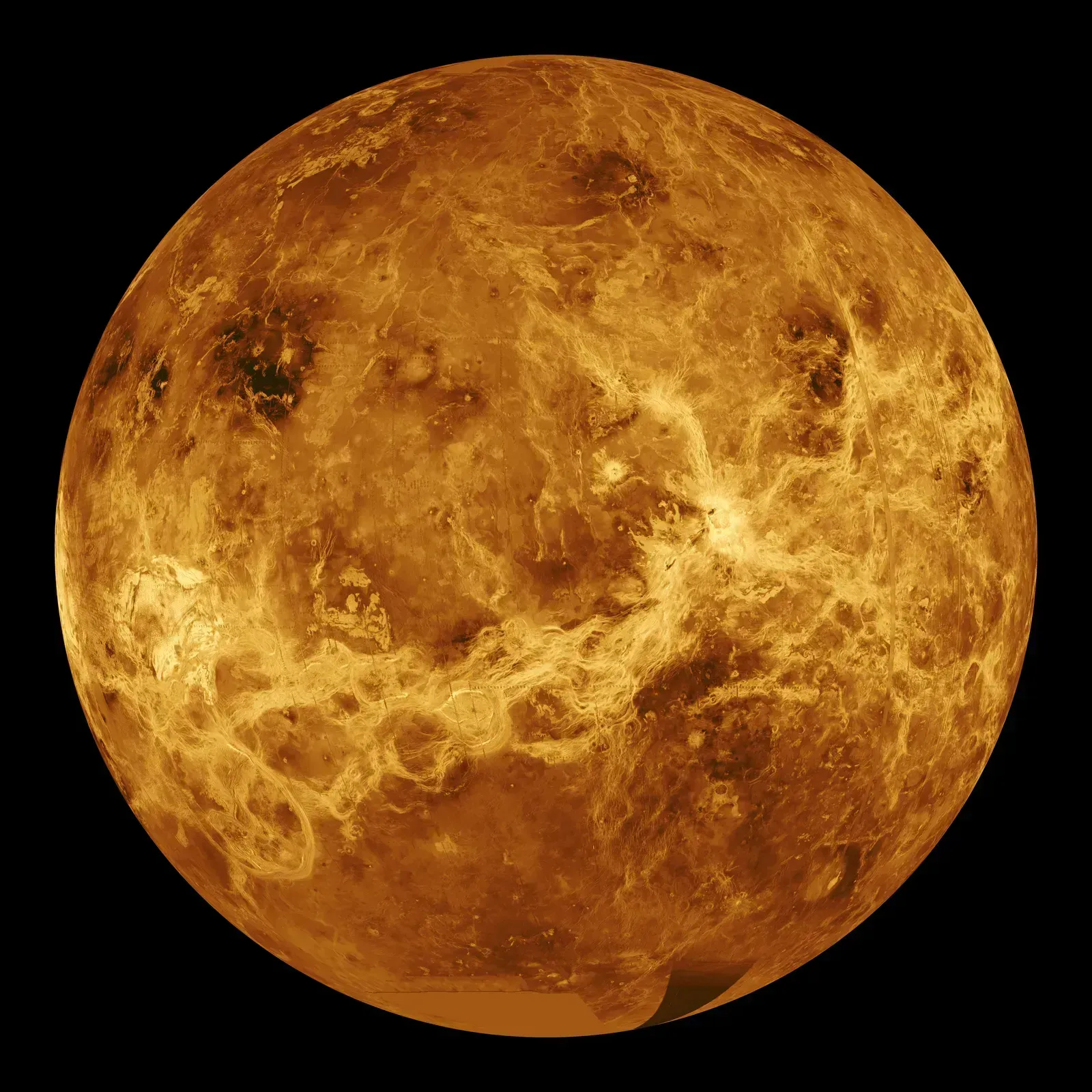
Venus comes remarkably close to matching Earth in physical dimensions, with a diameter of about 7,521 miles (12,104 kilometers) compared to Earth’s 7,918 miles (12,742 kilometers). That similarity in size is part of why scientists once assumed Venus might be a habitable twin before probes revealed its crushing atmosphere and scorching surface temperatures. Structurally, Venus and Earth share a lot in common, even if their environments couldn’t be more different.
Because Venus is so close in size to Earth, researchers use it as a comparison point when studying planetary evolution and atmospheric runaway greenhouse effects. Recent and upcoming missions, including NASA’s DAVINCI and VERITAS and ESA’s EnVision, are designed to study Venus more closely than ever before. These missions aim to explain how a planet so similar in size to Earth ended up so radically different in conditions.
5. Earth, our home and the largest of the rocky planets
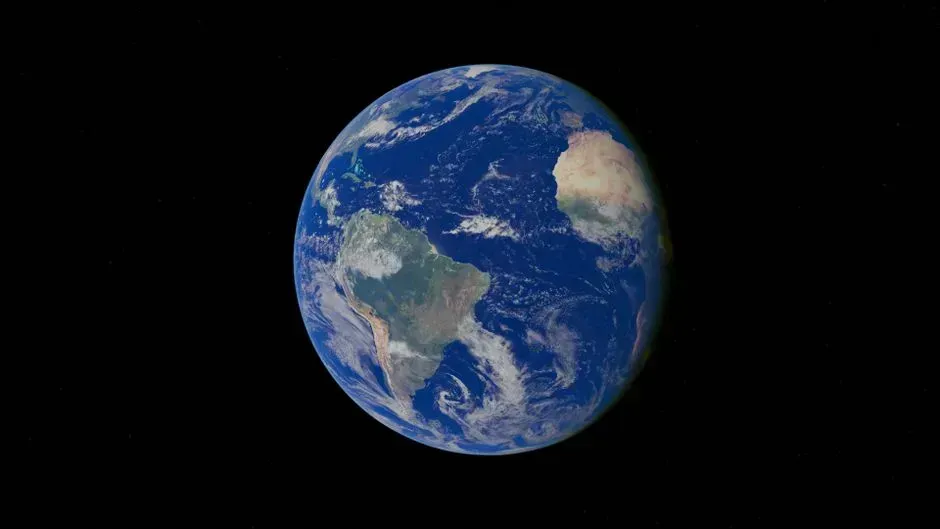
Earth holds the title of largest terrestrial planet, with an equatorial diameter of roughly 7,918 miles (12,742 kilometers). It’s not enormous by solar system standards, but it edges out Venus, Mars, and Mercury combined in terms of overall bulk. Earth’s size, combined with its distance from the sun, plays a major role in maintaining the liquid water and atmospheric conditions that support life.
What makes Earth’s size particularly interesting is how it strikes a balance. It’s large enough to generate strong gravity and hold a thick atmosphere and magnetic field, protecting the surface from harmful radiation. That balance sets it apart from smaller neighbors like Mars, which lost much of its atmosphere over time due to weaker gravitational pull.
4. Neptune, the smallest and densest of the ice giants
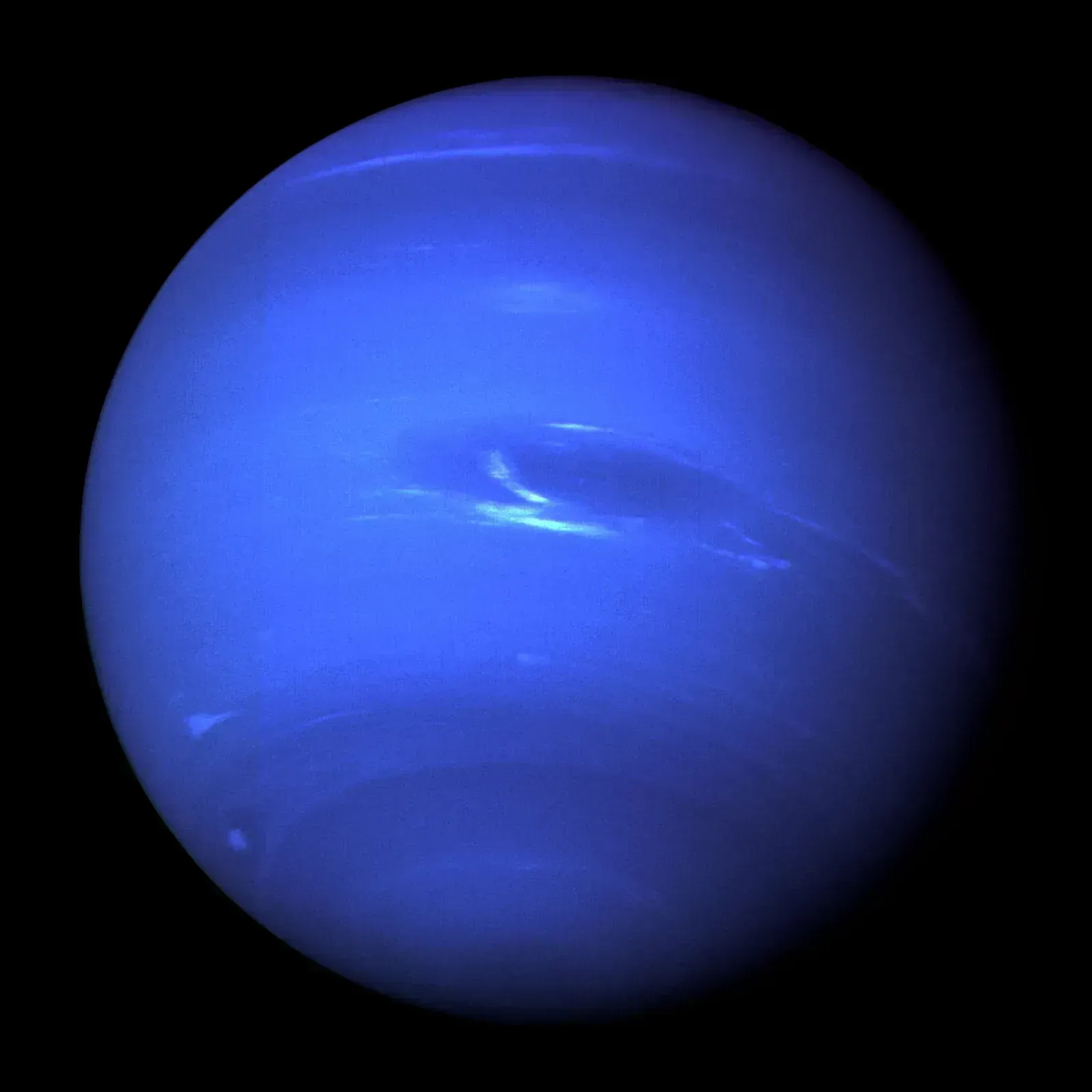
Neptune measures about 30,598 miles (49,244 kilometers) in diameter, making it the fourth largest planet and the smallest of the two ice giants. Despite being smaller than Uranus in diameter, Neptune is actually slightly more massive, a quirk tied to differences in internal composition and density. Its deep blue color comes from methane in its atmosphere, which absorbs red light and reflects blue.
Neptune’s size and distance make it one of the least explored planets, with only NASA’s Voyager 2 having made a close flyby back in 1989. Modern telescopes, including the James Webb Space Telescope, have continued refining measurements of Neptune’s atmosphere and storm systems in recent years. Scientists are increasingly interested in future missions to Neptune, since so much about the planet’s interior structure remains uncertain.
3. Uranus, the tilted ice giant
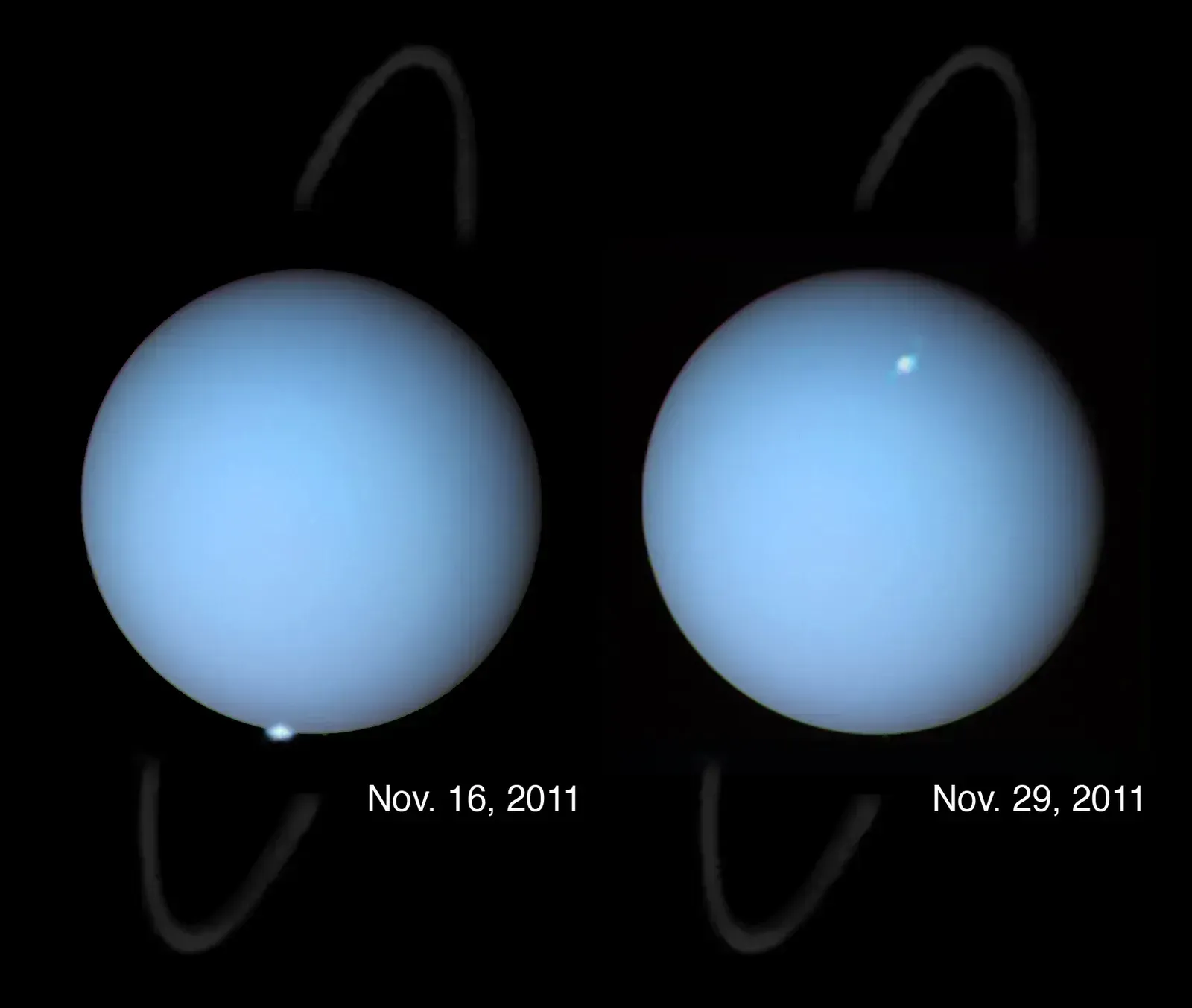
Uranus comes in just ahead of Neptune with a diameter of approximately 31,518 miles (50,724 kilometers). It’s famous for its extreme axial tilt of about 98 degrees, which essentially causes it to orbit the sun on its side. That unusual orientation likely resulted from a massive collision early in the planet’s history, though the exact cause is still debated among researchers.
Uranus’s size places it firmly in the ice giant category, distinct from the gas giants Jupiter and Saturn due to its higher concentration of water, ammonia, and methane ices. Interest in Uranus has grown recently, with NASA identifying a dedicated orbiter and probe mission as a priority for the coming decades. Until such a mission launches, most of what’s known about Uranus’s size and structure still comes from the brief 1986 Voyager 2 flyby.
2. Saturn, the ringed giant
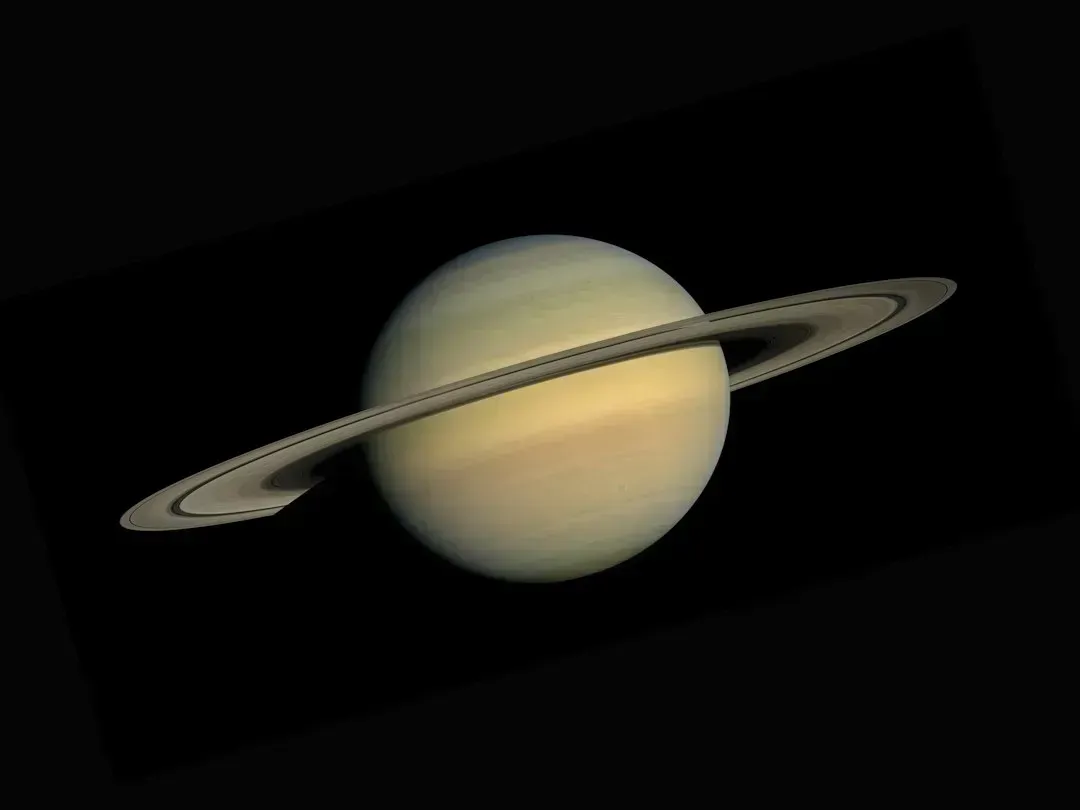
Saturn’s diameter of roughly 74,898 miles (120,536 kilometers) makes it the second largest planet, though it’s still noticeably smaller than Jupiter. It’s best known for its extensive ring system, made primarily of ice particles ranging from tiny grains to chunks the size of mountains. Despite its massive size, Saturn is the least dense of all the planets, so dense in fact that it would float in a bathtub large enough to hold it.
NASA’s Cassini mission, which ended its 13 year study of Saturn in 2017, dramatically deepened scientific understanding of the planet’s size, rings, and moons. Ongoing analysis of Cassini data continues into 2026, refining estimates of Saturn’s internal structure and the age of its rings. Saturn’s system remains one of the richest areas of study in planetary science due to its scale and the sheer number of moons it hosts, over 140 confirmed so far.
1. Jupiter, the undisputed giant of the solar system
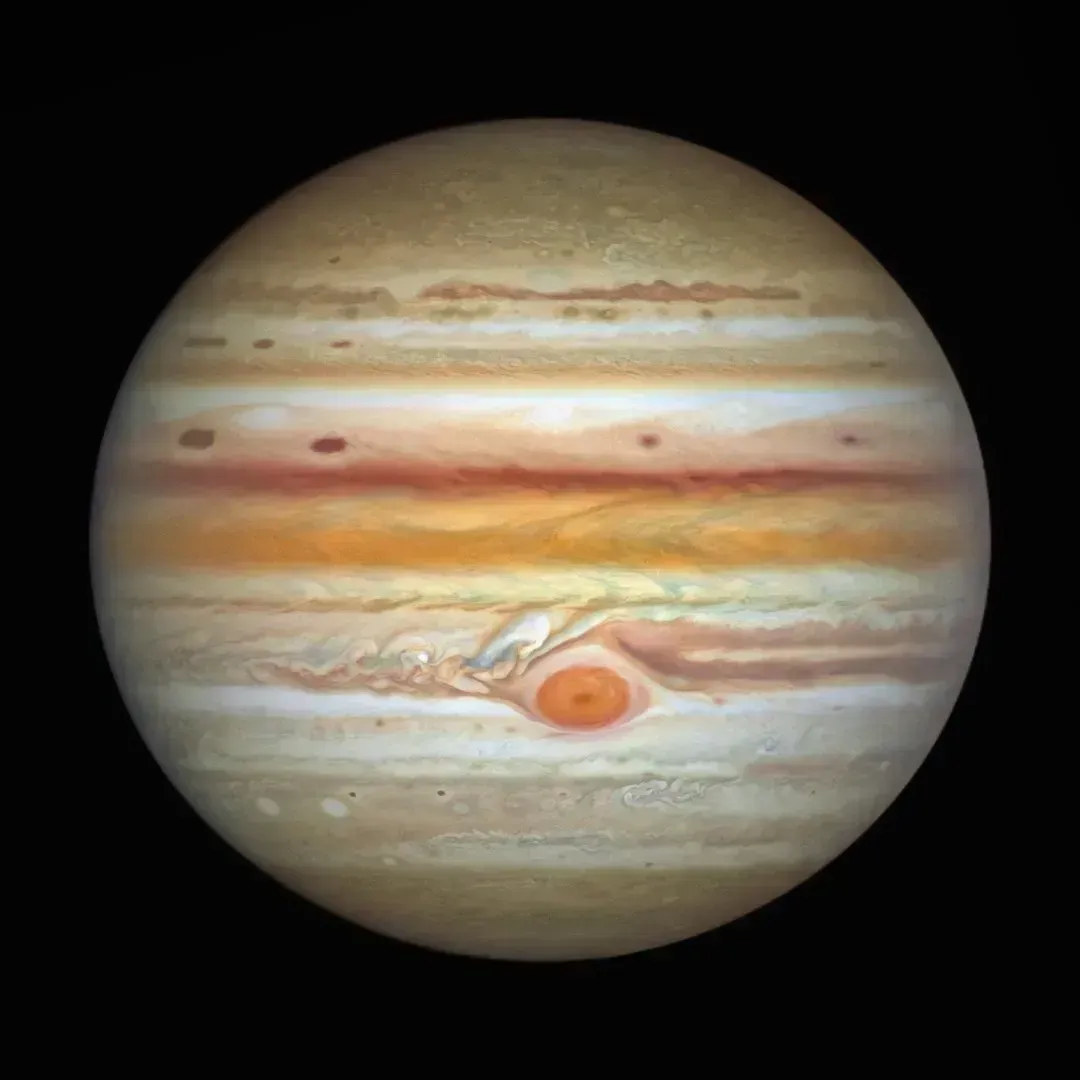
Jupiter towers over every other planet with a diameter of about 86,881 miles (139,820 kilometers), more than eleven times wider than Earth. It’s so massive that it contains more material than all the other planets combined, and its powerful gravity plays a key role in shaping the orbits of asteroids and comets throughout the solar system. The Great Red Spot, a storm larger than Earth itself, has been observed for centuries, though recent measurements show it has been gradually shrinking.
NASA’s Juno spacecraft, still active as of 2026, continues to send back data about Jupiter’s size, interior structure, and powerful magnetic field, one of the strongest of any planet. Juno’s extended mission has also provided close looks at Jupiter’s moons, including Europa and Ganymede, adding context to just how large and influential the Jupiter system really is. Given its scale, Jupiter functions almost like a smaller solar system of its own, with dozens of moons and a faint ring system orbiting it.
