

- Phantom Energy Sucking Power 24/7 – 7 Home Electronics Quietly Inflating Utility Bills - November 14, 2026
- A Million-Mile Storm Raging for Centuries – 6 Violent Weather Wonders in Our System - November 14, 2026
- Animals Flee Hours Before the Tremor – 7 Natural Warnings Before Disasters Strike - November 14, 2026
1. The Pacific Northwest Coast
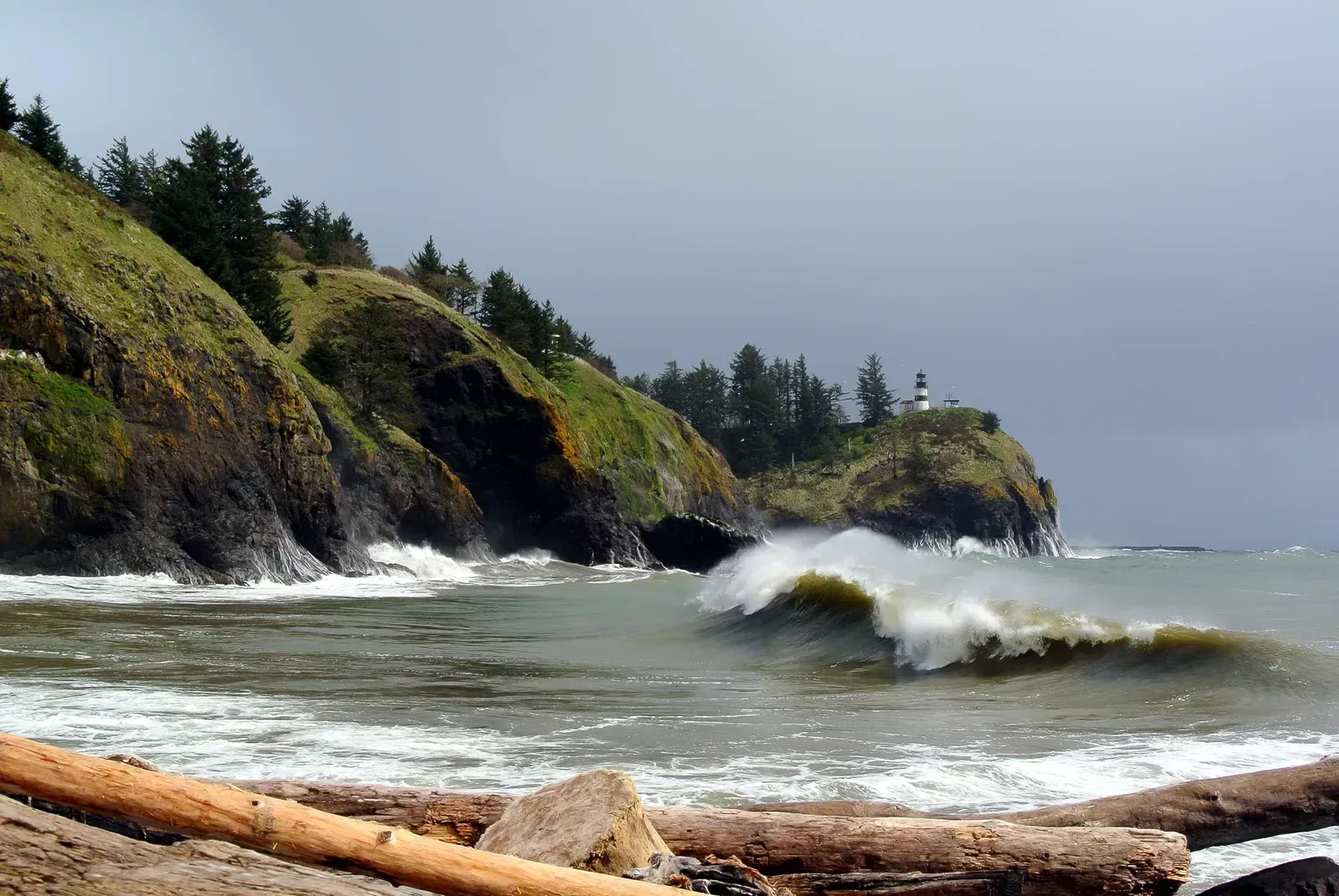
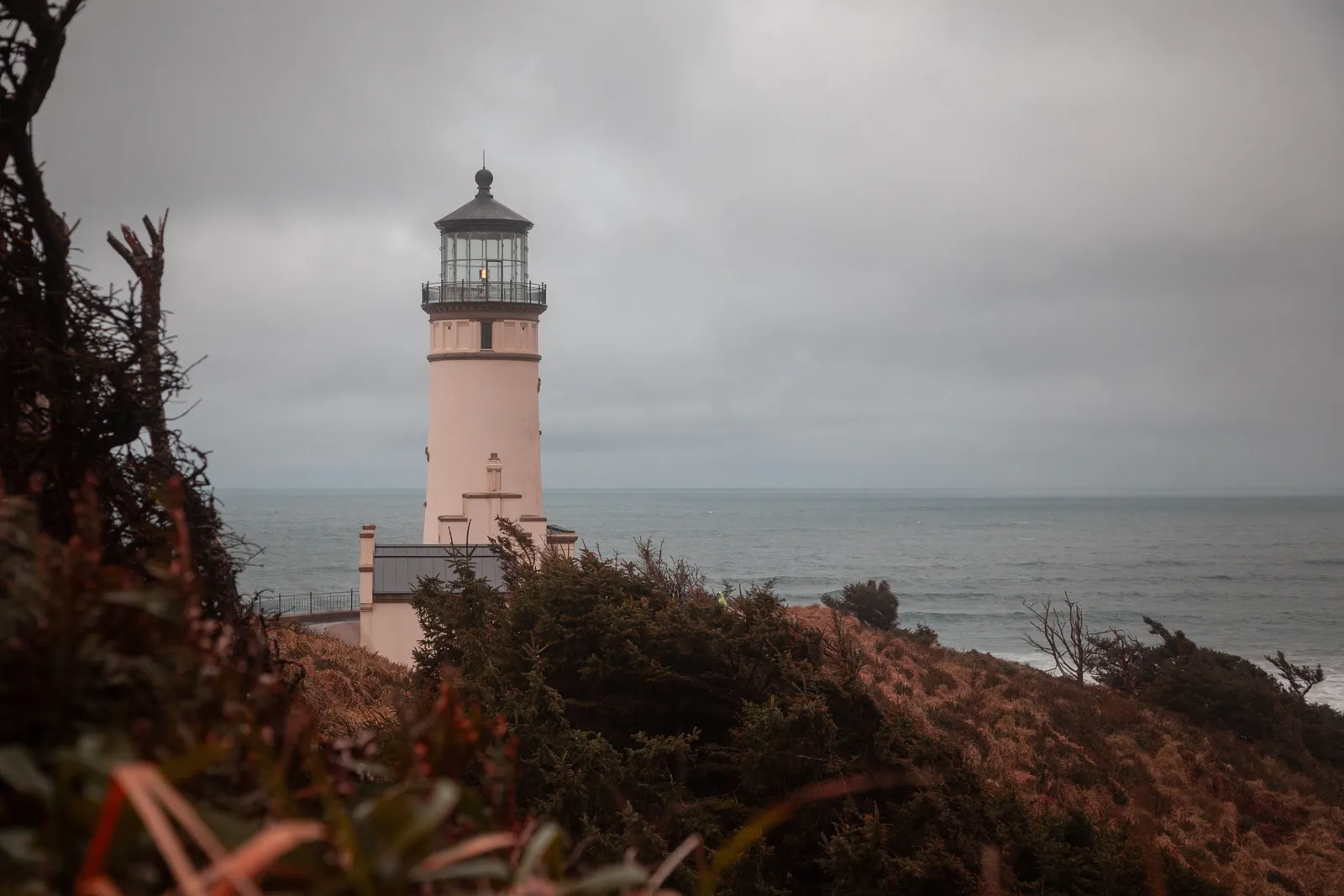
Washington’s outer coast is arguably ground zero for American fog, and Cape Disappointment sits right at the center of that reputation. Cape Disappointment sees about 2,552 hours of fog a year, which is the equivalent of about 106 days, making it one of the foggiest places in the United States. The name itself has a strange backstory tied to the very weather that made the place famous. A British fur trader sailed past in 1788 hunting for the mouth of the Columbia, could not find it through the murk, gave up, and named the headland for exactly how he felt. The river was right there.
The mechanism behind all this haze is straightforward once you understand the geography. The location’s position at the confluence of the Columbia River and the Pacific Ocean creates ideal conditions for fog formation, as warm, moist air masses encounter cooler surfaces. It’s not an isolated quirk either, since this area, including states like Washington and Oregon, is frequently shrouded in fog due to moist air from the Pacific Ocean mixing with cooler coastal climate conditions. Even Seattle, well inland from the roughest coastal weather, still logs a surprising amount of murk, with fog present for roughly 165 days a year according to recent climate data.
2. Northern California’s Foggy Coastline
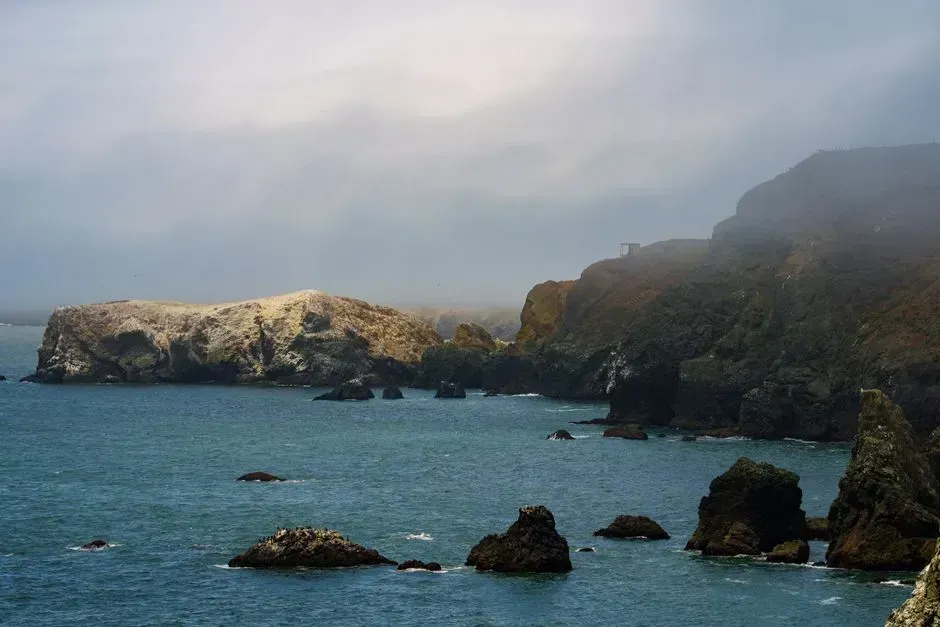
If Cape Disappointment is the technical record holder in some rankings, Point Reyes gives it real competition and wins the title outright in others. Point Reyes is wrapped in dense ocean fog for roughly 200 days a year, making it the foggiest spot in the United States according to several sources tracking North American fog data. The scale of it is hard to overstate, since massive sheets of marine fog can stretch up to 50 miles out over the Pacific Ocean, hugging the land and sea alike.
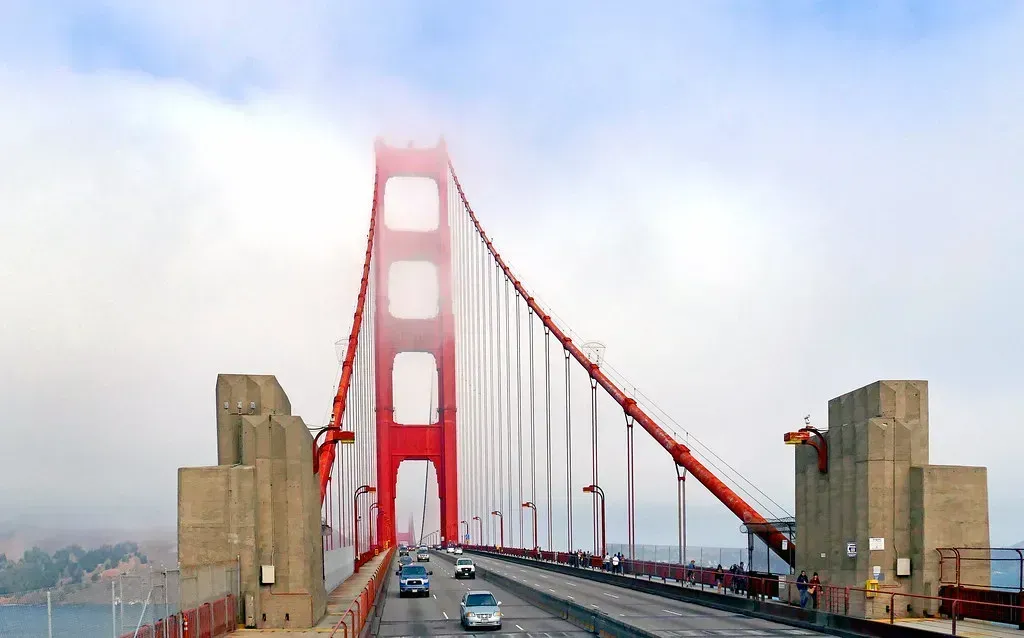
San Francisco itself has turned its fog into something of a local mascot. Karl usually arrives off the cool Pacific in summer, flowing through the Golden Gate and engulfing the bridge towers, while just miles inland, people are enjoying the sunshine. Winter brings a different variety entirely, since tule fog is a different phenomenon, a thick radiation fog occurring in winter in California’s Central Valley, far inland, known for causing pileups on Highway 99 that often make the evening news. Two distinct fog seasons in one region is unusual, and it’s part of why Northern California shows up so consistently on foggiest-place lists.
3. The Gulf Coast
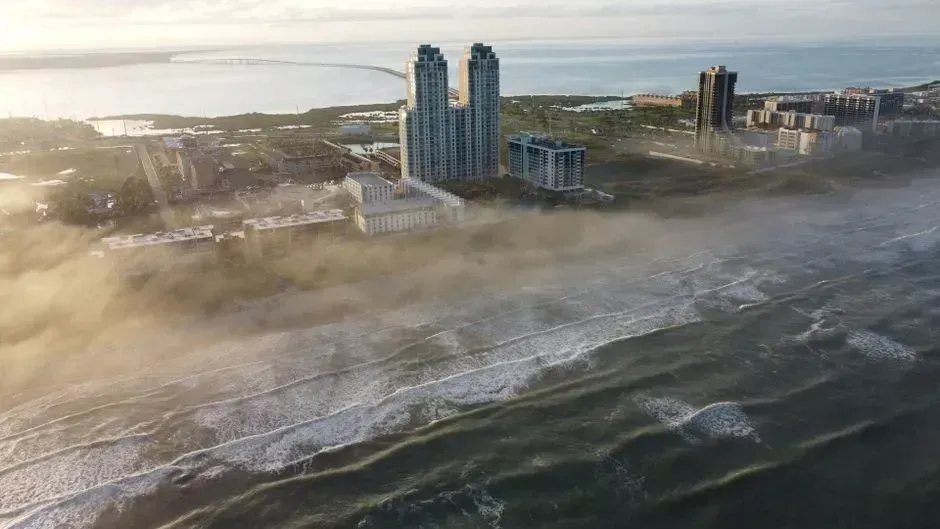
Fog in the Gulf region works on a completely different set of rules than the cold-water advection fog out west. New Orleans experiences an annual average of 200 days of fog, making it the foggiest city in the United States, and there are another 118 days per year when the sky is cloudier than normal. The humidity that defines the city year round plays directly into this, since New Orleans has a subtropical climate and is known for its high humidity.
What makes Gulf Coast fog occasionally dangerous rather than just atmospheric is how it can combine with other conditions. When the dense fog on most cool, still mornings mixes with an external occurrence, such as smoke from marsh or brush fires, a super fog is categorized and can wreak havoc on the freeways in and around southern Louisiana by reducing visibility to the point of creating dangerous driving conditions. Texas shares in this pattern too, since the Southeast region of Texas is often the recipient of advection fog when warm, moist air from the Gulf of Mexico drifts across cooler surfaces on land. It’s a reminder that fog isn’t just scenic; along stretches of interstate near the coast, it’s a genuine hazard.
4. The Southeast, Especially the Carolinas
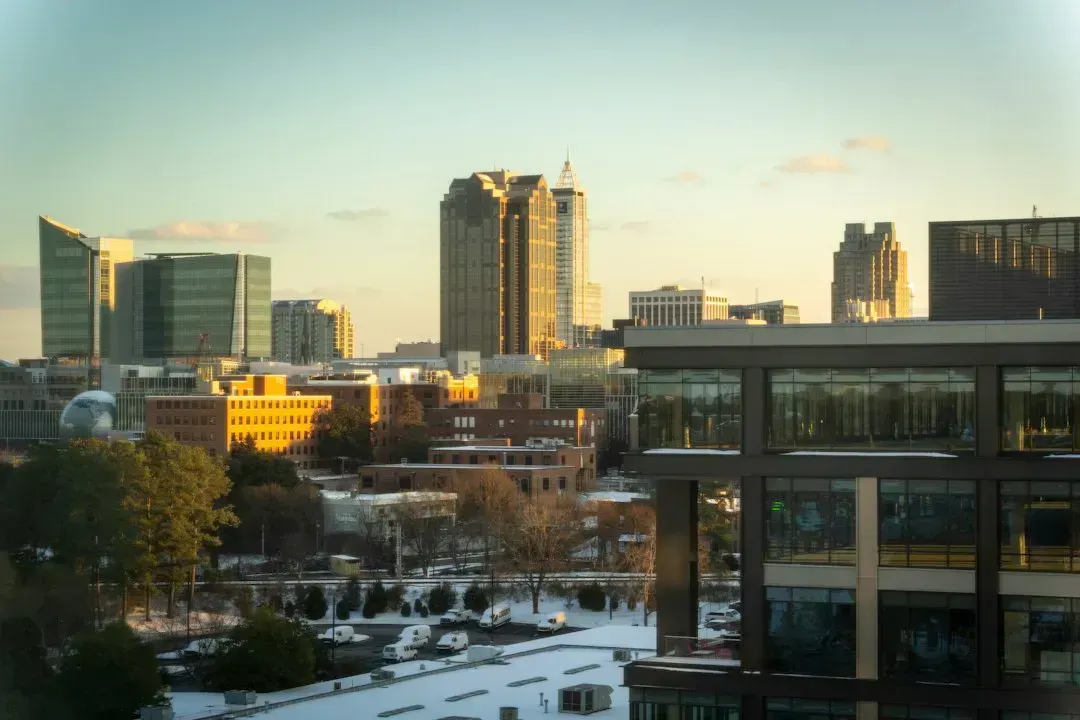
Inland from the coast, a different flavor of fog takes over, driven less by ocean water and more by terrain. Raleigh, North Carolina stands out here, and Raleigh, which receives 198 days of fog on average, also has a very humid climate, though the fog generated along this coastal city is far different from that in New Orleans. The nearby mountains have a lot to do with that difference.
Specifically, the city’s proximity to the Appalachian Mountains influences the weather in this particular region, creating conditions known as valley fog. That kind of fog forms overnight in low-lying areas as cool air settles into valleys and river bottoms, then lingers into the morning before the sun burns it away. Drive through the Carolina Piedmont on an autumn morning and you’ll often see exactly this, a soft white layer pooled in the low ground while ridgelines nearby sit in clear sunlight.
5. New England’s Atlantic Coast
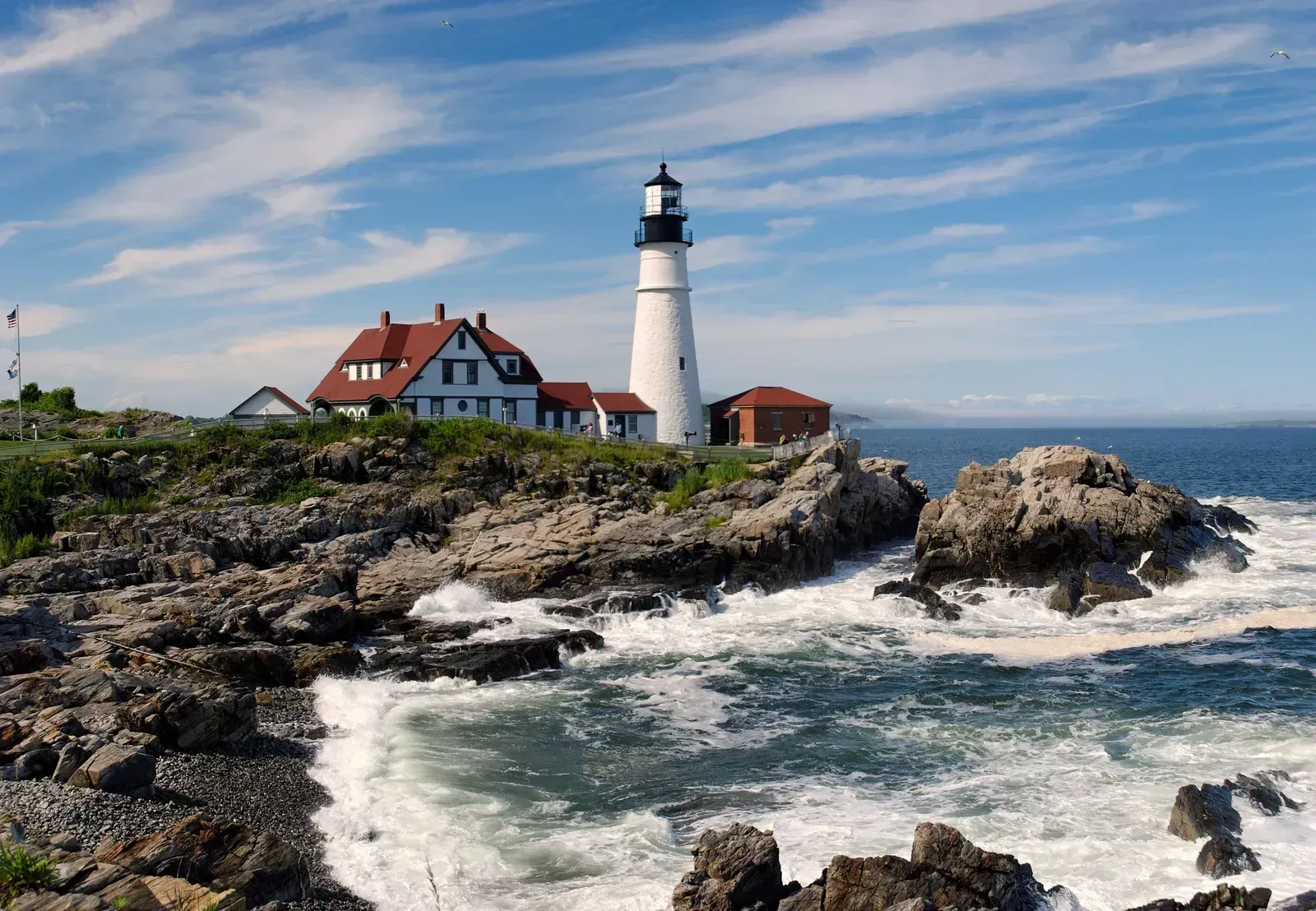
Maine holds a title that’s easy to overlook if you’re only thinking about the West Coast. Mistake Island, a small, barren rock in Washington County, Maine, northeast of Bar Harbor, is known as the foggiest place on the U.S. Atlantic coast. The numbers there are genuinely striking, since its Moose Peak Lighthouse is shrouded in fog for roughly 1,600 hours annually, reaching 1,562 hours in 1930 alone.
This isn’t a fluke of one unusual year either; it’s a long-documented pattern tied to the cold Atlantic waters offshore. Back in the early twentieth century, government weather records already recognized the spot’s reputation, and in early 1931 it was announced that Moose Peak Lighthouse “has just completed another year as the foggiest spot in the United States,” according to the Lighthouse Service of the Department of Commerce. More broadly across the region, the coastal areas of New England, including states like Maine, Massachusetts, and Rhode Island, experience fog due to the influence of the Atlantic Ocean, where warm and moist air from the ocean interacts with the cooler land, resulting in foggy conditions. Anyone who has driven the coastal roads of Downeast Maine in early summer has probably experienced this firsthand, watching visibility drop from clear skies to a few car lengths within minutes.
6. The Great Lakes Region
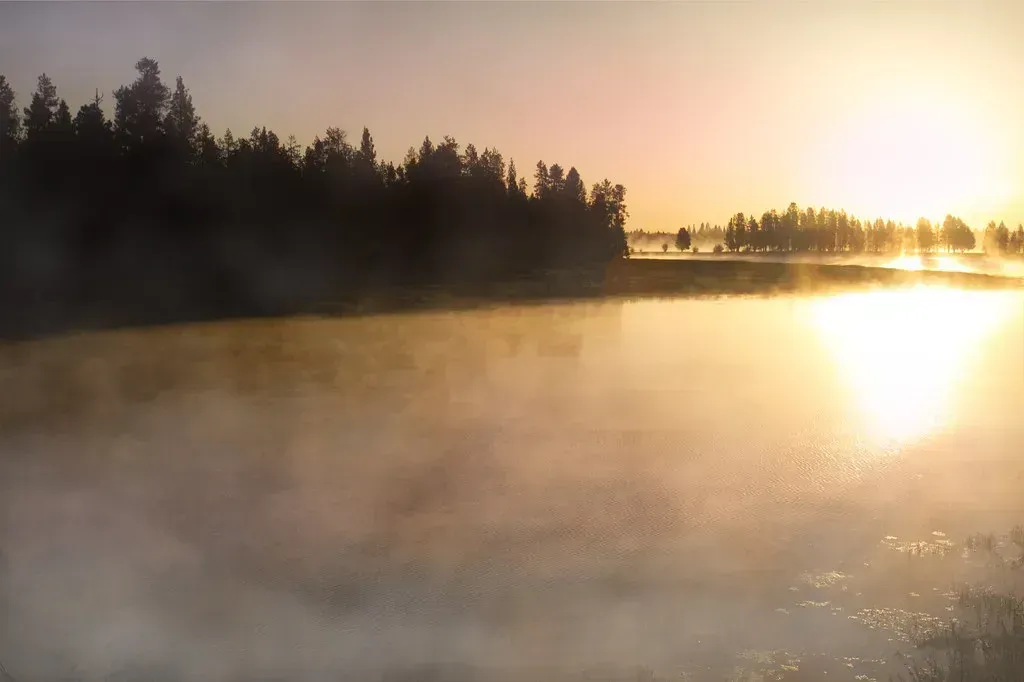
Fog around the Great Lakes works almost like a scaled-down version of ocean fog, using freshwater instead of the sea. The Great Lakes, which include Lake Superior, Lake Michigan, Lake Huron, Lake Erie, and Lake Ontario, contribute to the foggy conditions in this region, as the warm air passing over the relatively cooler lake waters creates a temperature difference, leading to fog formation. That temperature contrast is strongest in late spring and early summer, when the lake water is still cold from winter but the air above it has already warmed considerably.
Shoreline towns from Duluth to Buffalo see this play out regularly, with fog banks forming just offshore and occasionally drifting inland enough to blanket harbor towns for a few hours at a stretch. It’s less extreme in raw fog-day totals compared to Point Reyes or Mistake Island, but the pattern is dependable enough that boaters and lakefront residents plan around it every year. The lakes essentially recreate, on a smaller scale, the same physics that make coastal fog so persistent along the oceans.
Why These Regions Keep Fogging Over
Looking at all six regions together, a pattern becomes obvious. Nearly every one of them sits at the boundary between a large body of water and land, and that boundary is where temperature contrasts do their work. Advection fog is the big one, and it is why every entry at the top of the list is on a coast, forming when warm, humid air moves sideways over a cold surface, usually cold ocean, and is chilled from below.
The exceptions, like inland valley fog in the Carolinas or radiation fog in California’s Central Valley, follow a related but slightly different rule: radiation fog is the inland kind, forming on a clear, still night as the ground radiates its heat to the sky, the air just above it cools, and by dawn the valley is full. Different mechanisms, same basic outcome. Wherever moisture, temperature contrast, and calm air all show up together, fog is going to follow, and these six regions just happen to have that combination locked in more often than anywhere else in the country.
