

- The Compostable Cup Left Intact for Years – 5 Backyard Composting Failures - November 15, 2026
- Fast-Fashion “Conscious” Lines Under Scrutiny – 5 Red Flags in Eco-Clothing - November 15, 2026
- Space Engineers Explain 5 Quiet Changes Making Rocket Launches Safer Than Ever - November 15, 2026
Anyone who has pointed a small telescope at Jupiter for the first time knows the mild surprise. The planet is smaller, paler, and far more delicate than the glossy images from space probes suggest. That gap isn’t a flaw in your telescope, though.
Spacecraft fly close, stack many exposures, and process color and contrast on purpose. Your eye, on the other hand, catches a few seconds of faint light through the turbulence of our atmosphere. Here are seven worlds where that difference is easiest to notice, and why it happens.
Jupiter
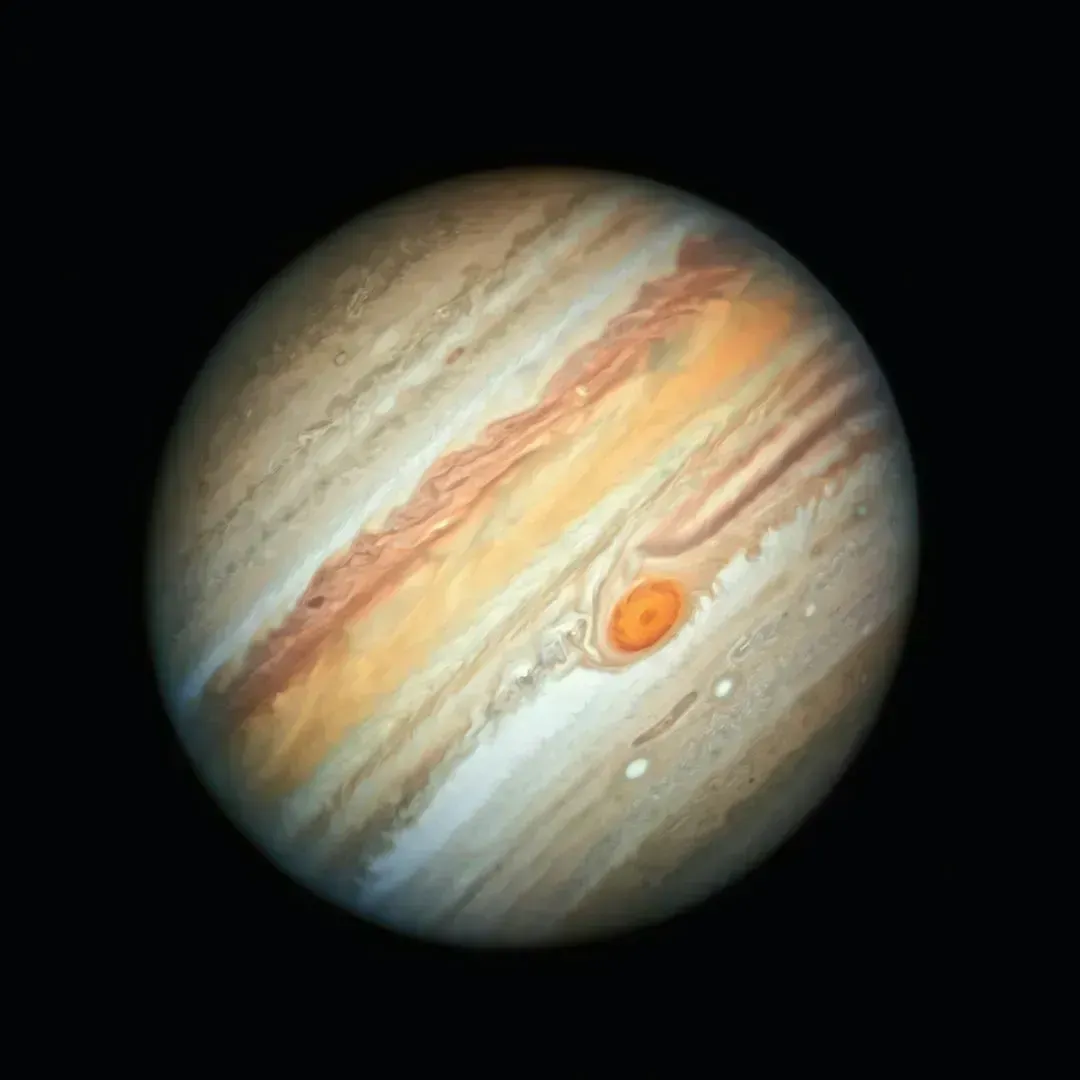
NASA’s Juno mission has returned images with swirling storms, sharp cloud filaments, and rich oranges and blues. Through a small backyard scope, Jupiter shows two darker equatorial belts, a pale disk, and usually a few bright dots nearby. Those dots are the four Galilean moons, which can shift position noticeably from one night to the next.
The Great Red Spot is often a faint, pale salmon smudge rather than a vivid red eye, and it’s only visible when it faces Earth. Much of the space imagery is enhanced in color and contrast to bring out cloud structure. Your view is truer to the raw brightness, just far less dramatic.
Saturn
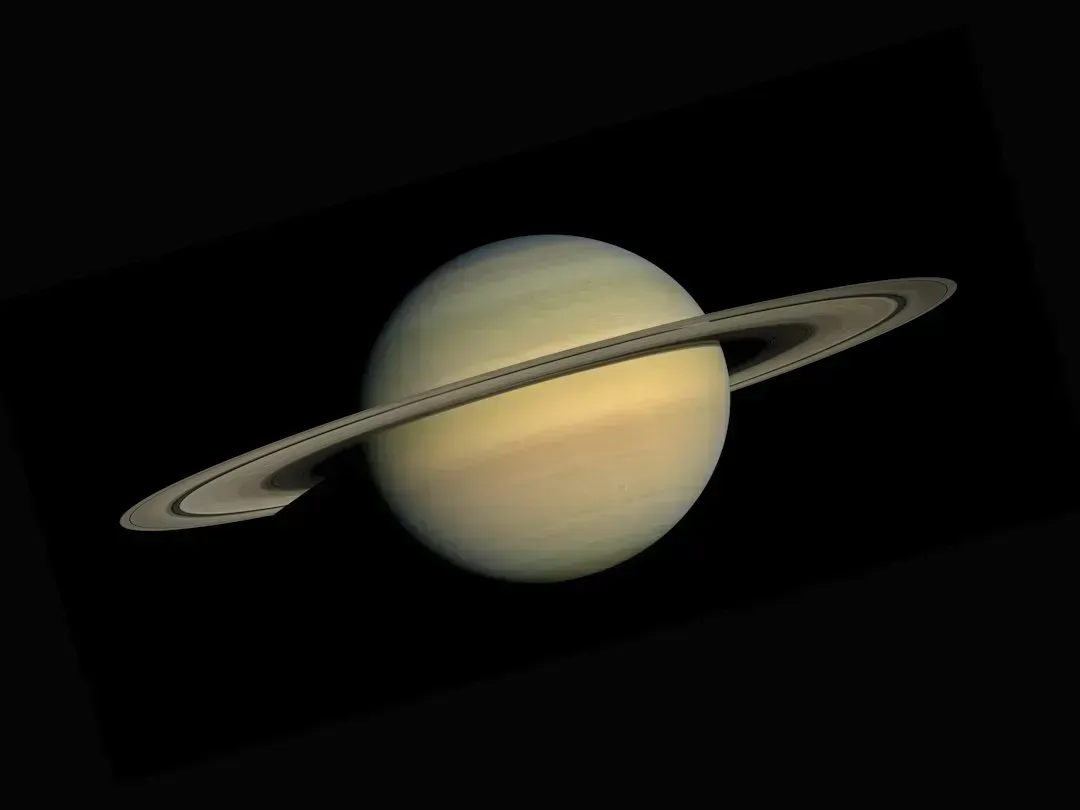
Saturn is the one that tends to win people over anyway. Cassini’s images showed the rings as intricate, layered structures with gaps and ripples. In a modest telescope, you’ll typically see a tilted golden disk with a ring system and, on steadier nights, the dark Cassini Division.
Ring tilt matters too. Saturn’s rings appear nearly edge on from Earth around 2025, which makes them look thin and less impressive than in past years. They’re expected to open up gradually afterward, so the view will change from season to season.
Mars
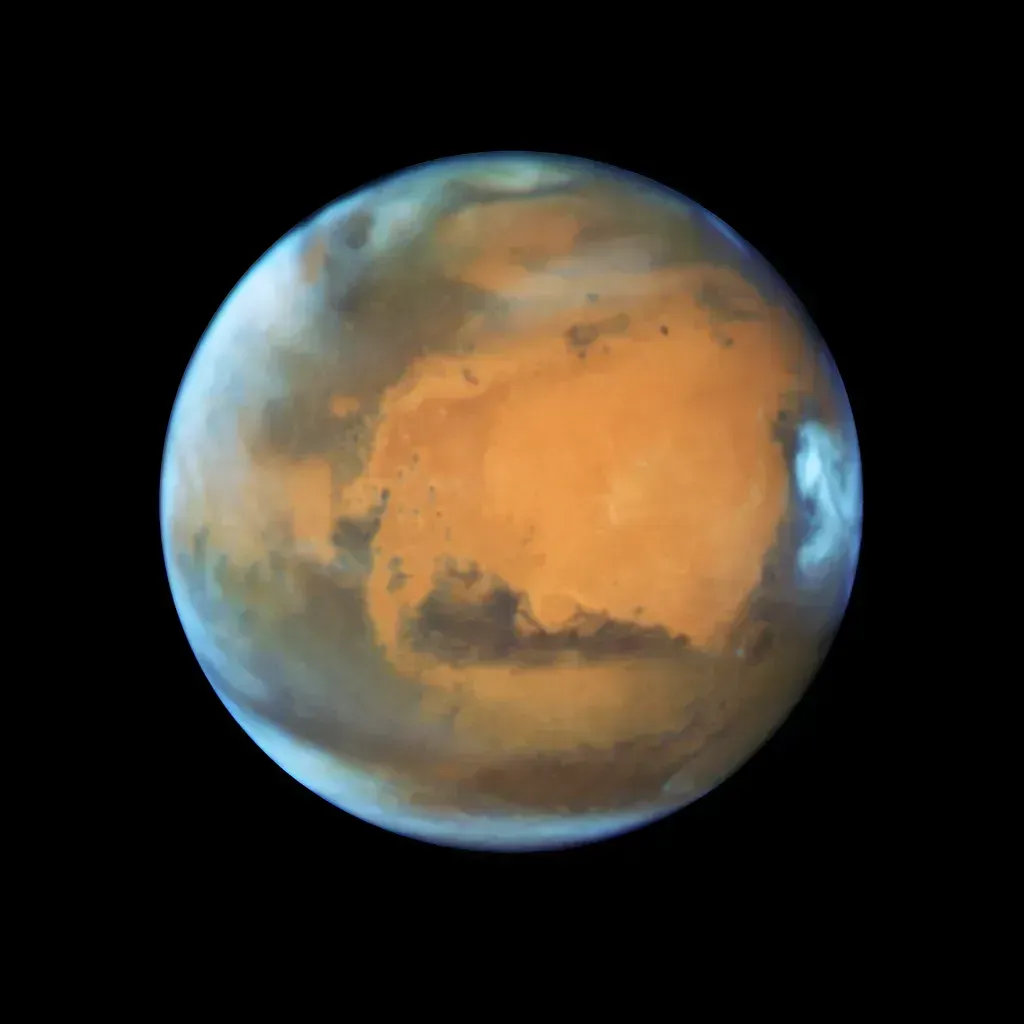
Orbiters and rovers have given us sharp images of canyons, dunes, and dust plains. Through a backyard telescope, Mars is usually a tiny orange-pink disk with little detail. Only near opposition, when Earth passes closest to it roughly every two years, does it grow large enough to show much.
Then you might glimpse a dark surface marking or a bright white polar cap. Dust storms can also blur the surface into a featureless ball. Patience and steady air help far more than extra magnification here.
Venus
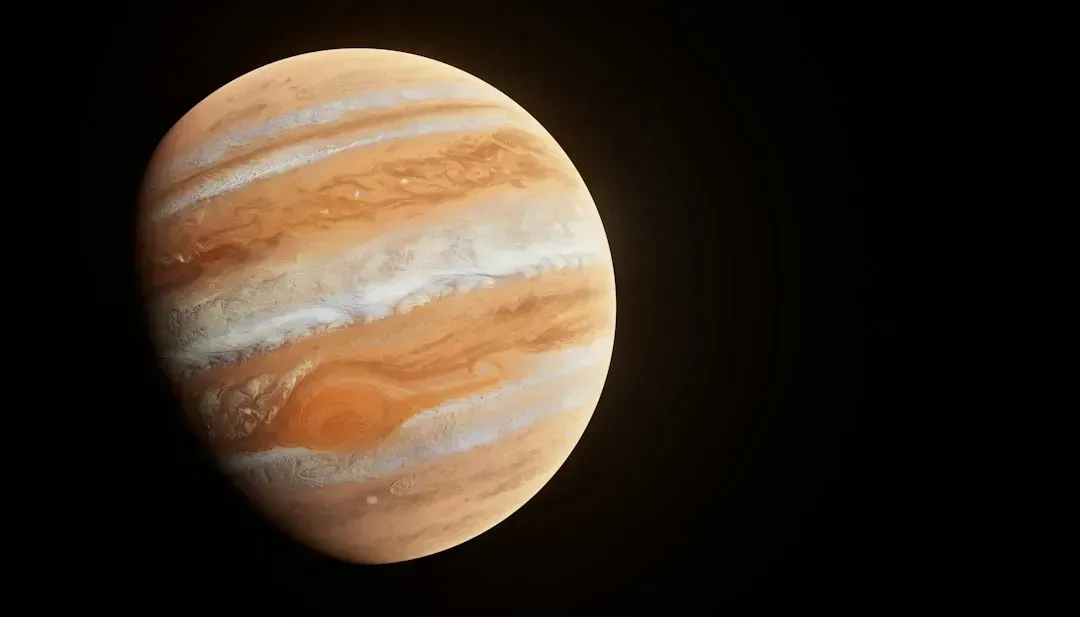
Spacecraft radar has mapped Venus’s volcanoes and highlands, but the surface is hidden under thick clouds. Visually, the planet is a brilliant, almost featureless white or cream disk. It’s among the brightest objects in the sky after the Sun and Moon.
What a telescope does show is phases, much like the Moon. Venus can look like a thin crescent, a half disk, or nearly full, depending on where it is in its orbit. Galileo noted this in the early 1600s, and it’s still a rewarding sight today.
Earth’s Moon
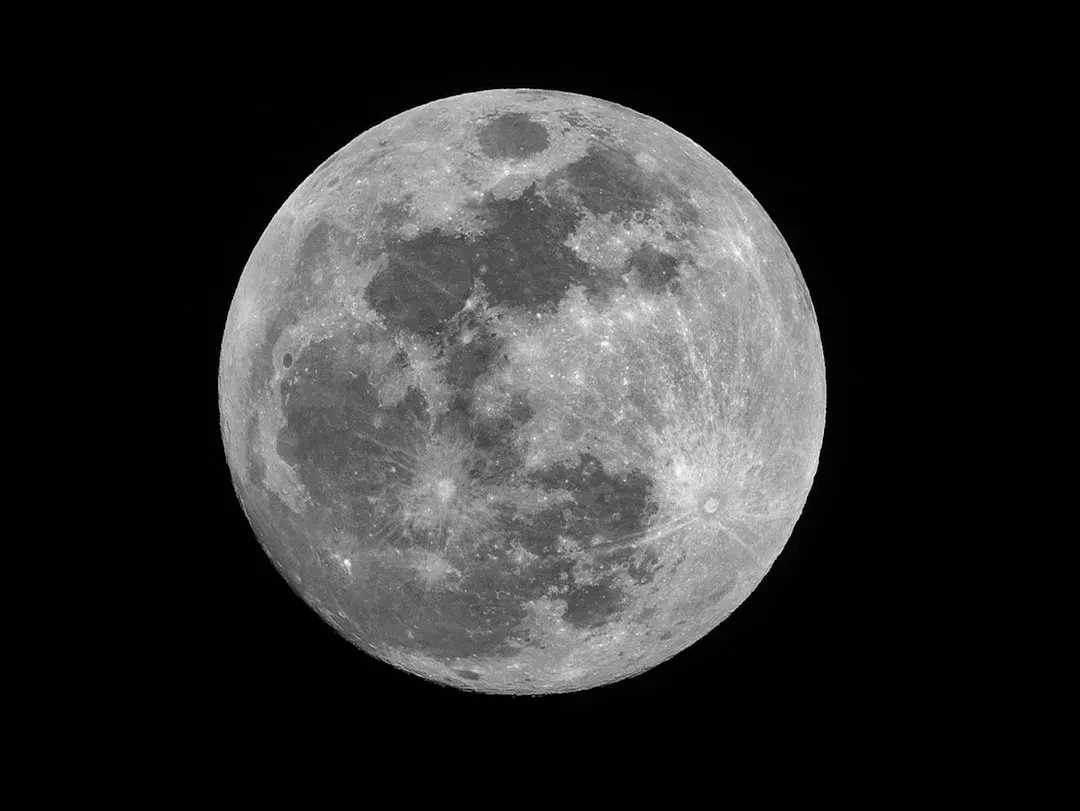
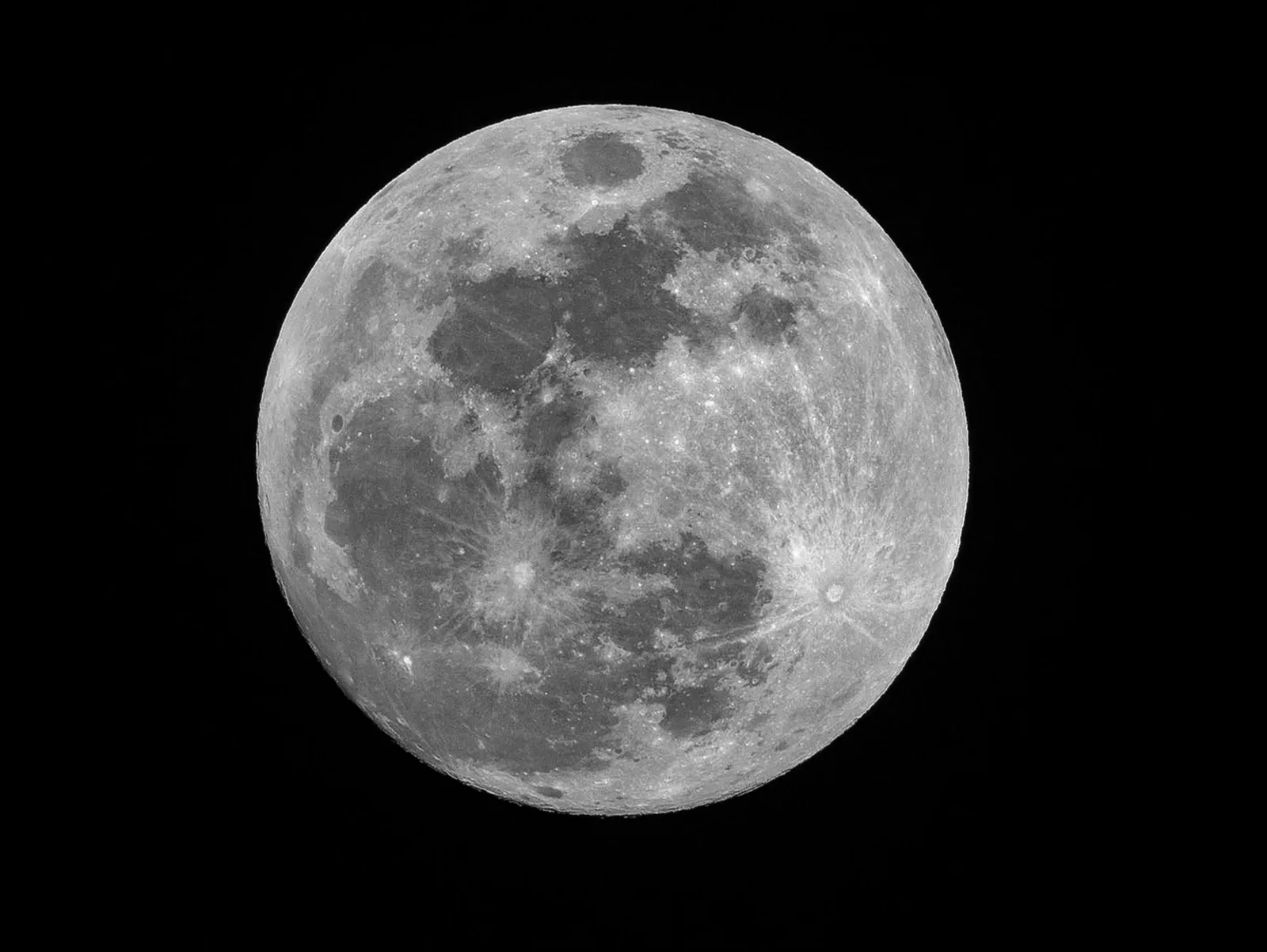
NASA’s Lunar Reconnaissance Orbiter images show craters at astonishing resolution, often with careful lighting. Through a backyard telescope, the Moon is still stunning, but the view depends heavily on the phase. Near full Moon, sunlight comes straight down and washes out shadows, so the surface looks flat and glaring.
Along the terminator, the line between day and night, long shadows make craters and mountain ranges leap out. That’s where small telescopes shine. You won’t see spacecraft level detail, but the three dimensional feel can be surprisingly strong.
Uranus
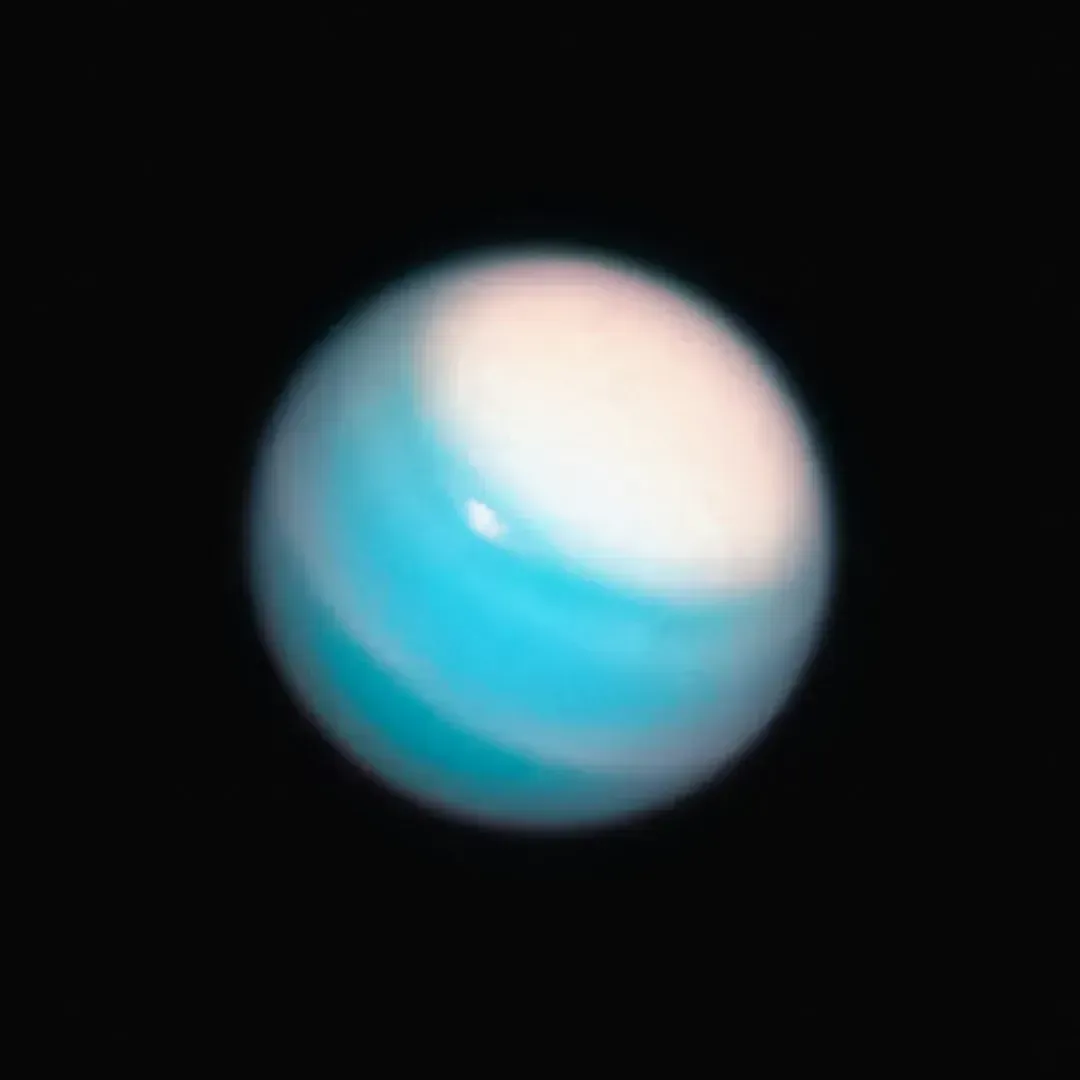
Voyager 2 flew past Uranus in 1986 and showed a smooth, pale blue-green globe. Hubble and large ground telescopes have since picked out faint bands and storms. In a backyard scope, Uranus is a tiny, pale bluish-green dot that looks more like a fuzzy star than a planet.
You’ll likely need a star chart or app to find it. With moderate magnification, its small disk becomes noticeable, which is itself the reward. Atmospheric features are far beyond typical amateur equipment.
Neptune
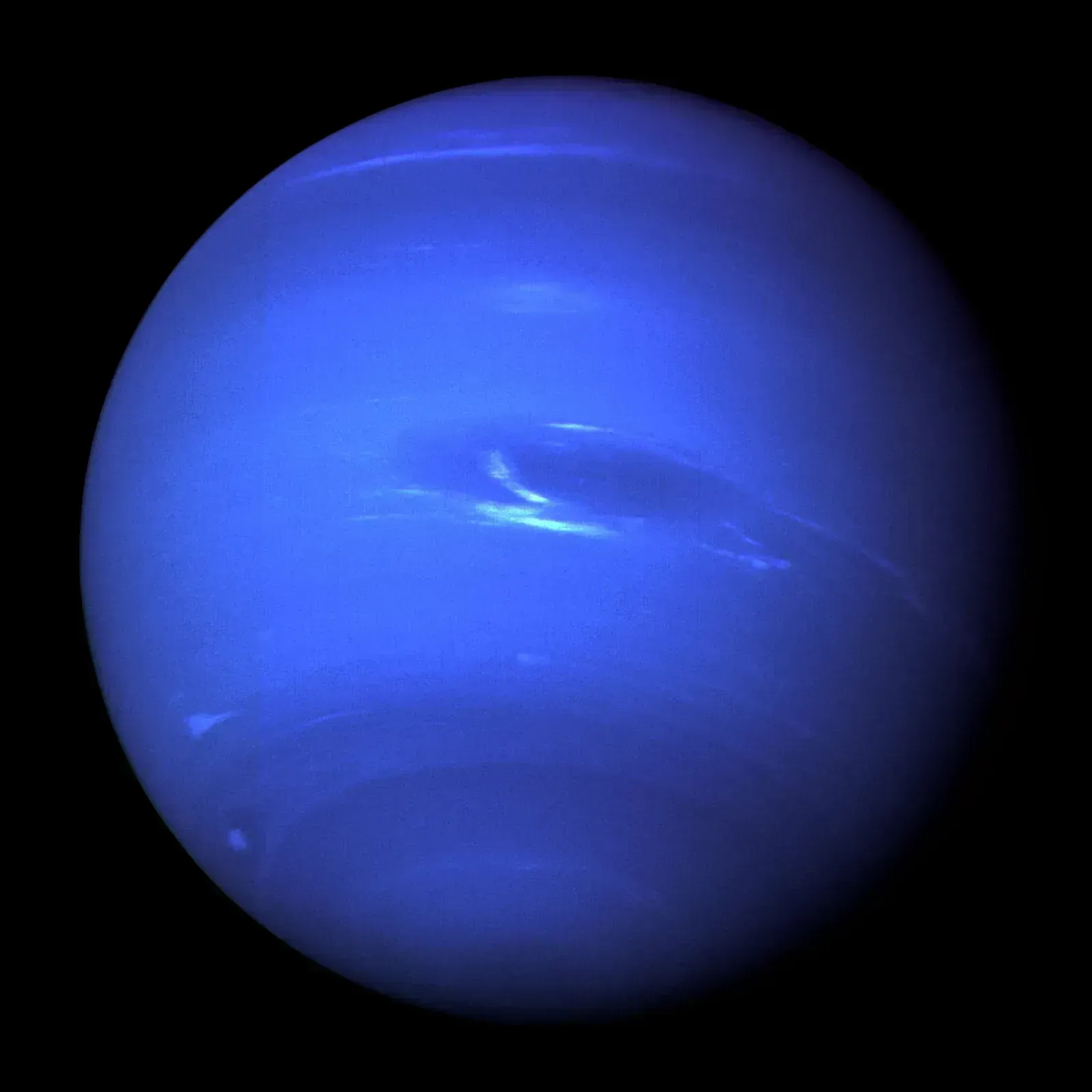
Voyager 2’s 1989 images revealed a deep blue world with a Great Dark Spot and streaky white clouds. Through a small telescope, Neptune is a faint blue-gray point, dimmer than Uranus and requiring a good sky map to identify. It’s too far away, roughly thirty times the Earth-Sun distance, to show any weather.
The deep blue in space images is partly a matter of processing. Visually, it’s subtler and more muted. Even so, spotting its tiny disk, and perhaps its large moon Triton with a bigger scope, is a quiet thrill for many observers.
Part of the appeal of backyard astronomy is that the light you see left those worlds only minutes or hours ago, and it reached your eye directly. No image processing stands between you and the planet. The view is fainter than the pictures, yet it’s yours alone.
