


- Phantom Energy Sucking Power 24/7 – 7 Home Electronics Quietly Inflating Utility Bills - November 14, 2026
- A Million-Mile Storm Raging for Centuries – 6 Violent Weather Wonders in Our System - November 14, 2026
- Animals Flee Hours Before the Tremor – 7 Natural Warnings Before Disasters Strike - November 14, 2026
Most people know the smell. It rises from warm pavement or dry garden soil when the first drops of rain land, and it’s hard to mistake for anything else.
For a long time it was just something people noticed and enjoyed. Then two Australian researchers gave it a name and started asking where it came from. The answer turned out to involve rocks, bacteria, and some surprisingly fast physics.
A Word Built From Greek Roots
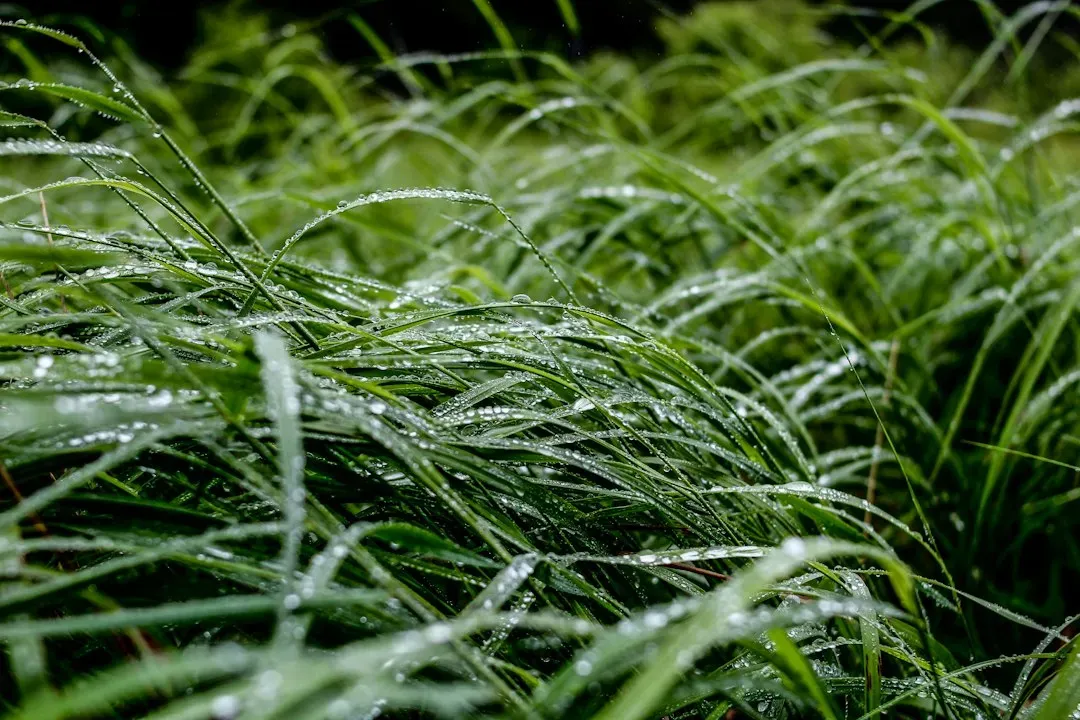
Petrichor was coined in 1964 by two Australian scientists, Isabel Joy Bear and Richard G. Thomas. They published their work in the journal Nature. The word combines the Greek petra, meaning stone, with ichor, the fluid that flowed in the veins of the gods in Greek myth.
It’s a poetic choice for a scientific paper. Still, it fits, since the researchers were tracing the smell to something that seemed to come out of stone and clay. The name stuck and is now the standard term for the scent of rain on dry ground.
What the 1964 Study Actually Did
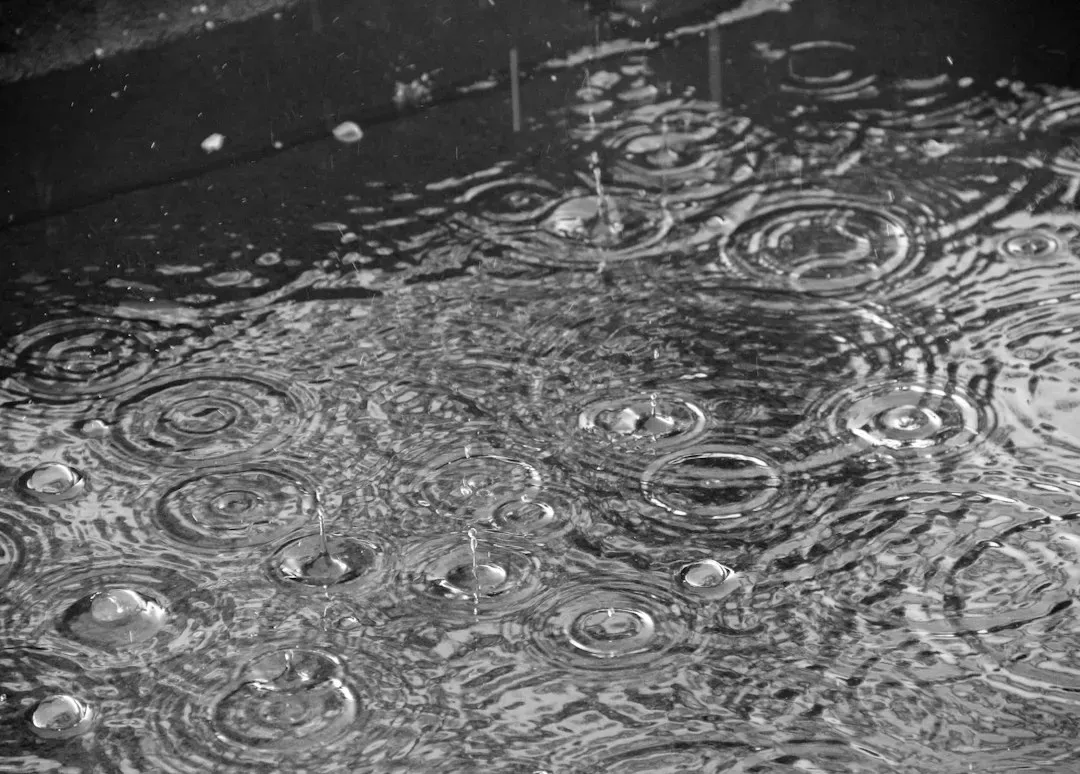
Bear and Thomas worked at the CSIRO, Australia’s national science agency. They steam distilled certain rocks and clays and collected a yellowish oil that carried the familiar odor. They concluded that the oil built up in dry periods and was released when moisture arrived.
Their paper described the smell as an argillaceous odor, meaning tied to clay. They also noticed that the oil seemed to slow seed germination, suggesting plants might use it as a signal. Later research has refined much of this picture, though the core idea of a stored compound released by rain has held up.
Geosmin Is the Main Character
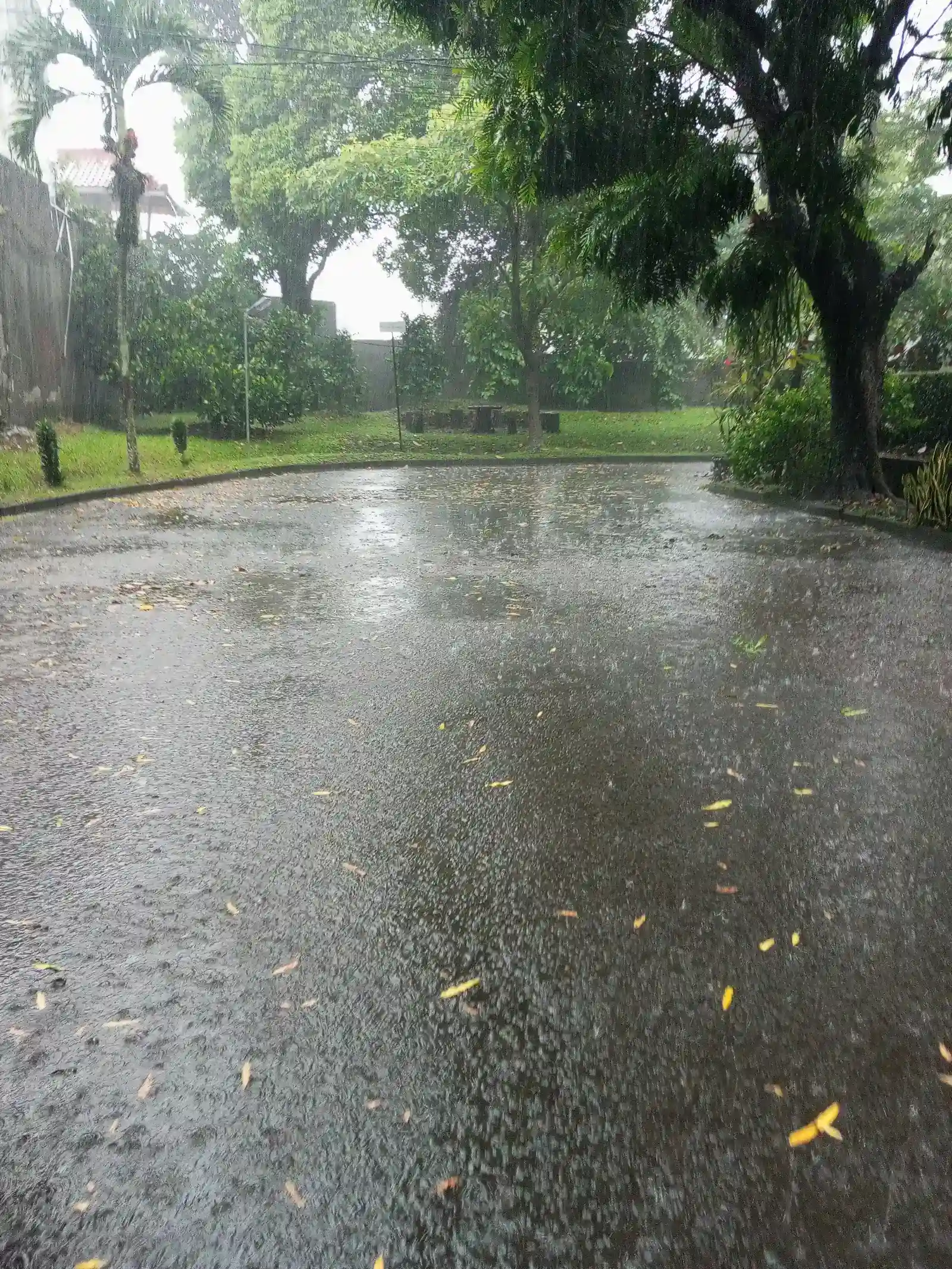
The compound most responsible for the earthy note is geosmin. Its name comes from Greek words meaning earth and smell. It was identified as a distinct chemical in the mid 1960s, shortly after the petrichor paper appeared.
Geosmin isn’t limited to rainy soil. It also gives beets their earthy flavor, and it can cause a muddy taste in drinking water or freshwater fish. That’s why water utilities monitor it, even though it isn’t considered harmful at the levels usually found.
Soil Bacteria Make It
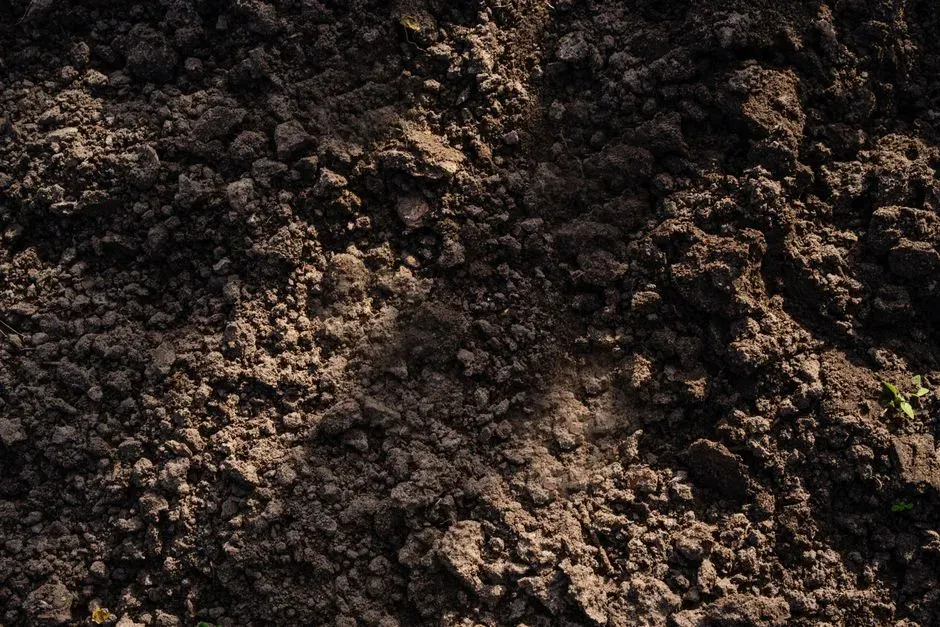
Geosmin is produced by microbes, not by rock itself. The best known producers are Streptomyces, a large group of bacteria common in soil. Some cyanobacteria and other microbes make it as well.
Streptomyces release geosmin as they grow and, in particular, when they form spores. During a dry spell, the compound accumulates in soil and on surfaces. When rain arrives, it gets lifted into the air, and that’s the smell people notice.
Why Human Noses Catch It So Easily

People are remarkably sensitive to geosmin. We can detect it at concentrations of only a few parts per trillion, which is far lower than what we can pick up for most other odorants. That’s roughly like noticing a single drop diluted through an Olympic sized swimming pool, and then some.
Nobody has proven exactly why our noses are tuned this way. One common suggestion is that sensing geosmin helped our ancestors find water or fertile ground. It’s a plausible idea, though it remains a hypothesis rather than a settled fact.
How Raindrops Launch the Scent
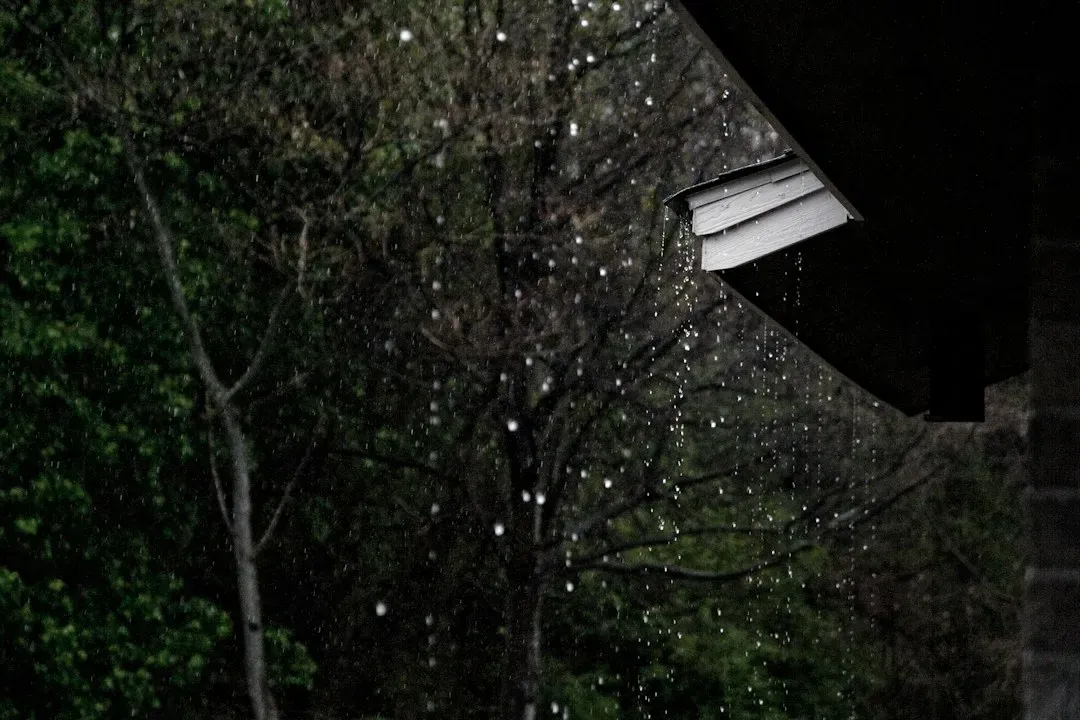
In 2015, researchers at MIT, Youngsoo Joung and Cullen Buie, published a study in Nature Communications using high speed cameras. They filmed raindrops hitting more than a dozen types of surfaces, including soils and engineered materials. When a drop lands on a porous surface, it traps tiny air bubbles that rise and burst, throwing fine aerosols into the air.
Those aerosols can carry aromatic compounds, along with bacteria and viruses, and drift on the wind. The team found that gentle to moderate rain produced more aerosols than a heavy downpour. That matches everyday experience, since the smell is often strongest at the start of a light shower.
Why It’s Strongest After a Dry Spell
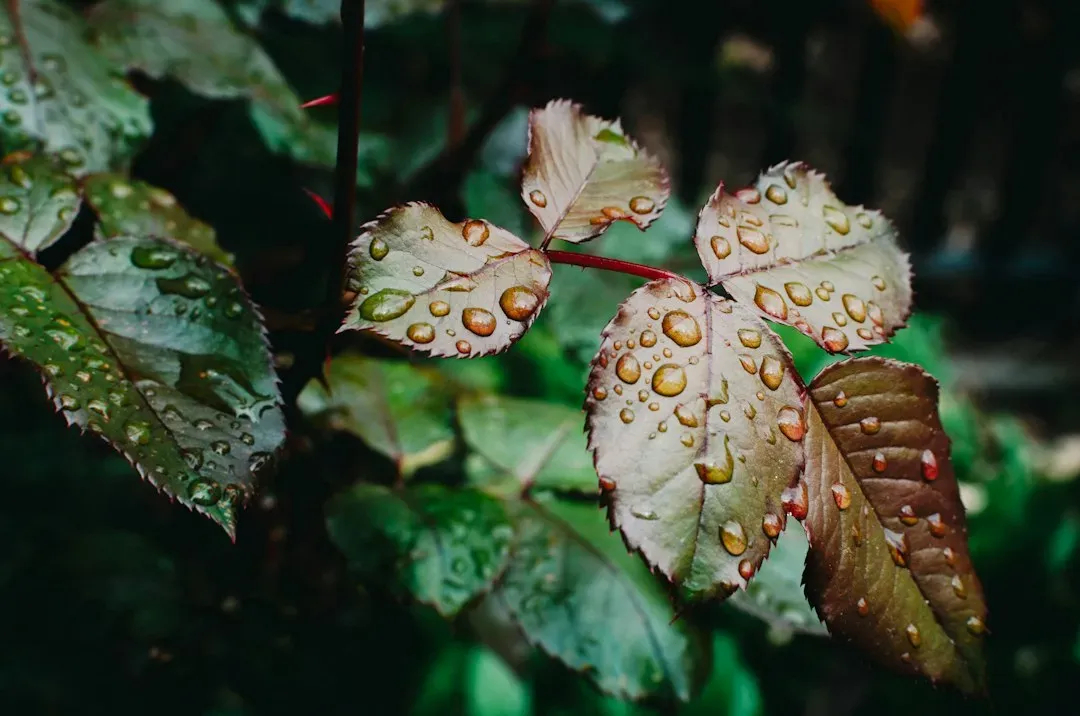
The scent builds up when the ground is dry, because soil microbes keep producing geosmin and plant oils keep accumulating. Rain then releases the stored material all at once. After several days of steady rain, most of it has been washed away or diluted, so the smell fades.
Soil type and surface matter too. Porous, dry ground tends to hold more of the compounds and launch more aerosols than smooth, wet surfaces. This helps explain why a dusty road can smell stronger than a rain soaked lawn.
Ozone and the Smell Before the Storm
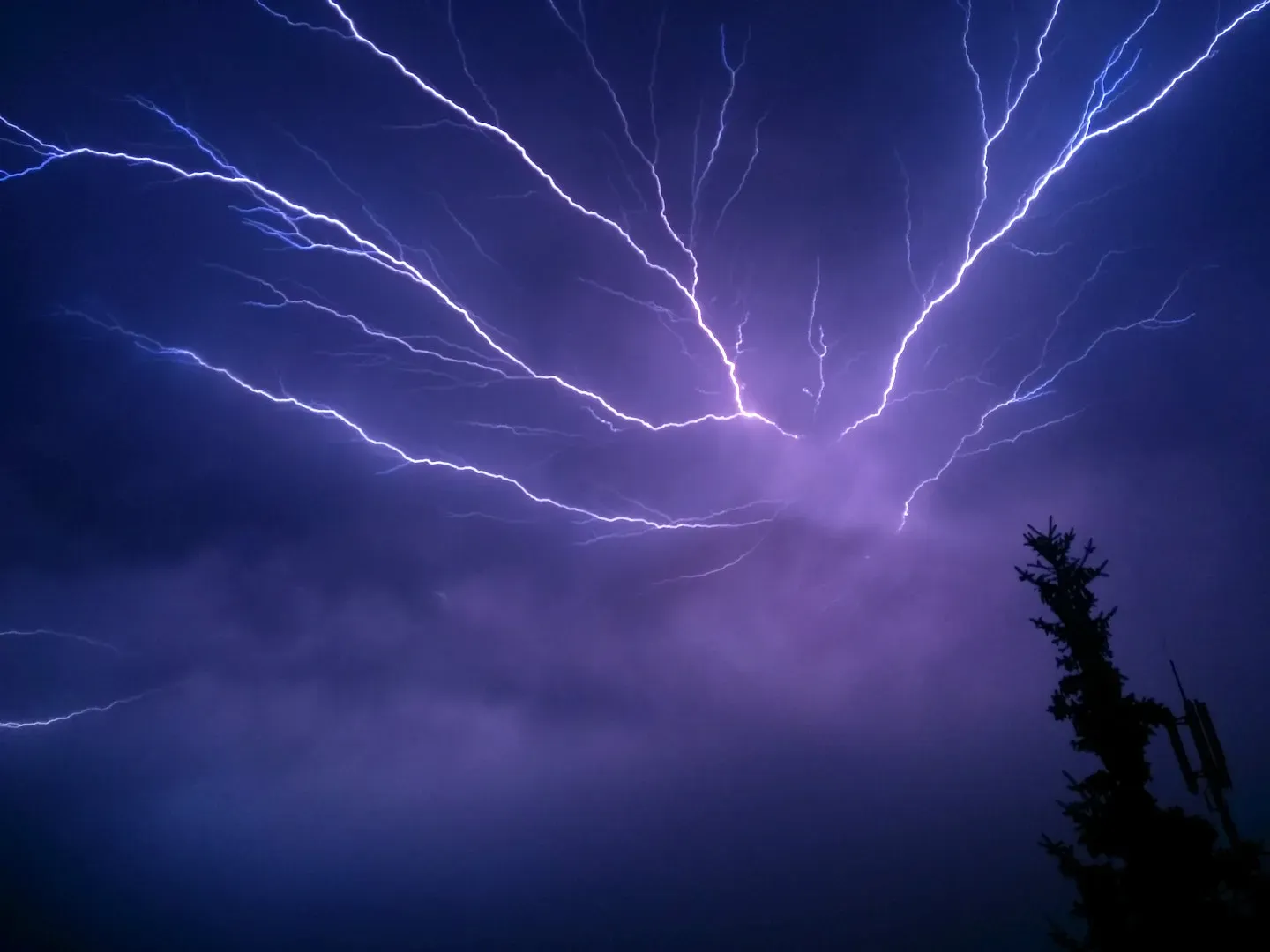
Not every rain smell is petrichor. A sharp, clean scent sometimes arrives just before a storm, and that is usually ozone. Lightning can split oxygen and nitrogen molecules, and the resulting chemistry produces ozone, which downdrafts may carry to ground level.
Ozone has a very different character from geosmin, sharper and more like a chlorine tinged freshness. So the full experience of a storm can combine two separate smells. One comes from the sky, and the other comes from the soil.
Why Some Animals Care About It Too
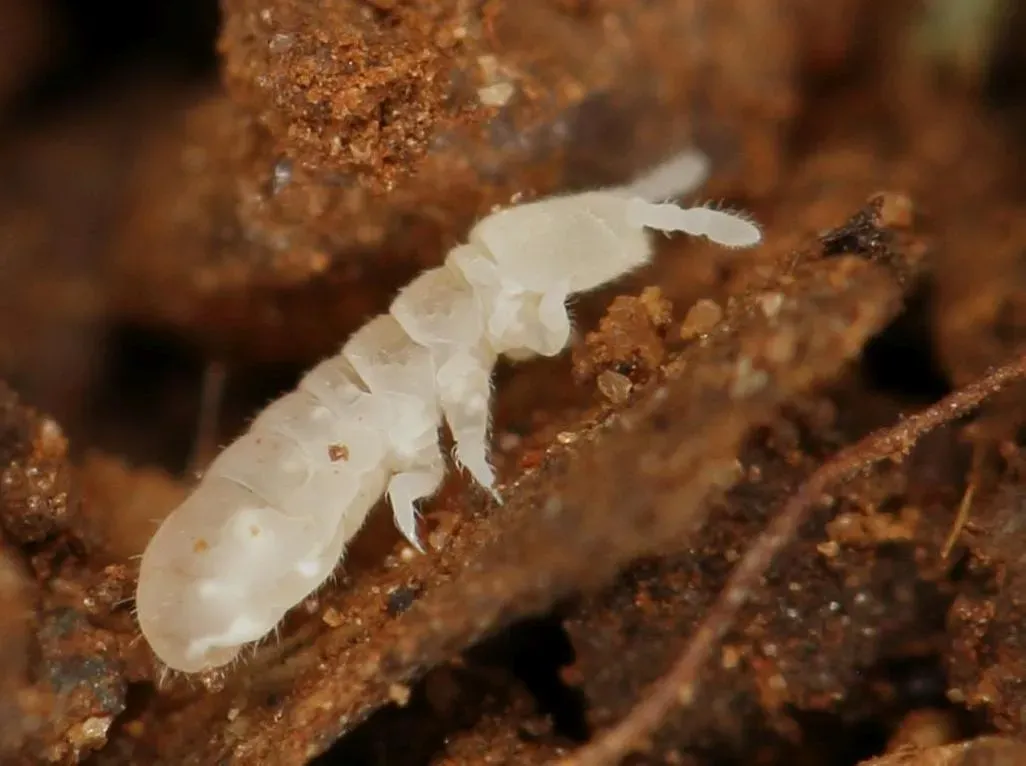
Geosmin may matter to creatures other than people. A 2020 study in Nature Microbiology found that springtails, tiny soil dwelling arthropods, are drawn to the scent of Streptomyces. The springtails eat the bacteria and then carry their spores elsewhere, helping the microbes spread.
The researchers also found that geosmin was a key signal in this attraction. It suggests the smell serves a job in soil ecosystems, beyond being a pleasant background note for humans. What we experience as the smell of rain is, for a springtail, something closer to a dinner bell.
