

- Phantom Energy Sucking Power 24/7 – 7 Home Electronics Quietly Inflating Utility Bills - November 14, 2026
- A Million-Mile Storm Raging for Centuries – 6 Violent Weather Wonders in Our System - November 14, 2026
- Animals Flee Hours Before the Tremor – 7 Natural Warnings Before Disasters Strike - November 14, 2026
In early June 1944, the largest amphibious invasion in history sat ready on the south coast of England. Thousands of ships were loaded, and troops had been sealed into their camps. The whole plan depended on the sea, the sky, and the tides behaving themselves for a few hours.
The original date was June 5, and it didn’t hold. A forecast changed the schedule by a single day, and that day shaped how the landings unfolded. The story is less about one dramatic decision than about a careful argument among meteorologists and commanders.
The Date Was Never Really Flexible
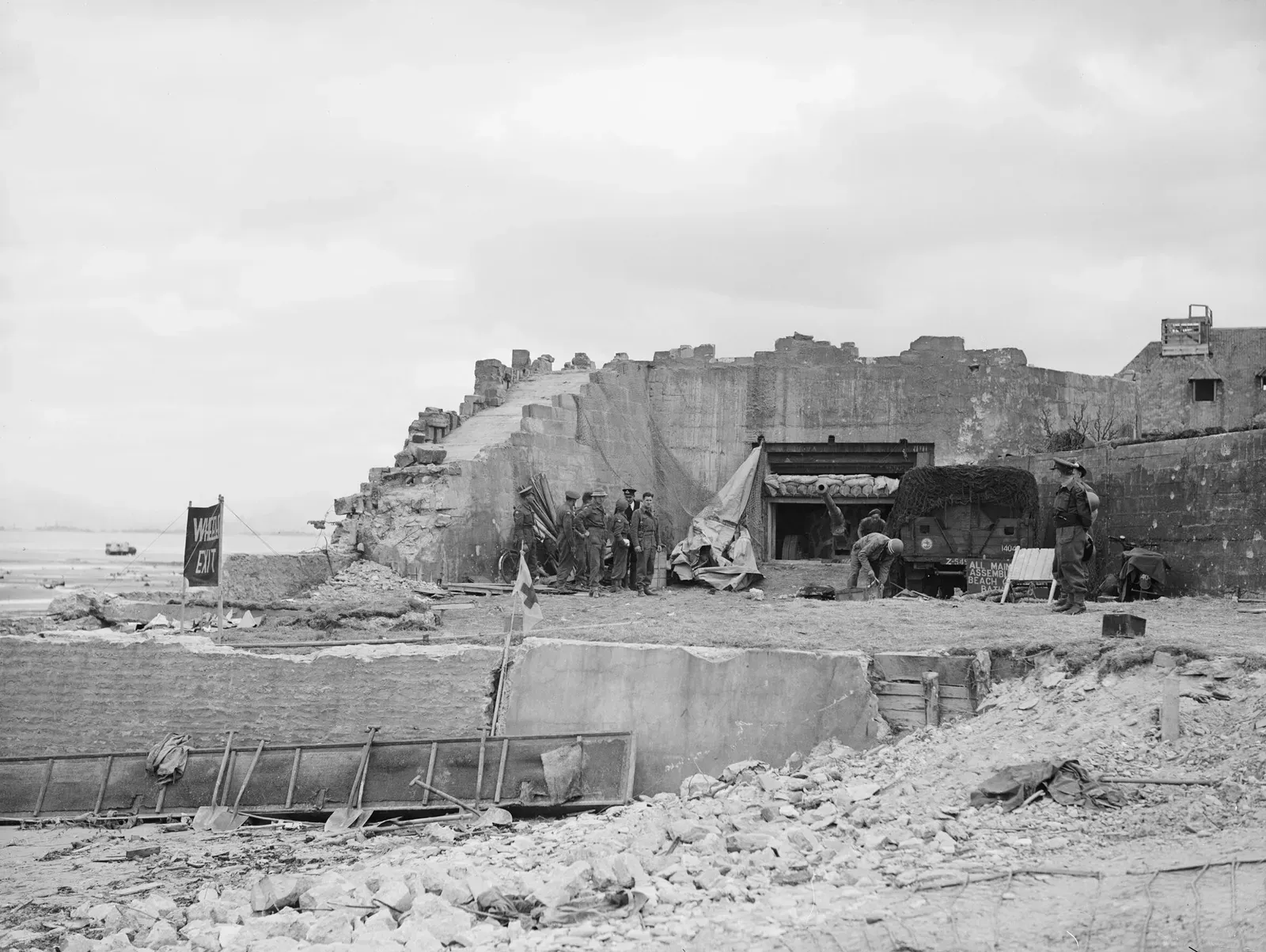
Operation Overlord needed a rare mix of conditions. Planners wanted a low tide at dawn so obstacles on the beaches would be visible, along with moonlight for the airborne drops the night before. Those factors narrowed the choice to a few days in each lunar cycle.
June 5 was the first choice, with June 6 and 7 as backups. Missing that window would have meant waiting roughly two weeks for the tides to line up again. That pressure made the weather question far heavier than it might sound.
Eisenhower Had a Brutal Balancing Act
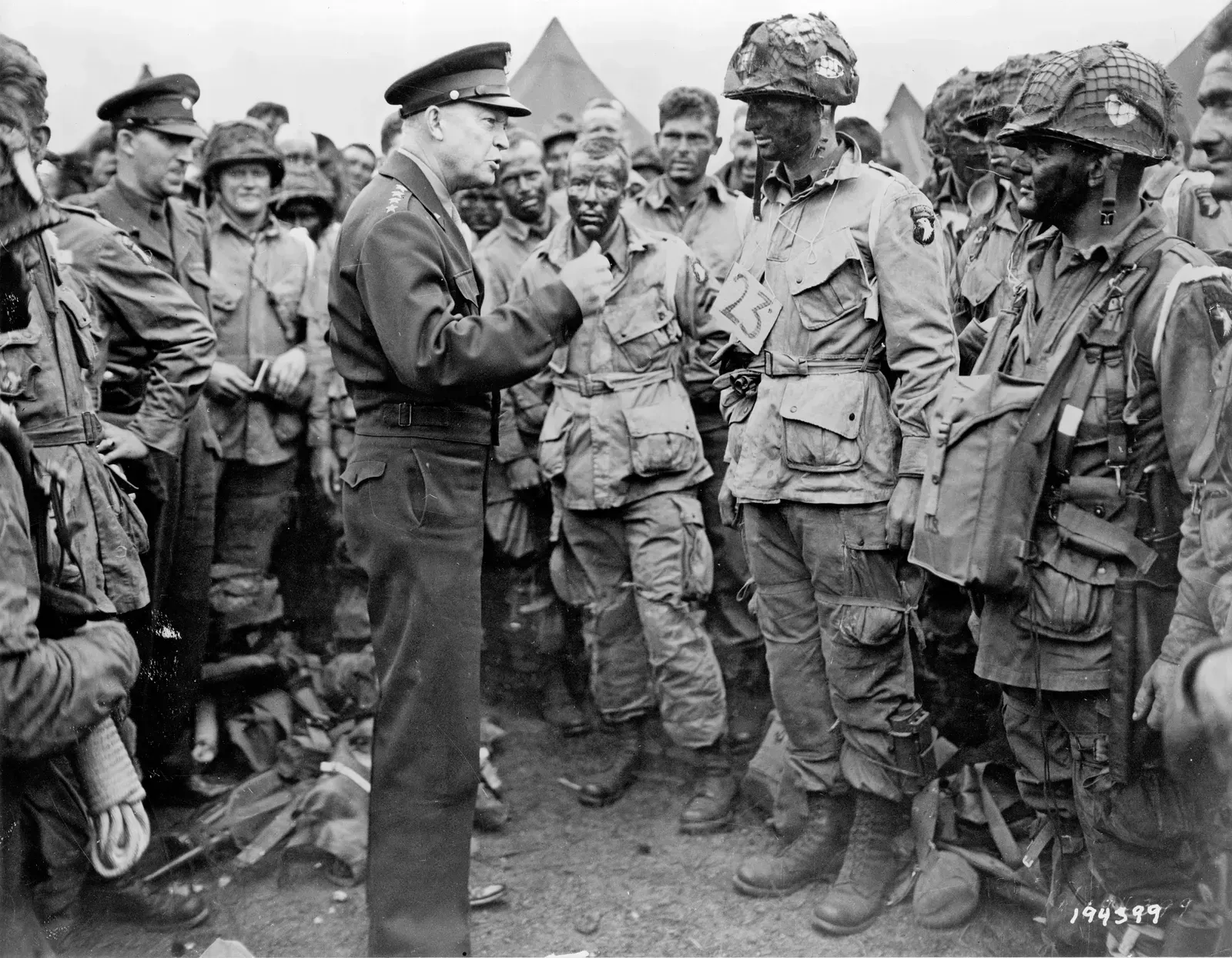
General Dwight D. Eisenhower, the Supreme Allied Commander, had to weigh delay against risk. Troops already aboard ships would be sitting in crowded, rough conditions, and secrecy became harder to keep with every extra day. A wait of two weeks would also have put more strain on a force already assembled.
Still, launching into bad weather could wreck the landings. Low cloud would blunt air support, and rough seas could swamp landing craft. He relied on his weather advisers to tell him which risk was greater.
A Team of Forecasters Who Disagreed
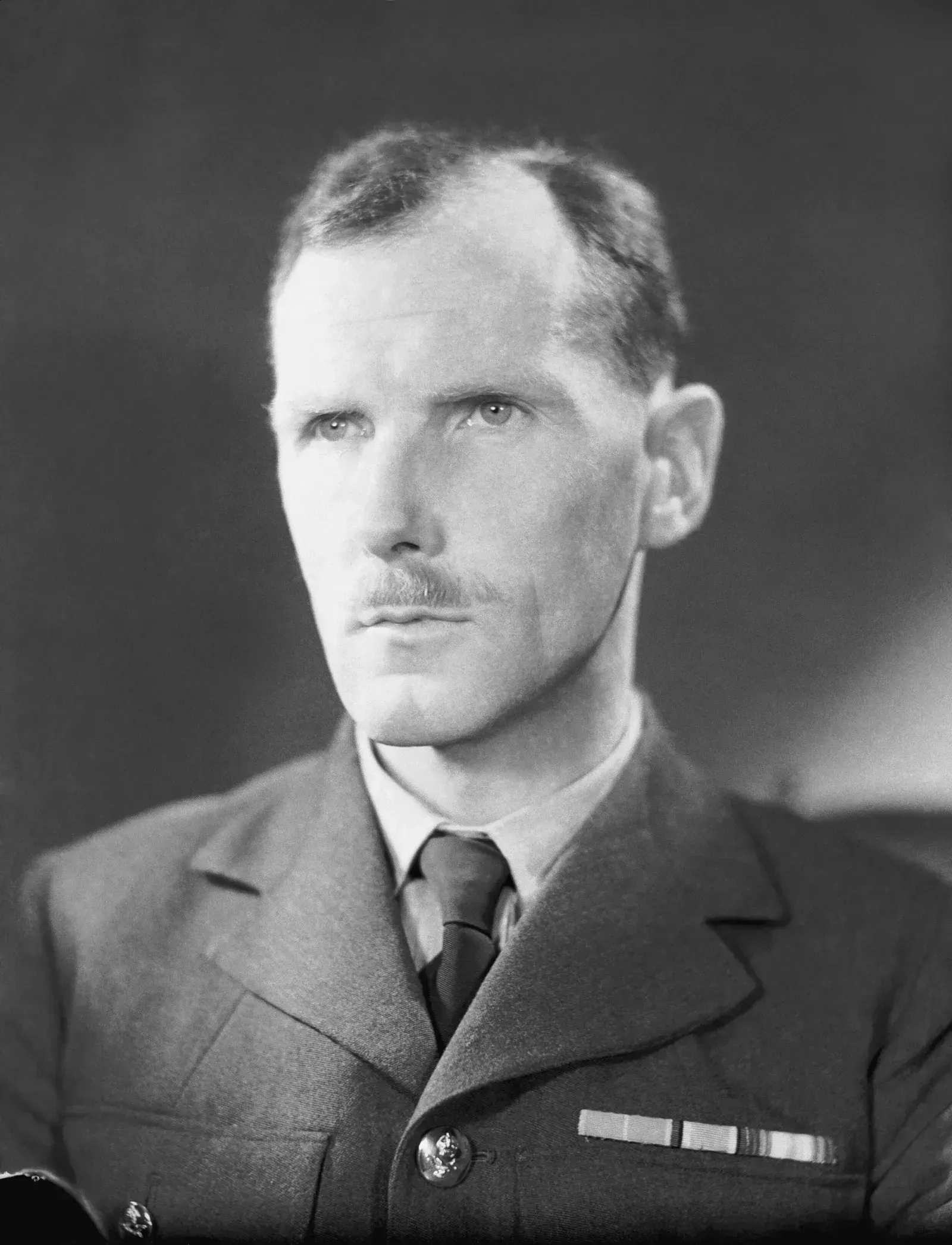
The forecasting was not handled by a single person. Group Captain James Stagg of the British Meteorological Office served as chief meteorological adviser to Eisenhower, and he worked with teams from the Royal Navy, the Met Office and the US Army Air Forces.
These groups used different methods and often reached different conclusions. Stagg had to reconcile them and present a coherent view to the commanders. That disagreement is a big reason the decision was so tense.
Why the Atlantic Made Forecasting So Hard
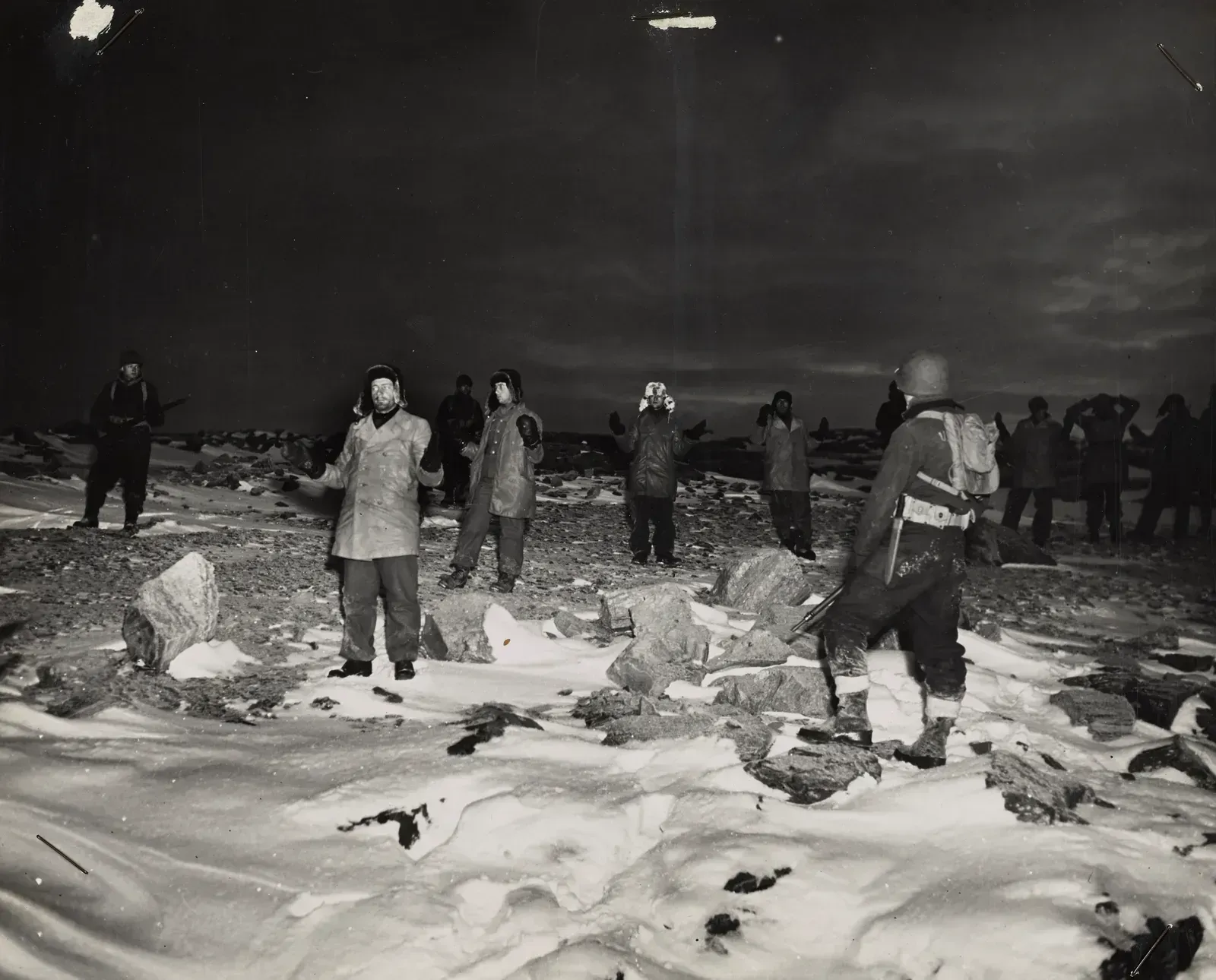
In 1944 there were no weather satellites and no computer models. Forecasters relied on ship reports, aircraft observations and land stations, and the crucial weather in the North Atlantic came from a data-poor region. The Allies had some advantage from their reports in the west, while German forecasters had fewer observations to work with.
The result was uncertain guidance that had to be read carefully. Forecasts a few days ahead were far less reliable than today’s. Every prediction carried real doubt.
The Storm That Arrived on June 4
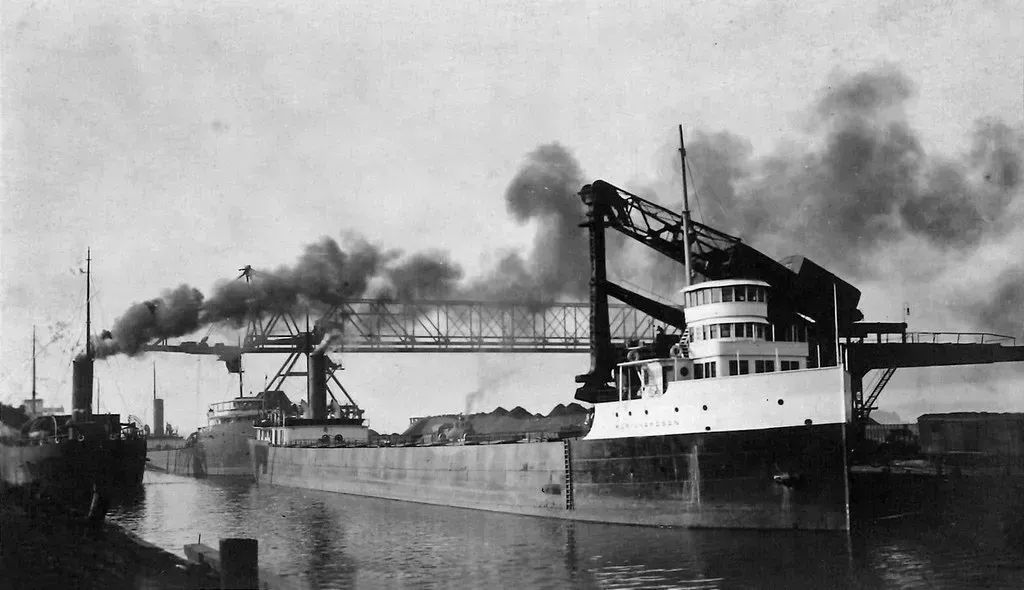
As the first date approached, a low pressure system moved in from the Atlantic. Forecasters warned that June 5 would bring strong winds, heavy cloud and rough seas across the Channel. On the night of June 3 and into June 4, Eisenhower postponed the operation by a day.
Some ships had already sailed and had to be recalled. One convoy was reached and turned back only with difficulty. It was a messy, nerve-testing start to what was meant to be a precise operation.
The Break in the Weather
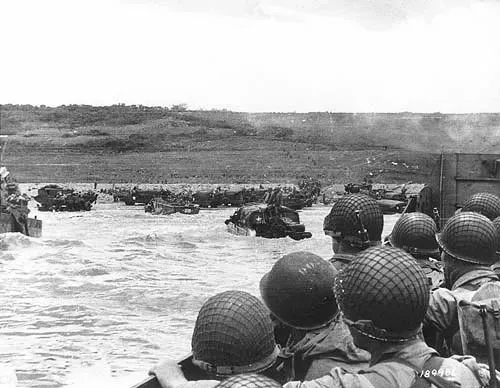
Late on June 4, the forecasters saw a possible clearing. A ridge of higher pressure was expected to bring a temporary improvement on June 6, though it was not going to be perfect. Stagg presented that outlook at a meeting held at Southwick House, near Portsmouth.
The commanders then met again in the early hours of June 5. The forecast held, and Eisenhower gave the order to go. The invasion would proceed on June 6, a day later than planned.
What the Delay Meant for the Germans
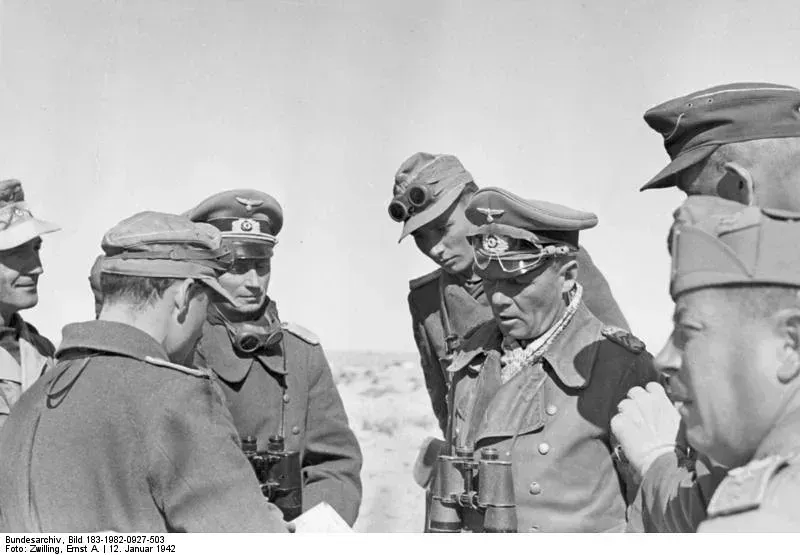
German commanders read the same stormy weather and judged an invasion unlikely. Field Marshal Erwin Rommel left France for Germany to visit his wife on her birthday, and other senior officers were also away from their posts. That gave the Allies a measure of surprise.
The bad weather had, in effect, worked as cover. German patrols and naval activity were reduced because the sea looked too rough. The Allies gained from a forecast that their opponents could not see the same way.
The Weather Still Wasn’t Good on D-Day
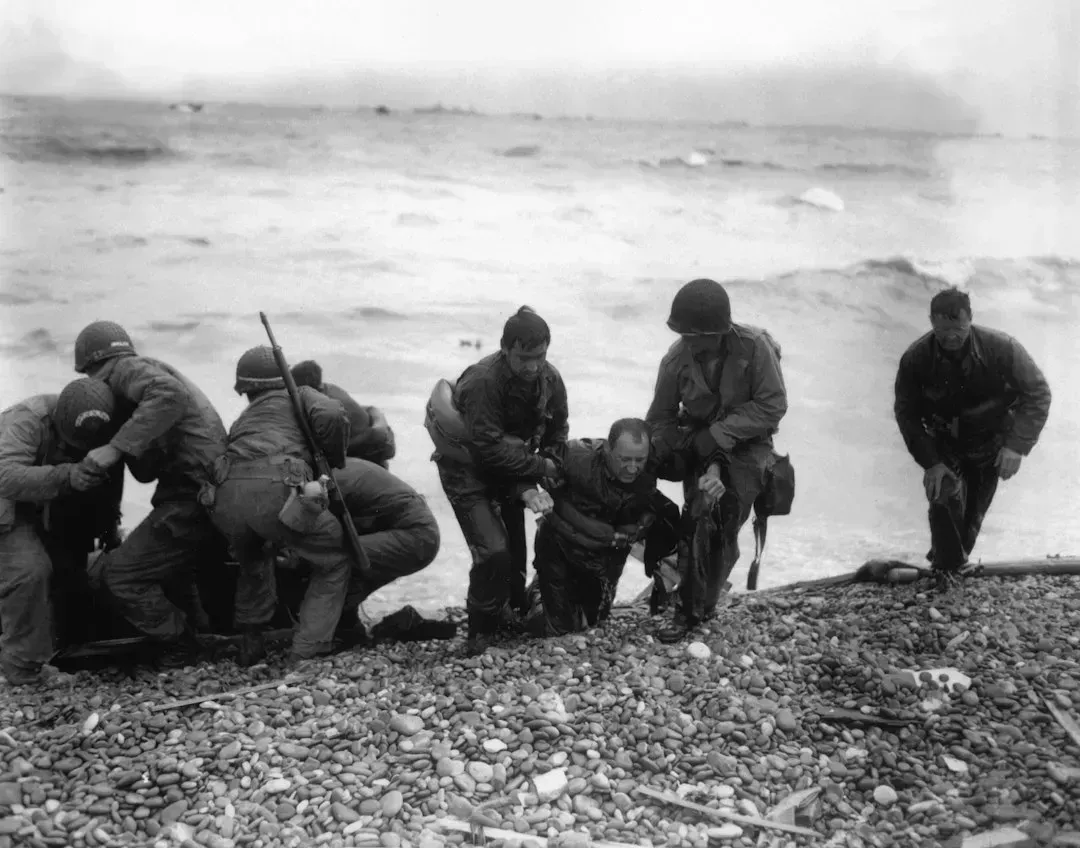
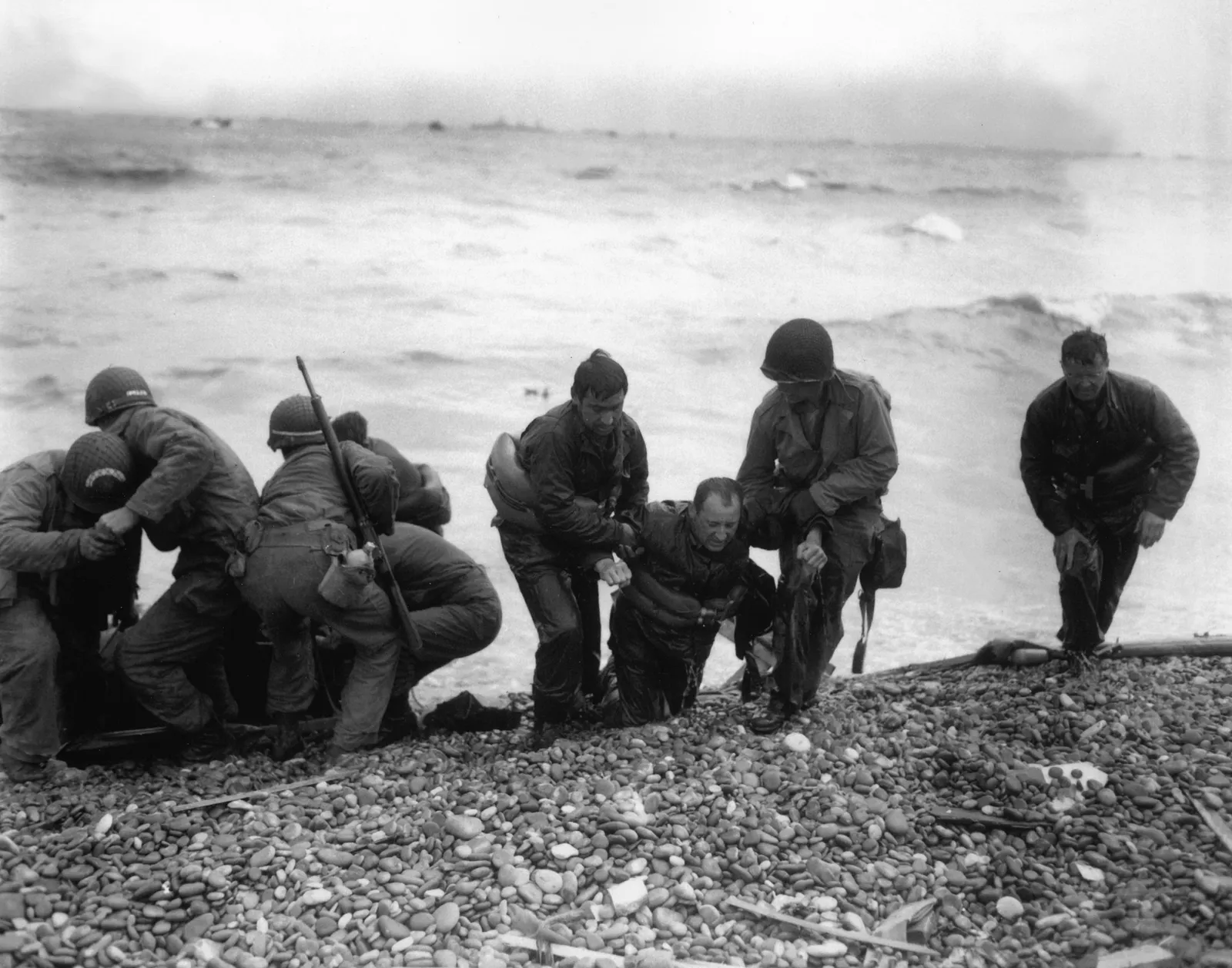
The improvement was limited. Cloud cover disrupted parts of the air campaign, and rough seas made the landings difficult for many troops. Some amphibious tanks were lost in the swell, and bombing accuracy suffered in places.
Even so, the conditions were workable enough for the operation to proceed. The delay had bought a usable window rather than a perfect one. The next spell of good weather did not come easily, as a severe storm hit the Channel around June 19.
The Storm That Would Have Followed
That later storm is often cited as evidence that the forecast decision mattered. It damaged the artificial Mulberry harbor at Omaha Beach beyond use, and it slowed the delivery of supplies for days. Had the invasion been pushed back by two weeks, it would have run straight into that gale.
Historians generally regard the June 6 choice as well judged, though it rested on uncertain information. The forecast did not guarantee success. It gave commanders the best available reading of a narrow opening, and they acted on it.
How the Story Is Remembered Now
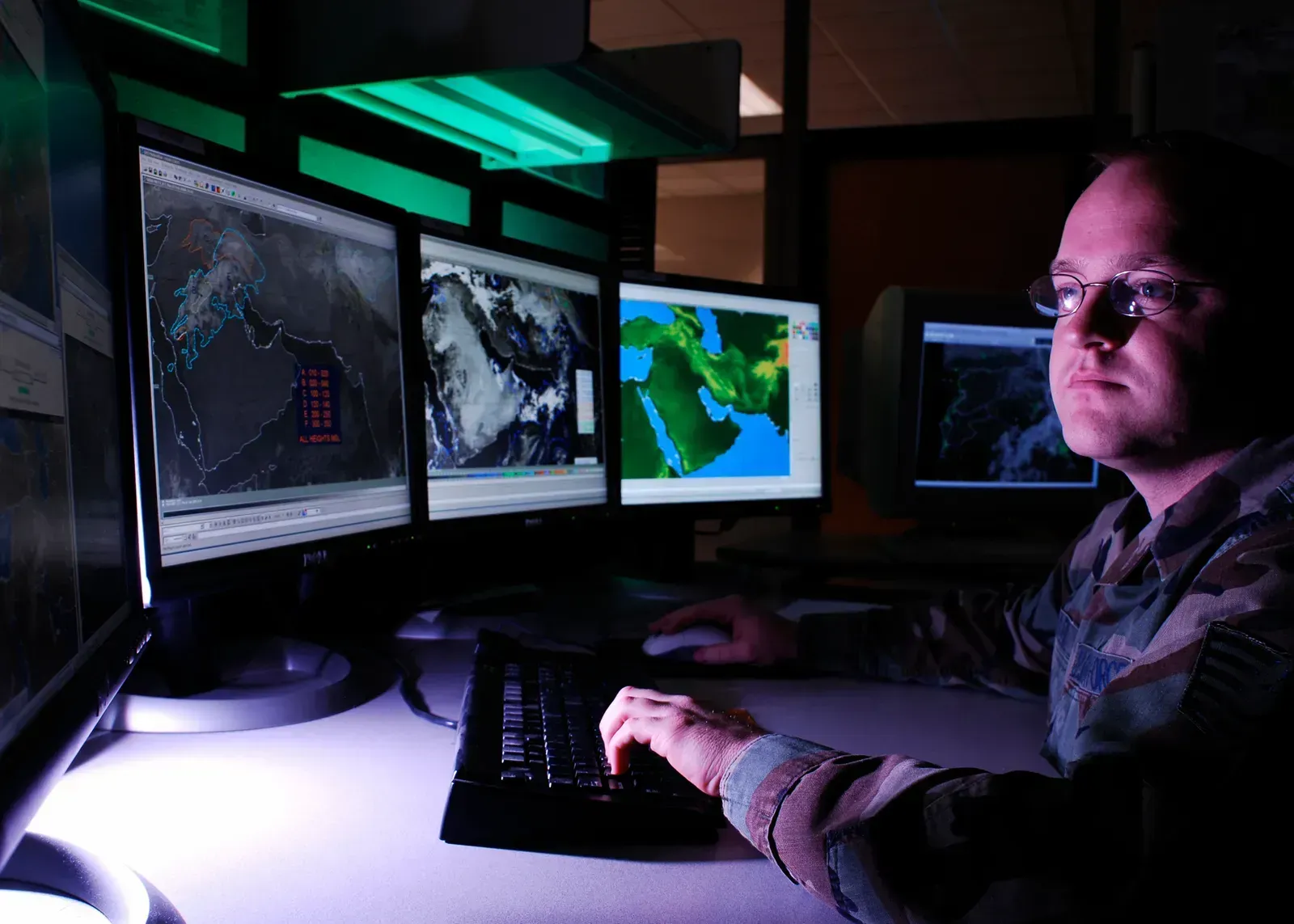
The episode is widely taught as an example of decision making under uncertainty. Military and meteorological histories, including accounts published by the Met Office, describe how forecasters and commanders handled conflicting advice. The 80th anniversary in 2024 brought fresh attention to the story of the forecast team.
The lesson is a simple one. A one day delay, based on a forecast with real doubt in it, allowed the invasion to launch in a window that just about worked.
