


- The Planet Where It Rains Liquid Glass – 7 Alien Worlds Defying Known Physics - November 14, 2026
- Stars Consuming Entire Worlds – 6 Planetary Systems Swallowing Their Own Worlds - November 14, 2026
- The Ground Liquefies Like Water – 6 Silent Fault Lines Geologists Watch Closely - November 14, 2026
Ask a meteorologist about the hottest days in American history, and many of the answers land in a single decade. Across the nation, 21 of the 50 states set their record high temperatures in the 1930s, the highest share of any decade by far. Other tallies that count ties put the number a little higher, so the exact figure depends on how you count.
The reason isn’t a mystery. The 1930s were the decade of the Dust Bowl, when heavy overplowing of the Great Plains was followed by ocean cycles that favored a multiyear drought. Dry soil heats up fast, and the summers of 1934 and 1936 showed how far that can go. Here are nine marks from that era that nobody has topped.
Kansas: 121°F, Twice in One Summer
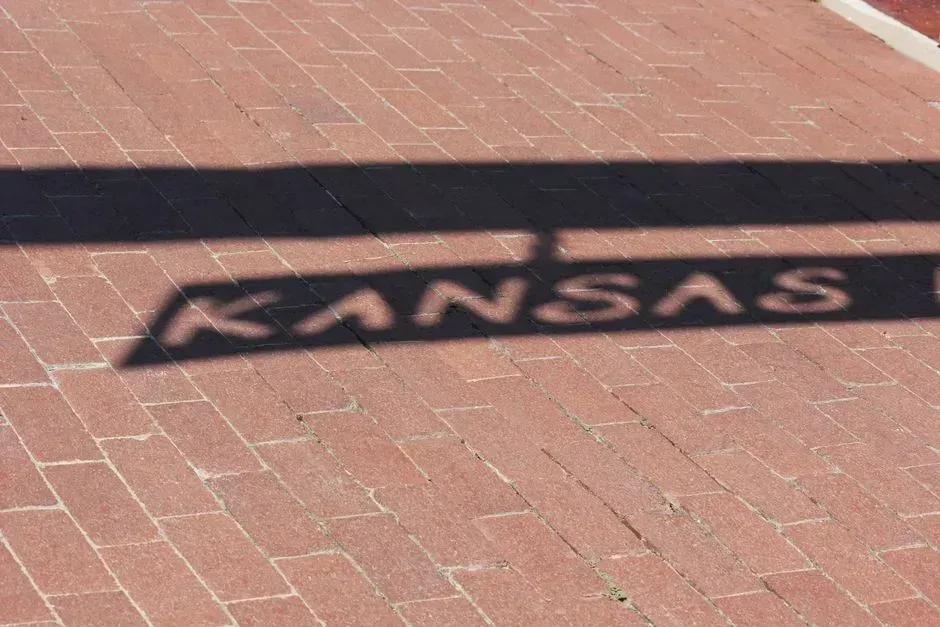
Kansas holds one of the highest state records in the country. It reached 121°F twice, both times in 1936, first in Fredonia on July 18 and then six days later in Alton. The tie shows how long the heat lingered that month.
Almost ninety years on, no Kansas thermometer has gone higher. The number still sets the ceiling for the whole Plains region.
Iowa: Keokuk’s 118°F in 1934
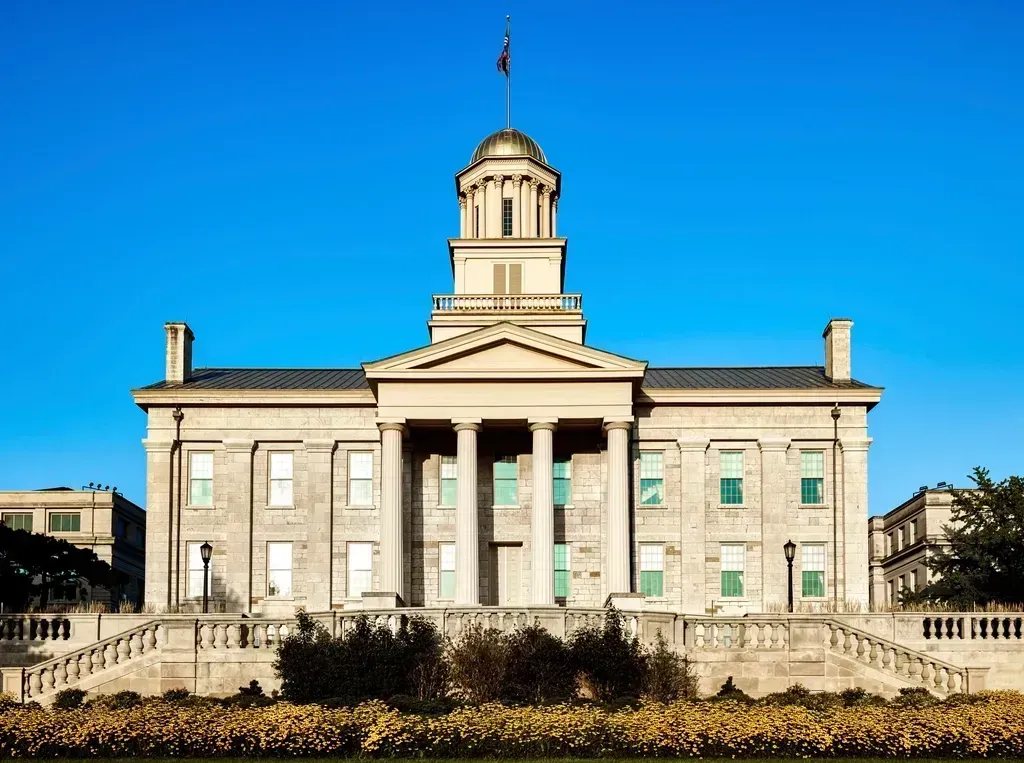
Iowa’s record comes from an earlier stretch of the same drought. Keokuk hit 118°F on July 20, 1934. That was two years before the more famous heat of 1936.
The date is a useful reminder that the record heat wasn’t one bad week. The decade produced several separate waves, and Iowa’s peak came from the first big one.
Ohio and Pennsylvania: Two Eastern Marks Hold On
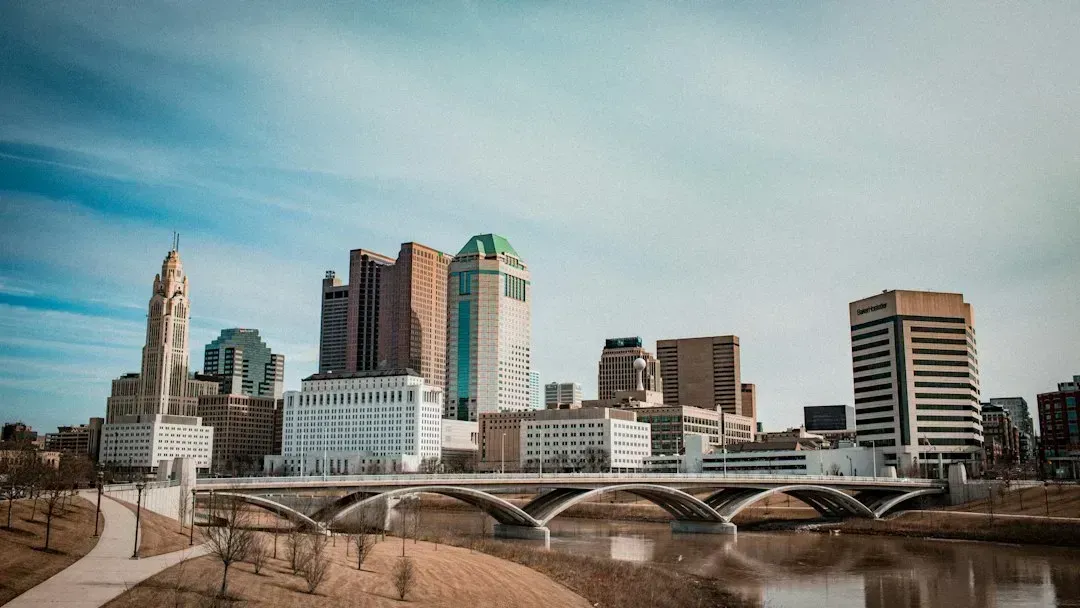
The records aren’t limited to the Plains. Ohio’s statewide high of 113°F has held since 1934, and Pennsylvania’s 111°F has stood since 1936.
Both states are far from the drought’s core, which makes their survival more striking. Heat from the central U.S. spread east and left marks that modern summers haven’t matched.
Arkansas and Louisiana: The Same Scorching Day in August 1936

Two Southern records came from one day. Ozark, Arkansas, recorded 120°F on August 10, 1936. Louisiana’s hottest day was that same date, when Plain Dealing reached 114°F.
Both stations are far from the coast, so humid Gulf air had less effect. August 1936 followed the record July, which suggests the heat never fully let up that summer.
Kentucky and Mississippi: A Two Day Run in July 1930
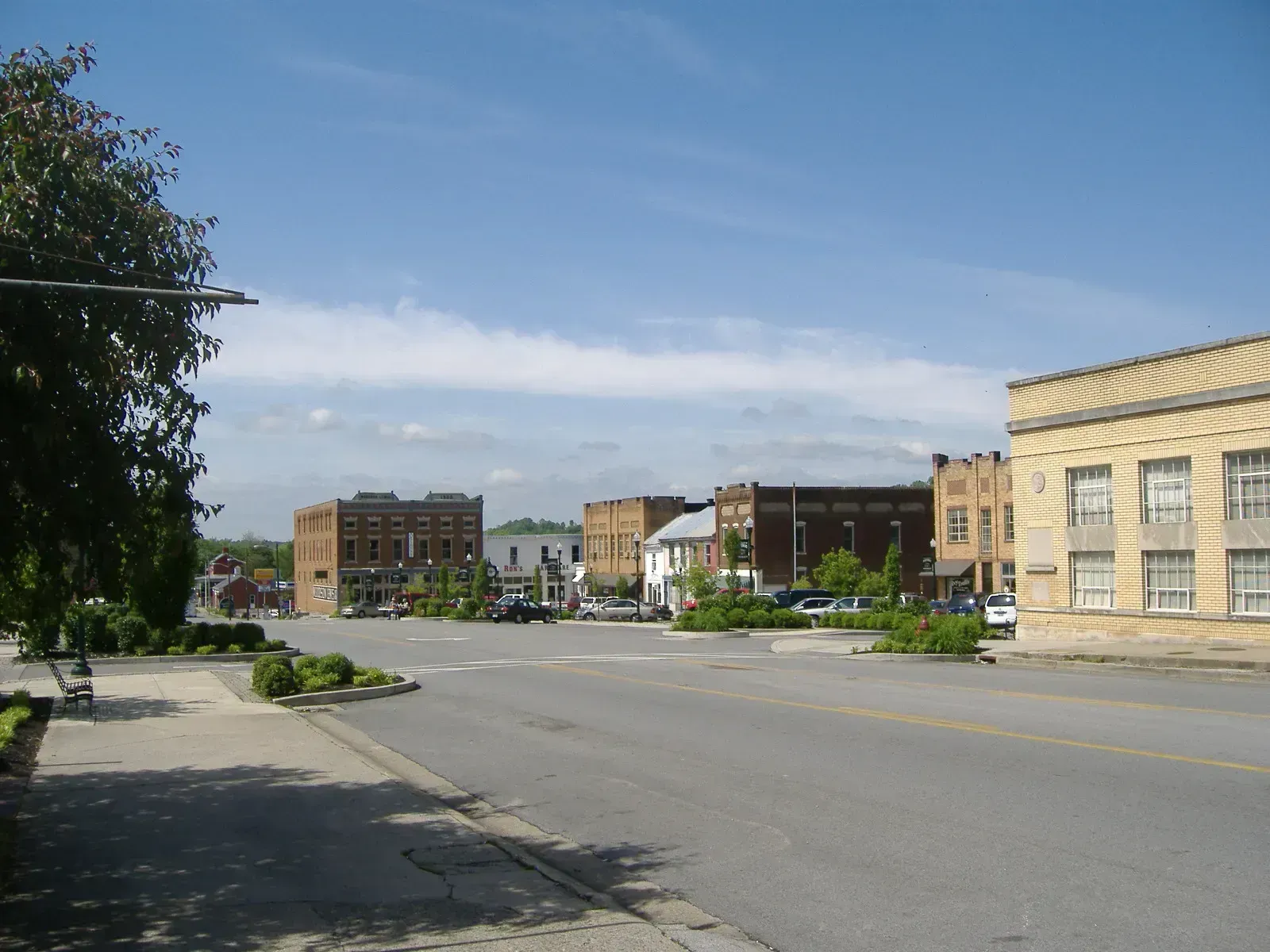
The decade opened with heat, too. Greensburg, Kentucky, hit 114°F on July 28, 1930. Holly Springs, Mississippi, reached 115°F the next day, July 29, 1930.
These two marks come from the very start of the drought years. They’re a bit of a footnote next to 1936, yet they’ve outlasted nearly a century of hot summers.
Winnipeg: A Canadian City’s Highest Reading
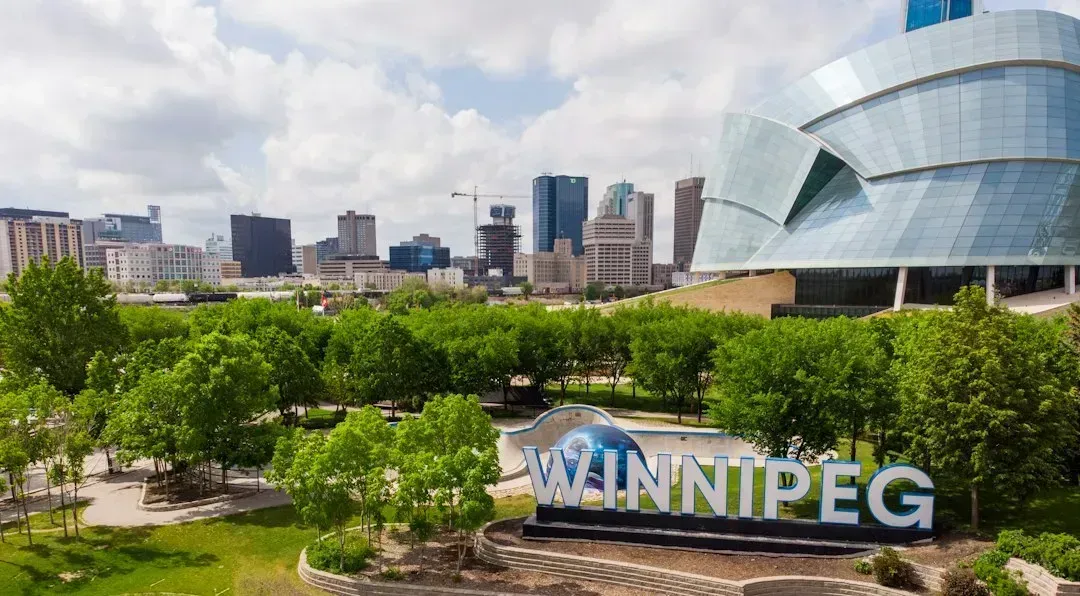
The 1936 heat didn’t stop at the border. It reached south central Canada, where Winnipeg, Manitoba, soared to its still standing highest temperature of 108°F.
For a city known for brutal winters, it’s an odd record to hold. The reading sits alongside dozens of U.S. marks from the same summer.
Florida: Monticello’s 109°F in 1931
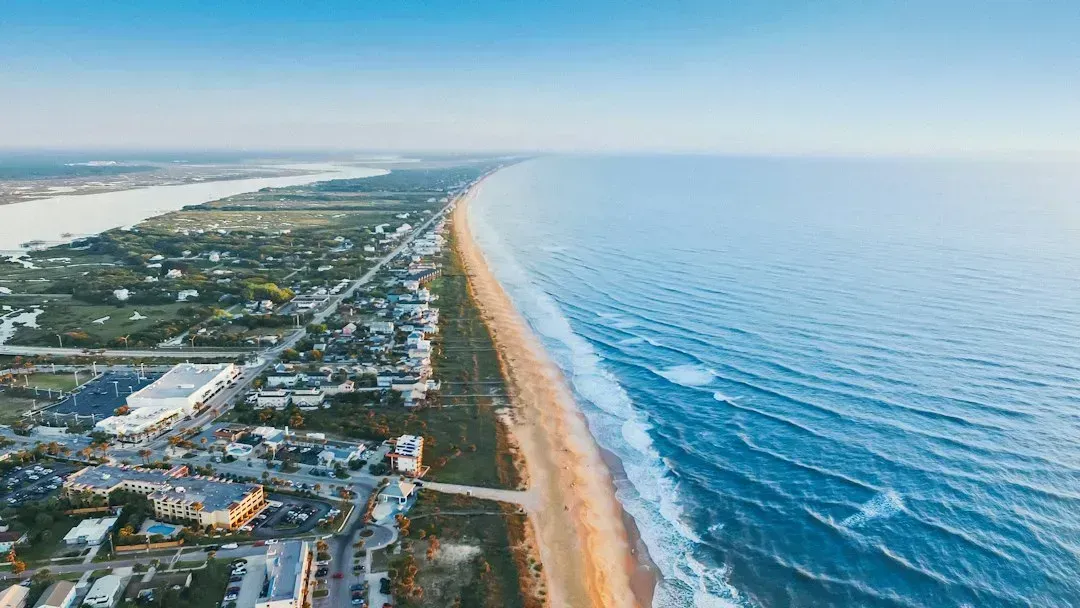
Florida’s record is the quiet one. The state has never hit 110°F, and its record of 109°F was set at Monticello in 1931. Sea breezes and moisture from the Gulf and Atlantic tend to hold peak temperatures down.
Humidity makes Florida feel oppressive, but the actual highs stay below the dry Plains. That may be why a reading from 1931 has never been beaten.
Wisconsin Dells: 114°F at a Northern Latitude
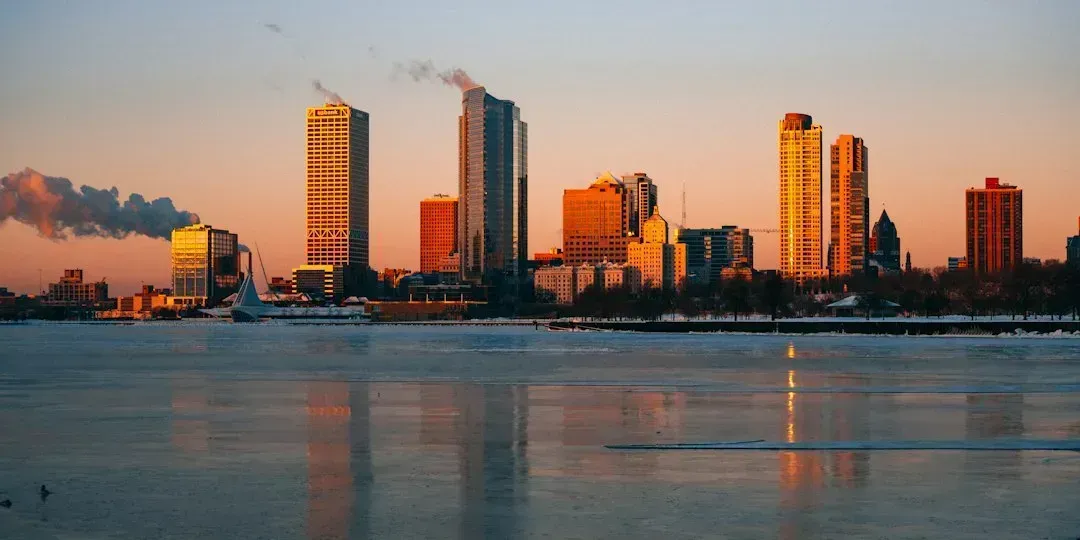
Wisconsin’s record came in July 1936. Wisconsin Dells reached 114°F, one of the most extreme readings ever for a latitude of about 43.6 degrees north.
Nearby, the National Weather Service notes that La Crosse had 14 straight days with highs of 90°F or more in that stretch, including 9 at or above 100°F. That gives a sense of how sustained the heat was.
Lincoln, Nebraska: A Record High and a Record Warm Night

Lincoln’s numbers from July 25, 1936, are hard to forget. The city’s highest daily minimum on record and its highest temperature ever both came that day, at 91°F and 115°F.
A low of 91°F means the city barely cooled off overnight. The two records, one from the afternoon and one from the night, still belong to that single day.
