


- The Planet Where It Rains Liquid Glass – 7 Alien Worlds Defying Known Physics - November 14, 2026
- Stars Consuming Entire Worlds – 6 Planetary Systems Swallowing Their Own Worlds - November 14, 2026
- The Ground Liquefies Like Water – 6 Silent Fault Lines Geologists Watch Closely - November 14, 2026
Observatories rarely end with a single dramatic moment. More often they fade out through budget lines, aging hardware and a long run of meetings about who will pay for what.
The six facilities below closed for different reasons, and not all of them were ground-based. What they share is that keeping them going, or repairing them, was eventually judged to cost more than their sponsors wanted to spend.
Arecibo Observatory, Puerto Rico
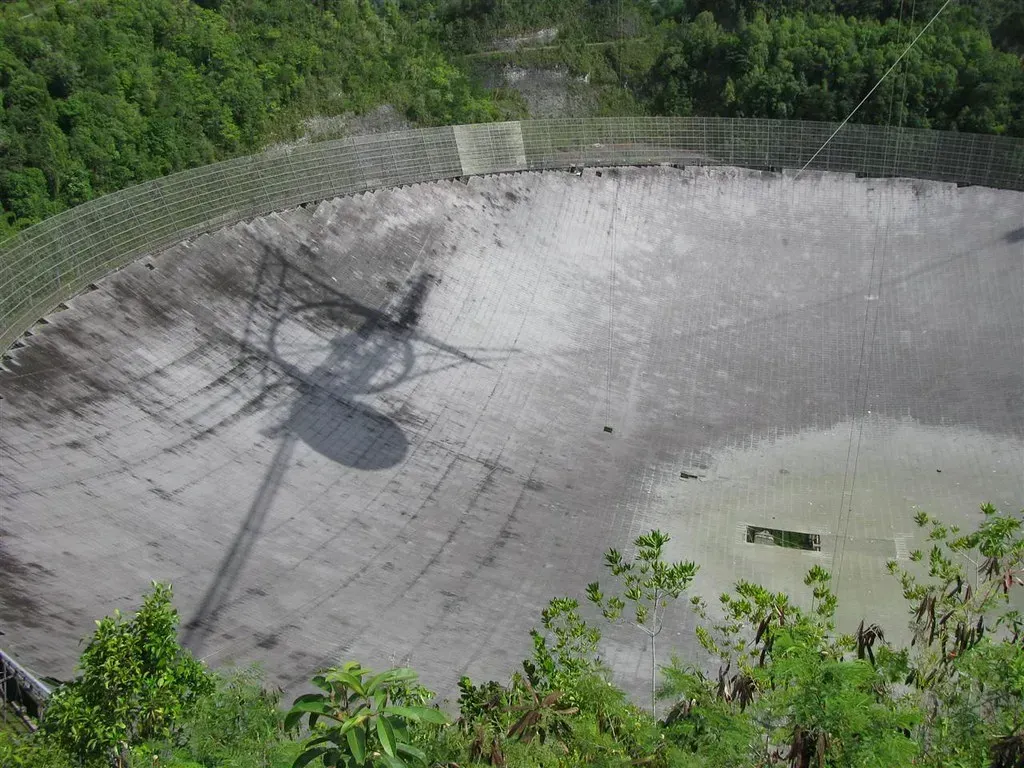
Arecibo’s giant radio dish was badly damaged in 2020 when two support cables failed, and the telescope collapsed on December 1 of that year. The National Science Foundation had already decided to decommission it, judging that repairing it was unsafe. Years earlier, the agency had been looking for partners to take over funding. A former Arecibo staff scientist said at the time that the NSF was serious about offloading its funding to someone else.
Cost was part of the picture even before the collapse. Earlier studies estimated that fully dismantling the site could cost around 100 million dollars, more than a decade of its operating budget. The site did not go quiet immediately, though. Two years after the main instrument collapsed, the observatory closed its doors on August 14 and was meant to become a science education center.
SOFIA, the Telescope on a Jumbo Jet
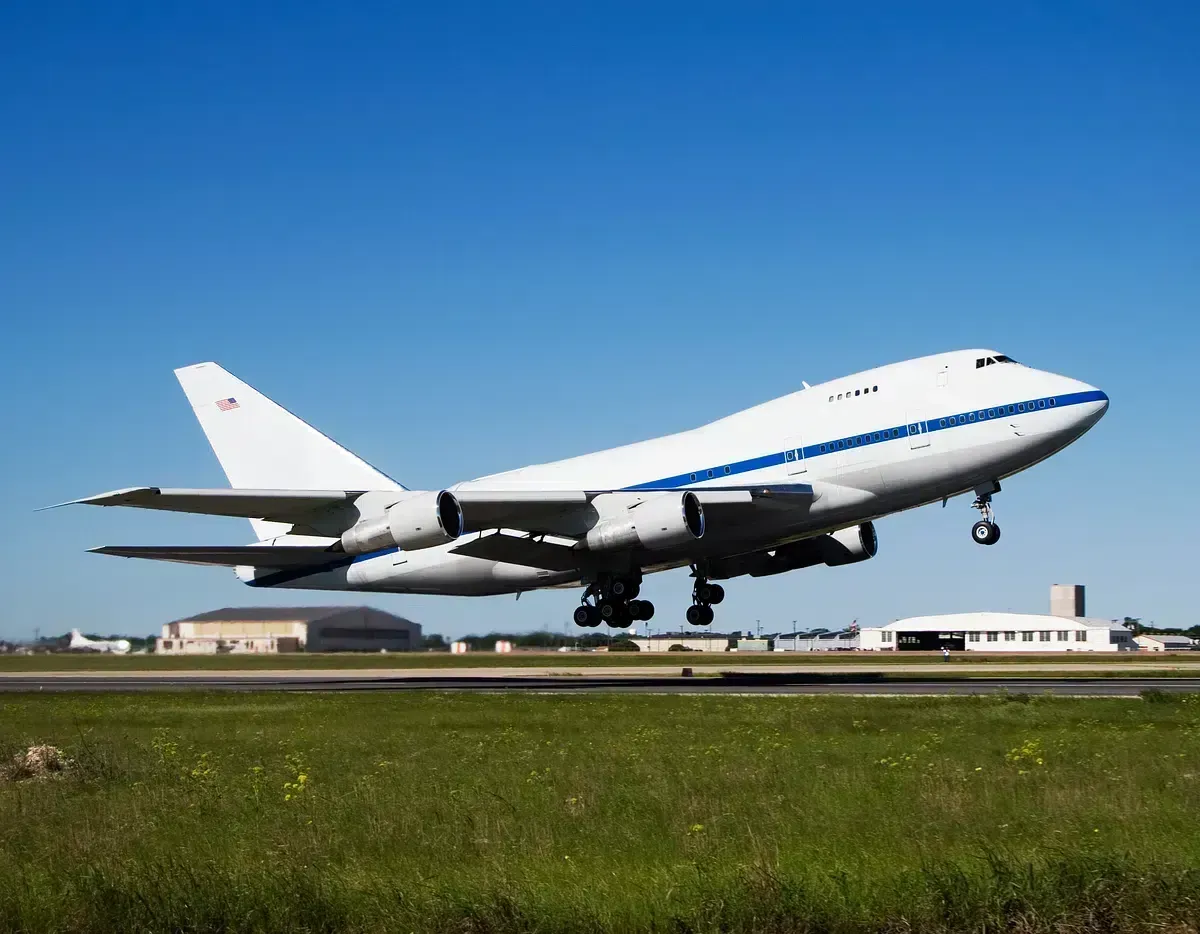
SOFIA was a modified Boeing 747 carrying a large infrared telescope, run jointly by NASA and the German space agency DLR. It could observe wavelengths that the atmosphere blocks from the ground. Its observations helped detect water on the sunlit surface of the Moon.
The problem was money. SOFIA cost NASA more than 80 million dollars a year to run, nearly as much as Hubble’s operating expenses, while publishing far fewer scientific results. NASA said the wind down would be finalized after September 2022. The mission ended that year, even though some scientists said no other instrument could do everything it did.
Spitzer Space Telescope
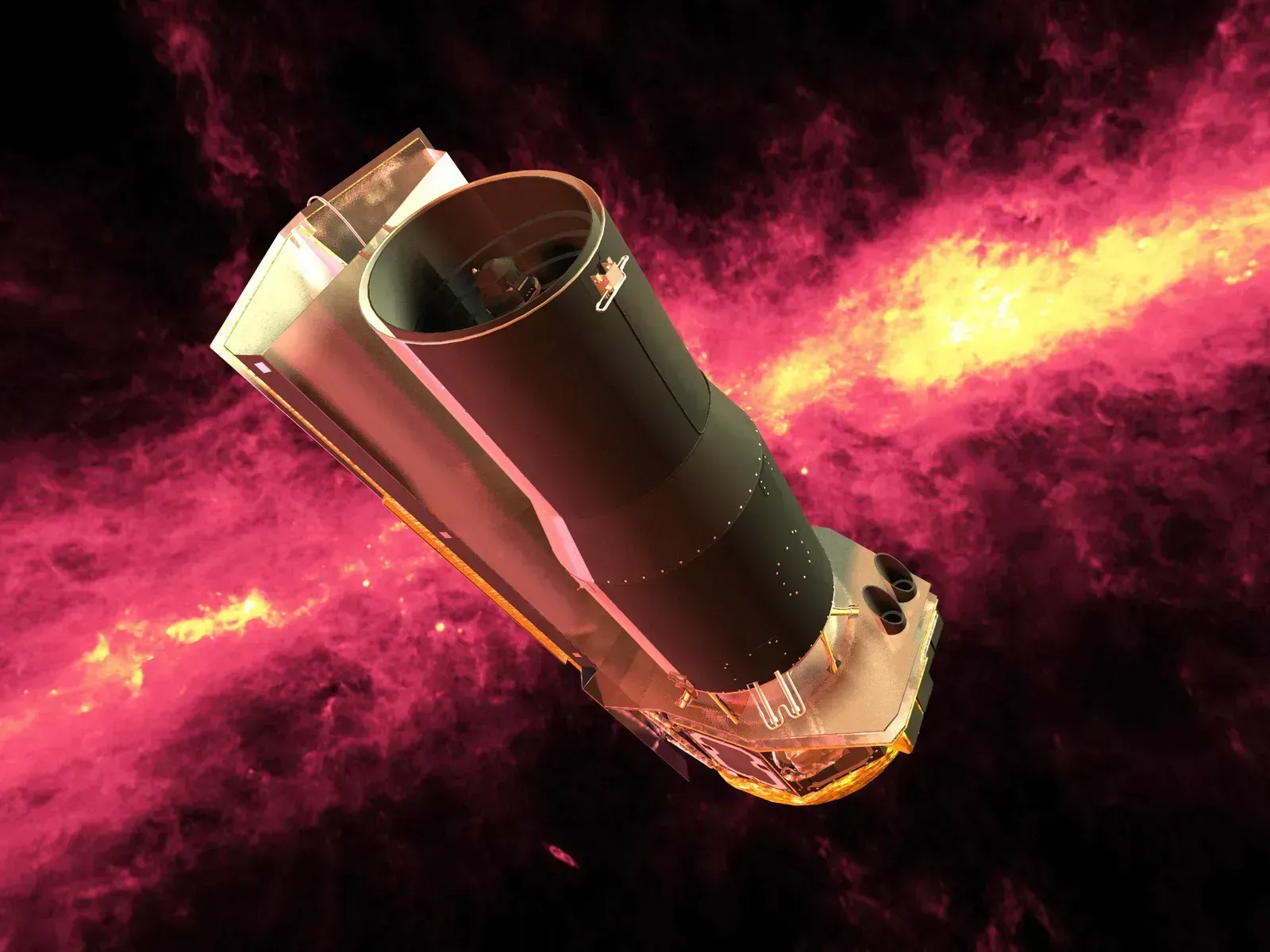
Spitzer launched in 2003 and was the last of NASA’s four Great Observatories. NASA switched it off after 16 years of scanning the universe in infrared. Among its finds was a huge, nearly invisible ring around Saturn, and it helped discover seven Earth-size planets around a nearby star.
Its closure was less about a lack of science than about aging and timing. NASA had planned to retire it years earlier but delayed that as the James Webb Space Telescope kept slipping. NASA also tried to hand Spitzer to the private sector for a fair sum, but no deals were struck.
Allen Telescope Array, California
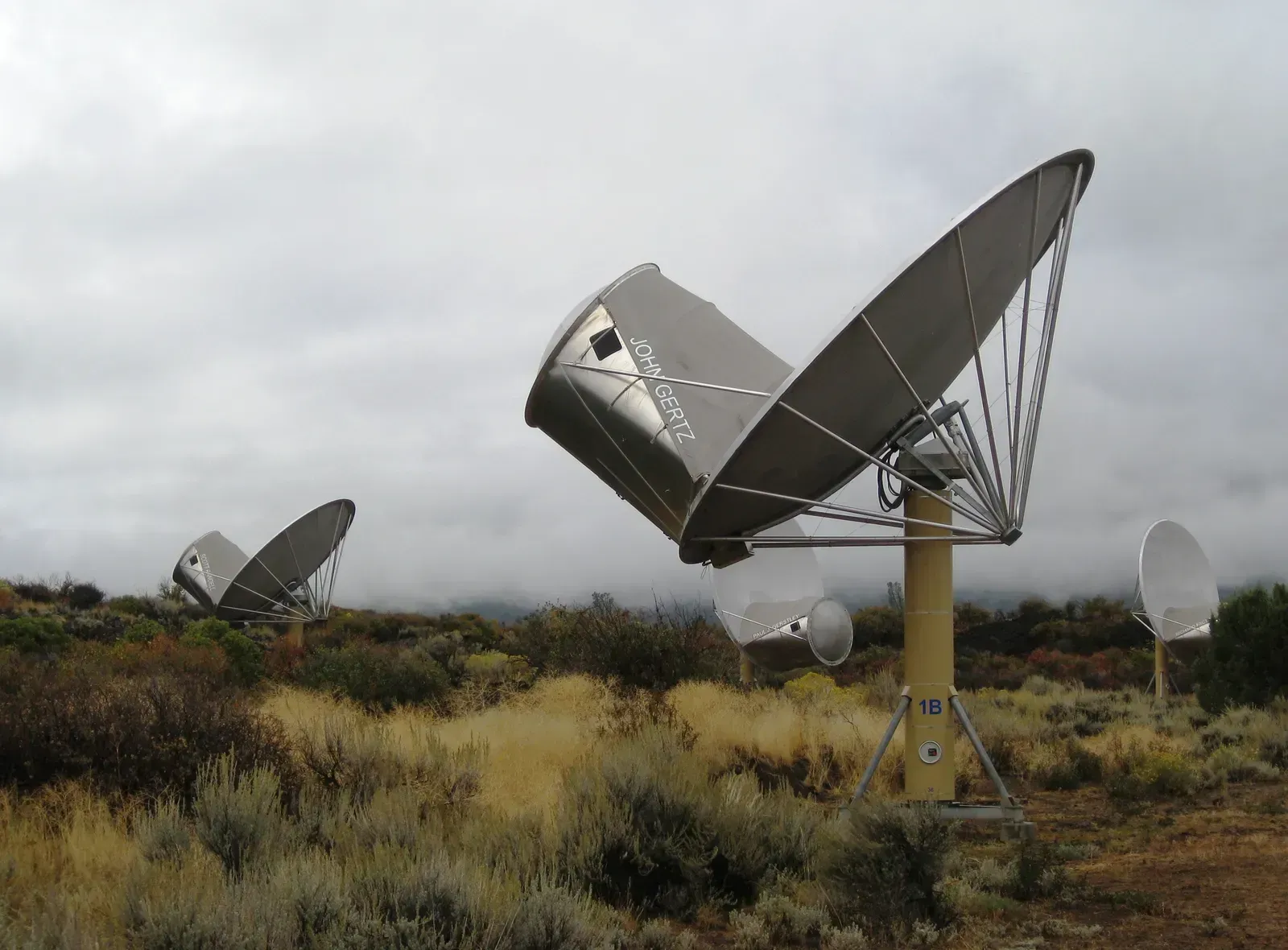
The Allen Telescope Array is a field of radio dishes in northern California, built largely with funding from Microsoft co-founder Paul Allen and used in the search for extraterrestrial signals. In 2011 its operators put it into hibernation because the money ran short. Running the dishes cost about 1.5 million dollars a year, mostly for the eight to ten staff who operated the facility.
Data handling added to the bill. Another million dollars a year was needed to collect and sift the data. The SETI Institute hoped the U.S. Air Force might find the dishes useful for tracking space debris and help pay to keep them running. The array did return to operation later that year, which makes it the one entry here with a partial reprieve.
Kepler Space Telescope
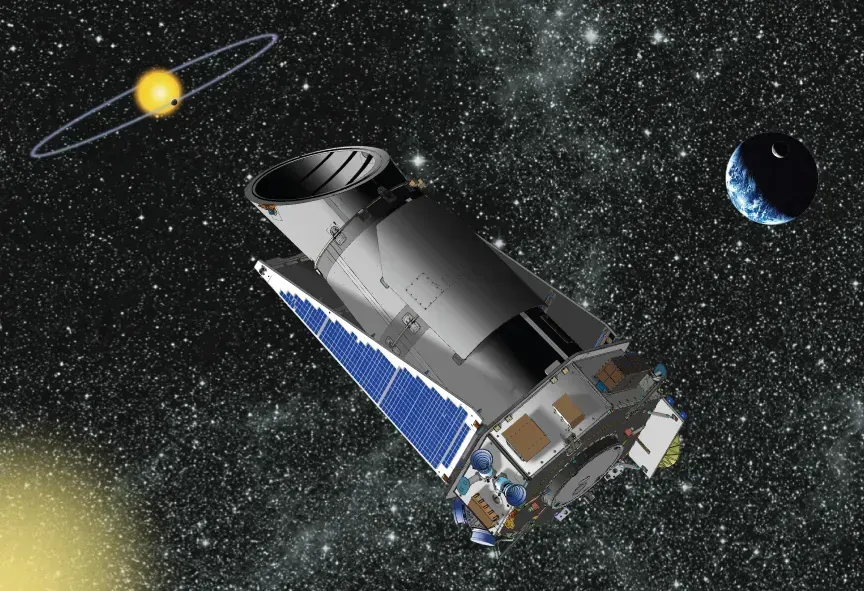
Kepler was NASA’s planet hunting mission, and it changed how astronomers think about other star systems. It showed that planets are common in our galaxy, and it found thousands of confirmed exoplanets. NASA retired it on October 30, 2018, after the spacecraft ran out of the fuel it needed to point accurately.
Kepler’s end was not a budget decision in the strict sense, since a refuel was not possible at that distance from Earth. Still, it belongs on this list as a reminder that a mission’s lifespan is set by what can be maintained. Once the fuel was gone, nothing further could be done to extend it.
Herschel Space Observatory
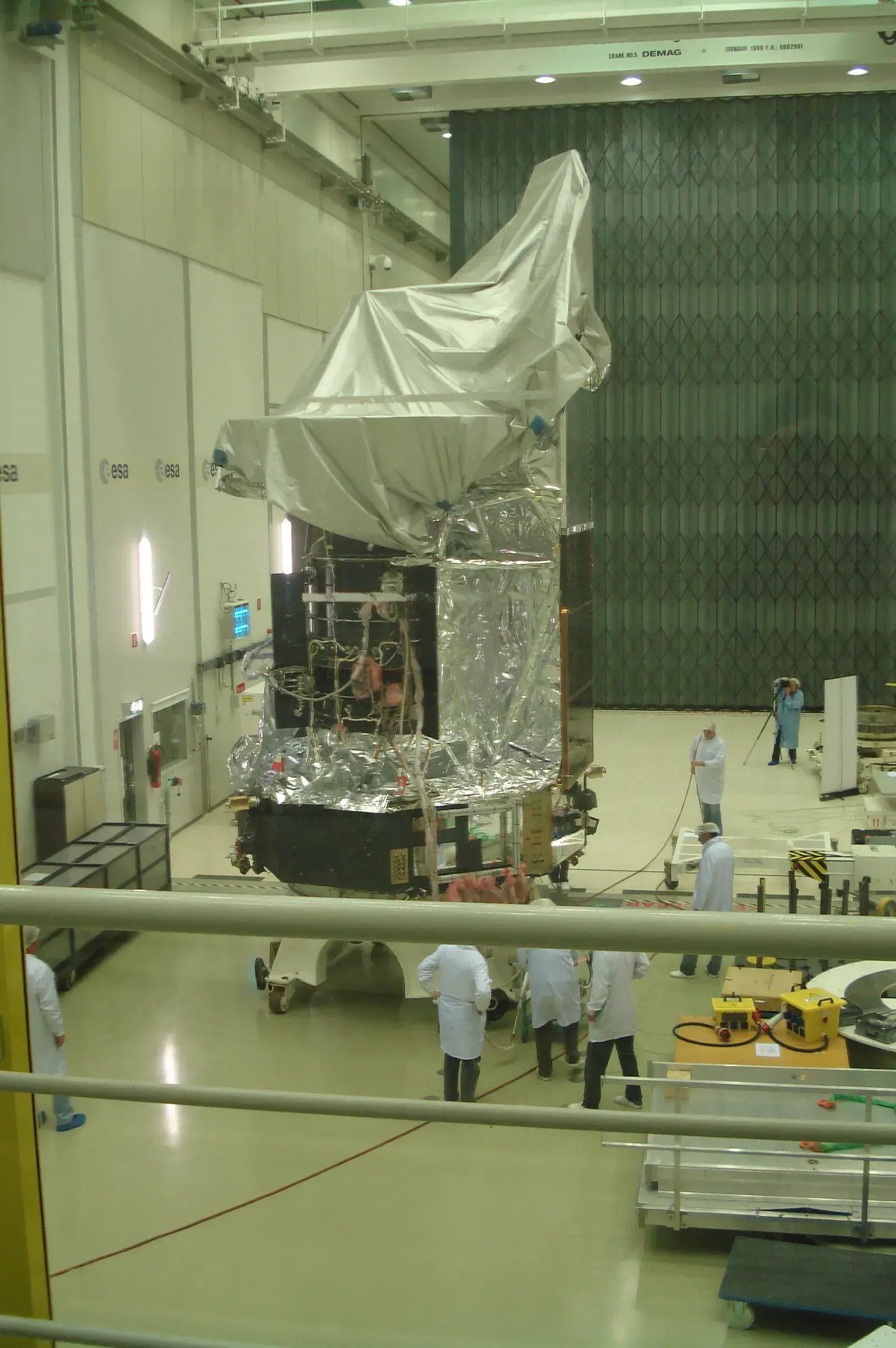
The European Space Agency’s Herschel observatory studied the cold universe in far infrared light, including star formation and the dust in distant galaxies. Its instruments depended on liquid helium coolant. When that supply ran out in April 2013, the observatory could no longer do the work it was built for.
ESA then moved the spacecraft into a safe orbit around the Sun and switched it off. Like Kepler, Herschel was designed with a finite supply of consumables, and refilling was never an option. Its data archive is still used by researchers today.
Where Things Stand
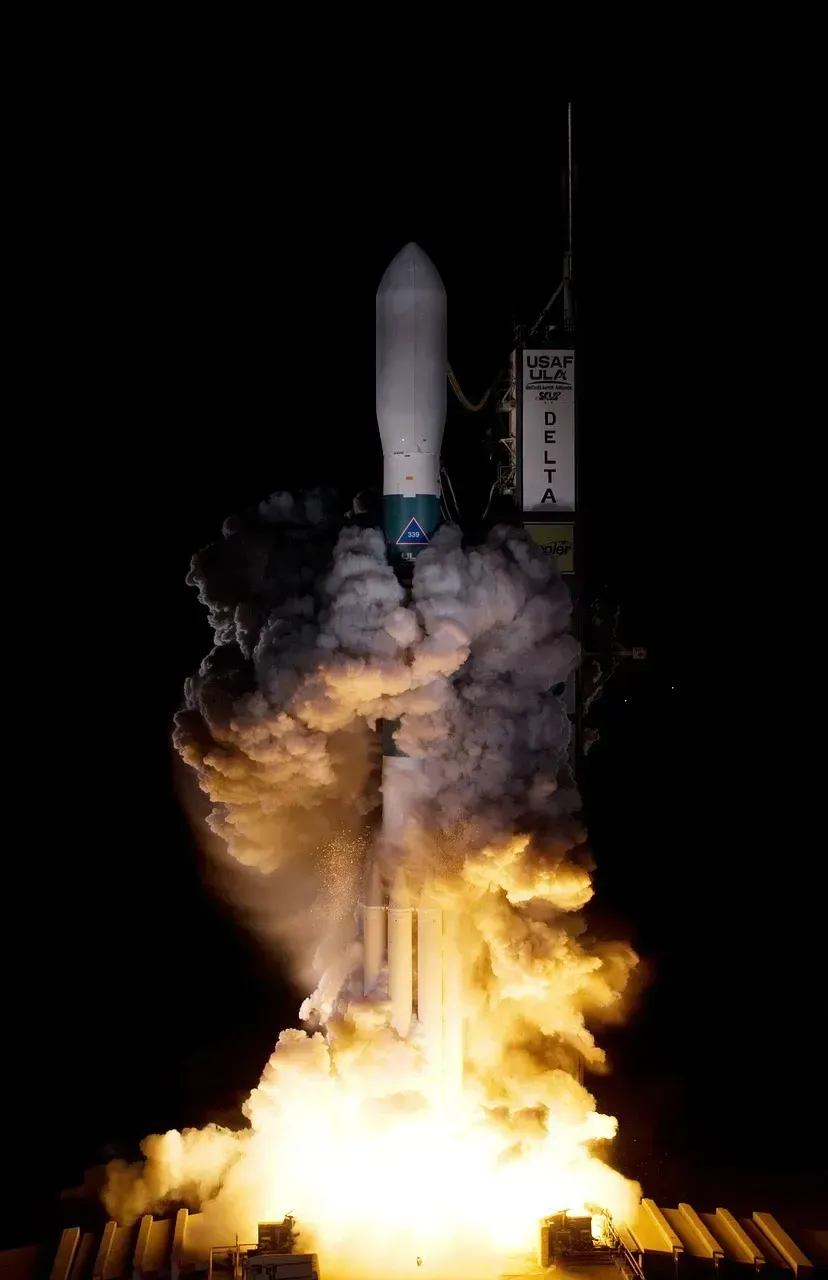
Arecibo closed as a research site after its collapse, SOFIA ended in 2022 and Spitzer was switched off in 2020. Kepler and Herschel were retired once their fuel and coolant were gone, and the Allen Telescope Array has continued after its 2011 hibernation.
