

- 7 Ways Scientists Detect Distant Planets Without Ever Seeing Them - November 13, 2026
- Dead Stars Spinning Hundreds of Times Per Second – 6 Pulsars Breaking Physics - November 13, 2026
- Songbirds Memorizing Star Maps to Fly by Night – 5 Miracles of Avian Navigation - November 13, 2026
English has plenty of ways to complain about the weather. We say it’s drizzly, muggy, crisp or bitter, and that usually gets the point across. Still, other languages have single words for very specific conditions, and those words can make you look at an ordinary day differently.
The nine words below come from Icelandic, German, Finnish, Japanese, Russian, Spanish and more. Each one packs a whole situation into a single term, and English usually needs a full sentence to match it.
Gluggaveður (Icelandic)
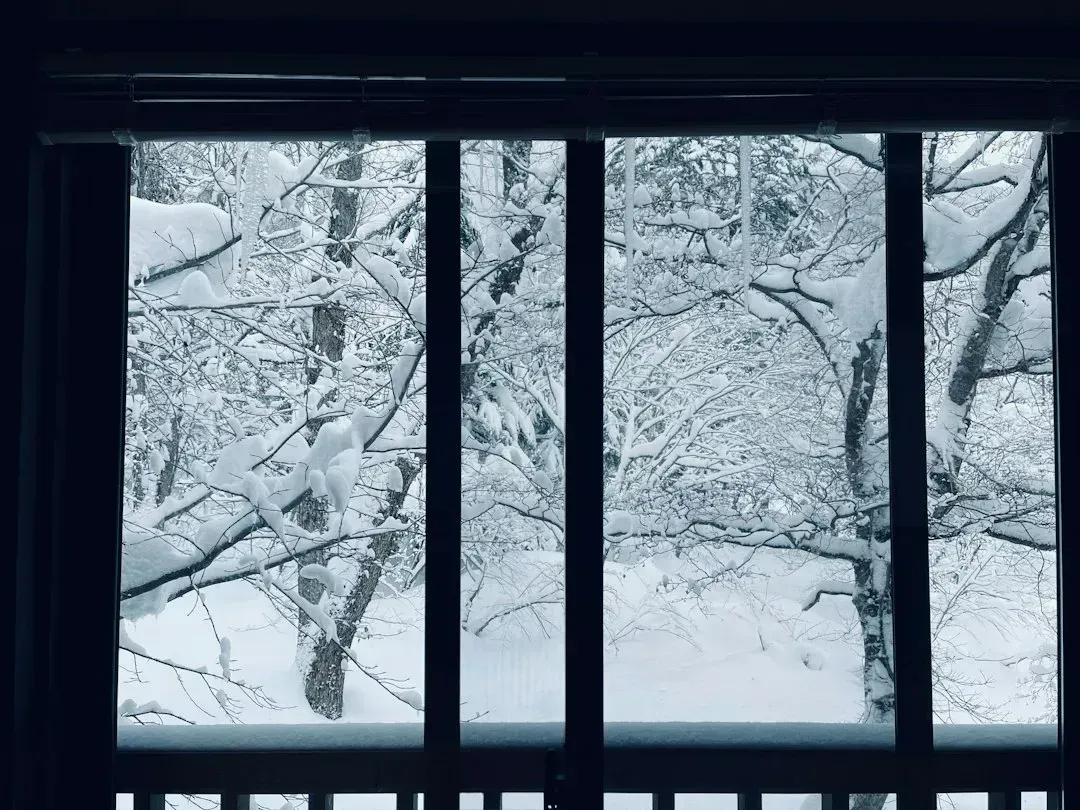
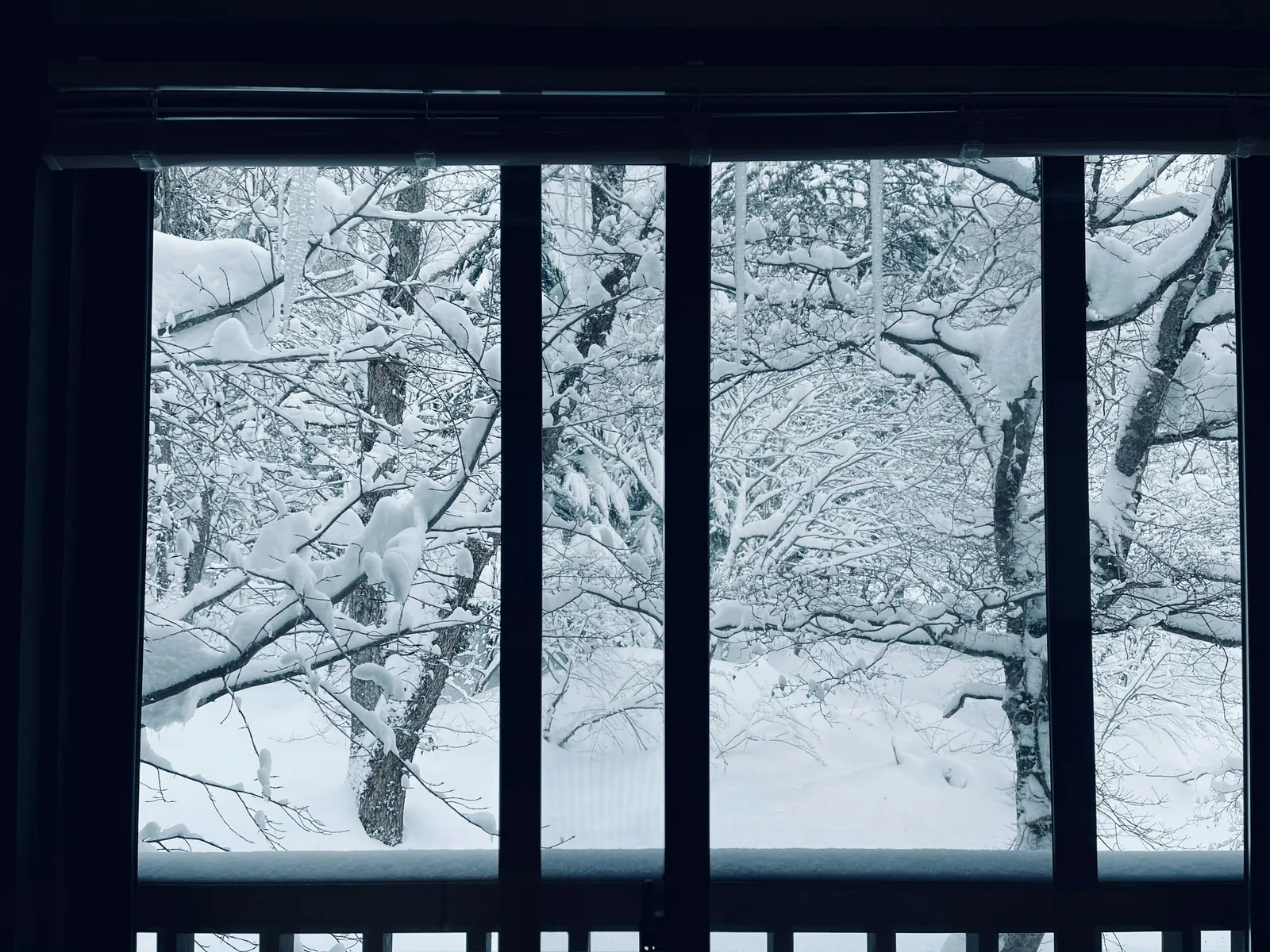
Gluggaveður literally means window weather. It describes a day that looks lovely from indoors, with bright sun and a clear sky, but turns out to be bitterly cold or windy once you step outside.
Anyone who has been fooled by a sunny January morning knows the feeling. English speakers can say a day is deceptively cold, but that leaves out the window, which is the whole point. The word carries the small betrayal of putting on a thin jacket because of what you saw through the glass.
Schmuddelwetter (German)
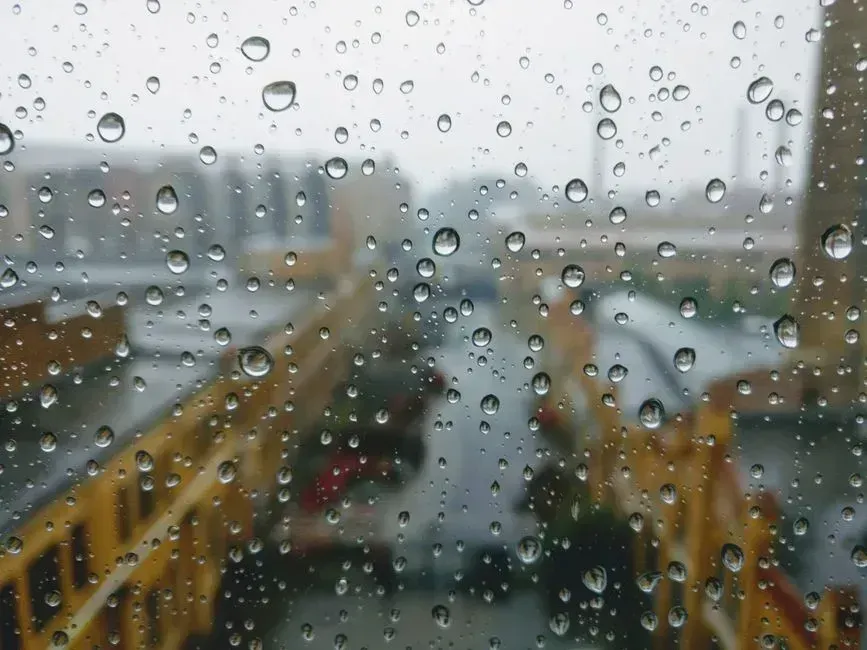
Schmuddelwetter is the German term for grubby, grey, wet weather. Think of a day with steady drizzle, damp air, slushy pavements and a sky that never quite commits to a proper storm.
The first part of the word comes from a root linked to dirt and mess, so the weather is described almost as if it were unclean. English has words like dreary or miserable, but they describe a mood more than a texture. Schmuddelwetter is about wet shoes, smeared windows and a general feeling of things being slightly grimy.
Kaamos (Finnish)
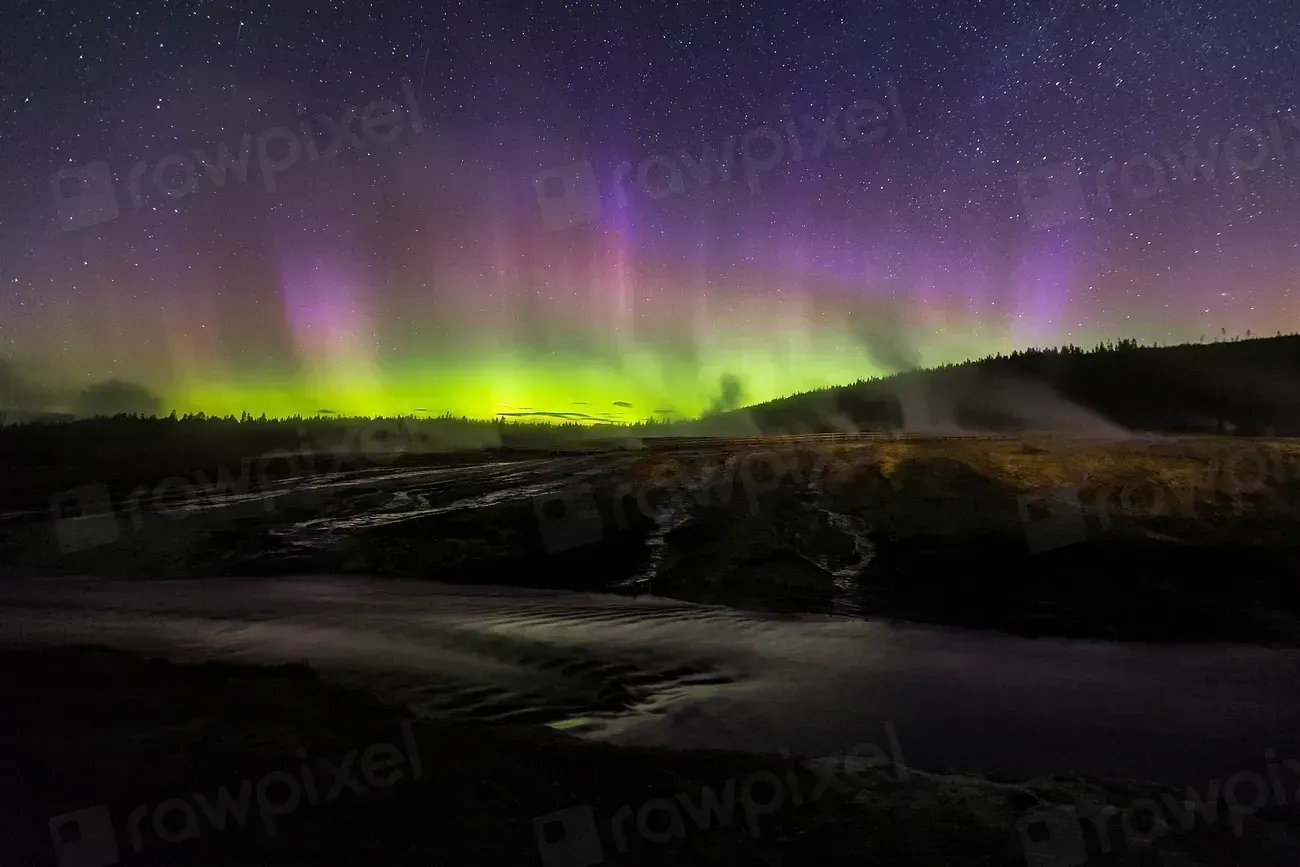
Kaamos refers to the polar night in northern Finland, the stretch of winter when the sun stays below the horizon or barely lifts above it. In the far north of Lapland, this period lasts for weeks.
It isn’t total darkness, though. The sky often glows with soft blue and pink light around midday, and snow reflects what little brightness there is. English has the phrase polar night, but kaamos also suggests a season people live through, with its own routines, moods and traditions.
Kogarashi (Japanese)
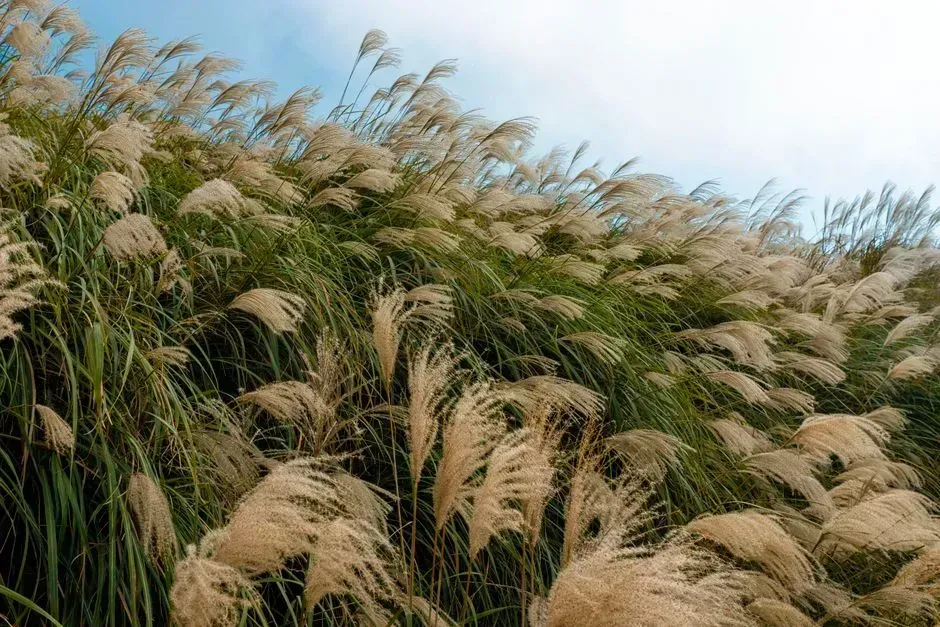
Kogarashi is a cold, dry wind that blows in late autumn or early winter in Japan. The Japan Meteorological Agency has a formal definition for it, and it’s often treated as a sign that winter is arriving.
The name can be read as a wind that withers trees, since it tends to strip the last leaves from branches. English speakers might say a chilly gust or a bitter wind, but neither one carries the sense of a seasonal turning point. Kogarashi is both a weather event and a marker on the calendar.
Shigure (Japanese)
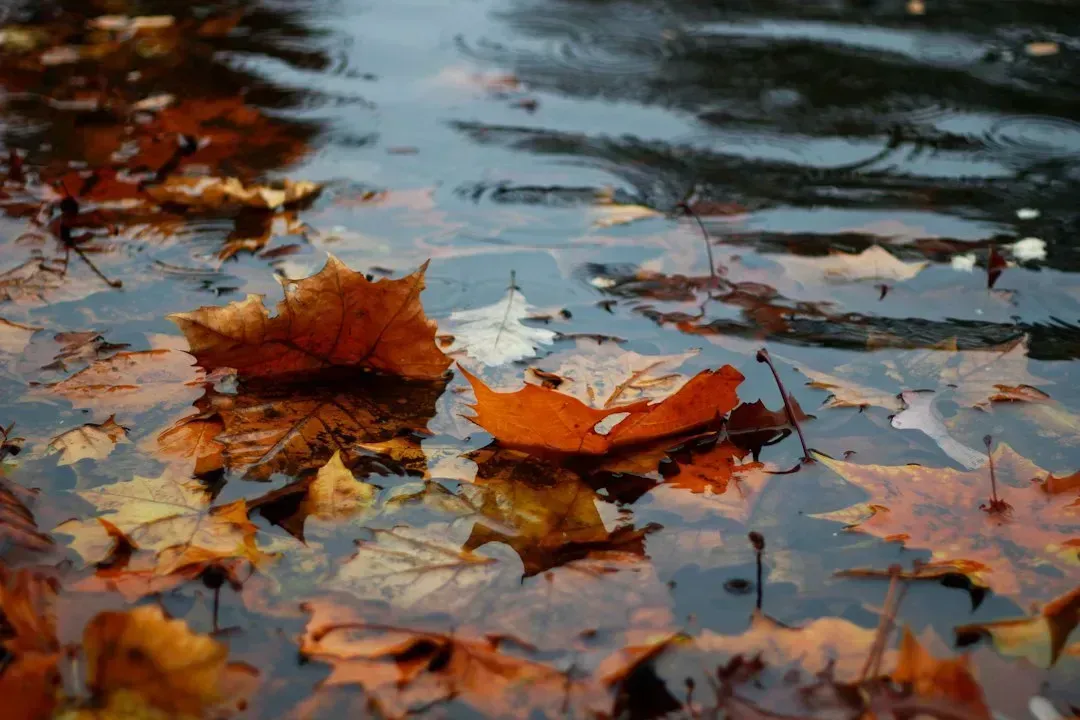
Shigure describes a passing shower that falls in late autumn or early winter. It arrives suddenly, stops soon after, and may come back again within the same afternoon.
Japanese poetry has treated shigure as a familiar seasonal image for centuries. In English, we’d say scattered showers, which is accurate but flat. Shigure also holds a mood of quiet, slightly wistful weather at the edge of winter.
Tsuyu (Japanese)
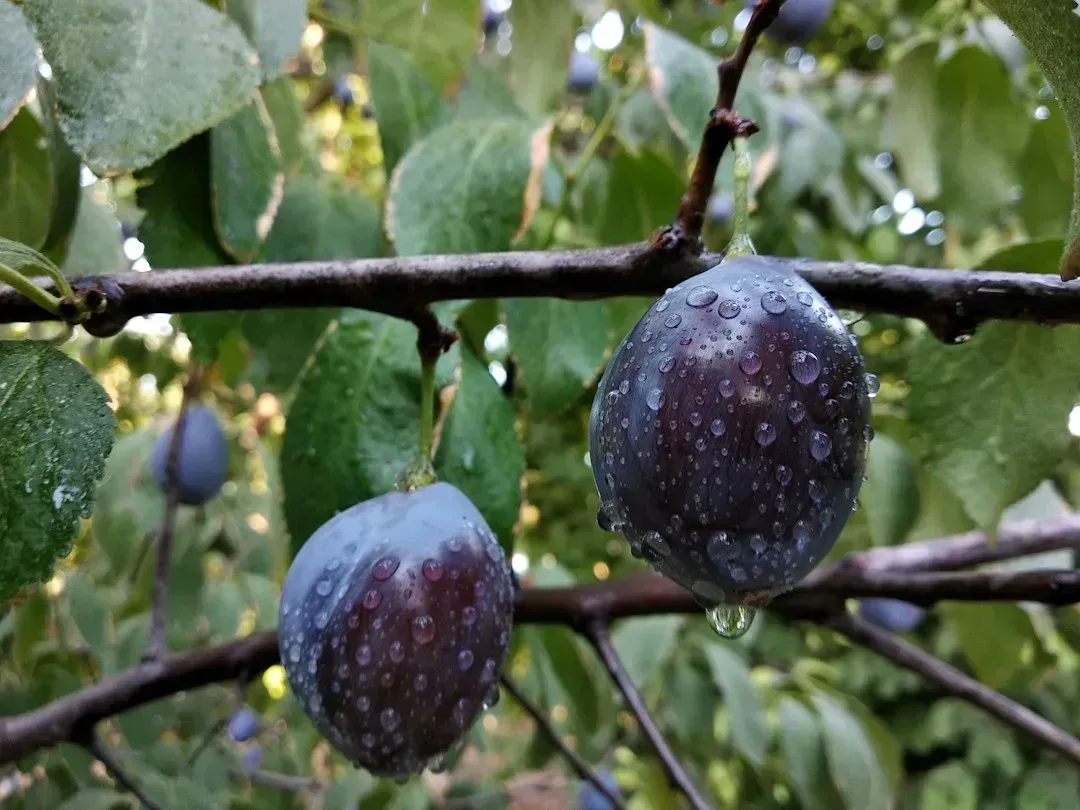
Tsuyu is the rainy season that sweeps across much of Japan, usually from around June into July. The characters used to write it are often translated as plum rain, because the season coincides with plums ripening.
English does have the word monsoon, but tsuyu isn’t quite the same thing. It’s a long stretch of grey skies, humidity and frequent rain, and it affects everything from rice planting to how people dry their laundry. Japanese weather forecasts announce its start and end each year, which shows how much it structures daily life.
Rasputitsa (Russian)
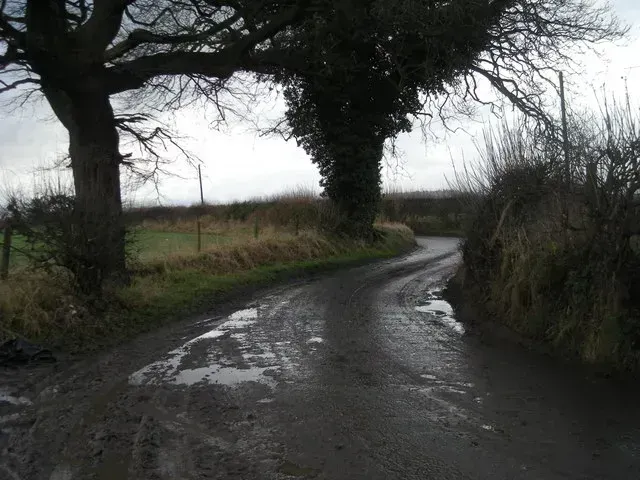
Rasputitsa names the time of year when roads turn to deep mud. It happens in spring, when snow and frozen ground thaw, and again in autumn, when heavy rain soaks unpaved routes across Russia, Ukraine and neighboring countries.
The word literally points to roads becoming impassable, so it’s as much about travel as it is about weather. Historians often cite it as a factor that slowed the German advance in the autumn of 1941. English speakers might say mud season, a term used in parts of New England, but rasputitsa carries a much heavier, more consequential meaning.
Garúa (Spanish)
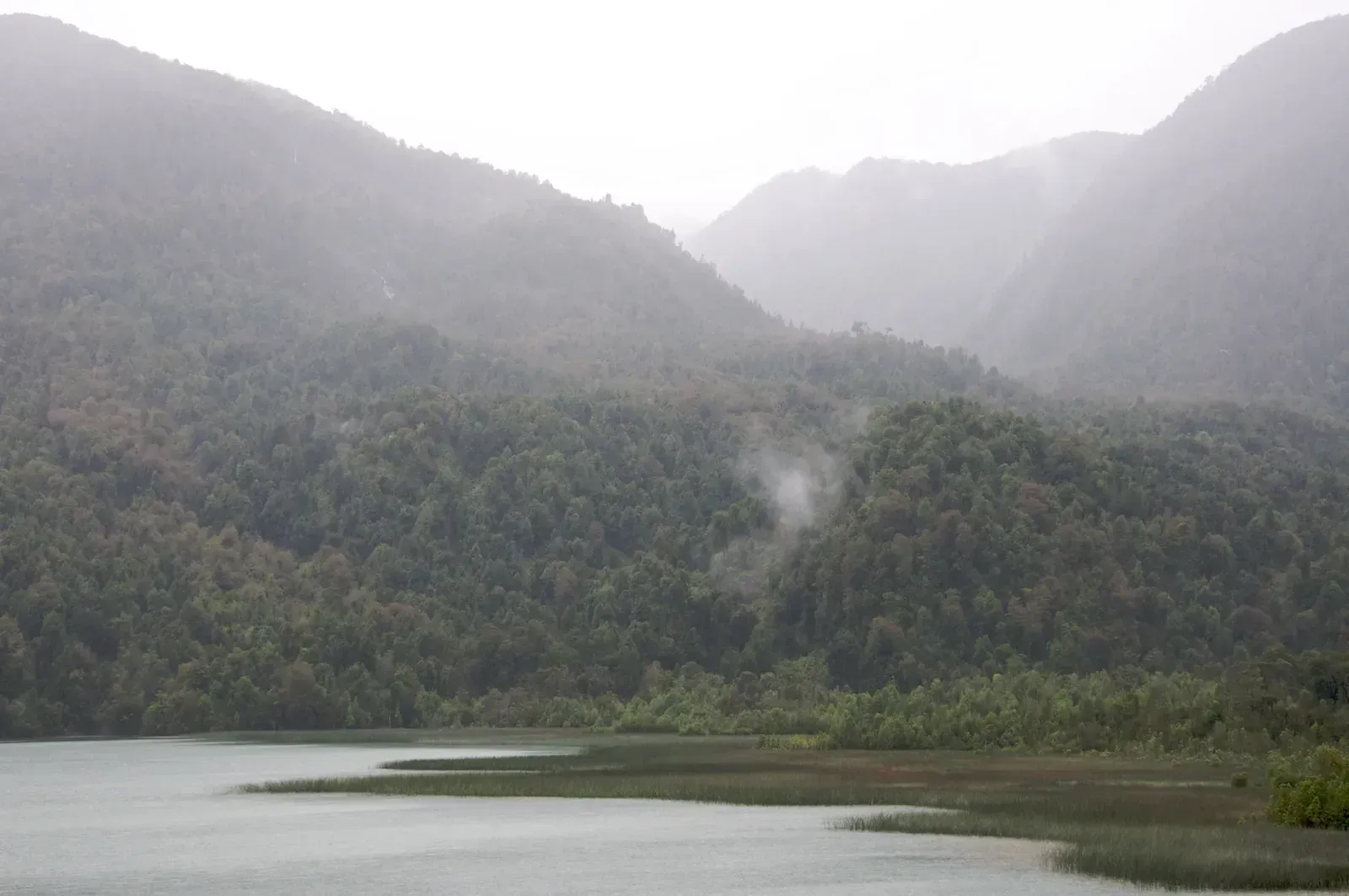
Garúa is a fine, persistent drizzle or coastal mist, especially associated with Peru and Chile. Lima is the classic example, where a grey cloud layer often hangs over the city for much of the winter without producing much real rain.
The moisture is so light that people sometimes barely bother with umbrellas, yet everything ends up damp. English has drizzle and mist, but garúa blends both with a sense of a whole season sitting under a low ceiling of cloud. It’s one of those words that describes a local climate as much as a single moment.
Hankikanto (Finnish)
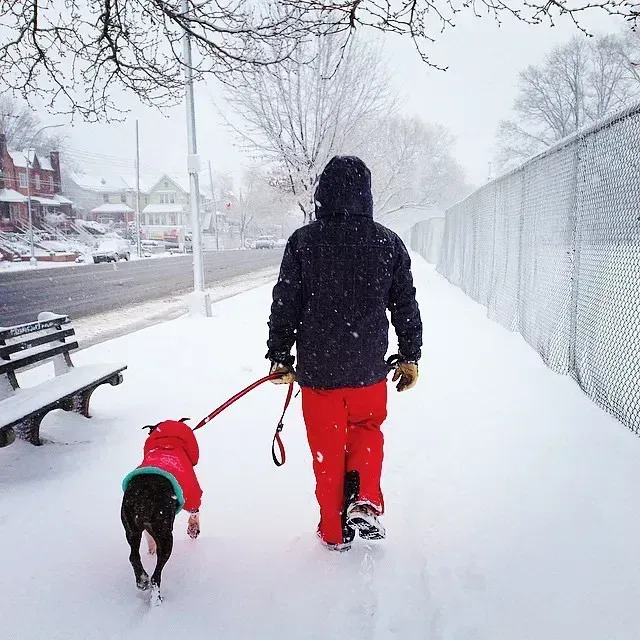
Hankikanto is a Finnish word for the hard crust that forms on snow when spring sun melts the surface and cold nights freeze it again. If the crust is thick enough, a person can walk on top of it without sinking in.
That makes it a small piece of seasonal freedom in a place where deep snow usually slows everything down. English speakers would say crusted snow or a snow crust, but those phrases skip the appeal of it. Hankikanto also refers to the very conditions that make skiing or walking across open ground so pleasant in late winter.
