


- Forest Floors Glowing Blue in Complete Darkness – 6 Bioluminescent Fungi in Nature - November 13, 2026
- 8 American Cities Where Summers Could Feel Dramatically Different by 2050 - November 13, 2026
- Meet America’s Next Retirement Hotspot: The Small City Nobody Saw Coming - November 13, 2026
Every spring and autumn, millions of small songbirds leave the ground after sunset and head off across continents. They fly in the dark, mostly unseen, and many of them weigh less than a handful of coins. Researchers have spent decades trying to work out how these birds keep their bearings.
The answers come from planetarium tests, magnetic coils and brain scans. They show that the sky overhead is only one of several tools the birds carry. The five findings below cover what is known and where the science is still unsettled.
A Star Compass Built on Learned Patterns
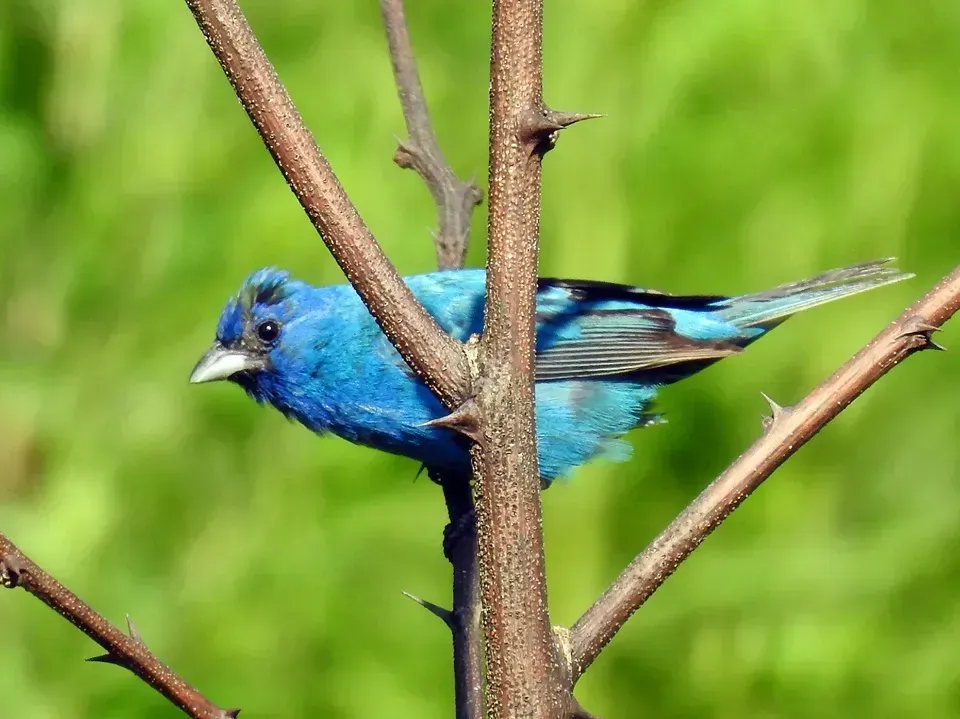
Classic experiments by Stephen Emlen in the 1960s suggested that migrating songbirds can read the night sky. Since those experiments, it has generally been assumed that the star compass of migrating songbirds is time independent. The birds do not seem to need a clock to read it.
A computer-controlled version of the Emlen funnel put this to a closer test with young pied flycatchers and blackcaps. The birds were tested under a stationary planetarium sky that simulated the local star pattern at 02:35 for eleven consecutive hours. The results supported a time-independent star compass based on learned geometrical star configurations, used to pinpoint the rotational point of the starry sky, which marks north.
Learning the Sky Rather Than Inheriting It

The word “memorizing” fits because the star compass appears to be learned. During development, the nightly rotation of the stars provides information about true compass directions, and that information calibrates the migratory direction first selected with the magnetic compass. The sky teaches the bird where north is.
One study of European songbirds adds a useful detail. Birds that had never seen the stars could not use nightly celestial cues in a vertical magnetic field. The authors suggest the star compass may be learned in spring, and they say more research is needed on how the celestial compasses interact.
A Clock-Free Way to Find North
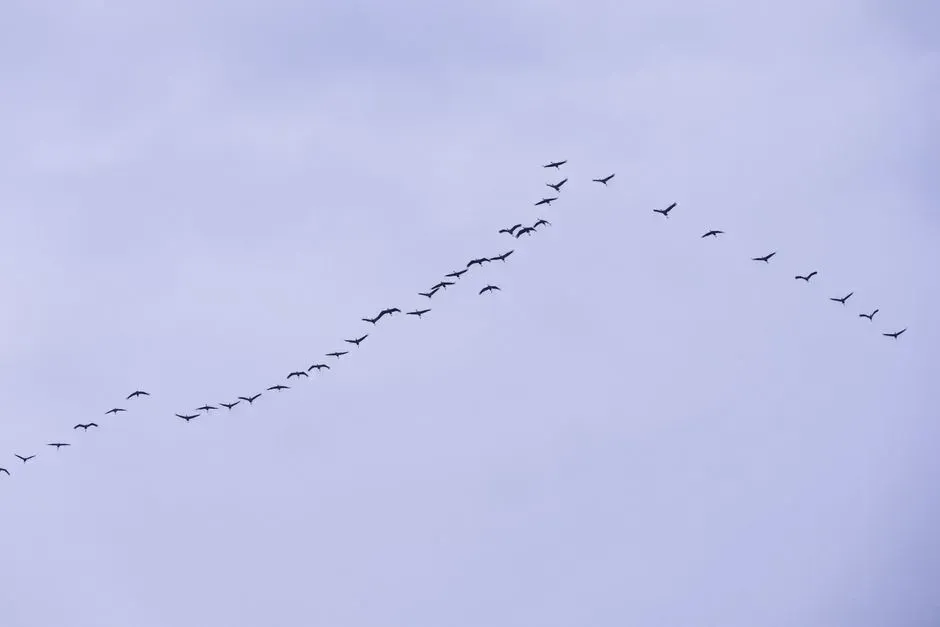
Earlier ideas gave the birds a harder job. One was a time-compensated compass, where a bird tracks how the stars shift through the night. Another was true star navigation, where stars fix the bird’s position on the globe.
The planetarium work did not support either idea. Neither true star navigation nor a time-compensated star compass was supported by the results. A later study of European robins reached a matching conclusion. It confirmed that robins use their stellar compass independently of their internal clock, like other nocturnal passerine migrants studied so far.
A Brain Region Tuned for the Dark
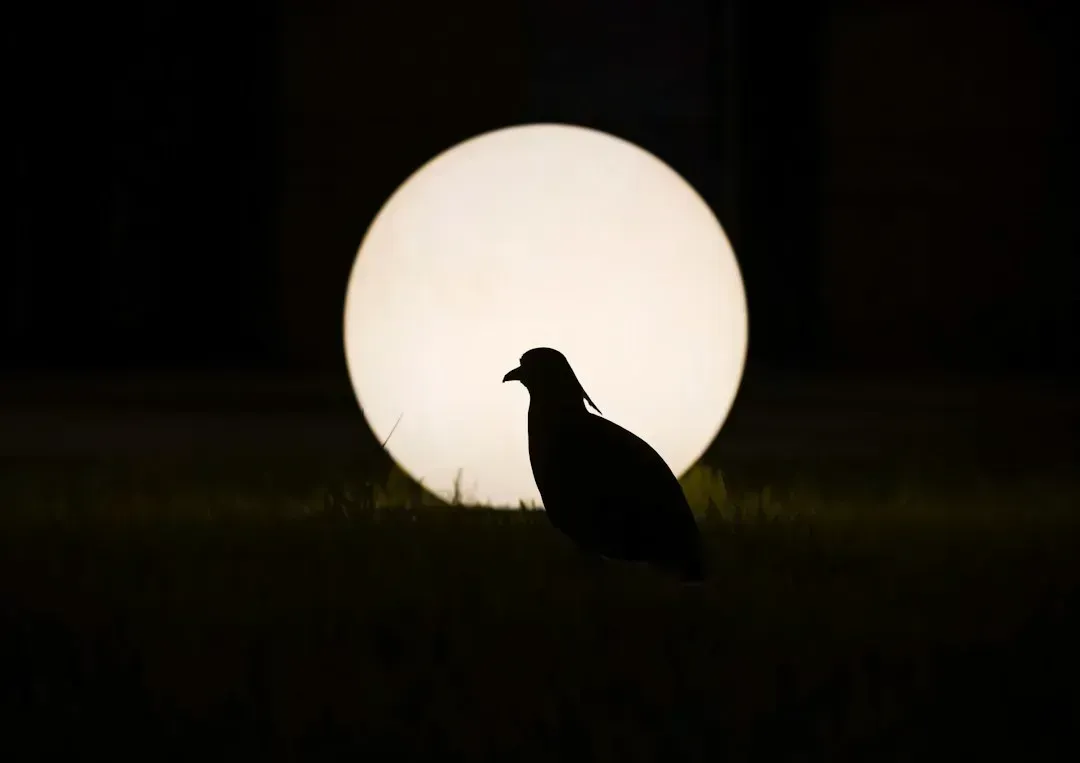
Seeing a star pattern in dim light is demanding work. In a PNAS study, researchers used gene expression to look for brain regions active during vision. They found that night-migratory songbirds have a tight cluster of brain regions highly active only during night vision.
This region is called Cluster N. The authors suggest it is involved in enhanced night vision and could integrate vision-mediated magnetic or star compass information for night-time navigation. Later work found that magnetic compass orientation in a night-migratory songbird requires a functional Cluster N.
Stars, Magnetism and Twilight Working Together

The star compass never works alone. The magnetic field, the sun, the stars and the polarization pattern of twilight light all serve as orientation cues for nocturnally migrating songbirds. The birds also check these cues against each other.
Cue-conflict experiments show how this works, though their results have not always agreed. Studies have favored either celestial or magnetic cues as the main calibration reference. One proposed explanation is that once the stars appear, birds recalibrate the star compass against the recalibrated magnetic compass. The details are still being debated.
Where the Evidence Stands
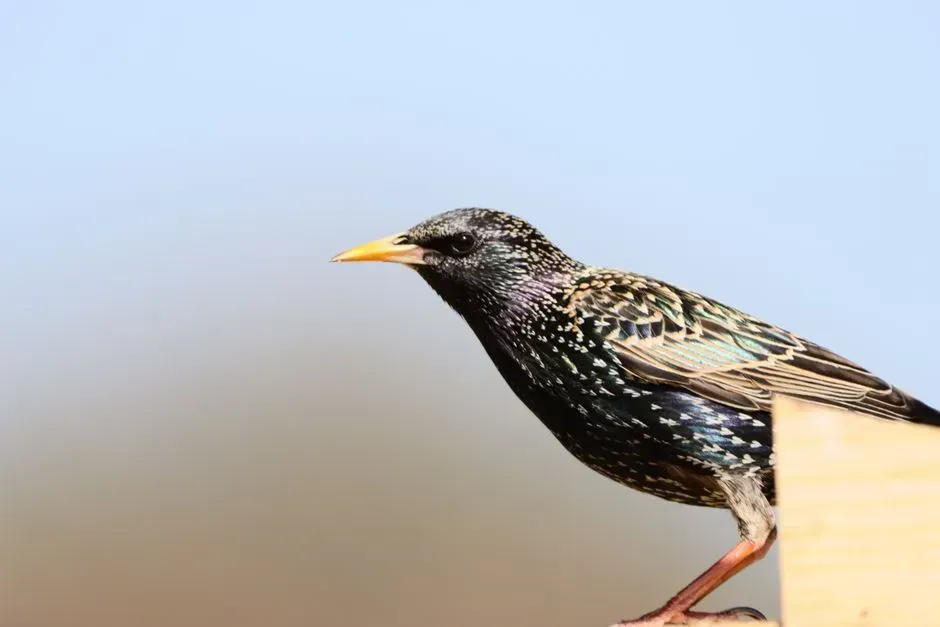
The strongest evidence is that night-migrating songbirds use a learned, clock-independent star compass based on the pattern of rotation around north. It sits alongside magnetic and twilight cues, and a specialized night-vision brain region supports it. Researchers still disagree about which cue takes priority when the cues conflict.
Many of the key experiments are older, and newer work has refined them rather than overturned them. The open questions concern how the cues are calibrated and when in life the star map is learned.
