


- Phantom Energy Sucking Power 24/7 – 7 Home Electronics Quietly Inflating Utility Bills - November 14, 2026
- A Million-Mile Storm Raging for Centuries – 6 Violent Weather Wonders in Our System - November 14, 2026
- Animals Flee Hours Before the Tremor – 7 Natural Warnings Before Disasters Strike - November 14, 2026
For decades, the retirement conversation in this country followed a predictable script. Warm winters, no state income tax, a golf course within golf-cart distance. Then a new ranking landed in late 2025 and quietly rewrote that script, putting a small city near the Great Lakes ahead of every sunbelt contender on the list.
The city is Midland, Michigan, population under 43,000, tucked along the Tittabawassee River a couple hours north of Detroit. It’s not a place that shows up in glossy retirement brochures, and that’s exactly why its sudden rise to the top of the national rankings caught so many people off guard.
A first-time entry that jumped straight to number one
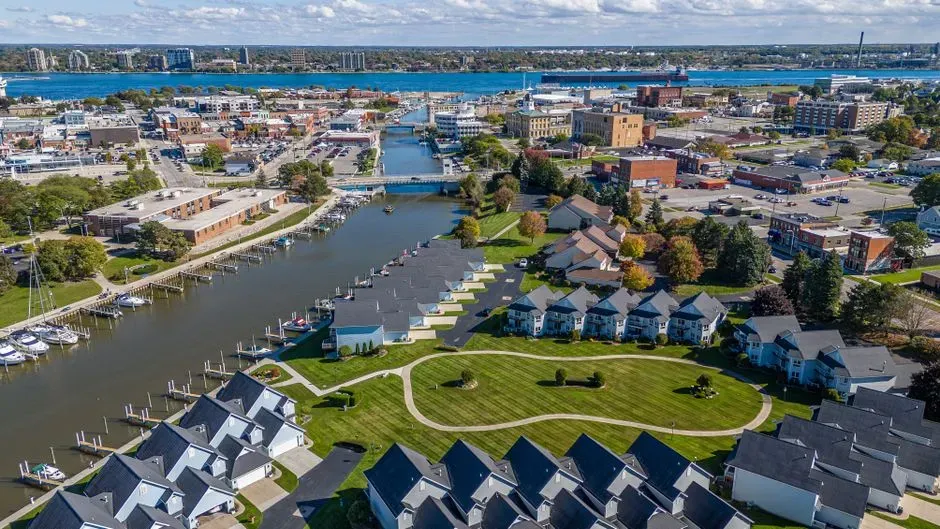
Midland had never appeared on U.S. News & World Report’s Best Places to Retire list before 2026, which makes its debut all the more striking. Midland, Michigan, claimed the No. 1 spot in its first appearance on the list, with the small city about two hours north of Detroit earning high marks for affordability and retiree taxes. That’s not a gradual climb up the rankings. It’s a city arriving fully formed at the very top of a list that evaluated a massive pool of competitors.
The 2026 edition of the Best Places to Retire evaluates 859 cities, up from 150 in 2025. Against that scale, a newcomer taking the top spot is a genuine surprise, not a fluke of a small sample. It also signals that the methodology itself shifted toward criteria where a place like Midland naturally shines.
Why quality of life became the deciding factor

Part of the explanation lies in how the rankings are built. The methodology weighs data on economic and environmental factors that matter most to retirees, including quality of life, affordability, access to quality health care, retiree taxes, senior population and migration, and the local job market, with quality of life accounting for more than a quarter of the overall score. That single change in emphasis reshuffled the entire field.
Places that once relied almost entirely on climate and tax breaks to rank well suddenly had to compete on walkability, civic life, and everyday livability too. A U.S. News contributing editor noted that retirees are prioritizing quality of life over affordability for the first time since the beginning of the COVID-19 pandemic. Midland, it turns out, was built for exactly that kind of scoring.
The numbers behind the affordability story

Housing costs are where Midland separates itself most clearly from the coastal and sunbelt retirement staples. A median home value of $206,142 and a median monthly rent of $790 allow retirement savings to stretch further than they would in many coastal or Sun Belt hotspots. Compare that to a national median home price hovering near $360,000, and the gap becomes obvious.
The low cost of living is a key reason Midland topped the rankings, as the community has a median home price of around $206,000, well below the national average of about $360,000, which gives retirees the opportunity to save on housing costs. A median household income of over seventy-six thousand dollars also points to a stable local economy rather than a town propped up by a single industry in decline.
A tax climate that keeps improving for retirees
Michigan hasn’t always been thought of as a tax-friendly retirement state, but that reputation is shifting. Midland scored particularly well on the retiree-tax component of the U.S. News methodology, one of the specific categories the report cites as driving its number one finish. Combined with a genuinely low cost of living, the after-tax math for a fixed retirement income looks considerably better than it did just a few years ago.
That said, prospective retirees should look closely at how their specific income sources, whether pensions, IRAs, or Social Security, are actually treated under current Michigan law rather than assuming blanket tax friendliness. Tax rules shift, and what applies broadly to the state doesn’t always apply the same way to every retirement account. Still, the overall direction has been favorable enough to move the needle in a national ranking.
Healthcare access without the big-city price tag

Healthcare availability is often the deciding factor for retirees choosing between a charming small town and a slightly less charming city with a major hospital system. Midland manages to offer both. The city’s healthcare infrastructure, paired with its modest size, gives residents shorter wait times and easier appointment scheduling than what’s typical in larger metro areas.
This matters more with age, and the ranking’s methodology explicitly folds access to quality healthcare into its scoring. It’s one of the quieter reasons Midland edged out flashier destinations that may have better weather but thinner medical networks once you get outside the main tourist zones. For a retiree population that skews older with each passing year, proximity to reliable care tends to outweigh a few extra degrees of sunshine.
Culture and community life beyond the balance sheet

Numbers only tell part of the story, and Midland’s appeal reportedly goes well beyond spreadsheets. Midland’s appeal goes way beyond the balance sheet, from the world-class canopy walks at Dow Gardens to Broadway-style performances at the Midland Center for the Arts, offering small-town calm alongside a high-end cultural scene. That combination, a manicured public garden paired with a legitimate performing arts venue, isn’t something typically associated with a city this size.
The city manager’s office framed the recognition in similarly personal terms when the ranking was announced. City Manager Brad Kaye said the recognition reflects the dedication of residents, staff, community leaders, and organizations who work every day to make Midland a place where people can thrive at every stage of life. Whatever the internal factors, the external result is a city that reads as lived-in and cared for rather than staged for visitors.
Walkability and a Michigan-sized commute
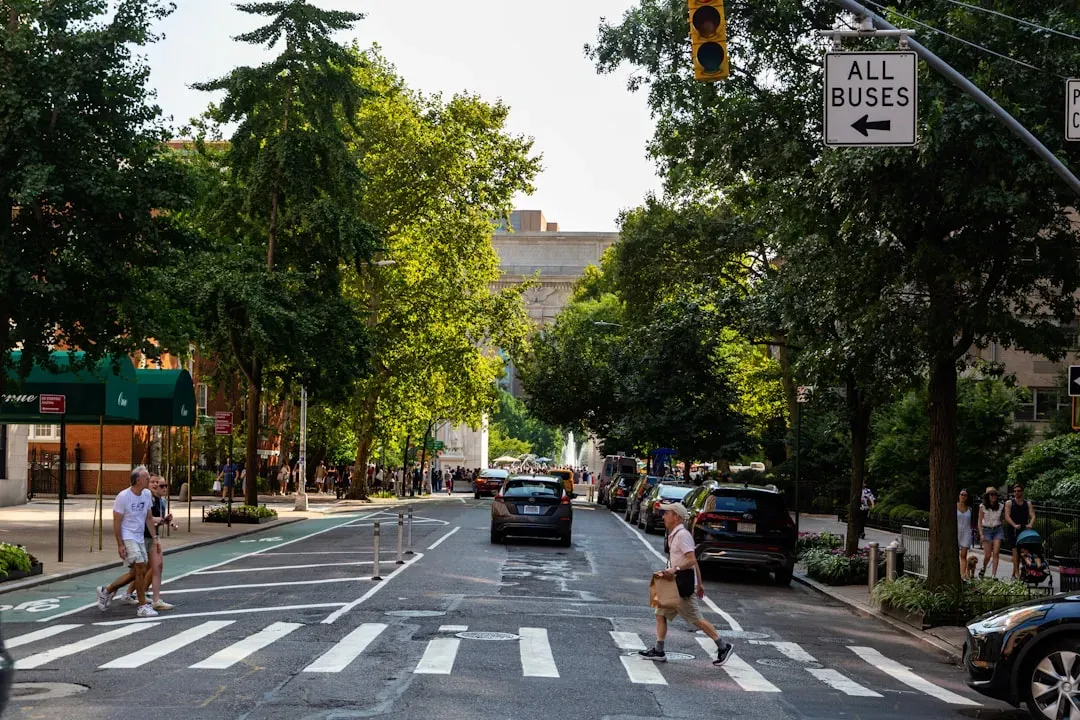
One detail that surprises people who’ve never visited: Midland is genuinely easy to get around without a long drive for basic errands. With a population of 42,740, Midland offers the ease of a small community without sacrificing essential infrastructure, and the average commute is just 14 minutes, making errands, appointments, and social outings simple. For retirees who no longer want to spend chunks of their day behind the wheel, that’s a meaningful quality-of-life detail, not a throwaway statistic.
Walkability was also cited directly among the factors that pushed Midland to the top of the rankings, alongside its recreational amenities and community engagement programs. A compact, navigable layout tends to matter more to retirees than it does to younger residents, since it affects everything from grocery runs to social visits. Midland’s scale seems almost purpose-built for that stage of life, even though it wasn’t originally designed with retirees in mind.
An aging population that’s already comfortable there

Midland isn’t starting from zero when it comes to senior residents; a meaningful share of the population is already well into retirement age. Seniors in Midland are in good company, as 23% of its residents are over the age of 45 and 20% are over 65. That existing demographic base gives new arrivals a built-in community rather than a blank slate.
It also suggests the city’s amenities, from healthcare to recreation, were already calibrated for an older population before the national ranking put it in the spotlight. New retirees moving in aren’t pioneers testing whether the infrastructure can handle them. They’re joining a demographic that’s already a substantial and established part of daily life in Midland.
The winter question retirees can’t ignore

None of this erases the most obvious trade-off: Midland sits firmly in Michigan’s snow belt, and that reality shapes the entire calculation. The catch shouldn’t come as a surprise, as anyone moving north after decades of dreaming about a warm-weather retirement will have to budget for heating, snow removal, and the other expenses that come with a Michigan winter. It’s a real cost, both financial and logistical, and not one that shows up cleanly in a national ranking’s affordability score.
Coverage of the ranking has been candid about this tension rather than glossing over it. Midland’s rise to the top of the U.S. News rankings shows how factors such as affordability, healthcare, recreation, and overall quality of life can compete with, and sometimes outweigh, warm weather. Whether that trade holds up for any individual retiree depends heavily on personal tolerance for cold, snow tires, and shorter daylight hours in January.
What Midland’s rise says about retirement trends generally

Midland’s number one ranking isn’t really a story about one city so much as a signal about where retirement priorities are heading nationally. The biggest takeaway from the best retirement towns of 2026 might be that there’s no longer one standard retirement destination. Affordability, healthcare access, and everyday livability are increasingly competing with, and sometimes beating, the traditional lure of a warm coastline.
That shift shows up elsewhere on the same list too. Other midwestern cities among the leading 20 include Bismarck, North Dakota at No. 11, and Sioux Falls, South Dakota, placing 16th, with additional Michigan cities also performing well. Florida and Arizona haven’t disappeared from the retirement conversation, but they’re no longer assumed winners the way they once were, and a modest Midwestern city just proved it.
