

Most of us picture space science as telescopes, rockets and astronauts floating around in cabins. A lot of the daily work is quieter than that. It involves watching conditions that can affect satellites, power grids, crews and even the ground under our feet.
Some of these measurements run around the clock, with teams checking numbers the way a ship’s crew checks the weather. Here are six things researchers keep a close eye on, and why each one matters.
Solar Storms and Space Weather
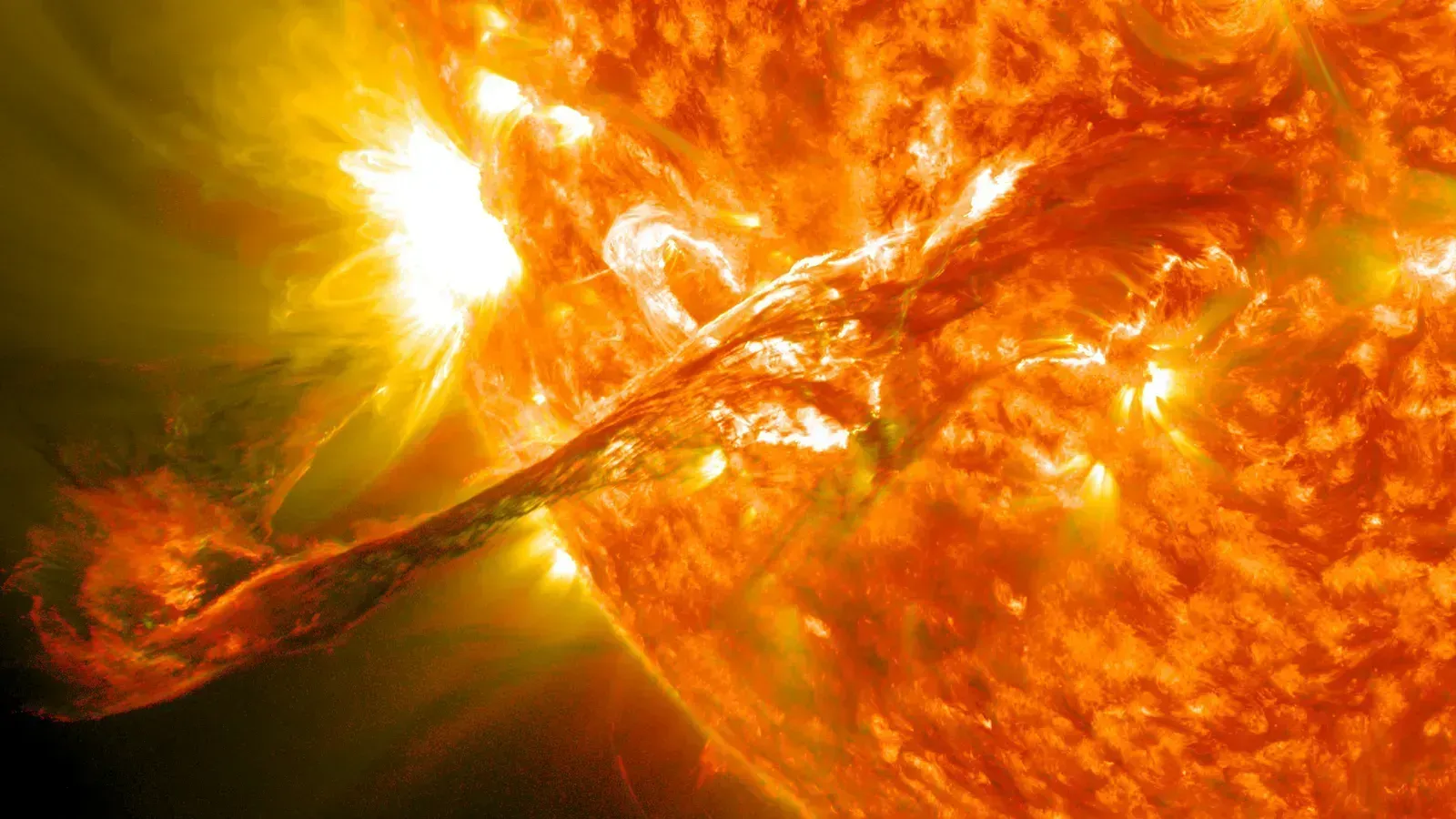
The Sun isn’t a steady lamp. It throws out streams of charged particles and occasional huge eruptions called coronal mass ejections. Agencies such as NOAA’s Space Weather Prediction Center track sunspots and solar wind, and they issue alerts when a disturbance is heading toward Earth.
The Sun has been in the busy stretch of its eleven year cycle, known as Solar Cycle 25. In May 2024 a powerful geomagnetic storm pushed auroras far south of their usual range, and it was among the strongest in decades. Operators of satellites and power networks watch these forecasts because strong storms can disturb navigation signals, radio links and electrical systems.
Orbital Debris Around Earth
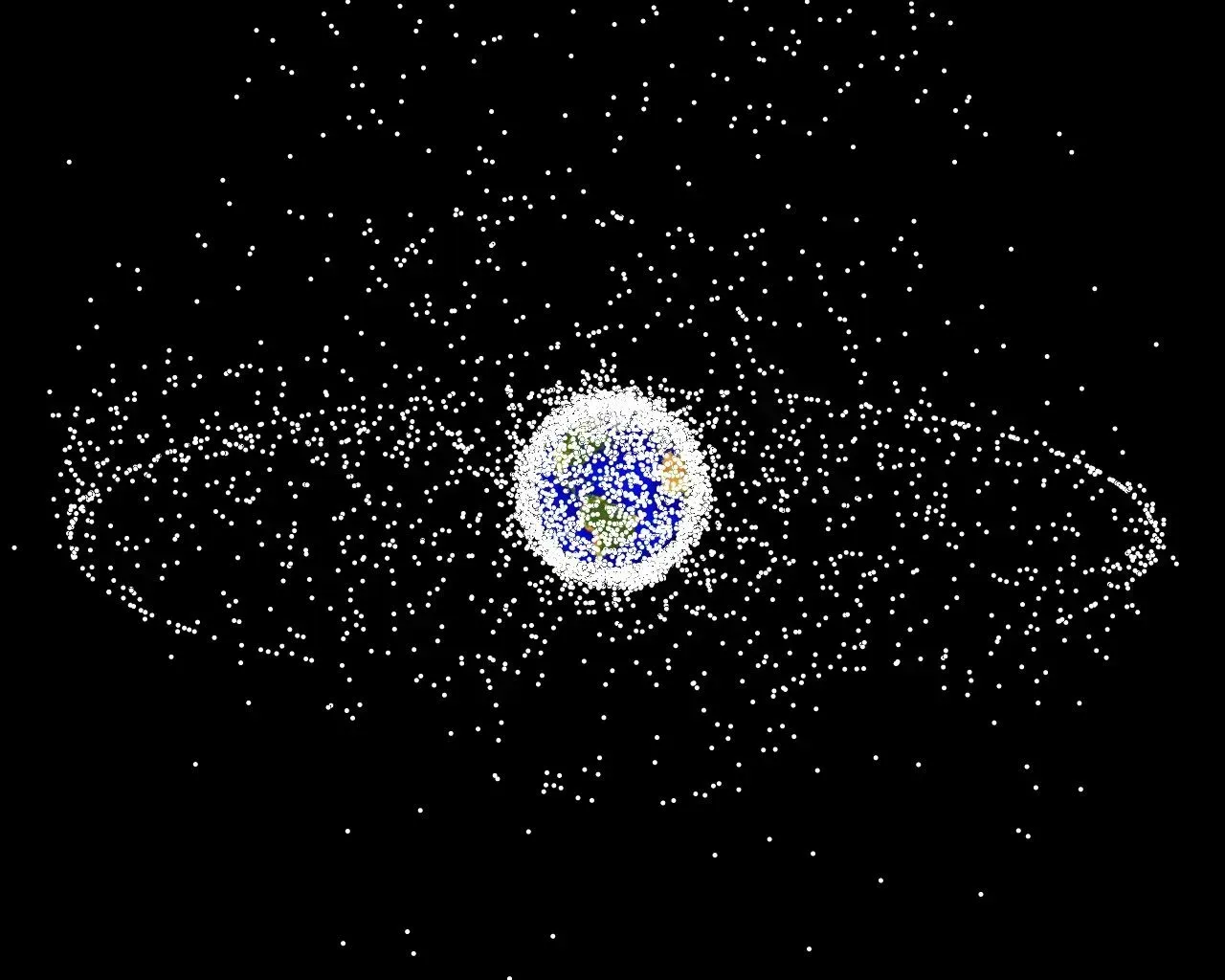
Low Earth orbit is crowded with dead satellites, spent rocket stages and fragments from past collisions. Tracking networks, including the U.S. Space Force catalog and ESA’s Space Debris Office, follow tens of thousands of objects large enough to be seen from the ground. Far more pieces are too small to track, and ESA estimates they number in the millions.
Size doesn’t tell the whole story, because objects in orbit move at several kilometers per second. A fleck of paint can chip a window, and a larger fragment can destroy a satellite. The International Space Station has performed debris avoidance maneuvers when a close pass was predicted, and operators of large satellite constellations now plan routine collision avoidance as part of normal work.
Radiation Inside Spacecraft
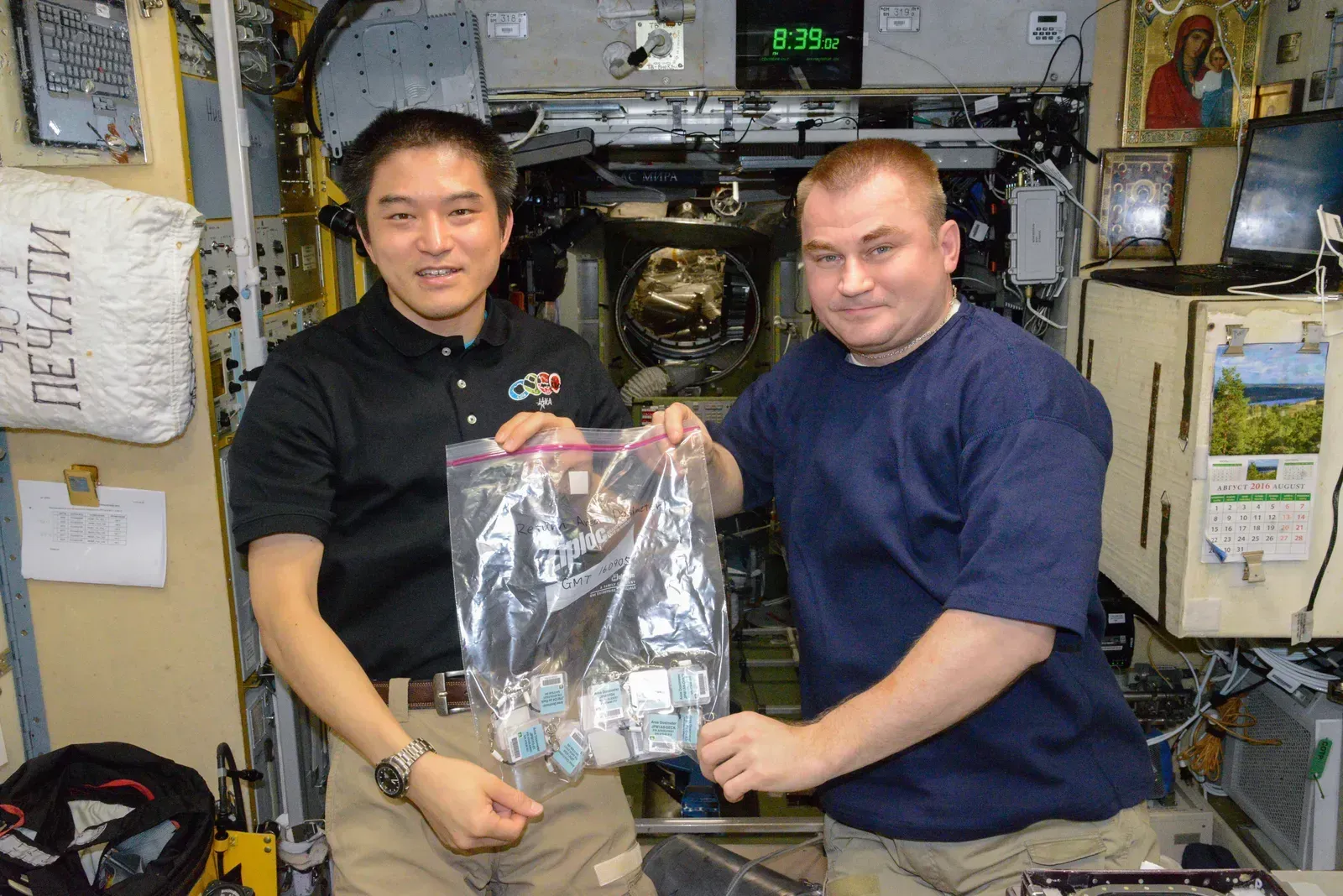
Beyond the protection of Earth’s atmosphere, radiation is a constant companion. Astronauts on the ISS wear dosimeters, and detectors placed around the station record exposure from galactic cosmic rays and from particles trapped in Earth’s radiation belts. Doses are tracked per person, and agencies set career limits to keep long term cancer risk within accepted bounds.
The picture changes for travel beyond low Earth orbit. NASA’s Artemis I mission in 2022 carried mannequins fitted with radiation sensors around the Moon, and Artemis II is the follow up crewed flight. Data from missions like these helps engineers design shielding and storm shelters for future lunar and Mars trips.
Near Earth Asteroids
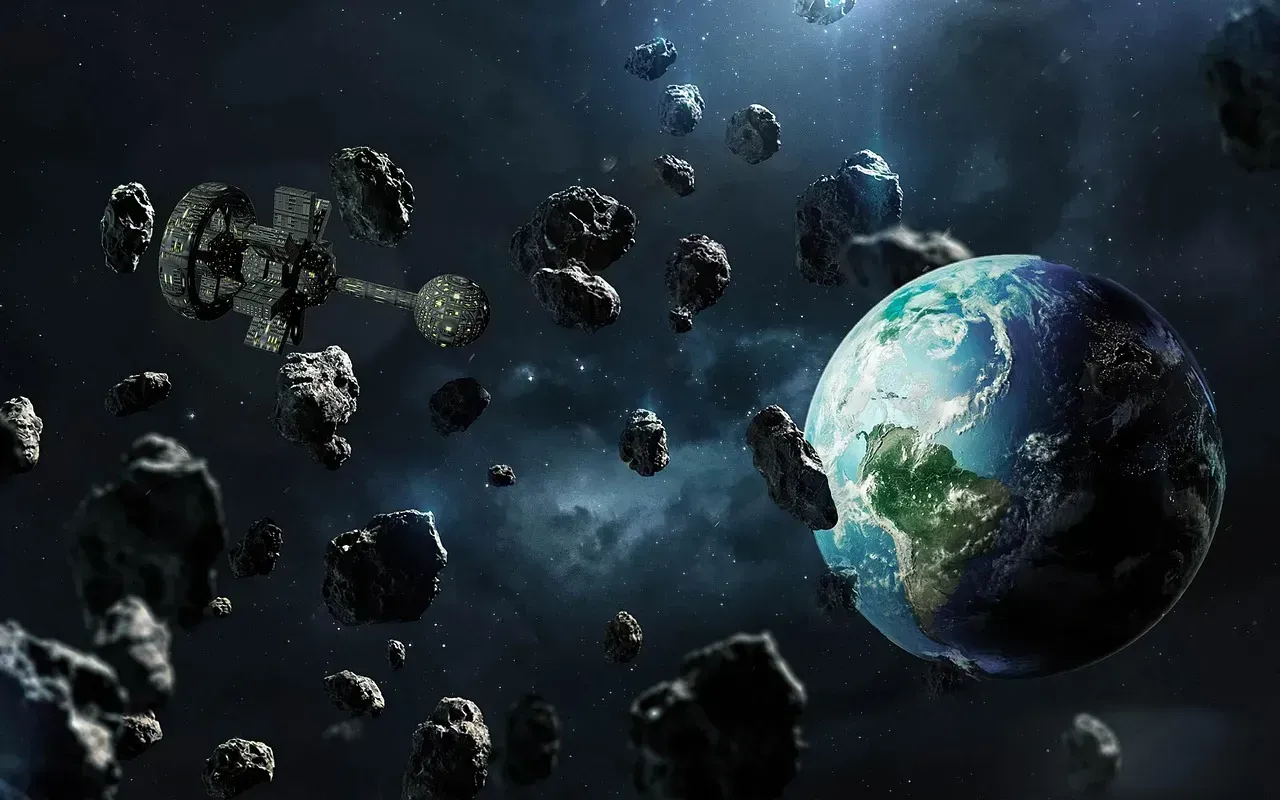
Astronomers run survey telescopes that scan the sky for rocks whose orbits bring them close to our planet. NASA’s Planetary Defense Coordination Office and ESA’s planetary defence teams keep lists of known objects and calculate where each is headed. Orbits get refined as more observations come in, and that is why a risk estimate can change from week to week.
Asteroid 2024 YR4 showed how this works. Early in 2025 it briefly drew attention because its chance of hitting Earth in 2032 looked non trivial, and then follow up observations ruled out an Earth impact. Planetary defense also has a practical test record, since NASA’s DART spacecraft changed the orbit of the moonlet Dimorphos in 2022, and ESA’s Hera mission launched in October 2024 to study the result up close.
Microbes and Air Quality on the Space Station
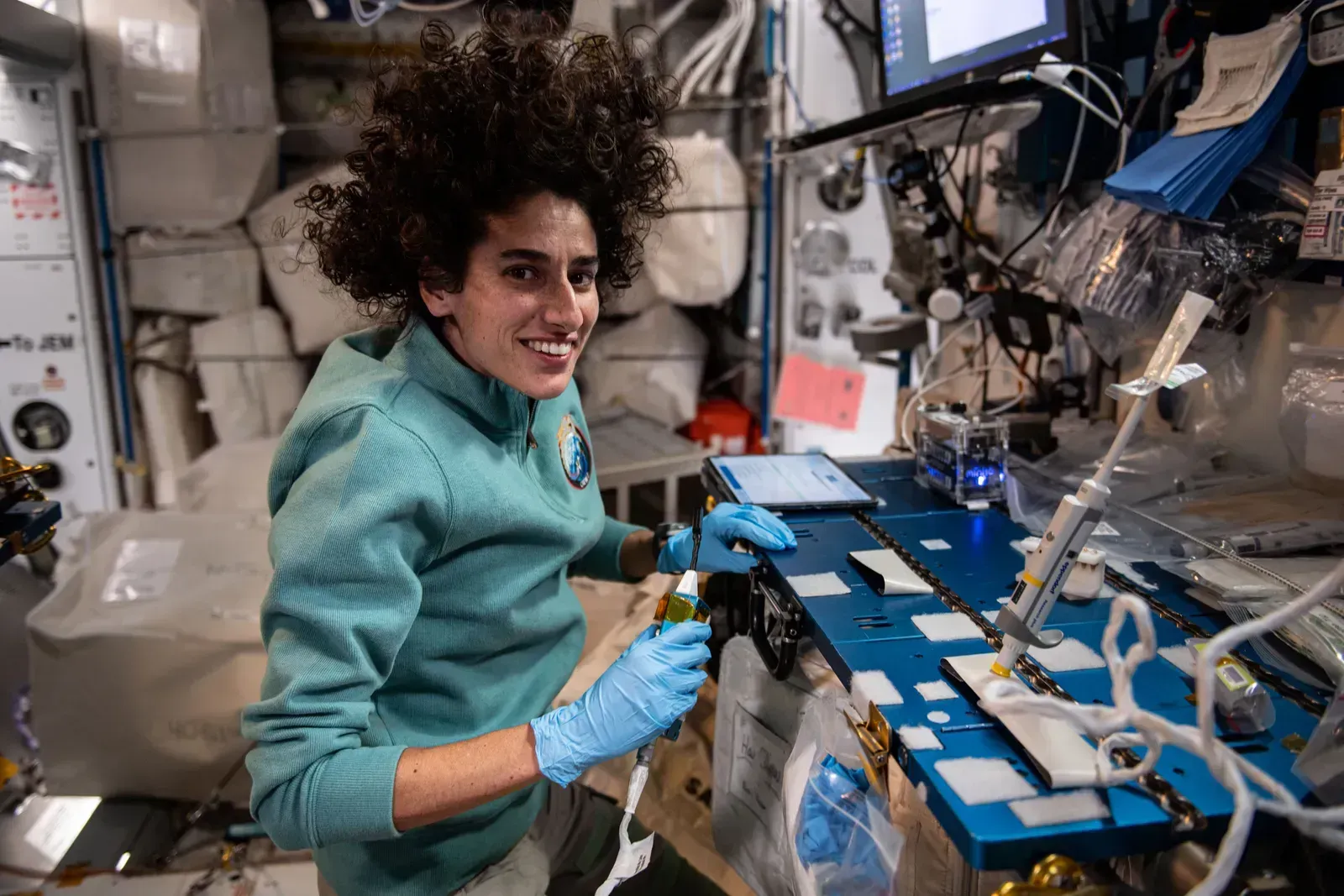
Inside a sealed station, the air and surfaces are part of the experiment. Crews and ground teams monitor carbon dioxide levels, trace chemicals and humidity, because small shifts affect comfort and health in a closed space. Surface and air samples are also checked for bacteria and fungi, since microbes travel with people and gear.
Studies of ISS microbes have found communities that largely reflect the human crew and the materials aboard. Researchers want to know whether any of them behave differently in microgravity, for example by growing more readily on equipment. That work feeds directly into cleaning routines and material choices for longer missions.
Earth’s Magnetic Field From Orbit
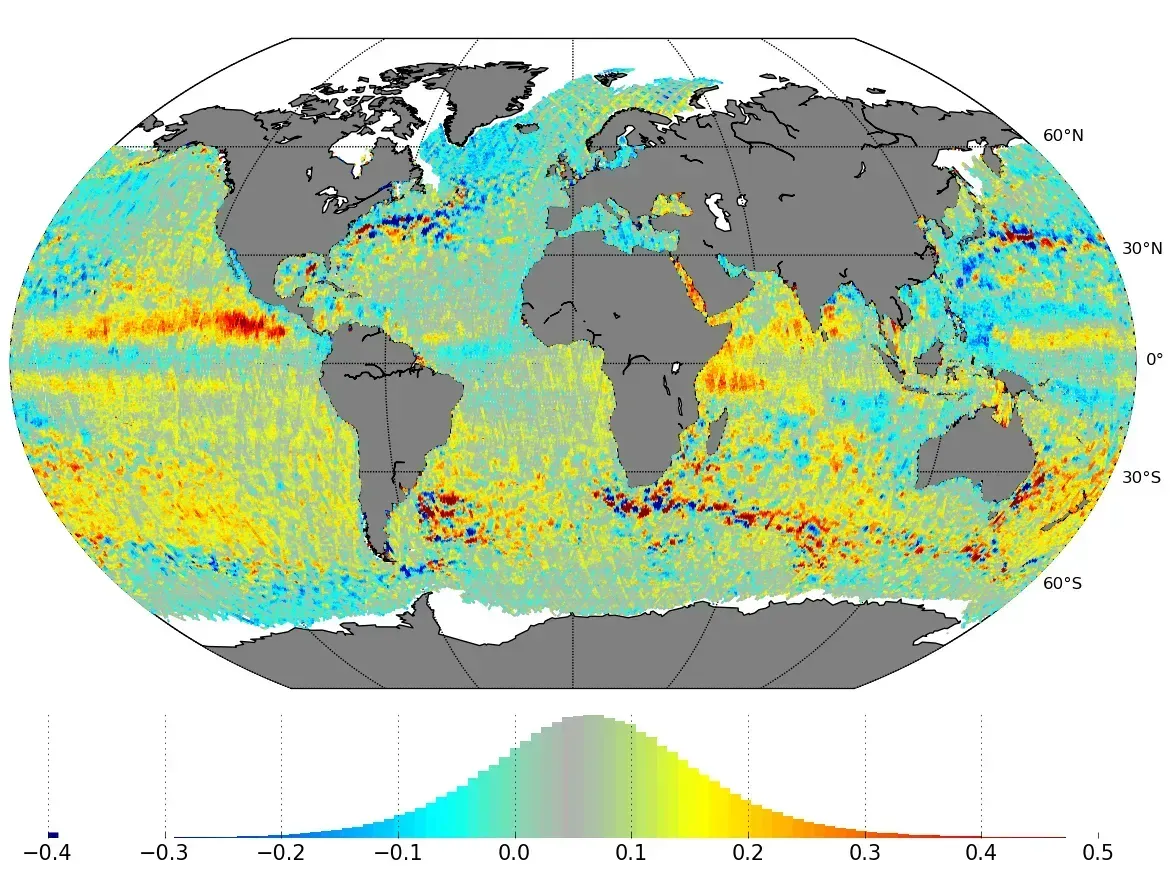
The magnetic field around our planet shields us from much of the solar wind, and satellites are one of the best ways to measure it. ESA’s Swarm trio, launched in 2013, maps the field and how it shifts over time. The data helps scientists separate signals from the core, the crust, the oceans and the upper atmosphere.
One feature of special interest is the South Atlantic Anomaly, a region where the field is weaker and charged particles dip closer to Earth. Spacecraft passing through can experience more radiation hits, which sometimes cause glitches in electronics. Monitoring how this region changes helps mission planners protect instruments and understand what is going on deep inside the planet.

- The Shoreline Sucked Dry in Seconds – 5 Tsunami Signals Beachgoers Mistake for Low Tide - November 14, 2026
- 9 Dark-Sky Destinations Around the World Where the Stars Look Unreal - November 14, 2026
- The Fault Line That Never Slips – 7 Locked Seismic Zones Overdue for a Massive Release - November 14, 2026
