

- Phantom Energy Sucking Power 24/7 – 7 Home Electronics Quietly Inflating Utility Bills - November 14, 2026
- A Million-Mile Storm Raging for Centuries – 6 Violent Weather Wonders in Our System - November 14, 2026
- Animals Flee Hours Before the Tremor – 7 Natural Warnings Before Disasters Strike - November 14, 2026
Dig a handful of forest soil and you’re holding a tangle of fungal threads, too fine to see one by one. Those threads, called hyphae, link into the roots of nearly every tree above them. Scientists have spent decades asking what actually travels through that tangle, and how much it matters.
The picture has become more detailed, and more contested, in recent years. A 2025 special collection in Functional Ecology set out to pull together what’s known about these networks and what remains unresolved. What follows are six findings that show both the promise and the limits of the idea.
The Network Is a Trade Route, Not a Charity
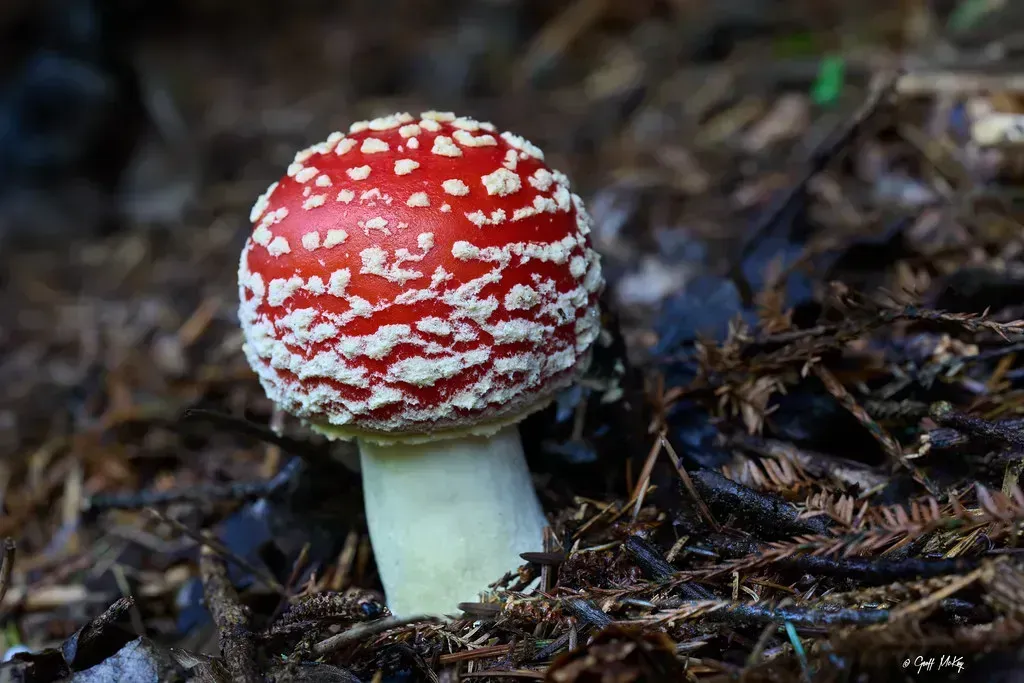
Mycorrhizal fungi live on and inside tree roots, and the relationship is an exchange. The fungal network keeps about thirty percent of the sugar its connected trees make through photosynthesis, and in return gathers phosphorus and other minerals that the trees then use.
Researchers often describe this as a market. Networks allow nutrients, carbon and signalling molecules to move in both directions between plants and fungi, a view usually framed as a biological markets theory. Sharing between trees, where it happens, rides on top of that basic deal.
Mother Trees Sit at the Hubs
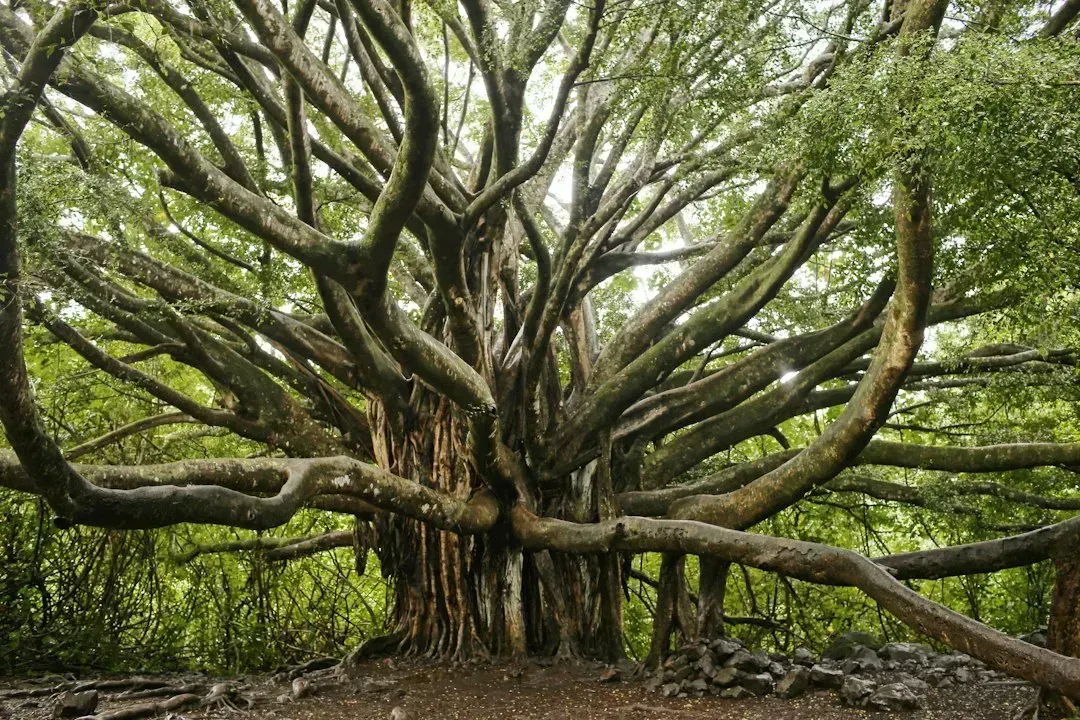
Forest ecologist Suzanne Simard’s work popularized the idea of mother trees. These hub trees are the older, more established trees in a forest, and they anchor the fungal links. A mother tree could help seedlings by colonizing them with fungi and supplying nutrients they need to grow.
Her team also reported that shaded young trees can benefit from carbon moving from larger neighbors. In one set of findings, birch received extra carbon from Douglas fir when the birch lost its leaves, and the birch supplied carbon back to shaded firs. It’s a striking picture of give and take across species.
Nutrients Can Arrive Within Days
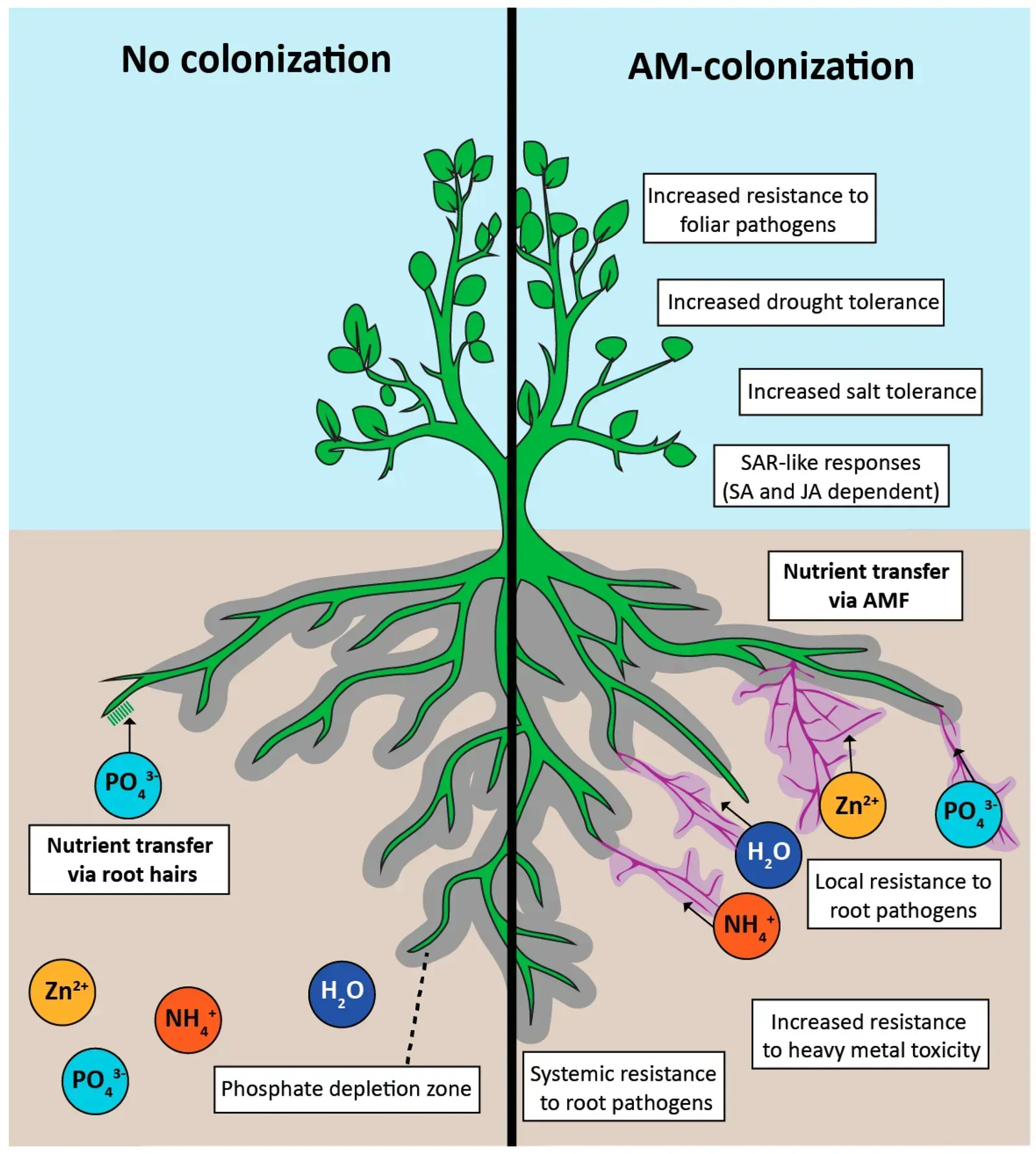
Speed is part of what makes these connections interesting. One 2026 science news summary reports that nutrients reach neighboring plants through mycorrhizal networks within three days. That’s quick for something moving through soil.
Cell-level work adds detail. Research published in 2025 found that arbuscules in the inner cortical layers cut the distance and energy cost of moving nutrients across root tissue. The efficiency starts inside the root itself.
Fungi Respond When Trees Run Short on Sugar
A 2025 study in Plant Diversity tested what happens when a tree’s carbon supply is choked off by girdling, which cuts the bark channel that carries sugars down. After girdling, mycorrhizal colonization rose by one hundred ten percent and fungal hyphal length by three hundred forty percent, while root activity declined.
The researchers also found that girdling raised the amount of nutrient acquisition per unit of carbon cost and made the fungal community less stable. In plain terms, a carbon-starved tree leaned harder on its fungal partners, and that came with a cost to the fungi’s community stability.
Not Every Network Looks the Same
It’s tempting to picture one uniform web. The evidence says otherwise. Tree diversity and mycorrhizal type, arbuscular or ectomycorrhizal, shape fungal community composition, so networks behave as dynamic, context dependent interactions rather than uniform entities.
That matters because the strongest sharing claims come mostly from specific temperate and boreal forests. Not all plants benefit equally from mycorrhizal networks. A forest of one fungal type may work very differently from another.
The Science Is Still Being Argued
Not everyone accepts the strongest claims. Critics point to the low amount of nutrient transfer between species through mycorrhizal networks. Some scientists also object to how Simard’s results were presented to the public, and she answered in a 2025 opinion article.
The debate has produced papers with titles like one that re-examines the evidence for the mother tree hypothesis, and another that works to clarify the definition of a common mycorrhizal network. The Functional Ecology collection highlights key advances while flagging unresolved questions and future research directions. The fungi clearly connect to trees. How much those links shape forest survival remains an open question.
