


- A Million-Mile Storm Raging for Centuries – 6 Violent Weather Wonders in Our System - November 14, 2026
- Animals Flee Hours Before the Tremor – 7 Natural Warnings Before Disasters Strike - November 14, 2026
- Lightning Splitting Trunks That Refuse to Die – 5 Old-Growth Trees Living on Decay - November 14, 2026
1. Phoenix, Arizona
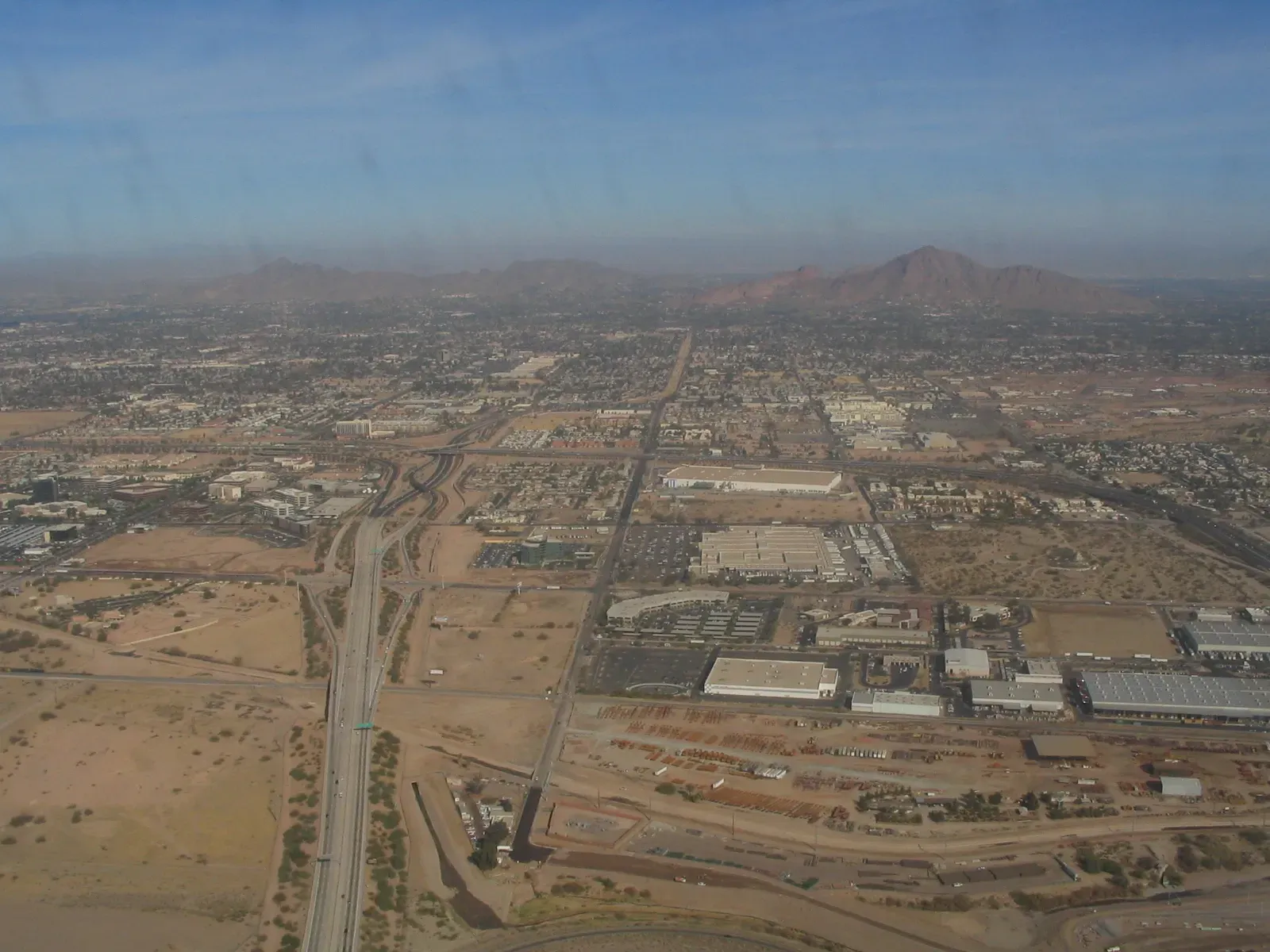
Phoenix already ranks among the hottest major metro areas in the country, and researchers describe it as the fastest warming big city in the nation. Since the 1990s, Phoenix has averaged 111 days per year that reach 100 degrees or hotter, according to the National Weather Service. That baseline is already climbing, since more than 120 days passed the century mark in each of the past three years.
Looking ahead to mid century, the trajectory gets steeper. The National Environmental Mapping and Applications Center’s Climate Explorer shows Phoenix may average 124 days above 100 degrees by 2050 in a lower emissions scenario or 134 days a year in the triple digits by 2050 in a higher emissions scenario. Even more striking, people in Phoenix experienced about 7 days above 110 degrees Fahrenheit in a year around 1990, and by 2050 that figure is projected to average about 47 days per year.
2. New York City, New York
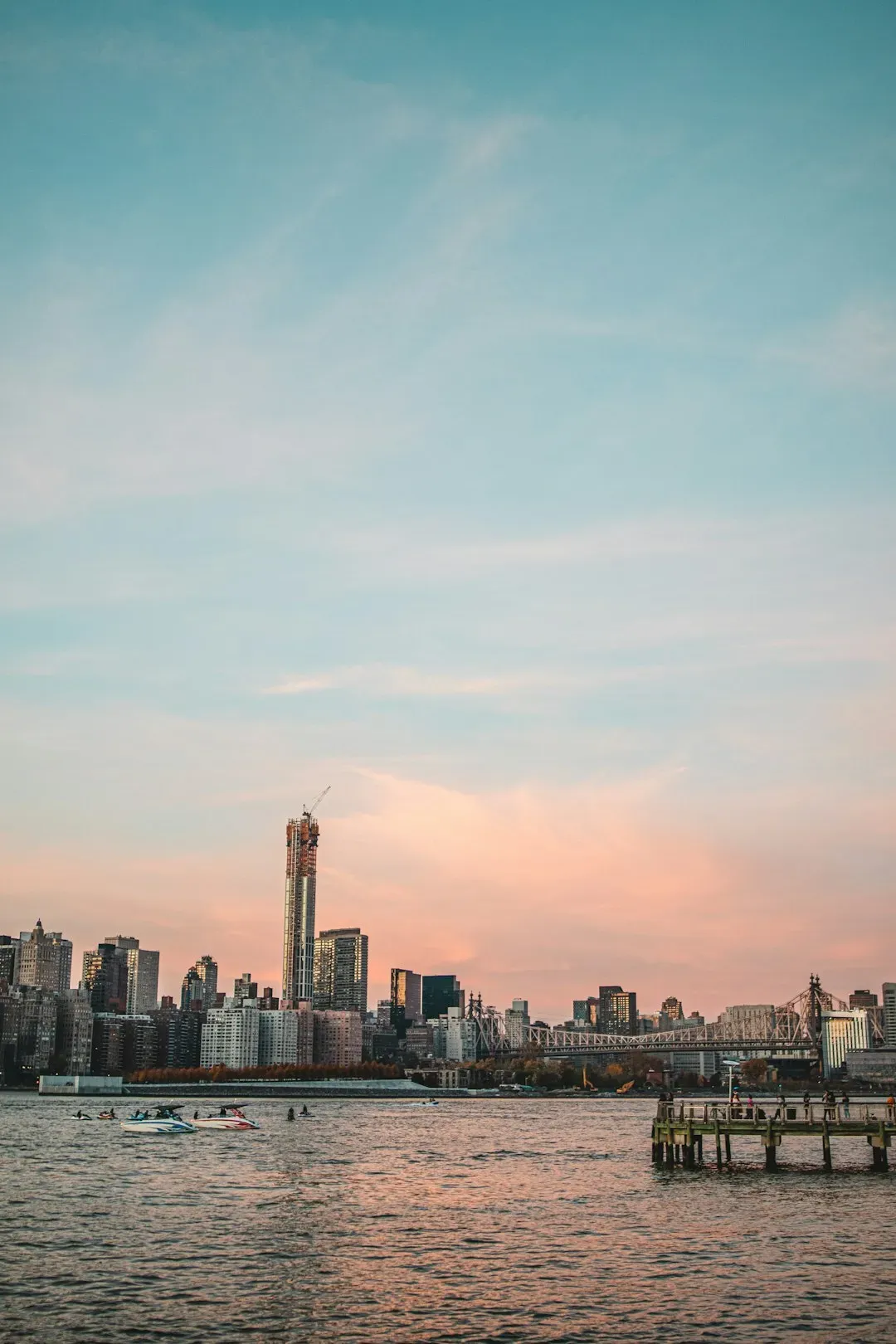
New York is often framed as a temperate coastal city, but that identity is fading fast in climate models. In the 2050s, New York is projected to have about 12 days of 90 degree-plus heat each August, three times as many scorchers as it had in the 1980s and 1990s. The city is also expected to see genuinely extreme heat become routine rather than rare.
By mid century, the city will likely have four days hotter than 95 degrees and one day over 100 degrees, compared with only one day and zero days at those temperatures in the 1980s and 1990s. One widely cited comparison suggests New York’s future climate could resemble a Southern city’s present one, since the Big Apple is expected to be steamier than Atlanta today by 2050, with more hot days in August than Atlanta sees now. For a city built on subway platforms without air conditioning and rowhouses with limited insulation, that shift changes daily life more than most residents currently expect.
3. Chicago, Illinois
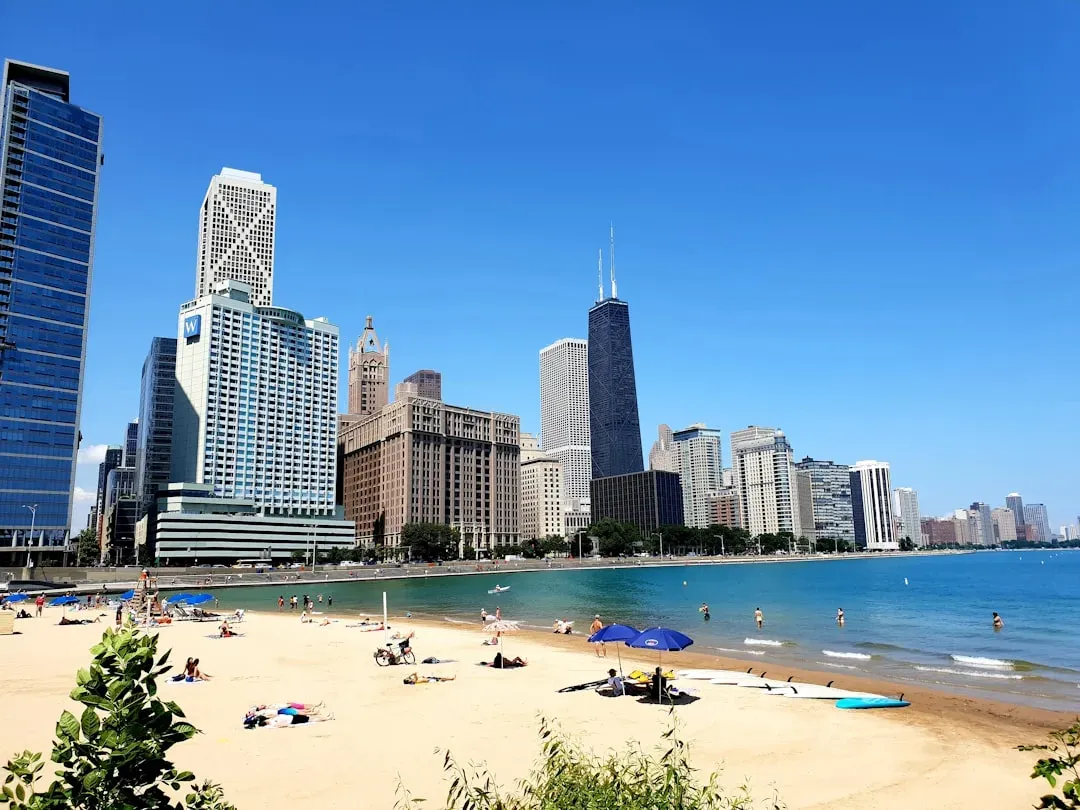
Chicago’s summers have historically been short and unpredictable, prone to sudden heat spikes rather than sustained extremes. Researchers studying the city’s future climate found that pattern intensifying considerably, since the number of days with a maximum temperature greater than 90 degrees may increase from 15 per year in 2010 to between 36 and 72 days per year.
That range is wide because so much depends on global emissions choices made over the next couple of decades. Regional climate scientists note that by 2050, across high and low emissions scenarios, models project average annual air temperatures in the region will increase between 3 to 6 degrees Fahrenheit. For a city where the deadly 1995 heat wave remains a benchmark event, a doubling or more of hot days changes how public health officials plan for summer.
4. Miami, Florida
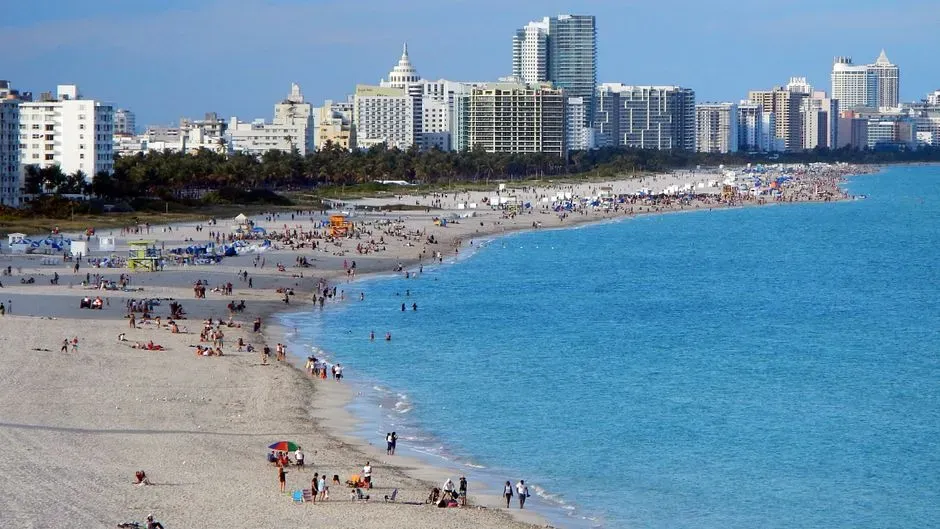
Miami’s heat problem is less about record breaking highs and more about relentless, humid persistence that never really lets up, even overnight. Researchers tracking the city’s extreme heat trend found that by 2050, over fifty days a year, more than a month and a half every summer, may exceed what is currently a local extreme temperature. That is a sharp jump from a baseline where the ten hottest days in Miami in a typical year have average temperatures above 83 degrees Fahrenheit, often remaining above 77 degrees overnight with high humidity.
The broader trend line is already visible in the data. The number of extremely hot days in Miami is projected to increase fivefold by 2050. Miami was notably the first city in the world to appoint a Chief Heat Officer, a response that reflects how seriously local officials are taking a threat that, unlike a hurricane, does not announce itself with a single dramatic event.
5. Dallas, Texas
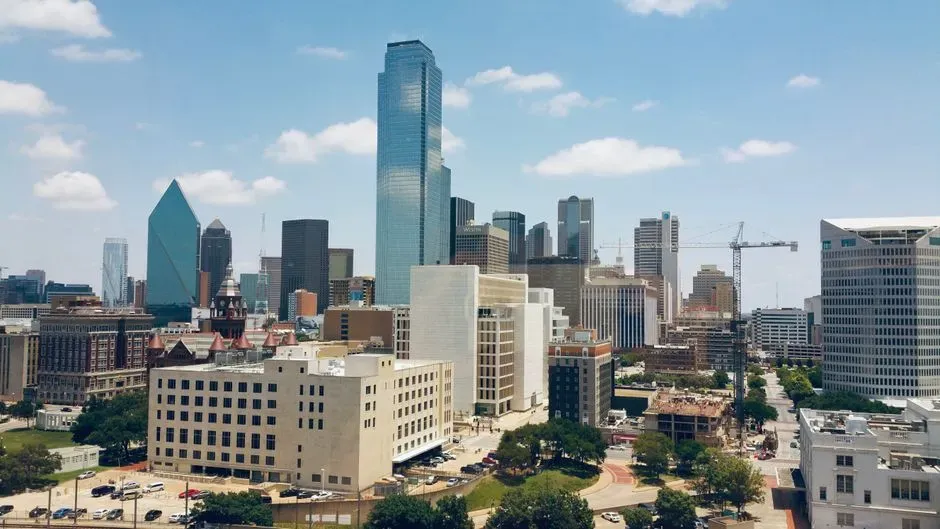
Dallas already knows brutal summer heat, but the city’s own climate planning documents describe a future that pushes well past today’s discomfort threshold. Local projections show that by 2050, Dallas is likely to experience a 5 degree Fahrenheit increase in mean temperature during summer months if global greenhouse gas emissions continue to increase.
What makes the Texas outlook particularly notable is how widespread the change will be across the state, not just in one metro area. Statewide modeling indicates that each of Texas’s 254 counties will experience at least 20 additional heatwave days by 2050, and over half will see more than 25 days with temperatures above 95 degrees. Combined with drought concerns, since climate models also predict a decrease in overall annual precipitation and an increase in the frequency, intensity, and length of severe droughts, Dallas summers are shaping up to be both hotter and drier at once.
6. Minneapolis, Minnesota
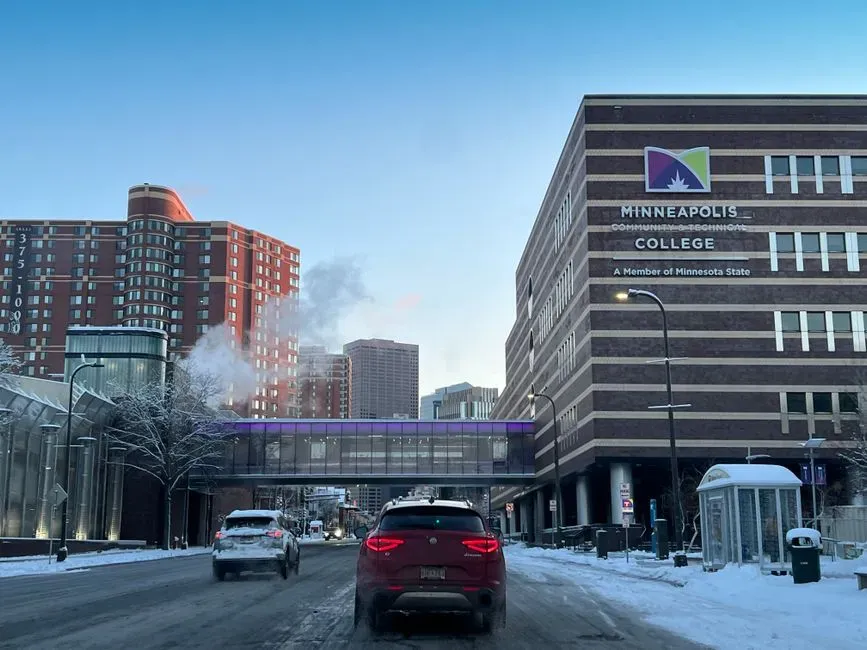
Minneapolis might be the most surprising city on this list, since it currently sits far outside the country’s usual heat conversation. Yet the projected change in relative terms is dramatic, as people in Minneapolis experienced about 7 days above roughly 92 degrees Fahrenheit in a year around 1990, and by 2050 that figure is projected to average about 35 days per year.
Climate researchers have used an evocative comparison to describe the scale of the shift, noting that Minneapolis in 2050 will be more like Kansas City, with its warmest month climbing from around 80 degrees Fahrenheit on average to more than 90 degrees. This matters because Minneapolis infrastructure, from housing stock to public spaces, was largely built for a cold climate with mild, brief summers rather than the extended heat stretches now being modeled.
7. Seattle, Washington
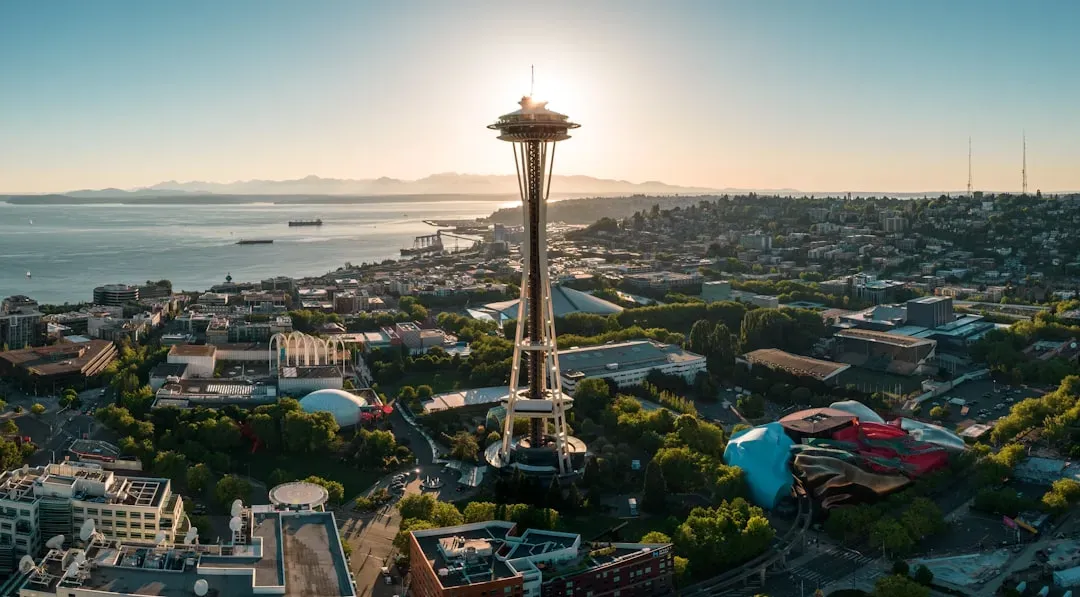
Seattle’s reputation for cool, drizzly summers is already becoming outdated, a shift made visible during recent Pacific Northwest heat domes. Long term projections suggest the city is heading toward a genuinely different climate classification, with one analysis finding Seattle is expected to see a 4.6 degree rise in average temperature by 2050, along with a change in climate type from Temperate Dry Hot Summer to Temperate Dry Cold Summer.
Beyond temperature averages, researchers modeling global climate analogues describe an even starker seasonal transformation, noting that wet Seattle will be like drier San Francisco by mid century. For a region where most homes and offices were never built with widespread air conditioning in mind, that kind of structural climate shift creates real adaptation challenges that go beyond simply feeling warmer on a given afternoon.
8. Washington, D.C.
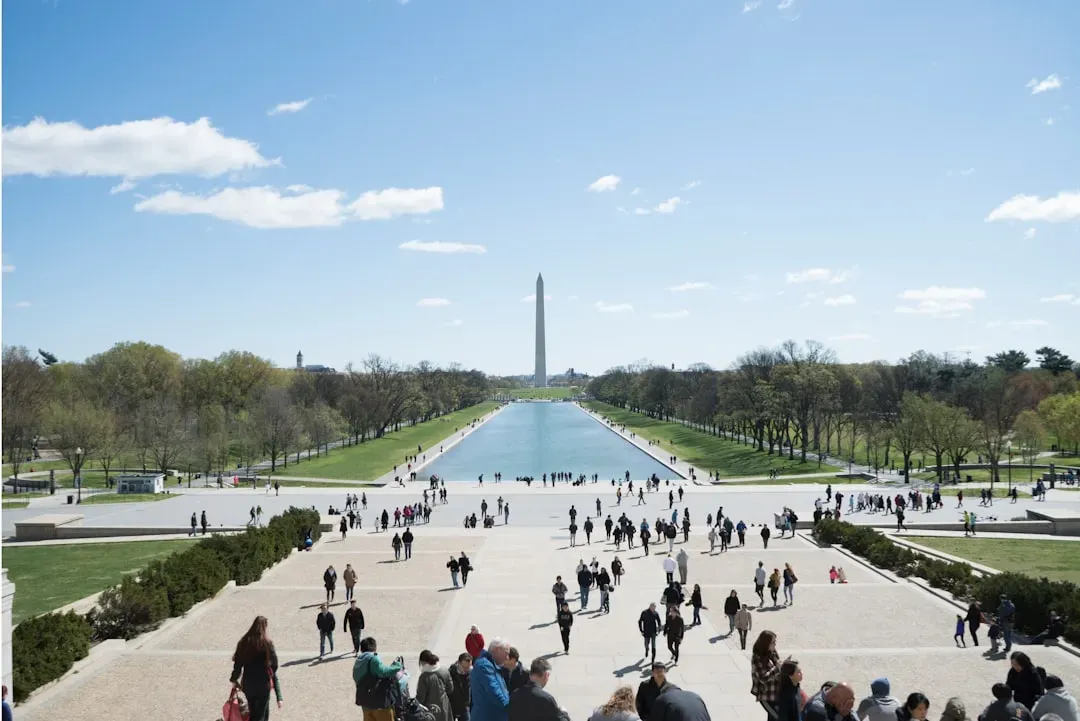
The nation’s capital sits at a climate crossroads, geographically positioned between the humid Southeast and the temperate mid Atlantic, and researchers expect it to drift toward the former. One comparative study found the US capital faces the potential for 5.4 degree warming by 2050, among the larger shifts projected for any major East Coast city. Global climate analogue research reinforces just how unfamiliar the resulting summers could feel to longtime residents. That research suggests Washington D.C. will be more like today’s Nashville but with even greater variation in temperature and precipitation, a comparison that captures both the added heat and the added unpredictability the city is expected to face. Combined with the region’s humidity and its aging infrastructure, that combination poses real questions for a city that was not originally designed around sustained extreme heat.
None of these projections are locked in stone. Every one of them depends heavily on decisions made over the next decade or two about emissions, energy policy, and urban planning, and researchers are consistent in noting that lower emissions pathways produce meaningfully milder outcomes than business as usual scenarios. What the data does make clear is that the range of possible futures for these eight cities is wide, and the difference between the best case and worst case by 2050 is not a matter of a degree or two. It is the difference between a warmer version of a familiar summer and a summer that no longer resembles the one longtime residents grew up with.