

- A Million-Mile Storm Raging for Centuries – 6 Violent Weather Wonders in Our System - November 14, 2026
- Animals Flee Hours Before the Tremor – 7 Natural Warnings Before Disasters Strike - November 14, 2026
- Lightning Splitting Trunks That Refuse to Die – 5 Old-Growth Trees Living on Decay - November 14, 2026
Most of the planets we know about beyond our solar system have never appeared in a photograph. Their stars are far too bright, and the planets are far too faint and too close to them. Astronomers have learned to find them anyway, by reading the small disturbances planets leave behind.
NASA’s Exoplanet Archive has confirmed well over six thousand worlds, a milestone passed in 2025. Almost all of them were found indirectly. Here are seven of the methods that made it possible.
The Transit Method
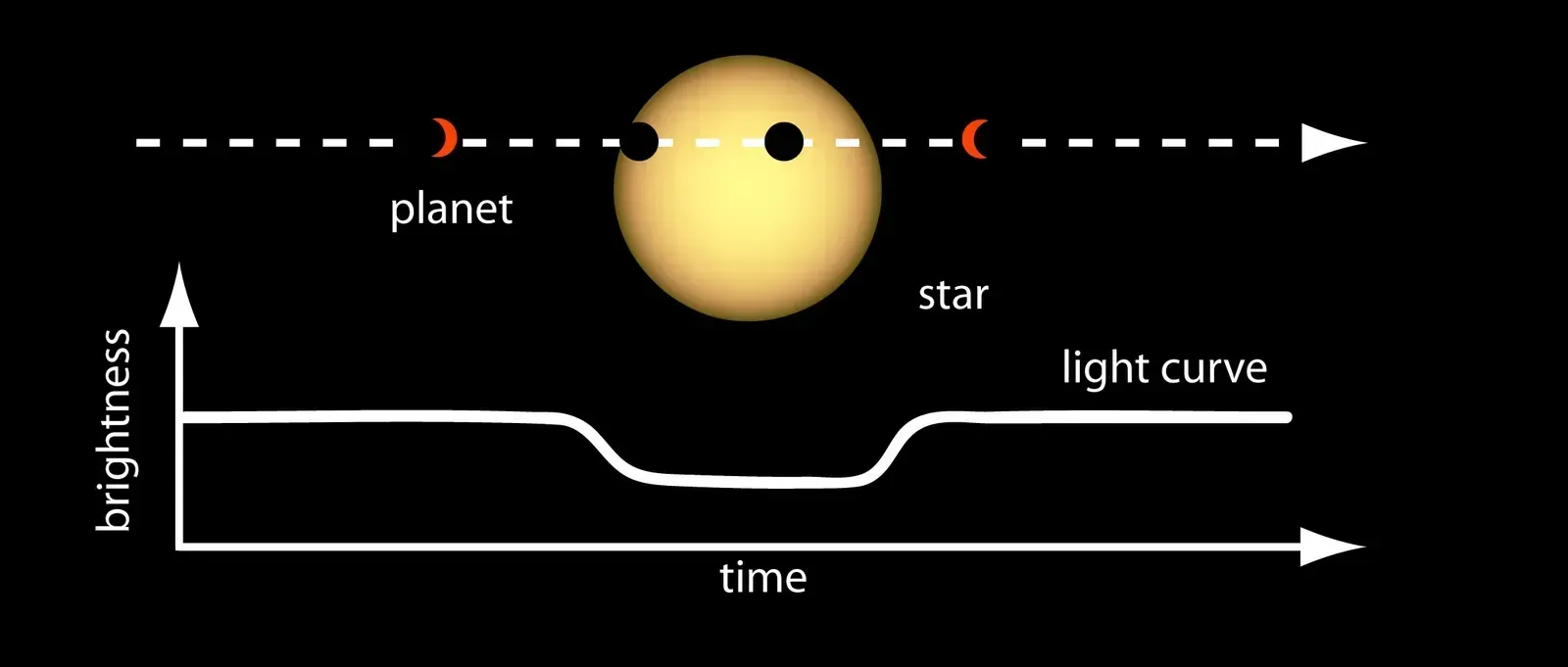
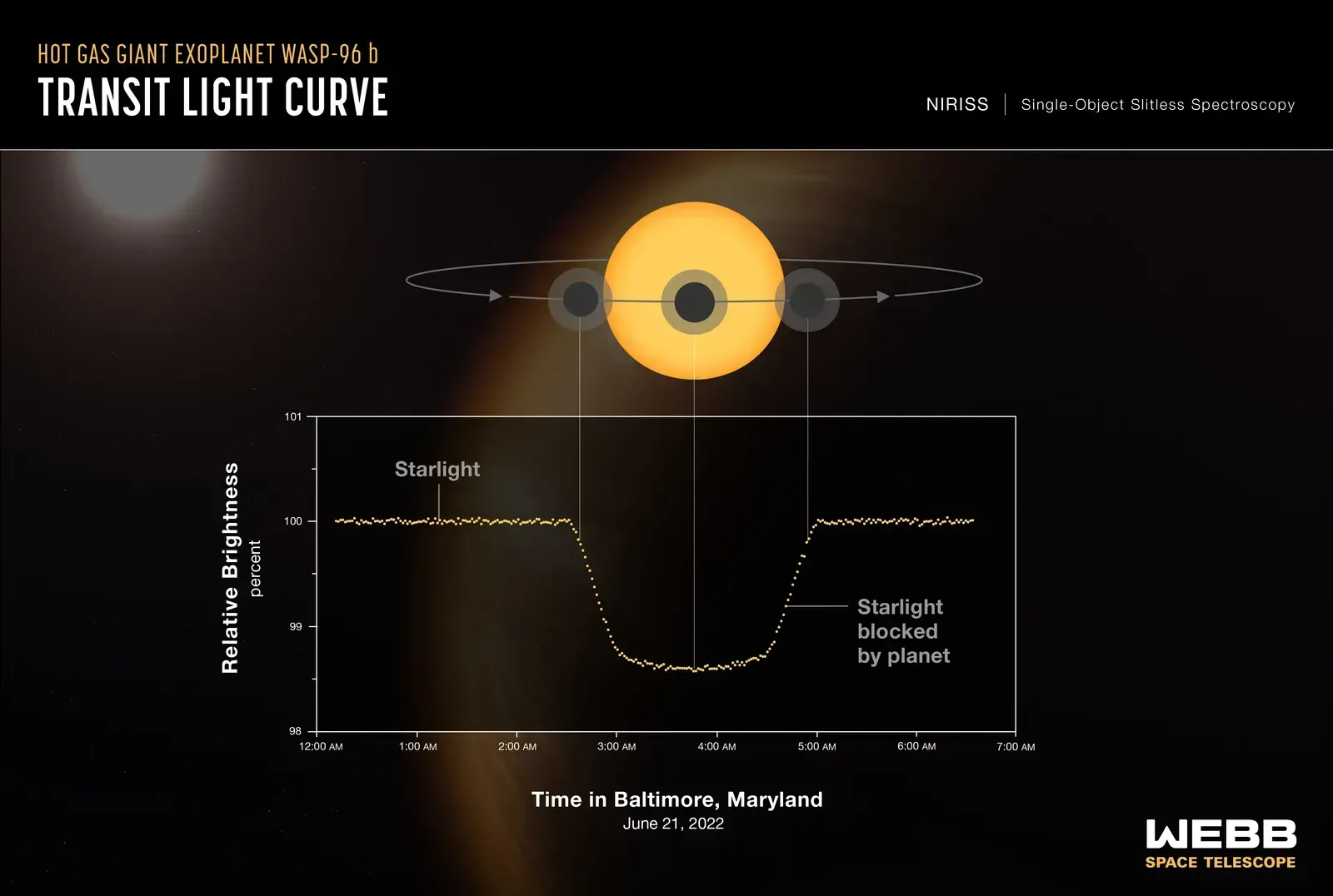
When a planet passes in front of its star, it blocks a tiny fraction of the starlight. A telescope that watches the star for long stretches can record that brief, regular dimming. Space missions like Kepler and TESS were built around this idea, and it has produced the largest share of confirmed exoplanets.
The dip also reveals the planet’s size, because a bigger planet blocks more light. The timing between dips gives the orbital period. The catch is geometry, since only planets whose orbits line up edge on from our view will ever transit.
Radial Velocity
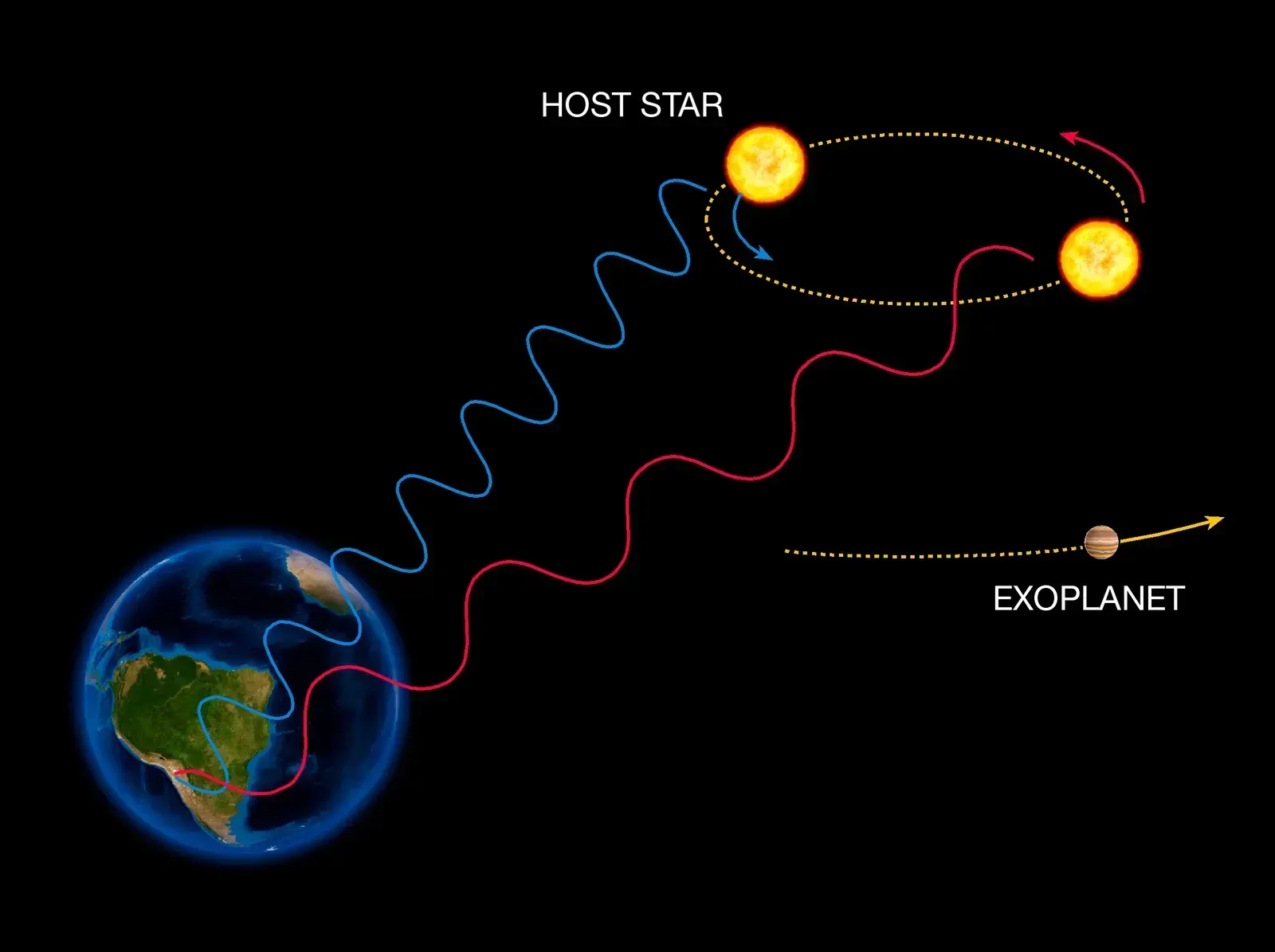
A planet’s gravity tugs on its star, making the star wobble slightly toward and away from us. That motion shifts the star’s light a little toward blue and then red, which spectrographs can measure. This approach found 51 Pegasi b in 1995, the first planet confirmed around a Sun-like star, and that discovery earned a Nobel Prize in Physics in 2019.
The method gives a planet’s minimum mass rather than its exact mass. Paired with transit data, it reveals density, which helps tell rocky worlds from gas giants. Modern instruments can detect wobbles of only a few tens of centimeters per second in the best cases.
Astrometry
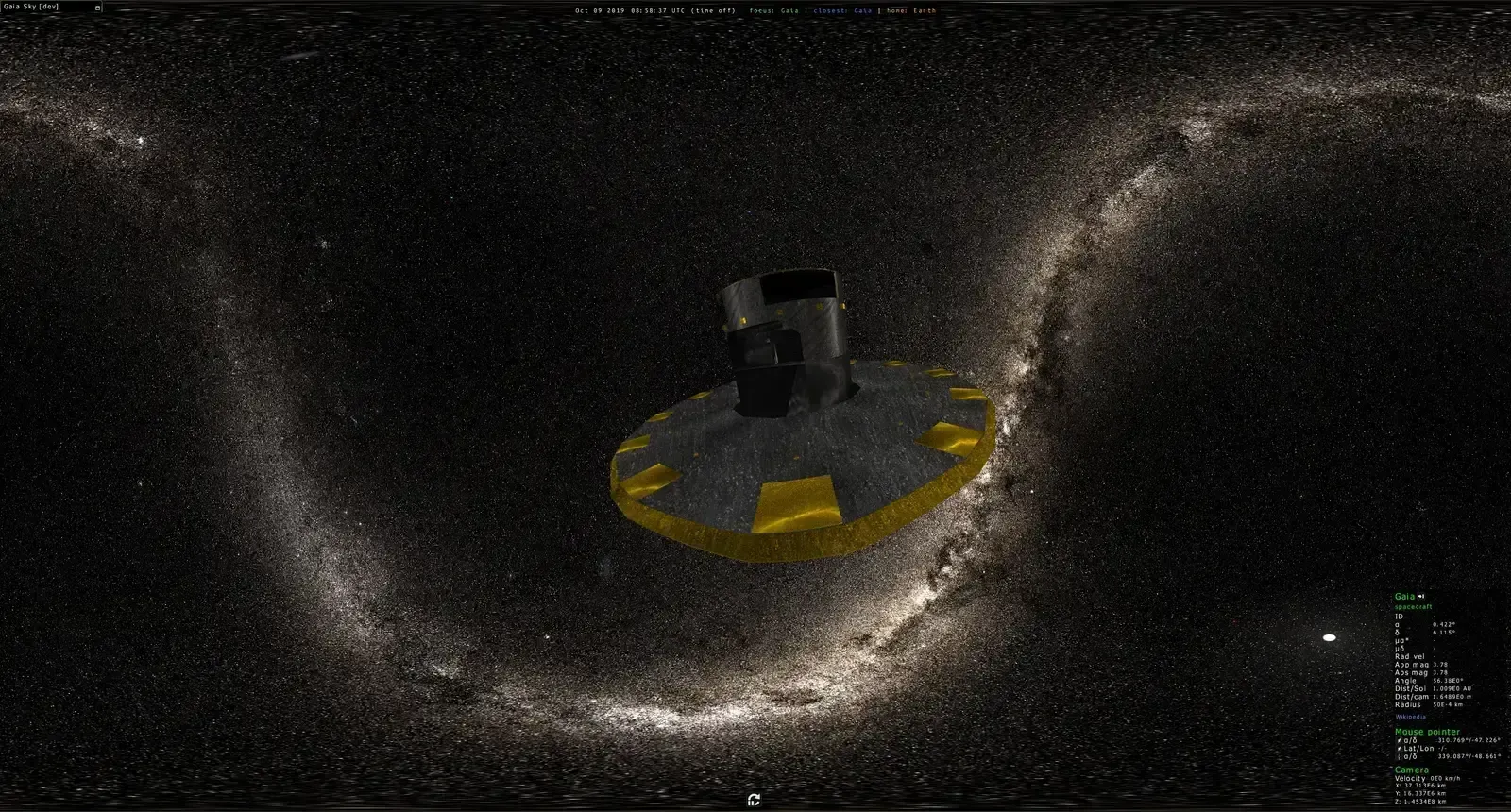
Astrometry tracks the actual sideways movement of a star on the sky as an orbiting planet pulls it around. The shifts are extremely small, so the method demands very precise position measurements over long periods. For years it produced few results compared with other techniques.
The European Space Agency’s Gaia mission changed that outlook. Its catalogues have enabled candidate planets and helped confirm others by measuring stellar motion with great accuracy. Gaia’s results are especially useful for massive planets on wider orbits, which other methods struggle to catch.
Gravitational Microlensing
Einstein’s general relativity says that mass bends light. When one star passes in front of a more distant background star, its gravity briefly magnifies the background light. If the foreground star has a planet, the light curve shows an extra short blip.
The event never repeats, so astronomers must catch it live. Still, microlensing can find planets that are cold, far from their stars, or even free floating with no star at all. NASA’s Nancy Grace Roman Space Telescope is designed to expand this work with a large microlensing survey.
Pulsar Timing
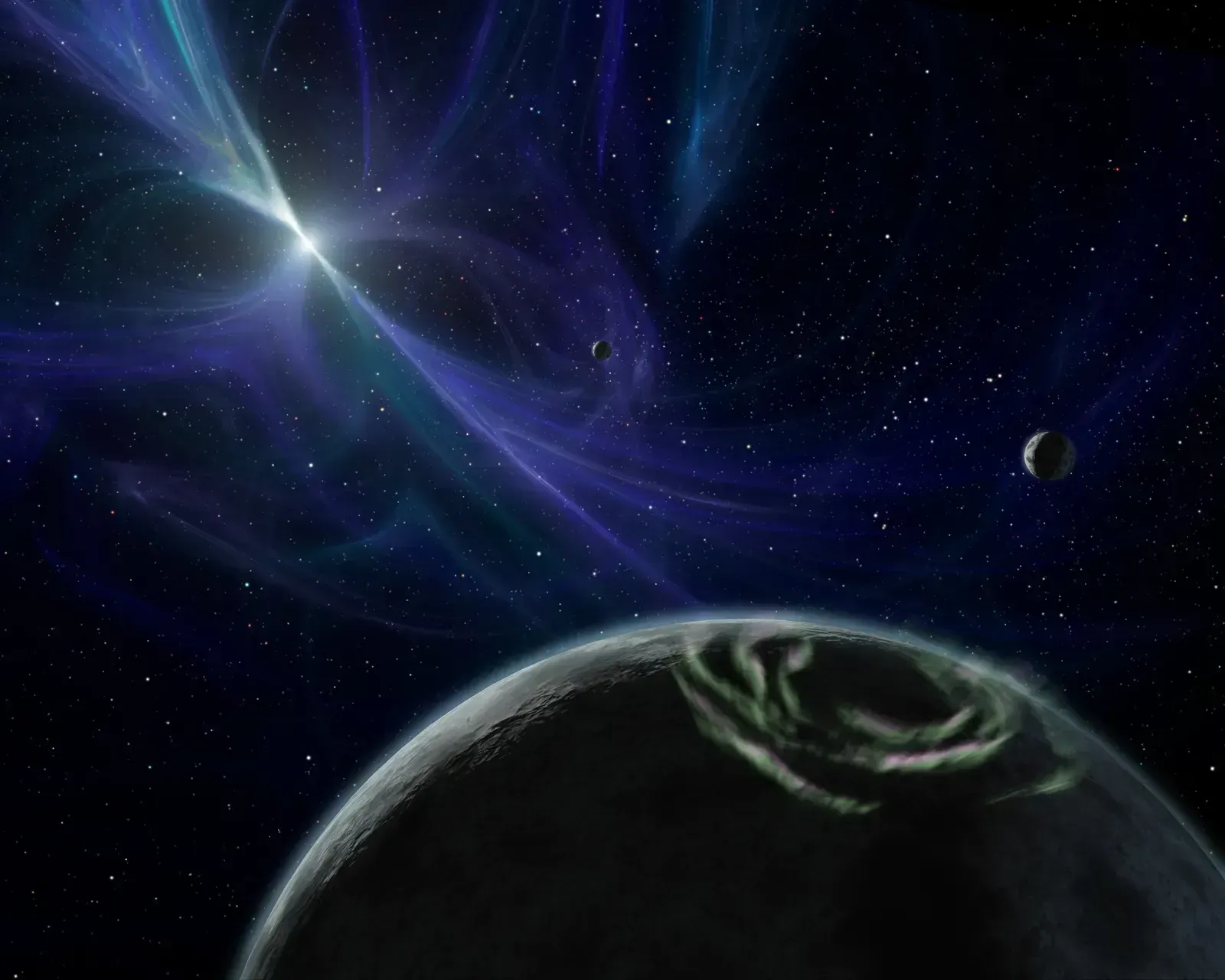
Pulsars are collapsed stellar cores that spin and send out radio pulses with remarkable regularity. A planet orbiting one makes those pulses arrive slightly early or late as the pulsar moves. Because the timing is so precise, even small changes stand out.
This technique produced the first confirmed exoplanets ever, announced in 1992 around the pulsar PSR B1257+12. Those worlds are unusual and likely formed in the aftermath of a violent stellar death. Pulsar planets remain rare, but they proved that planets exist beyond our solar system.
Transit Timing Variations
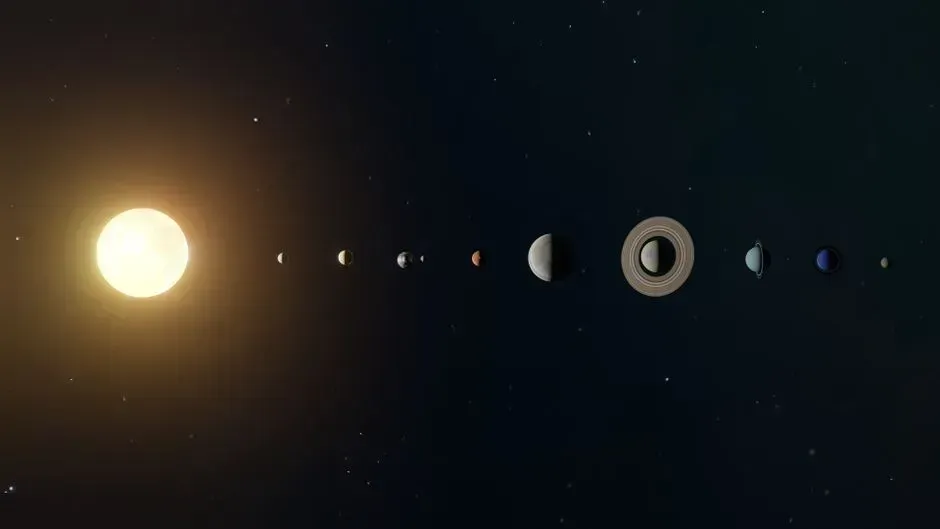
When several planets orbit one star, their gravity nudges each other. As a result, a transiting planet may cross its star a little earlier or later than a simple schedule predicts. Those timing shifts can point to a planet that doesn’t transit at all.
The method also helps estimate the masses of planets in tight systems, such as the seven worlds of TRAPPIST-1. It works best when many transits are recorded over years. That makes long observing programs, like those from Kepler and TESS, especially valuable.
Light Curve Phase Changes and Atmospheric Clues
A planet can reveal itself through subtle changes in the combined light of the system as it orbits. Astronomers watch for the planet’s reflected light, heat glow, and gravitational distortion of its star. Space telescopes can track these brightness changes across an entire orbit.
The James Webb Space Telescope has used this approach to map temperature differences between the day and night sides of hot Jupiters. It also analyzes starlight filtering through a transiting planet’s atmosphere to identify molecules such as water vapor and carbon dioxide. None of this needs a direct image, only careful measurement of light that is already mixed with the star’s.
