

- The Planet Where It Rains Liquid Glass – 7 Alien Worlds Defying Known Physics - November 14, 2026
- Stars Consuming Entire Worlds – 6 Planetary Systems Swallowing Their Own Worlds - November 14, 2026
- The Ground Liquefies Like Water – 6 Silent Fault Lines Geologists Watch Closely - November 14, 2026
On April 13, 1970, three astronauts were roughly 200,000 miles from Earth when a bang shook their spacecraft. The Apollo 13 crew had been heading for the Moon. Within minutes, their goal shifted to getting home alive.
The explosion looked like a sudden failure, but its roots went back years. A chain of small engineering and handling decisions had left a hidden flaw inside the spacecraft. This is how that flaw formed, and how people in space and on the ground worked their way around it.
A Crew Change Days Before Launch

Apollo 13 was planned as NASA’s third lunar landing, with Jim Lovell, Ken Mattingly and Fred Haise assigned to fly it. Days before liftoff, doctors found that Mattingly had been exposed to German measles and had no immunity. Flight surgeons advised against flying him.
Jack Swigert, the backup command module pilot, took his place. The swap was hasty, yet Swigert had trained for the role and the crew launched on April 11, 1970, from Kennedy Space Center. Nothing in the first two days suggested trouble.
The Oxygen Tank With a Hidden History
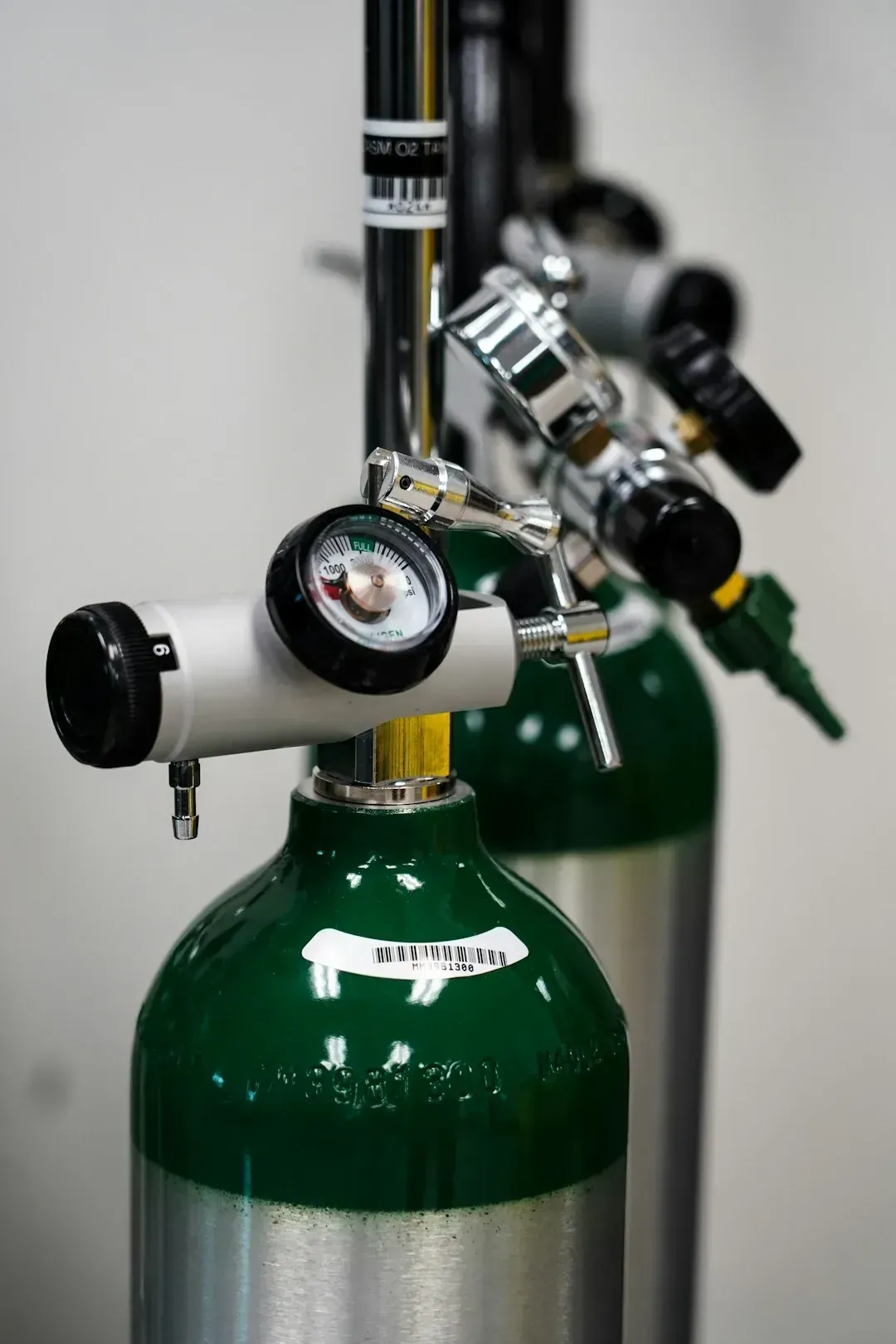
The failure centered on oxygen tank number two in the service module. It supplied oxygen for the crew to breathe and for the fuel cells that made electricity and drinking water. The tank was built by Beech Aircraft and held supercold liquid oxygen.
Its design included thermostatic switches meant to protect the internal heaters from overheating. Those switches were rated for 28 volts, which matched the original spacecraft design. That detail would matter later.
A Voltage Change Nobody Carried Through
In 1965, the ground power supply at Kennedy was upgraded to 65 volts for faster checkouts. The tank’s heater switches were not updated to match. On paper, the mismatch was easy to miss, since the switches worked fine under normal flight conditions.
The later accident investigation identified this as one of the key flaws. The switches were never tested at the higher voltage that ground crews would actually use.
A Dropped Tank and a Stubborn Countdown Test
In 1968, technicians removing the tank’s shelf from an earlier spacecraft let it drop about two inches. The fall likely loosened a fill tube inside the tank. Inspectors decided the tank was still usable, and it was later installed in Apollo 13.
During a countdown rehearsal, the tank would not drain properly. Engineers ran the heaters for hours to boil off the oxygen, using the 65 volt ground supply. The switches likely fused shut, and the wire insulation was probably damaged, though nobody recognized it then.
The Explosion in Space

About 56 hours into the flight, mission control asked the crew to stir the oxygen tanks. Stirring turned on a fan inside tank two, and exposed wiring sparked in the oxygen rich space. The resulting fire ruptured the tank and damaged the service module.
Oxygen began leaking away, and the spacecraft’s main power sources failed. Landing on the Moon was off the table. Survival was the new objective.
The Lunar Module as a Lifeboat
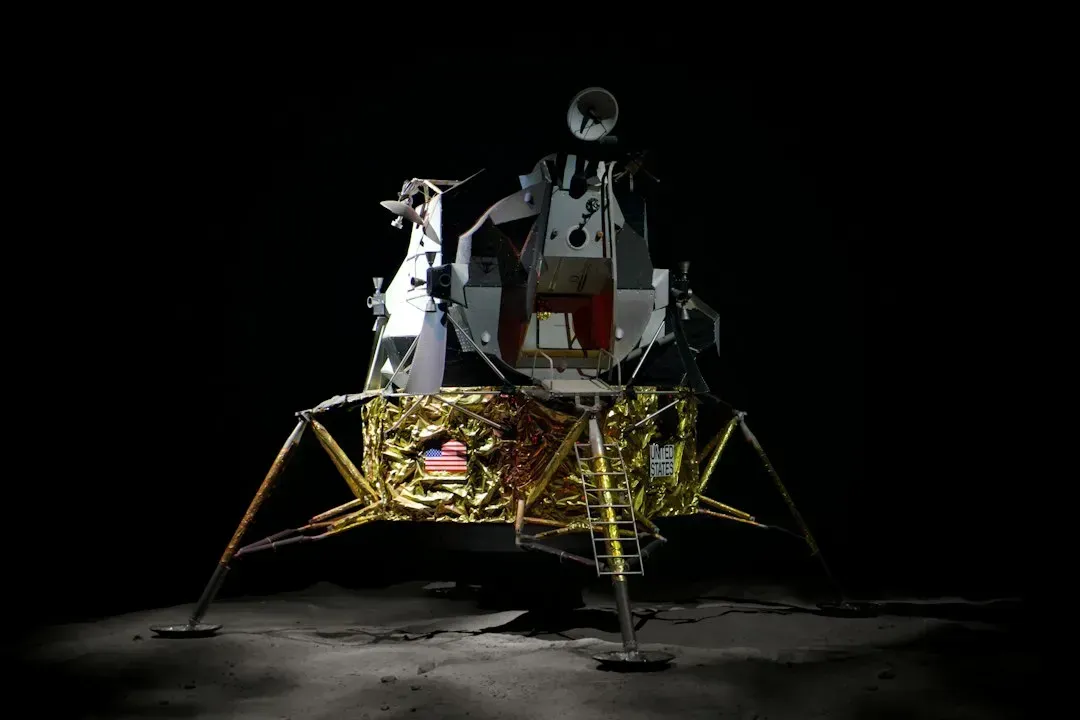
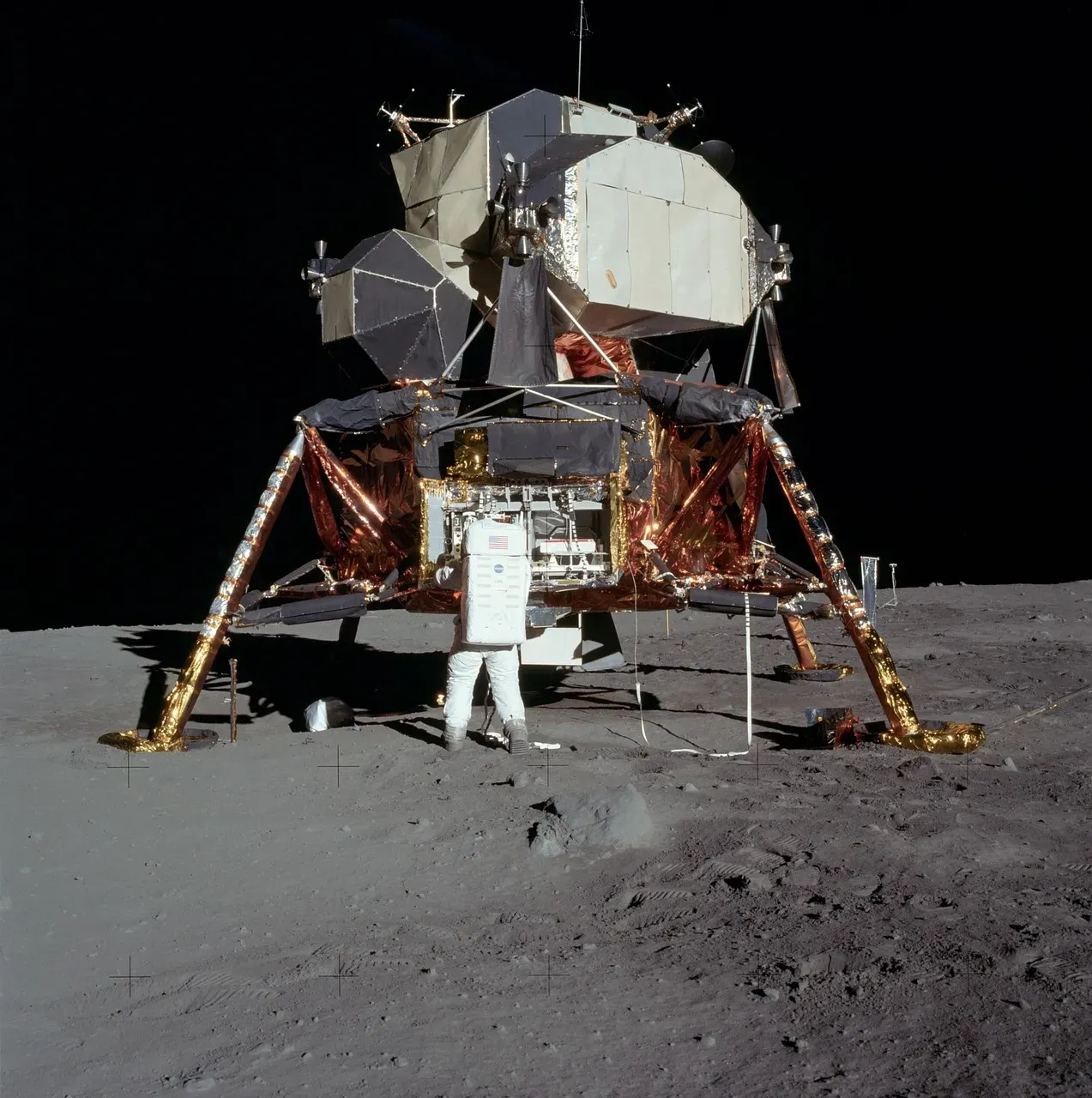
The crew moved into the lunar module, Aquarius, which was designed to support two people for about two days on the Moon’s surface. It now had to sustain three people for roughly four days. Controllers had the crew shut down most systems in the command module to save its limited battery power for reentry.
The spacecraft was already on a path that would loop around the Moon and return toward Earth. A burn using the lunar module’s descent engine sped up the trip home. Water was rationed tightly, and cabin temperatures dropped to uncomfortably cold levels.
Fixing the Air With Tape and Plastic Bags
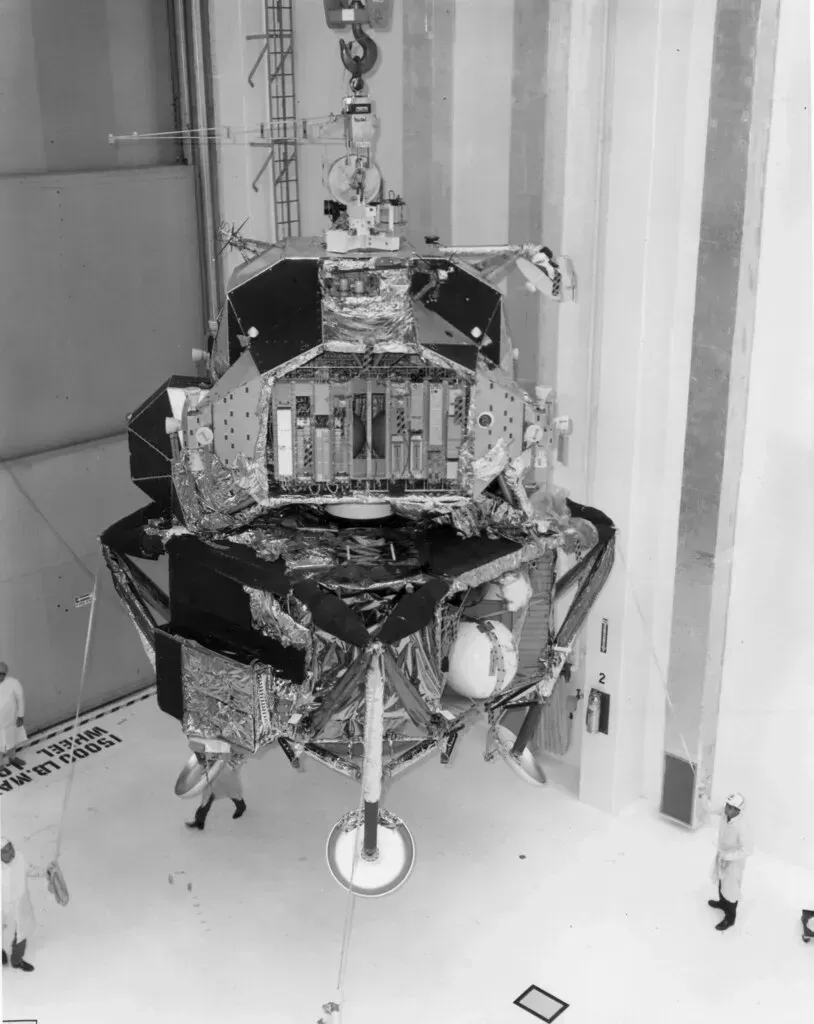
Another problem soon emerged. Carbon dioxide was building up in the lunar module, and its filters were nearing capacity. Spare filters in the command module were square, while the lunar module needed round ones.
Engineers on the ground designed an adapter built from items the crew had onboard, including plastic bags, cardboard, hoses and duct tape. They talked the astronauts through assembling it. The makeshift device worked, and carbon dioxide levels fell back to safer levels.
Reentry and Splashdown
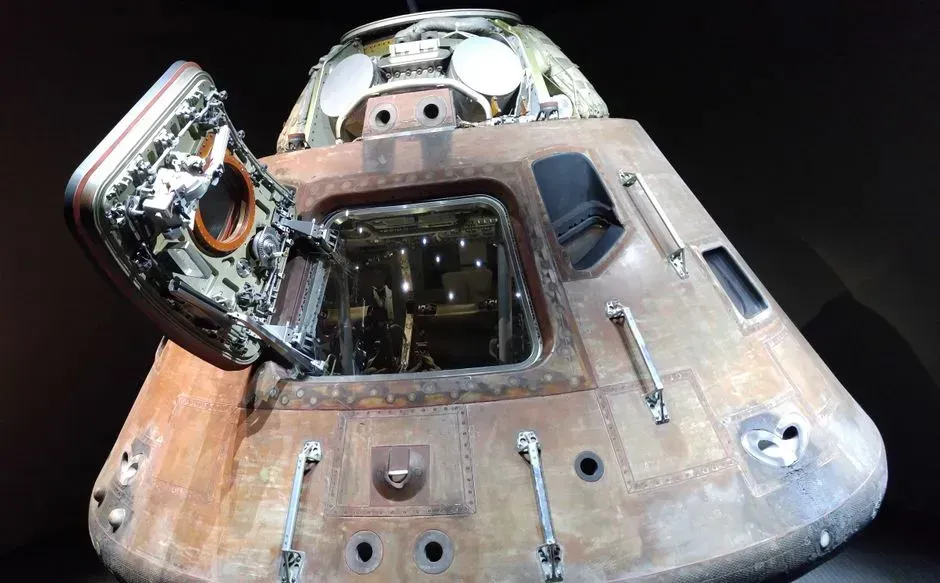
Before reentry, the crew discarded the damaged service module and saw the extent of the harm for the first time. Then they powered up the cold command module, Odyssey, using procedures that had been written and tested within days. The crew separated from the lunar module shortly before entering the atmosphere.
Apollo 13 splashed down in the South Pacific on April 17, 1970. The crew was recovered by the USS Iwo Jima. Lovell, Swigert and Haise had spent almost six days in space and returned safely.
What Changed Afterward
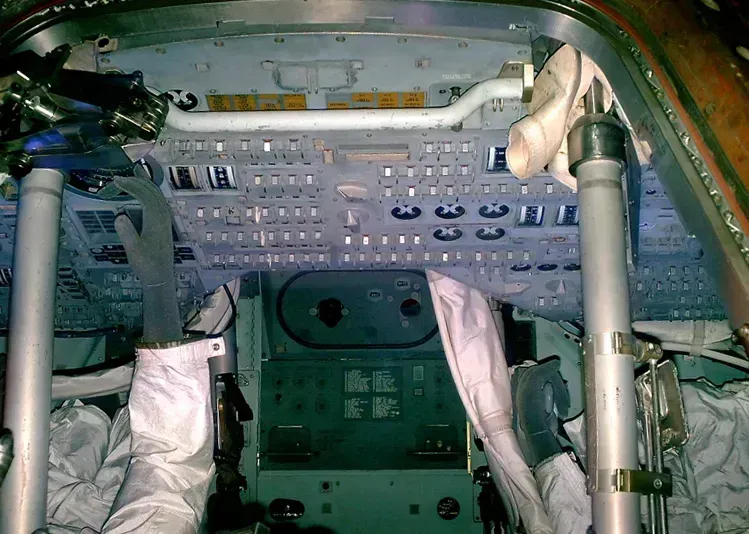
A review board chaired by Edgar Cortright examined the accident and traced it to the combination of the tank’s handling, its heater switches and the testing procedures. NASA redesigned the oxygen tanks, removed the stirring fans’ risky wiring and added a third tank. It also added a spare battery to the service module.
The program resumed with Apollo 14 in January 1971, which landed on the Moon. Apollo 13 stands as one of the most studied recoveries in spaceflight, mainly because a flaw years in the making was met with careful problem solving in real time.
