

When I packed up and headed to coastal Georgia, the promise of mild winters drew me in completely. I imagined short sleeves in January and no more scraping ice off the windshield. The reality brought plenty of pleasant surprises along with a few adjustments I never saw coming.
Life here revolves around the coast in ways that go far beyond temperature. The marshes, beaches, and historic towns create a rhythm all their own. Still, several aspects of daily living took me by surprise even after careful research.
The Humidity Sticks Around All Year
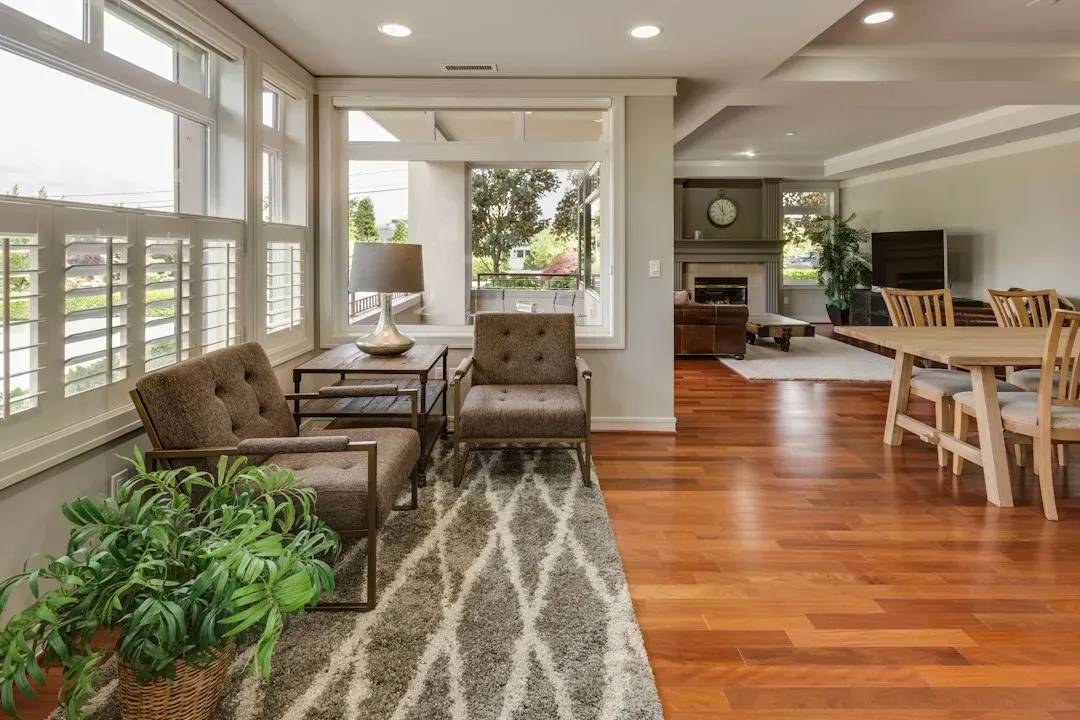
Winter days often feel damp and heavy even when the thermometer sits in the comfortable 60s. That moisture lingers in the air and seeps into everything from clothes to furniture. I quickly learned to keep a dehumidifier running more months than I expected.
Summers bring the real test with oppressive levels that make simple walks feel like workouts. The coastal location keeps humidity high regardless of season. Many locals simply accept it as part of the trade for those mild winters.
Bugs Show Up in Surprising Numbers

Palmetto bugs, mosquitoes, and tiny gnats appear regularly even in cooler months. The famous gnat line runs right through this region, and residents south of it deal with them constantly. Heavy rains or warm spells bring waves that require constant vigilance and bug spray.
These insects do not discriminate between modest homes and waterfront estates. They wander inside after storms or during humid evenings. I now keep screens in top shape and stock up on repellents as a normal part of life here.
Pollen Seasons Stretch Longer Than Expected
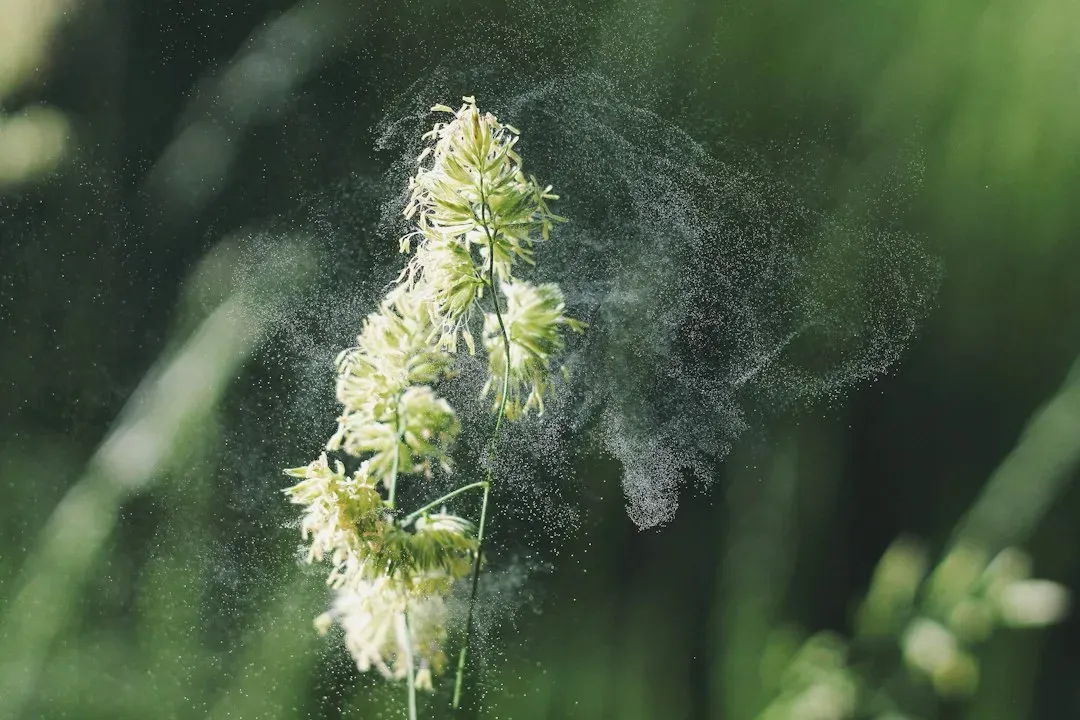
Mild winters mean tree pollen starts early, often in January or February, and continues with overlapping grass and weed seasons. The extended growing period creates what feels like year-round allergy challenges for many newcomers. Local reports note that climate patterns have lengthened these seasons further in recent years.
Daily pollen counts become part of the morning routine just like checking the weather. Mold spores thrive in the humidity too, adding another layer indoors and out. I invested in better air filters and learned to plan outdoor time around the peaks.
Tropical Storms Demand Real Preparation
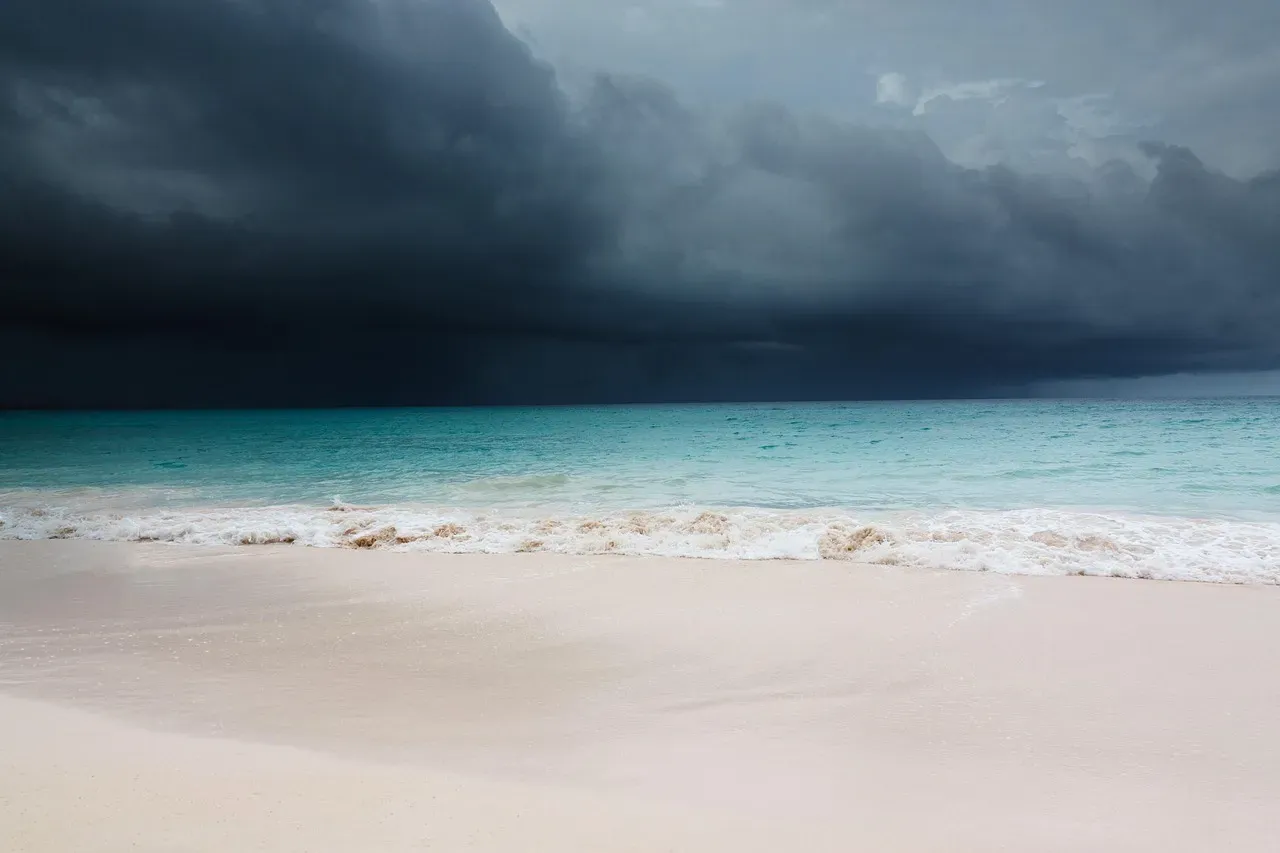
Even without frequent direct hurricane hits, the coast sits in evacuation zones that activate during storm season. Heavy rains and storm surge can cause flooding in low-lying areas at any time of year. Locals stay alert from June through November and keep supplies ready.
Insurance remains more accessible here than in parts of Florida, yet costs still require budgeting. I learned to monitor forecasts closely and understand my specific flood risk. The mild winters come with this seasonal awareness as standard.
Wildlife Becomes a Daily Presence
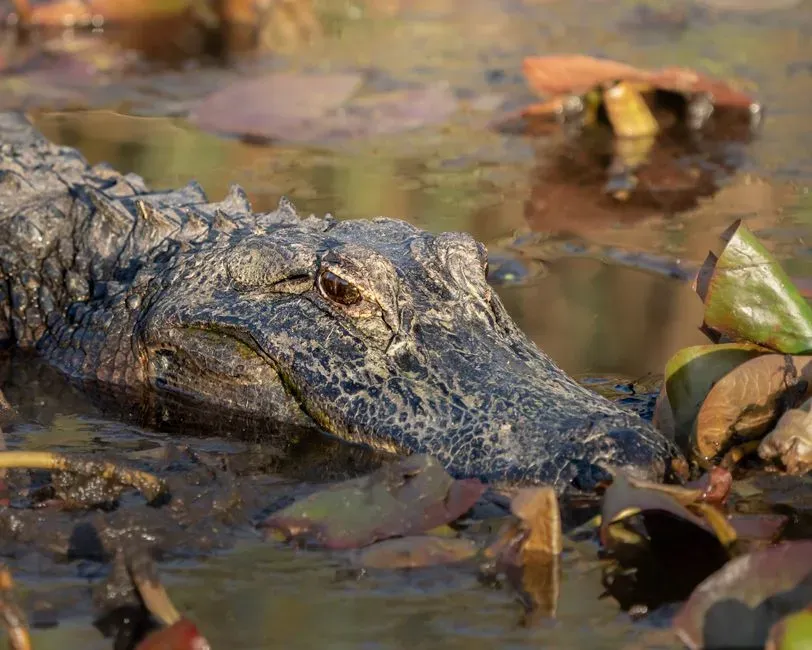
Alligators lounge in lagoons and tidal creeks near many neighborhoods, while deer and various birds appear regularly in yards and on roads. The mix of marsh, forest, and water supports abundant species that feel very present. Sightings of herons, osprey, and even occasional dolphins add charm once you adjust.
These encounters happen in residential areas more often than I anticipated. Secure trash and awareness of surroundings become second nature. The biodiversity enriches the experience yet requires a different mindset than suburban living elsewhere.
Salt Air Accelerates Home Maintenance
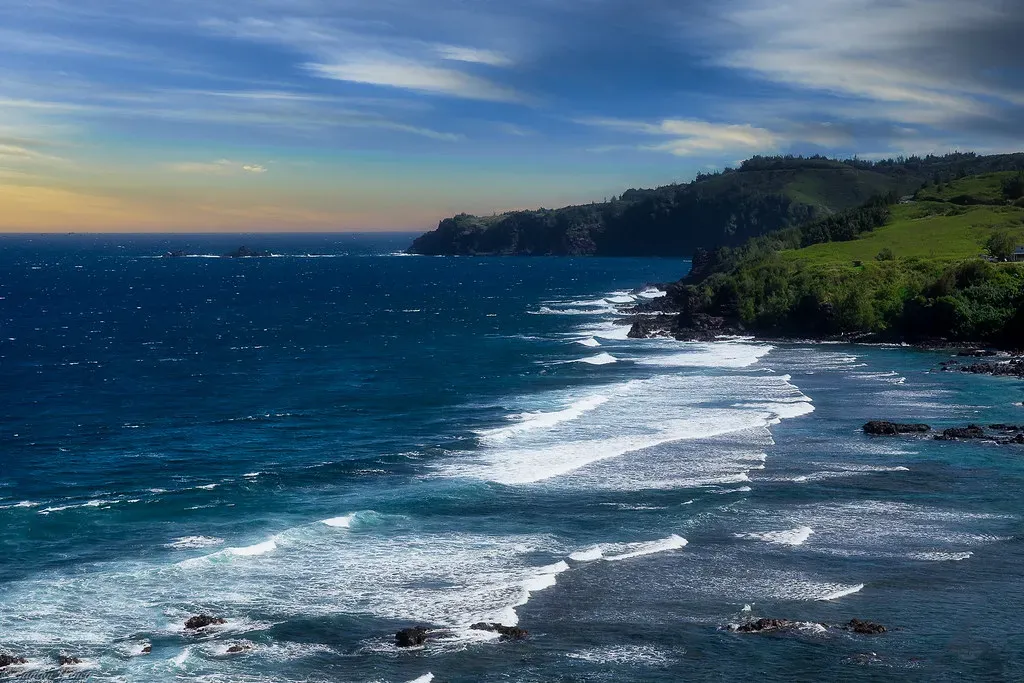
The constant sea breeze brings salt that speeds corrosion on metal fixtures, vehicles, and outdoor equipment. Pressure washing exteriors happens more frequently to combat buildup and mildew. Many residents find themselves tackling these tasks on a regular schedule rather than occasionally.
Paint and finishes wear faster in this environment. I now factor extra upkeep into homeownership plans. The trade-off includes beautiful views and fresh air that make the effort worthwhile for most.
Tourism Brings Crowds to Popular Spots
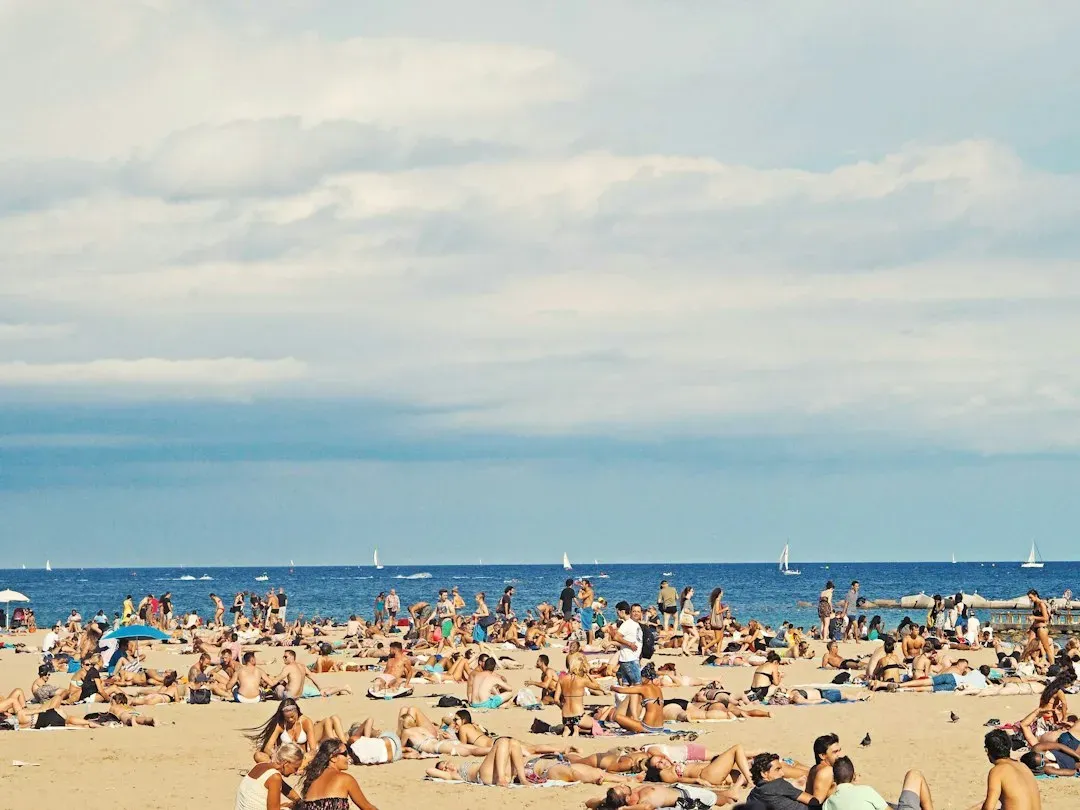
Barrier islands and historic areas draw visitors year-round, especially during pleasant weather windows. Traffic and parking can become challenging on weekends or holidays even outside peak summer. Local businesses thrive, yet everyday errands sometimes require extra time or planning.
Smaller towns offer quieter alternatives away from the main tourist draws. I discovered favorite off-the-beaten-path spots to balance the energy. The influx supports the economy while changing the pace in certain seasons.
Living Costs Prove More Manageable Than Expected
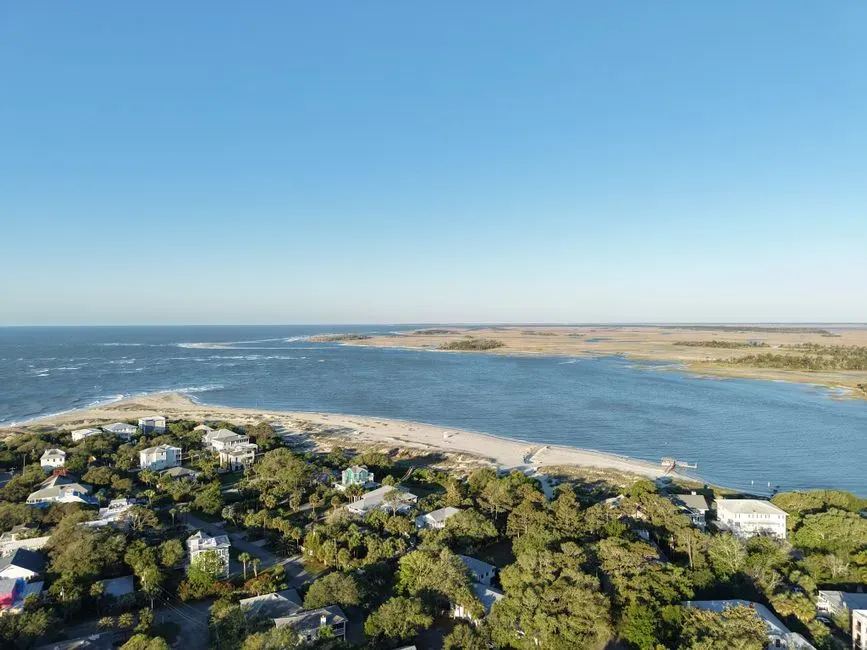
Housing in many coastal Georgia communities runs below national averages, with median prices in places like Brunswick or Darien offering real value. Overall costs sit roughly 10 percent under the U.S. figure in recent data. This affordability surprised me compared to other waterfront regions.
Property taxes and insurance remain reasonable relative to Florida options. Groceries and utilities align closely with state norms. The combination allows more budget flexibility for enjoying the lifestyle.
Adjusting to coastal Georgia has meant embracing these realities alongside the mild winters I sought. The bugs, pollen, and occasional storms form part of the full picture that locals accept willingly. In return, the marshes, wildlife, and slower pace deliver daily rewards that keep me here. The move taught me that every place carries its own set of trade-offs, and this one suits me well.

- 8 Surprising Changes the Human Body Goes Through After Just a Few Days in Space - November 16, 2026
- Crows Remembering Human Faces for Decades – 6 Bird Behaviors Far Smarter Than We Knew - November 15, 2026
- 8 Things Astronauts Do on Their First Day in Orbit That Rookies Find Strange - November 15, 2026
