


- NASA invites students to design a moon base in $1 million challenge - November 11, 2026
- Why Some People Can Feel a Storm in Their Joints, According to Experts - November 11, 2026
- 7 Foods That Taste Better on a Rainy Day, According to Chefs - November 11, 2026
On December 21, 2026, the winter solstice arrives for the Northern Hemisphere. It lands at 20:50 UTC, which is 3:50 p.m. Eastern and 12:50 p.m. Pacific. The date is the same for everyone, but the amount of daylight is very different depending on where you live.
Latitude does almost all of the work. The farther north a city sits, the more daylight it loses as the Sun’s path flattens toward the horizon. Here are eight U.S. cities, ordered roughly from least daylight to most, with the day lengths people can expect.
Utqiagvik, Alaska: The Sun Stays Below the Horizon
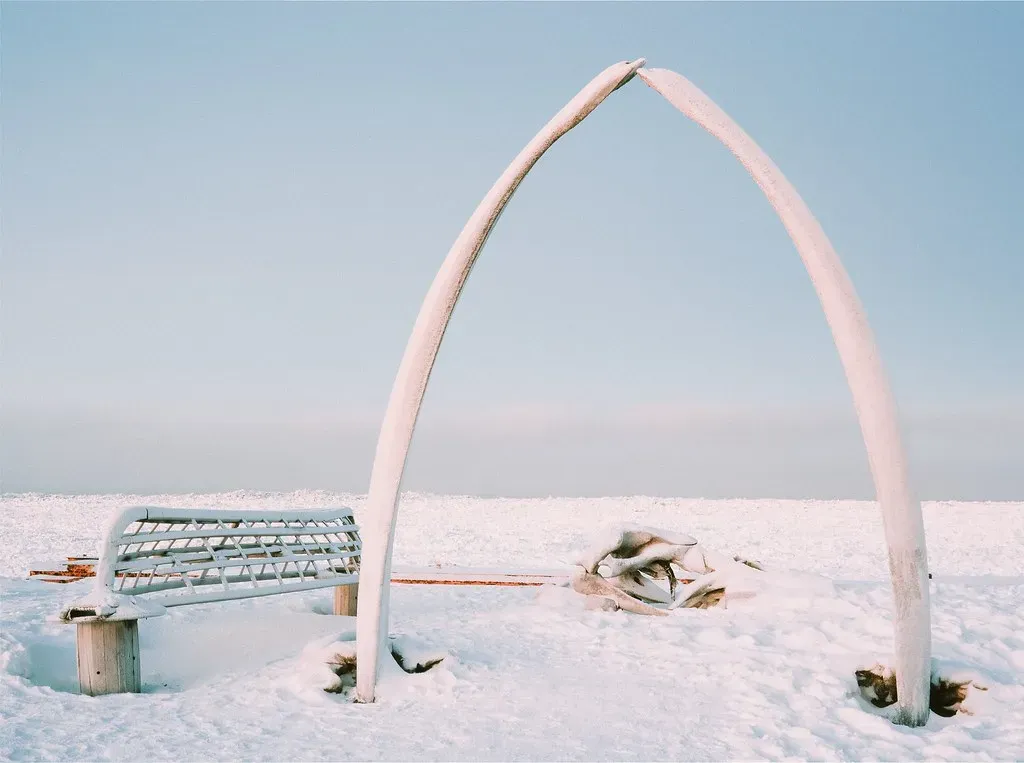
Utqiagvik is the northernmost town in the United States, and it’s in a category of its own. Its residents don’t see the sun for 67 days in winter. On the solstice itself, there is no sunrise at all.
That darkness isn’t absolute, since twilight still brightens the sky around midday. The reverse also holds in summer, when the Sun doesn’t set for weeks. After the solstice, daylight returns in Barrow, the town’s former name, at about nine minutes a day.
Fairbanks, Alaska: Under Four Hours of Sun
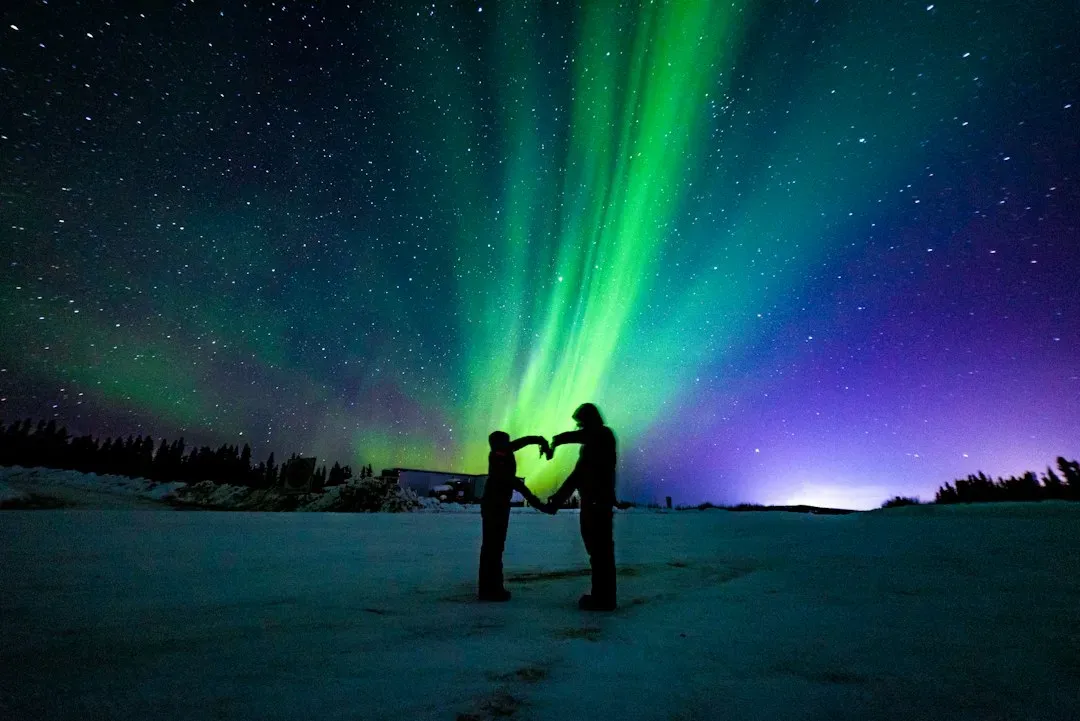
Fairbanks is the shortest day of any large Alaskan city. Its daylight on December 21, 2026, is 3 hours and 41 minutes. Other calculations land within a minute or two of that figure.
The Sun barely climbs at all. It rises just before 11 a.m., sets before 3 p.m., and peaks only about two degrees above the horizon. Compared with the June solstice, the day is 18 hours and 8 minutes shorter.
Nome, Alaska: Noon Comes Before Sunrise
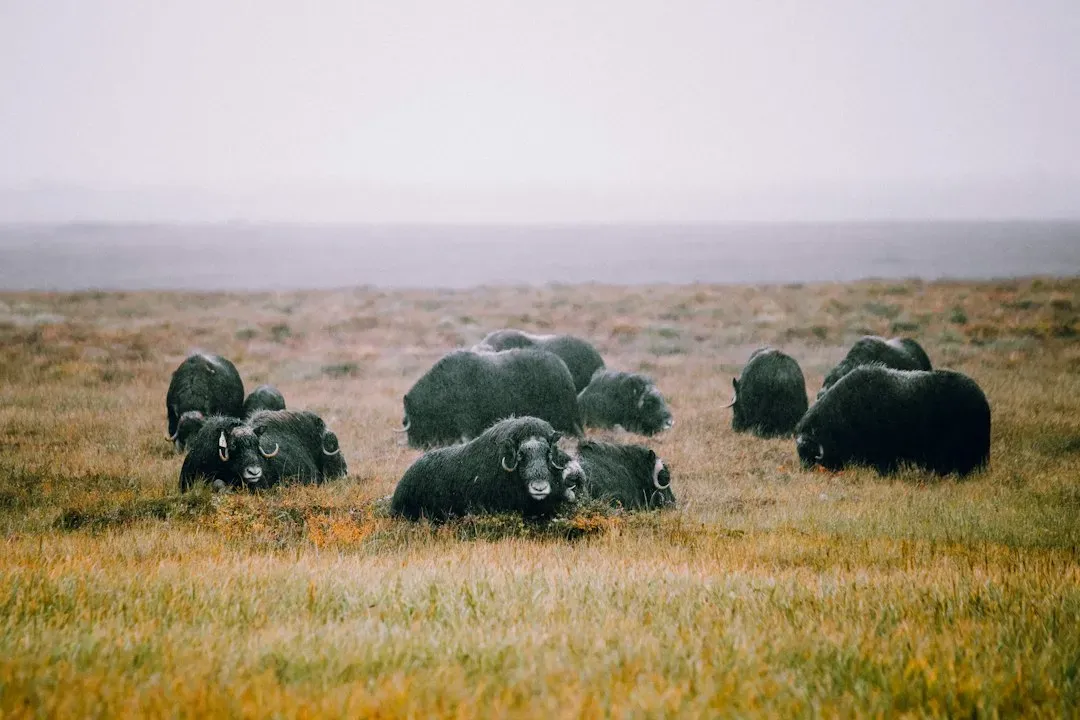
Nome sits on the Bering Sea coast, at a latitude close to Fairbanks. Its clock time produces an odd result. On the winter solstice, sunrise comes at 12:02 p.m., about four hours before the 3:56 p.m. sunset.
That quirk comes from how Alaska’s time zones are drawn. The state spans a huge range of longitude but uses a single main zone. Alaska covers almost as much longitude as the contiguous states, so two time zones create distortions.
Anchorage, Alaska: About Five and a Half Hours
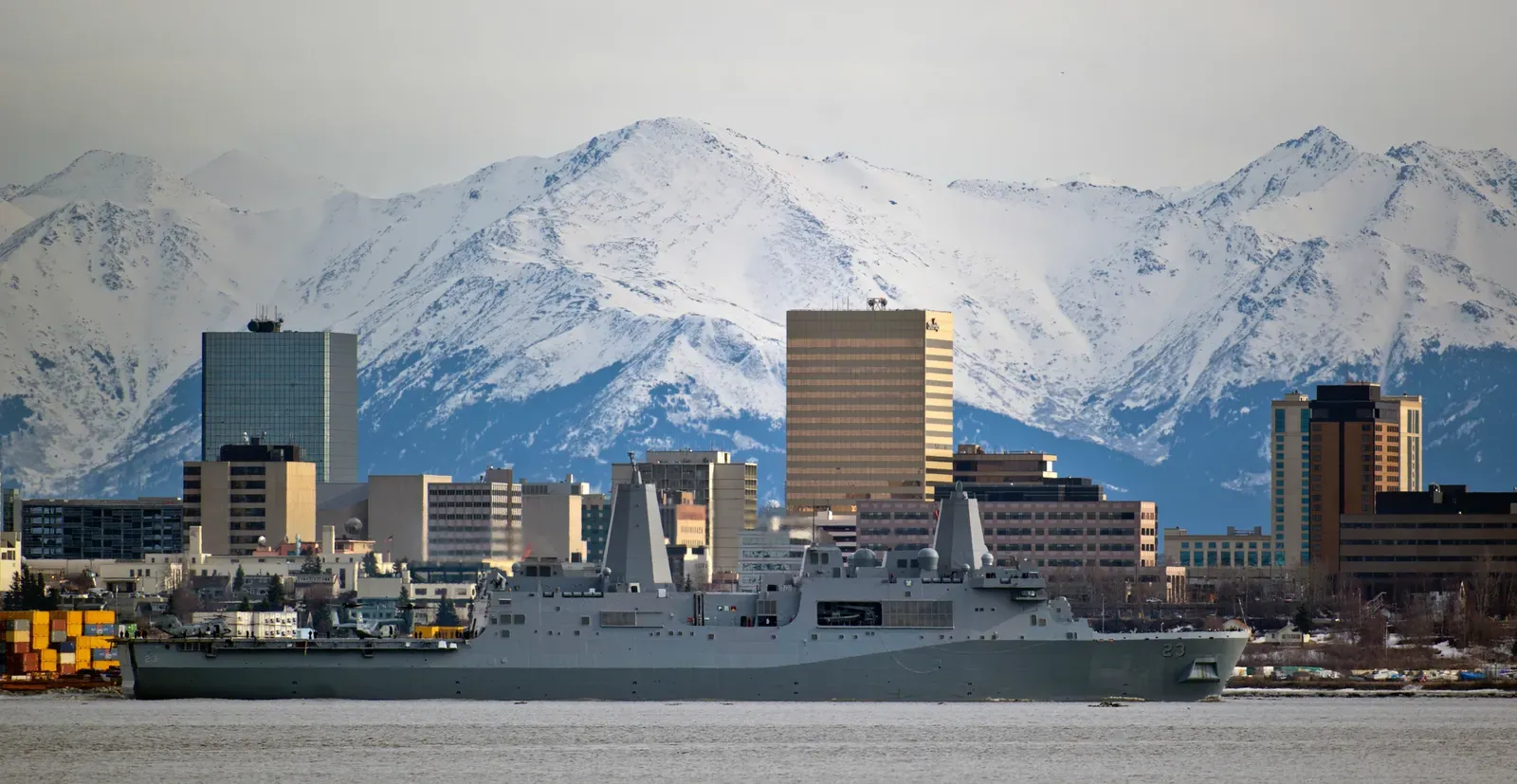
Anchorage is the state’s biggest city, so it’s where most Alaskans experience the solstice. The winter solstice on December 21, 2026, gives it 5 hours and 34 minutes of daylight by one calculation. Another source lists 5 hours 28 minutes, with sunrise at 10:14 a.m. and sunset at 3:42 p.m.
The small gap between sources comes down to how each defines sunrise and sunset. The rebound is quick either way. Anchorage gains about six minutes of light per day around the spring equinox.
Juneau, Alaska: Longer Days Despite the Far North
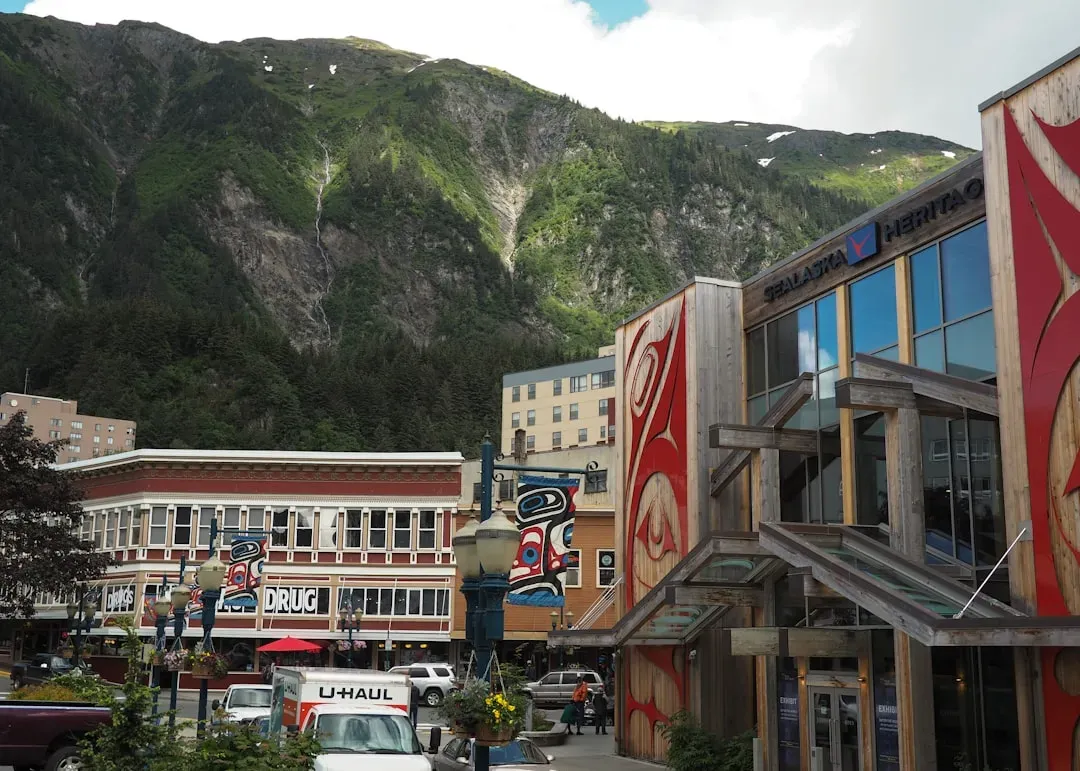
Juneau is farther south than the other Alaskan cities, and that shows in the numbers. It gets 6 hours and 22 minutes of daylight, with sunrise at 8:45 a.m. and sunset at 3:07 p.m. That’s still a little over two and a half hours less than Fairbanks gets in summer terms of difference, and well below cities in the Lower 48.
The Inside Passage’s cloud and rain often hide the Sun anyway. A longer day on paper doesn’t always mean a brighter one. Still, the clock favors Juneau over its inland neighbors.
Seattle, Washington: Shortest Days in the Lower 48’s Northwest
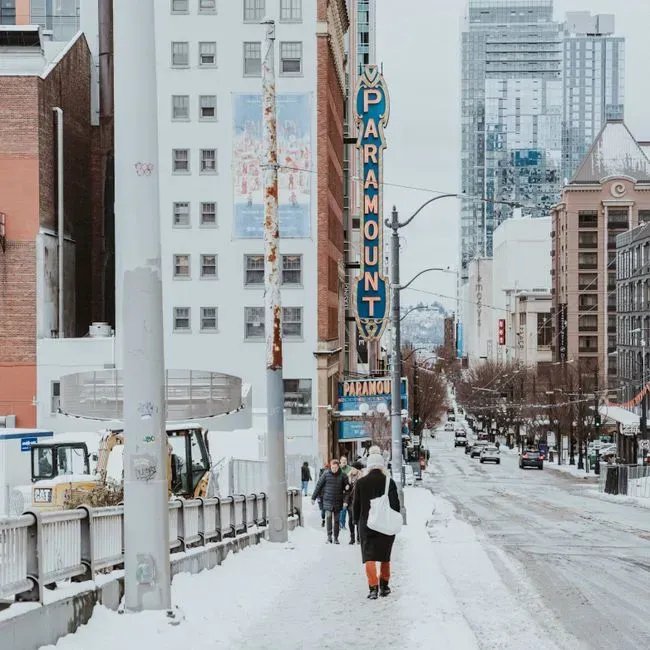
Seattle is one of the northernmost major cities in the contiguous United States. It receives about eight and a half hours of daylight on the winter solstice. That’s more than three hours beyond what Anchorage gets.
The loss from summer is still large. Seattle loses nearly seven hours compared with its longest day, while Miami loses barely two. Winter overcast makes the darkness feel even deeper than the figures suggest.
Minneapolis, Minnesota: Under Nine Hours
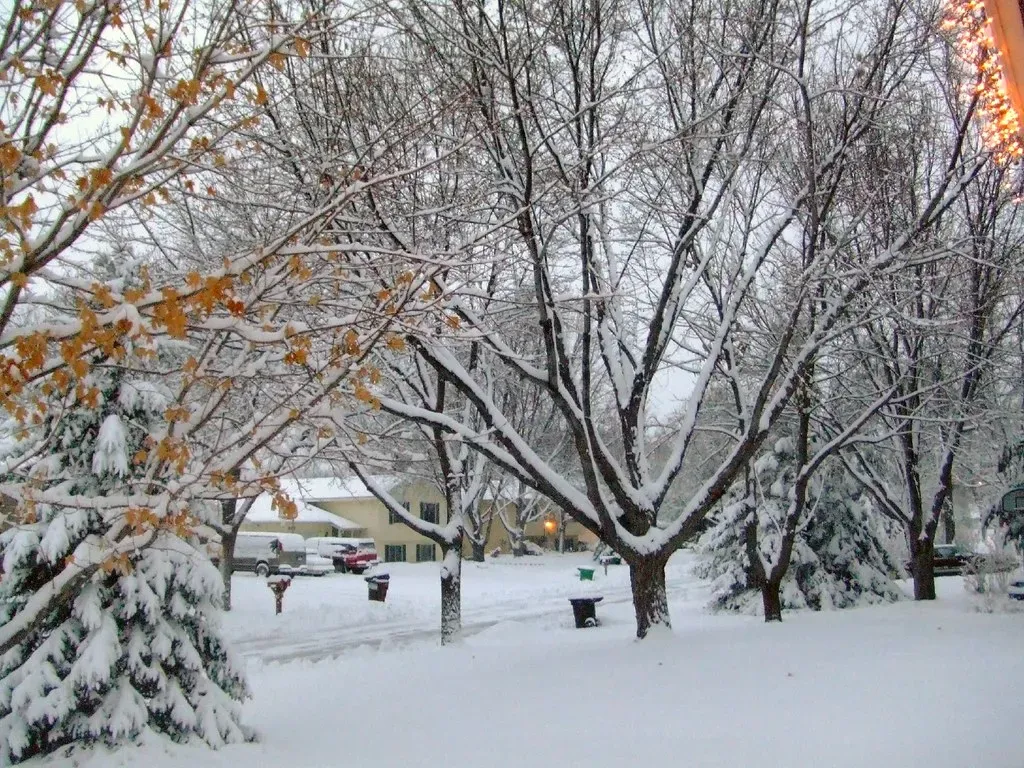
Minneapolis sits at a similar latitude to parts of northern Washington, though it’s a bit south of Seattle. Its solstice day runs a little under nine hours, based on standard sunrise and sunset calculations. That’s enough time to commute in daylight, but just barely for many people.
Cold and snow cover often brighten the short days a bit, since snow reflects what light there is. Sunset arrives before most workdays end. Many Midwesterners know the feeling of leaving the office in the dark.
New York City, New York: About Nine and a Quarter Hours
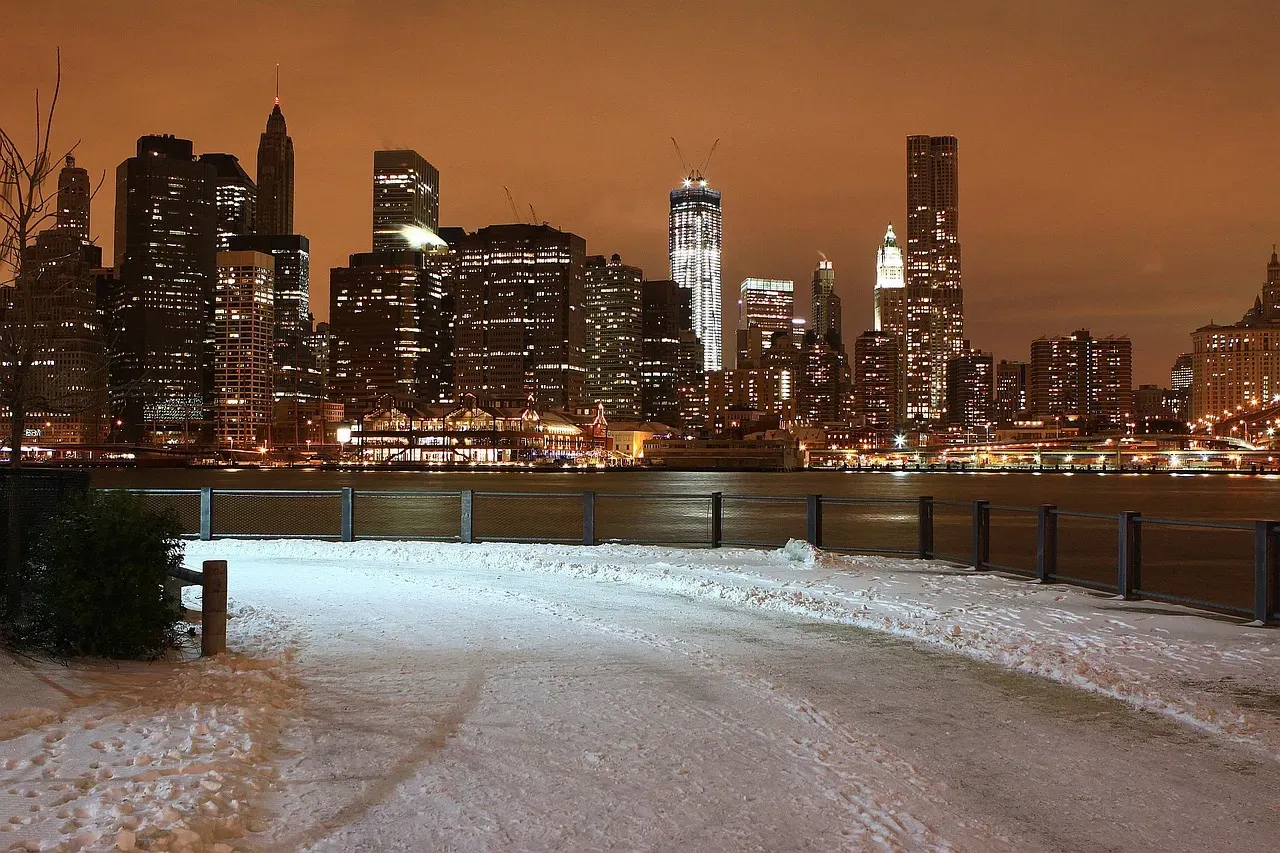
New York is much farther south than any city above, and the difference is clear. On the 2026 solstice, New York gets 9 hours and 15 minutes of daylight. That’s roughly five and a half hours more than Fairbanks, a gap that shows how steeply daylight changes with latitude.
Even so, it’s the shortest day of the year for the city. How much daylight a place loses depends on its distance from the equator. After December 21, every city in this list begins gaining light again, though the pace varies from a few minutes to nearly ten minutes a day.
