


- NASA invites students to design a moon base in $1 million challenge - November 11, 2026
- Why Some People Can Feel a Storm in Their Joints, According to Experts - November 11, 2026
- 7 Foods That Taste Better on a Rainy Day, According to Chefs - November 11, 2026
Ask around a family gathering and someone will usually say their knee knew about the rain before the forecast did. It’s one of those claims people repeat with total confidence, often with a shrug.
Researchers have been testing it for decades, and the results are more tangled than the folklore suggests. Here’s what the studies, clinics and reviews say about weather and aching joints.
A Folk Belief With a Long Paper Trail

Some people with arthritis believe they can sense bad weather coming, and scientists have studied that idea for a long time. A consistent relationship between joint pain and weather factors has been strikingly difficult to prove, according to one American Journal of Medicine paper.
That paper also noted that a systematic review of 16 studies of joint pain and weather found no consensus. So the belief is old and widespread, yet the evidence behind it has never been tidy.
What Barometric Pressure Actually Means
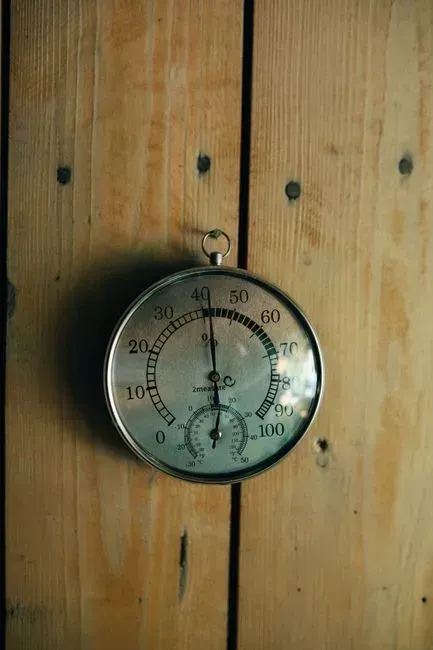
Barometric pressure refers to the weight of the air around us. In good weather it is high, while in stormy weather it drops, so there is less pressure pushing against the body.
That drop is the usual suspect when people blame storms. It’s a real, measurable change that happens before many weather systems arrive. Whether the body can notice it is the open question.
The Joint Capsule Theory
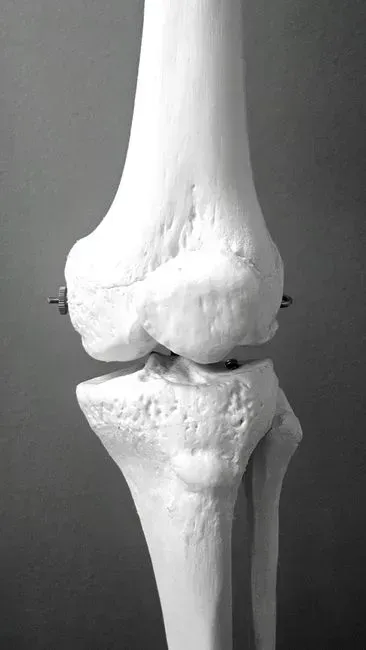
The most common explanation involves the capsule that surrounds each joint. When barometric pressure drops, the pressure inside the joint capsule becomes relatively higher than the pressure outside, so the joint expands slightly. A recent narrative review describes a similar mechanism, in which rapid pressure changes can stretch the joint capsule and activate mechanoreceptors.
A Cleveland Clinic report offers a related picture for people with osteoarthritis. Because space in the joint is already reduced, tissues that expand when pressure falls may press against the damaged area. It’s a plausible story, though it remains a theory rather than a proven chain of events.
The Knee Study That Drew Attention

One widely cited project followed people with knee osteoarthritis in a nationwide online trial. It involved 200 participants and suggested that both barometric pressure change and ambient temperature influence knee pain severity.
WebMD summarizes the same work this way: every ten degree drop in temperature, along with low barometric pressure, corresponded to a rise in arthritis pain. The study matters because it used local weather station data for each participant instead of relying on memory.
When Other Studies Point the Other Way

Not every dataset agrees. A Dutch study of 222 people with hip osteoarthritis found that pain and stiffness got worse with rising barometric pressure and humidity. That’s the opposite direction from the storm theory.
Large records have also come up empty. Researchers who matched more than 11 million Medicare visits to local weather reports saw no link between weather changes and joint pain. Two Australian studies, one on knee pain and one on lower back pain, also found no connection.
Cold and Damp May Matter Too
Pressure isn’t the only variable under investigation. An older study in the International Journal of Biometeorology reported that decreased temperature and increased relative humidity were each independently associated with more pain and rigidity in people with arthritis.
A UK study also found that people with conditions such as arthritis were more likely to report pain on days with higher humidity, stronger winds and lower barometric pressure. Since these factors tend to arrive together, it’s hard to say which one, if any, does the work.
Why the Question Is So Hard to Answer

Part of the problem is human behavior. When the weather changes, patients’ behaviors change as well, making it hard to know the true cause of more joint pain. People move less on a cold, wet day, and that alone can leave joints stiffer.
Study design adds more noise. A 2026 narrative review of osteoarthritis and meteorological factors notes that research on barometric pressure and osteoarthritis pain presents mixed findings. Different joints, countries and measurement methods make direct comparison difficult.
Who Seems to Feel It Most
Sensitivity varies from person to person. In a European cohort of 2,519 older adults, a table in that same review reports that 67 percent described themselves as weather sensitive and had higher pain scores. That’s roughly two out of every three people, based on their own perception.
Health and You points out that not everyone with arthritis experiences weather related pain. It adds that the research is less clear for rheumatoid arthritis than for osteoarthritis, where knee pain has the stronger case.
Where the Evidence Stands Now
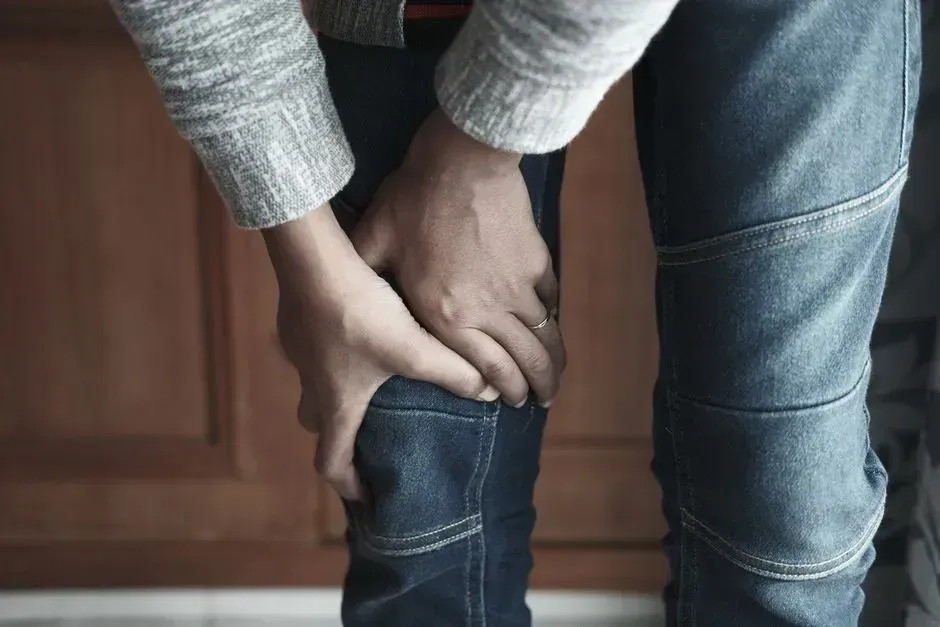
The current picture is a modest, inconsistent signal rather than a settled rule. Some studies tie lower pressure, cold or humidity to more pain, while others find nothing at all. Self reported weather sensitivity appears common, even if objective data can’t always confirm it.
Researchers generally treat barometric pressure as one of many factors in arthritis pain. For some people it may matter a great deal, and for others hardly at all.
