


- NASA invites students to design a moon base in $1 million challenge - November 11, 2026
- Why Some People Can Feel a Storm in Their Joints, According to Experts - November 11, 2026
- 7 Foods That Taste Better on a Rainy Day, According to Chefs - November 11, 2026
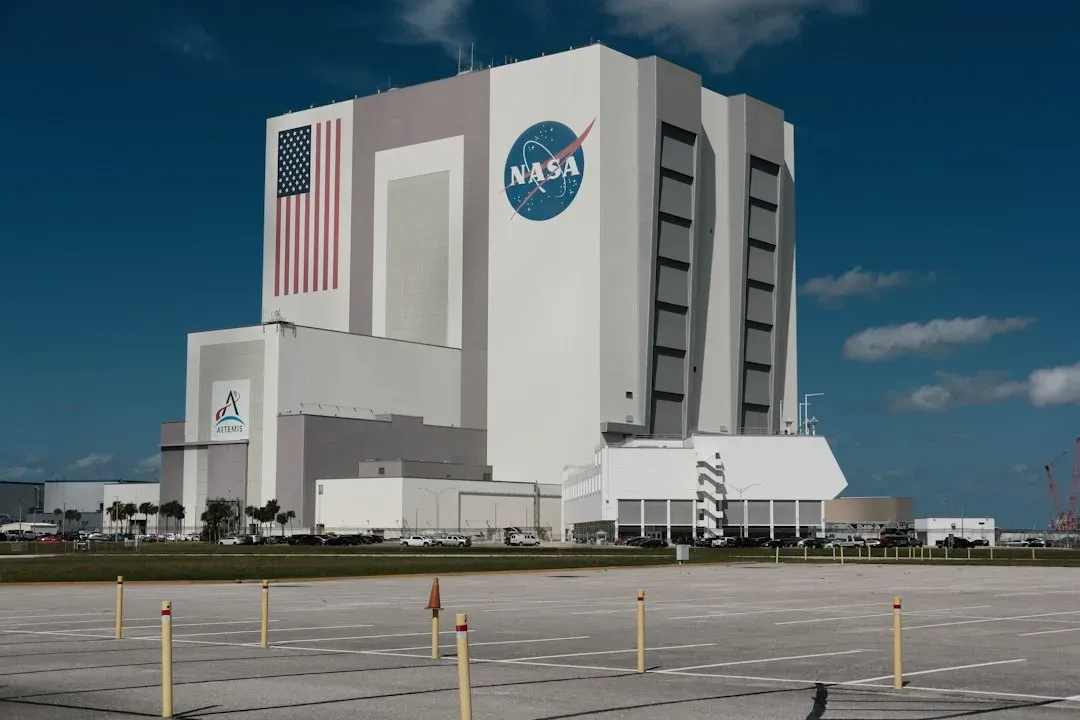
NASA announced the opening of its $1 million Moon Base Student Challenge during a MAX POWER event at Kennedy Space Center Visitor Complex in Florida. The contest asks young engineers to work on real problems that future lunar crews will face.
It’s an unusual offer. Instead of a classroom exercise, students are being asked to contribute ideas to a program that NASA is actively planning. Here’s what we know so far about how it works and who can take part.
What the Moon Base Student Challenge Is
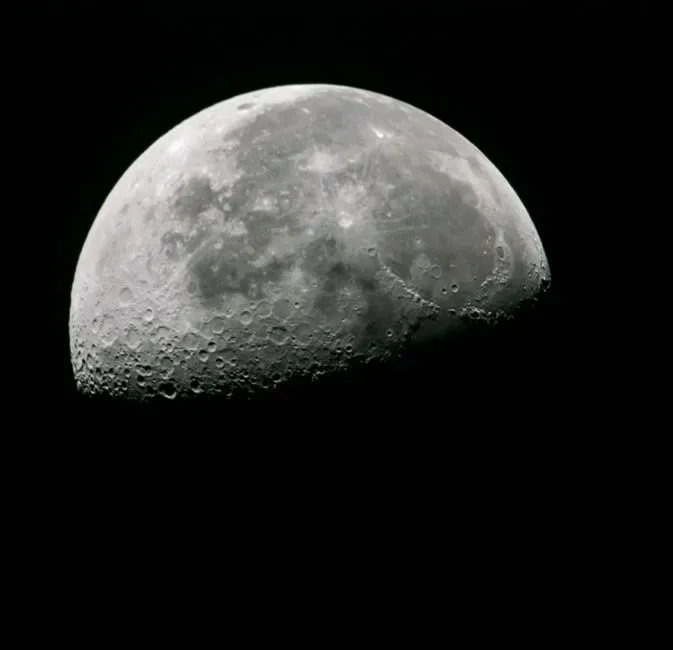
NASA is inviting student teams at U.S. high schools and postsecondary schools to develop ideas for a future lunar base as part of a $1 million competition. The announcement came on Nov. 8 at the Kennedy Space Center Visitor Complex.
The Office of STEM Engagement designed the challenge in collaboration with the Moon Base Program. That link to an active program is what sets it apart from a purely academic contest.
Where the Base Would Go
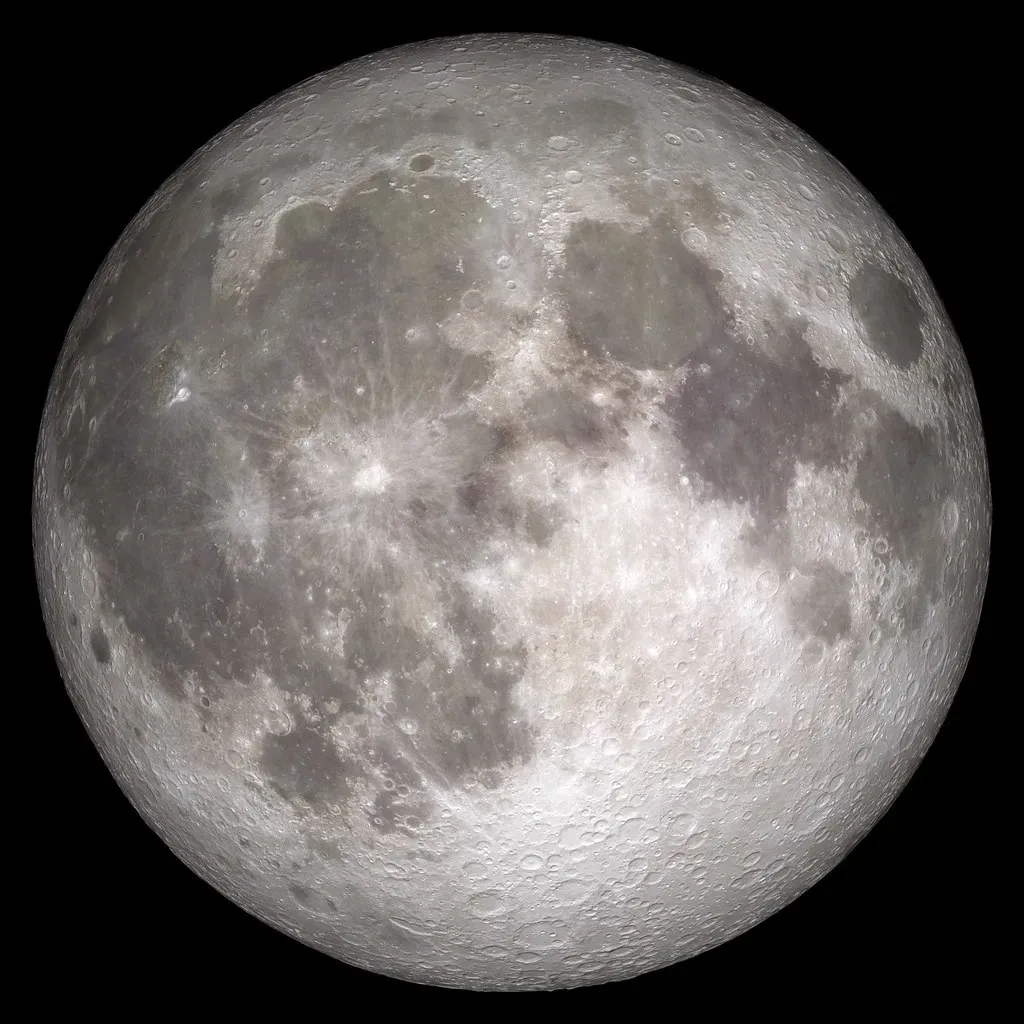
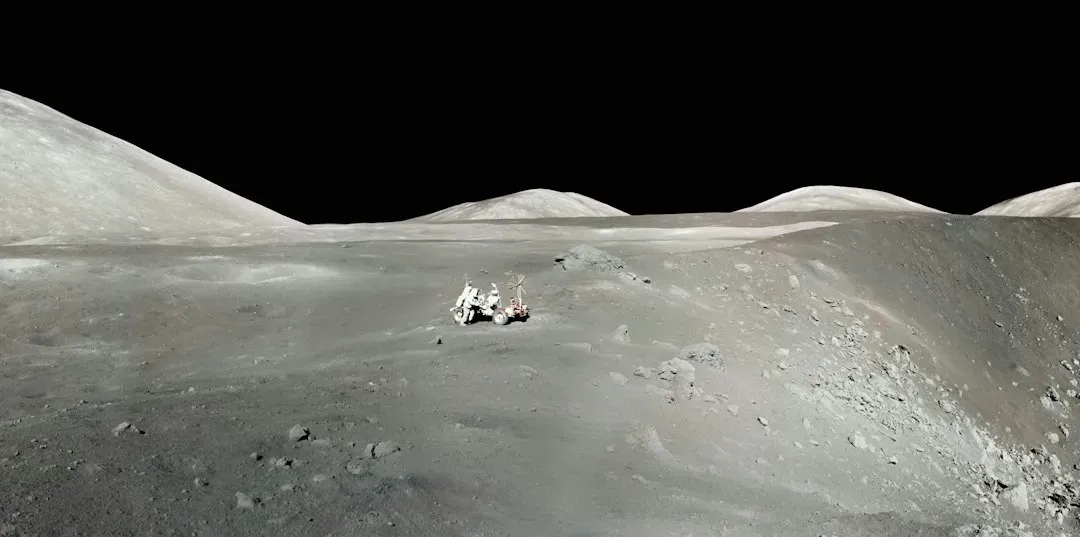
NASA envisions a base in the moon’s south polar region where astronauts could live, work and explore. The sun stays low on the horizon there, and conditions vary dramatically over short distances.
That terrain shapes every design question. Some craters near the south pole never see sunlight. Students will need to think about power and operations in light that is limited and uneven.
The Six Design Categories
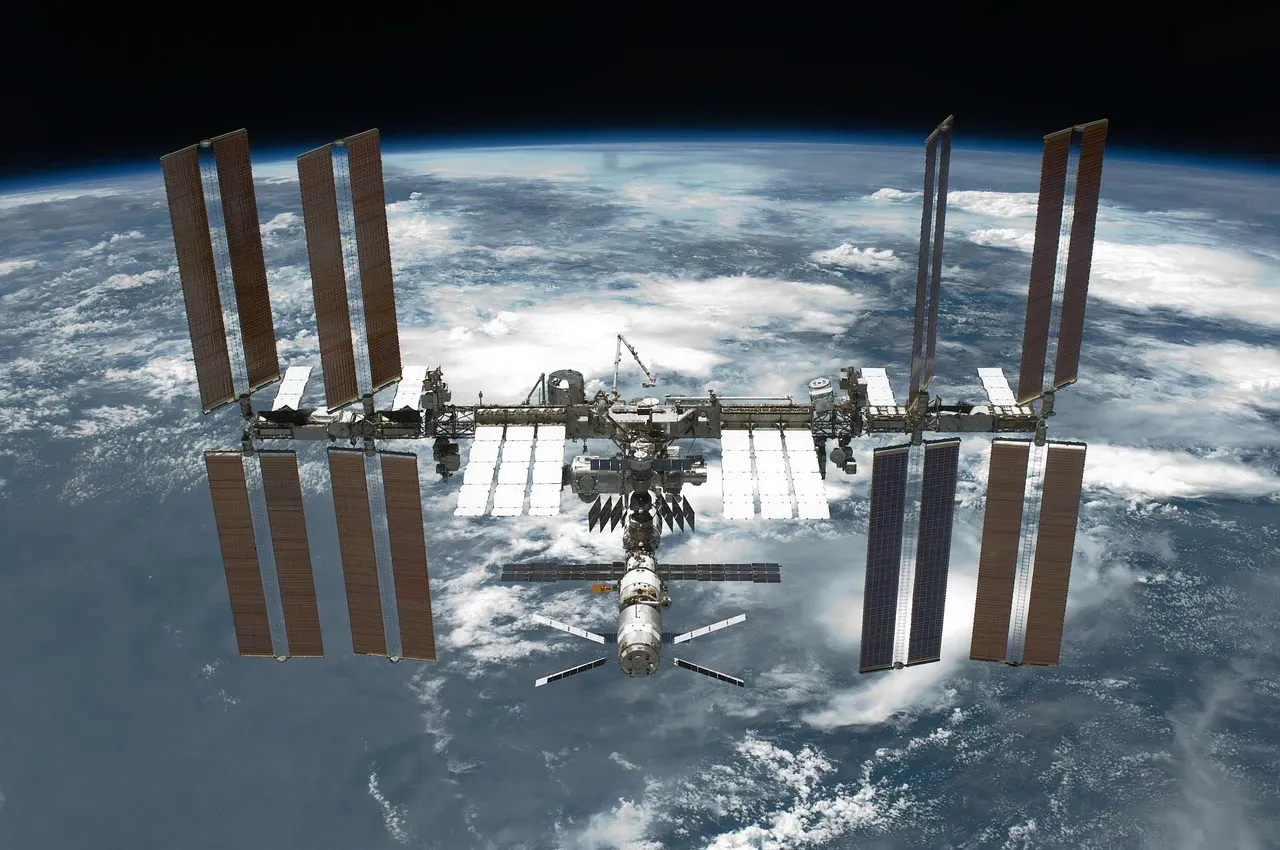
Student teams will design solutions across six categories: power generation and storage, construction, life-support systems, surface mobility, communications networks, and astronaut safety. Each one covers a piece of what a permanent outpost would need.
Teams don’t have to cover everything. They can focus on one area where they have a strong idea, and the categories are broad enough to suit different skills, from electrical systems to structural design.
The Harsh Lunar Conditions Designs Must Handle
The environment is demanding. Designs must cope with vacuum, radiation, abrasive dust and temperatures that swing from 120 degrees Celsius to minus 170 degrees Celsius.
Ideas must also work through the moon’s two-week stretches of daylight and darkness without relying on supplies from Earth. NASA says the challenge uses authentic environmental and mission design parameters for lunar surface operations.
How Teams Enter and What They Submit
In the first phase, every team submits a five-to-seven-page concept paper explaining its idea, why it matters and whether it would work on the moon. The same report notes that the challenge has two divisions that are judged separately.
Submissions will explain how the solution works, how it would be deployed on the Moon and how the team addressed technical challenges. I’d suggest checking NASA’s official challenge page for the full rules, since later phases may carry additional requirements.
Eligibility, Deadlines and Prize Money
The competition is open to U.S. high school and college teams. Student teams have until Jan. 25 to register, which one outlet lists as January 25, 2027.
The total prize pool is $1 million. However, NASA did not specify how the money would be divided in its initial announcement, so students should watch for updated rules.
Why NASA Is Asking Students
NASA’s leaders frame the contest as a search for fresh thinking. Administrator Jared Isaacman said NASA is looking for students ready to think creatively, work as a team, and take on real problems connected to its future on the Moon.
The challenge also gives participants a chance to develop skills for careers in the space industry while helping advance new concepts for Moon Base technologies. The agency says a sustained human presence on the moon would help prepare for future crewed missions to Mars.
What This Means for Aspiring Engineers

Carlos García-Galán, manager of the Moon Base Program, said NASA wants to draw on ingenuity and innovation to consider everything explorers might need to live and work there. For students, that means their work could be read by people who are shaping actual plans.
No one knows yet which ideas will stand out, and winning isn’t guaranteed. Still, writing a serious concept paper on power, shelter or safety is solid practice for any future engineer, whatever the judges decide.
Conclusion

The Moon Base Student Challenge puts real lunar engineering problems in front of high school and college teams, with $1 million at stake and a registration deadline in late January. Details such as the prize split are still unclear, so anyone interested should rely on NASA’s official page.
The moon’s south pole is a hard place to build. Asking students for ideas is a good way to find out who might help solve that.
