

- Phantom Energy Sucking Power 24/7 – 7 Home Electronics Quietly Inflating Utility Bills - November 14, 2026
- A Million-Mile Storm Raging for Centuries – 6 Violent Weather Wonders in Our System - November 14, 2026
- Animals Flee Hours Before the Tremor – 7 Natural Warnings Before Disasters Strike - November 14, 2026
Often, yes, but not automatically. Travel insurance can cover flight delays and cancellations caused by severe weather, but coverage varies by policy. The details matter, and they tend to surprise people at the worst moment, when they’re stuck at an airport.
This guide explains which benefits respond to a storm-related disruption and how delay thresholds work. It also covers what insurers won’t pay for, and what to do before and after a disruption. Wording differs between insurers, so treat this as a general map and check your own policy.
Which Policy Benefits Respond to Weather Disruptions

Weather isn’t usually a separate product. One insurer describes it as a situational trigger, or a covered reason, that activates coverage for several different types of travel insurance benefits. Those include trip cancellation, interruption, travel delay and missed connection cover.
So a snowstorm doesn’t pay out by itself. It qualifies you to claim under benefits your plan already has. If your policy lacks, say, trip delay cover, a weather event won’t create it.
How Trip Delay Coverage Works

Trip delay is the benefit most travelers use. It may reimburse reasonable expenses, such as meals, lodging and transportation, that were incurred while waiting for travel to resume. Some plans also help with essentials if baggage is delayed after a storm.
There’s a waiting period. One comparison site says the severe weather must delay your trip by at least 3-12 hours, depending on the plan. Another source notes the benefit kicks in at your policy’s delay threshold, not when the airline declares the cancellation. Check that number before you buy.
When a Weather Cancellation Triggers Trip Cancellation Benefits

Trip cancellation reimburses prepaid, nonrefundable costs, but the bar is higher. When severe weather or a natural disaster causes an extended delay so your travel carrier can’t get you to your destination for at least 24 hours from your original scheduled arrival, that can be a covered reason for trip cancellation. Many plans use a similar window.
That means a quick rebooking usually doesn’t qualify. A same-day rebooking to a later flight usually won’t trigger the cancellation benefit. It’s designed for trips that are truly derailed, such as a missed cruise or a vacation you can no longer take.
Missed Connections and Interruptions

Storms often cause knock-on problems. If you miss a connecting flight, cruise departure, or tour departure due to inclement weather delays, your policy’s Missed Connection may cover the cost of booking additional travel arrangements to catch up to your trip. That can matter a lot on a tight itinerary.
Trip interruption applies once you’re already traveling. Winter-weather guidance from Squaremouth says Travel Delay and Missed Connection benefits typically require the delay to last 3-12 hours before coverage kicks in. Policies differ on limits and wording, so confirm how your plan treats a trip cut short.
What Airlines Owe You Versus What Insurance Adds
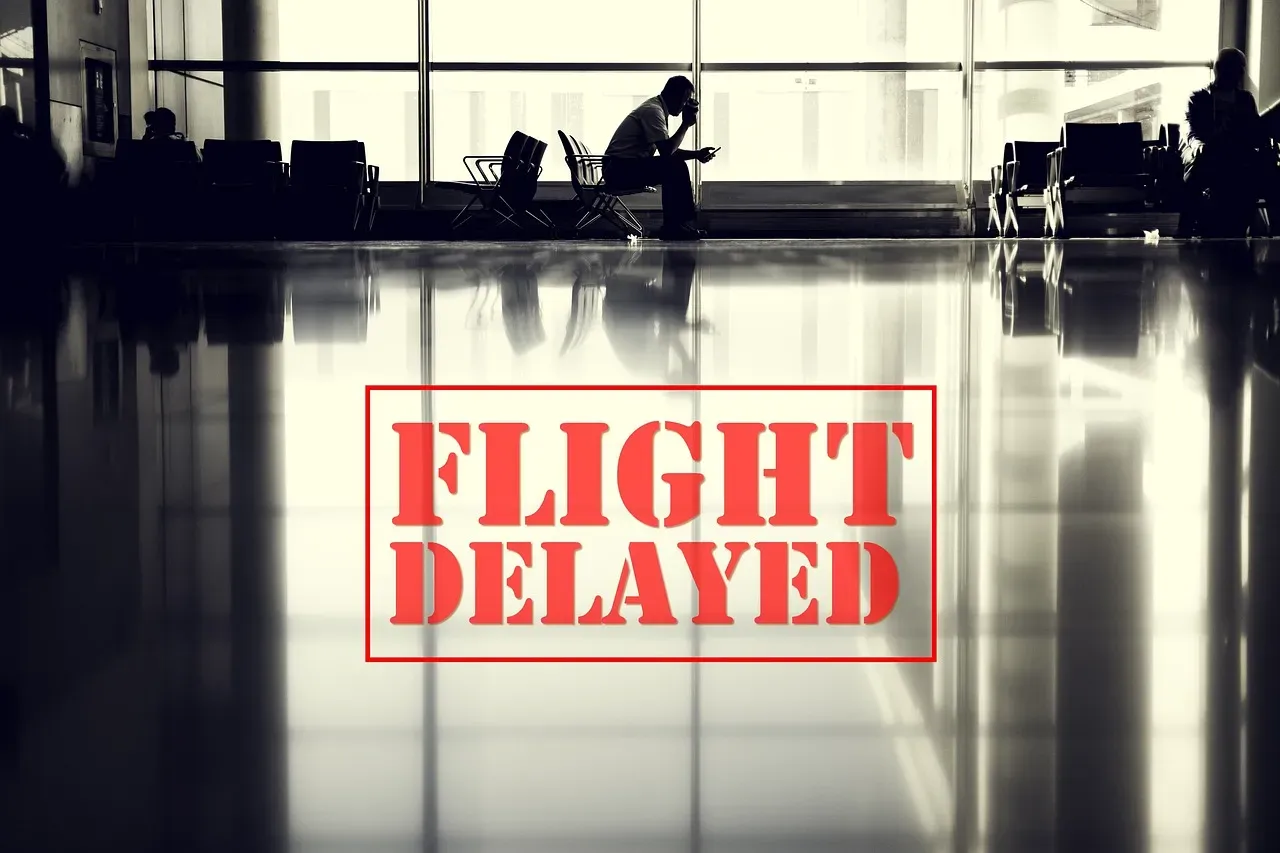
Airline obligations for weather are thin in the U.S. Allianz explains that airlines generally provide a hotel or meal voucher only if the disruption was within the airline’s control, and weather is not. For weather, airlines in the U.S. are only obligated to give you a refund (if you choose not to fly) or a seat on a different flight.
This is where insurance fills the gap. As one source puts it, the trip-delay benefit pays for hotel rooms and airport dinners that the airline won’t cover. Rules differ in other countries, so travelers outside the U.S. should check local passenger rights too.
What Isn’t Covered
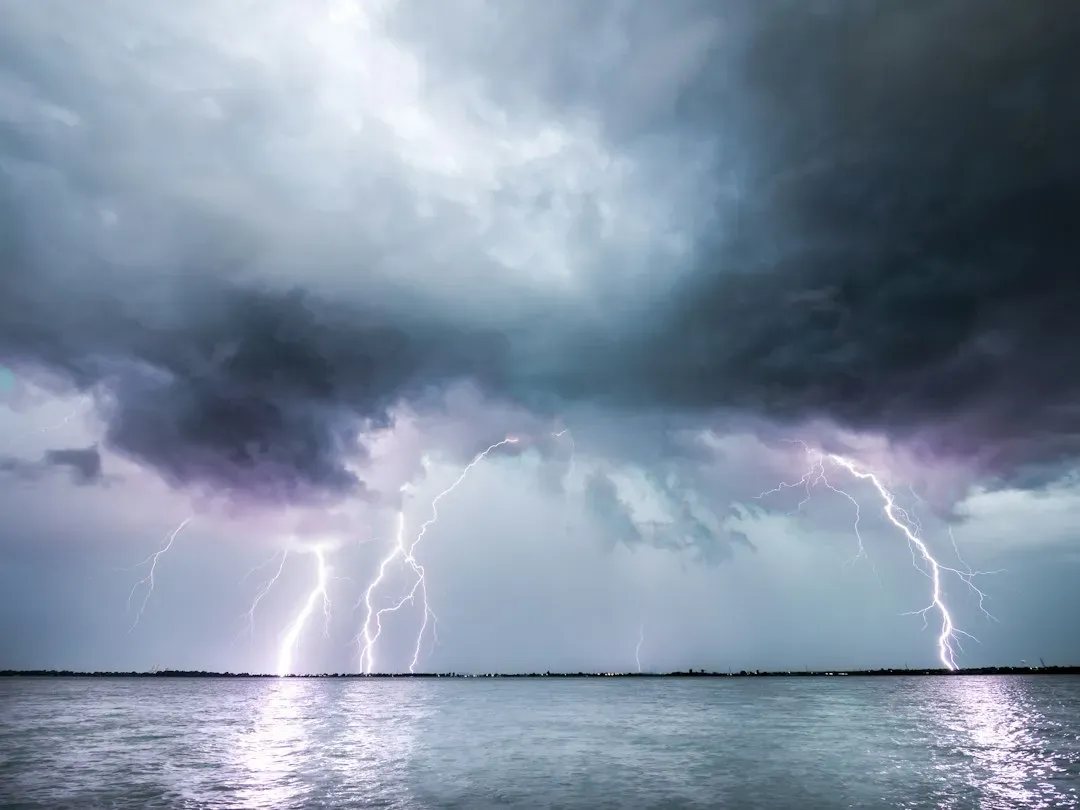
Fear of bad weather isn’t enough. Travel insurance usually does not cover voluntary cancellation just because rain, snow, fog, or a storm is in the forecast if your flight, cruise, train, or other transportation is still operating. CNBC similarly notes that being worried about a storm or poor weather at your destination aren’t covered reasons.
Minor disruptions may also fall short. If a storm cancels your flight but your airline is able to rebook you on another flight within a timely manner, your coverage may not apply. Also, any airline refund or credit is generally applied first, so insurance only addresses the remaining loss.
Timing: Buy Before the Storm Is Known

When you buy matters. Travel Guard warns that if you purchase your insurance after a severe winter weather warning or watch has been issued, you likely will not have coverage for cancellation and interruption losses from that storm. Hurricanes are commonly treated the same way once a storm is named.
The practical lesson is to buy soon after booking, not when the forecast turns ugly. Policies also vary by how they define severe weather, so read that definition and the list of covered reasons first.
How to Protect Your Claim

Documentation decides many claims. Keep boarding passes, airline cancellation notices, receipts for meals and hotels, and proof of the delay length. Insurers often rely on the carrier’s determination, since whether a delay was caused by inclement weather is typically determined by the travel supplier, so ask the airline to confirm the reason in writing.
Contact your insurer early. Assistance services can help find accommodations or rebook a flight, and you generally have time to file the formal claim after you get home. Always check your policy for filing deadlines.
Conclusion

Travel insurance can cover weather-related flight delays and cancellations, but only when the weather actually disrupts your carrier and the delay passes your policy’s threshold. Voluntary cancellations, short delays and storms already known at purchase are the usual gaps.
Before you buy, check the severe weather definition, the delay hours and the cancellation window. Five minutes with the policy beats an unpleasant surprise at the departure gate.
