

For nine months, a research team combed the waters around the Galápagos Islands looking for blue whales. They didn’t find one. The surveys ran between October 2025 and July 2026, and they covered areas where the whales have historically been recorded.
The timing matters, because the empty ocean coincided with a strong El Niño. Scientists suspect a link, but they’re careful about it. What follows is what the researchers actually know, what they’re guessing, and what remains open.
A Nine-Month Search That Came Up Empty
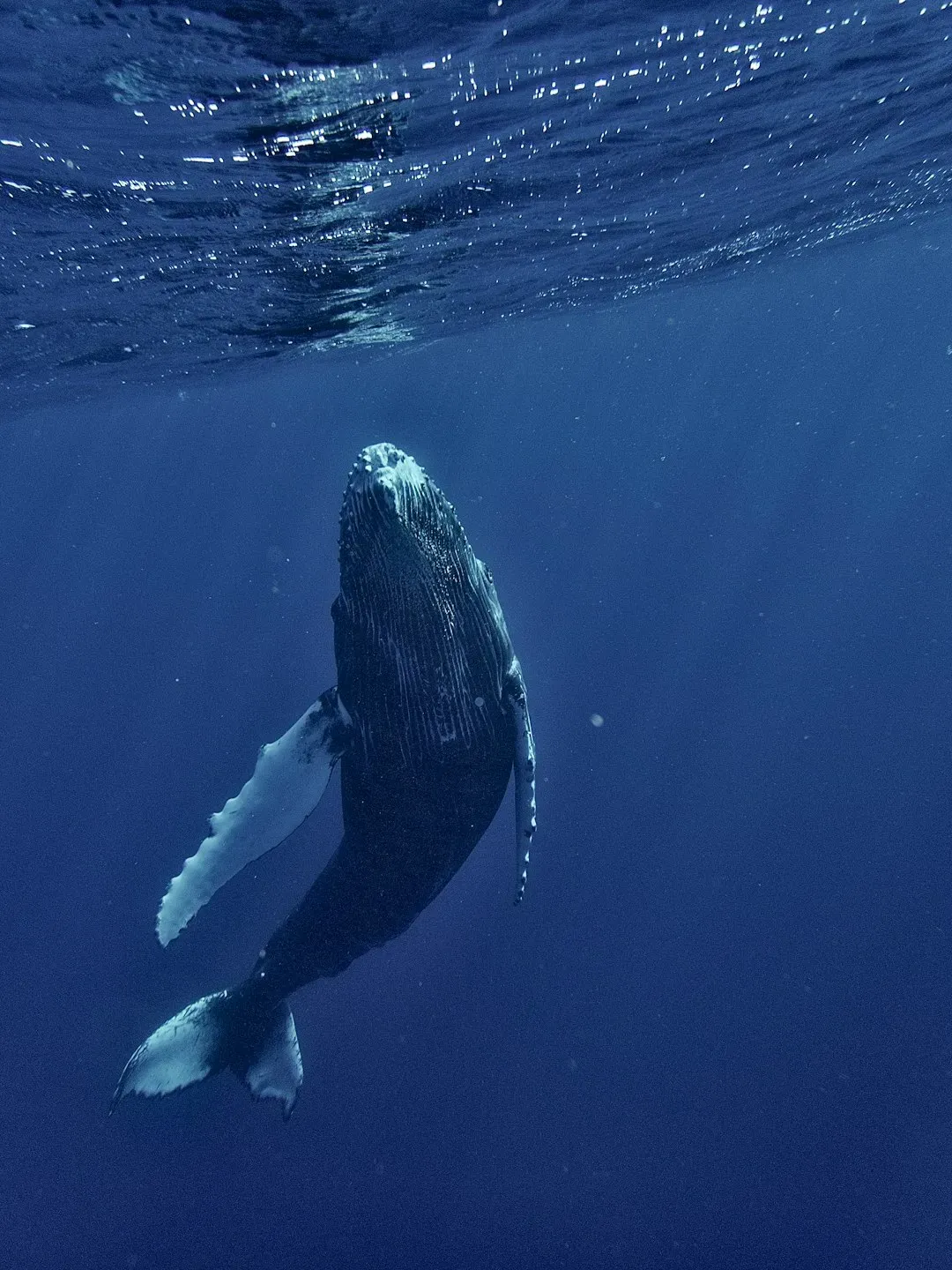
The expedition ran multiple surveys in areas of the Galápagos where blue whales have historically been recorded, and documented no sightings. Its main goal was to find whales and deploy satellite transmitters to better understand their migratory routes. That goal wasn’t achieved.
The team still came back with useful material. They collected oceanographic data through temperature measurements and plankton samples. That data is now central to the effort to explain the absence.
What El Niño Does to the Ocean
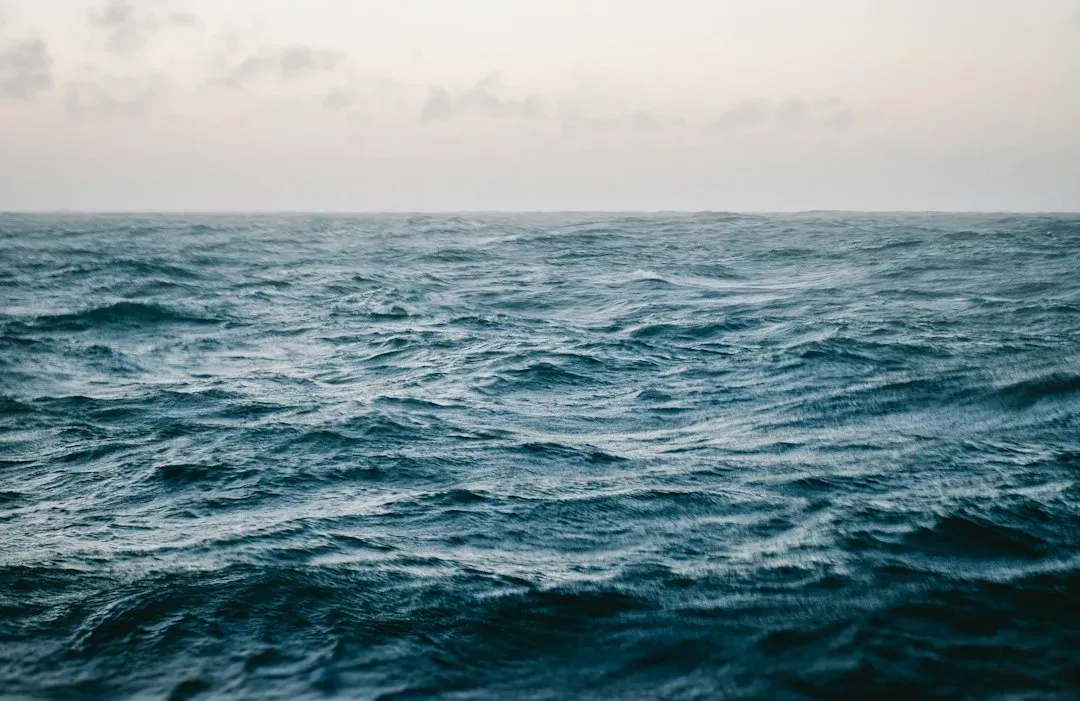
El Niño is a climate pattern of unusually warm surface water across the central and eastern tropical Pacific. For the Galápagos, it can change how heat and nutrients are distributed in the water. Ecuador is facing the effects associated with El Niño’s arrival, and the country was under a Red Alert this year over its potential effects.
Marine life is sensitive to these shifts. When the water warms and plankton production falls, animals higher up the food chain can be affected. Whales that depend on dense patches of prey are among those that may have to move.
The Warm Water Barrier
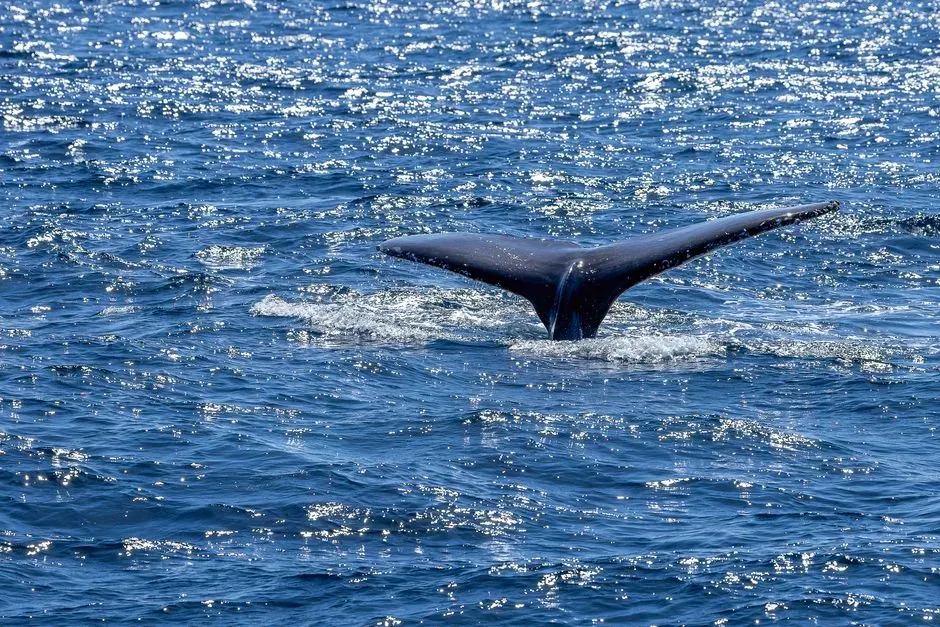
Earlier expeditions gave the team a benchmark. Blue whales primarily seek food in water layers of about 71 degrees Fahrenheit, and this season that temperature was found at a depth of about 197 feet (92 meters). That’s far deeper than usual feeding conditions would suggest.
Expedition leader Daniela Alarcón describes this as a problem for the whales. She says the unusually warm water acts as a “thermal barrier” that keeps whales from finding food around the islands. She suggests they may have moved south to cooler, food-rich areas.
The Krill Question
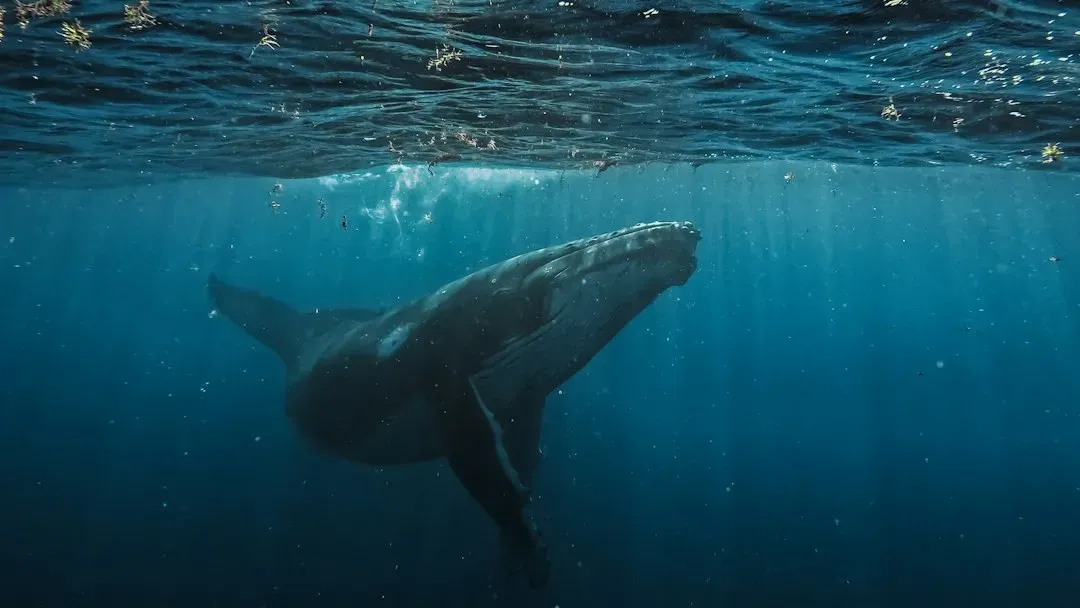
Blue whales eat krill, and a lot of it. They can consume up to 5.5 tonnes of krill a day. Krill are sensitive to ocean temperature changes, which can affect how available they are to the whales.
Whether krill actually dwindled near the islands isn’t settled. It’s not yet clear that this year’s El Niño caused a krill shortage there, though some indirect evidence points that way. Direct proof would require more sampling and analysis.
What the 2024 Tagging Study Showed
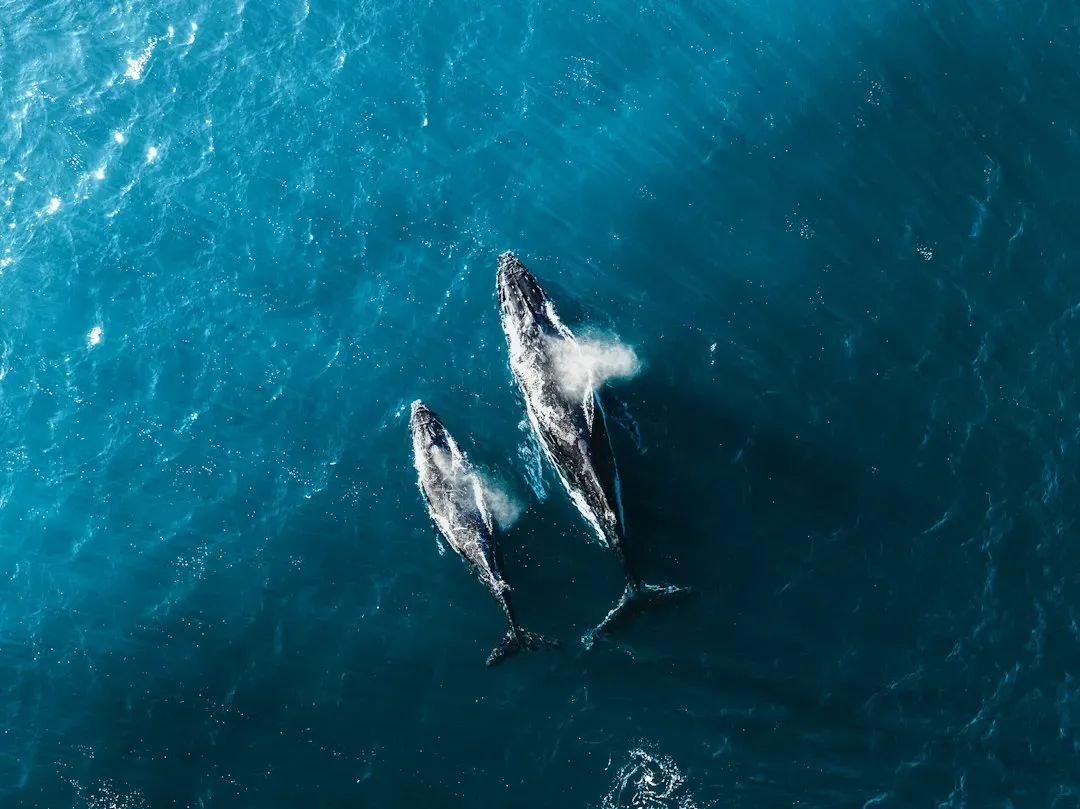
There’s also earlier research. From 2021 to 2023, a study used satellite tags on 16 blue whales to follow their movements. It found the whales prefer areas with presumed higher prey abundance, cooler water and features such as ridges.
The 2023 El Niño left a mark on that work too. Fewer whales were observed and tagged in 2023, even though field effort was nearly three times that of the previous two expeditions. The authors concluded that the event changed sea surface temperature and primary production, likely affecting the whales’ resources.
Warning Signs Before the Search Began
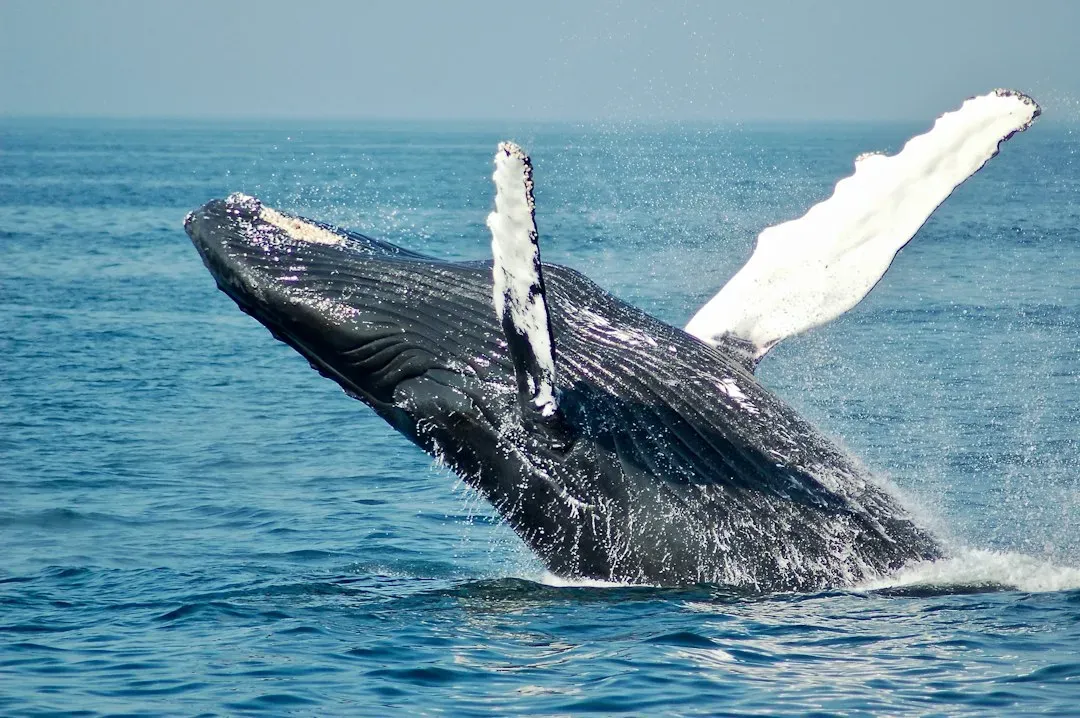
The decline didn’t begin with the expedition. Reports to Cetácea Galápagos, a citizen science network, confirmed that sightings were already declining by August and September 2025. That’s notable, since 2025 had seen 45 blue whale sightings under a standardized monthly monitoring protocol, with August the peak month of the season.
Ordinary observers helped fill in the picture here. Citizen networks can’t replace structured surveys, but they show when something seems off. In this case, they hinted at a change before the formal search started.
A Historical Parallel From 1982–1983
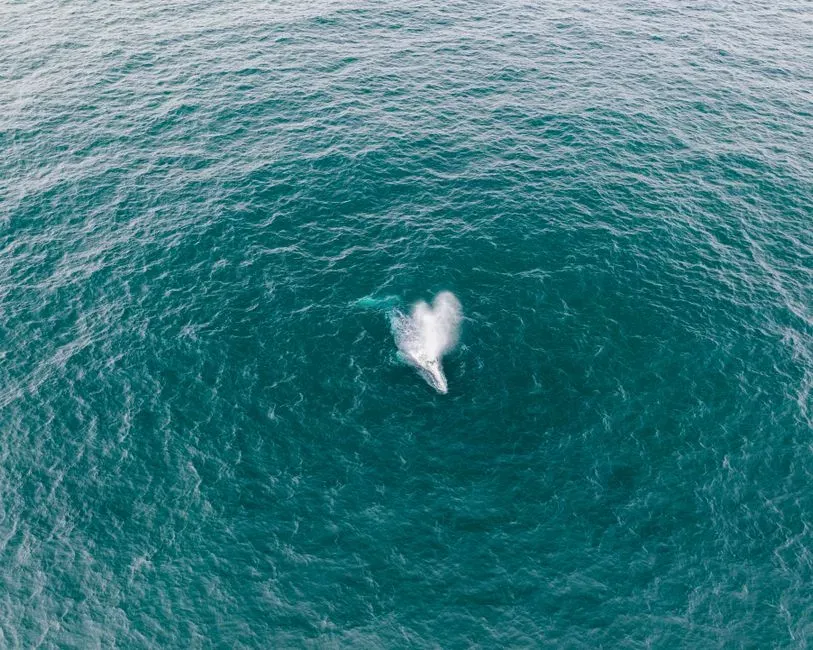
This isn’t the first time a strong warm event has coincided with whales moving. During the 1982–1983 El Niño, blue whales, fin whales and Bryde’s whales were recorded shifting southward. Marine biologist Fernando Félix, who studies the region, points to that precedent.
He also reads the current situation cautiously. He believes the present absence more likely reflects a change in routes than a mass die-off. That distinction matters for how worried people should be.
Not Gone for Good
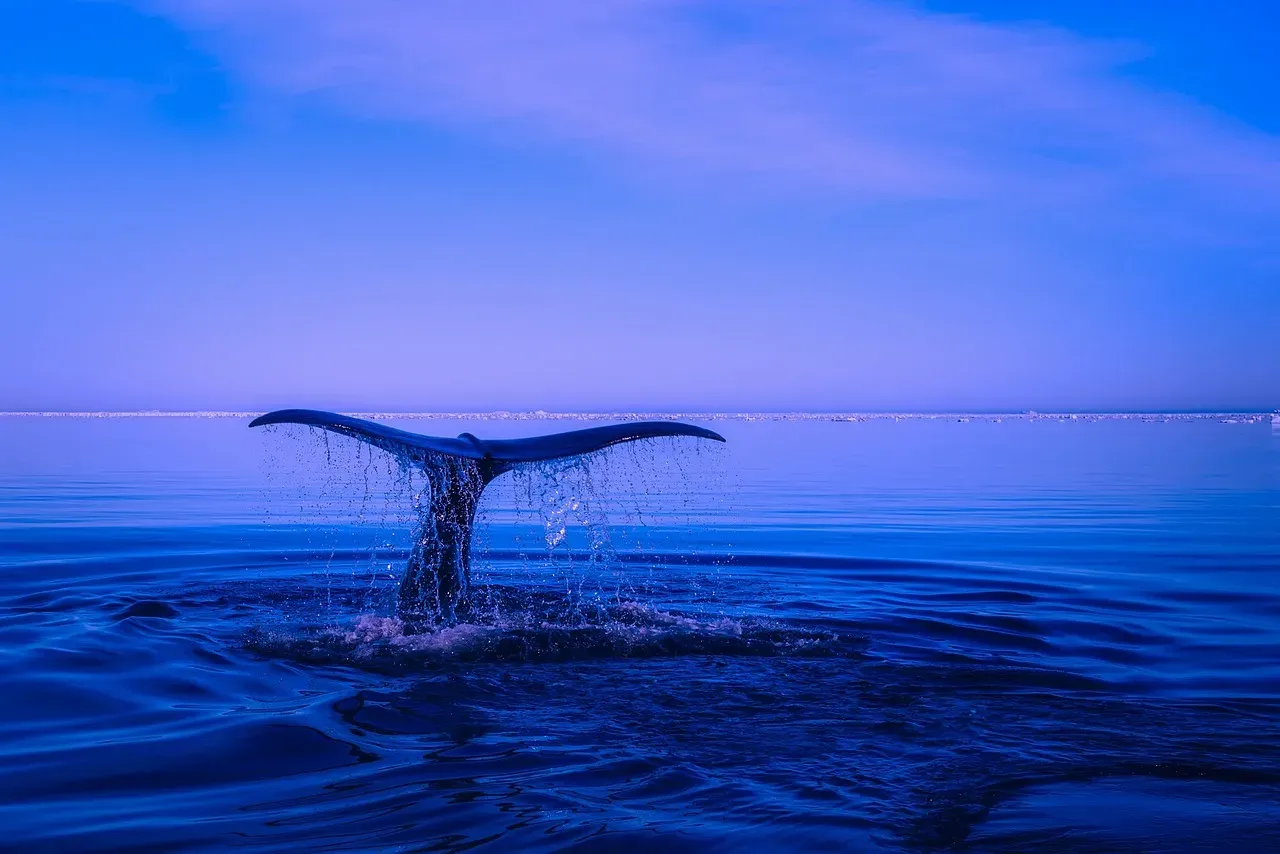
The whales haven’t vanished entirely. In September, after the expedition ended, Cetácea Galápagos reported an adult blue whale with its calf at Punta Pitt, San Cristóbal. That confirmed blue whales haven’t disappeared from the Galápagos, though nine months without a sighting is reason for more investigation.
The researchers also guard against overclaiming. They caution that the absence can’t yet be attributed to El Niño, nor treated as evidence of a permanent change in migration patterns. Blue whales, humpbacks and dolphins would likely return once El Niño subsides and conditions normalize.
Conclusion
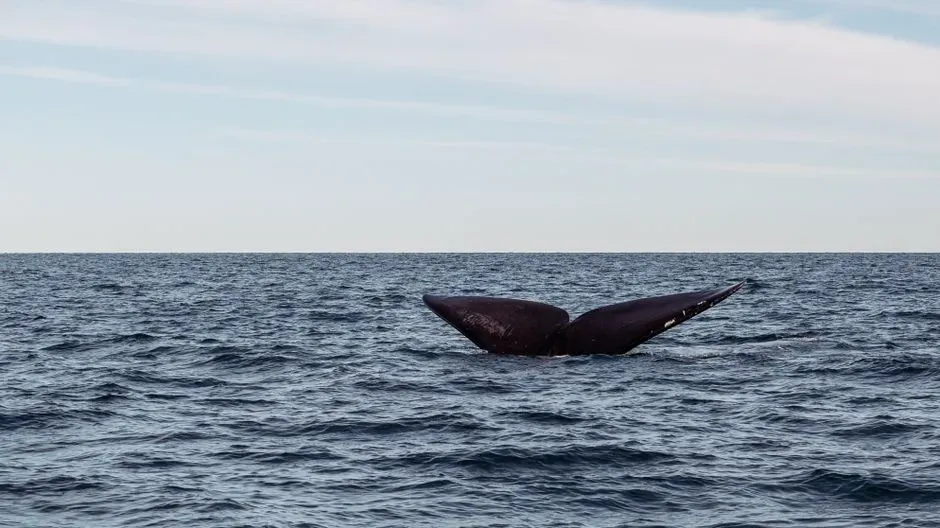
The picture so far is a strong correlation, a plausible mechanism and a historical precedent, but not proof. Warm water pushed the whales’ preferred feeding temperatures far deeper, sightings were already falling in 2025, and a similar southward shift happened in 1982–1983. Yet krill data are missing, and a mother and calf were seen after the search ended.
The ocean around the Galápagos is telling scientists something, even if it hasn’t finished speaking. Whether the whales come back when the water cools will be the clearest answer yet.

- The Shoreline Sucked Dry in Seconds – 5 Tsunami Signals Beachgoers Mistake for Low Tide - November 14, 2026
- 9 Dark-Sky Destinations Around the World Where the Stars Look Unreal - November 14, 2026
- The Fault Line That Never Slips – 7 Locked Seismic Zones Overdue for a Massive Release - November 14, 2026
