
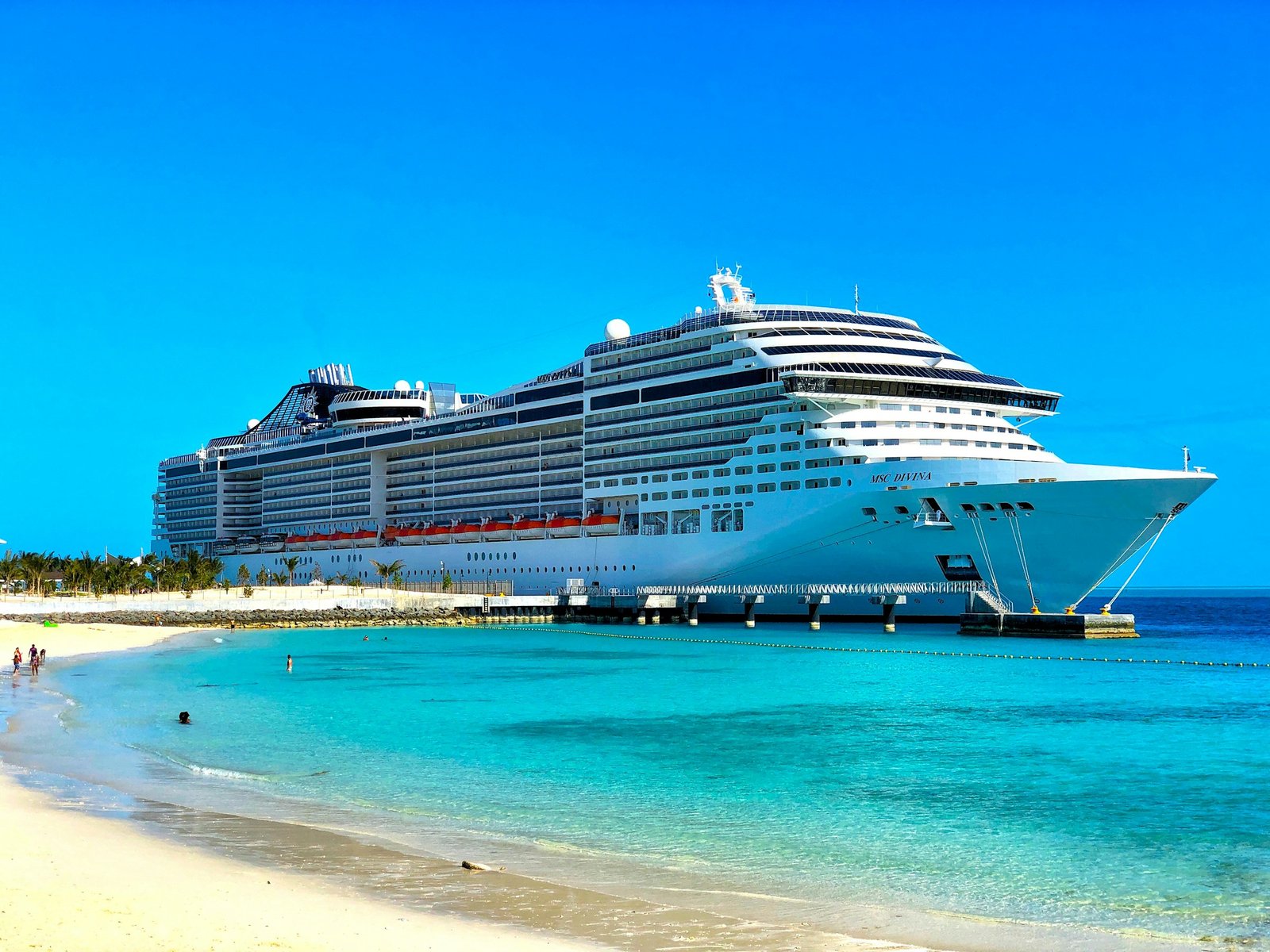
Two of Europe’s most photographed cities have spent the past few years rethinking how big ships reach them. One sits on a fragile lagoon. The other has a cruise terminal a short walk from its central railway station.
The two cities took different routes, and they’re at different stages. Looking at the details shows why each acted, and what is still undecided as of late 2026.
Two Cities, Two Different Pressures
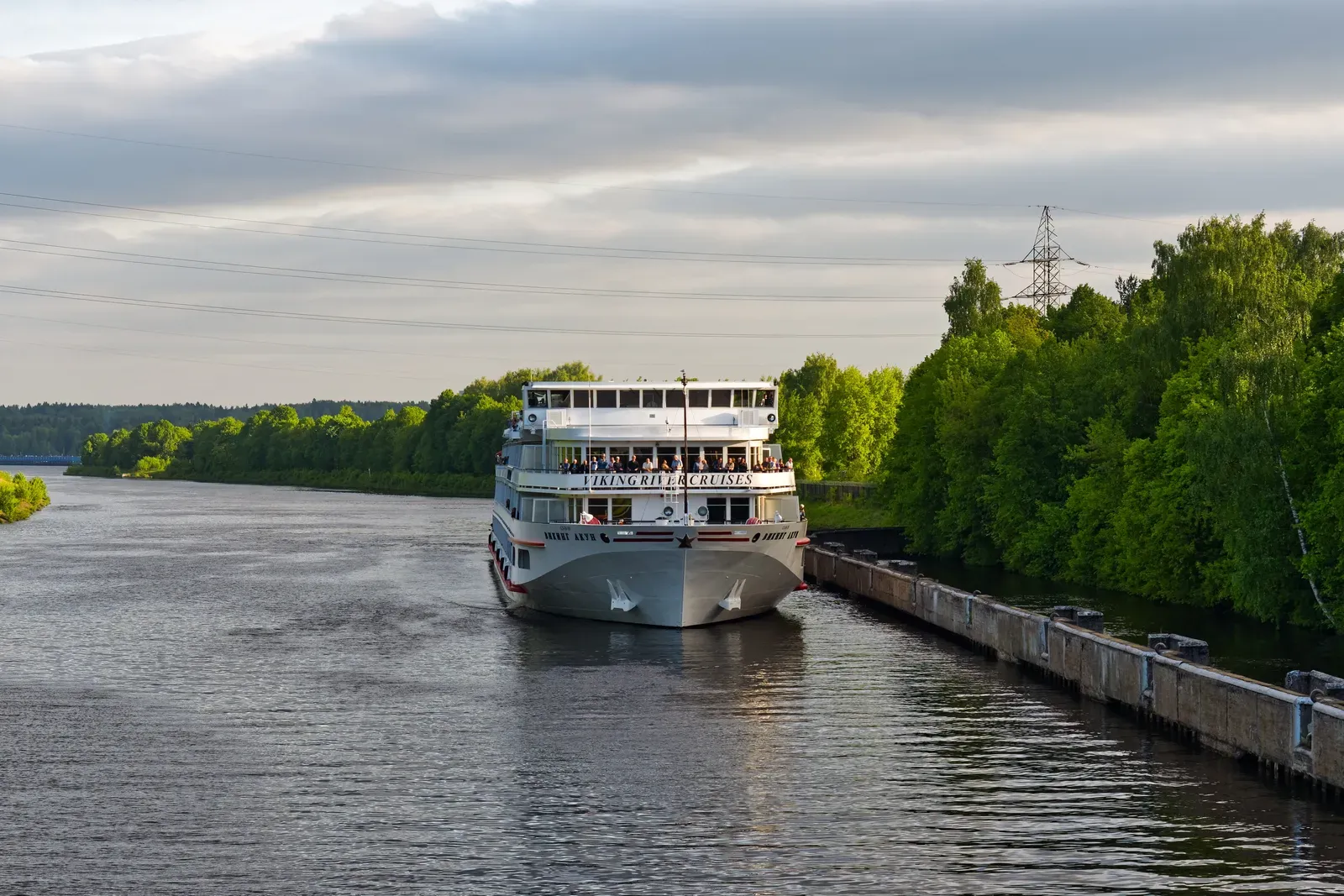
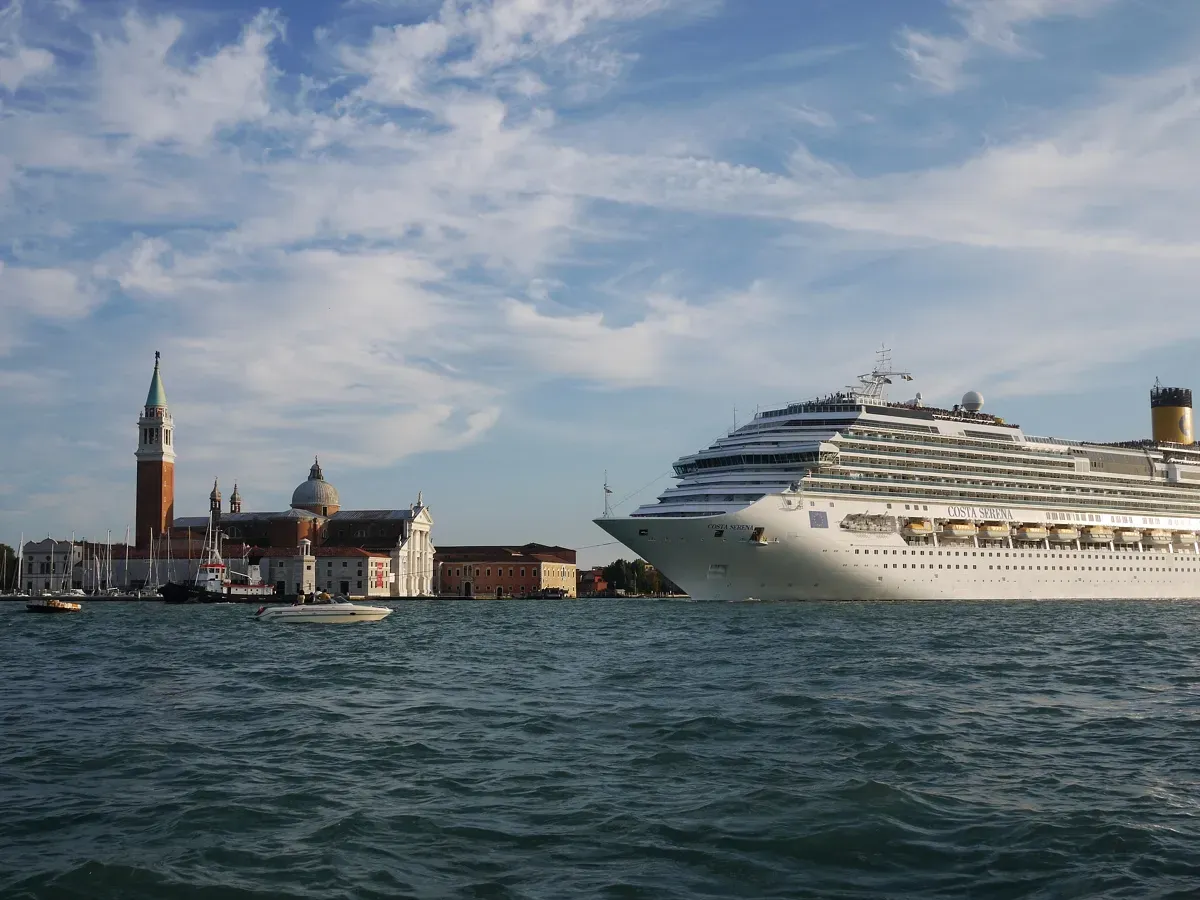
Venice’s concern is mostly physical. Its historic waterways and lagoon are UNESCO protected, and the aim of the 2021 ban was to protect that lagoon. Huge hulls passing close to St Mark’s had become a symbol of what mass tourism does to a fragile place.
Amsterdam’s worries are more about air quality and visitor numbers. Environmental activists and some coalition aldermen say large cruise ships emit large amounts of CO2, particulate matter and nitrogen. Those concerns about pollution and overtourism have been growing for nearly a decade.
What Venice’s 2021 Rules Actually Cover
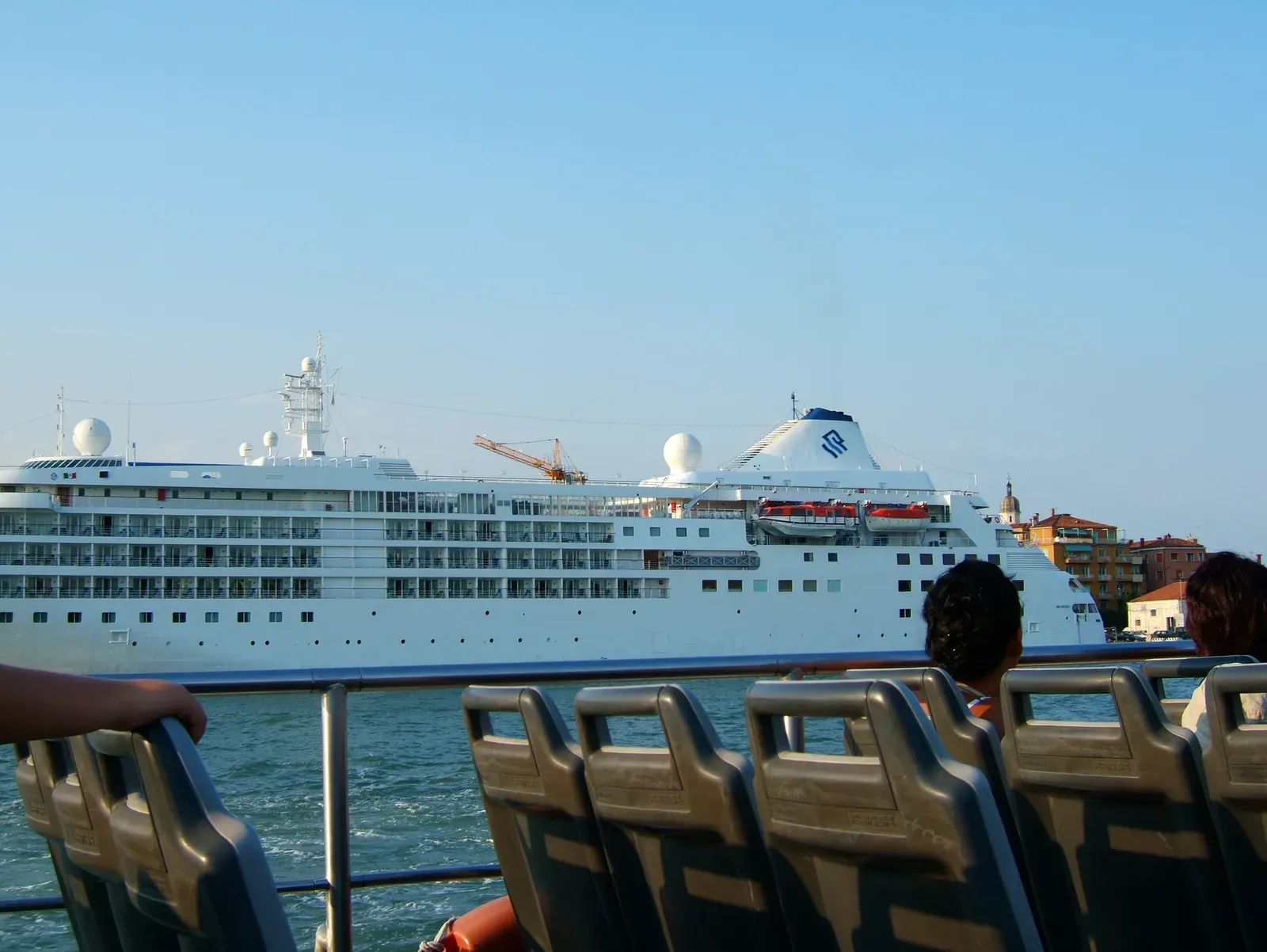
The Venice restrictions are specific. Since 2021, ships above 25,000 gross tonnes or 180 metres have been restricted from the historic approach around the Giudecca Canal and St Mark’s Basin. That covers most of the modern cruise fleet.
Before this, ships had for many years navigated the Giudecca Canal to reach the Venice Cruise Terminal. The change ended that traditional arrival, and many people see it as the move that kicked off Europe’s current wave of cruise limits.
Where the Big Ships Go Instead
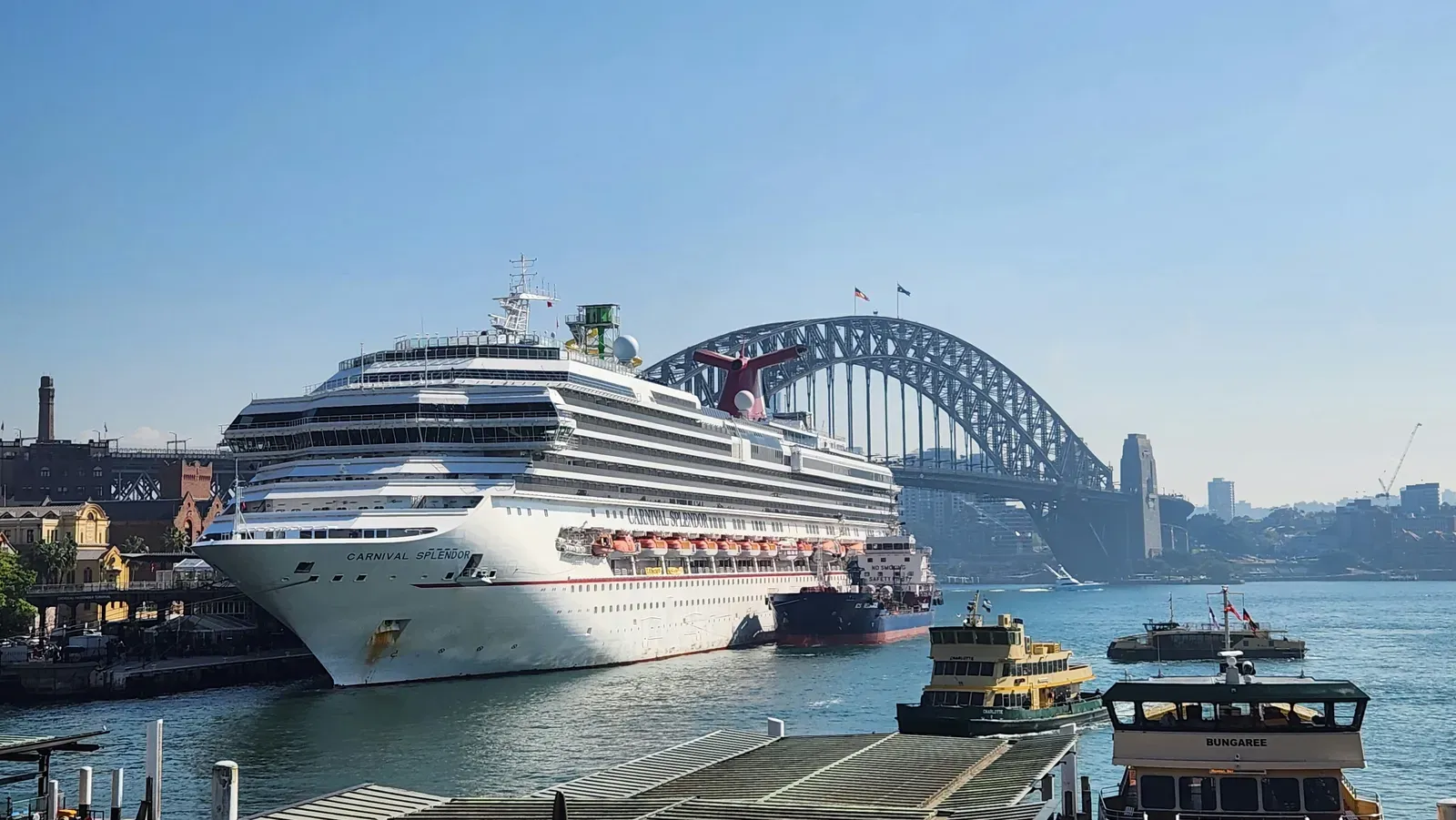
Large vessels now use the mainland. Apart from a handful of luxury lines running smaller vessels, most cruise ships can no longer dock at the central terminal, and larger ships use the industrial port of Marghera. One port guide describes it as 30 to 40 minutes from the city centre.
The old terminal still has a role. Only small ships dock at Marittima now, though it remains the check-in hall for bigger ships at Marghera. Passengers embarking there check in at Marittima, and a free shuttle takes them to the ship.
Venice’s Day Visitor Fee Reaches Cruise Passengers Too
Ship limits are only one tool in Venice. The city also charges day visitors on peak dates, and cruise passengers count as day trippers. In 2026 the fee applied on 60 days between 3 April and 26 July.
The price is €5 if paid up to the fourth last day before the visit, and €10 after that. It applies only between 8:30 and 16:00. Overnight guests and children under 14 don’t pay, but they must be able to prove their exemption.
Amsterdam Puts a Number on Ocean Cruise Calls
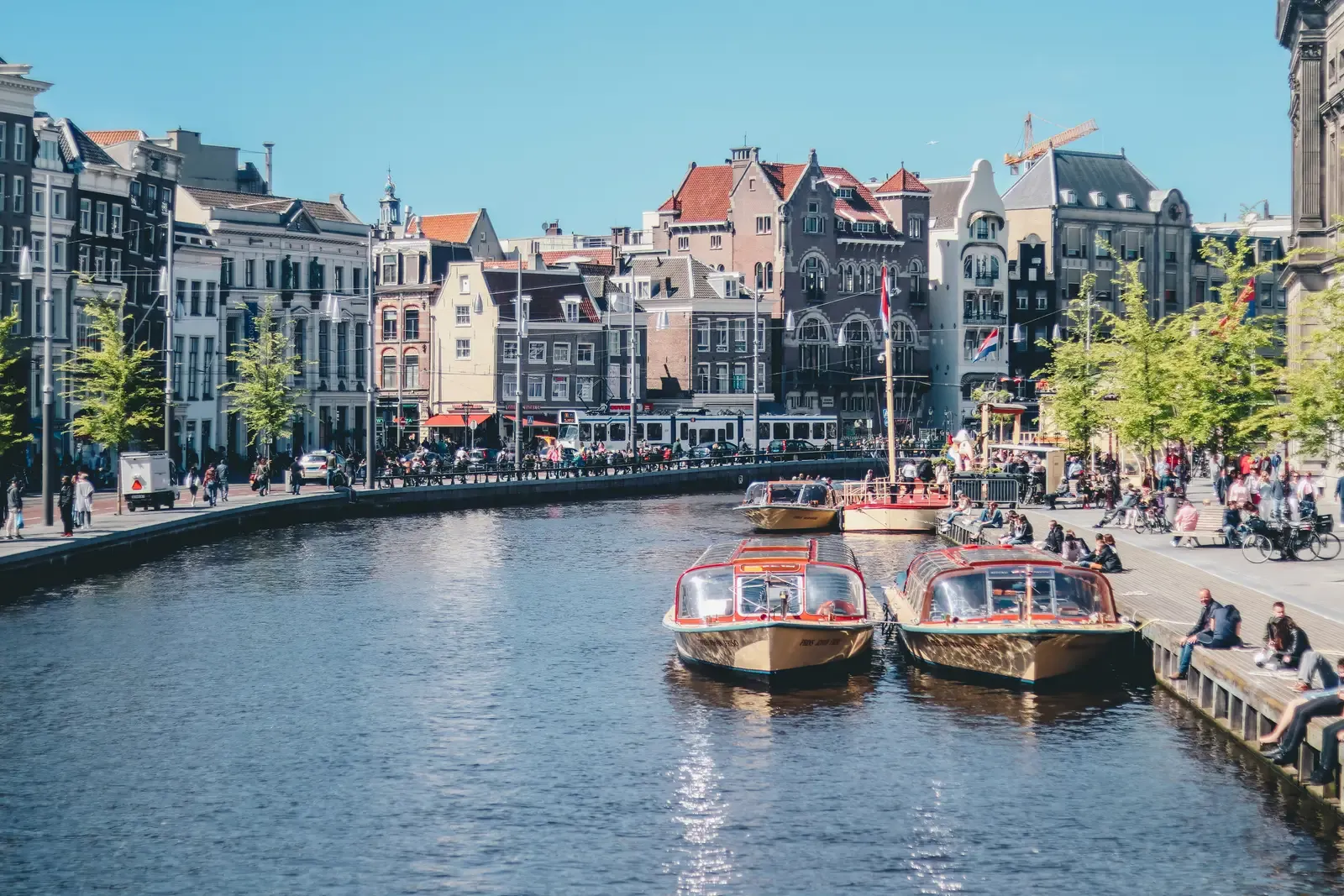
Amsterdam’s approach has been a cap. The agreement called for limiting cruise ships from 2026 to one ship per day and no more than 100 ocean cruise calls per year. One source describing the earlier situation puts it at 190 cruise ships permitted annually.
The city had already pushed in this direction for years. It introduced a tax on cruise passengers in 2019, and some companies replaced or cancelled stops as a result. In 2023, the council adopted a proposal to close the ocean cruise terminal near the central station and move it further out.
Shore Power, Rotterdam and the Spillover Effect
Emissions are the practical focus. From 2027, cruise ships would be required to use shore power, which lets them switch off engines at the quay. Shore power is also tied to wider EU rules, since the EU is mandating its use at main ports from 2030.
Fewer slots in Amsterdam send ships elsewhere. According to one report, Rotterdam has agreed to take more than 40 ships that will no longer be welcome in Amsterdam from 2026. Another summary notes that a ship at IJmuiden’s Felison terminal is a growing alternative for large ocean vessels.
The 2035 Phase Out Proposal
The debate escalated in January 2026. On 21 January, members of the coalition floated a plan to phase out all ocean cruise port calls by 2035, while keeping a smaller number of river cruise calls. Part of the reasoning was cost, since moving the terminal was put at €85 million, with no guarantee of recouping it.
It isn’t a final decision. Reporting says the idea was meant for the next municipal administration to make a final decision. Official information shows Amsterdam continues to welcome cruise ships in 2026.
Weighing the Money Against the Crowds
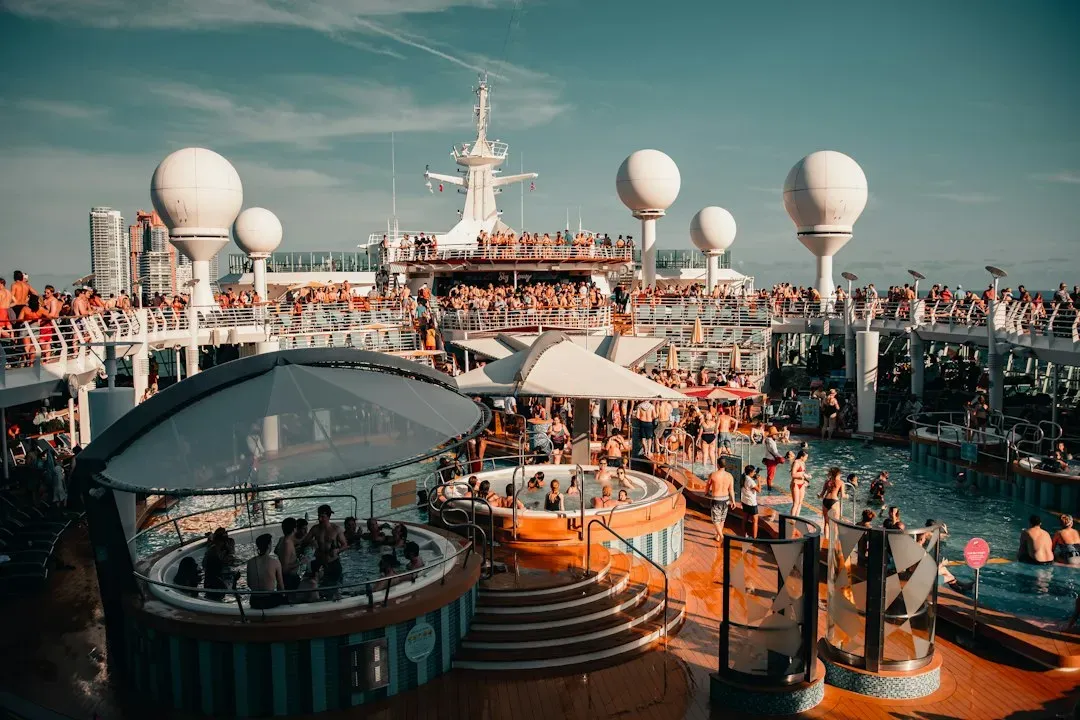
Cruise passengers are a small slice of Amsterdam’s visitors. One analysis says they represent only about one percent of 21 million annual visitors. The same source puts the annual economic benefit at approximately €105 million.
That helps explain the politics. Candidates in the March 2026 council elections faced pressure from residents worried about overtourism and from businesses that didn’t want sea cruising ended altogether. Figures vary between sources, so they’re best read as rough guides.
Where Things Stand
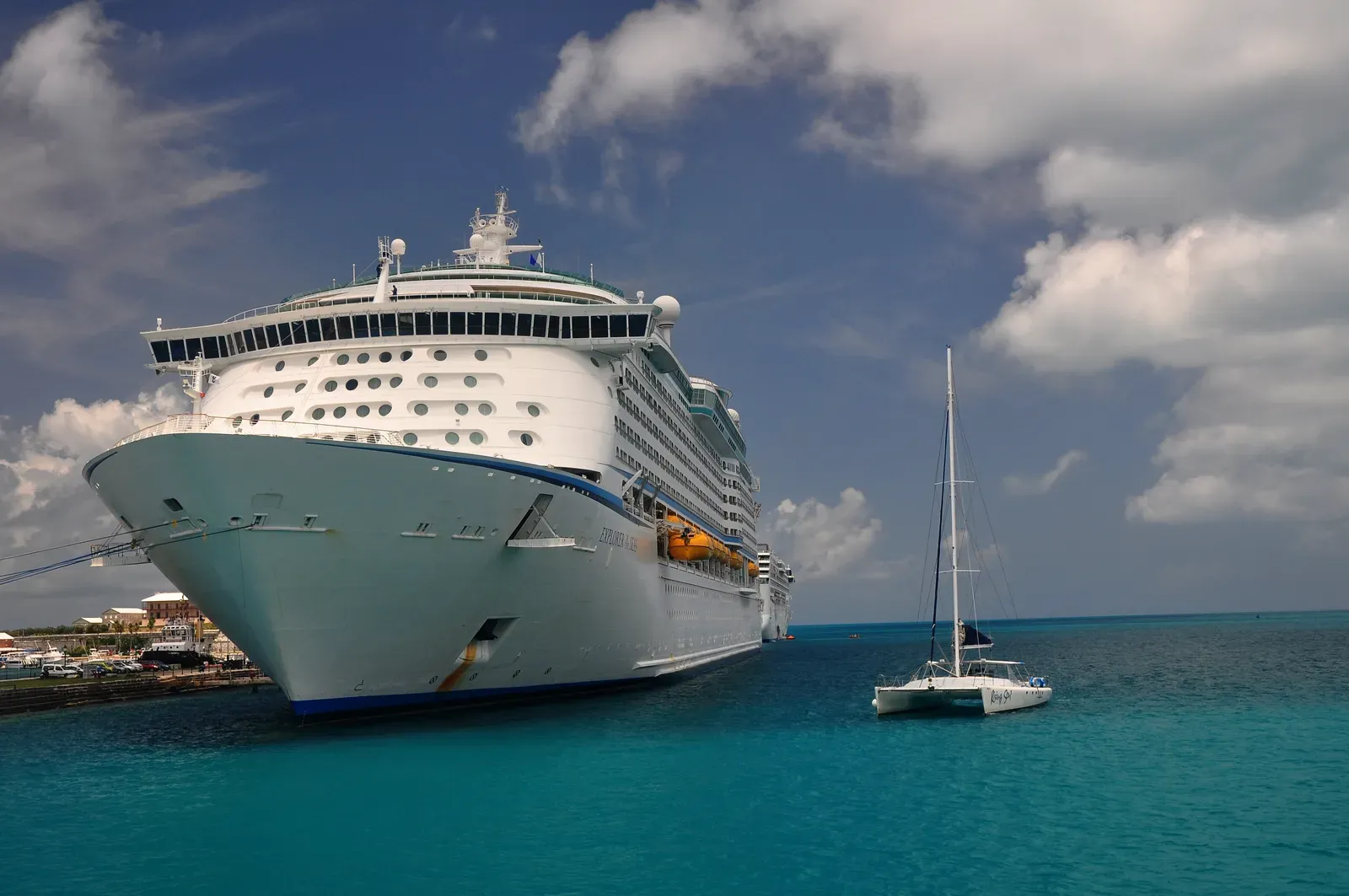
Venice has had its framework in place since 2021, and it still shapes itineraries. Big ships dock at Marghera, and passengers reach the old city by transfer, with the day visitor fee applying on set dates.
Amsterdam is operating under a 100 call cap and a one ship per day limit, with shore power due in 2027. The 2035 phase out remains a proposal for a future city administration to decide.

- The Shoreline Sucked Dry in Seconds – 5 Tsunami Signals Beachgoers Mistake for Low Tide - November 14, 2026
- 9 Dark-Sky Destinations Around the World Where the Stars Look Unreal - November 14, 2026
- The Fault Line That Never Slips – 7 Locked Seismic Zones Overdue for a Massive Release - November 14, 2026
